

NOTIFY ME WHEN AVAILABLE
We'll notify you as soon as this product or sample is back in stock / available.
Pair It With



Classic Italian Craftsmanship
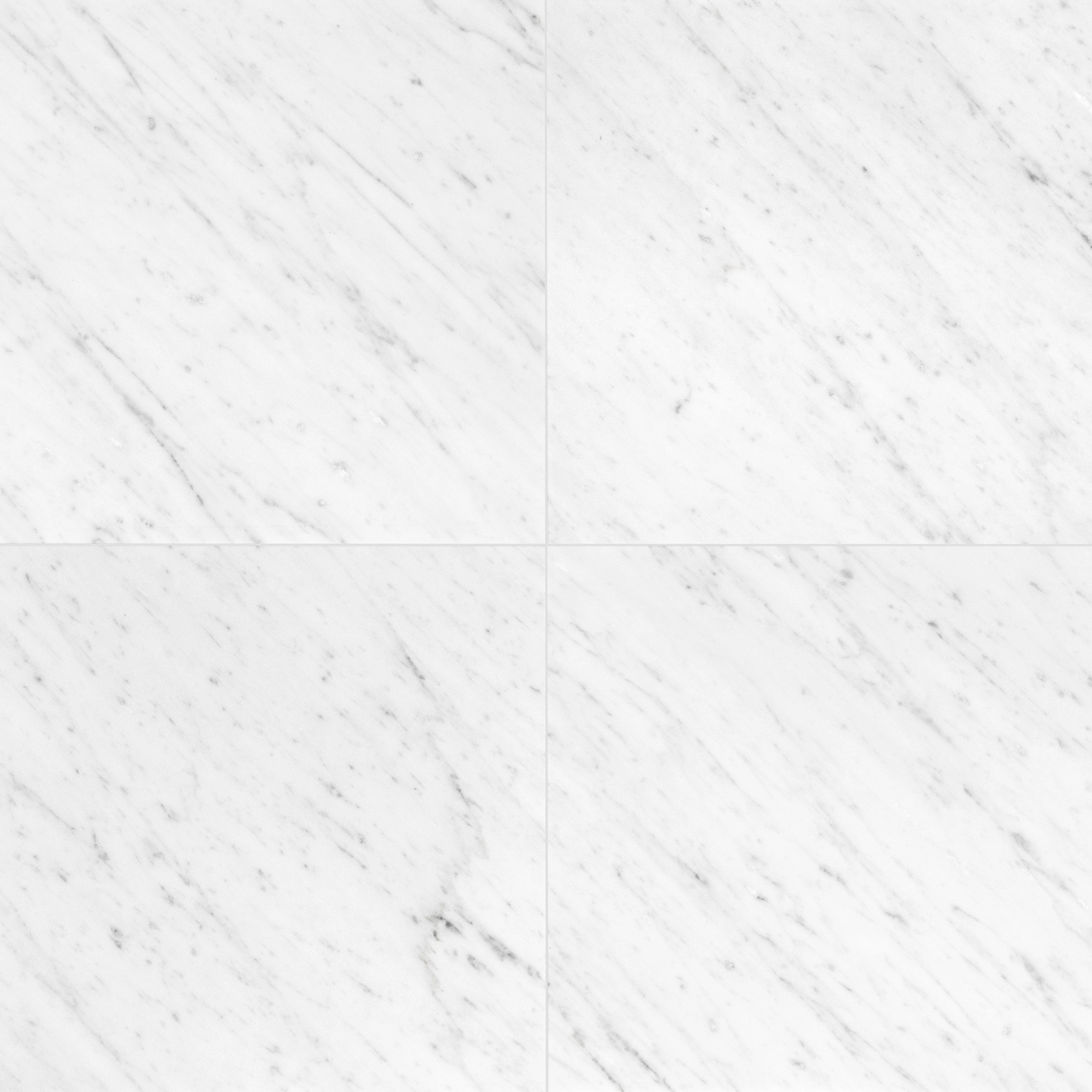
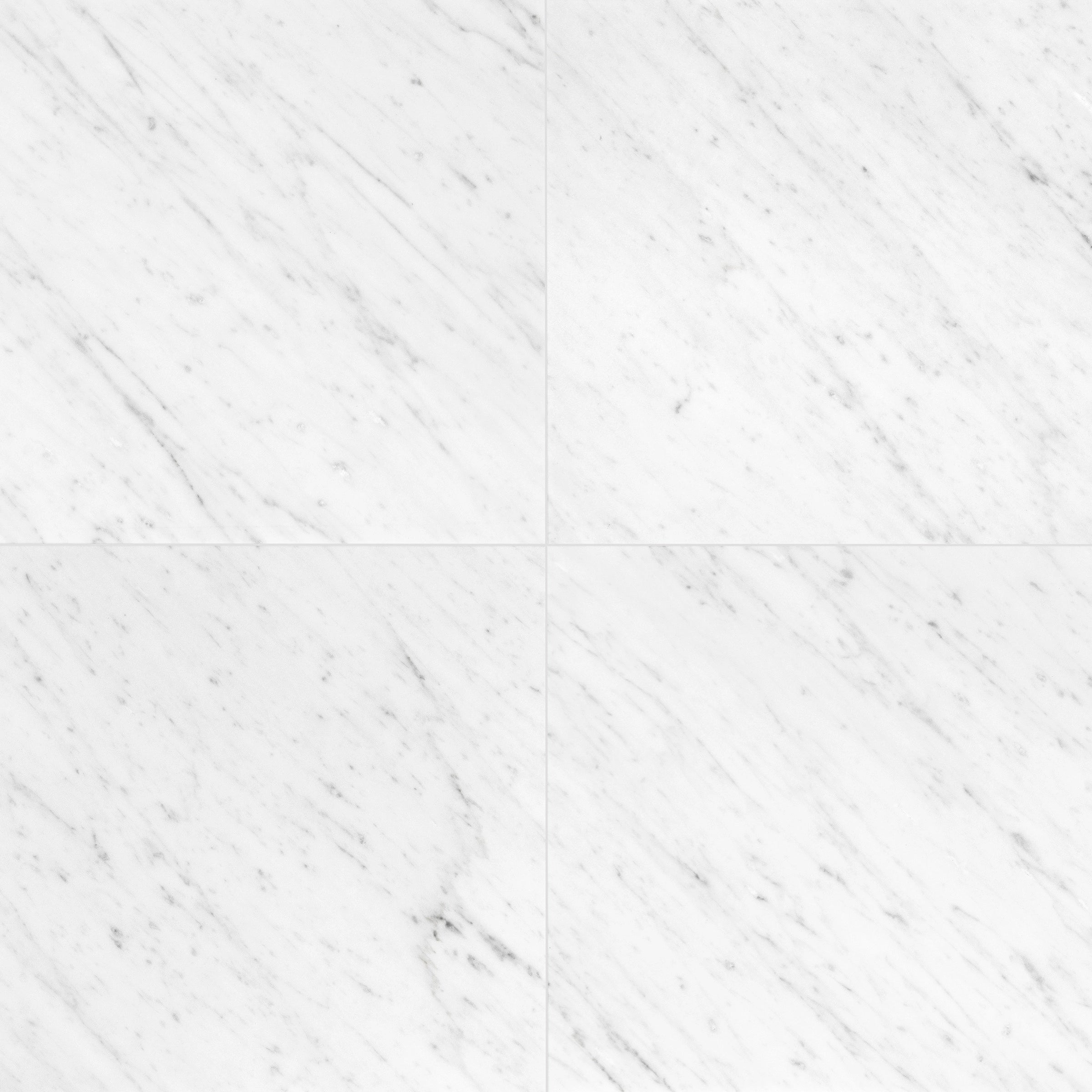
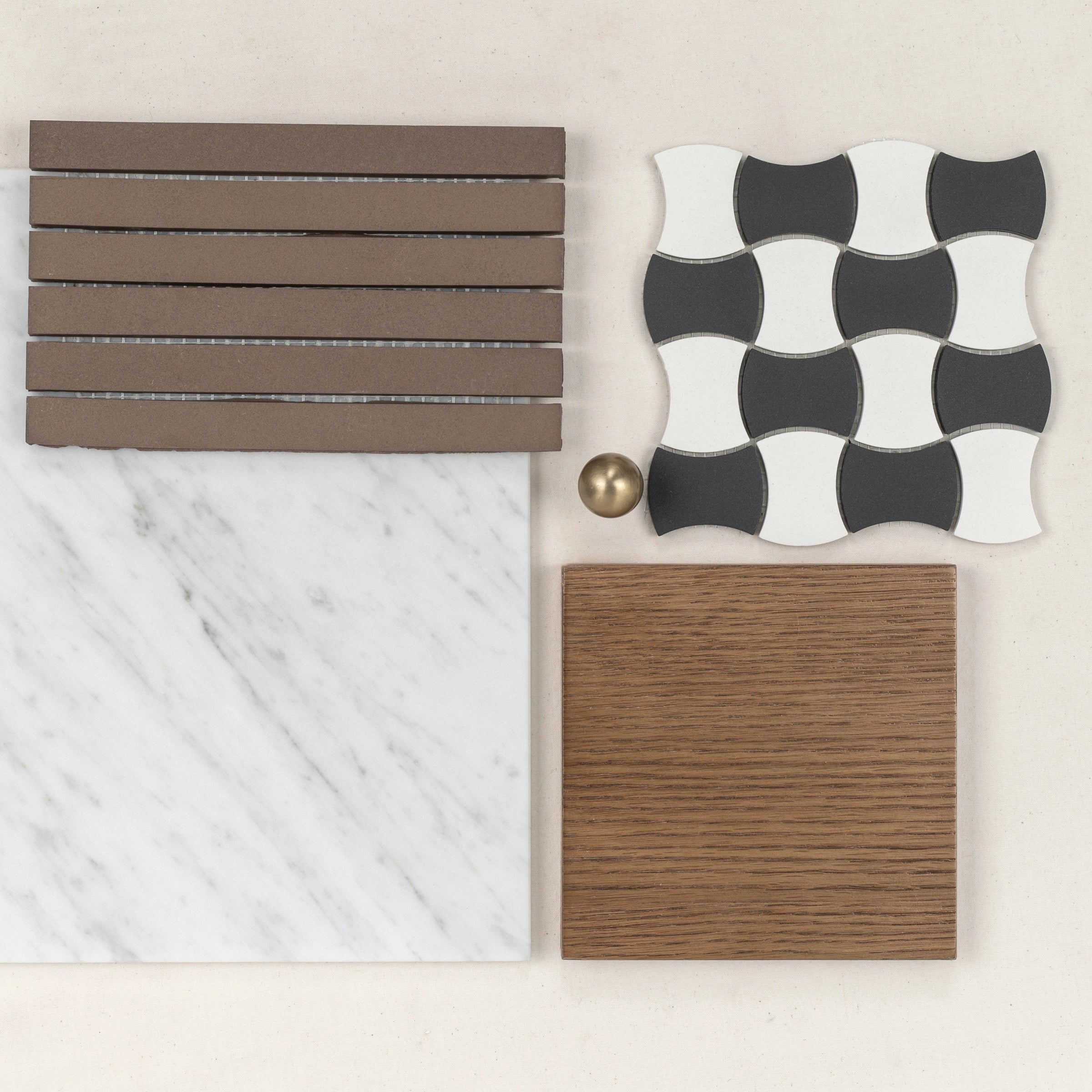
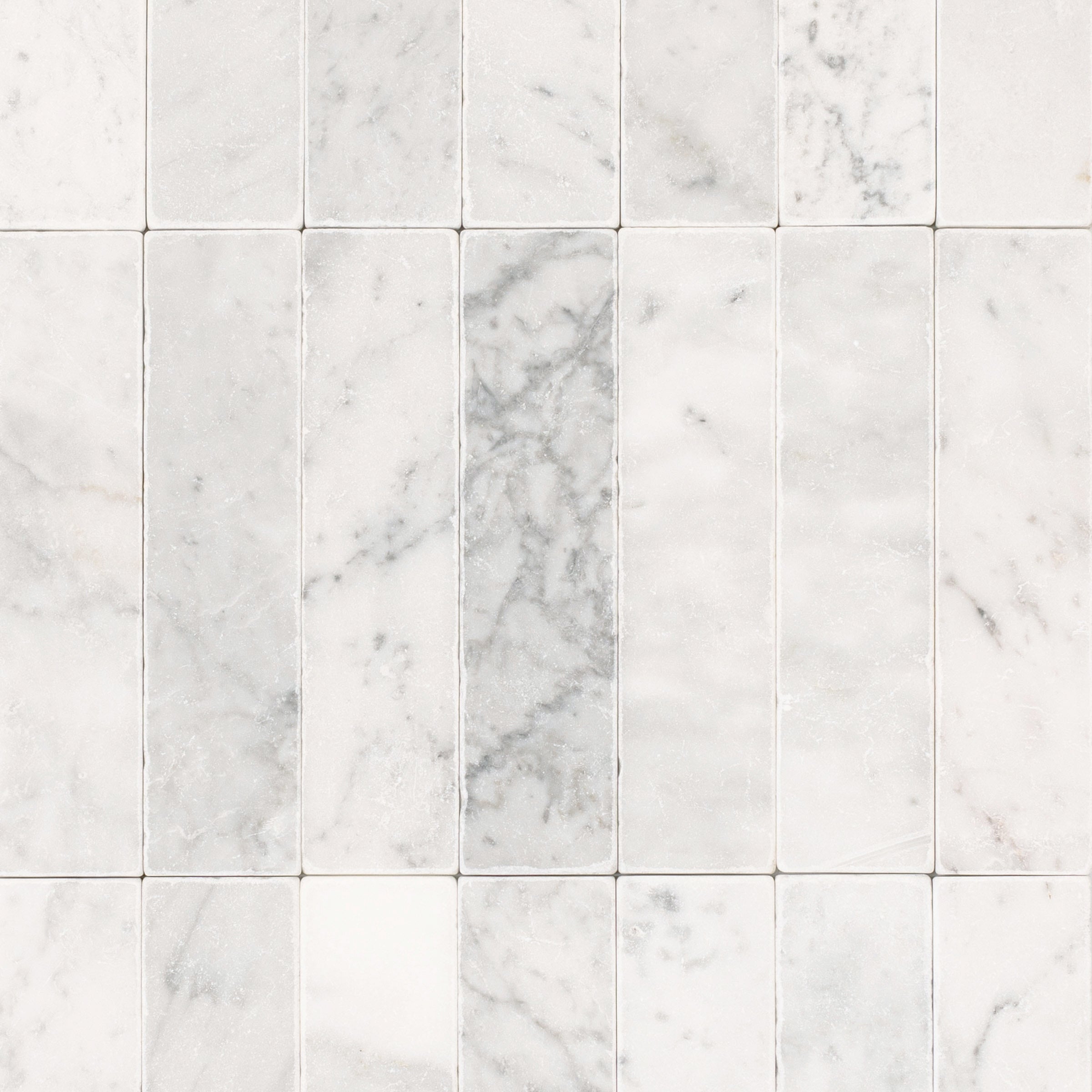
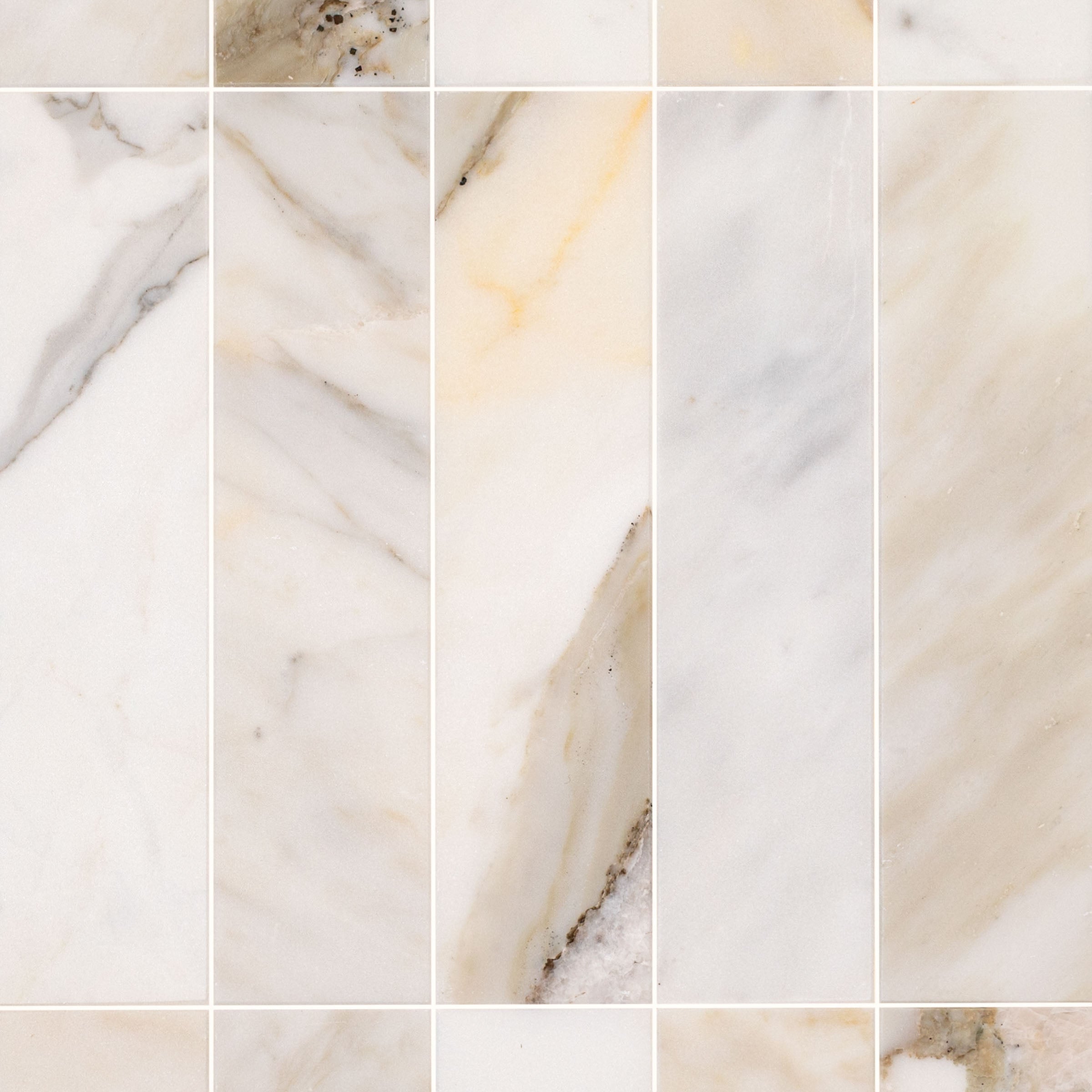
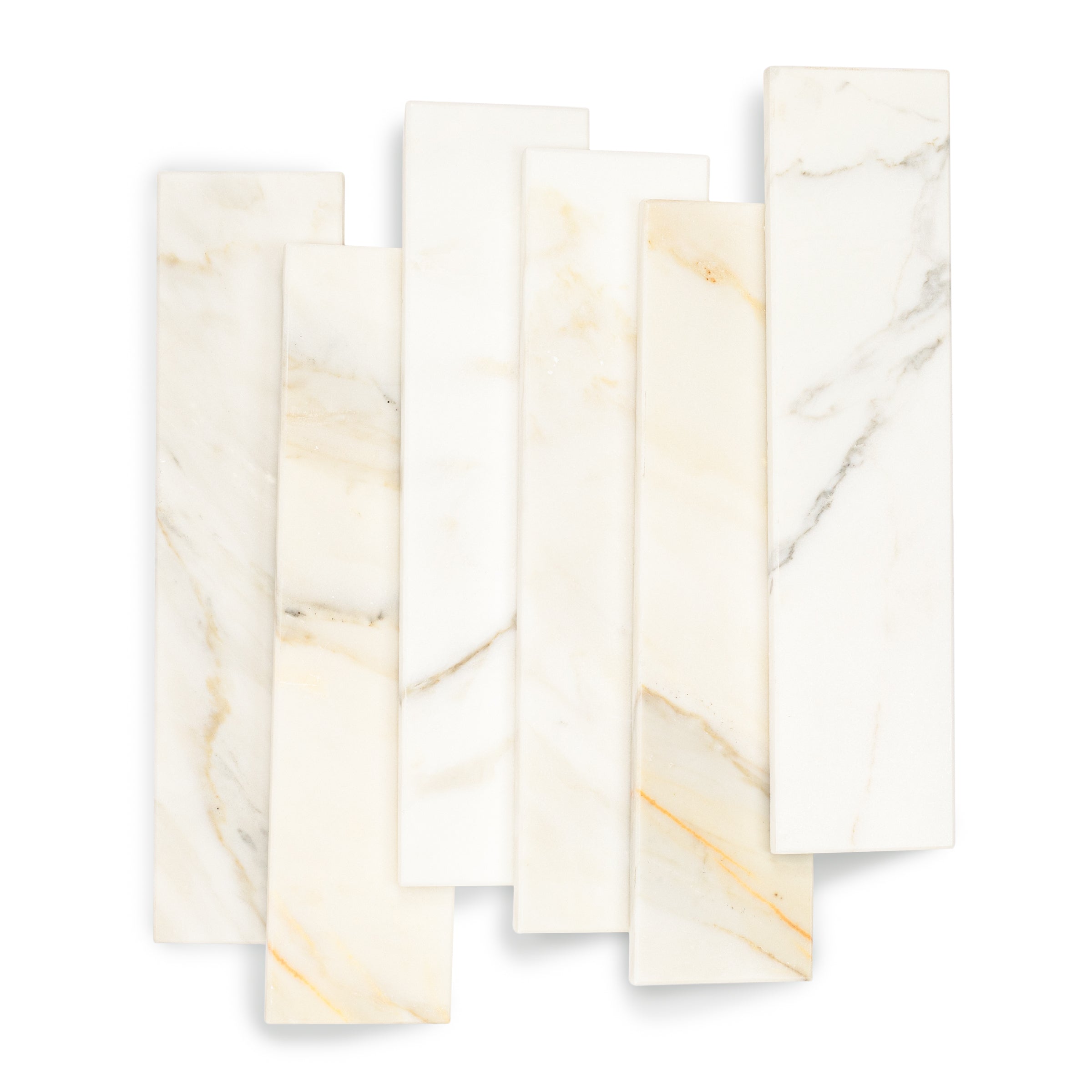
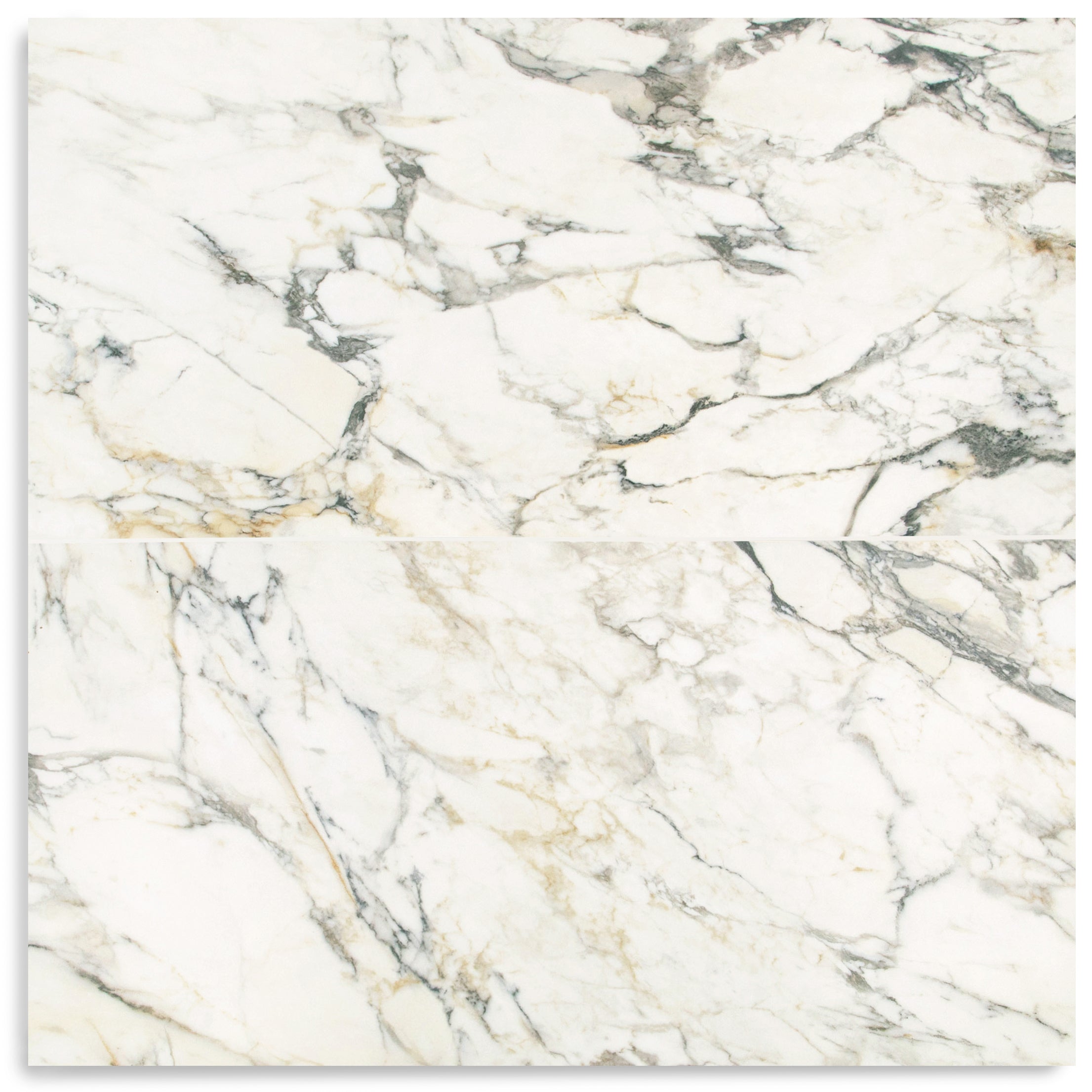
Our Carrara 12"x24" marble field tiles embody the refined beauty of Italy’s most iconic stone. With a honed finish and a subtle beveled edge, these tiles bring quiet sophistication to walls and floors, balancing timeless style with modern versatility.
Soft Veining & Subtle Elegance
Carrara marble is celebrated for its luminous white background and graceful gray veining, offering a look that is understated yet full of character. Each tile reveals unique natural movement, creating surfaces that feel organic, balanced, and effortlessly refined.
Enduring, Versatile Design
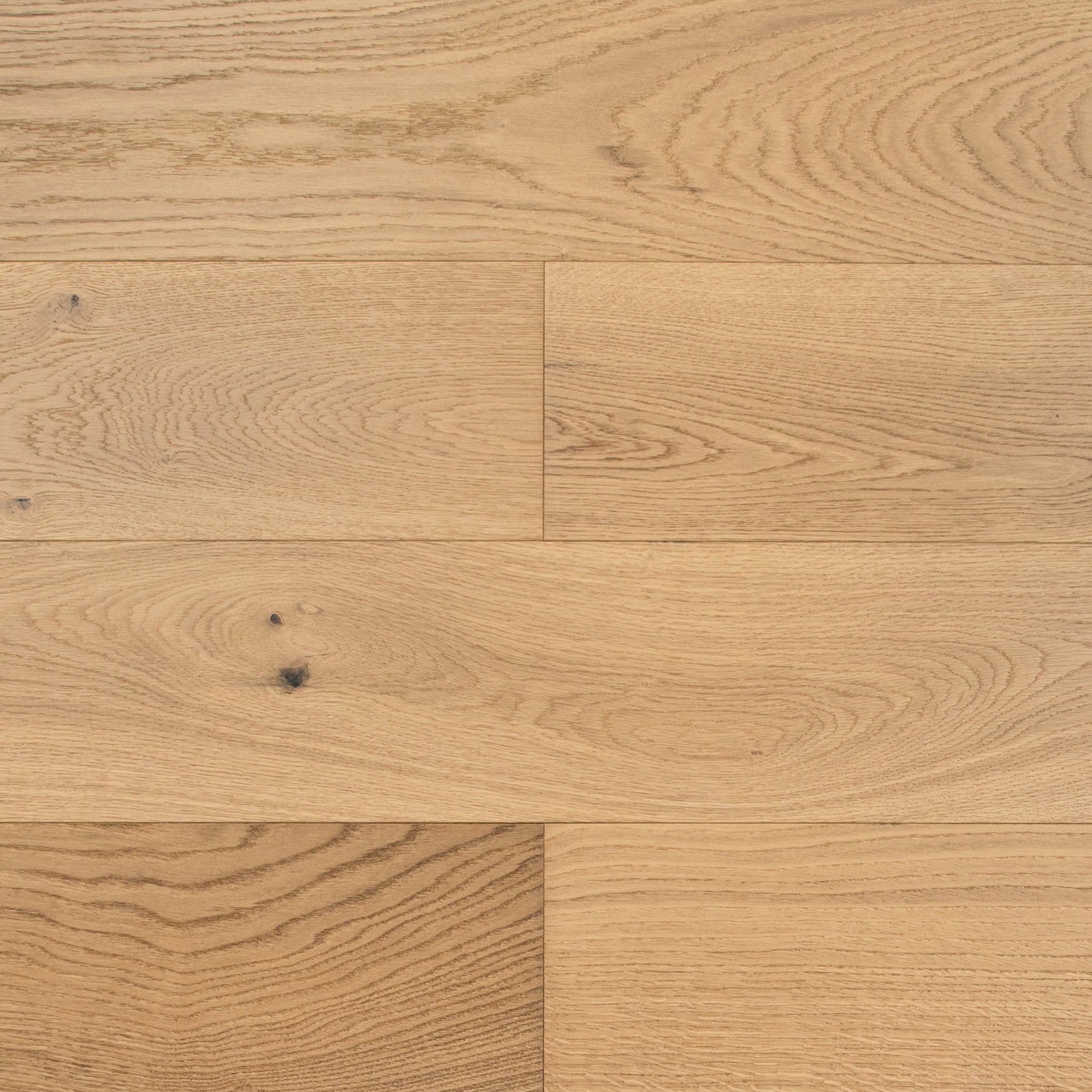
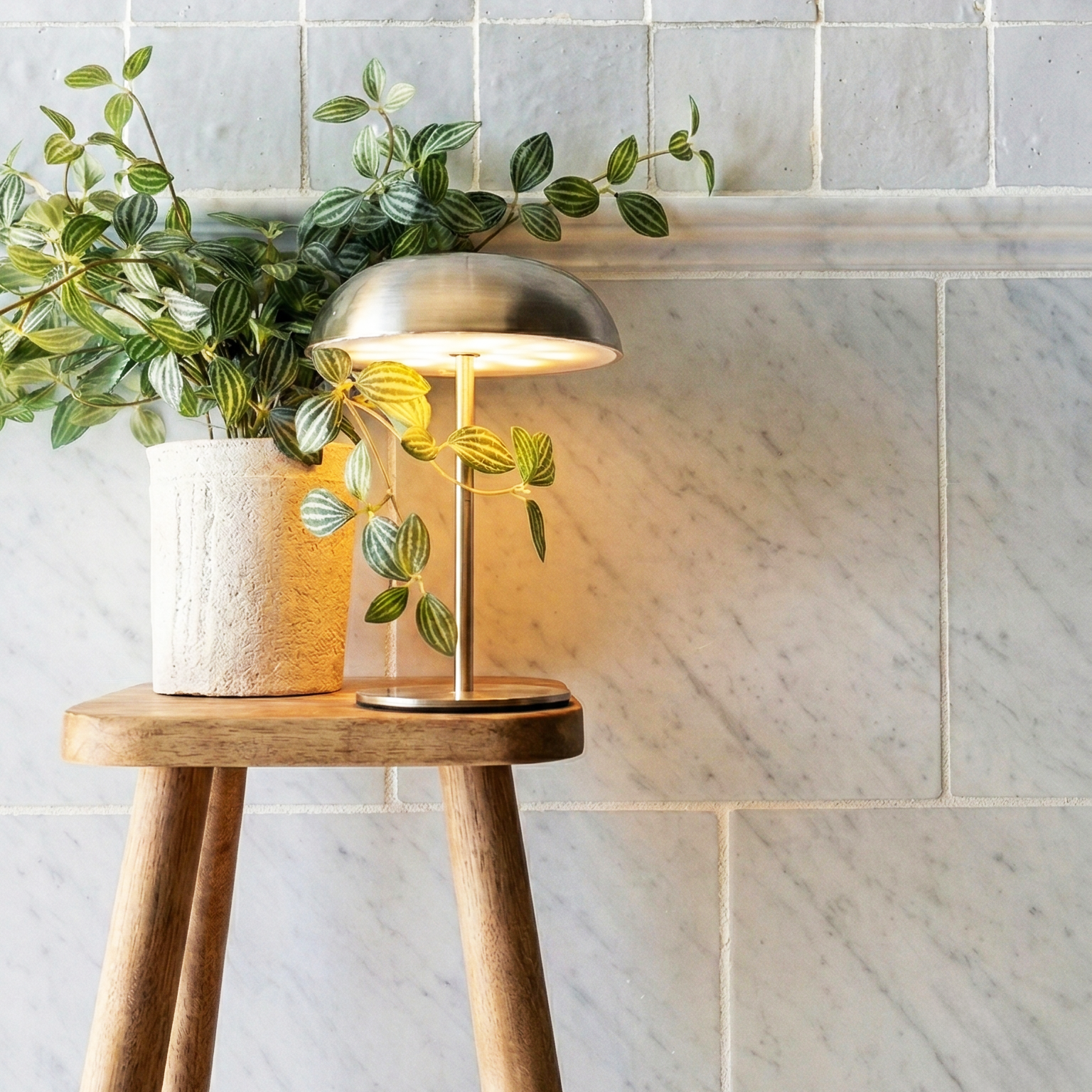
Ideal for kitchens, bathrooms, and feature walls, Carrara’s gentle tonality pairs seamlessly with a variety of materials—from natural woods to brushed metals and polished stone. The elongated format lends itself to stacked, offset, or herringbone layouts, making it a versatile choice for both contemporary and traditional interiors. Previous
Where to Install
WALLS
SHOWER WALL
BACKSPLASH
SHOWER FLOOR
FLOORS
Carrara honed marble tile brings one of the world's most recognized stones into your home with the quiet confidence it has always deserved. Sourced from the legendary quarries of Carrara, Italy, the soft white background and delicate grey veining here are the real thing, a material that has defined refined interiors for centuries and never stopped feeling current. The honed finish delivers a smooth, matte surface that resists water spots and feels genuinely luxurious underfoot, making it a natural fit for bathroom walls, shower surrounds, and kitchen backsplashes. Lay it stacked, offset, or in a herringbone pattern depending on how much movement you want in the room, and the veining does the heavy lifting either way. Natural stone means every piece is one of a kind, and variation in veining and tone is part of what makes it worth it.
Packaging
Pieces per Box
15
LBS SF
6
SF Box
3.76
LBS Box
22.56
Boxes Per Pallet
144
SF Pallet
542.5
Details
Material
Marble
Finish
Honed
Chemical Resistant
No
Water Absorption
6.50%
Stain Resistant
No
Seal Required
Recommended
DCOF
0.42
Collection
Marble
Thickness
3/8"
Nominal Size
3"x12"
Country of Origin
Italy
Shade Variation
V3
Shape
Rectangle
Application
Floors, Walls
Recommended Grout Joint
1/8"
Edge
Beveled
Locations
Floors, Walls, Bathroom Floor, Shower Wall, Backsplash, Entry
Look
Marble
Gradient bar
Marble Tile Installation Guide
MARBLE TILE INSTALLATION GUIDE
Marble Tile Installation Guide
A Professional Guide to Natural Stone Installation
Reno Source
www.therenosource.com
BEFORE YOU BEGIN
Marble tile installation requires skill, proper tools, and experience with natural stone. Improper installation can result in damage to the tiles, substrate, or property and may void manufacturer warranties. If you are not confident in your ability to complete this installation, we strongly recommend hiring a licensed professional tile installer. Marble is a natural stone product and variations in color, veining, pattern, and texture are inherent characteristics and not defects. Always inspect all tiles before installation. Once installed, tiles cannot be returned.
-
OVERVIEW
Marble tile brings timeless elegance and natural beauty to any space. As a natural stone, marble has unique characteristics that demand specialized installation techniques including the use of white thinset mortar to prevent discoloration, unsanded grout to protect polished surfaces, and pre sealing to prevent staining during grouting. This guide covers the complete process from surface preparation through final sealing. Attention to detail is critical when working with marble and shortcuts often lead to permanent damage.
-
TOOLS AND MATERIALS
Essential tools include a wet saw with a diamond blade rated for marble or natural stone, a notched trowel sized one quarter inch by one quarter inch or one quarter inch by three eighths inch square notch, a flat edge or margin trowel, rubber grout float, large grout sponge, tile spacers sized one sixteenth inch to one eighth inch, tile leveling system clips and wedges, chalk line, measuring tape, carpenter’s square or laser level, rubber mallet, mixing drill with paddle attachment, multiple buckets, utility knife, pencil, safety glasses, respirator rated N95 or P100, cut resistant gloves, knee pads, and hearing protection. Materials include marble tile with at least fifteen percent extra ordered for cuts and future repairs, white latex modified thinset mortar rated for natural stone, unsanded grout, penetrating stone sealer such as Fila MP90 Eco Plus or Fila Stone Plus Eco, grout sealer, pH neutral stone cleaner, cement board or approved substrate if required, and clean potable water.
-
STEP BY STEP INSTALLATION
Step 1 Surface Preparation
Proper surface preparation is the most important factor in a successful marble installation. Never install marble directly over plywood, particle board, or vinyl flooring. Concrete subfloors must be fully cured a minimum of twenty eight to thirty days, have moisture content below three percent, meet flatness tolerance of one eighth inch over ten feet, and be free of curing compounds, sealers, dust, oil, or contaminants. Wood subfloors must have a minimum total thickness of one and one quarter inches and be structurally sound with no flex. Install cement board using thinset and screws, tape and thinset all joints, and allow expansion gaps at the perimeter. Repair cracks, grind high spots, fill low areas, vacuum, and damp mop the surface before allowing it to dry completely.
Step 2 Inspection Blending and Pre Sealing
Open multiple boxes and blend tiles from different boxes to balance color and veining. Never install tiles directly from a single box in sequence. Dry lay tiles and remove any pieces with unacceptable variation before installation begins. Pre sealing the face and edges of marble tiles with a penetrating stone sealer is highly recommended to prevent thinset and grout staining. Allow sealer to dry completely before setting tile.
Step 3 Layout Planning
Find the center point of the room and snap perpendicular chalk lines. Dry lay tiles from the center outward without adhesive. Adjust the layout to avoid narrow cuts at walls and ensure opposite perimeter cuts are equal in size. Consider vein direction and pattern continuity and mark reference lines on the substrate before setting tile.
Step 4 Apply Thinset and Set Tiles
Mix white thinset mortar exactly per manufacturer instructions using clean water. Mix to a smooth paste like consistency, allow to slake for five to ten minutes, then remix. Apply thinset to the substrate using the flat side of the trowel first, then comb with the notched side. Work in small sections so thinset does not skin over. Back butter every tile with a thin layer of thinset to achieve full coverage. Place tiles firmly into the mortar with a slight twisting motion, use spacers for consistent joints, check level frequently, tap gently with a rubber mallet, use a leveling system to prevent lippage, and clean excess thinset from the tile face and joints immediately. Target mortar coverage should exceed ninety five percent for floor installations.
Step 5 Cutting
Always use a wet saw with a diamond blade rated for marble. Cut slowly with the finished face up and support the tile fully. For complex cuts, make multiple relief cuts. Smooth cut edges with a rubbing stone. A dull blade or poor saw alignment will cause chipping and must be corrected before continuing.
Step 6 Grouting
Allow thinset to cure for twenty four to forty eight hours. Never use sanded grout on marble as it will scratch the surface. Epoxy grout may be used if approved for marble. Test grout on a spare tile before full application. Apply grout diagonally using a rubber float, work in small sections, remove excess at a forty five degree angle, and clean with a damp sponge after fifteen to twenty minutes. Polish haze with a soft dry cloth. Do not allow grout to dry on the surface.
Step 7 Sealing and Curing
Keep foot traffic off the installation for twenty four to seventy two hours and avoid moisture exposure. Do not place heavy objects for seven days. Wait a minimum of seventy two hours before sealing grout. Clean the surface with a pH neutral stone cleaner, allow to dry fully, then apply penetrating stone sealer according to manufacturer instructions. Wipe excess and apply a second coat if recommended. Seal grout lines after final curing. Never use acidic cleaners on marble surfaces.
-
TIPS AND WARNINGS
Always use white thinset to prevent discoloration. Pre seal tiles before installation to protect against staining. Back butter every tile for full mortar coverage. Work in small sections during thinset and grout application. Use a leveling system to control lippage. Keep detailed records of all products used. Retain spare tiles for future repairs since marble varies by batch.
-
CARE AND MAINTENANCE
Sweep or dust mop regularly to remove abrasive debris. Damp mop using clean water or a pH neutral stone cleaner. Wipe spills immediately, especially acidic substances. Use felt pads under furniture and mats at entryways. Reseal marble every twelve to eighteen months or more frequently in high traffic areas. Test sealer by placing water drops on the surface, if absorbed within five minutes reseal. Avoid vinegar, citrus cleaners, ammonia, bleach, abrasive pads, generic tile cleaners not rated for stone, and steam cleaners.
-
PRODUCT AND LIABILITY INFORMATION
This guide is provided for informational purposes only and does not guarantee results. Installation success depends on proper technique, suitable materials, and appropriate site conditions. Reno Source assumes no responsibility for damages or losses resulting from installation. It is the installer’s responsibility to comply with all local building codes and regulations. When in doubt, consult or hire a professional tile installer.
Reno Source
Finish Materials
Based in the USA
www.therenosource.com
help@therenosource.com
From the same collection




White & Ecru Octagon Zellige Mosaic

Cotto Deco Terracotta Look Matte Porcelain Tile
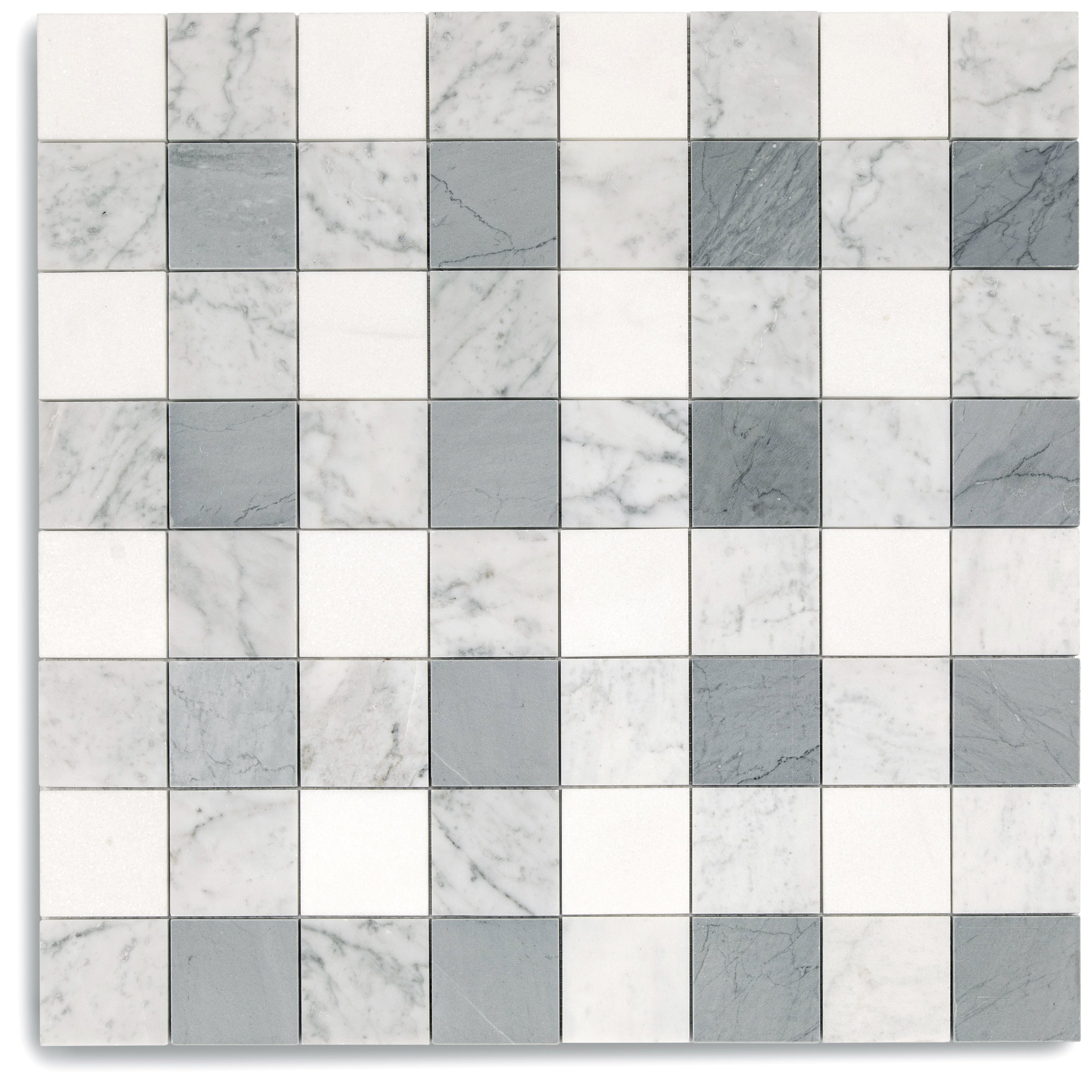
Thassos, Carrara, Bardiglio Gingham Marble Mosaic
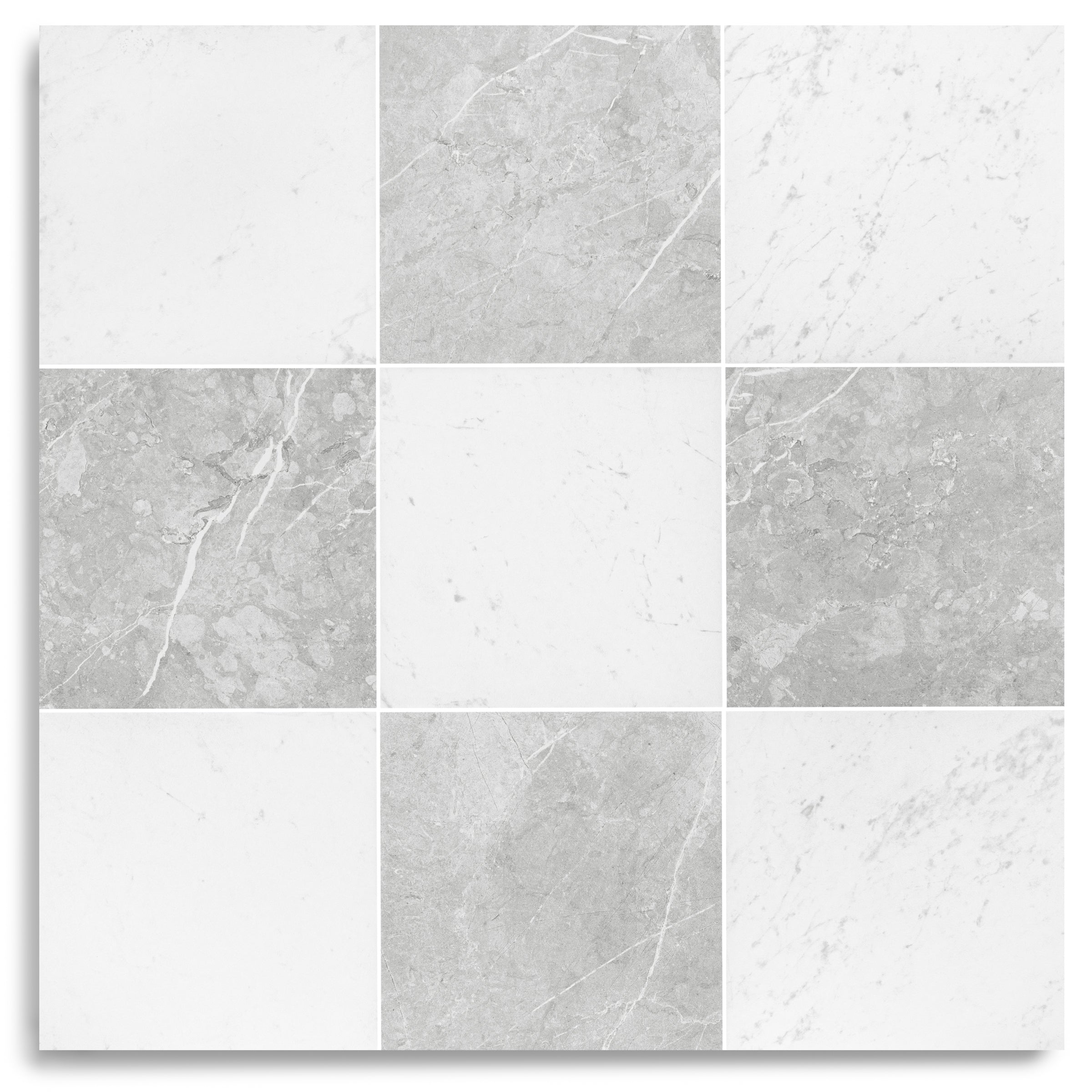
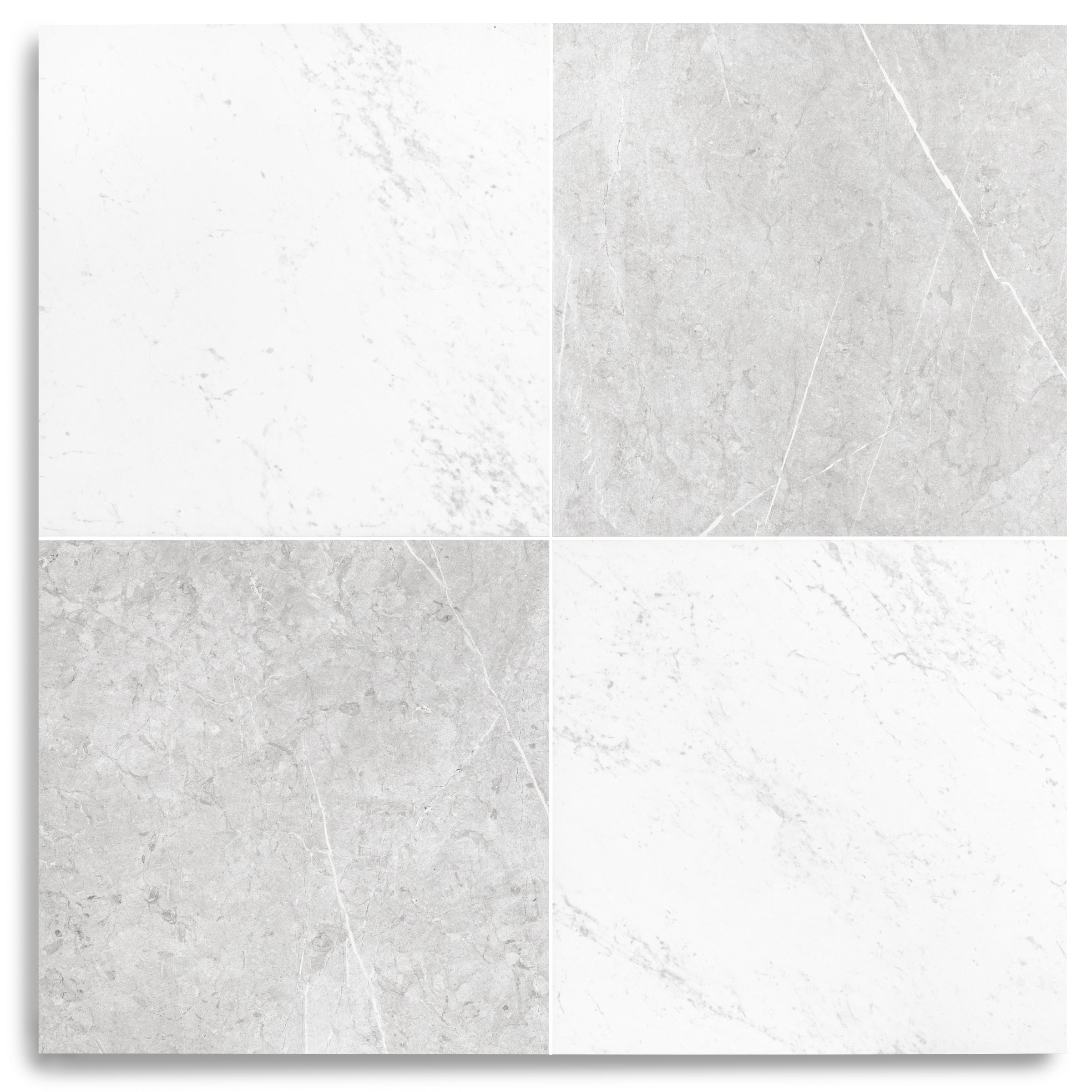


White & Ecru 2x2 Zellige Checkerboard Mosaic


Unglazed & White Octagon Zellige Mosaic


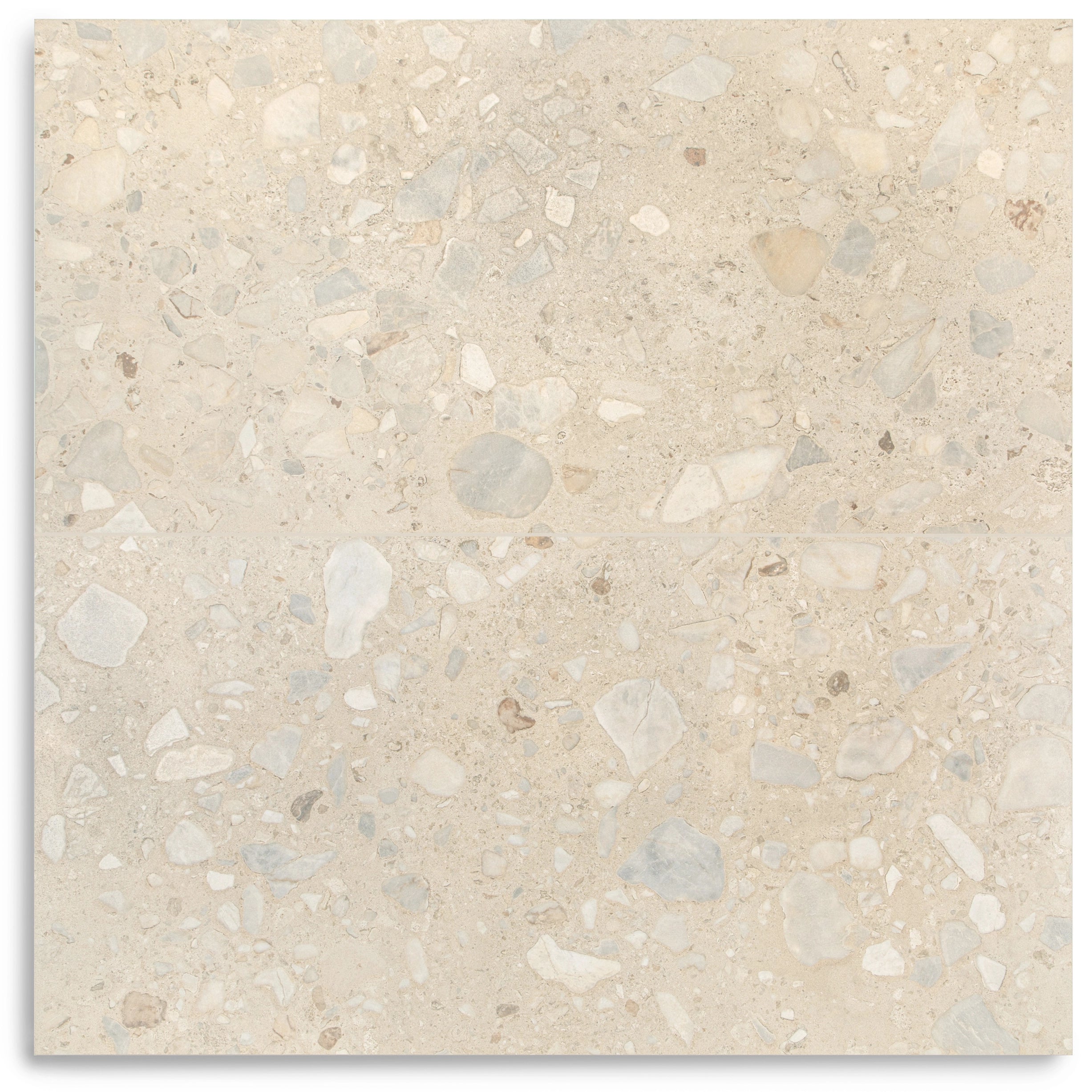
Murano Honed Italian Terrazzo Tile
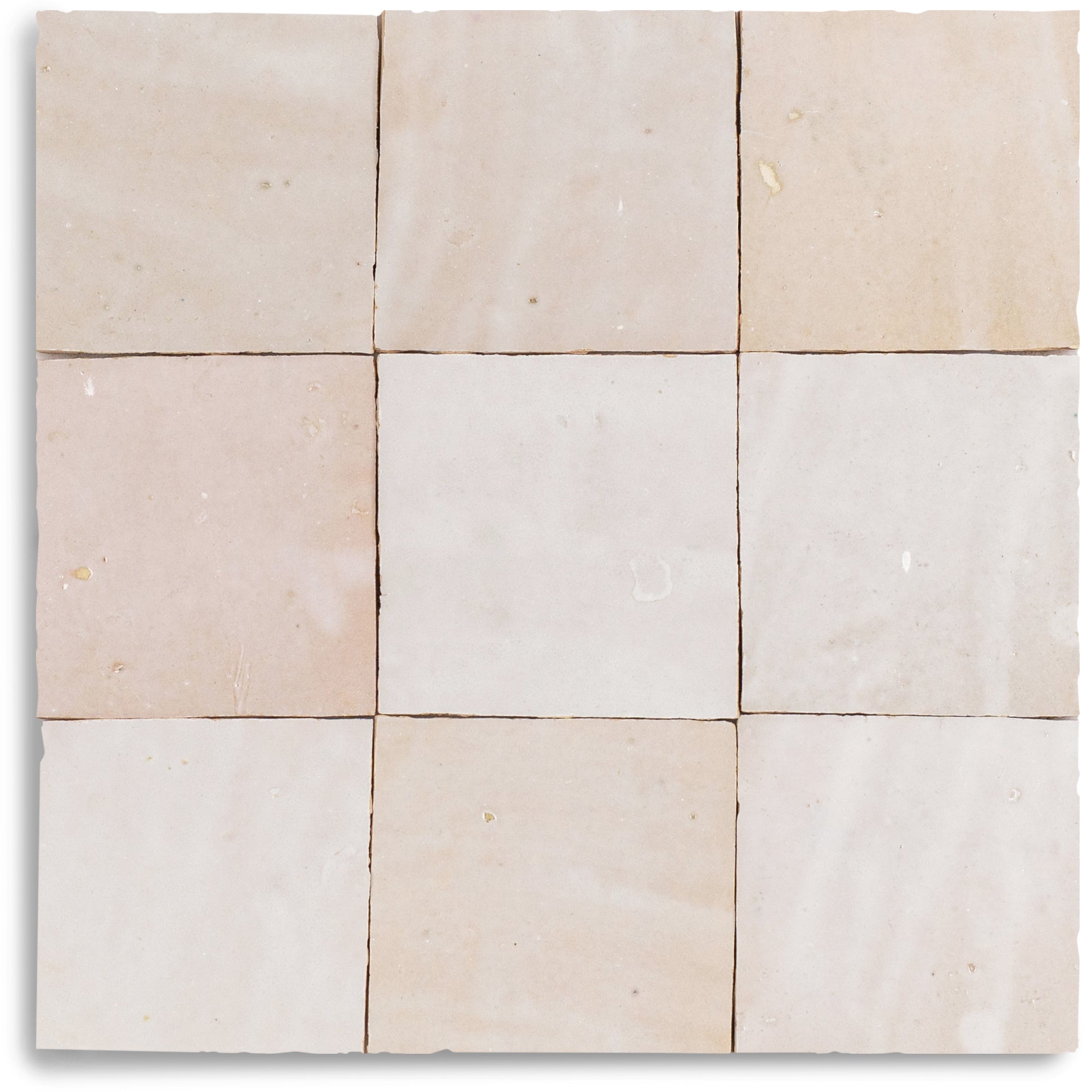
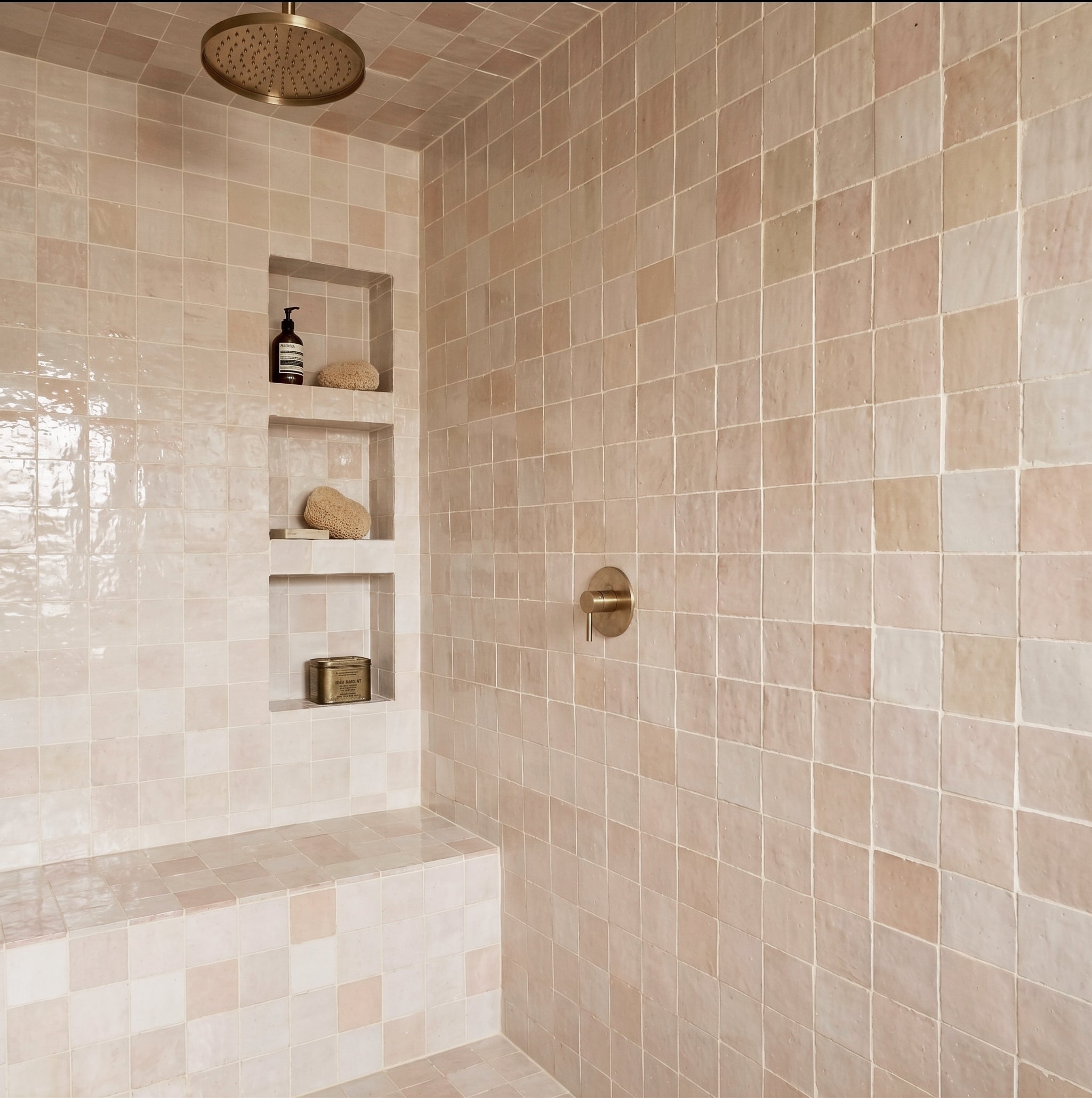


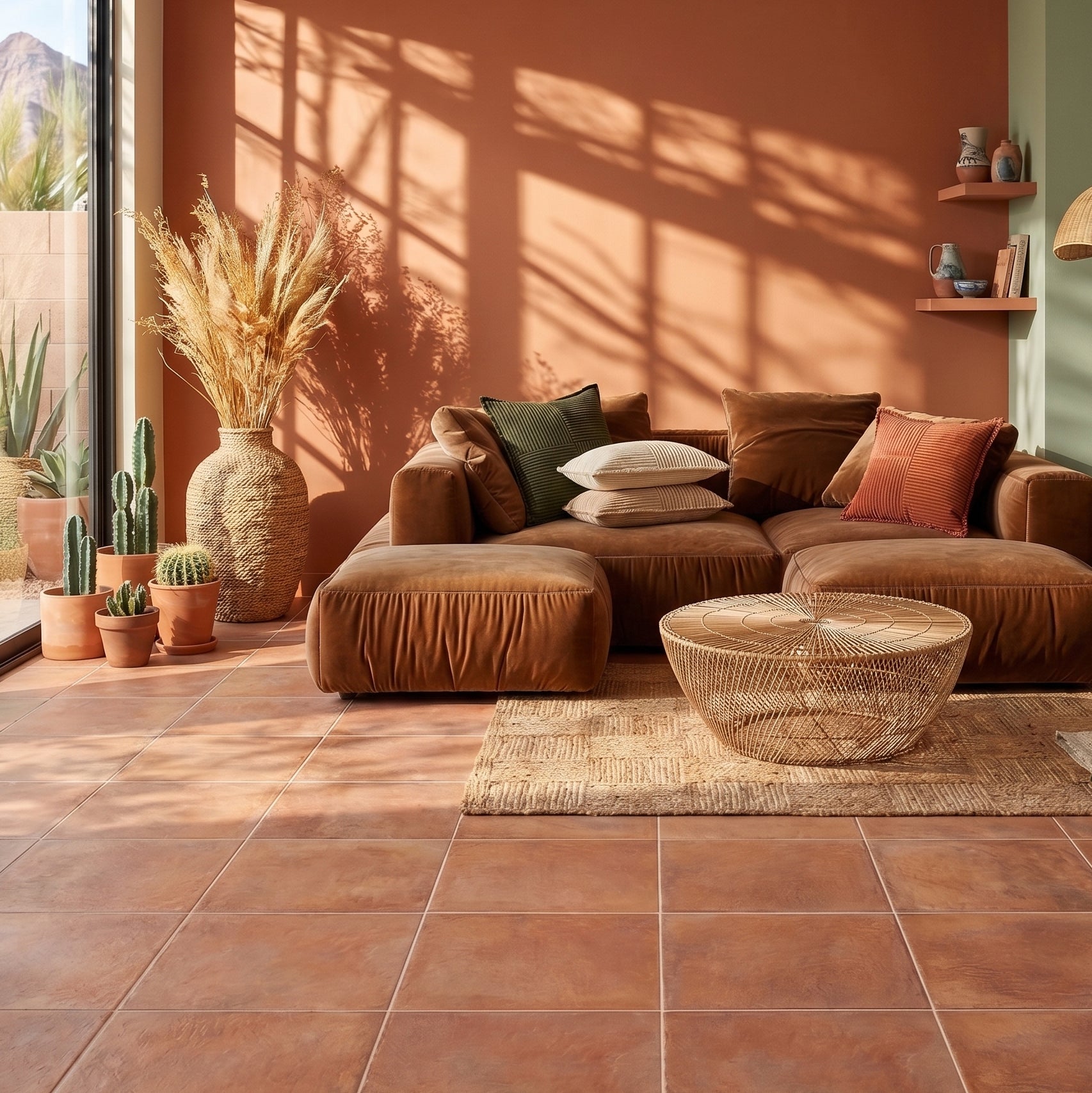
Cotto Terracotta Look Matte Porcelain Tile
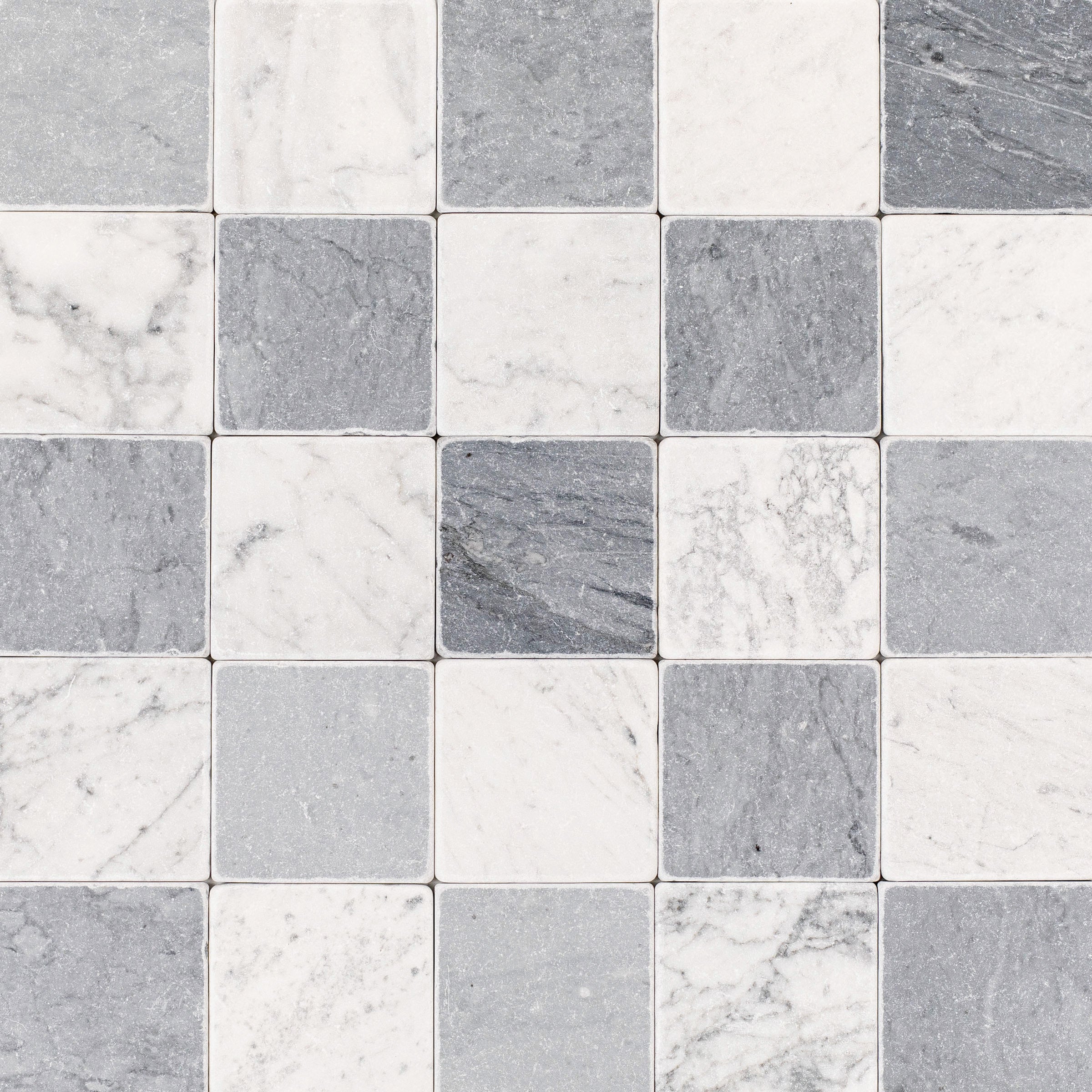
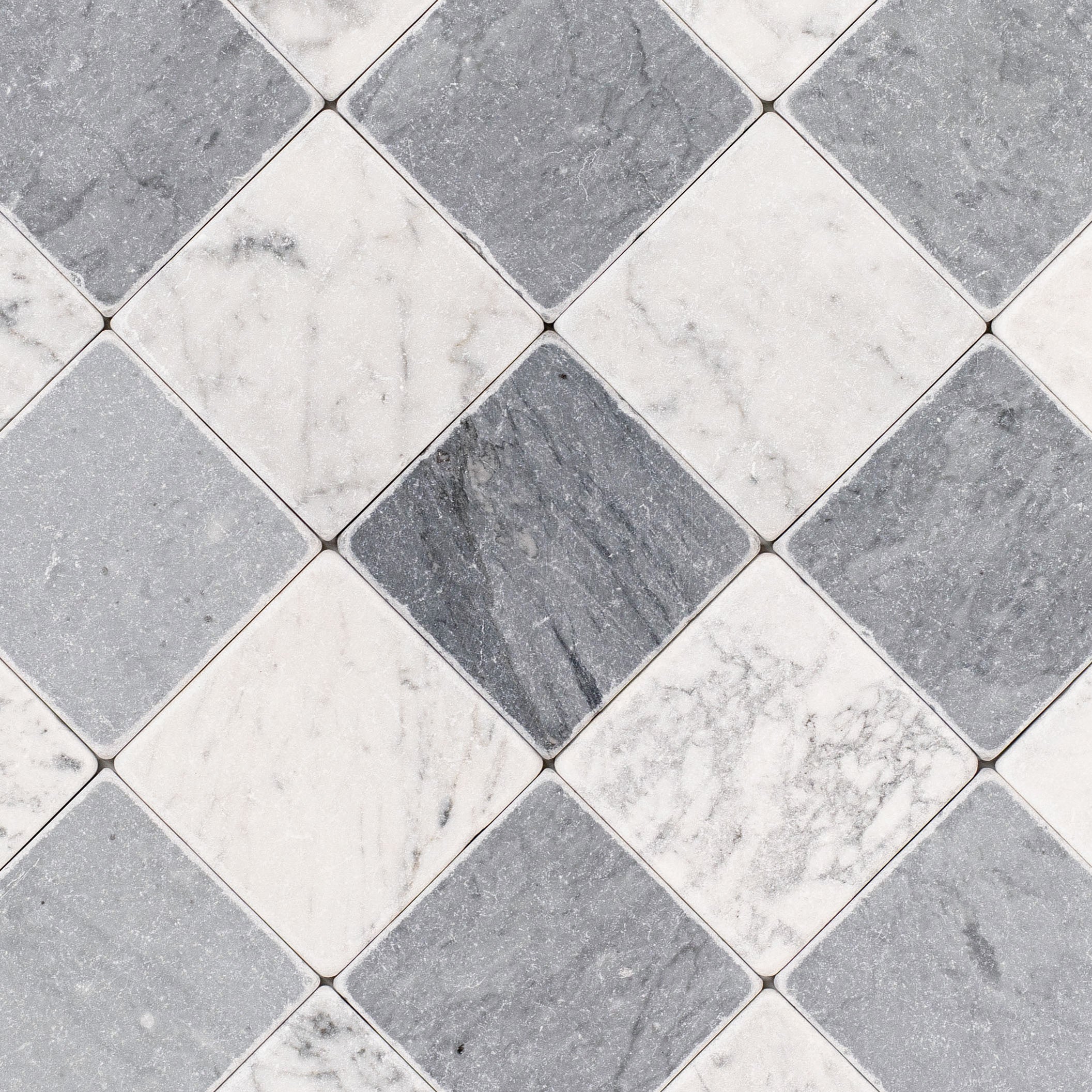
Carrara Bardiglio Tumbled Stone Checkerboard

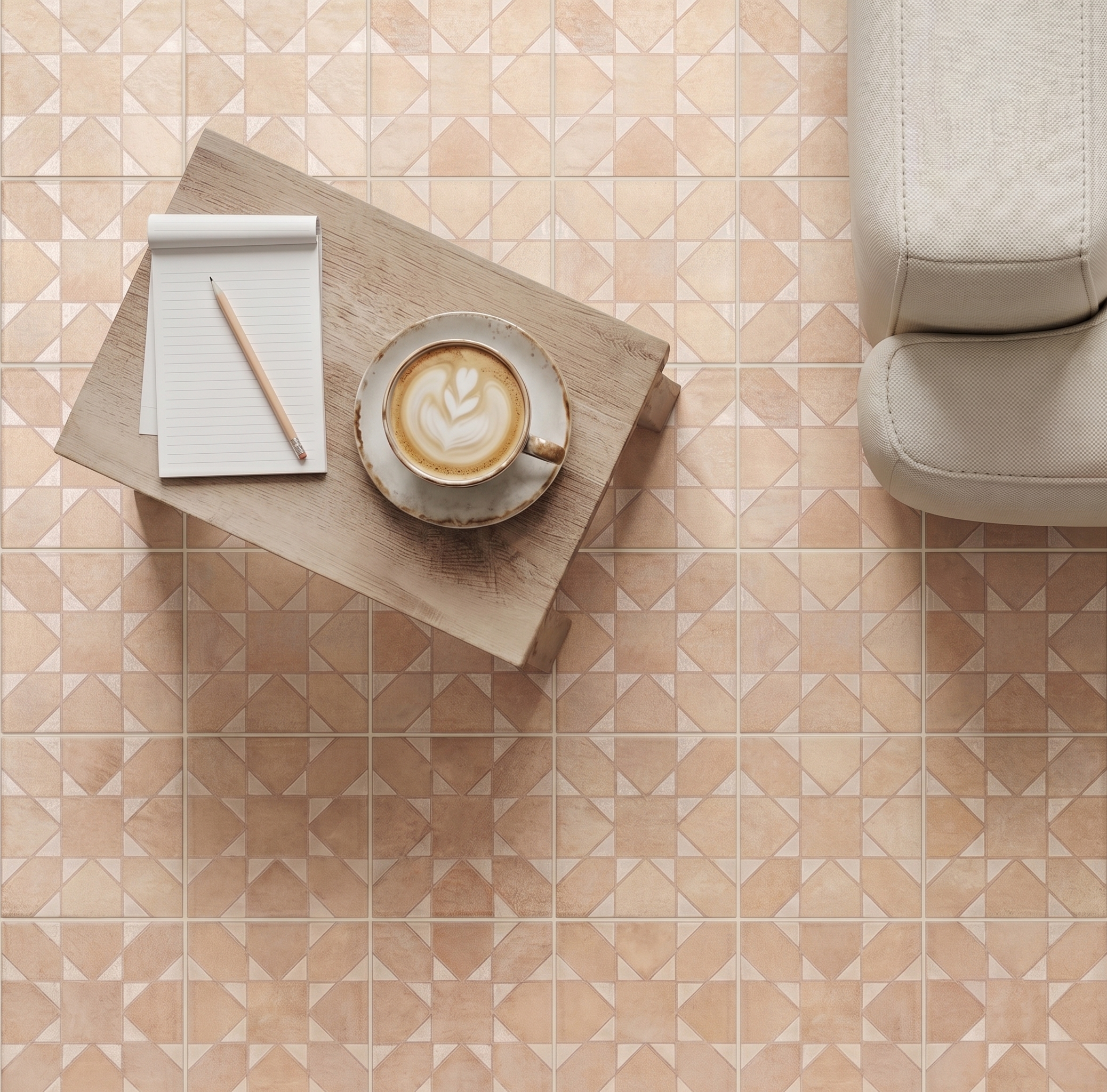
Chiaro Deco Terracotta Look Matte Porcelain Tile


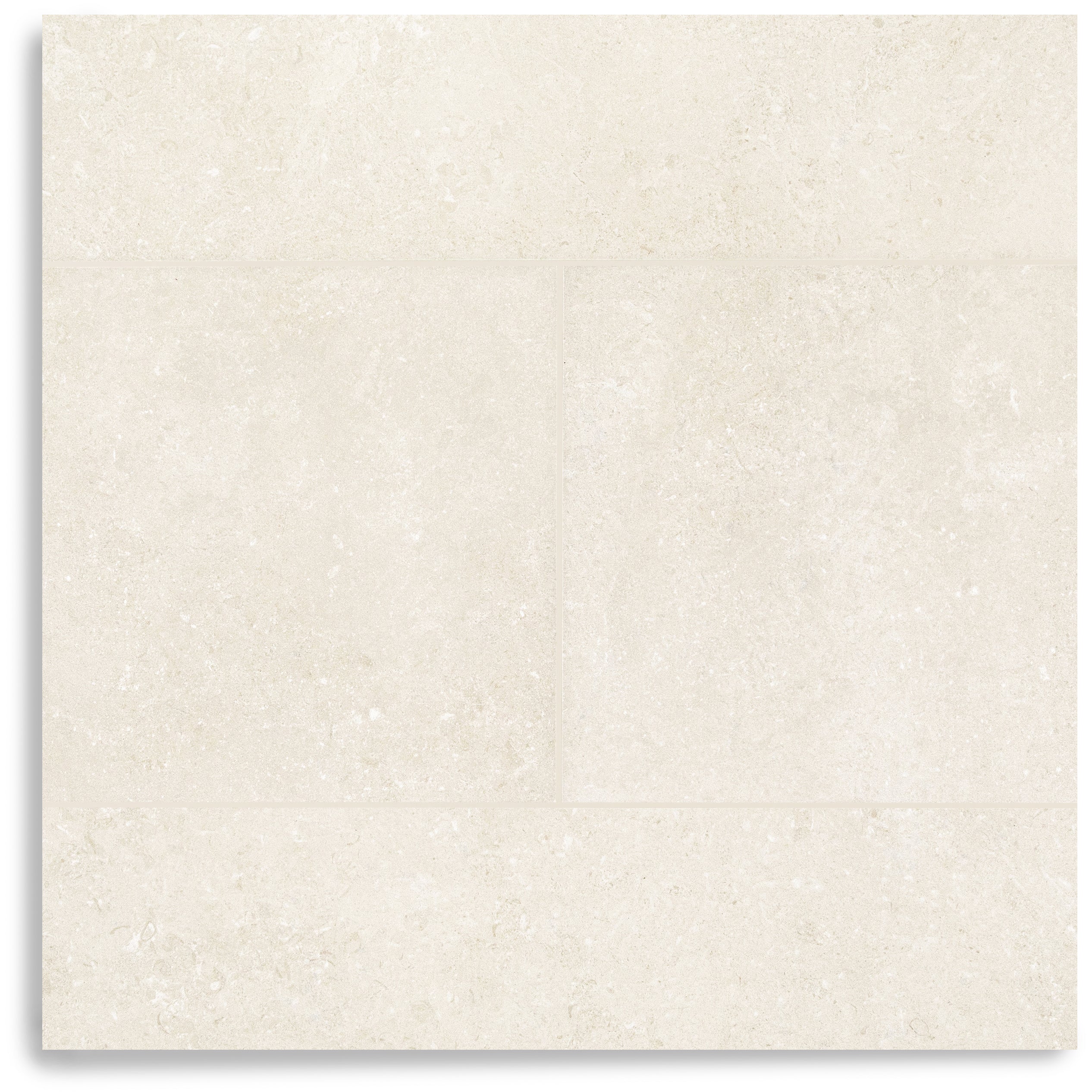
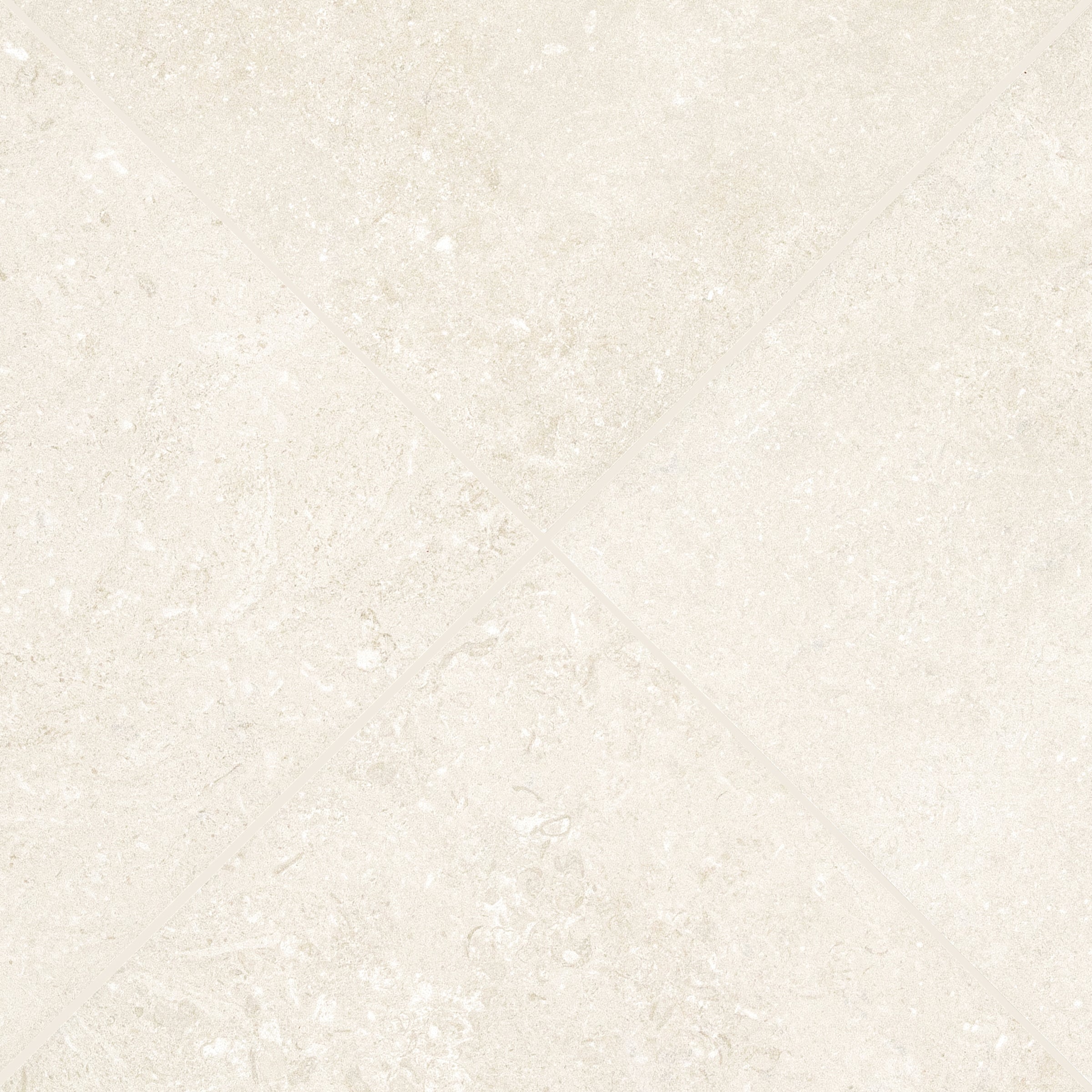
Cream Limestone Look 3D Matte Porcelain Tile


White & Black Octagon Zellige Mosaic
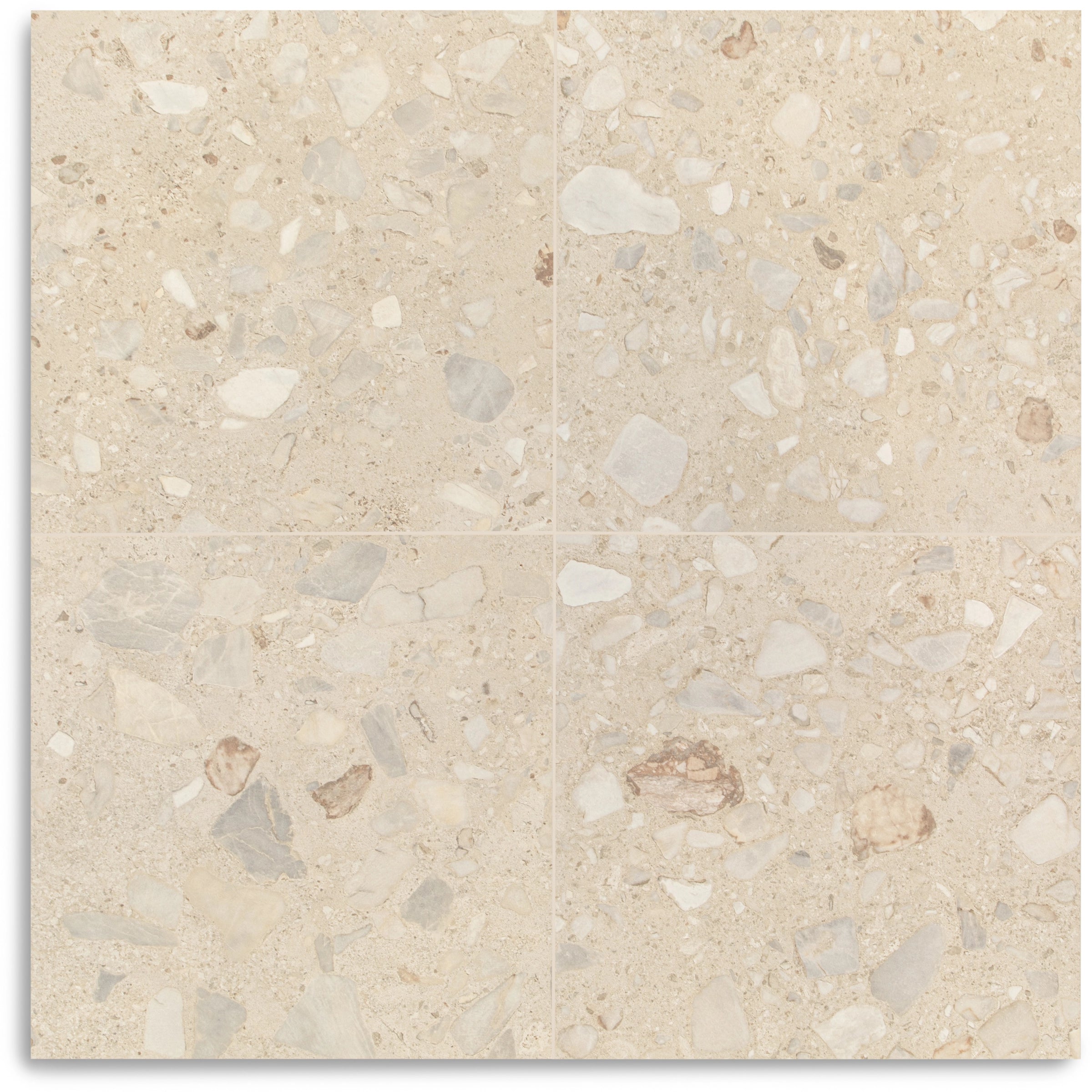


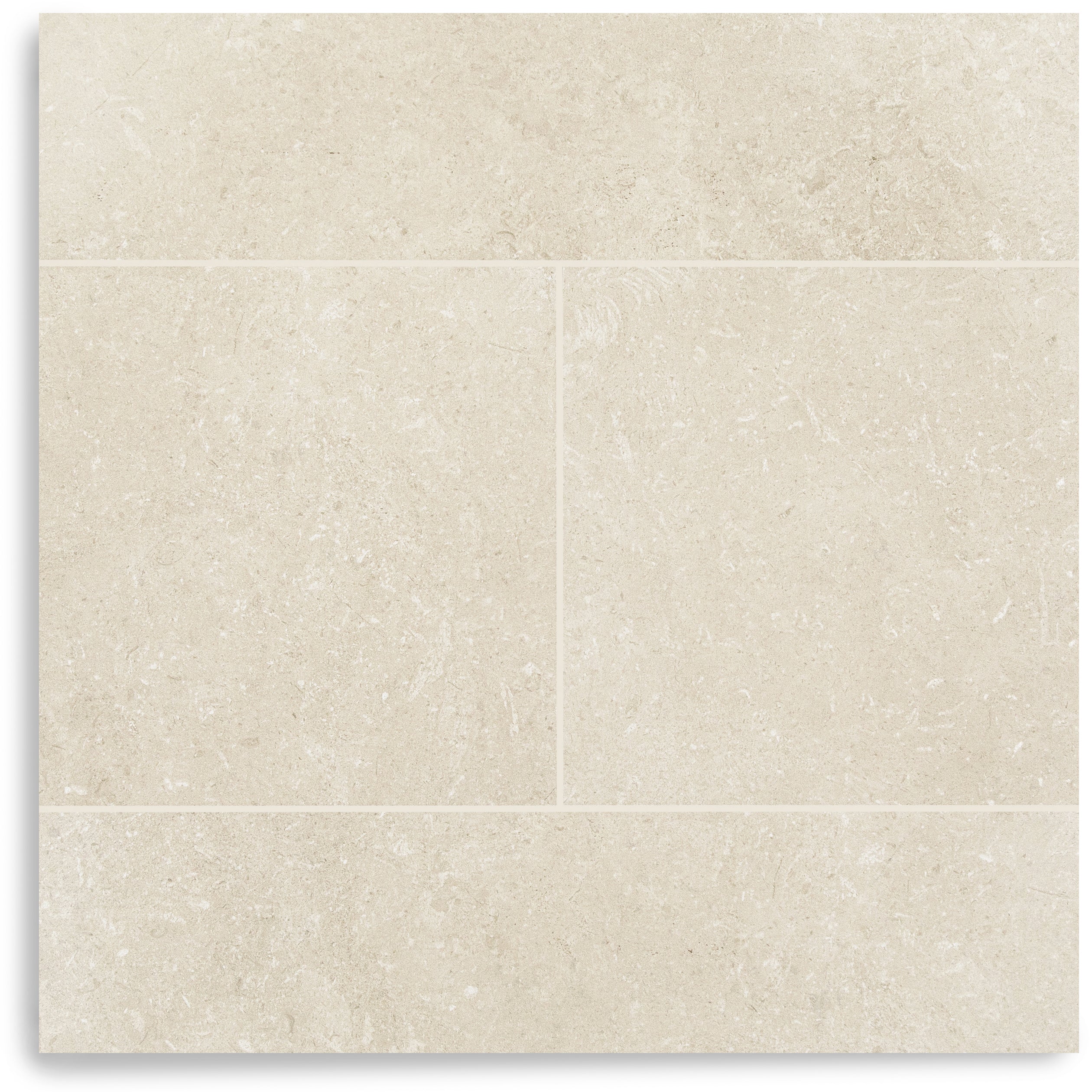
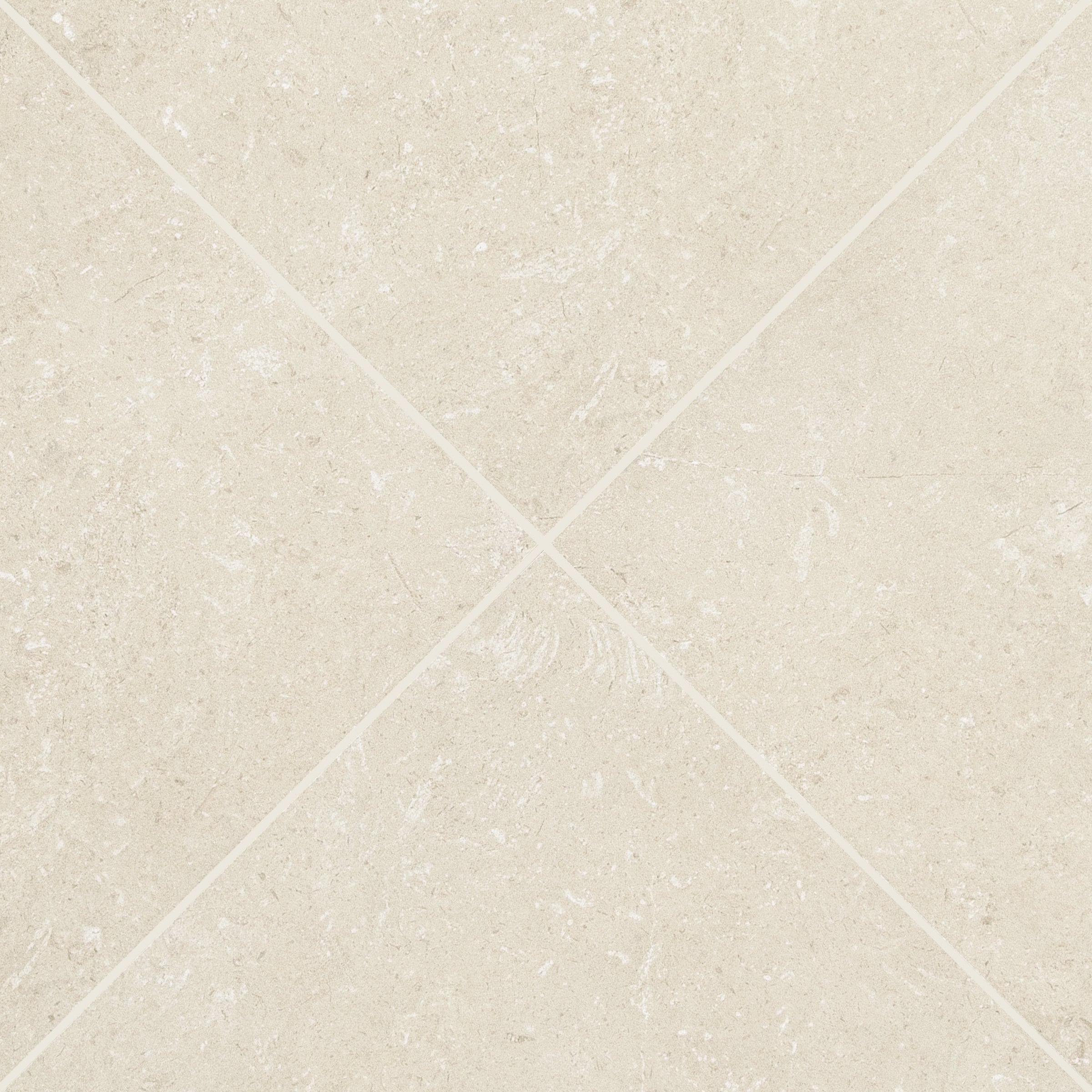
Beige Limestone Look 3D Matte Porcelain Tile


Apple 12x24 3D Glossy Porcelain Tile
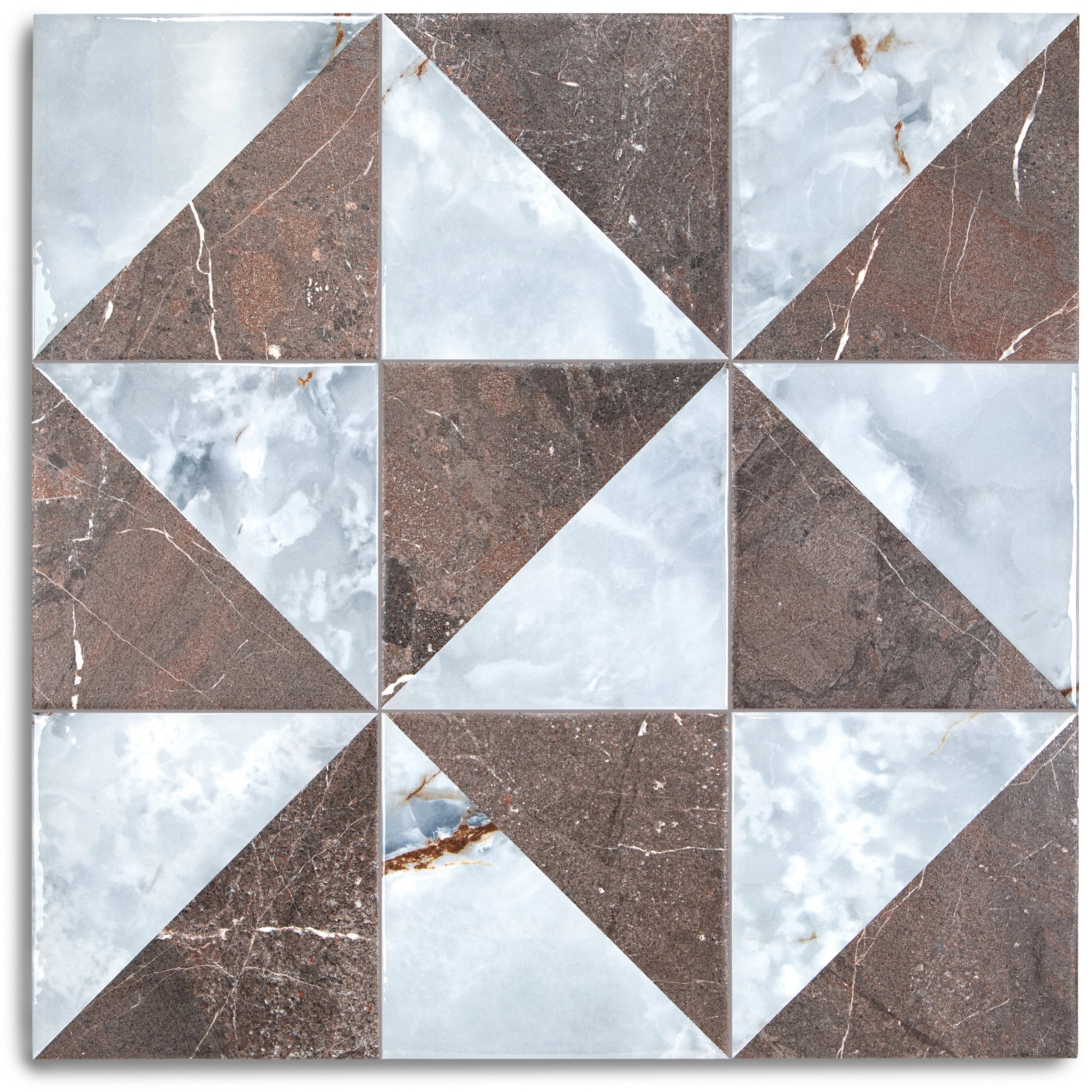


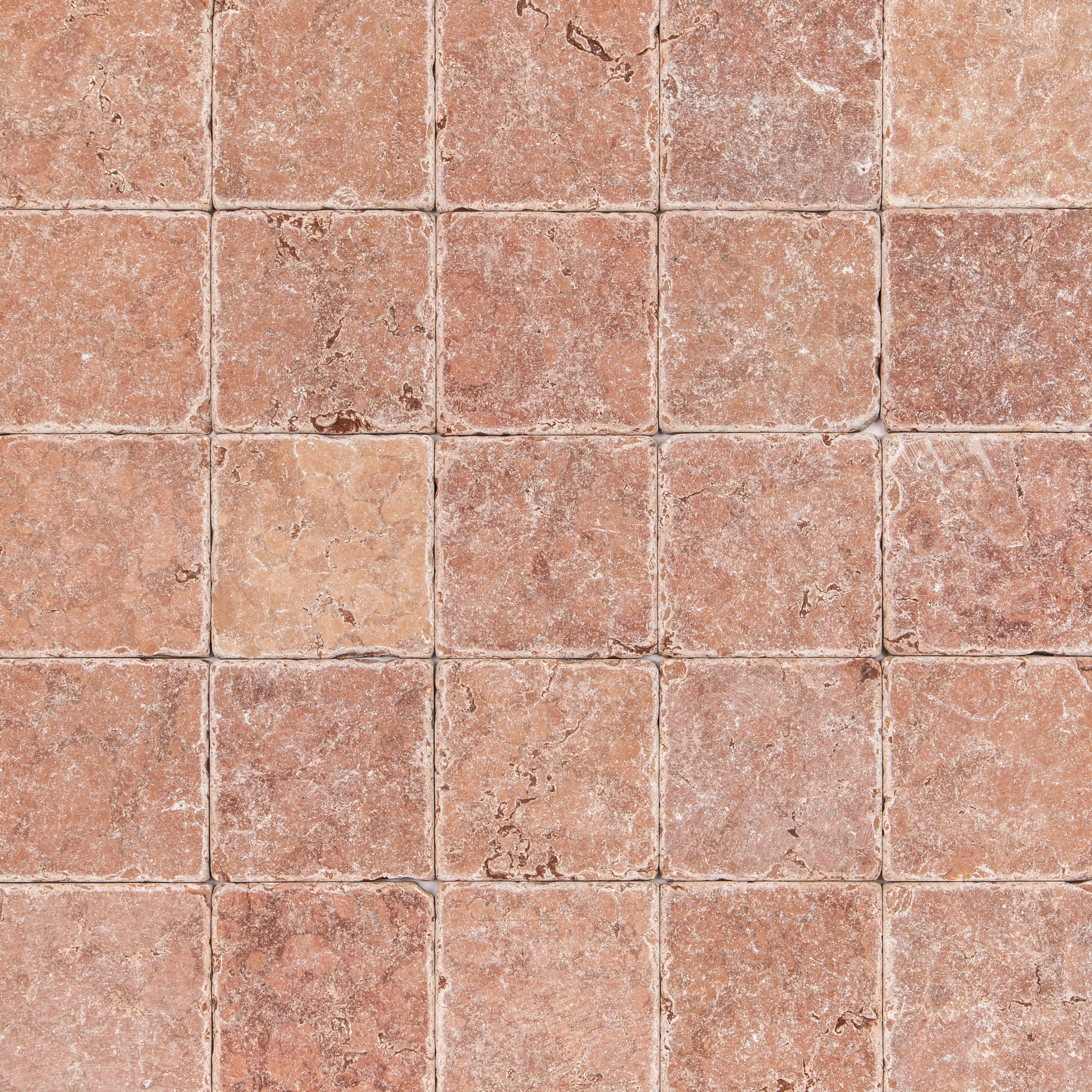
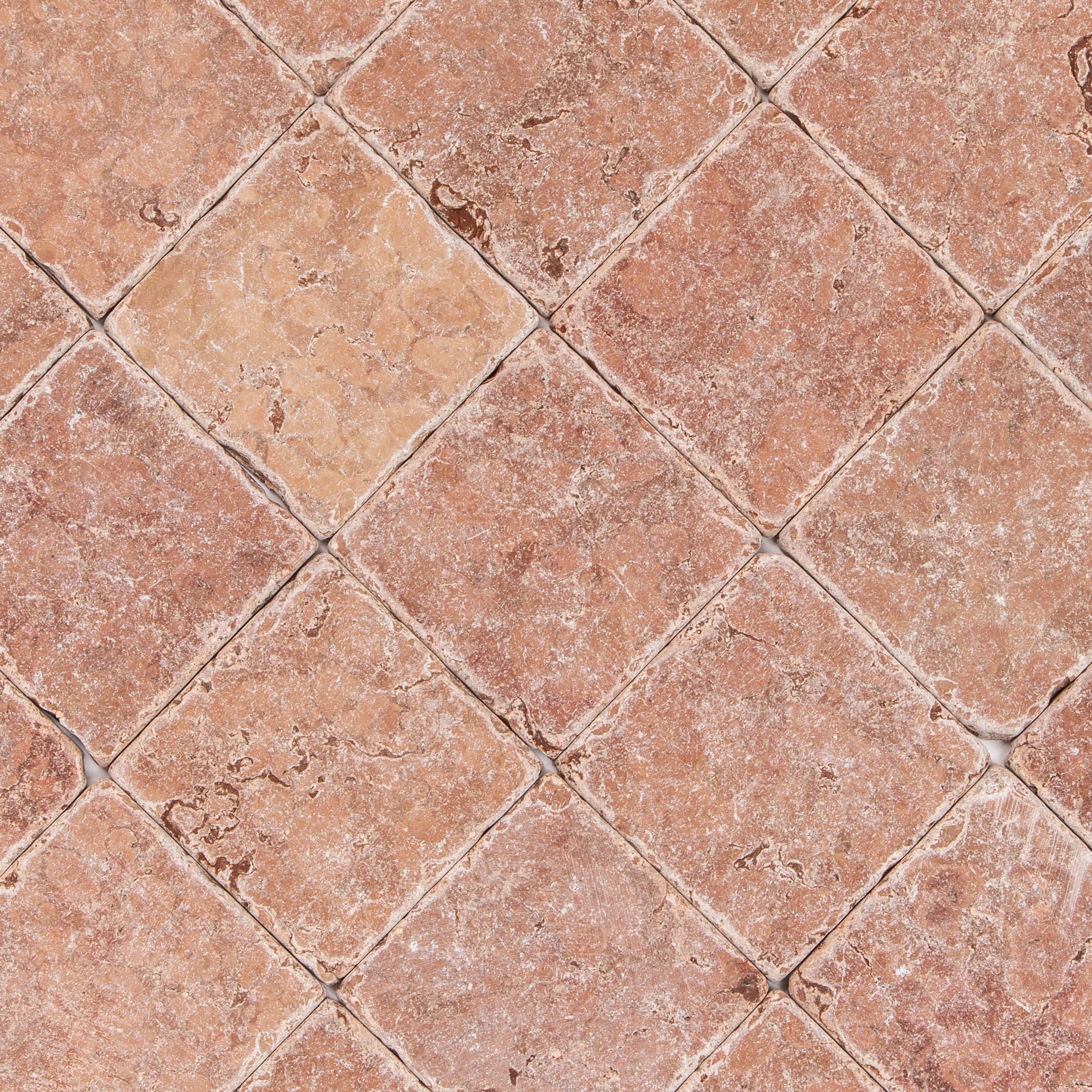
Rosso Verona Tumbled Marble Tile


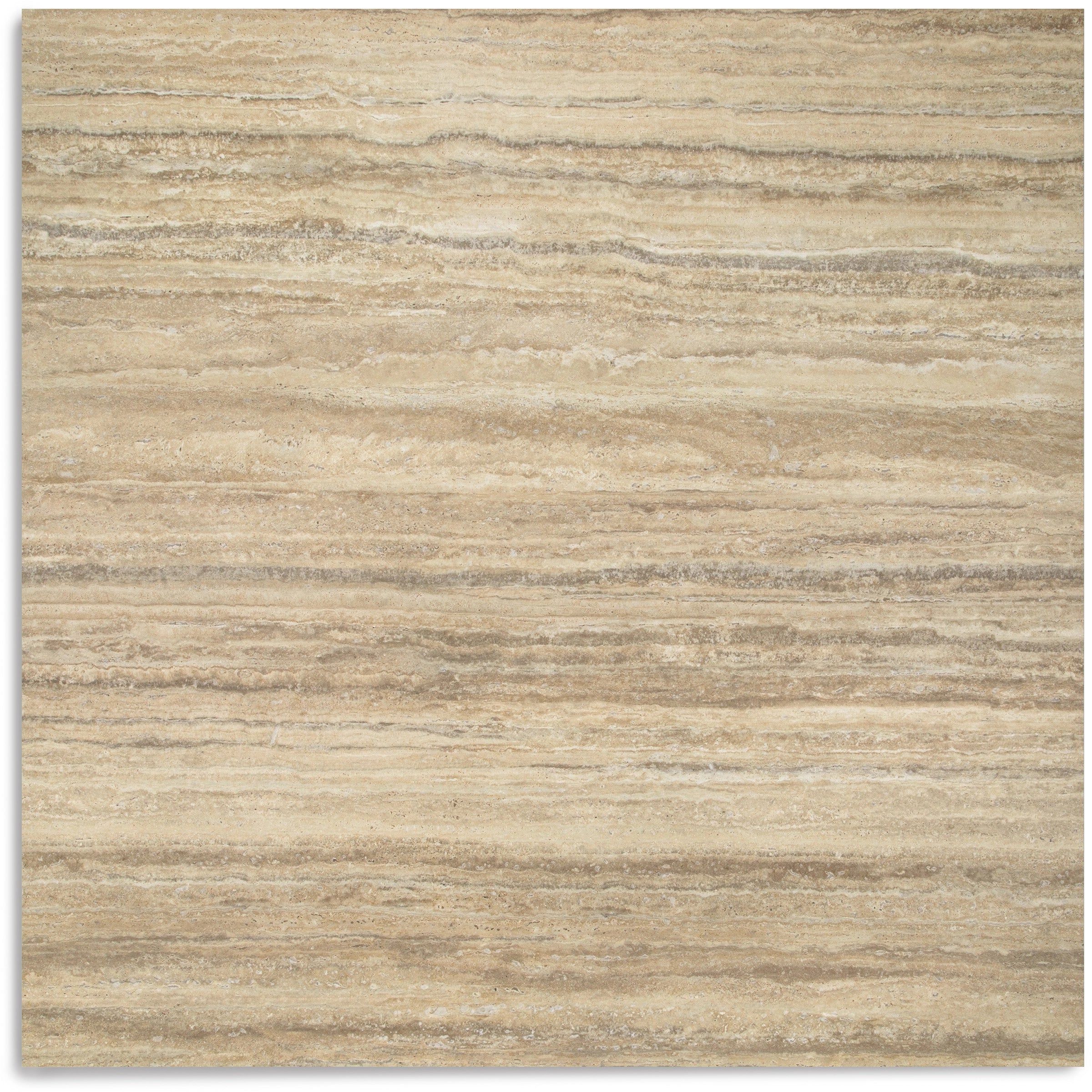
Travertino Moka Stone Look Porcelain Tile
Travertino 3D Matte Porcelain Tile


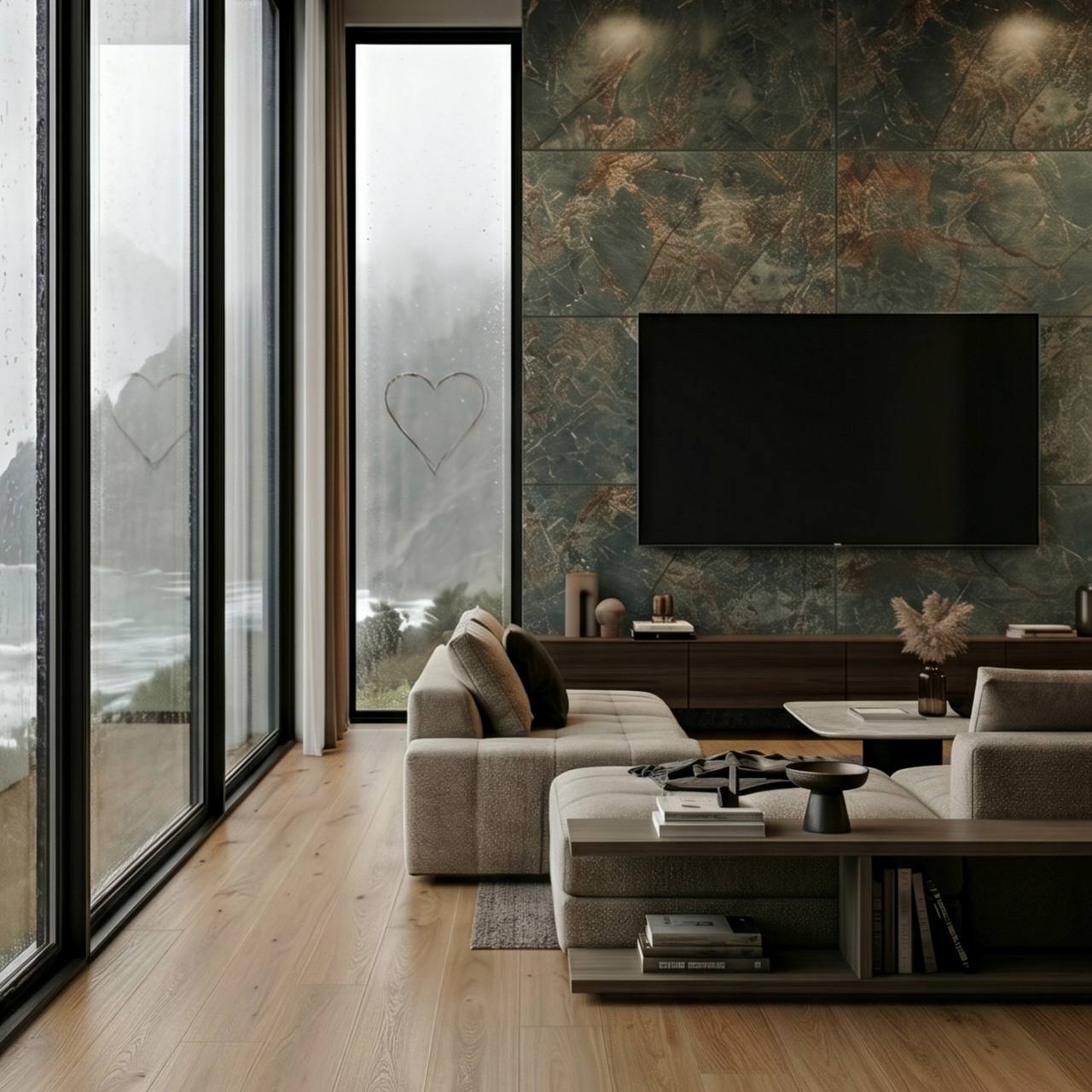
Amazzonite Matte Marble Look Porcelain Tile


Cream 12x24 3D Gloss Porcelain Tile
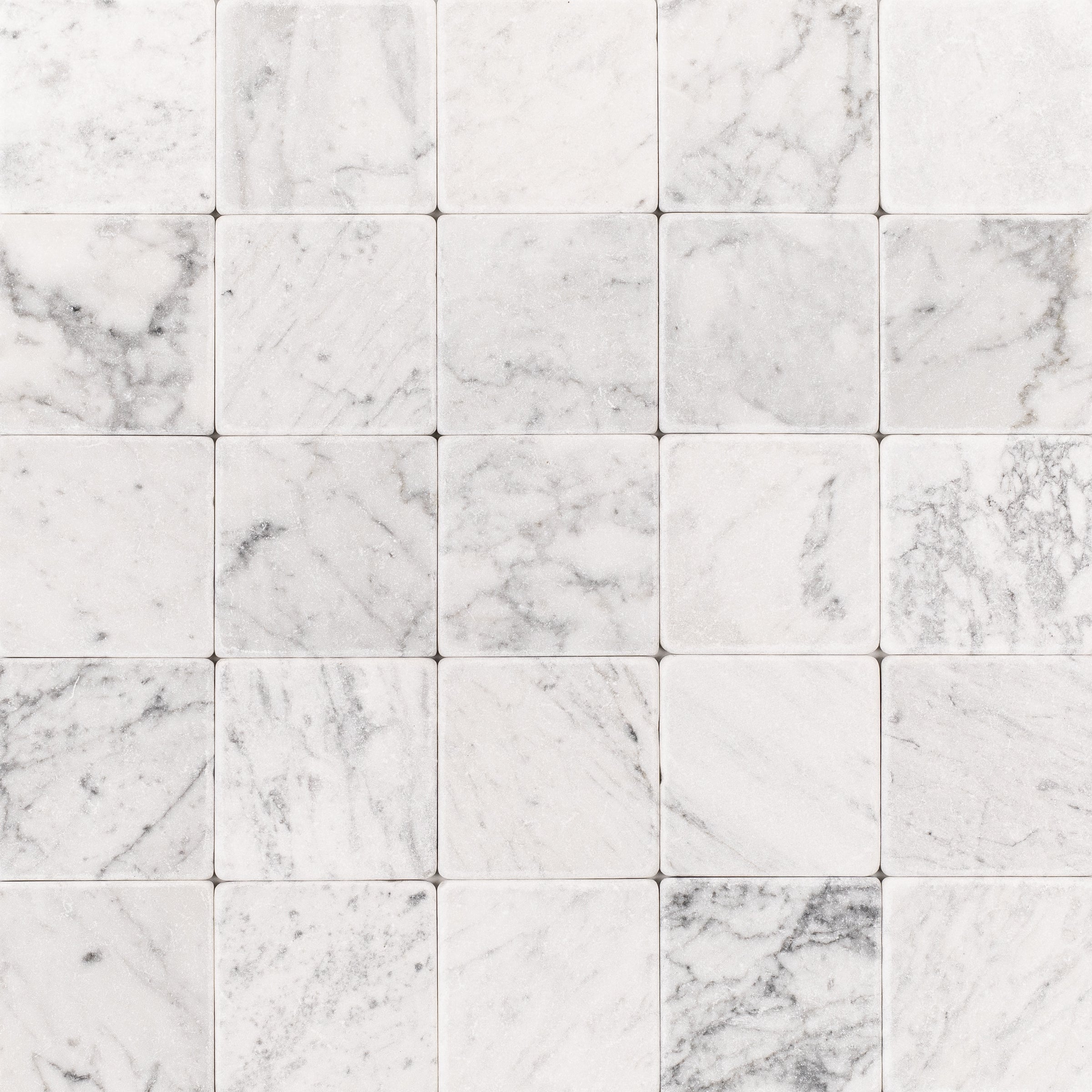
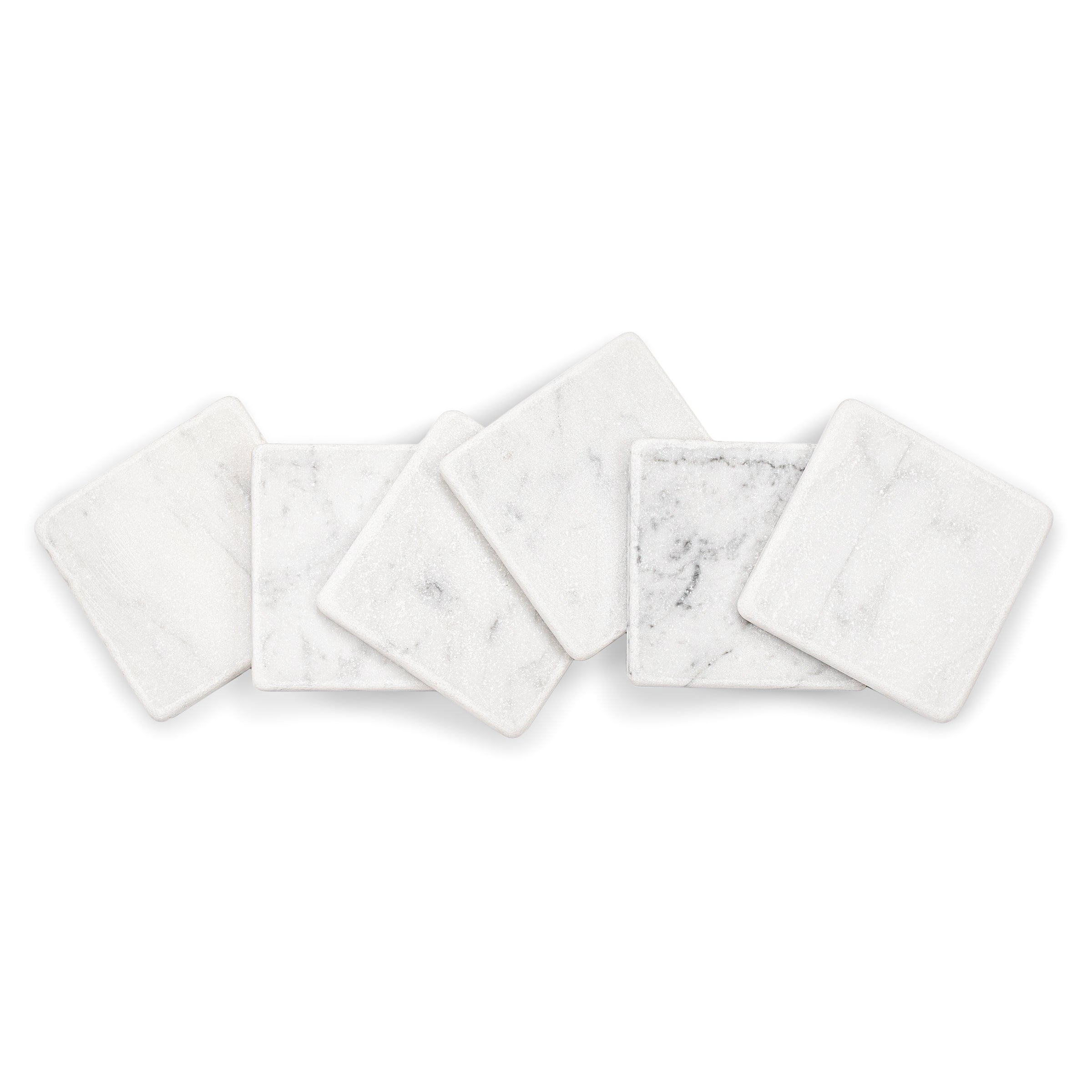

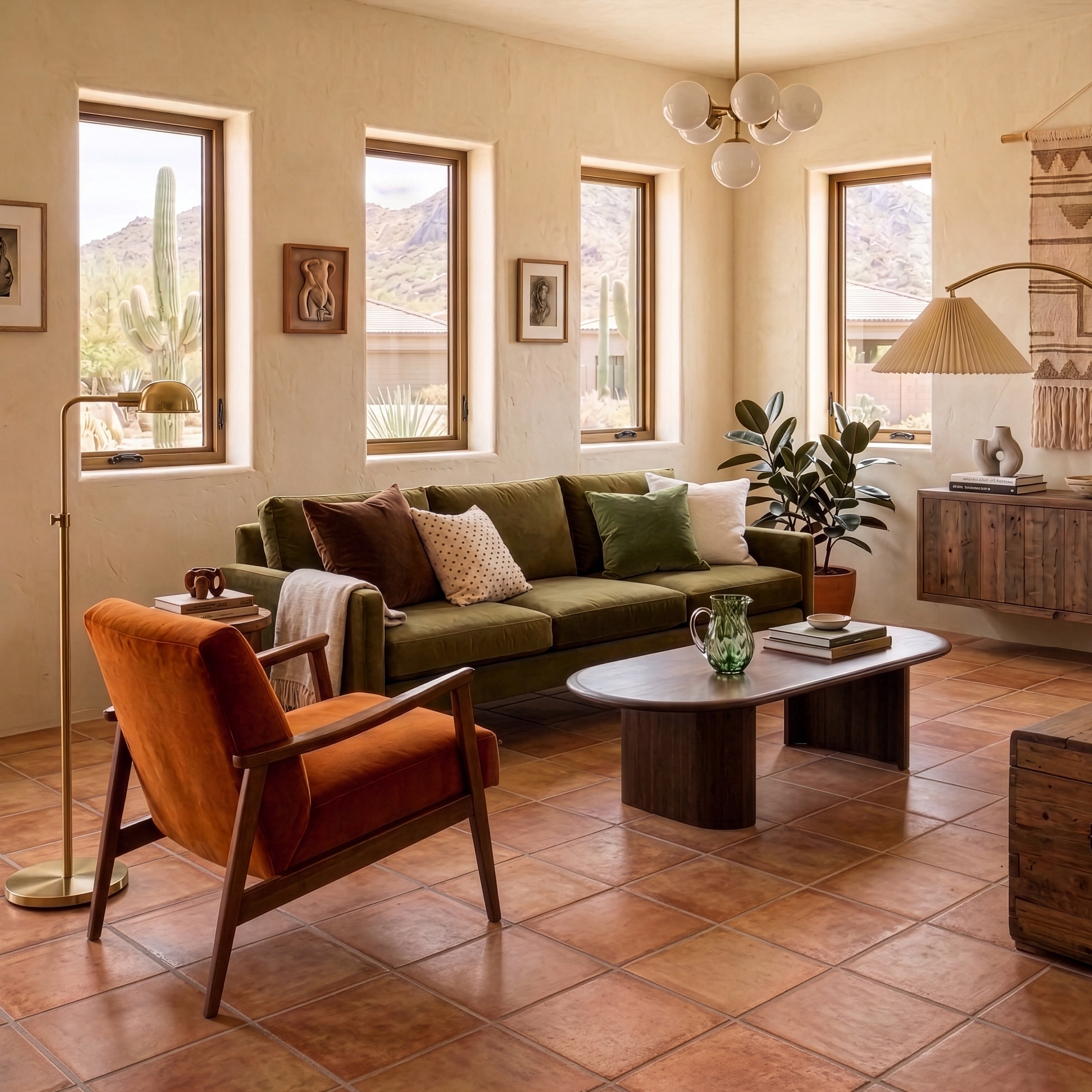
Natura Terracotta Look Matte Porcelain Tile
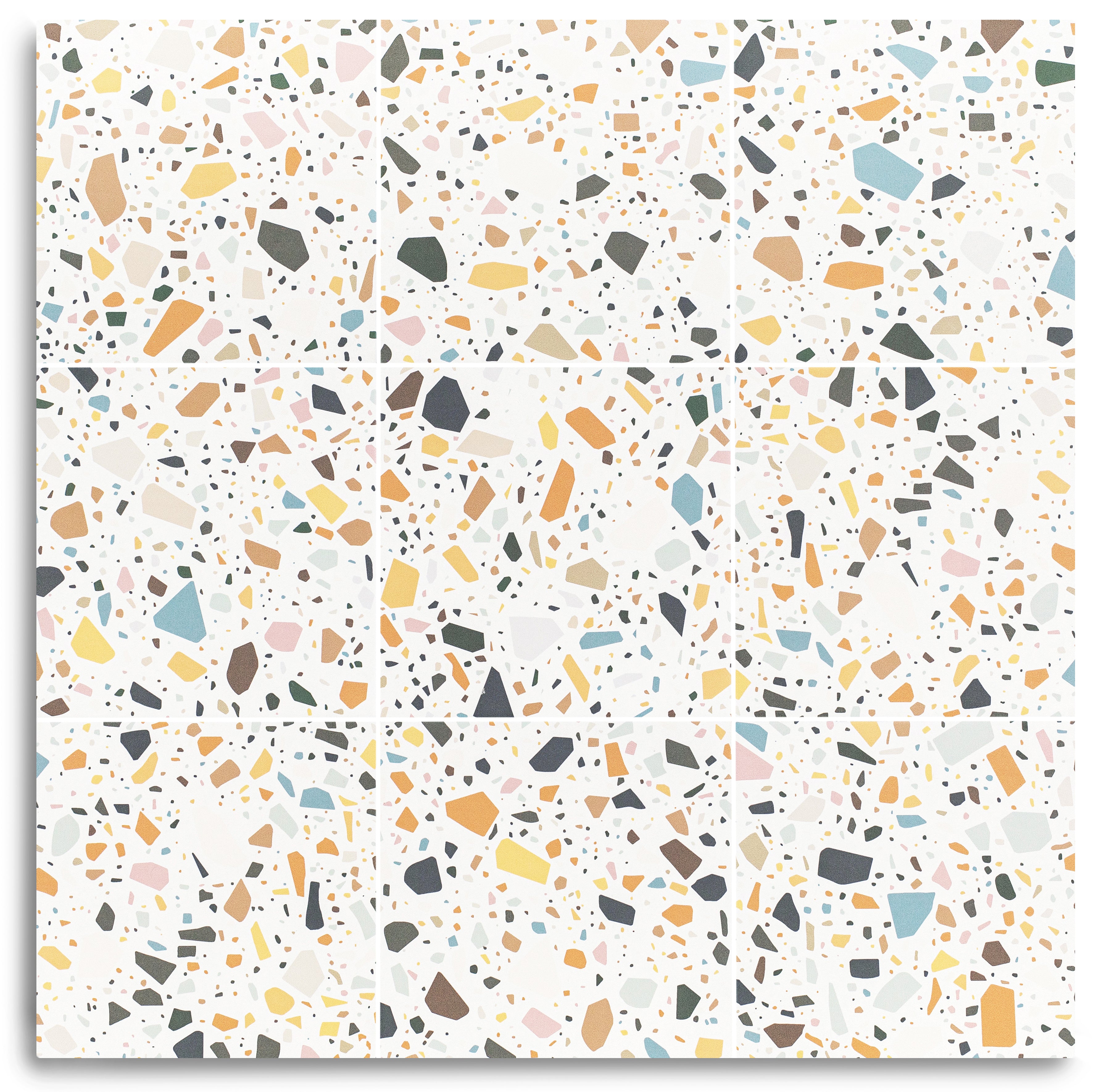

White Multi-Color Matte Porcelain Tile

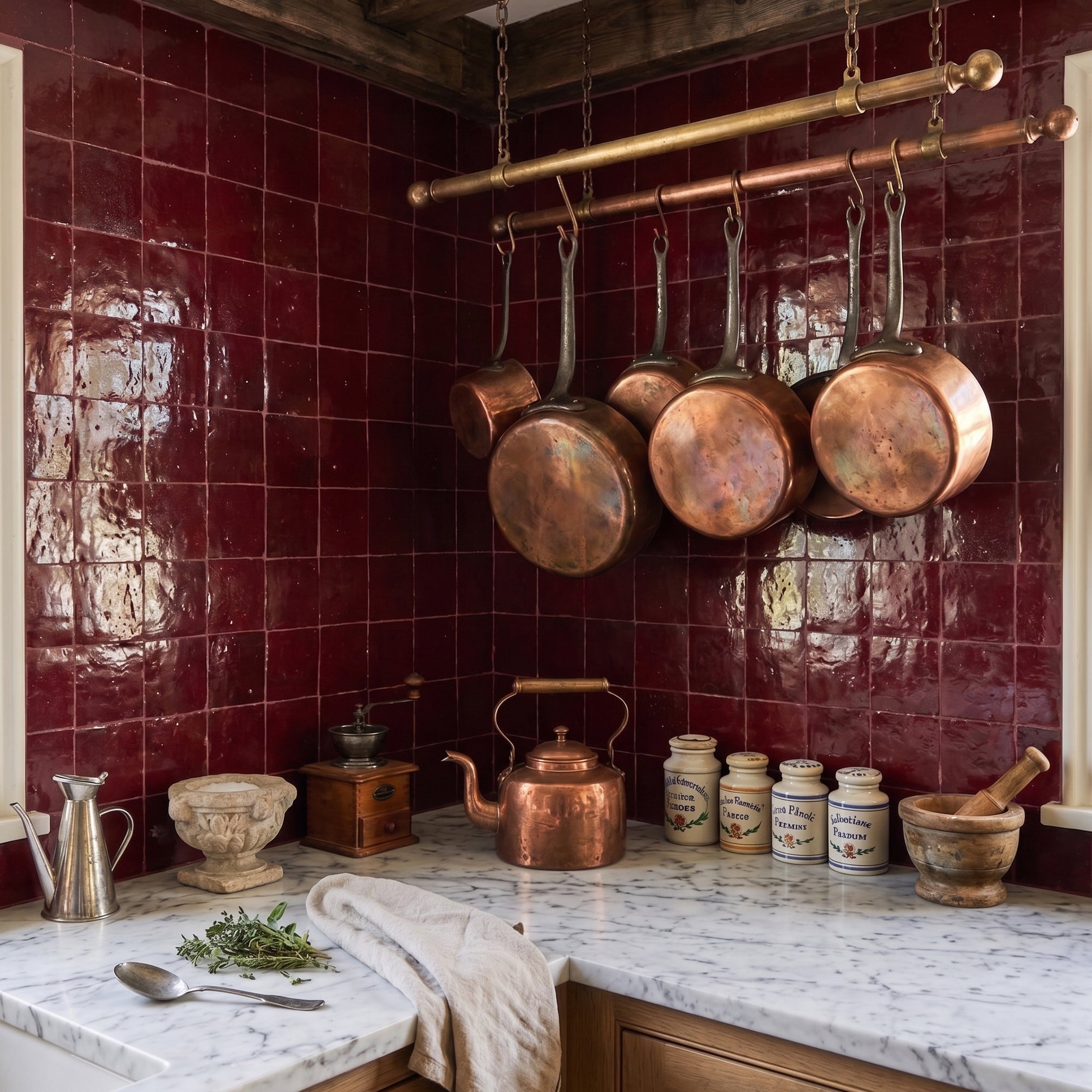
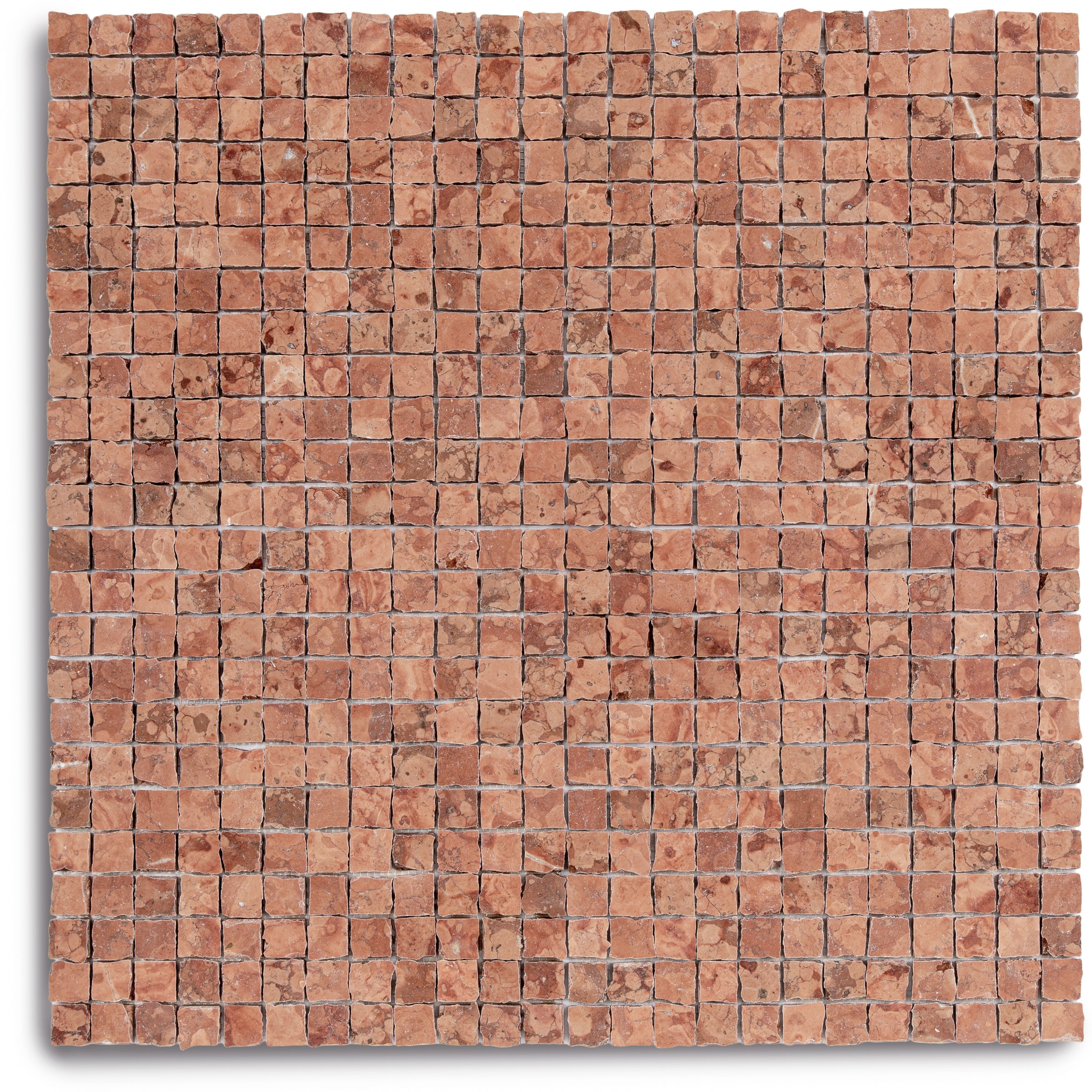
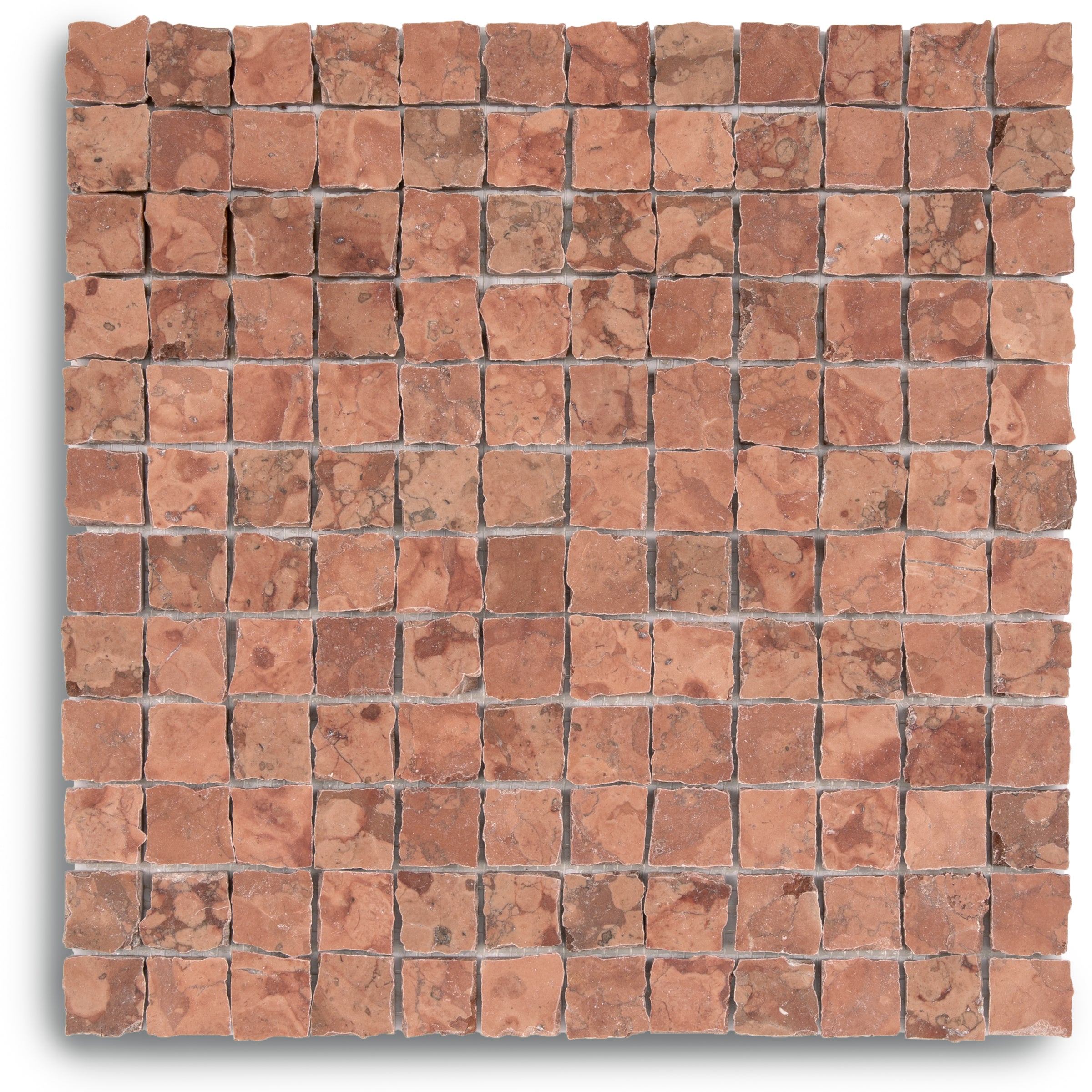
Rosso Verona 1x1 Hand Chipped Marble Mosaic


Navy 12x24 3D Gloss Porcelain Tile
Almond Cement Look Matte Porcelain Tile


Cream 2x2 Forma Porcelain Mosaic
White & Ecru Octagon Zellige Mosaic
Thassos, Carrara, Bardiglio Gingham Marble Mosaic
Cotto Deco Terracotta Look Matte Porcelain Tile
White & Ecru 2x2 Zellige Checkerboard Mosaic
Unglazed & White Octagon Zellige Mosaic
Murano Honed Italian Terrazzo Tile
Cotto Terracotta Look Matte Porcelain Tile


Carrara Bardiglio Tumbled Stone Checkerboard
Chiaro Deco Terracotta Look Matte Porcelain Tile
Cream Limestone Look 3D Matte Porcelain Tile
White & Black Octagon Zellige Mosaic


Beige Limestone Look 3D Matte Porcelain Tile
Apple 12x24 3D Glossy Porcelain Tile
Rosso Verona Tumbled Marble Tile
Travertino Moka Stone Look Porcelain Tile
Travertino 3D Matte Porcelain Tile
Cream 12x24 3D Gloss Porcelain Tile
Natura Terracotta Look Matte Porcelain Tile
Rosso Verona 1x1 Hand Chipped Marble Mosaic
Amazzonite Matte Marble Look Porcelain Tile
White Multi-Color Matte Porcelain Tile
Navy 12x24 3D Gloss Porcelain Tile
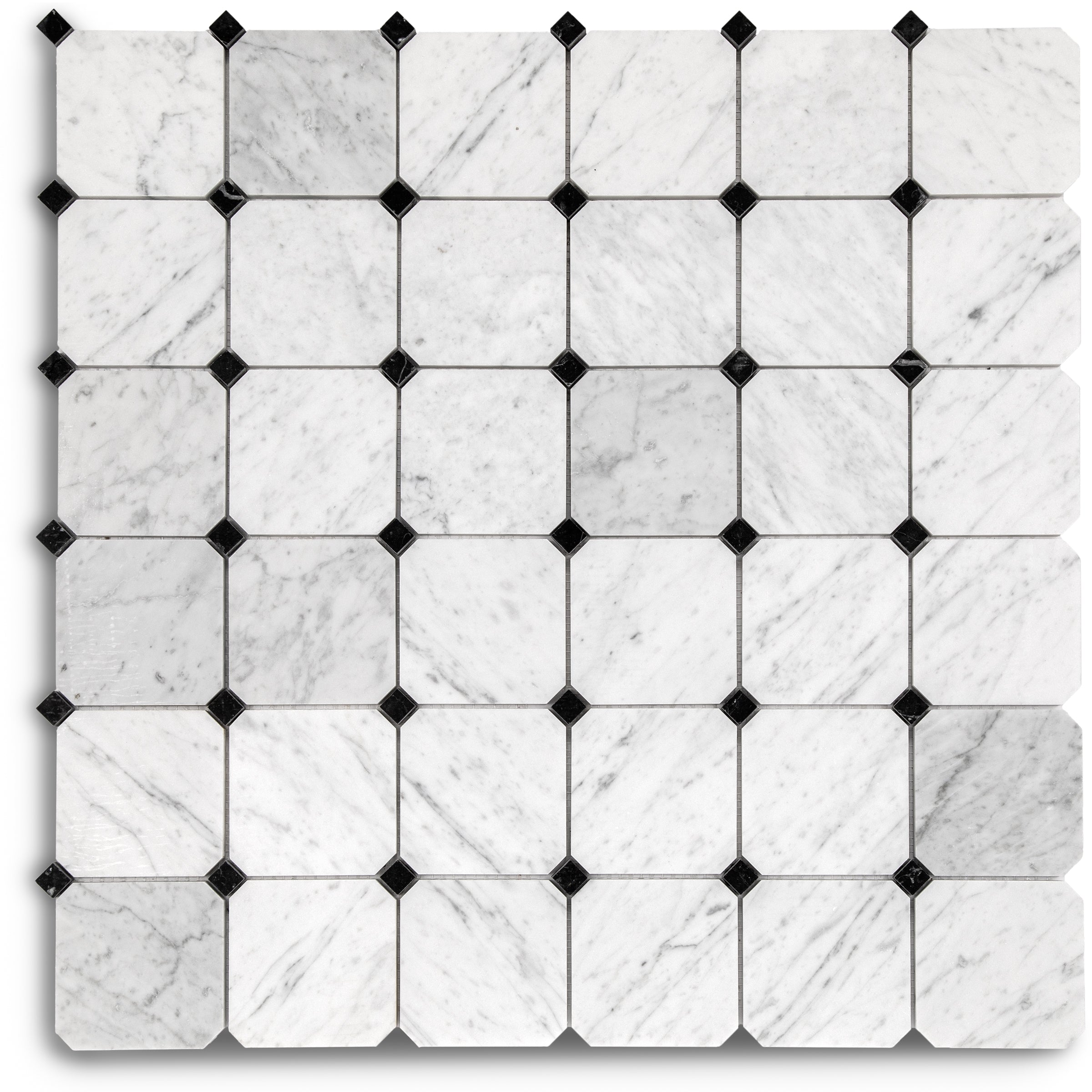
Bianco Carrara Octagon w/ Nero Marquina Dot Mosaic
White & Ecru Octagon Zellige Mosaic
Thassos, Carrara, Bardiglio Gingham Marble Mosaic
Cotto Deco Terracotta Look Matte Porcelain Tile
White & Ecru 2x2 Zellige Checkerboard Mosaic
Unglazed & White Octagon Zellige Mosaic
Murano Honed Italian Terrazzo Tile
Cotto Terracotta Look Matte Porcelain Tile
Carrara Bardiglio Tumbled Stone Checkerboard
Chiaro Deco Terracotta Look Matte Porcelain Tile
Cream Limestone Look 3D Matte Porcelain Tile
White & Black Octagon Zellige Mosaic
Beige Limestone Look 3D Matte Porcelain Tile
Rosso Verona Tumbled Marble Tile
Travertino Moka Stone Look Porcelain Tile
Travertino 3D Matte Porcelain Tile
Rosso Verona 1x1 Hand Chipped Marble Mosaic
Amazzonite Matte Marble Look Porcelain Tile
White Multi-Color Matte Porcelain Tile
Natura Terracotta Look Matte Porcelain Tile
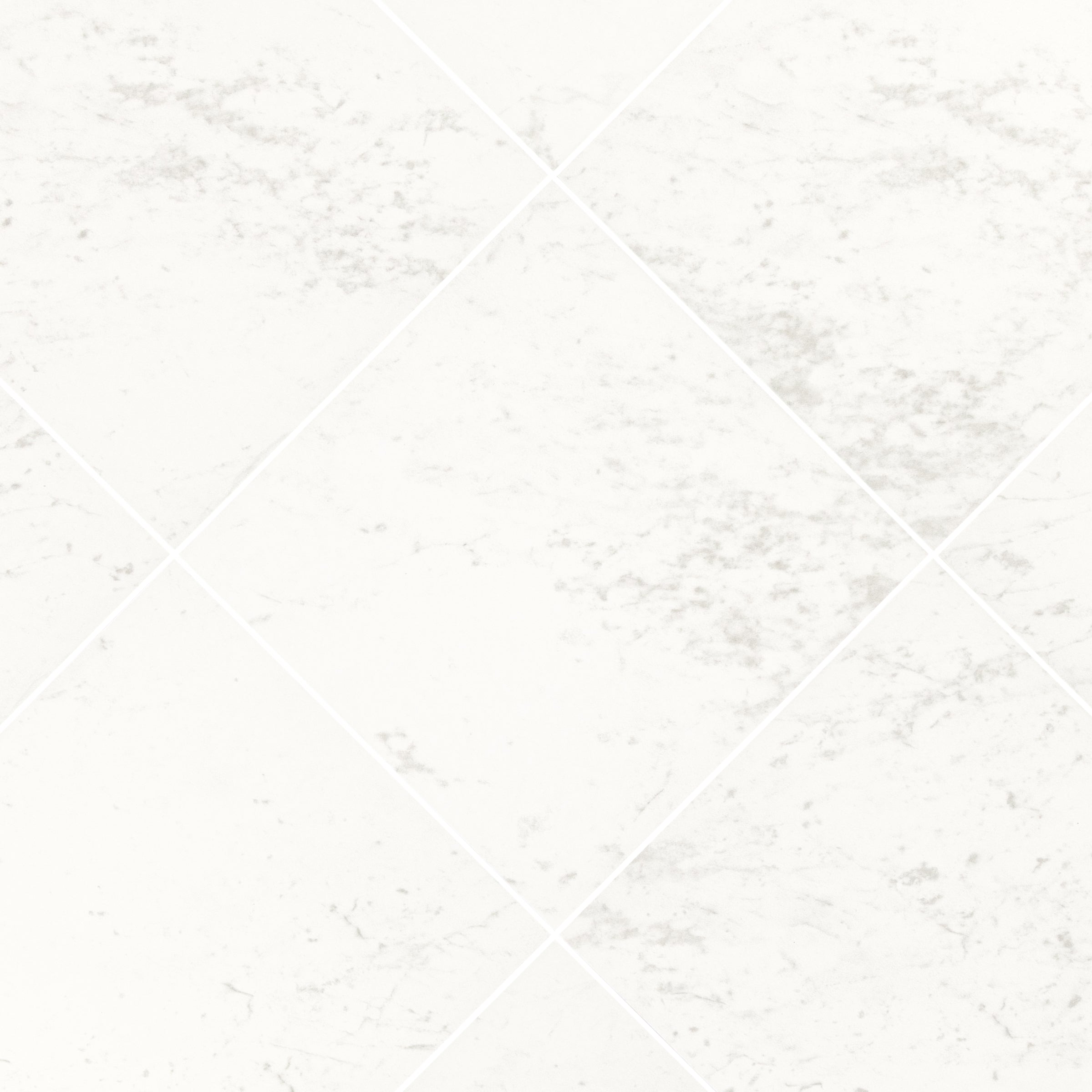
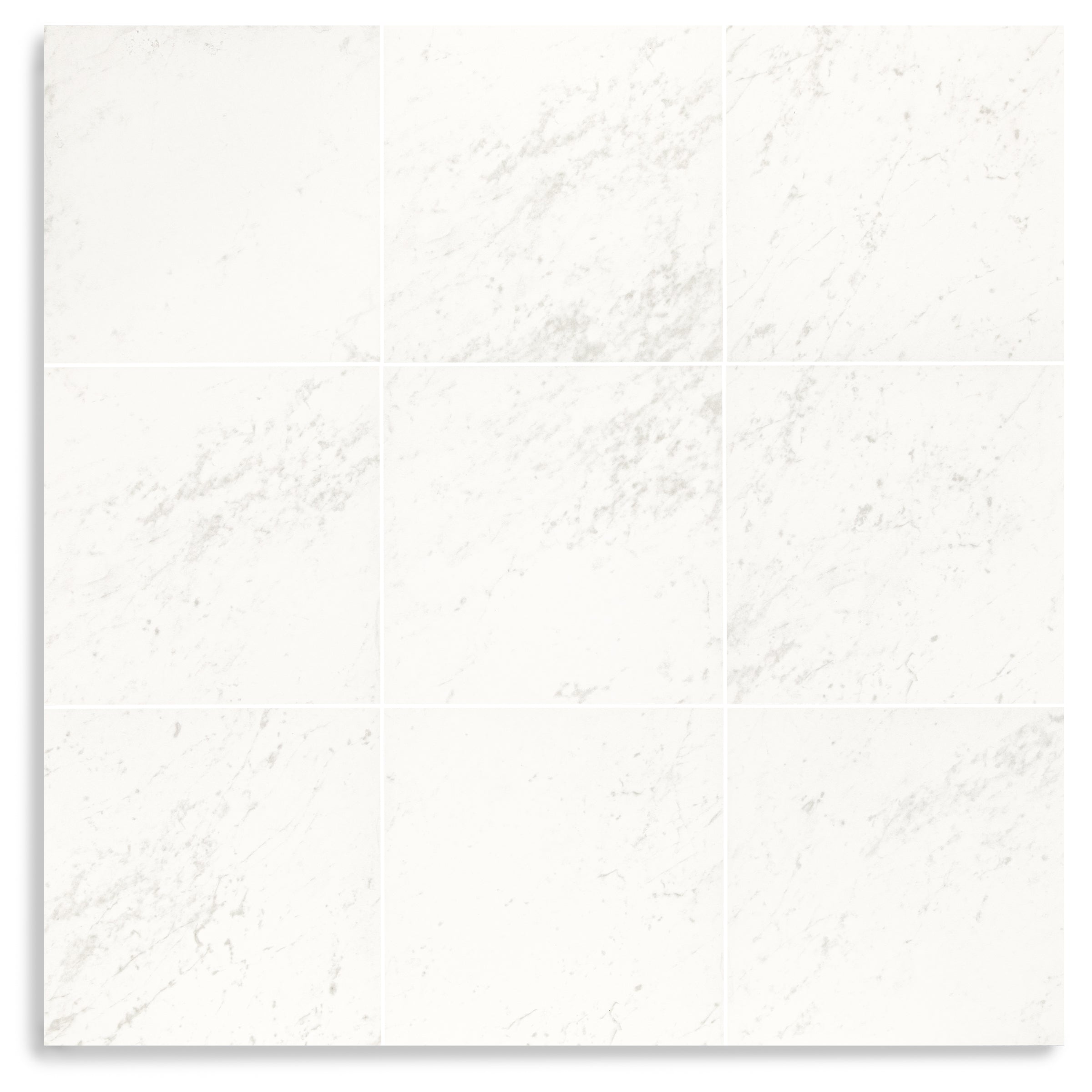


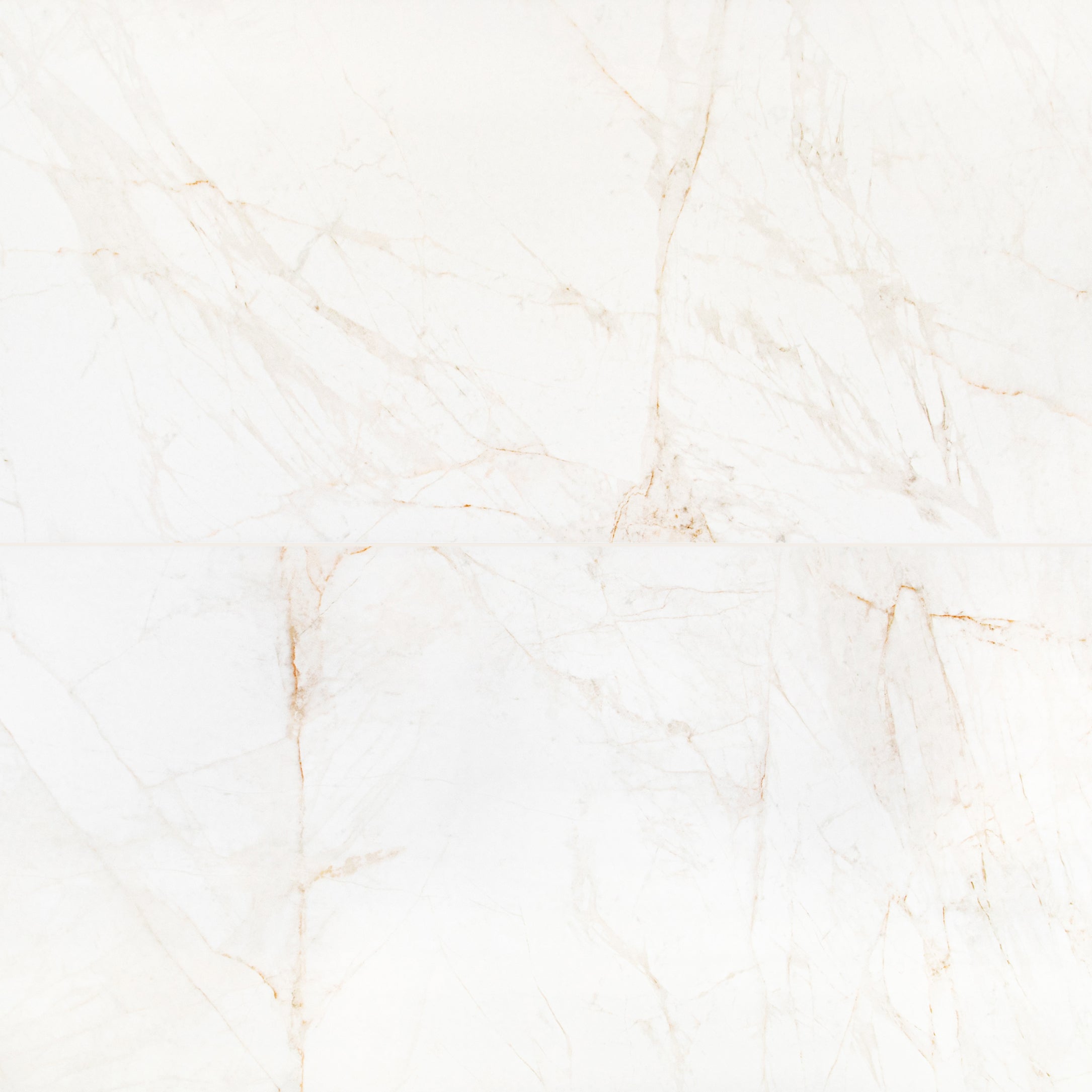
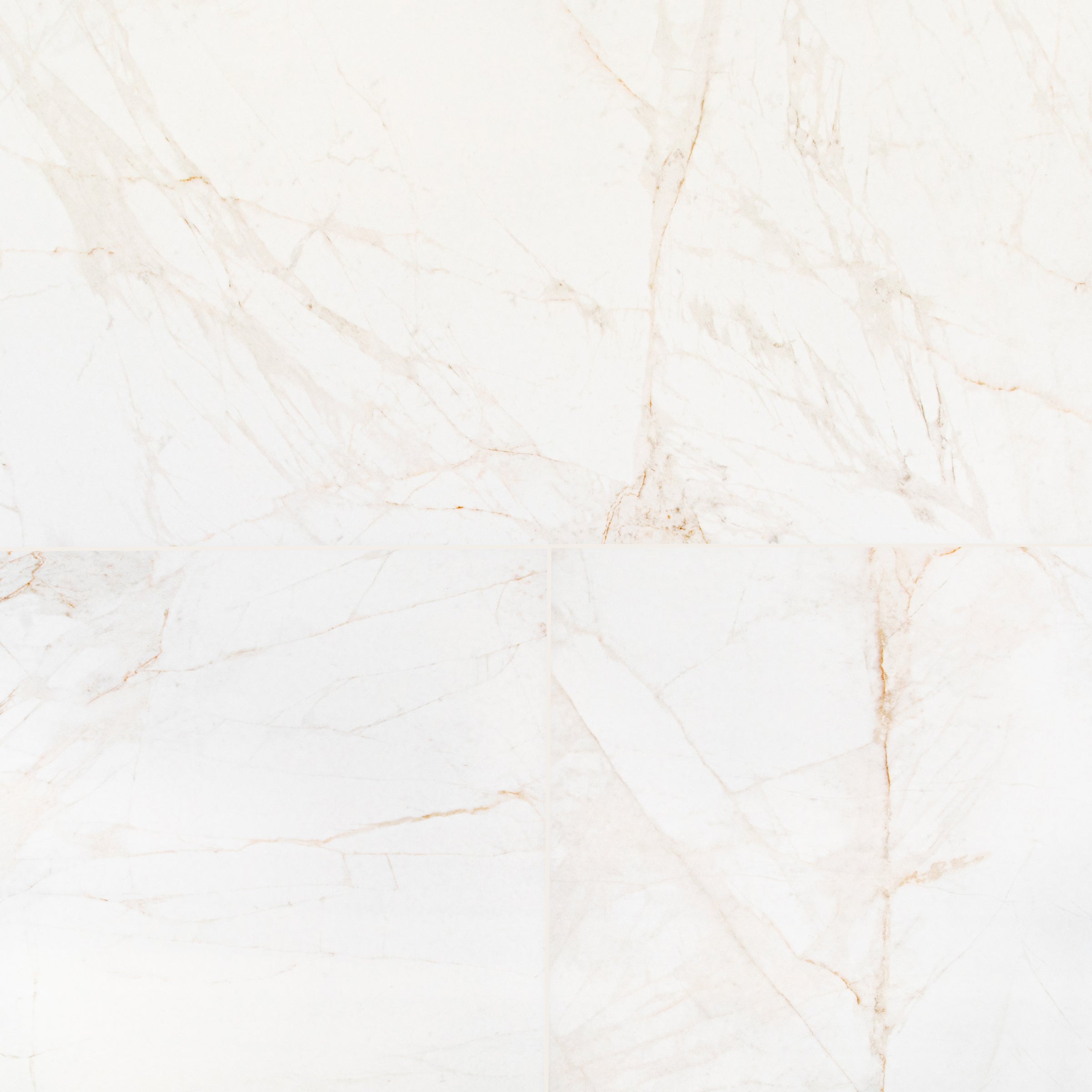
Spider Gold Matte Marble Look Porcelain Tile
Cream 2x2 Forma Porcelain Mosaic


Cotto 2x2 Forma Porcelain Mosaic
Bianco Carrara Octagon w/ Nero Marquina Dot Mosaic
Almond Cement Look Matte Porcelain Tile
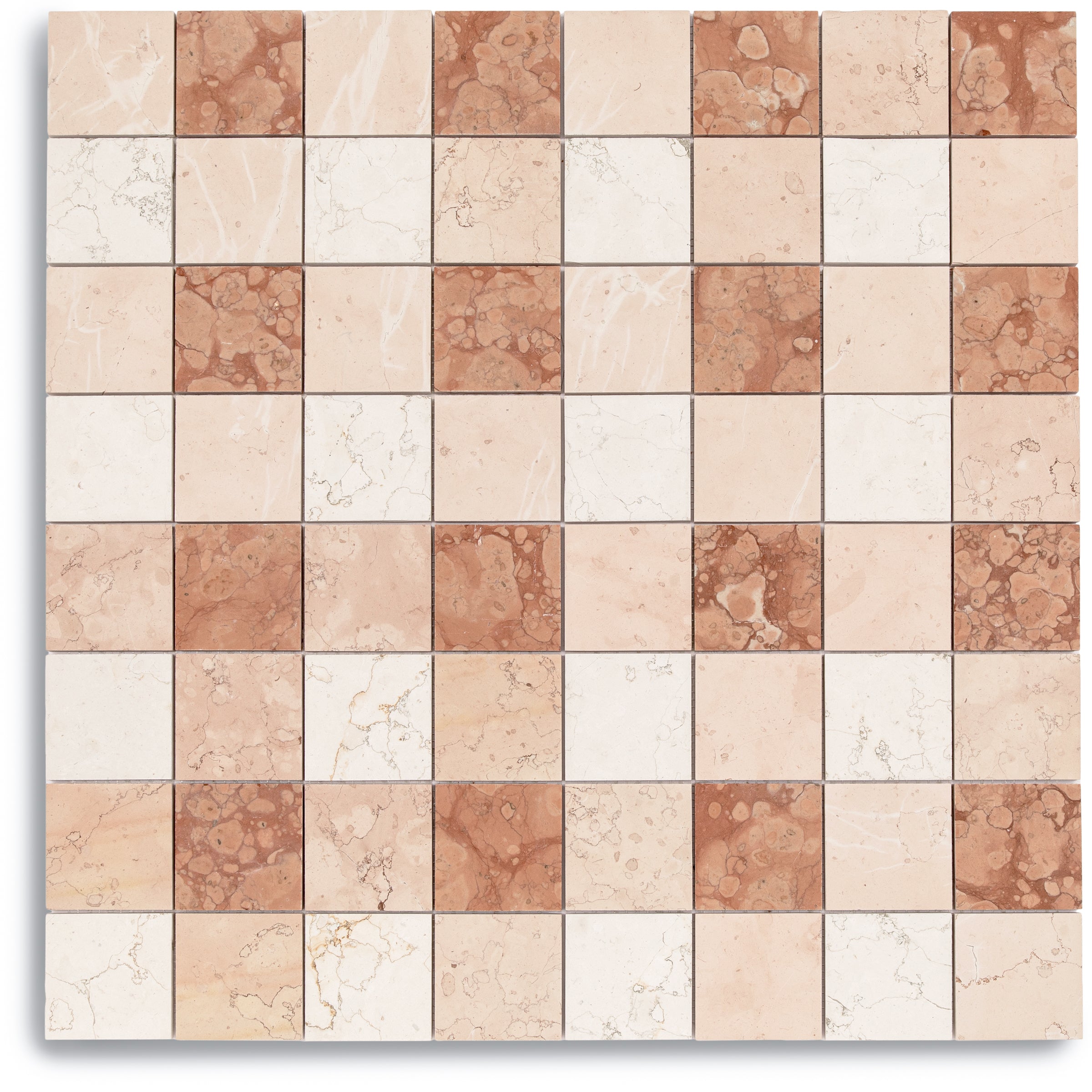


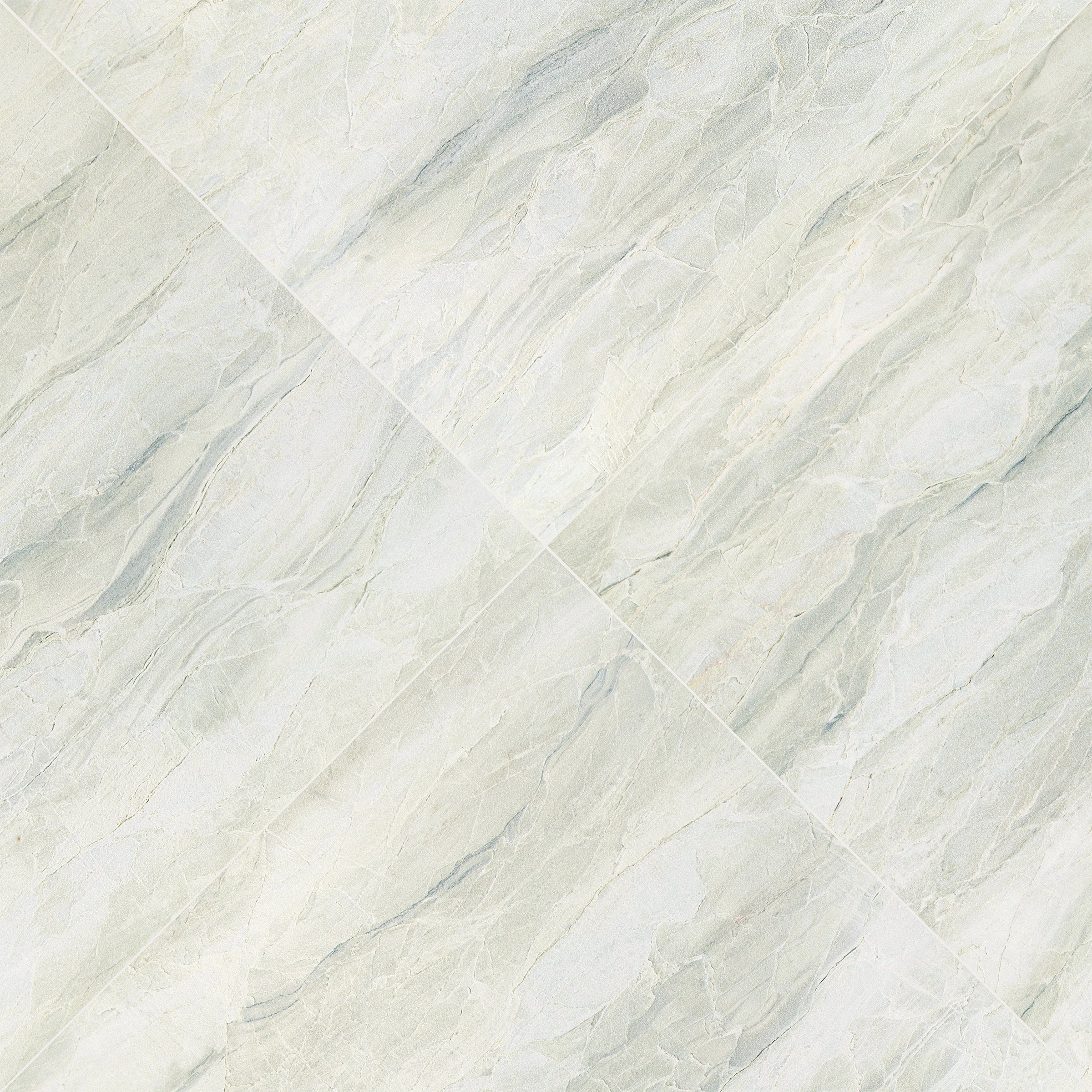
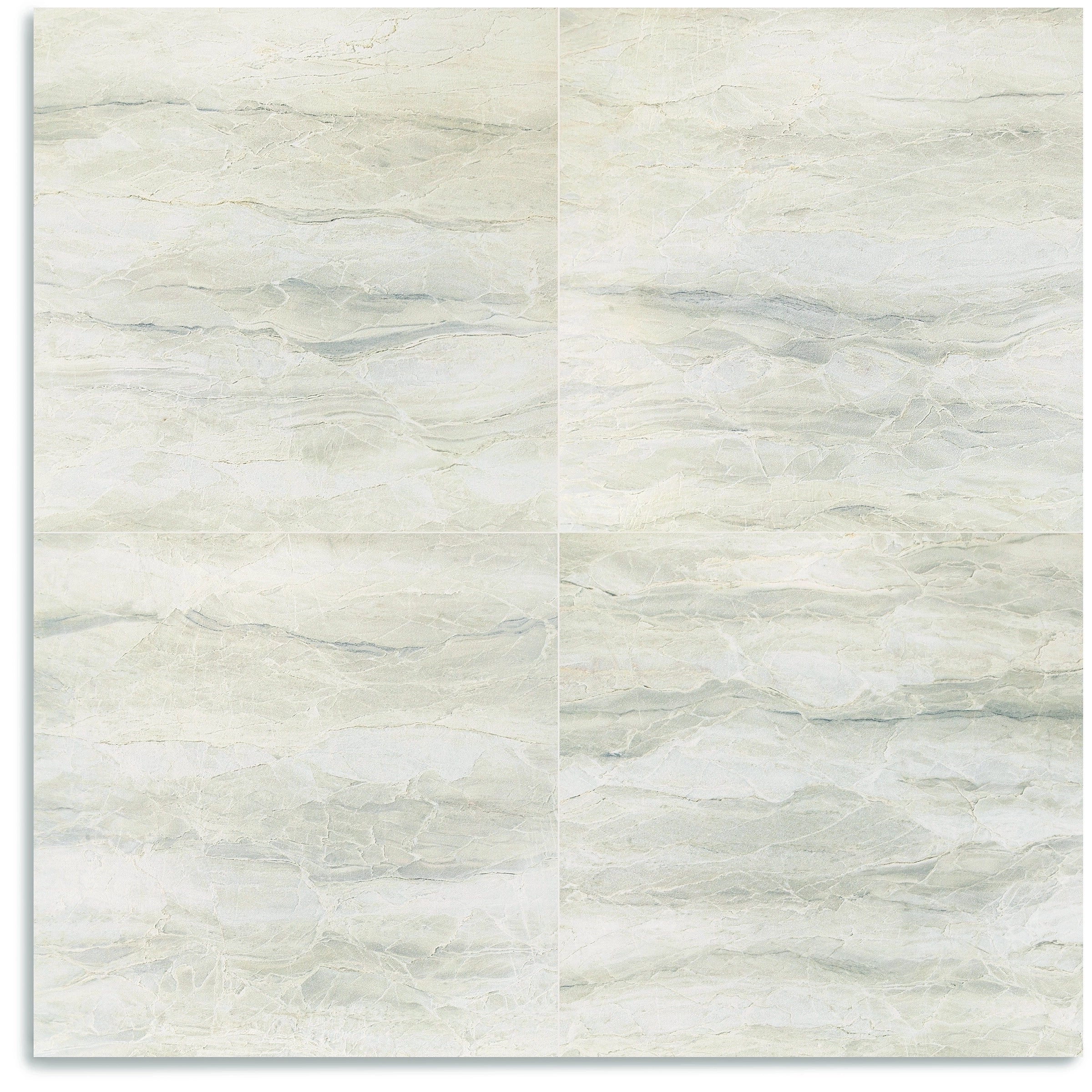
White Paradise Marble Look Porcelain Tile

Star & Cross Classic Terracotta Tile
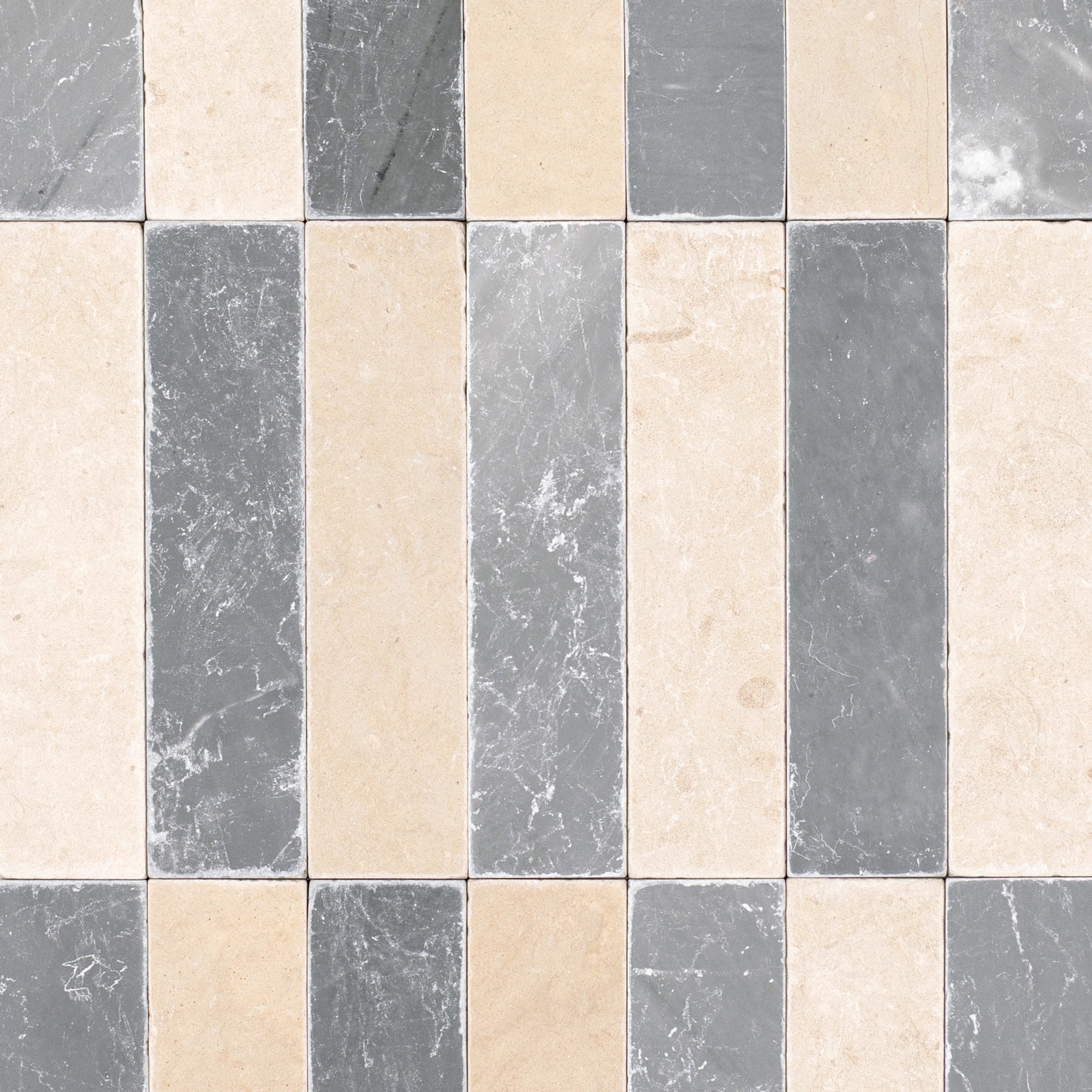
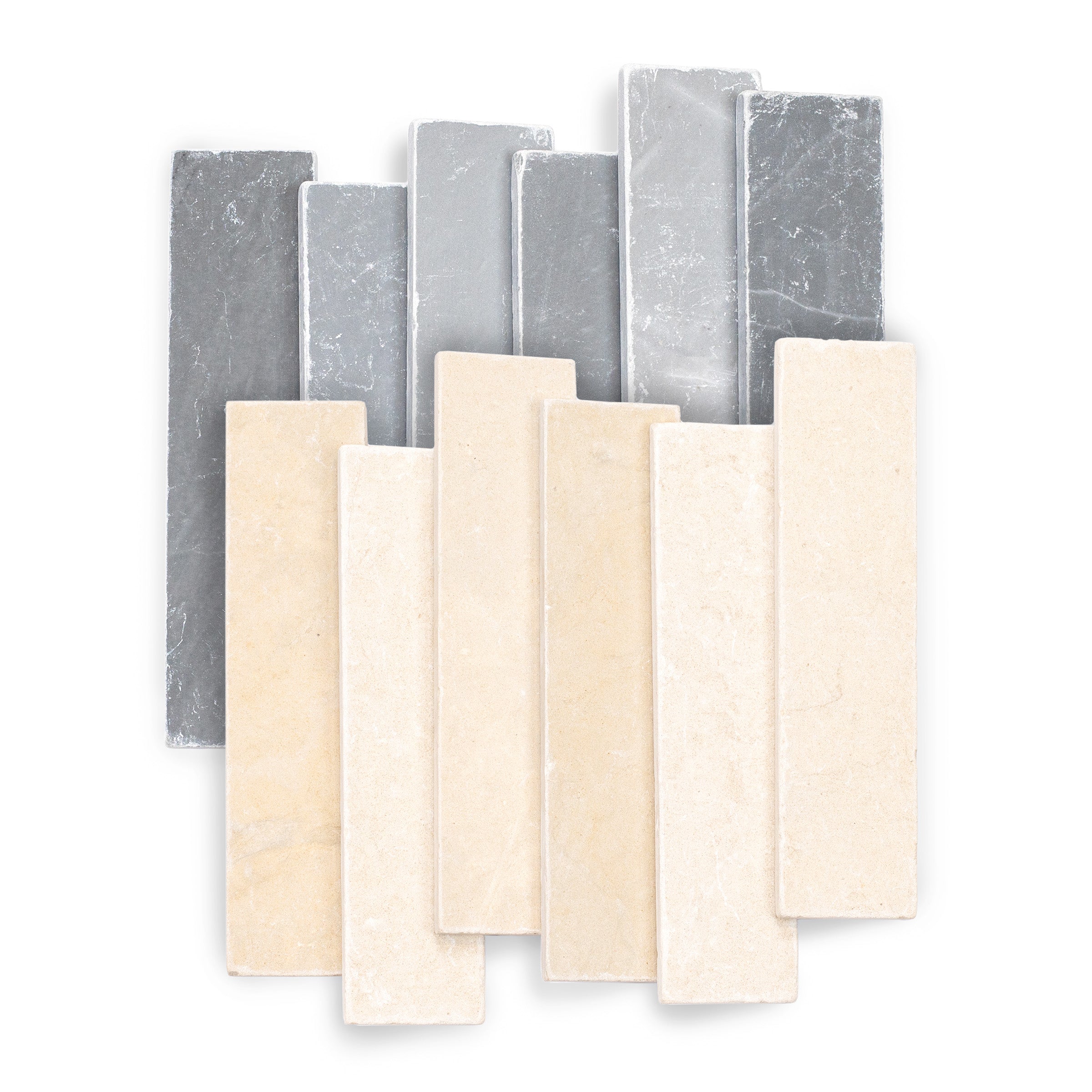
Bardiglio Desert Tea Tumbled Stone Checker Stripe
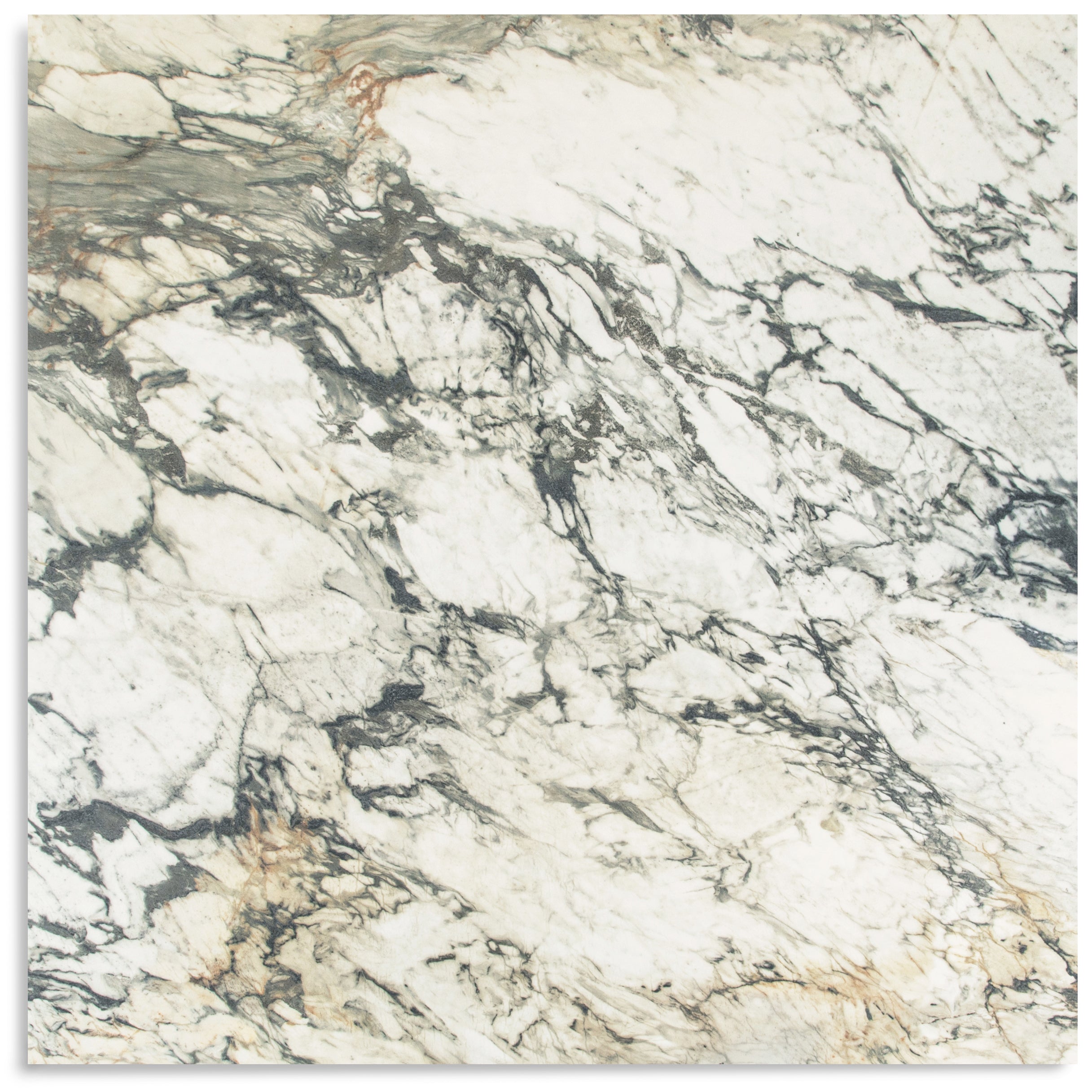
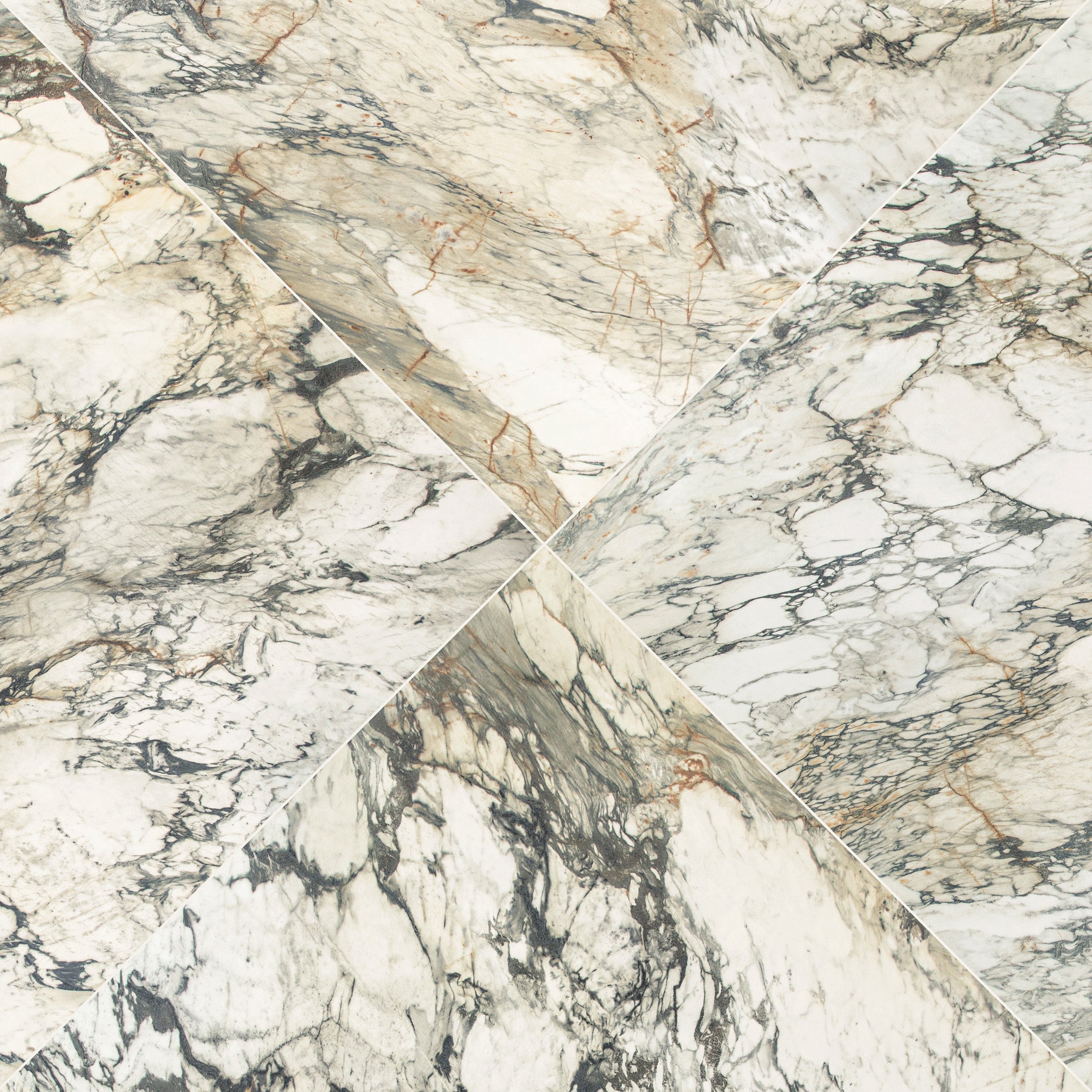
Breccia Capraia 3D Mable Look Porcelain Tile
White & Ecru Octagon Zellige Mosaic
Thassos, Carrara, Bardiglio Gingham Marble Mosaic
Cotto Deco Terracotta Look Matte Porcelain Tile
White & Ecru 2x2 Zellige Checkerboard Mosaic
Unglazed & White Octagon Zellige Mosaic
Murano Honed Italian Terrazzo Tile
Cotto Terracotta Look Matte Porcelain Tile
Carrara Bardiglio Tumbled Stone Checkerboard
Chiaro Deco Terracotta Look Matte Porcelain Tile
Cream Limestone Look 3D Matte Porcelain Tile
White & Black Octagon Zellige Mosaic
Beige Limestone Look 3D Matte Porcelain Tile
Apple 12x24 3D Glossy Porcelain Tile
Rosso Verona Tumbled Marble Tile
Travertino Moka Stone Look Porcelain Tile
Travertino 3D Matte Porcelain Tile
Rosso Verona 1x1 Hand Chipped Marble Mosaic
Amazzonite Matte Marble Look Porcelain Tile
Cream 12x24 3D Gloss Porcelain Tile
Natura Terracotta Look Matte Porcelain Tile
White Multi-Color Matte Porcelain Tile
Bianco Carrara Octagon w/ Nero Marquina Dot Mosaic
Navy 12x24 3D Gloss Porcelain Tile
Almond Cement Look Matte Porcelain Tile
Cream Limestone Look 3D Matte Porcelain Tile
Beige Limestone Look 3D Matte Porcelain Tile
Apple 12x24 3D Glossy Porcelain Tile
Cream 12x24 3D Gloss Porcelain Tile
Spider Gold Matte Marble Look Porcelain Tile
Navy 12x24 3D Gloss Porcelain Tile


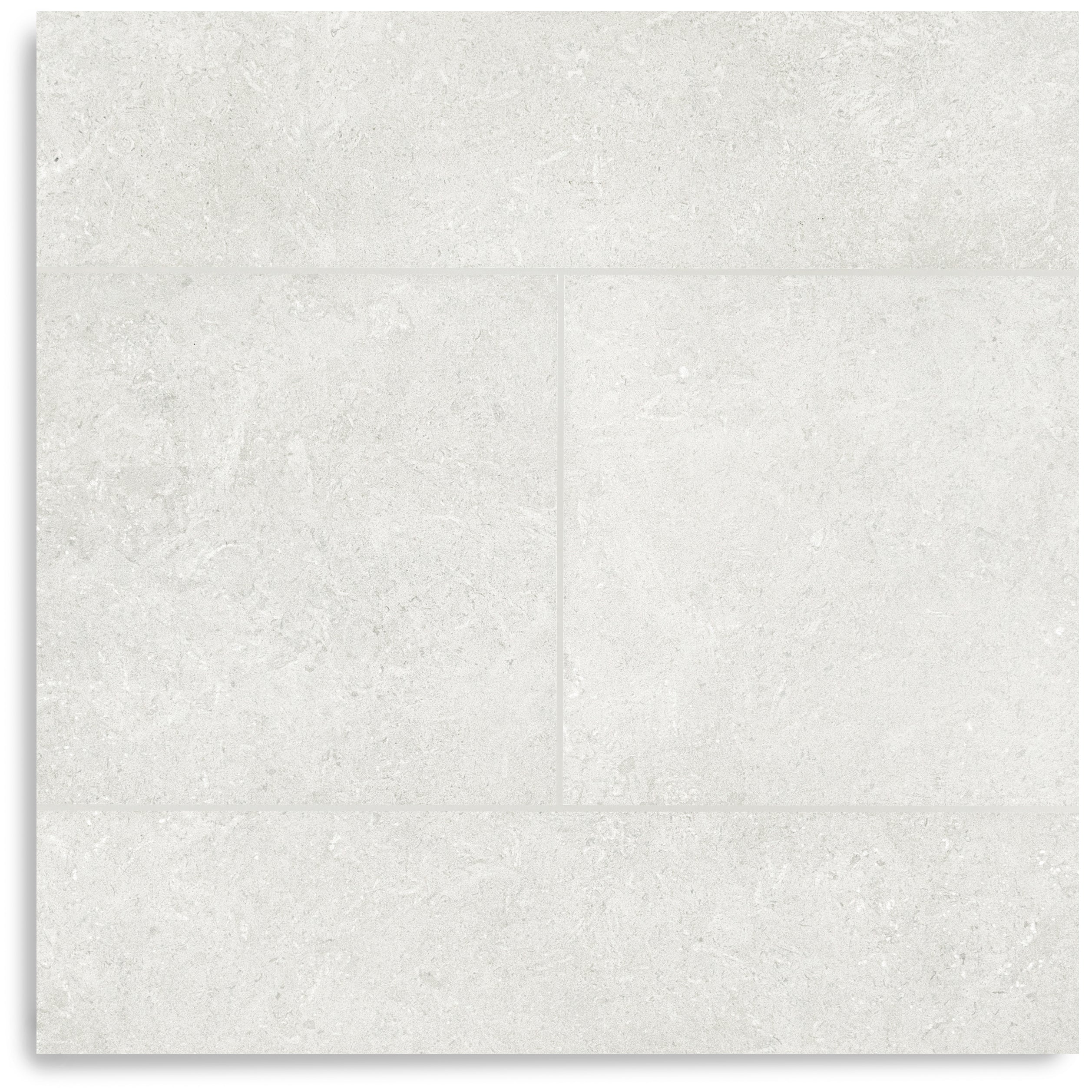
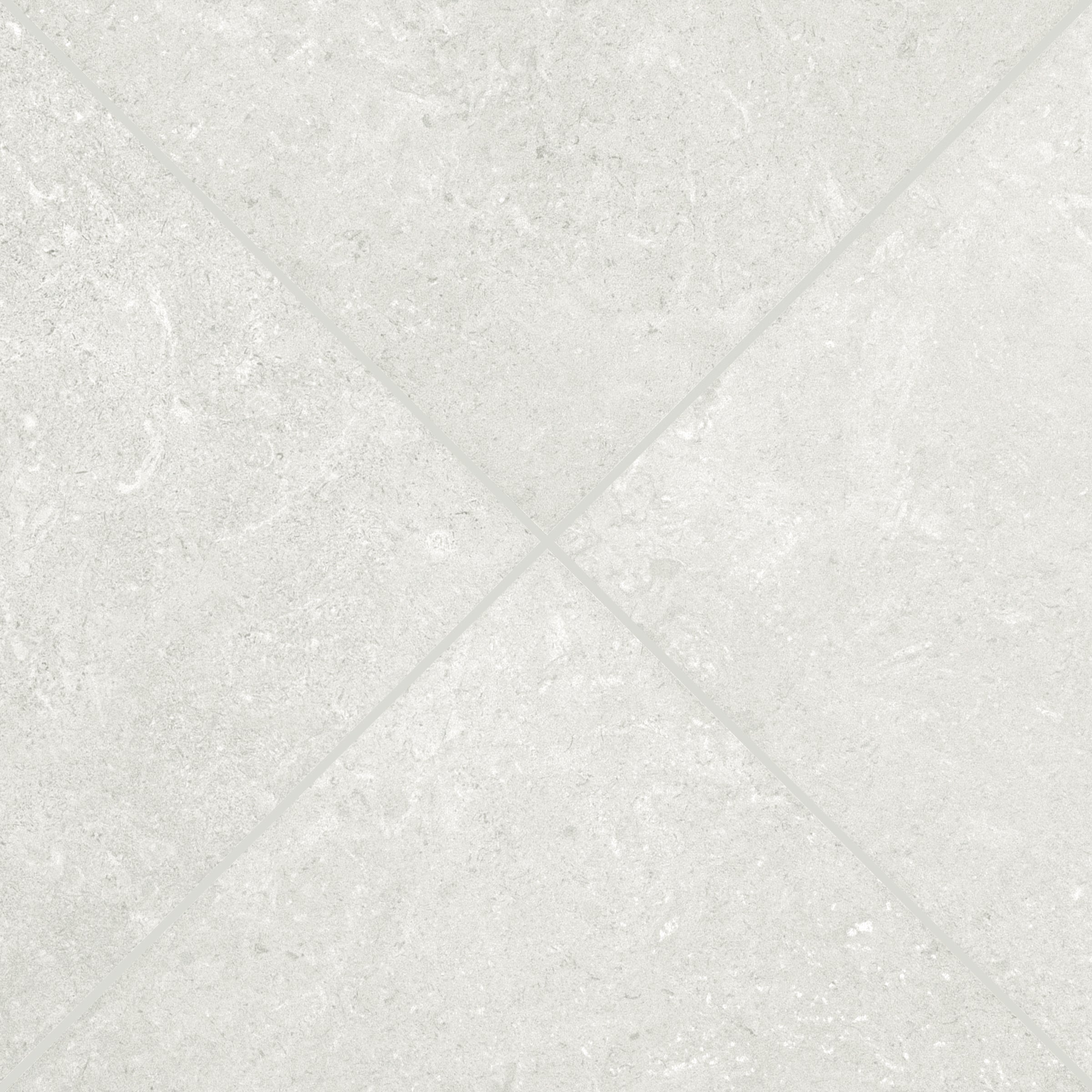
Silver Limestone Look 3D Matte Porcelain Tile
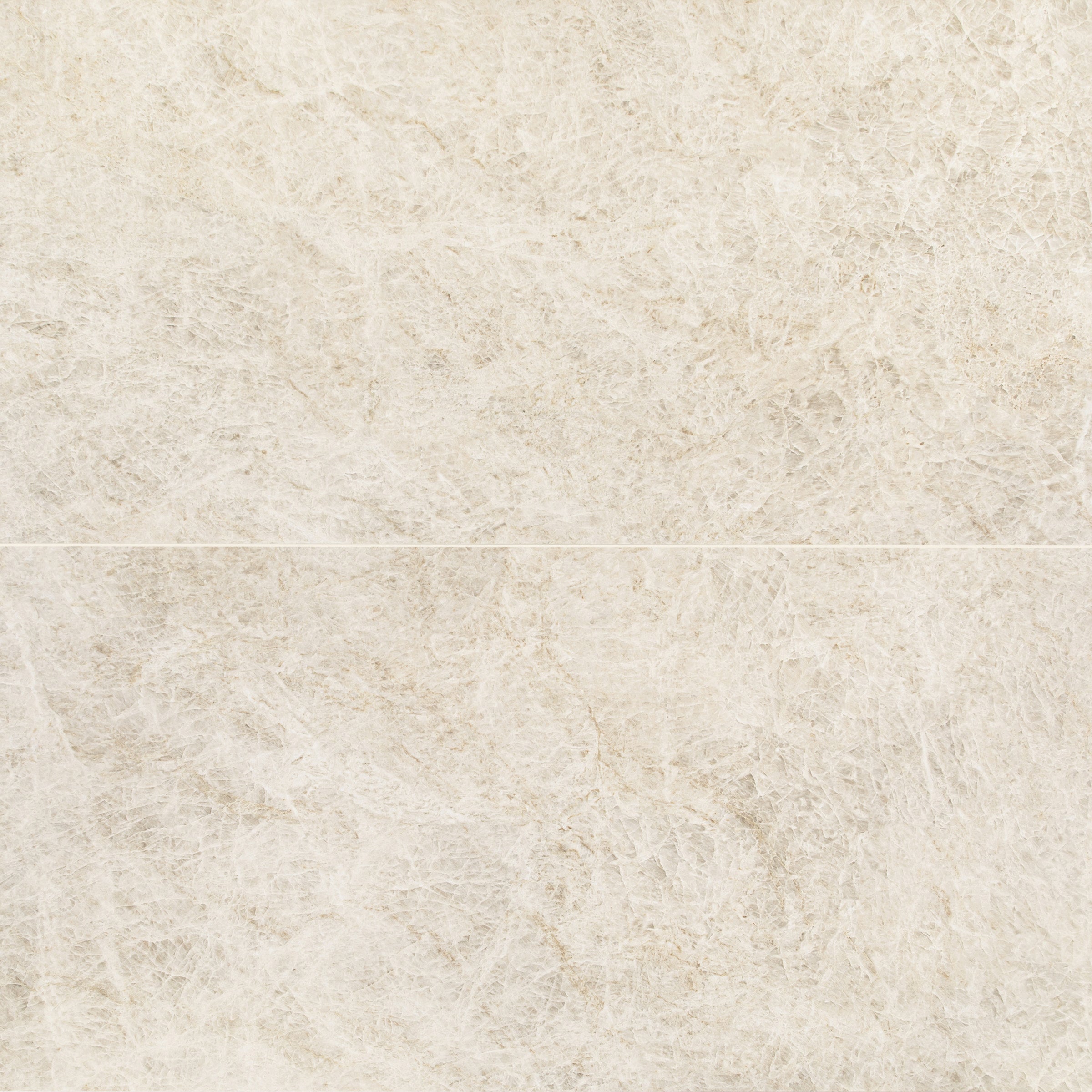
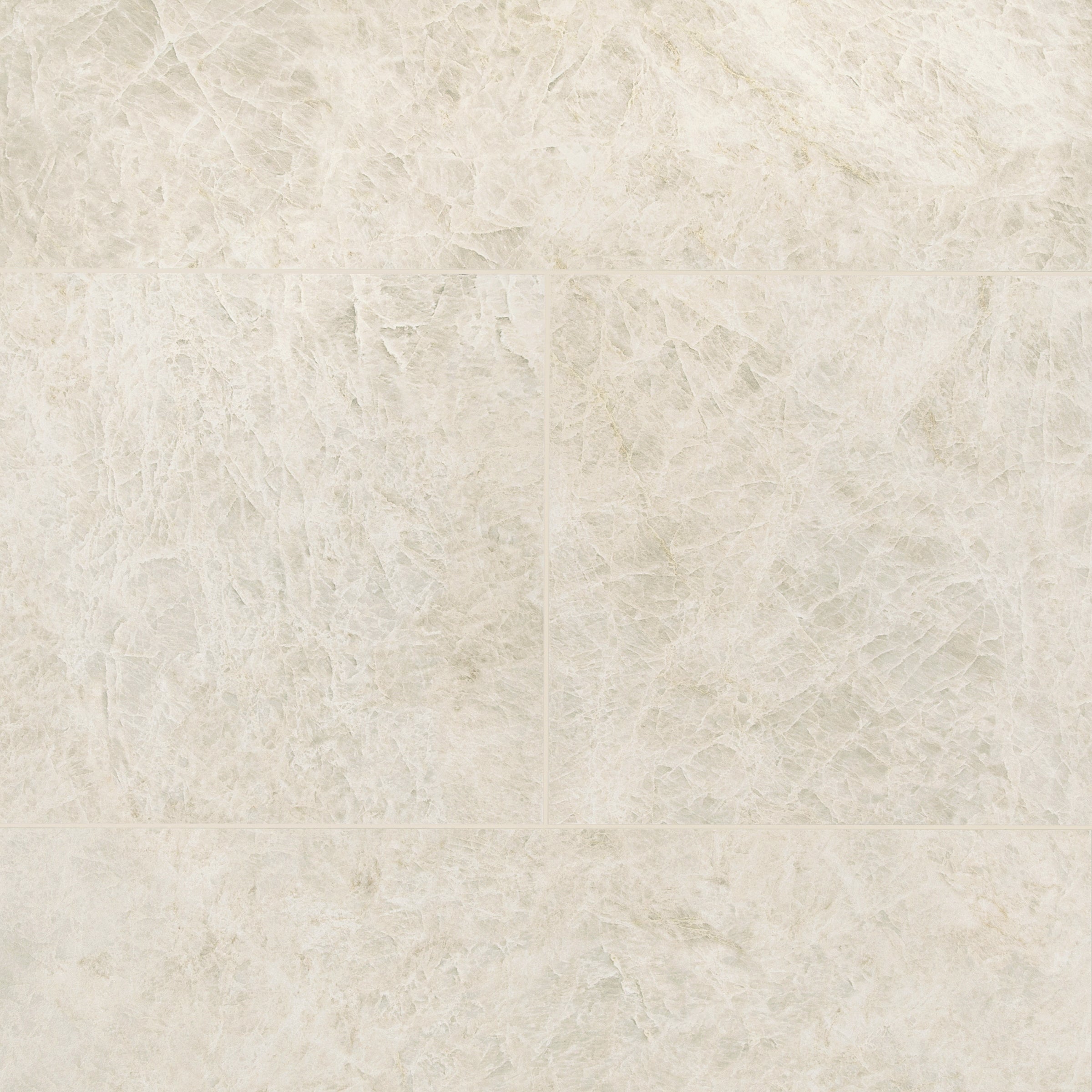
Taj Matte Marble Look Porcelain Tile
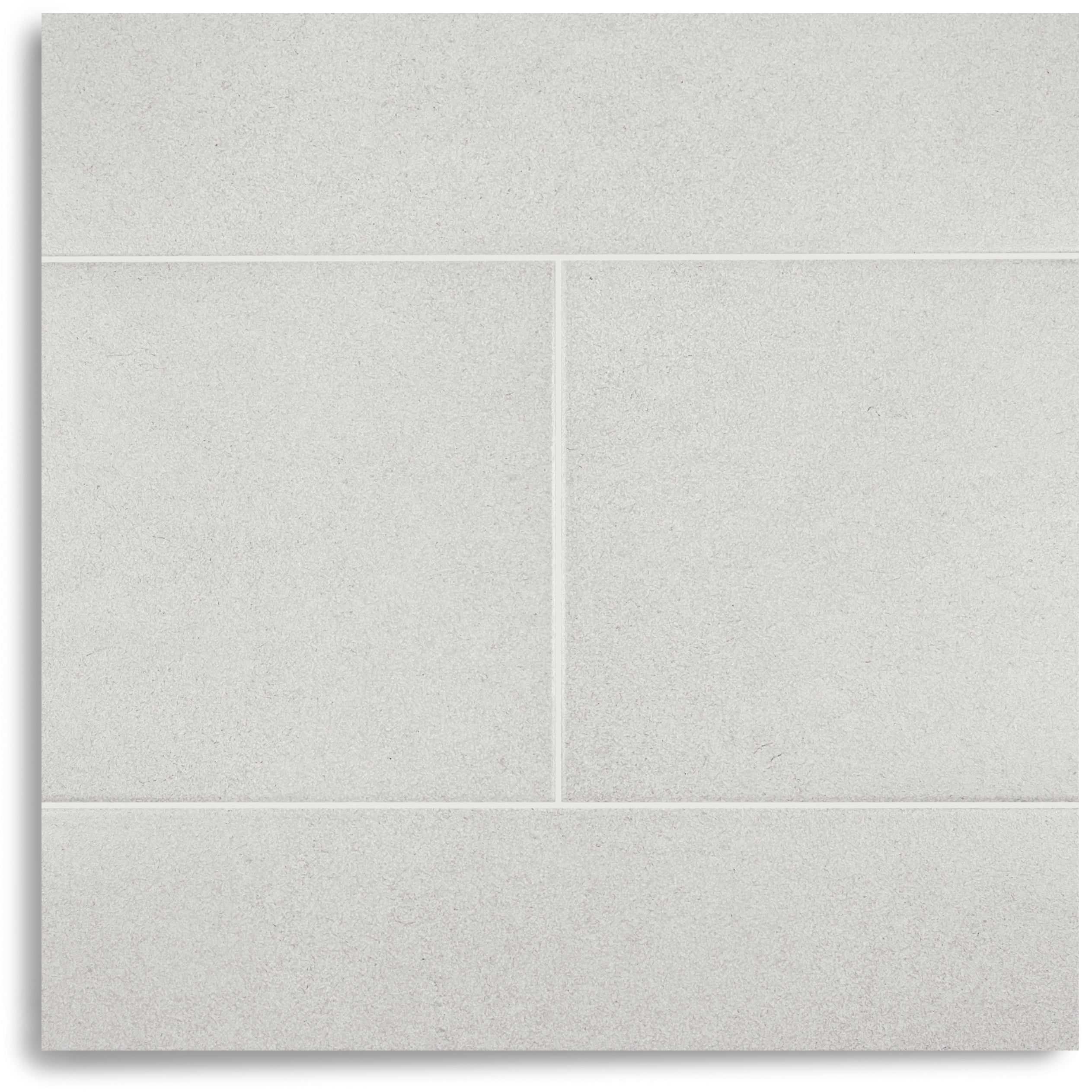
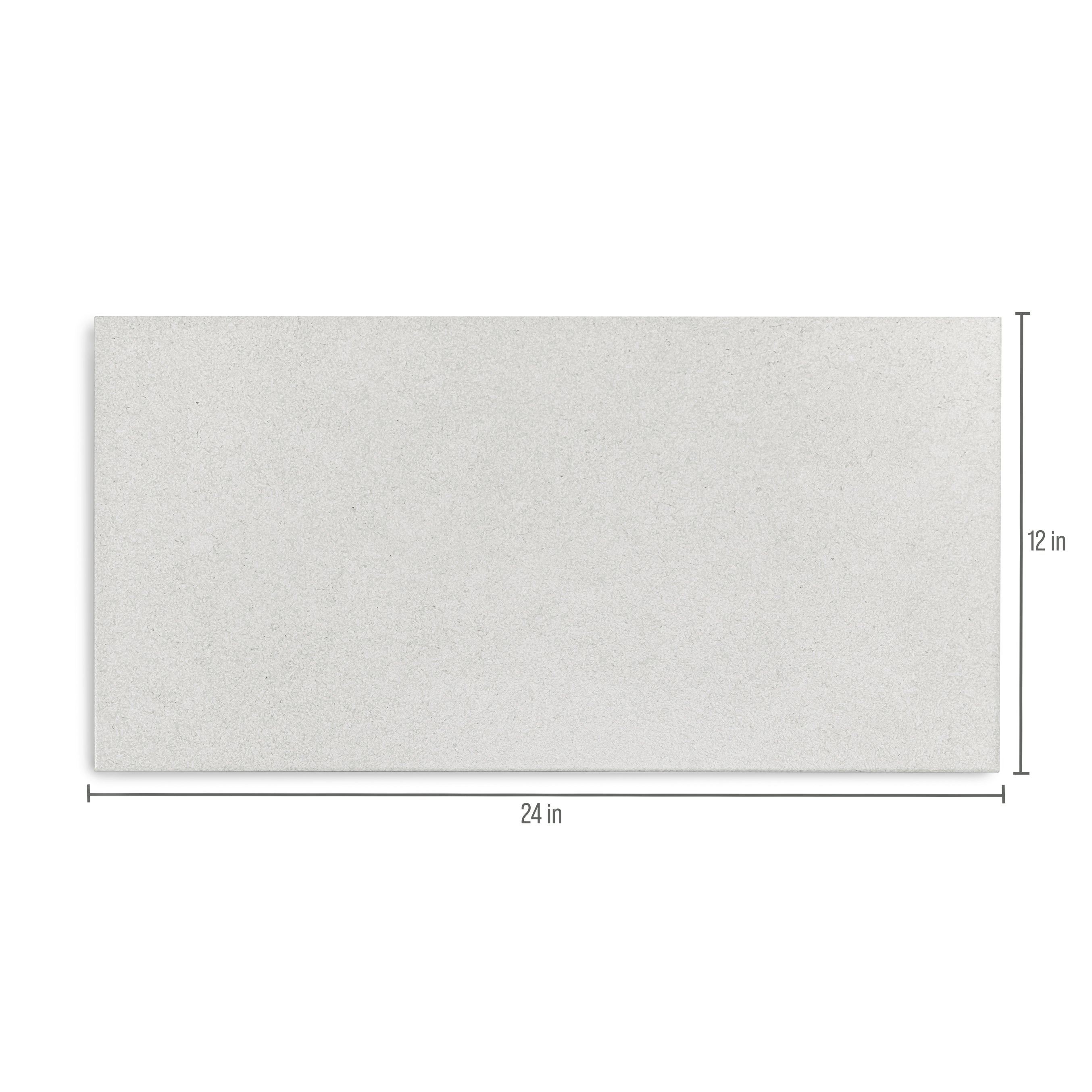
Pearl Hammered Limestone Look Matte Porcelain Tile
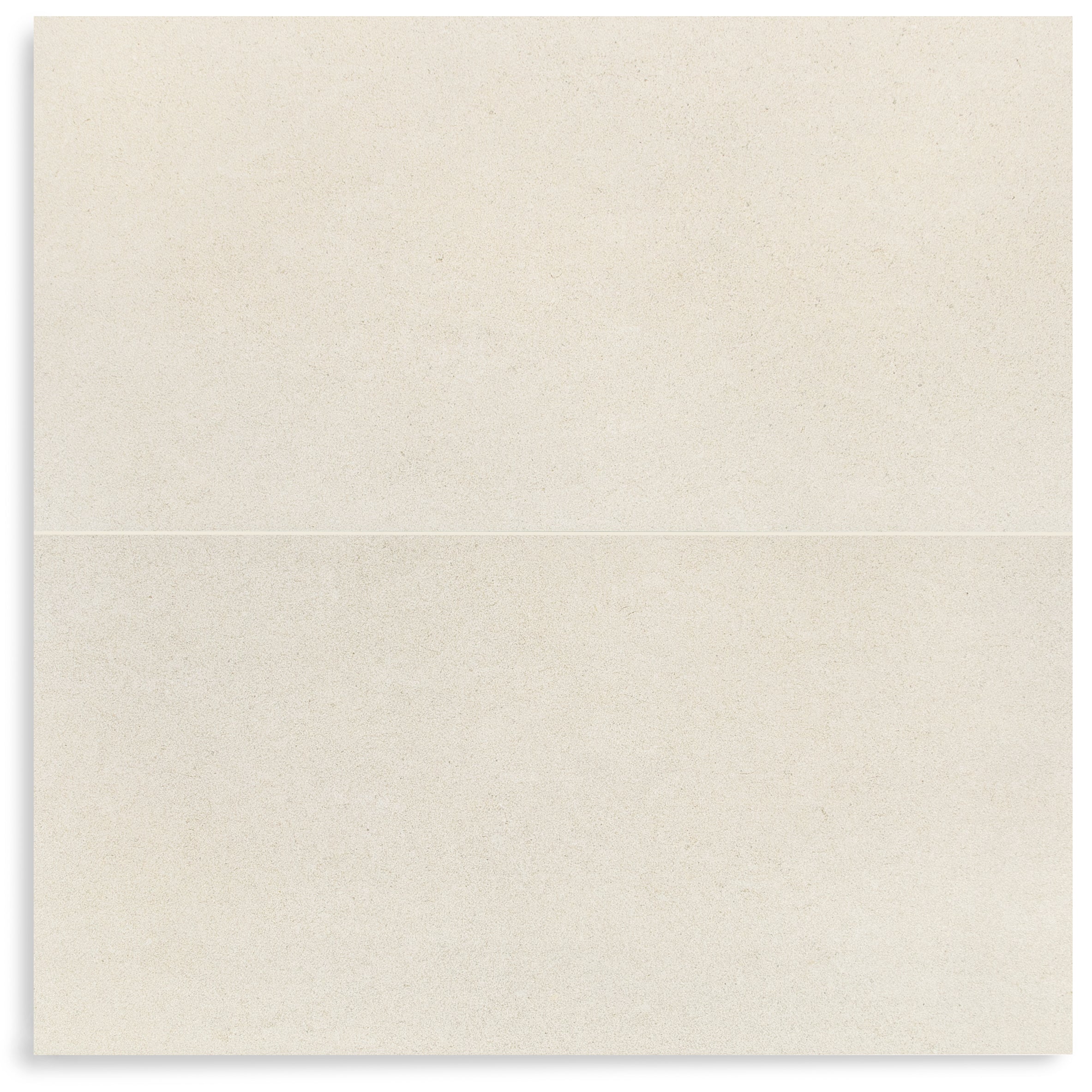
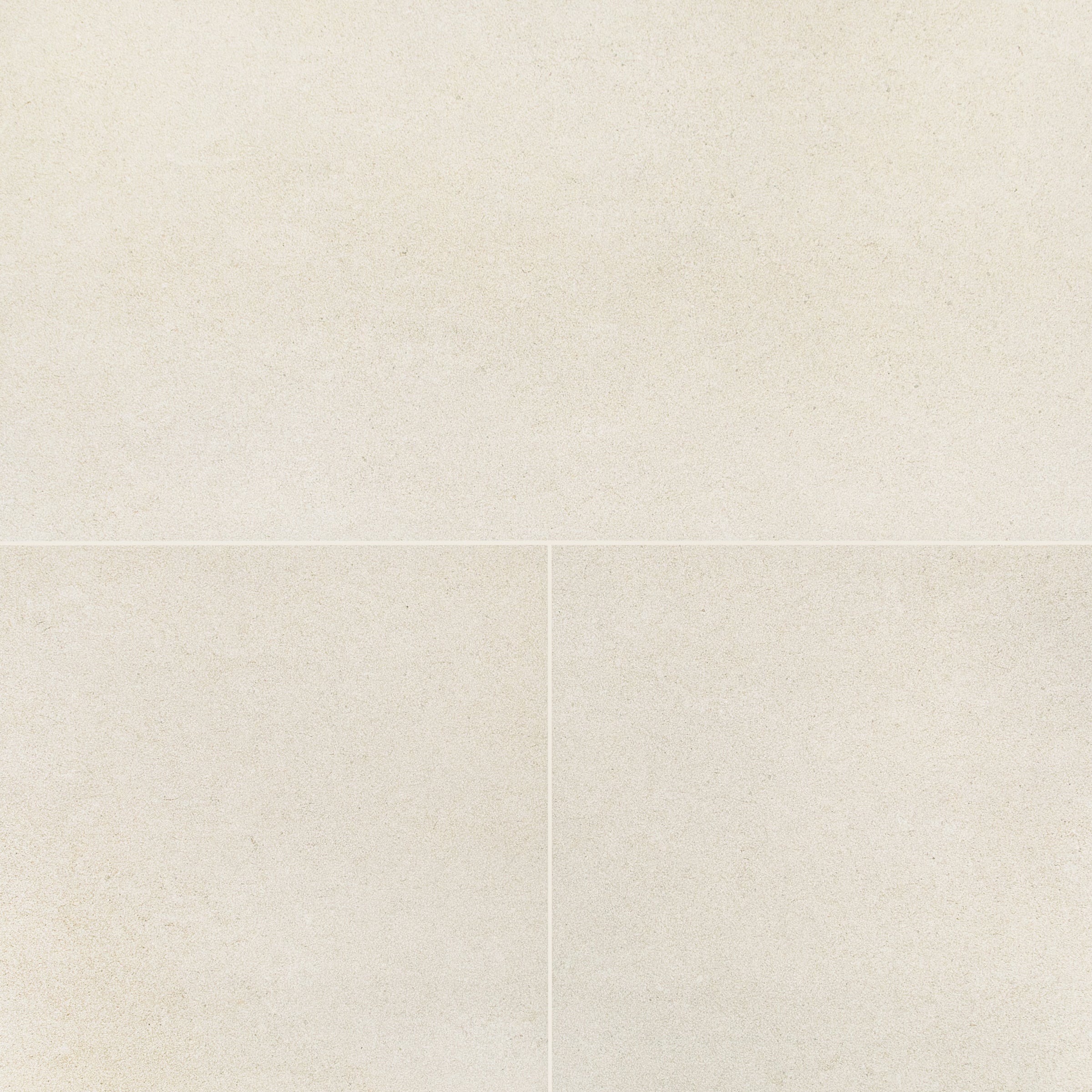
Almond Hammered Limestone Look Matte Porcelain Tile
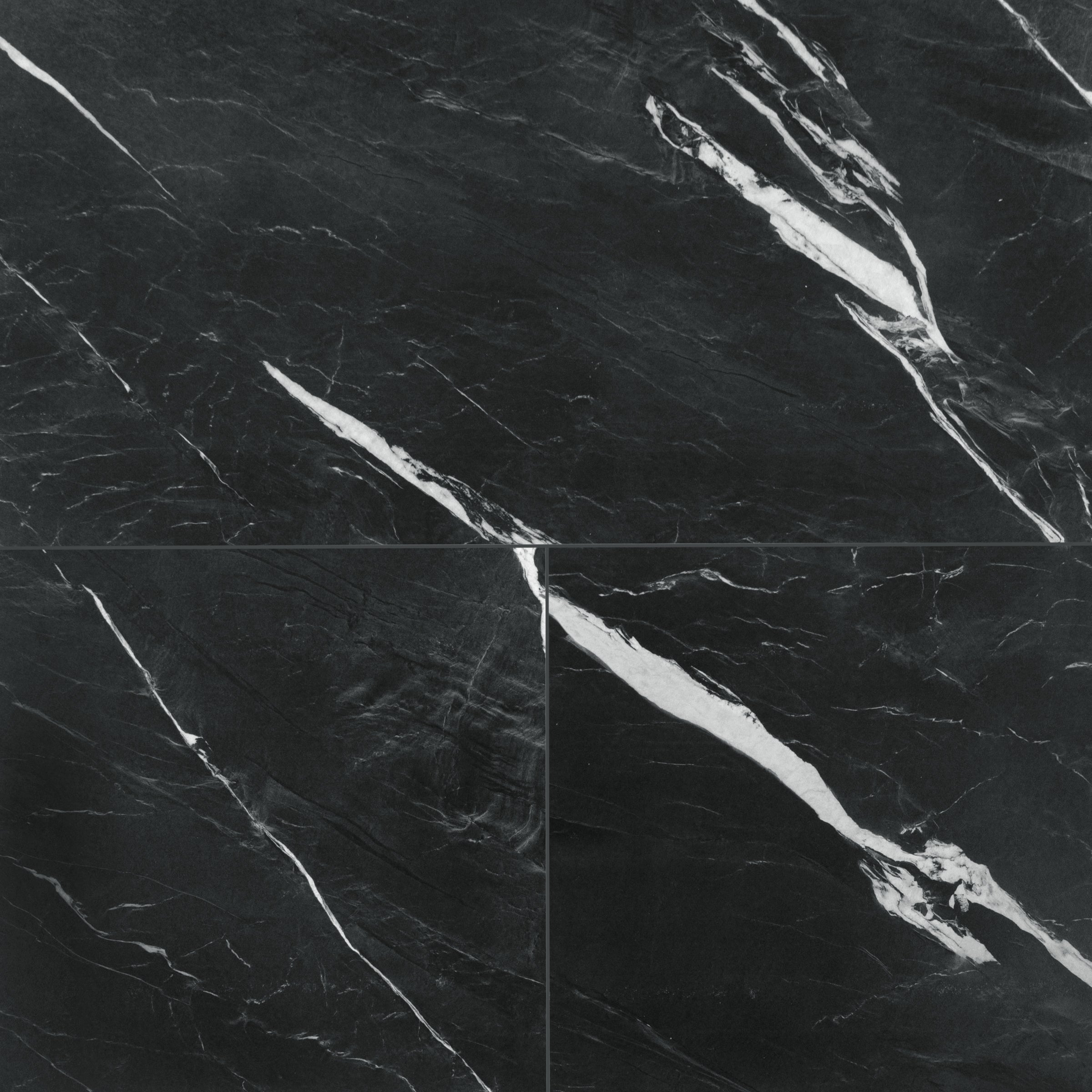
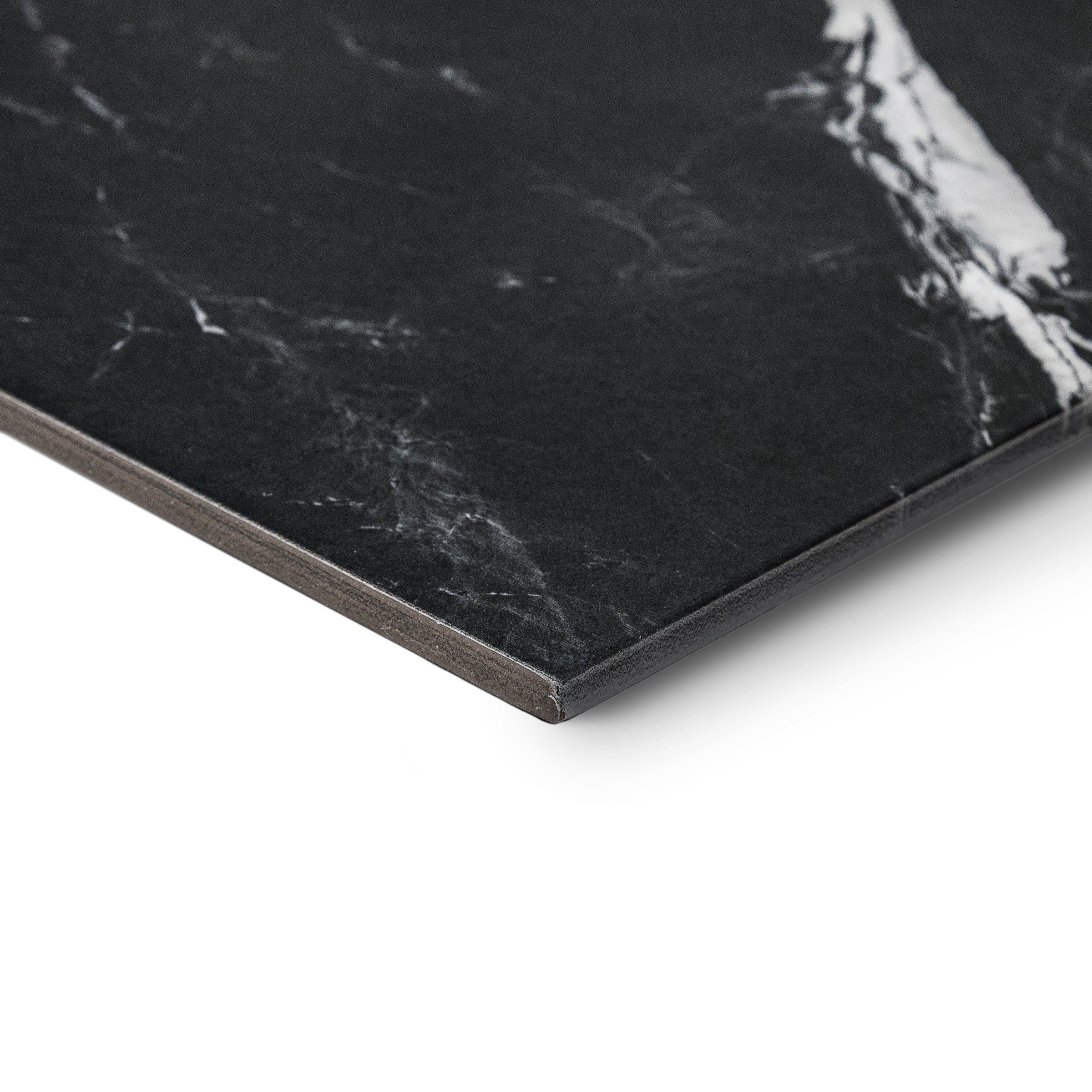
Montblack Matte Marble Look Porcelain Tile
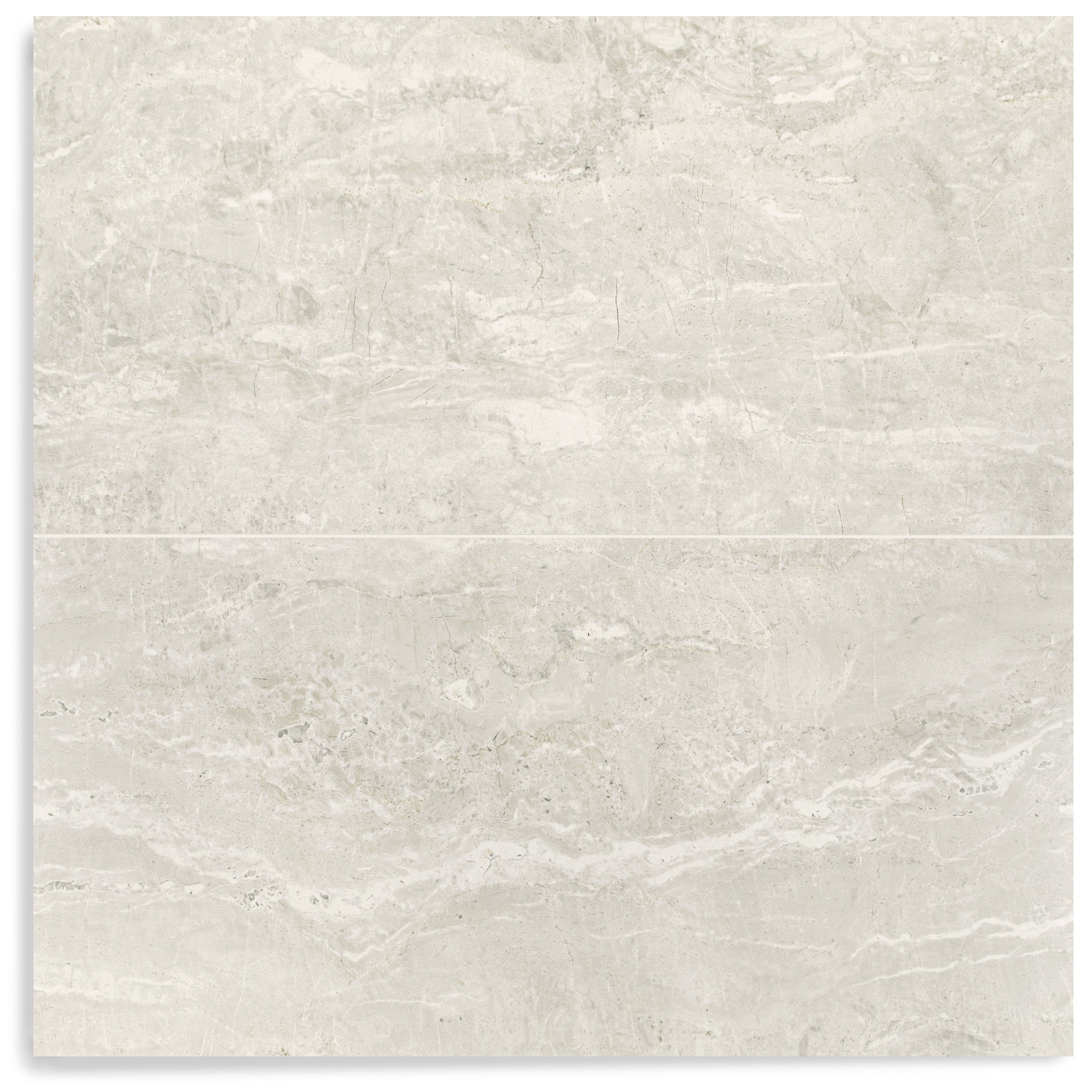
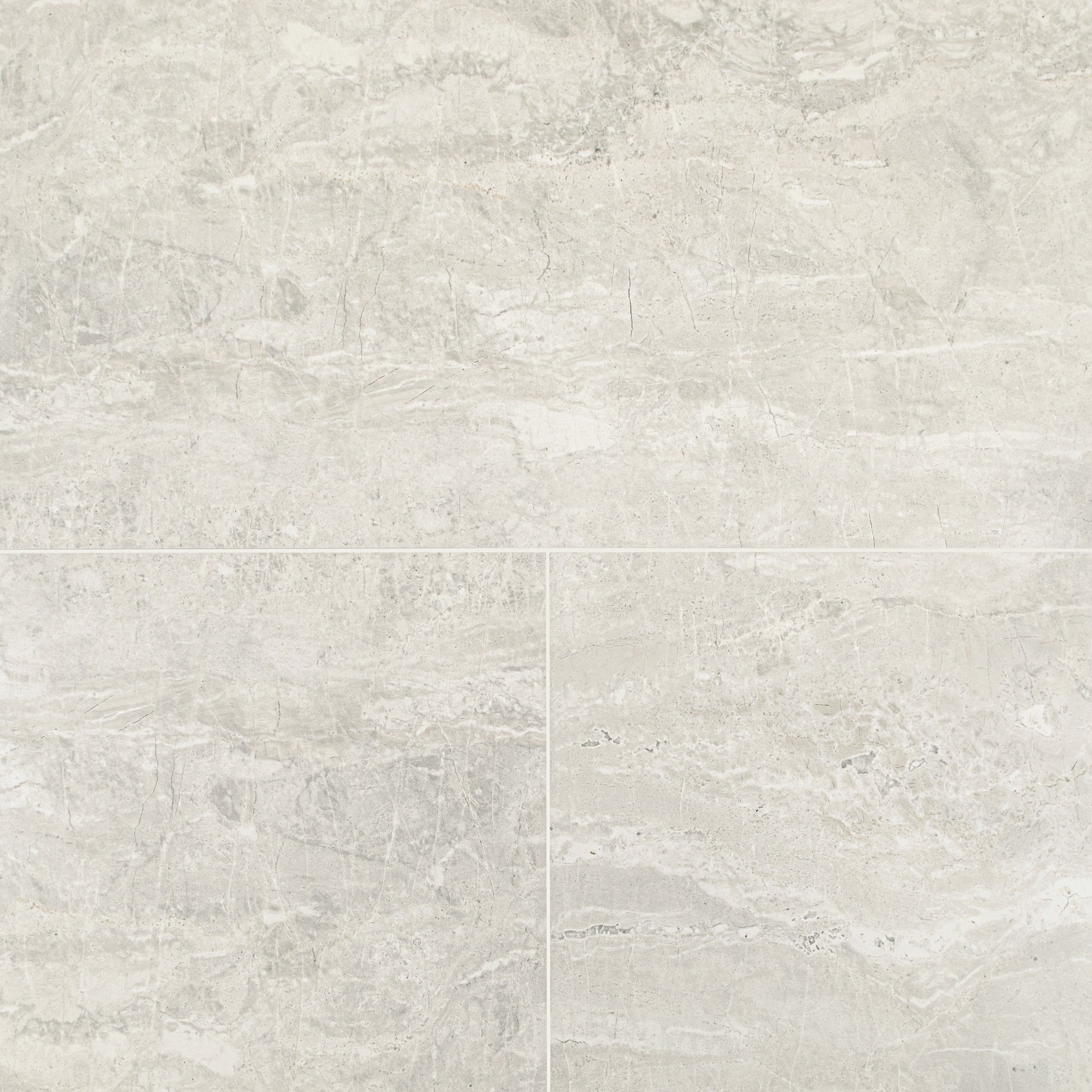
Ivory Marble Look Matte Porcelain Tile


Nude 12x24 3D Gloss Porcelain Tile
Royal Grey Satin Marble Look Porcelain Tile
White & Ecru Octagon Zellige Mosaic
Thassos, Carrara, Bardiglio Gingham Marble Mosaic
Cotto Deco Terracotta Look Matte Porcelain Tile
White & Ecru 2x2 Zellige Checkerboard Mosaic
Unglazed & White Octagon Zellige Mosaic
Murano Honed Italian Terrazzo Tile
Carrara Bardiglio Tumbled Stone Checkerboard
Chiaro Deco Terracotta Look Matte Porcelain Tile
Cream Limestone Look 3D Matte Porcelain Tile
White & Black Octagon Zellige Mosaic
Beige Limestone Look 3D Matte Porcelain Tile
Apple 12x24 3D Glossy Porcelain Tile
Rosso Verona Tumbled Marble Tile
Travertino 3D Matte Porcelain Tile
Travertino Moka Stone Look Porcelain Tile
Rosso Verona 1x1 Hand Chipped Marble Mosaic
Amazzonite Matte Marble Look Porcelain Tile
Cream 12x24 3D Gloss Porcelain Tile
Natura Terracotta Look Matte Porcelain Tile
White Multi-Color Matte Porcelain Tile
Almond Cement Look Matte Porcelain Tile
Bianco Carrara Octagon w/ Nero Marquina Dot Mosaic
Navy 12x24 3D Gloss Porcelain Tile
White & Ecru Octagon Zellige Mosaic
Thassos, Carrara, Bardiglio Gingham Marble Mosaic
Cotto Deco Terracotta Look Matte Porcelain Tile
White & Ecru 2x2 Zellige Checkerboard Mosaic
Unglazed & White Octagon Zellige Mosaic
Murano Honed Italian Terrazzo Tile
Cotto Terracotta Look Matte Porcelain Tile
Chiaro Deco Terracotta Look Matte Porcelain Tile
Carrara Bardiglio Tumbled Stone Checkerboard
Cream Limestone Look 3D Matte Porcelain Tile
White & Black Octagon Zellige Mosaic
Beige Limestone Look 3D Matte Porcelain Tile
Apple 12x24 3D Glossy Porcelain Tile
Rosso Verona Tumbled Marble Tile
Travertino Moka Stone Look Porcelain Tile
Travertino 3D Matte Porcelain Tile
Rosso Verona 1x1 Hand Chipped Marble Mosaic
Amazzonite Matte Marble Look Porcelain Tile
Cream 12x24 3D Gloss Porcelain Tile
Natura Terracotta Look Matte Porcelain Tile
White Multi-Color Matte Porcelain Tile
Bianco Carrara Octagon w/ Nero Marquina Dot Mosaic
Navy 12x24 3D Gloss Porcelain Tile
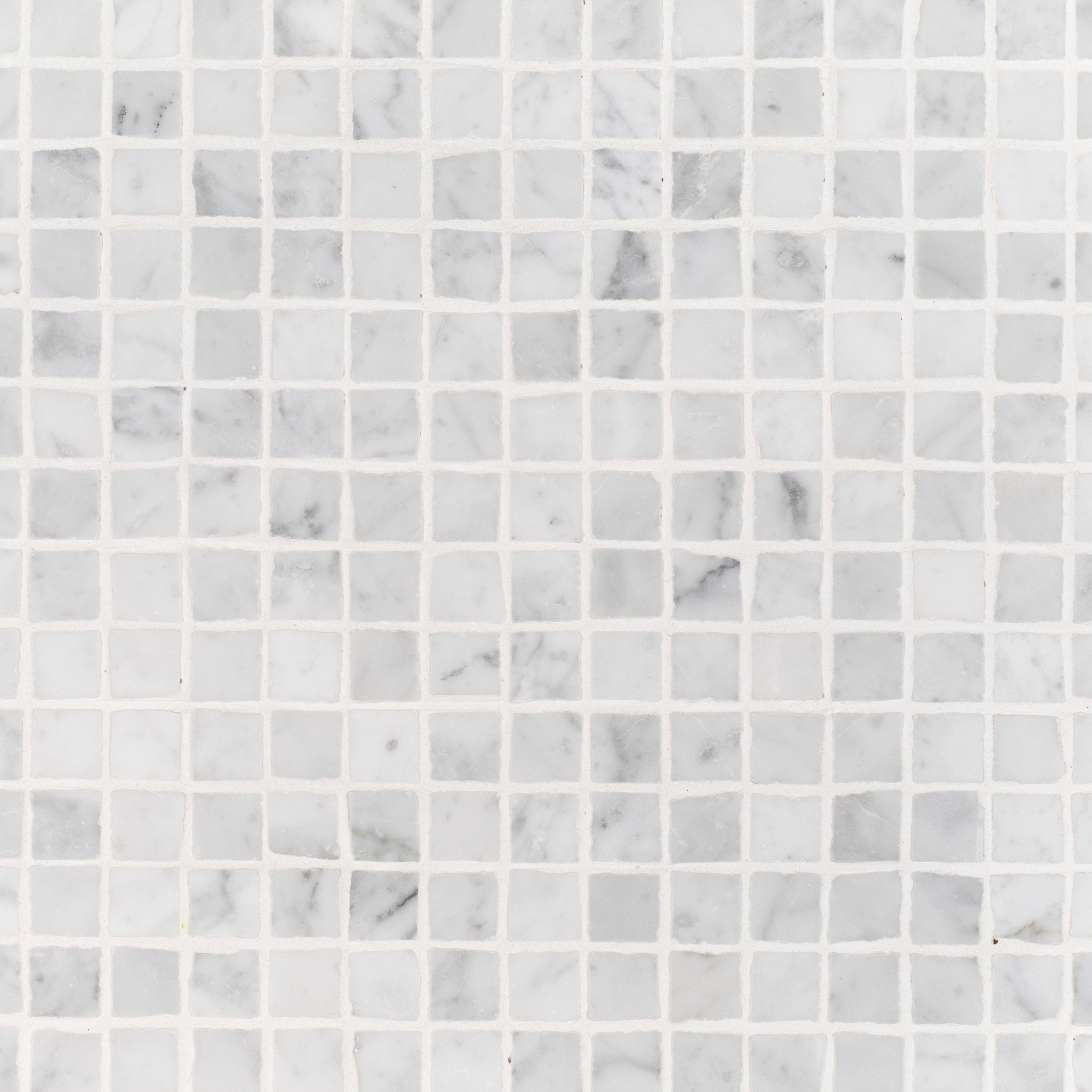
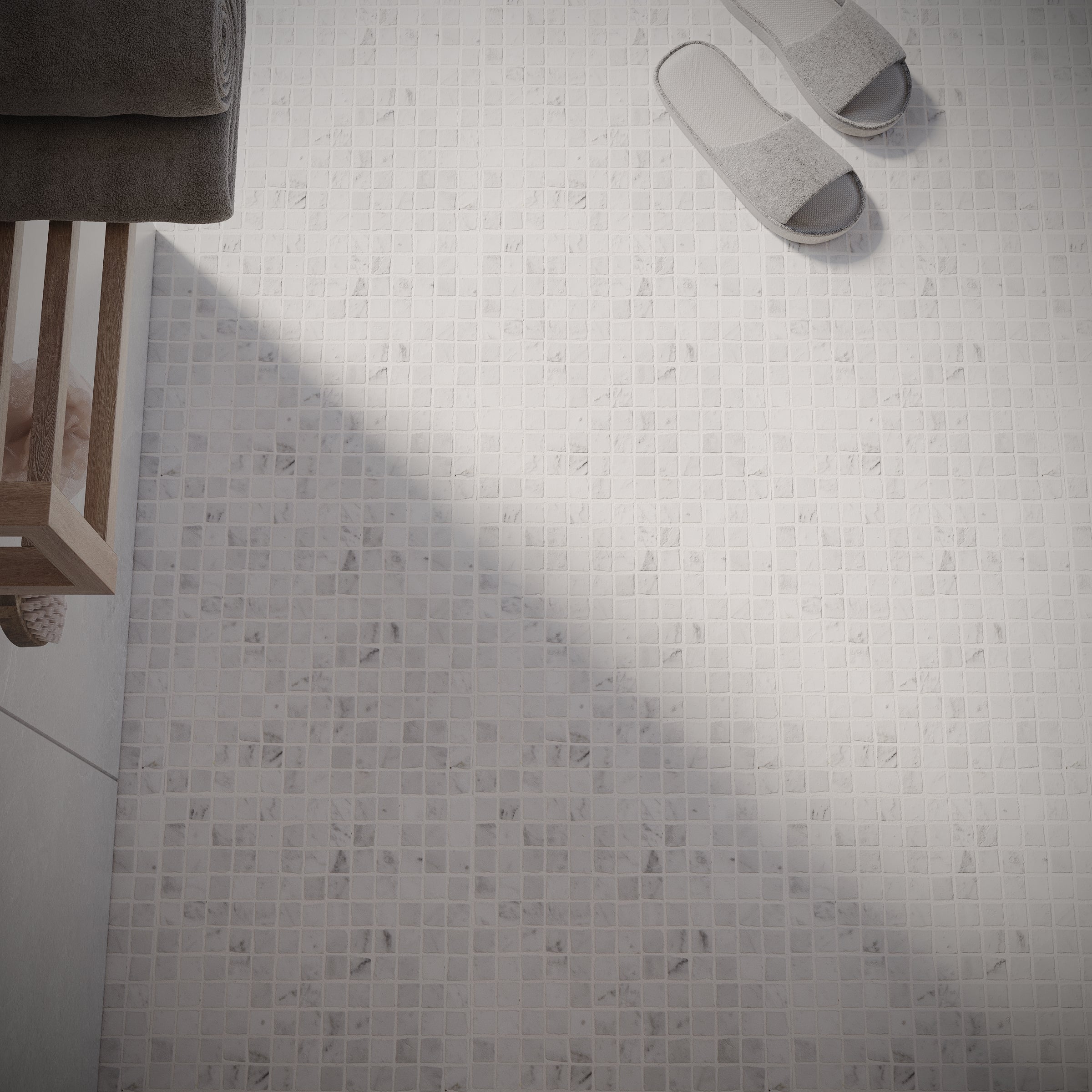
Carrara 1x1 Hand Chipped Marble Mosaic
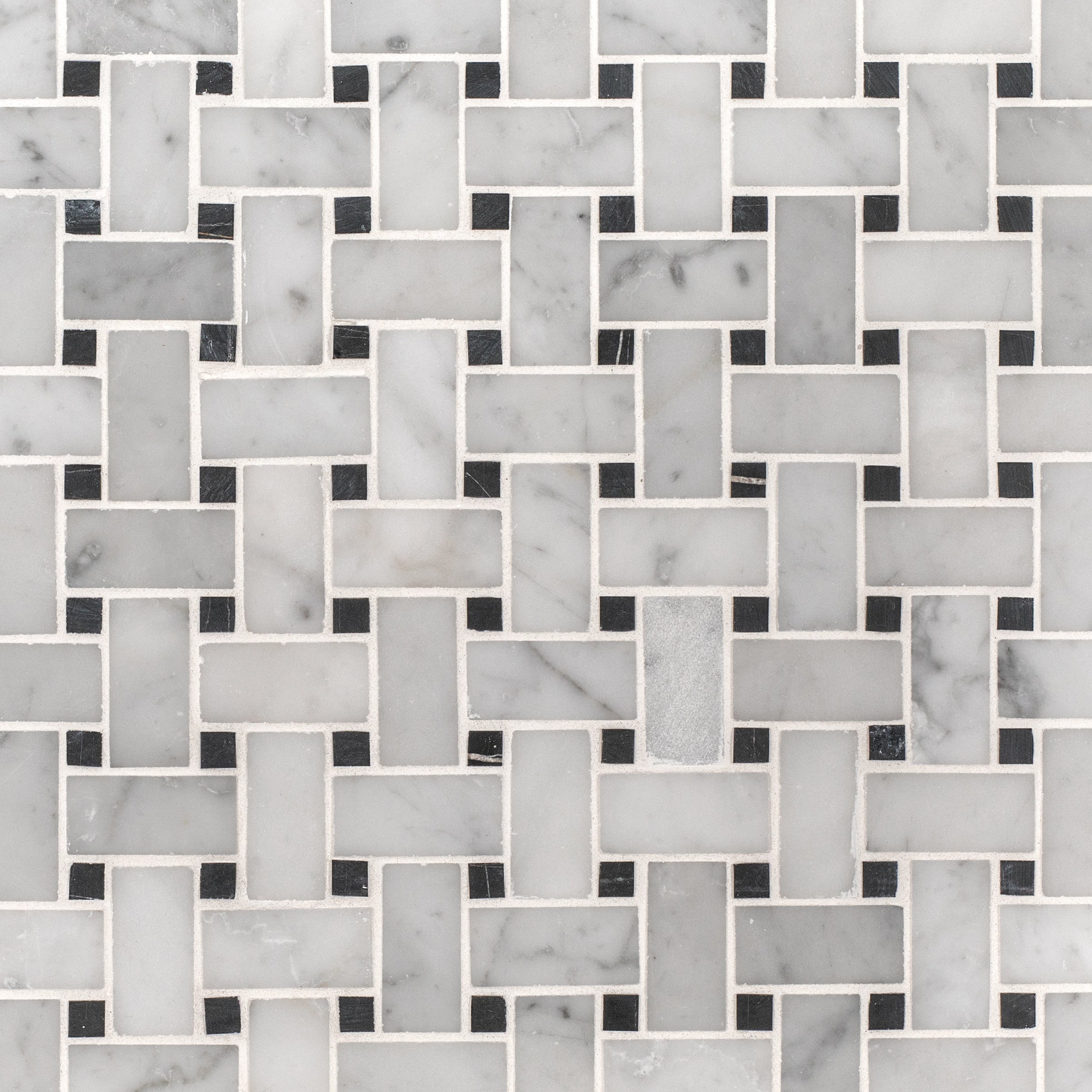
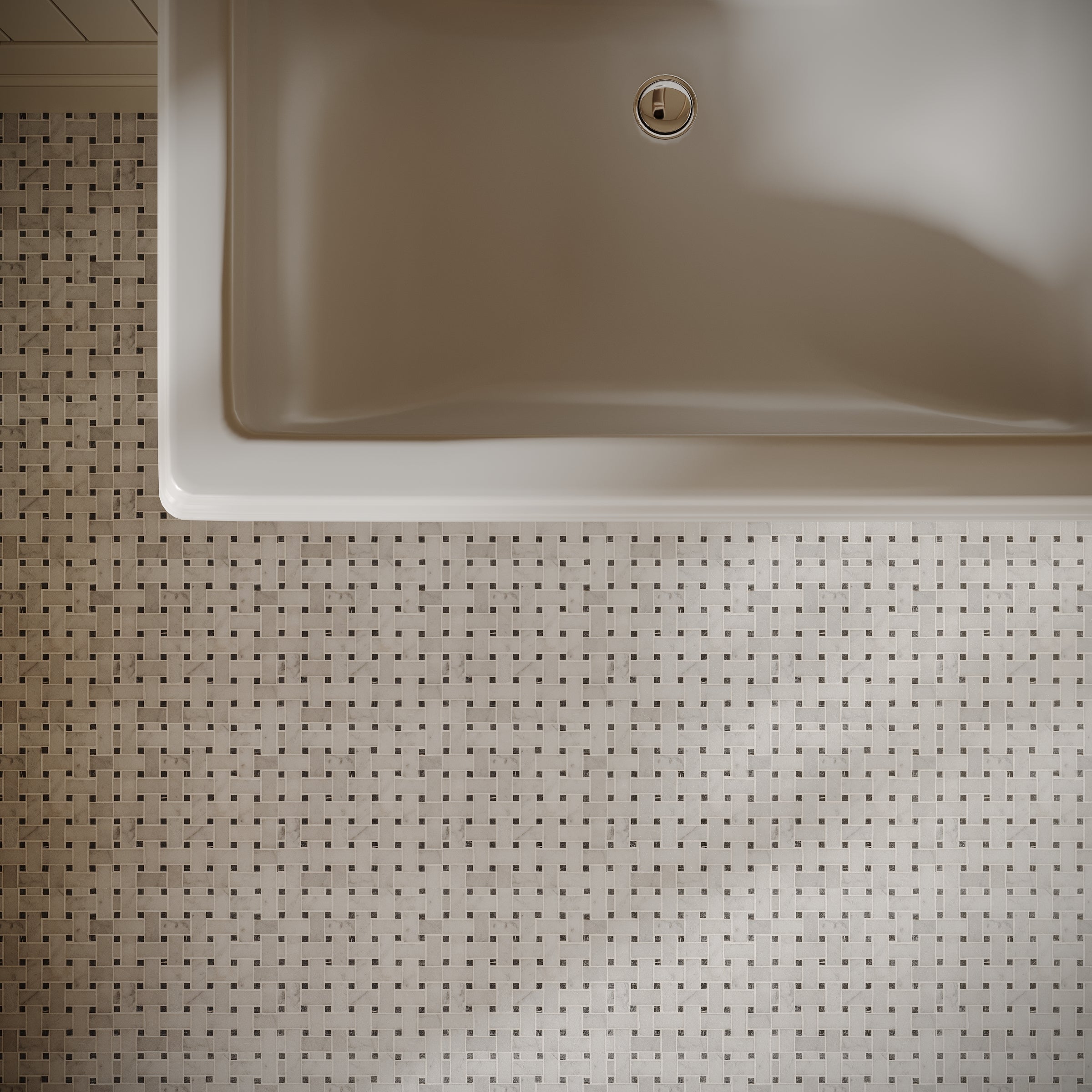
Carrara Honed Basketweave Marble Mosaic
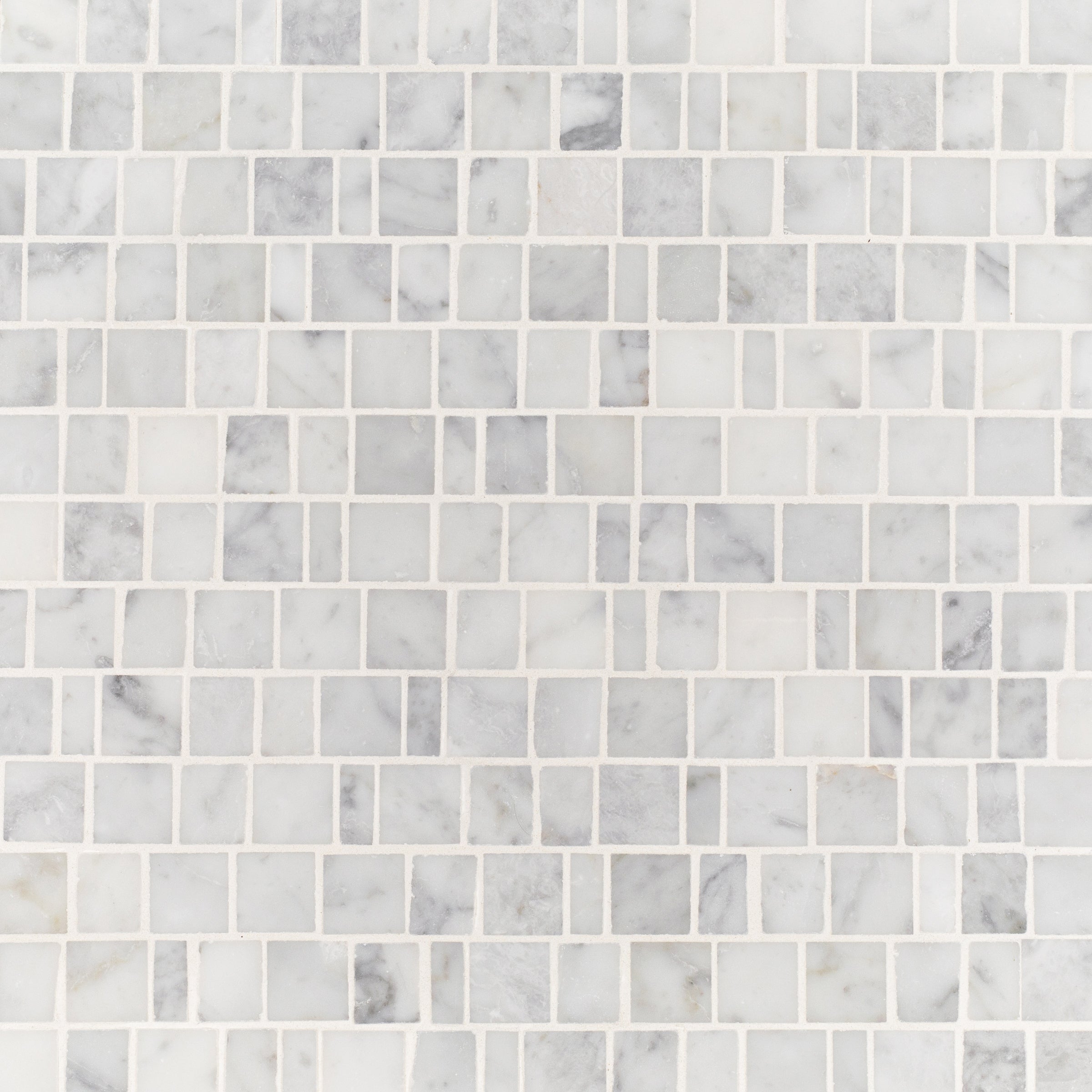
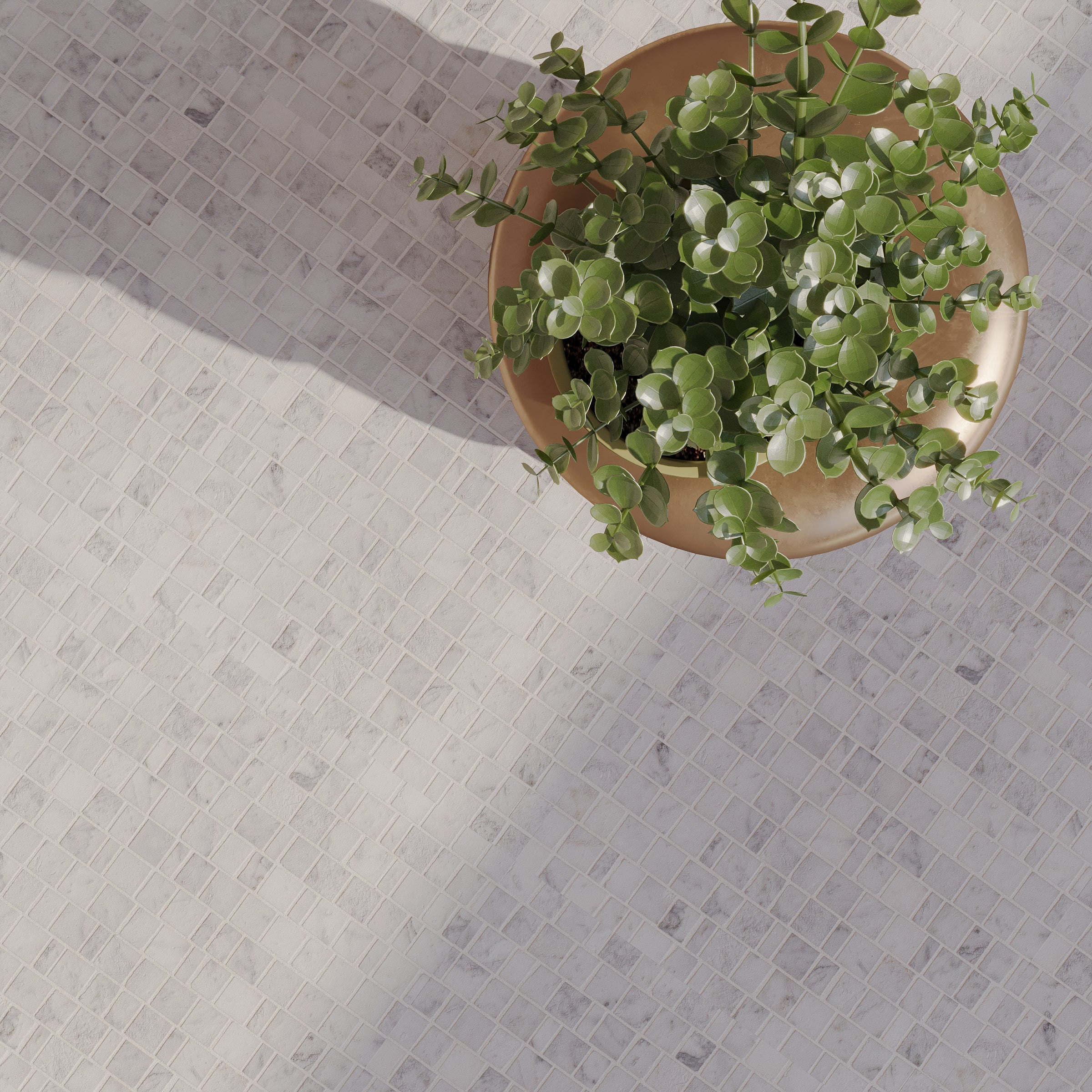
Carrara Running Bond Marble Mosaic
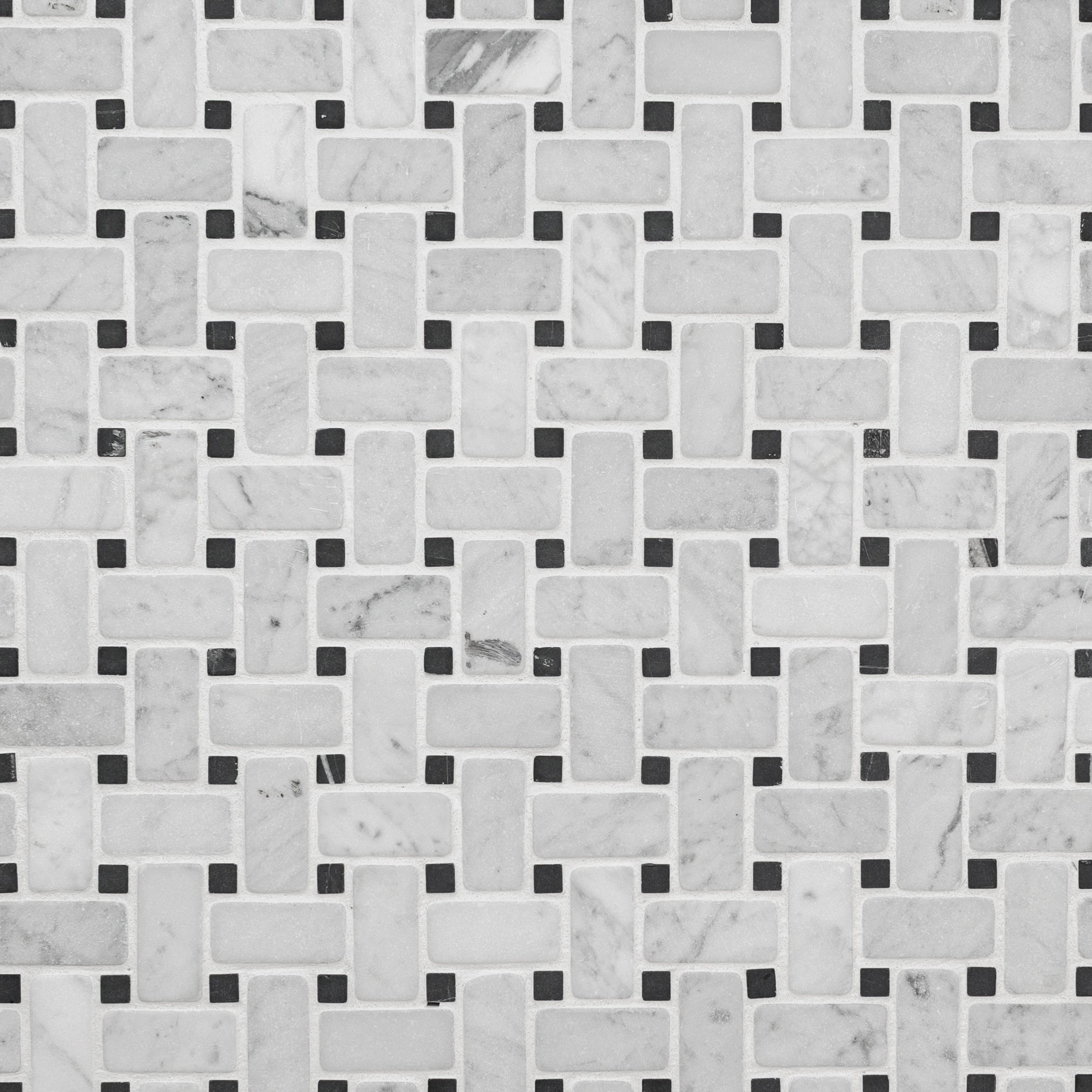
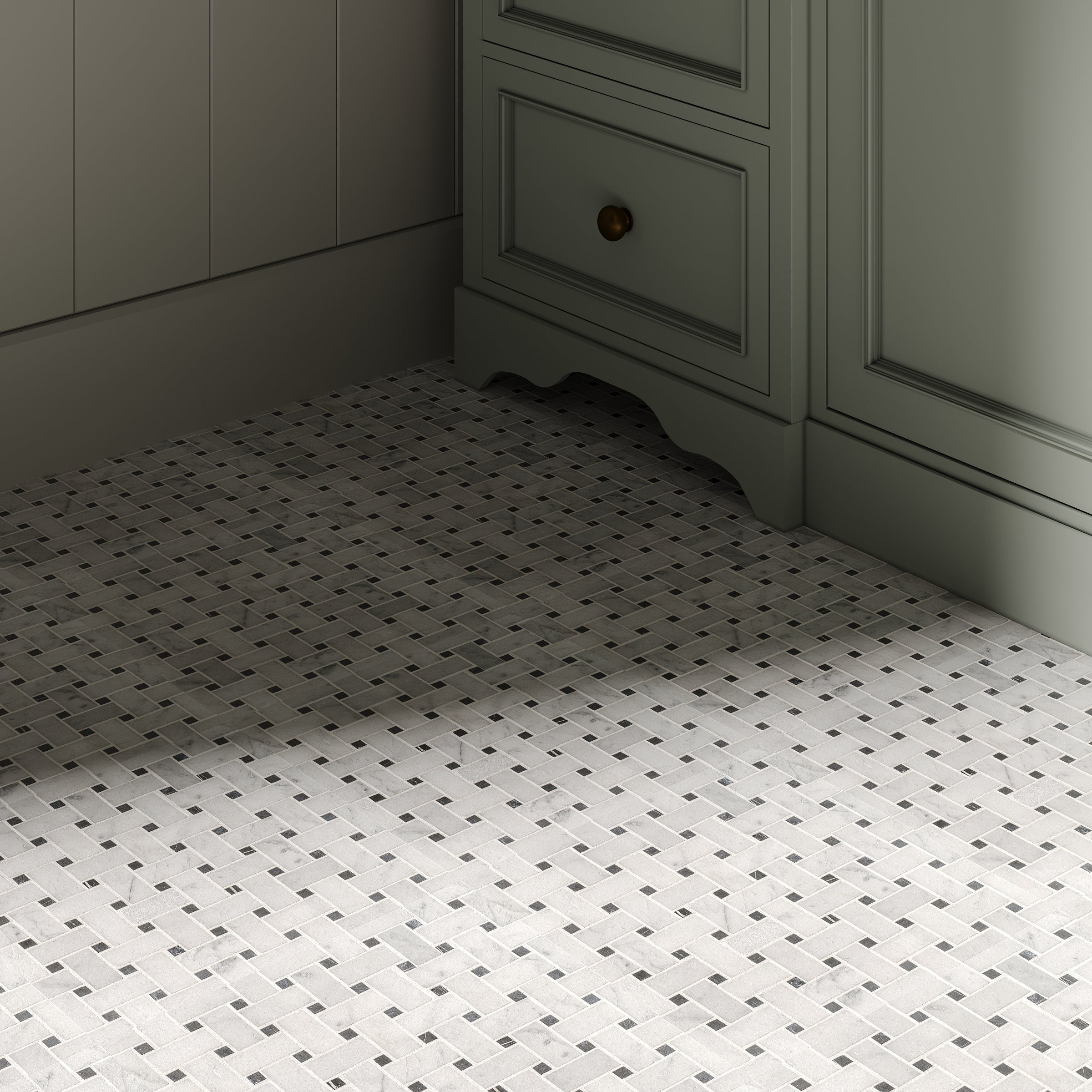
Carrara Tumbled Basketweave Marble Mosaic
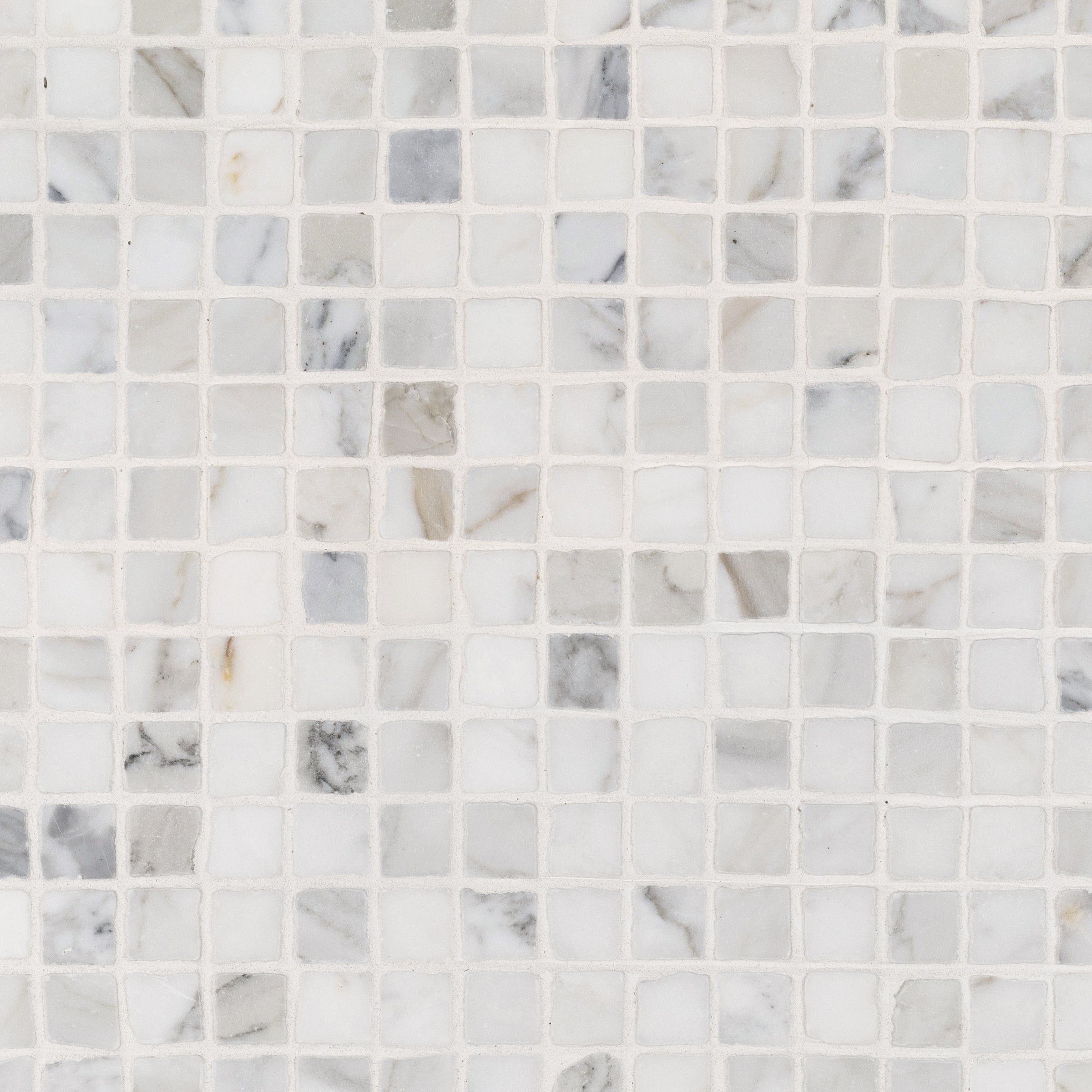
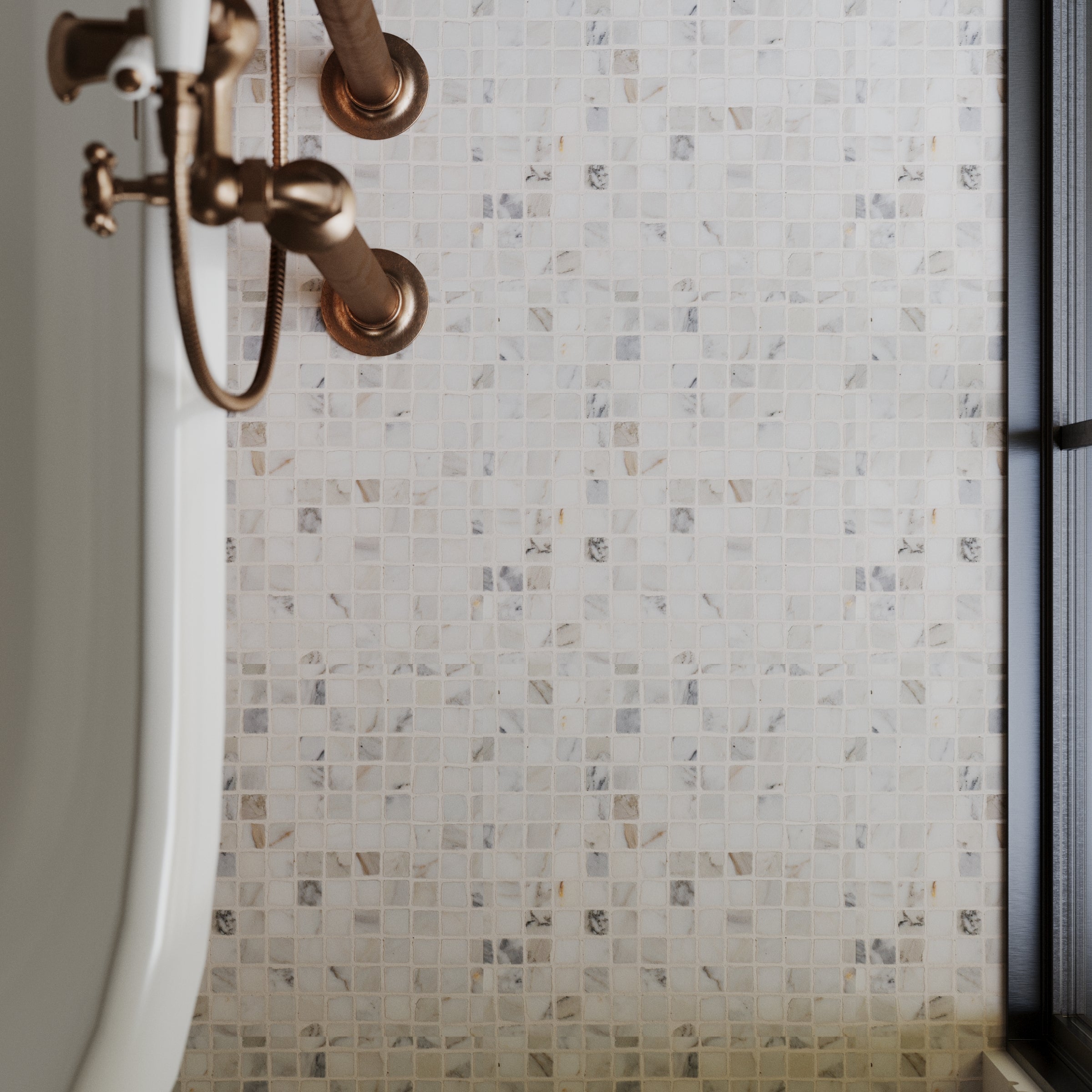
Calacatta 1x1 Hand Chipped Marble Mosaic
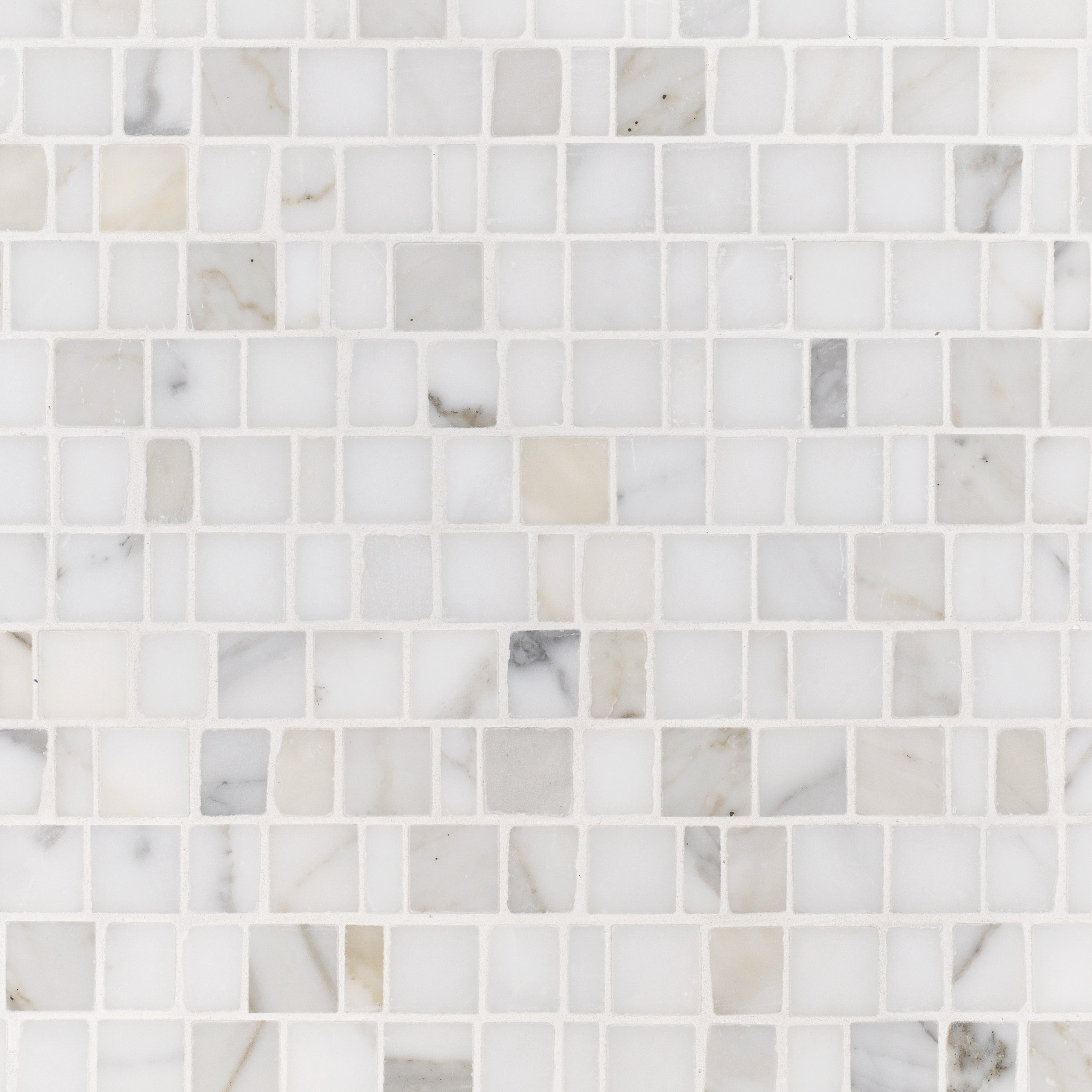
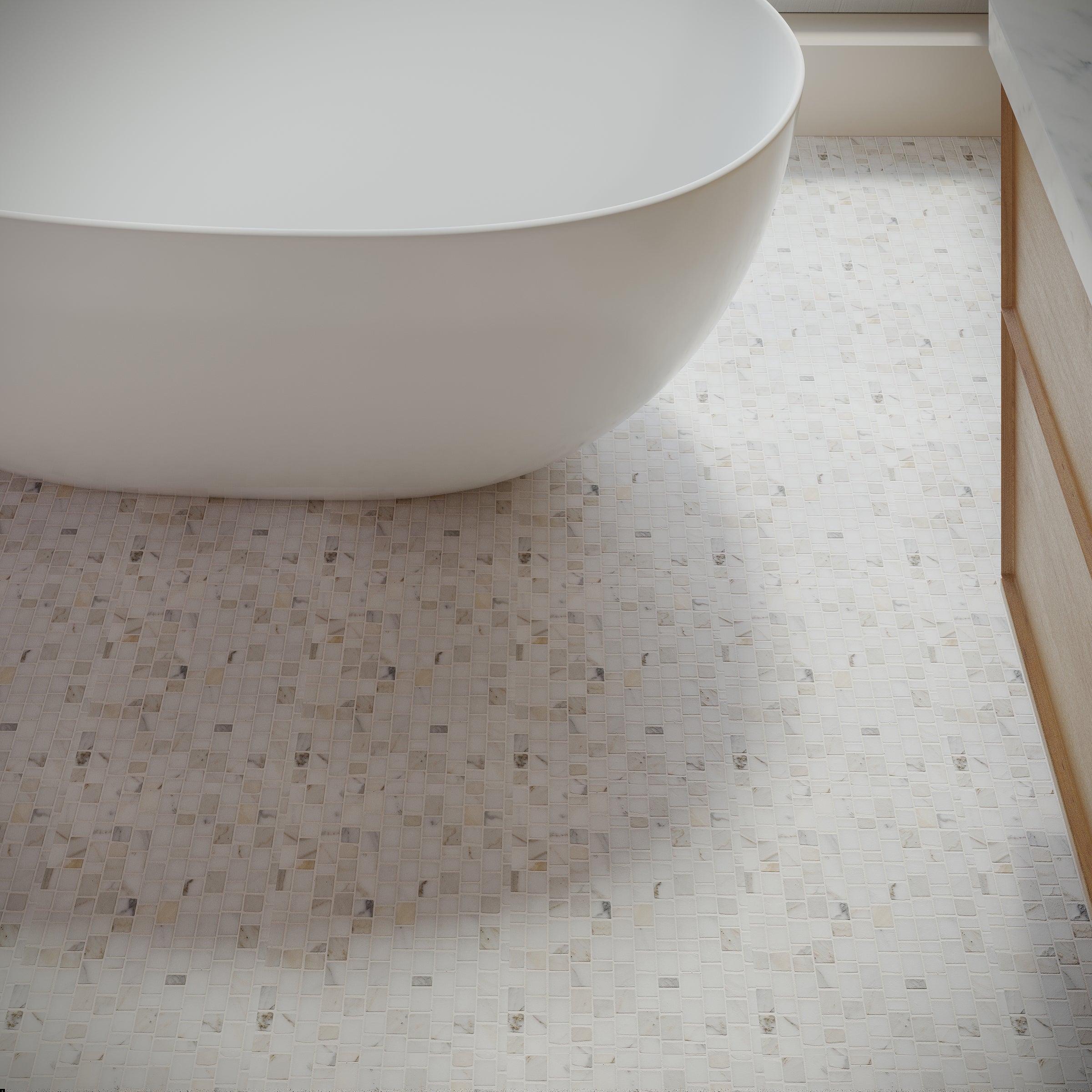
Calacatta Running Bond Marble Mosaic
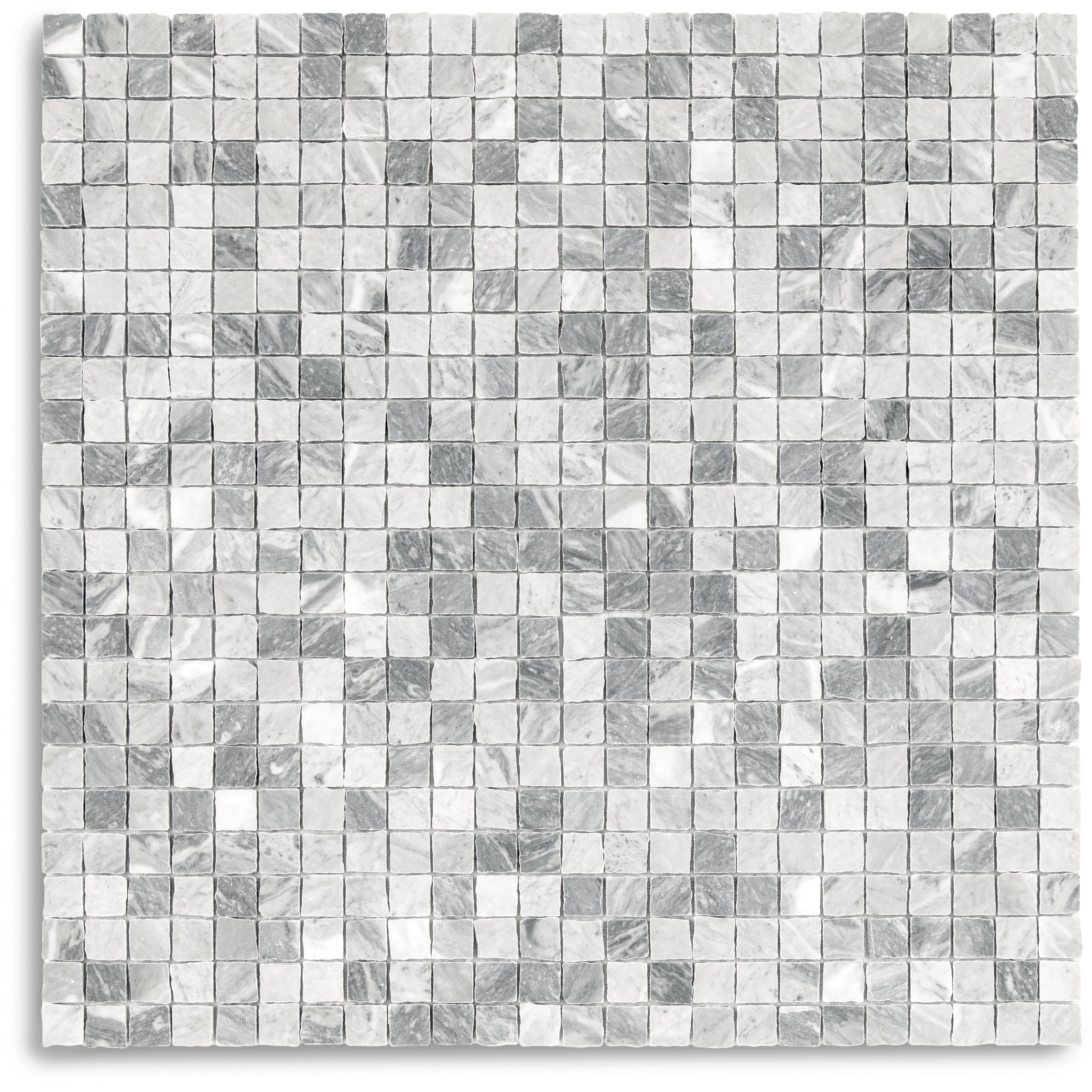
Grigio Pearla 1x1 Hand Chipped Marble Mosaic
Bianco Carrara Octagon w/ Nero Marquina Dot Mosaic
Thassos, Carrara, Bardiglio Gingham Marble Mosaic
Rosso Verona 1x1 Hand Chipped Marble Mosaic

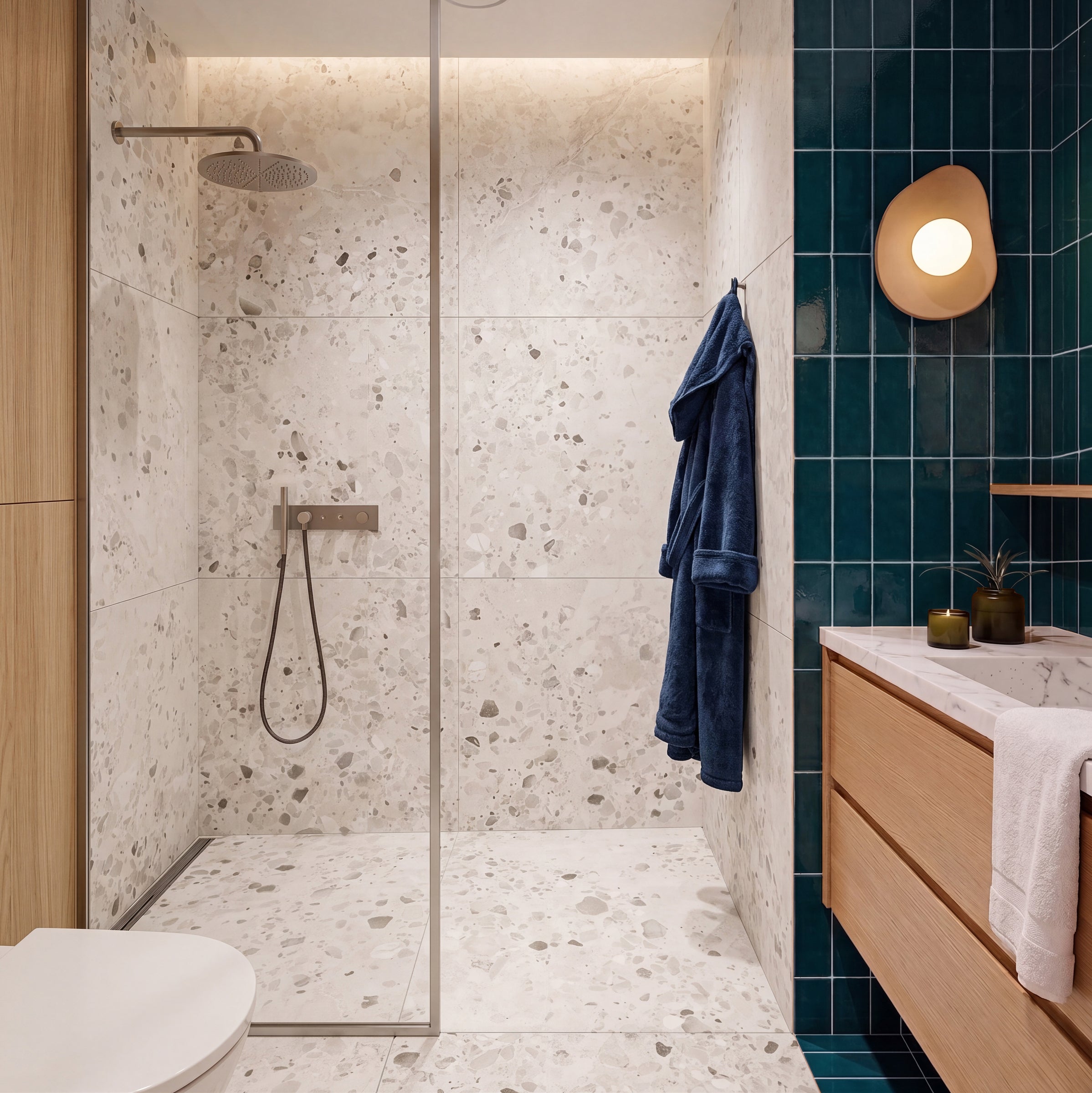
Calacatta Honed Italian Terrazzo Tile

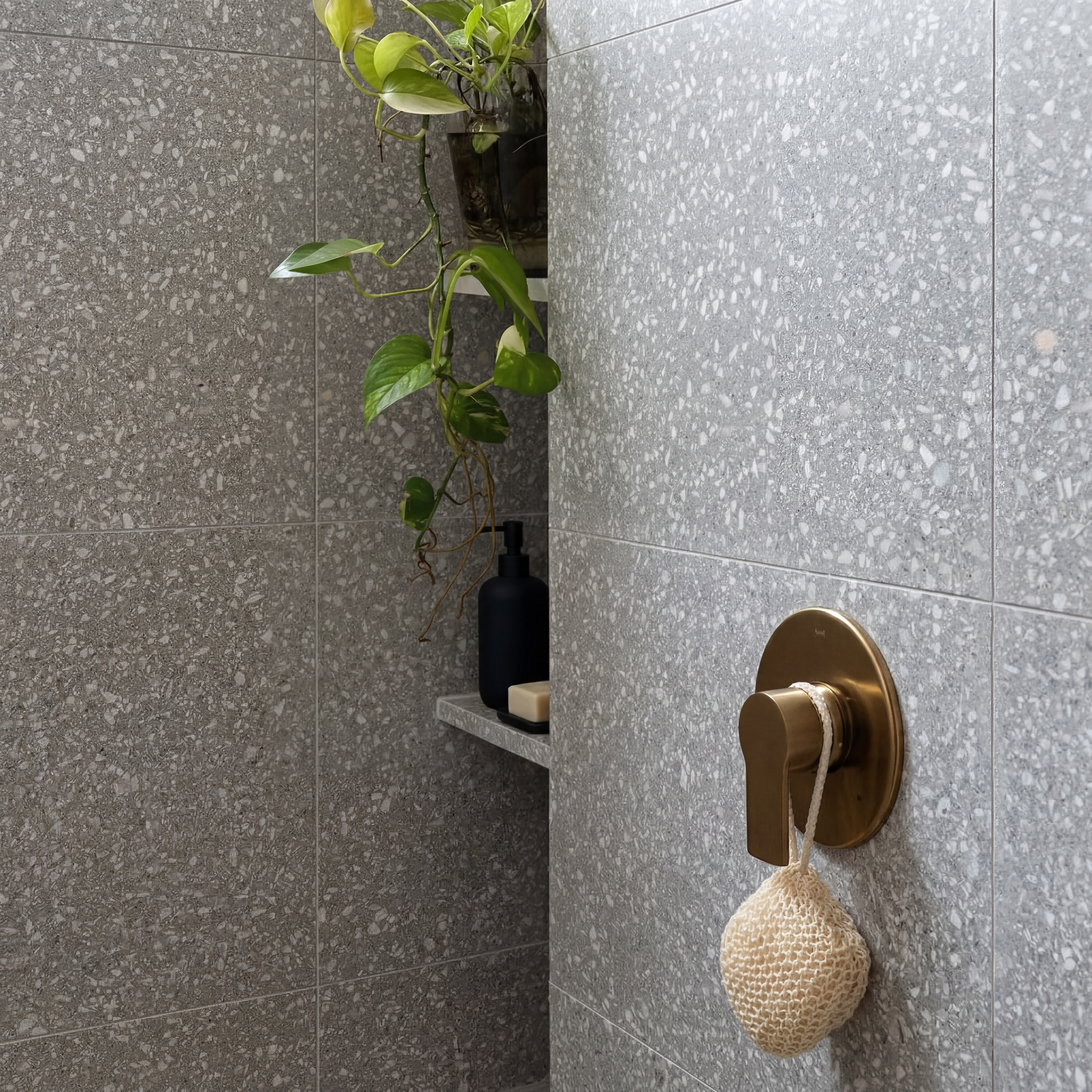
Torcello Honed Italian Terrazzo Tile
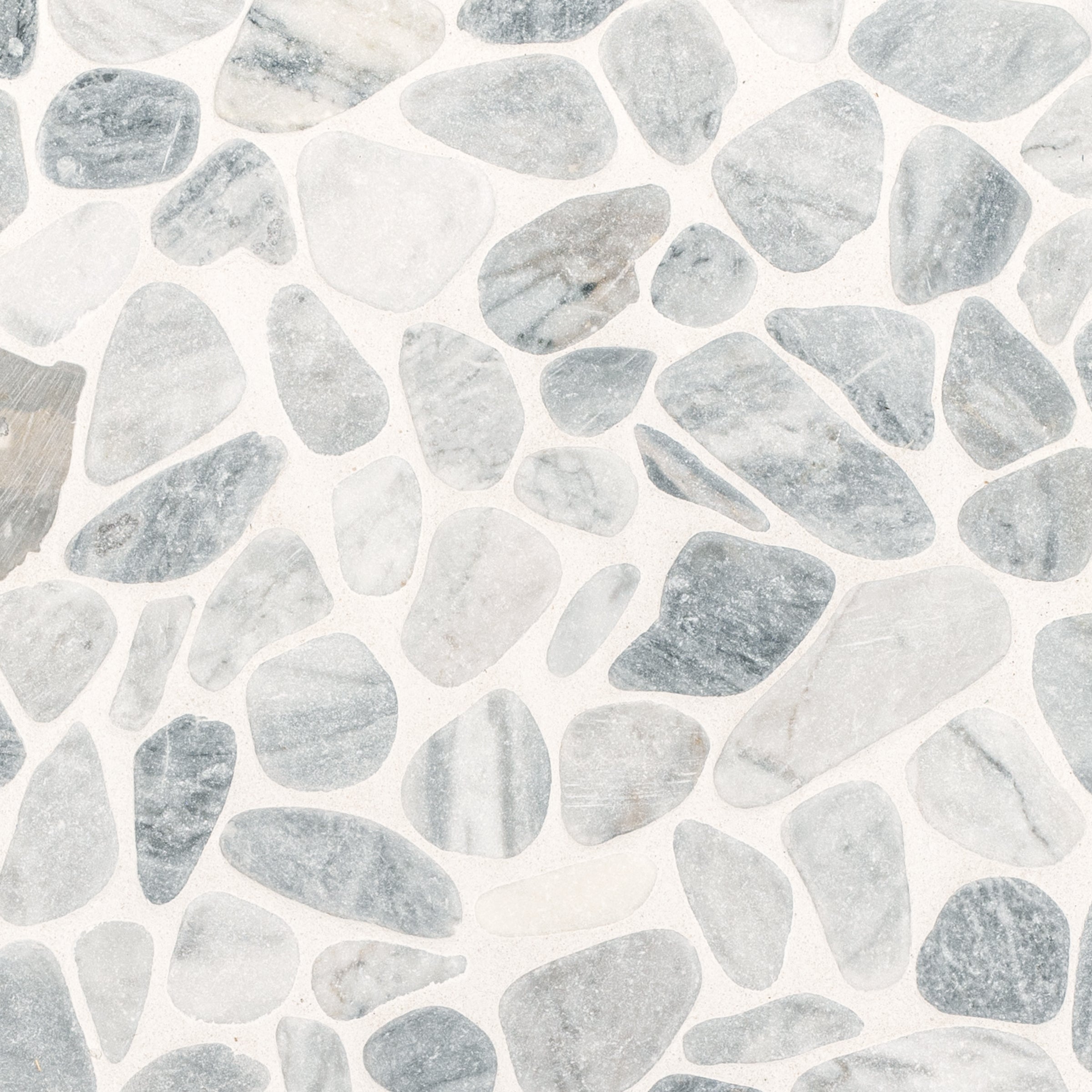
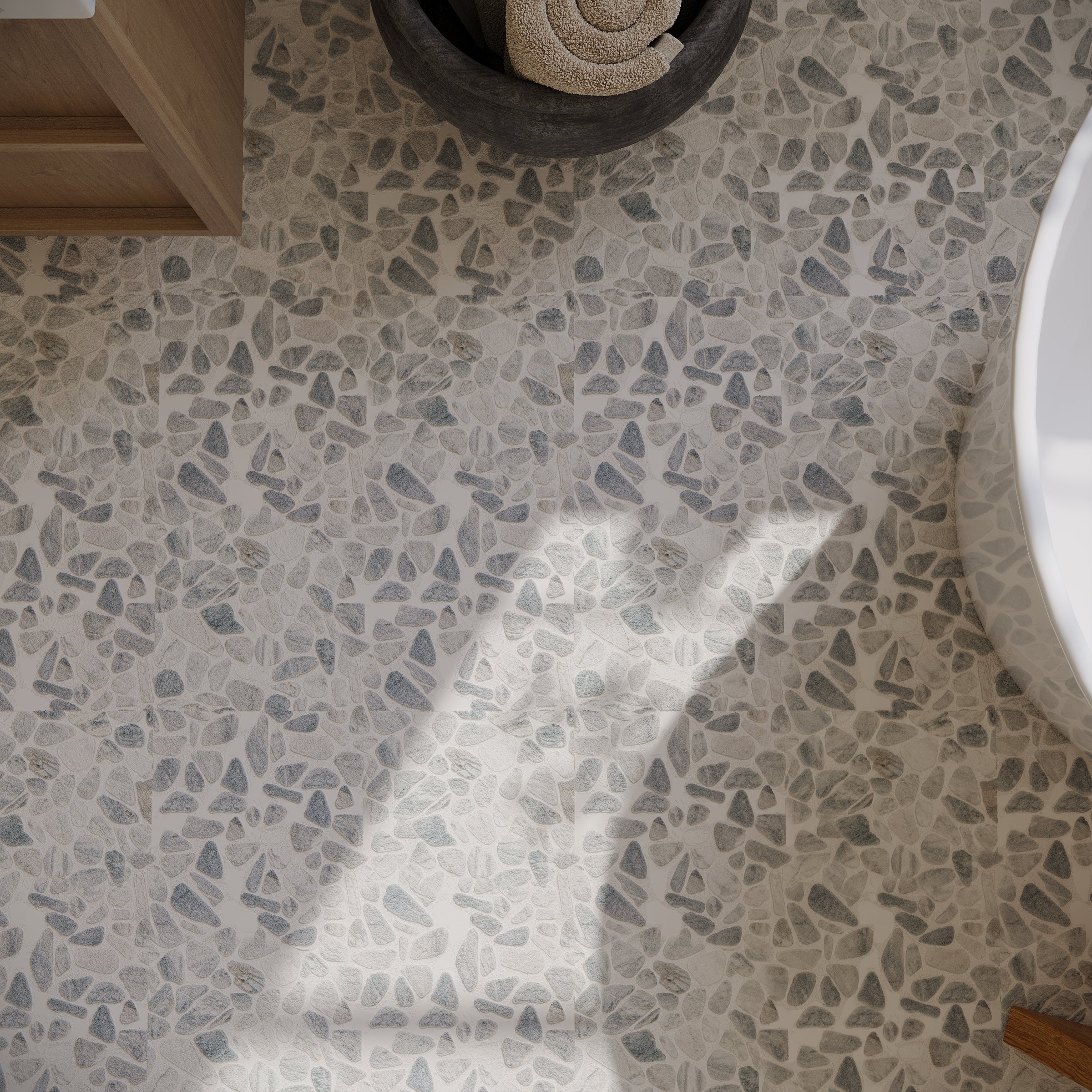
Bardiglio Tumbled Pebble Mosaic
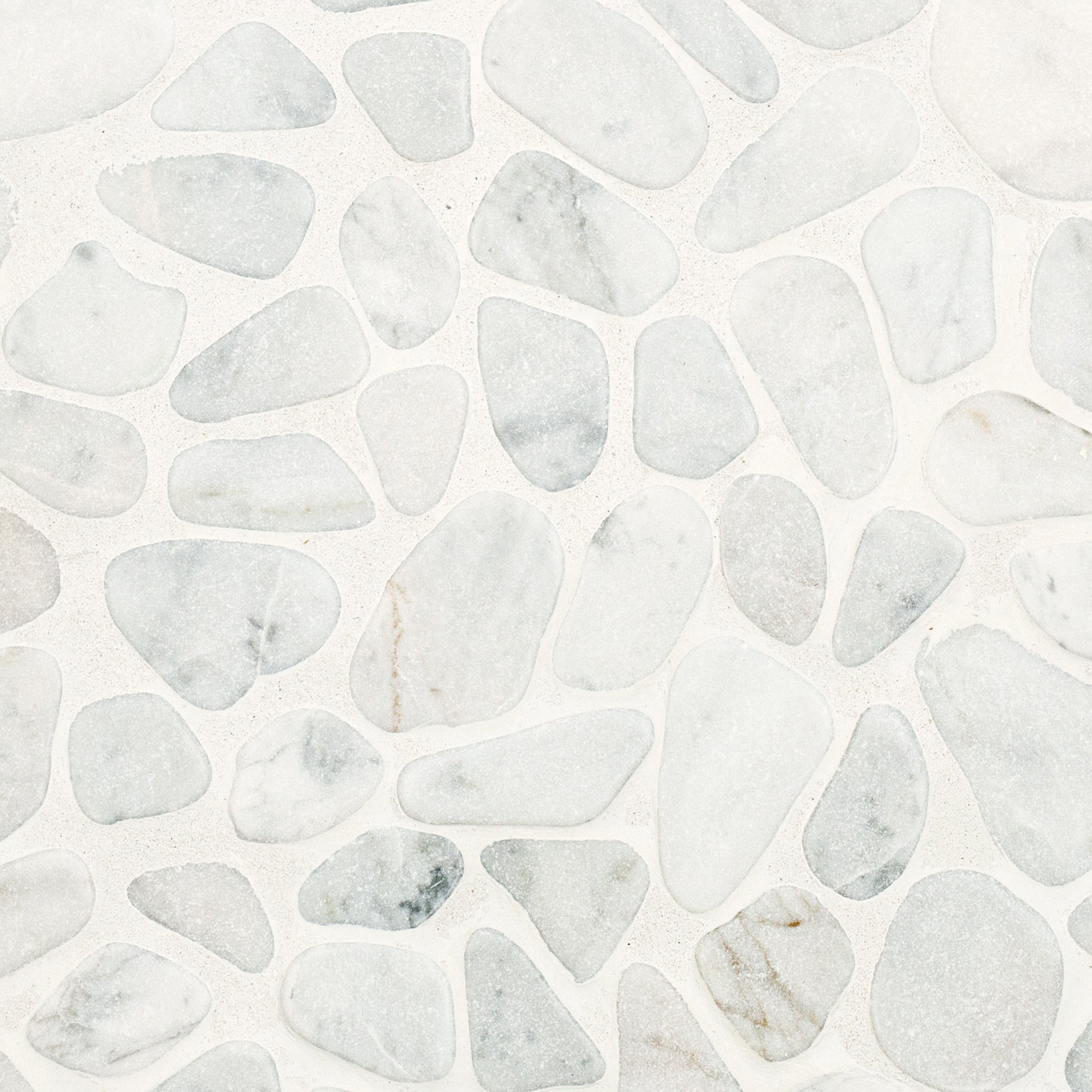
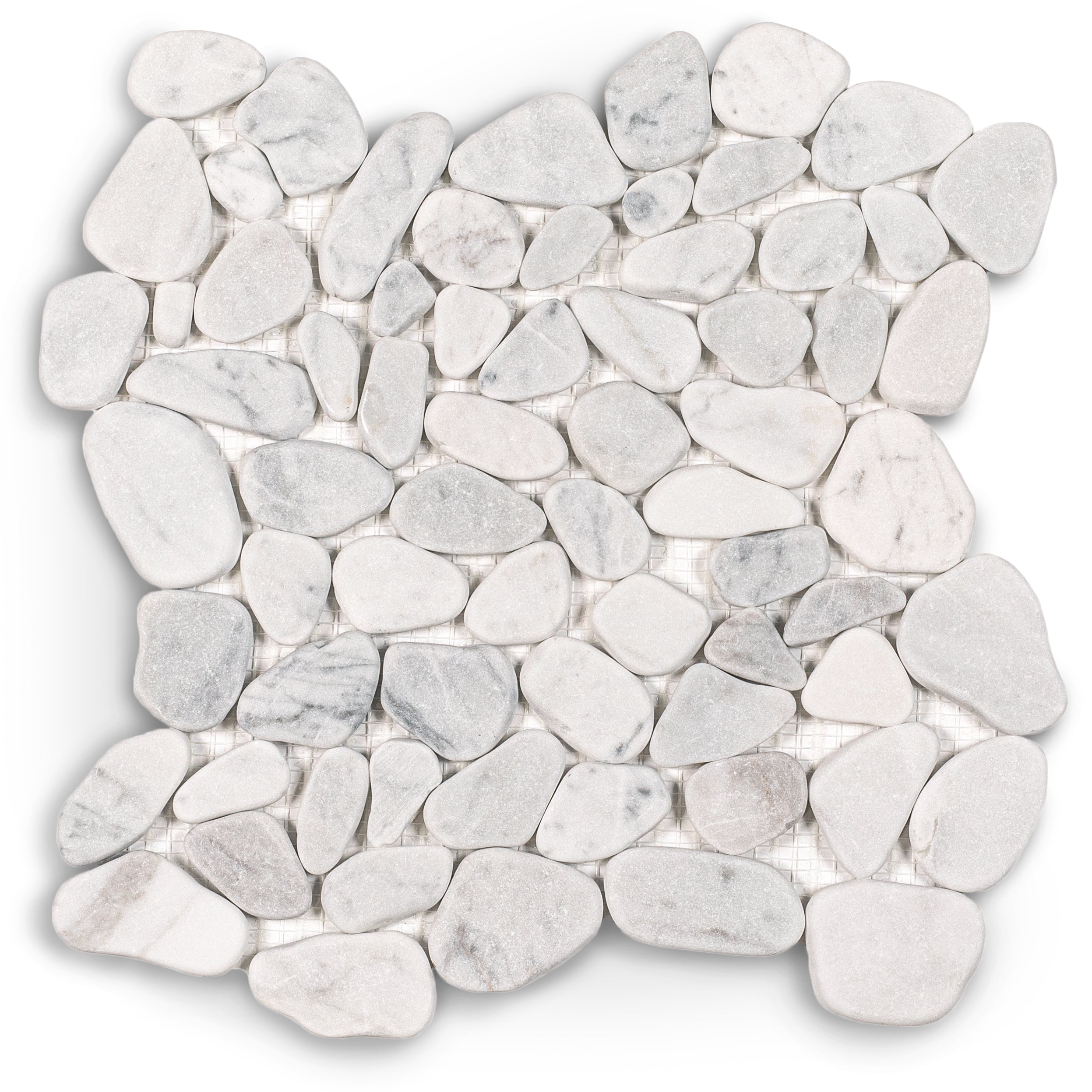
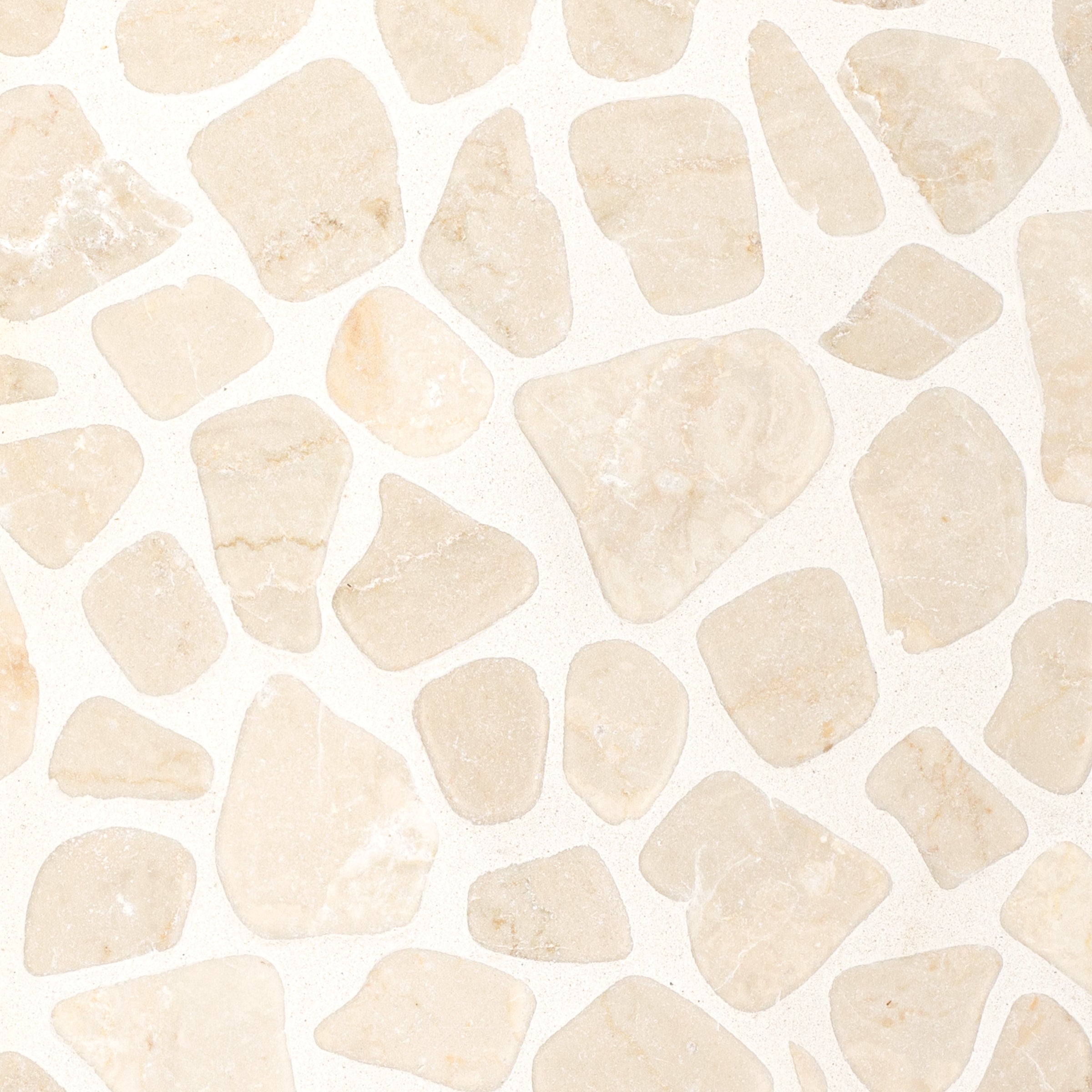
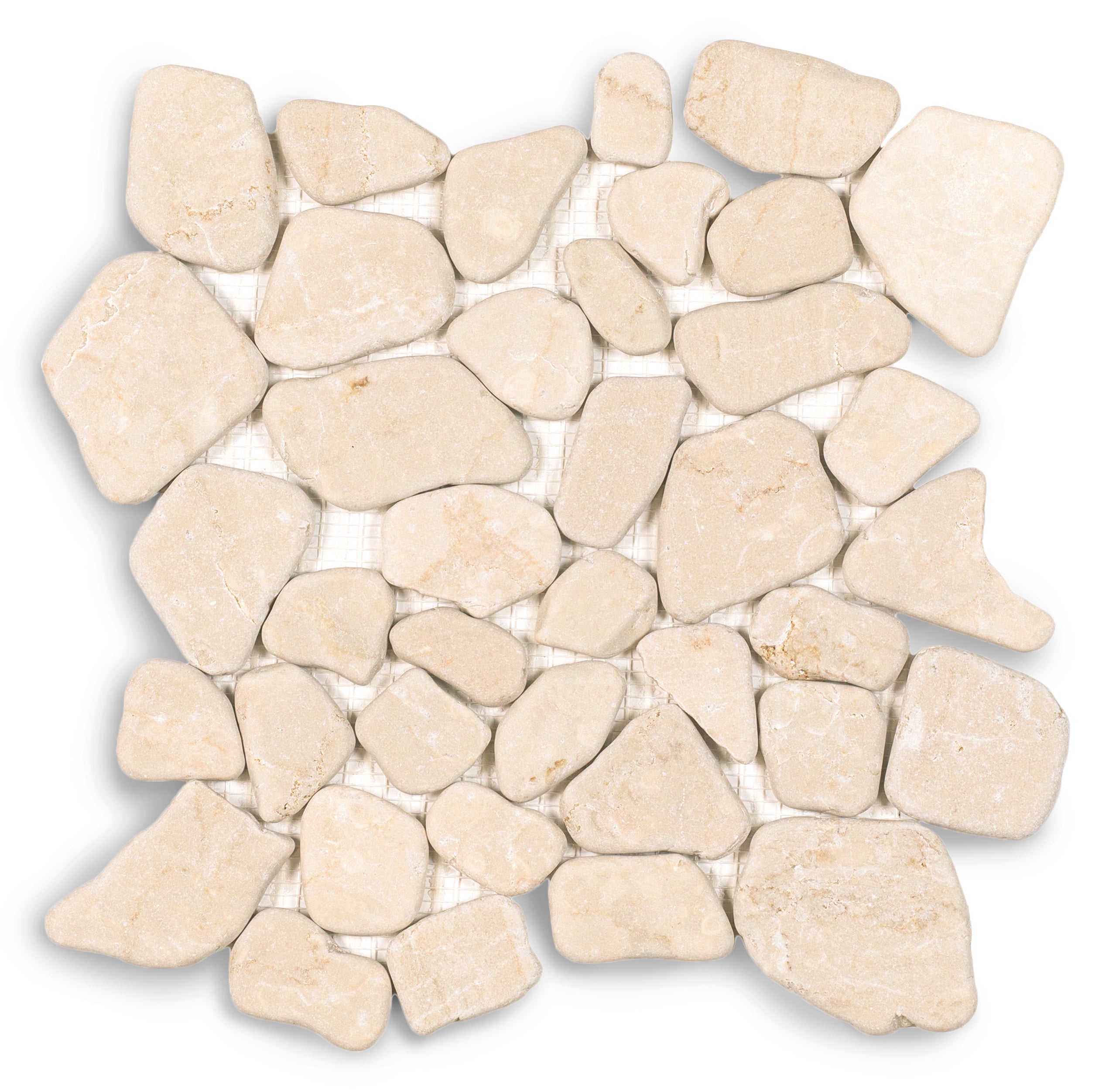
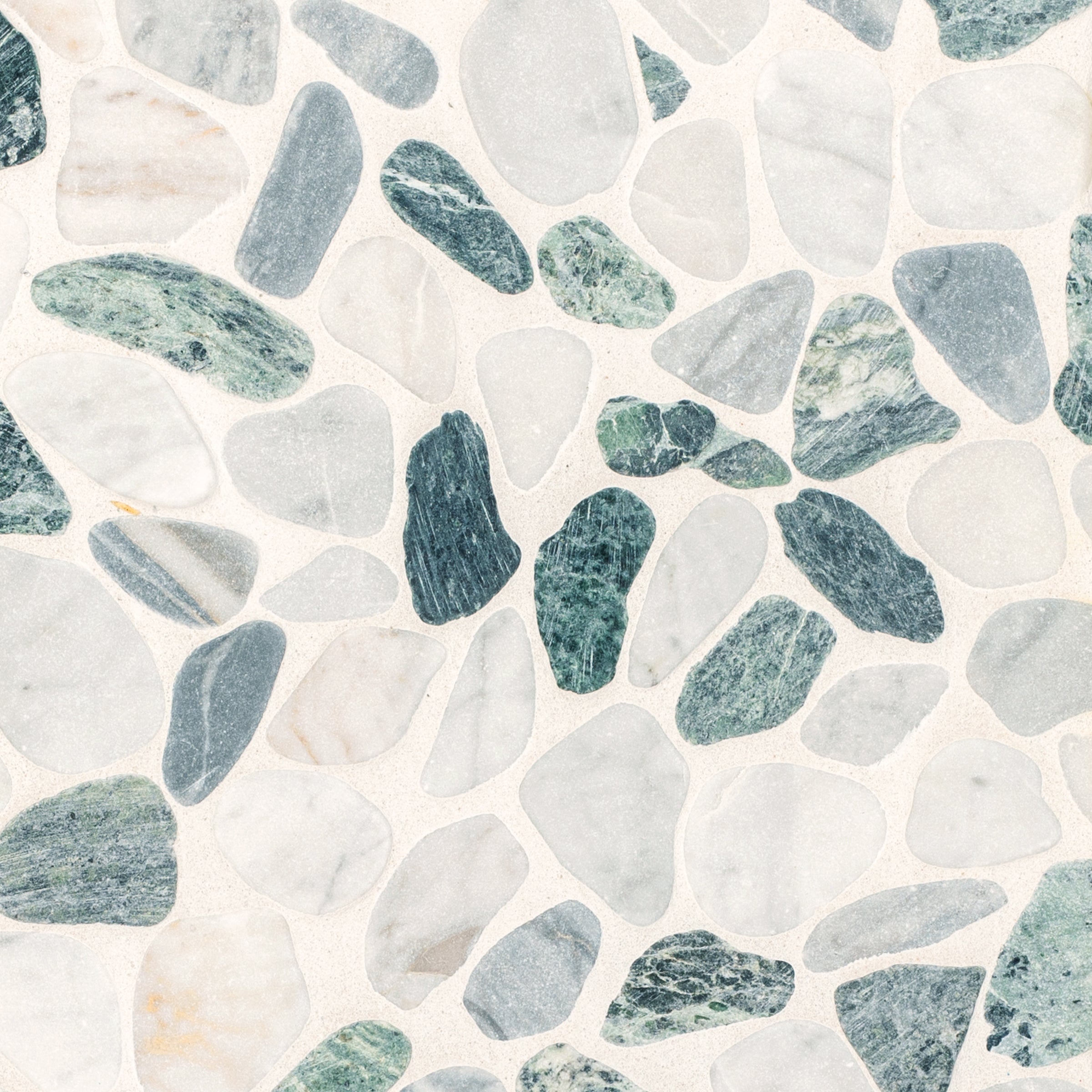
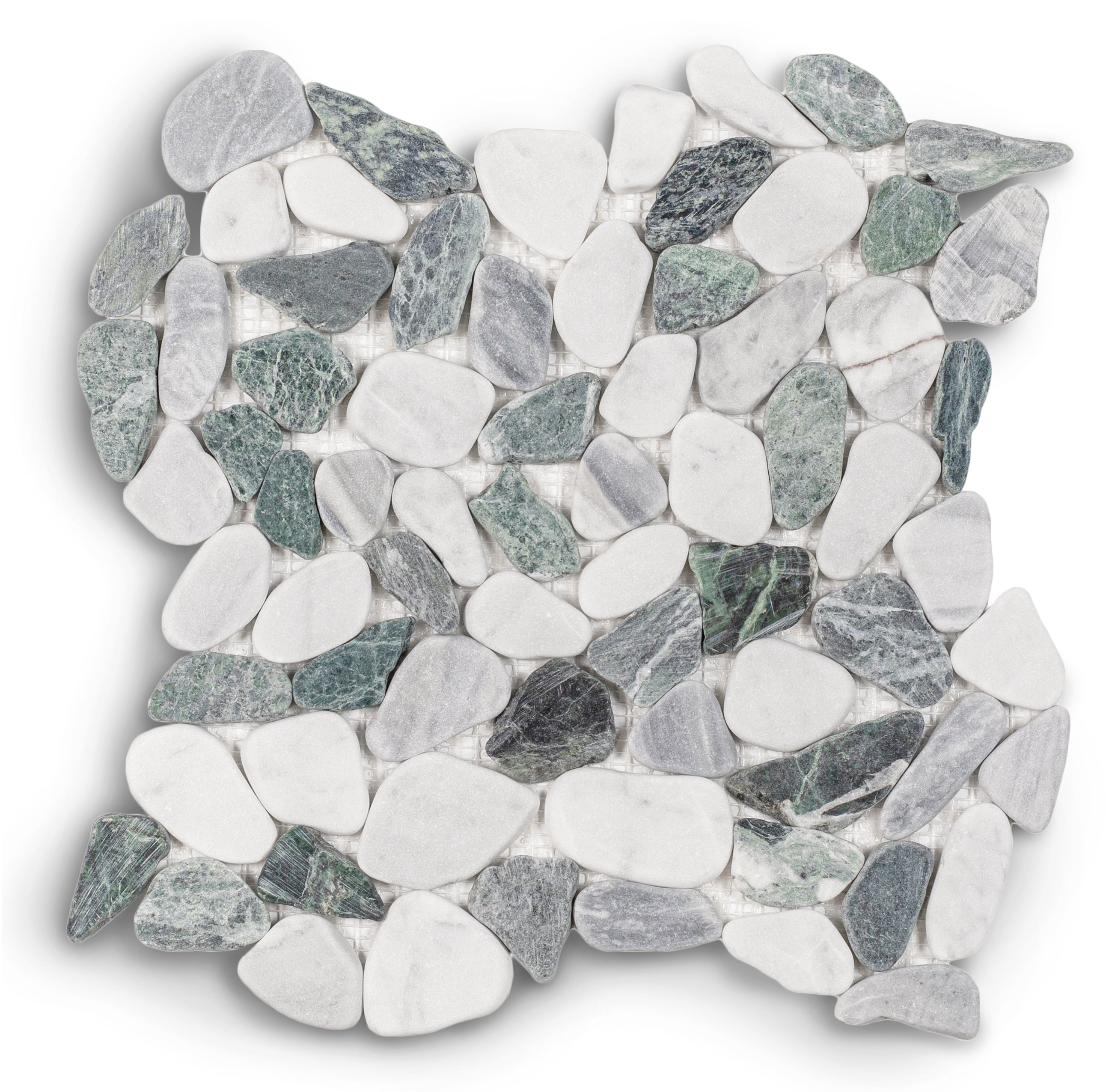
Carrara, Verde, Bardiglio Tumbled Pebble Mosaic
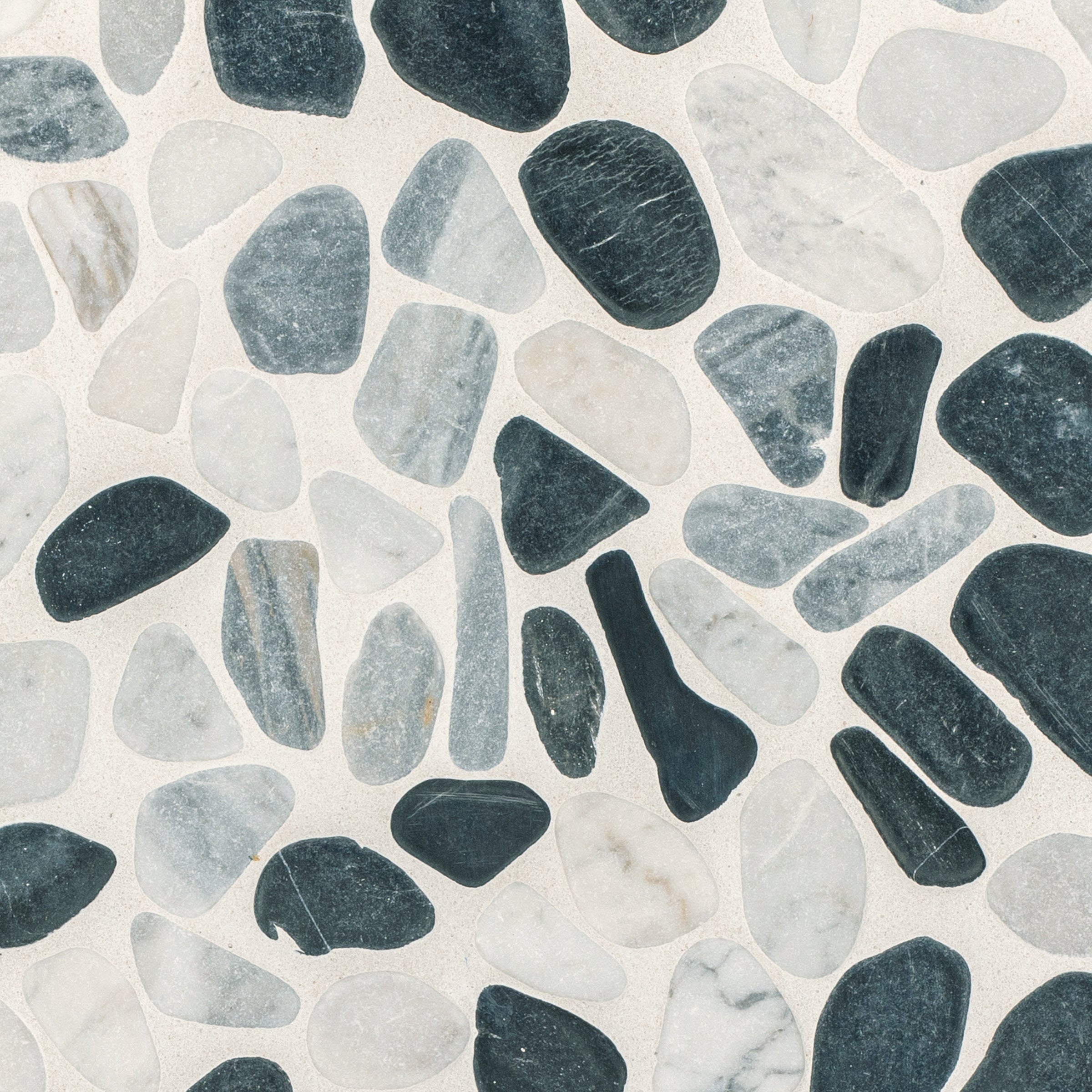
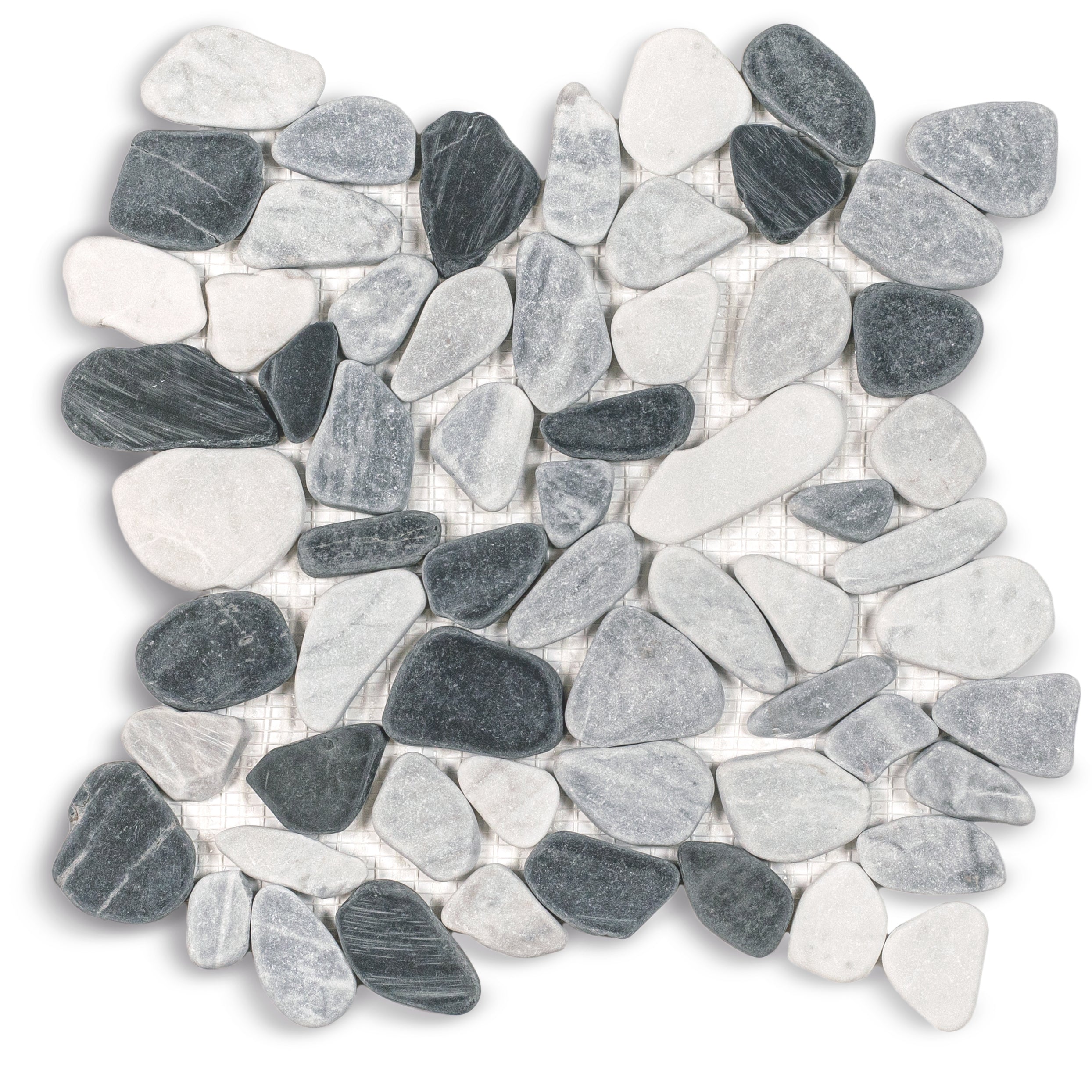
Carrara, Nero, Bardiglio Tumbled Pebble Mosaic
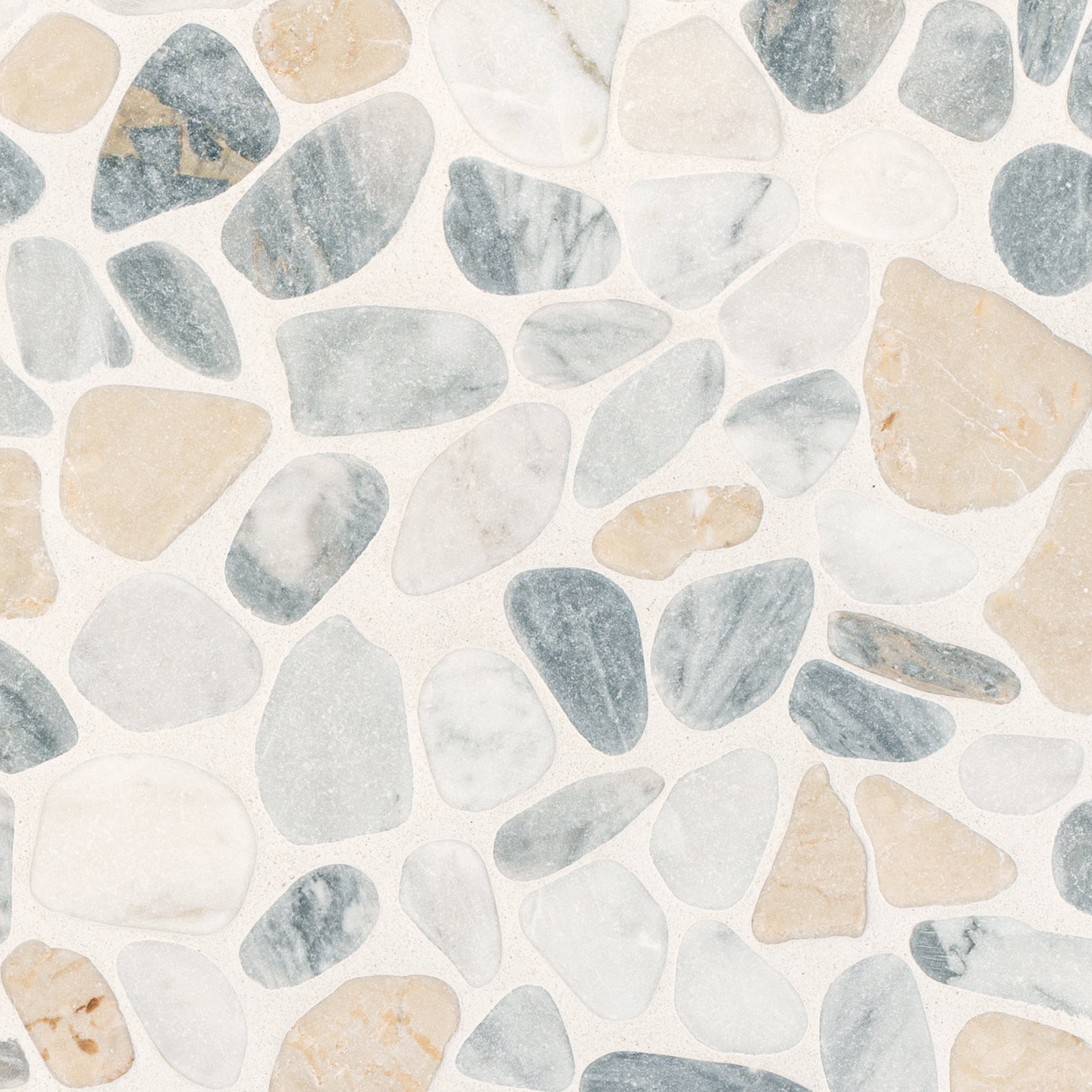
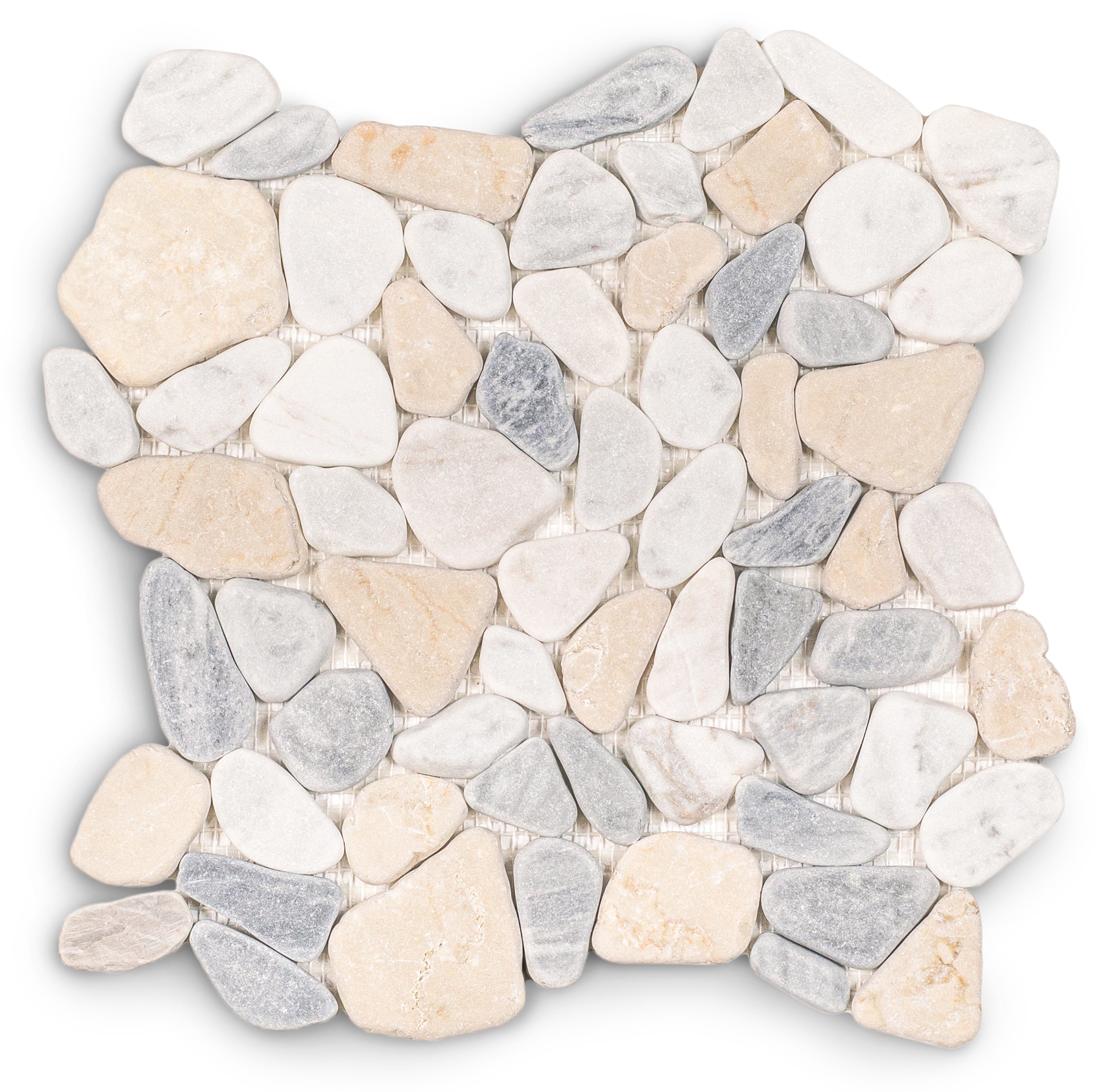
Carrara, Crema, Bardiglio Tumbled Pebble Mosaic
Rosso Verona Tumbled Marble Tile
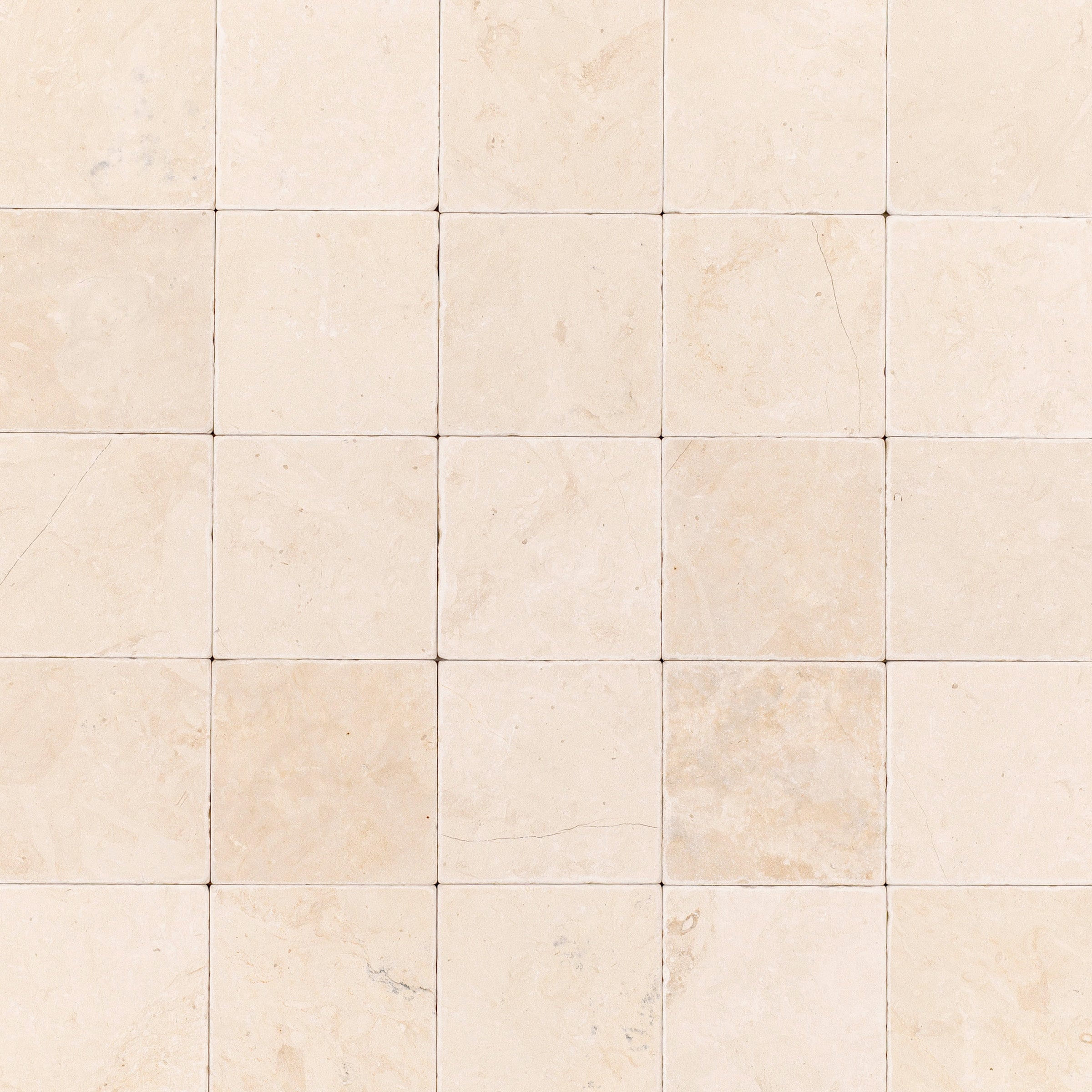
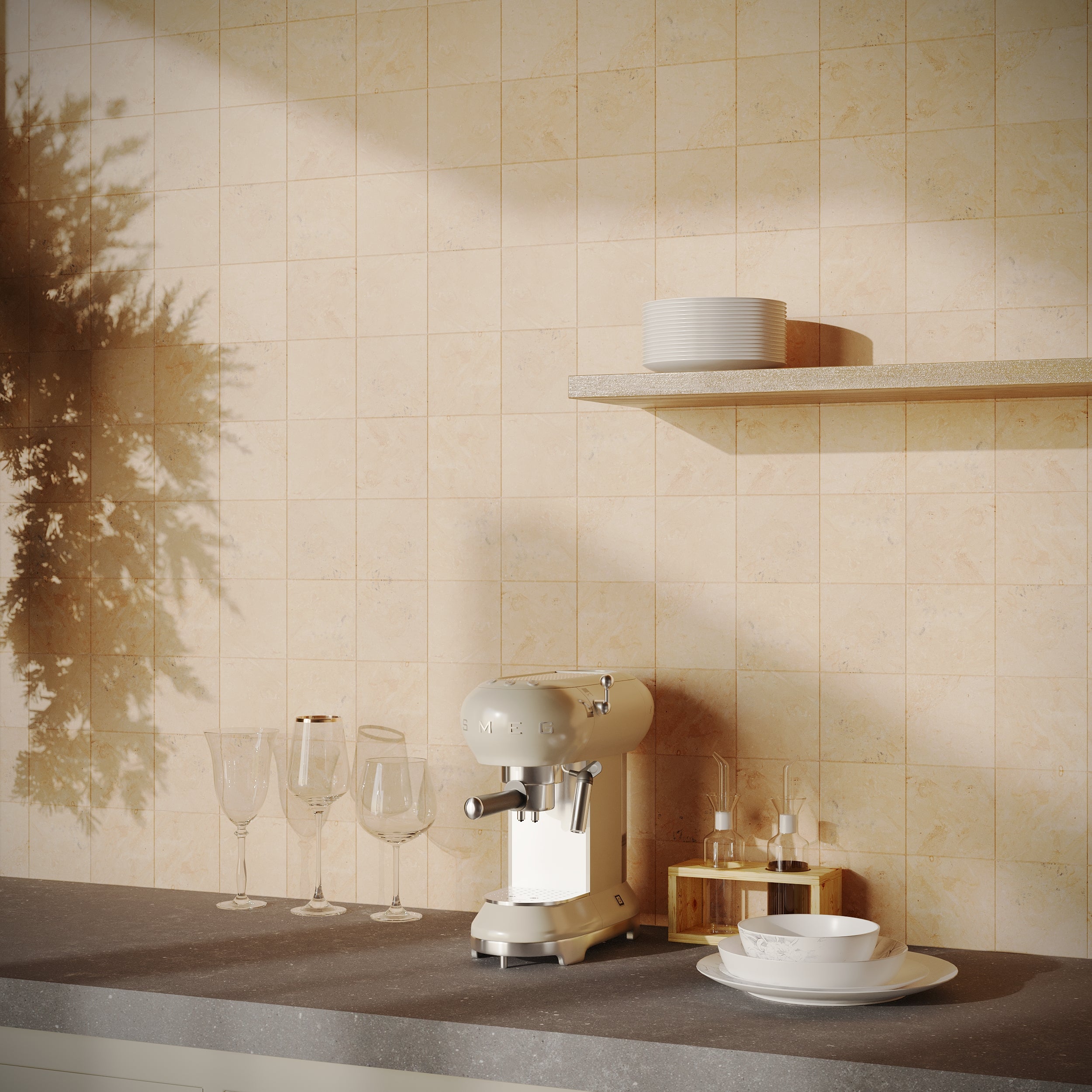
Desert Tea Tumbled Marble Tile
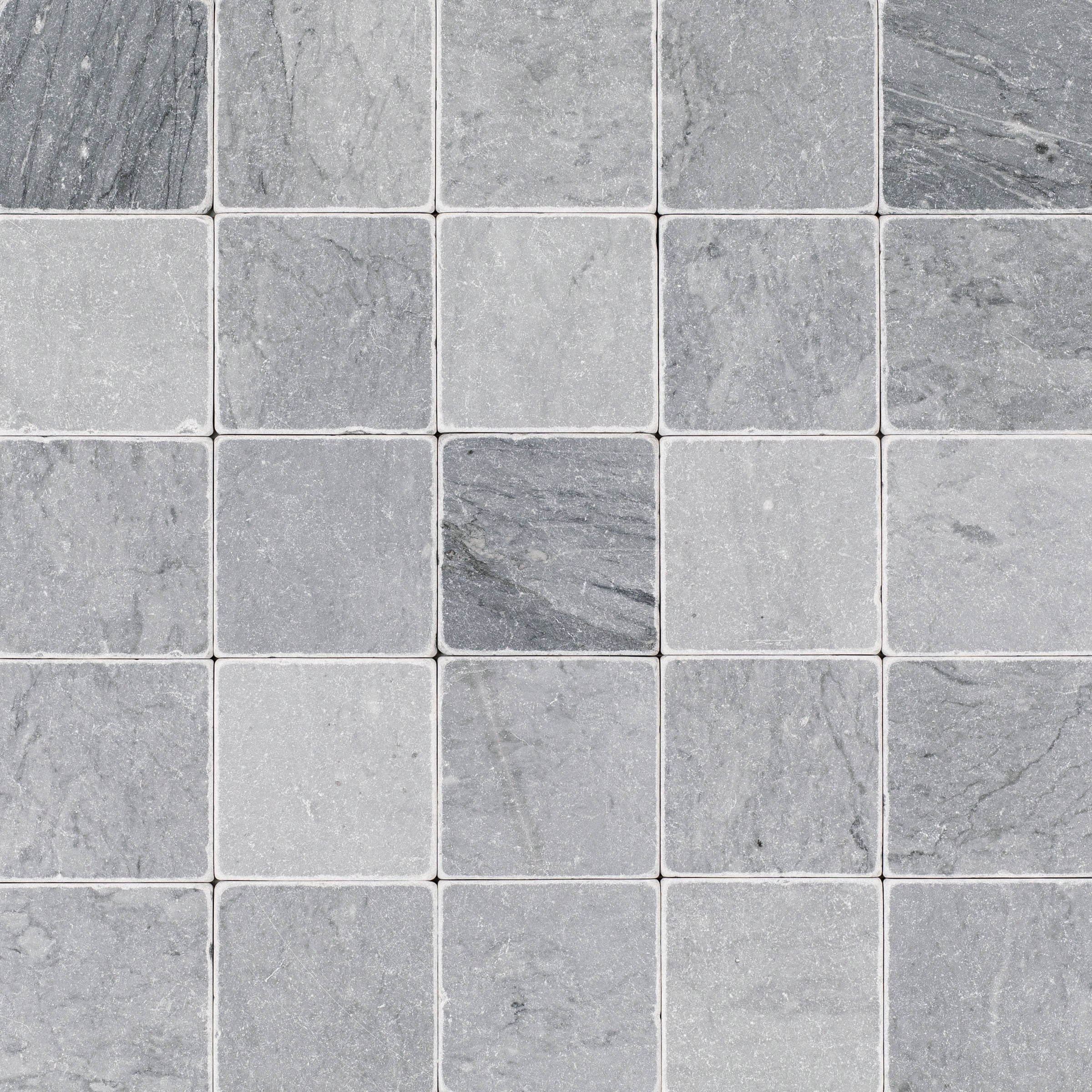
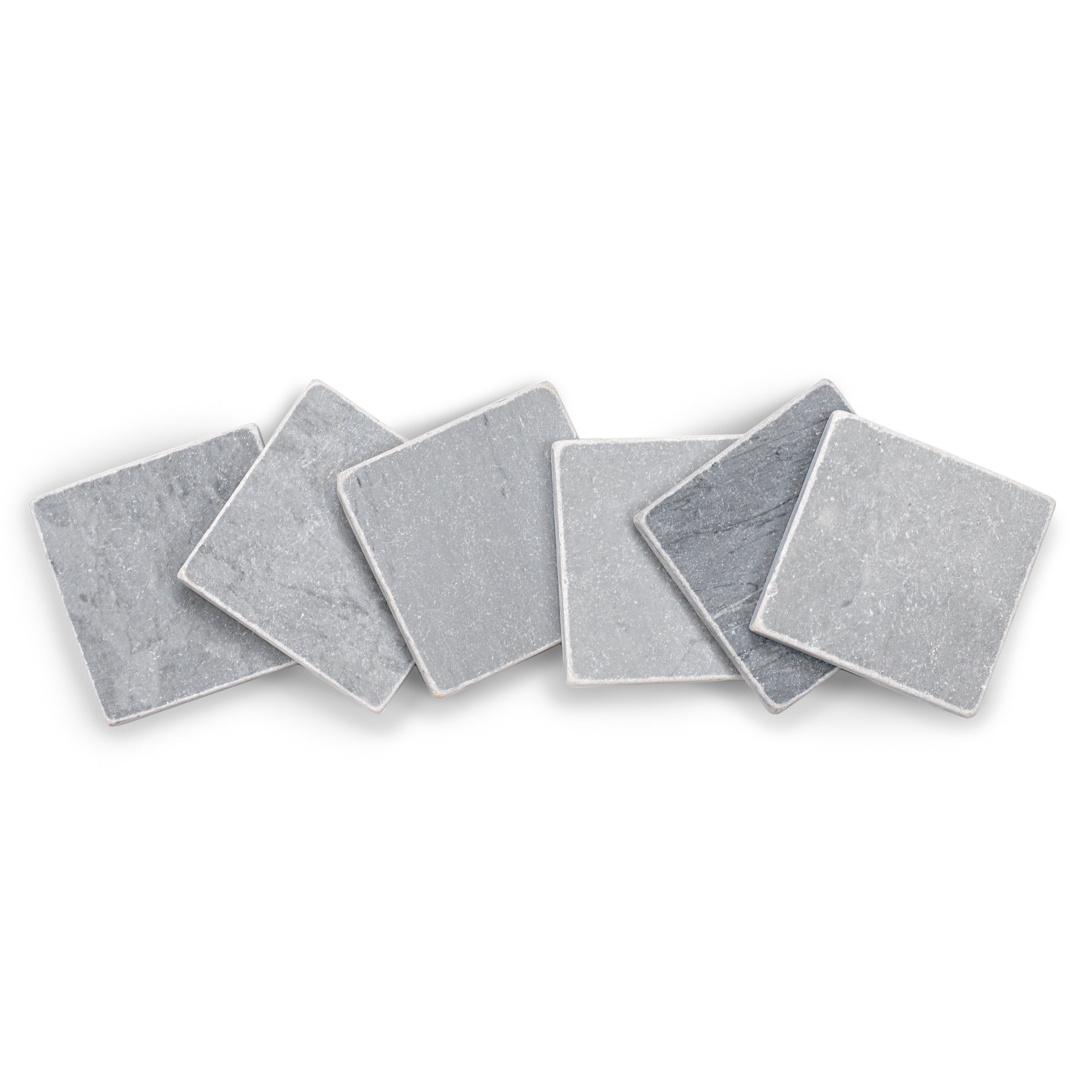
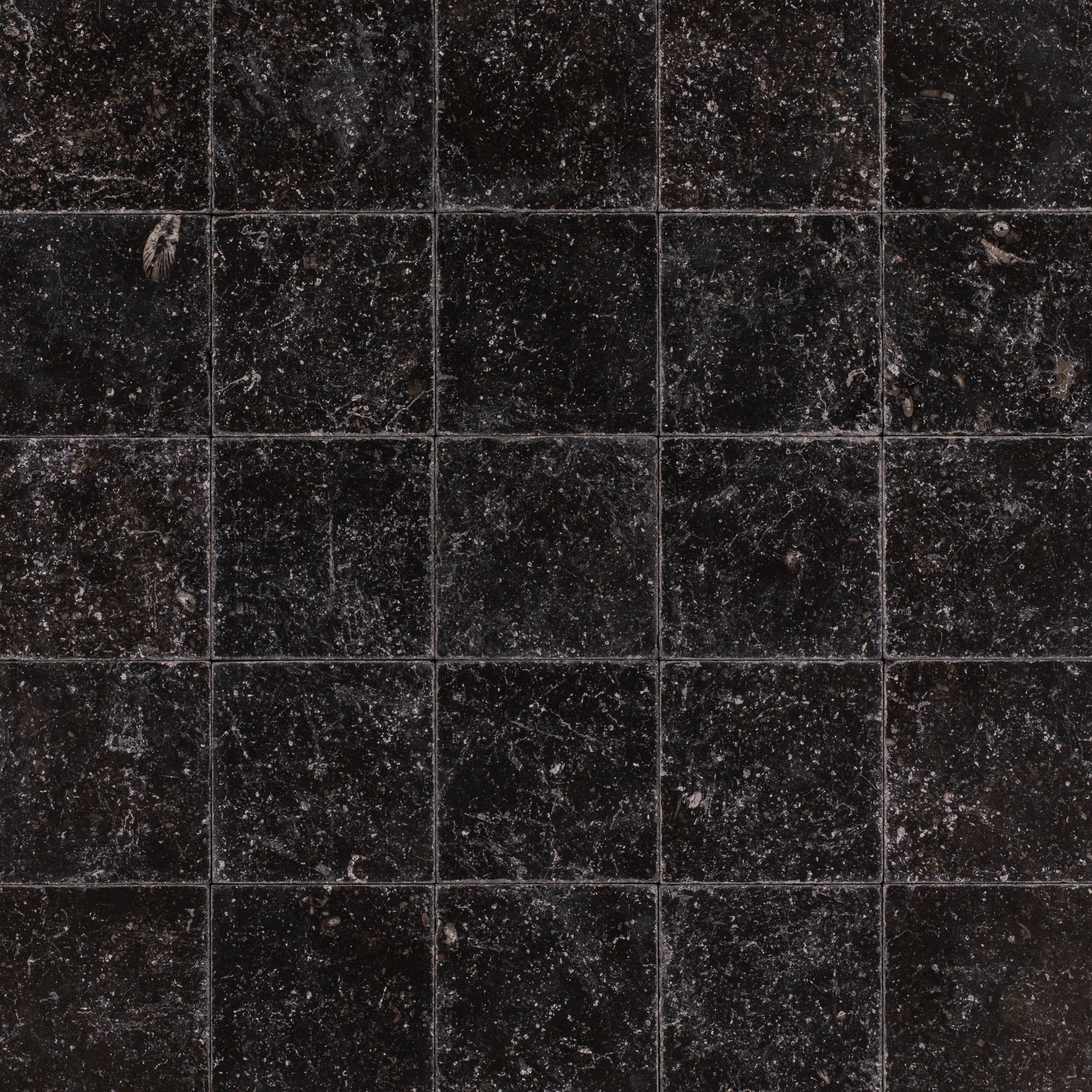
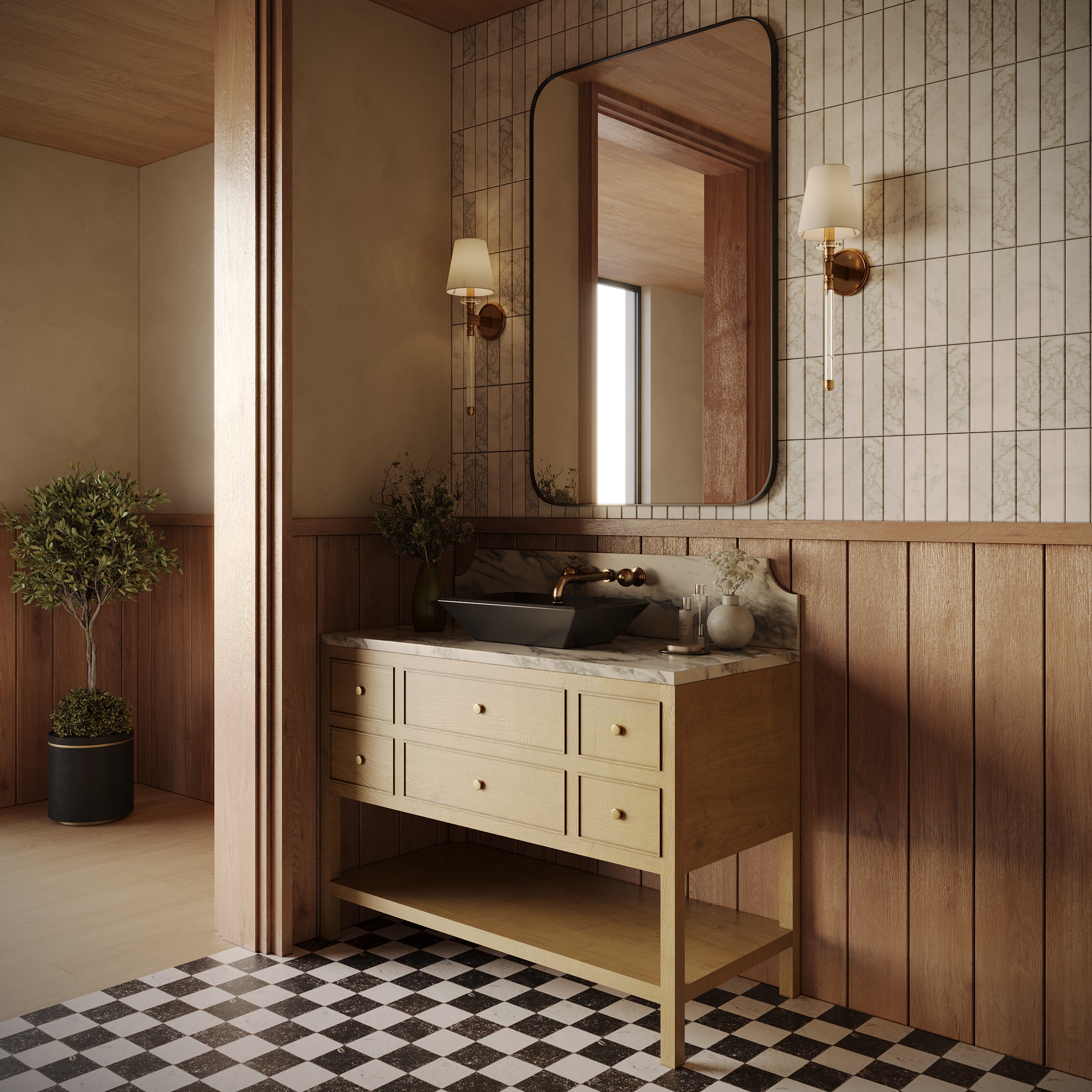
Belgian Blue Tumbled Marble Tile
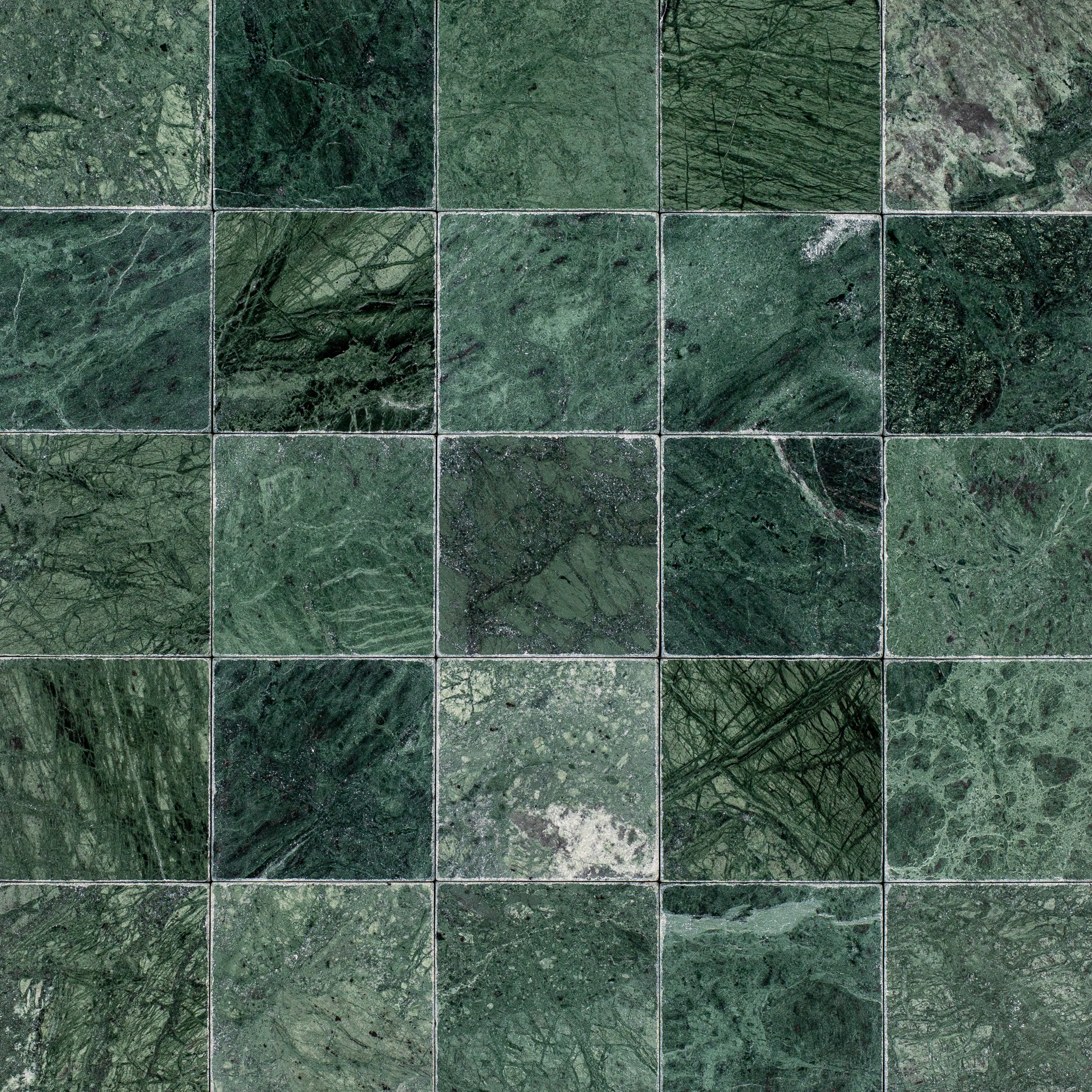
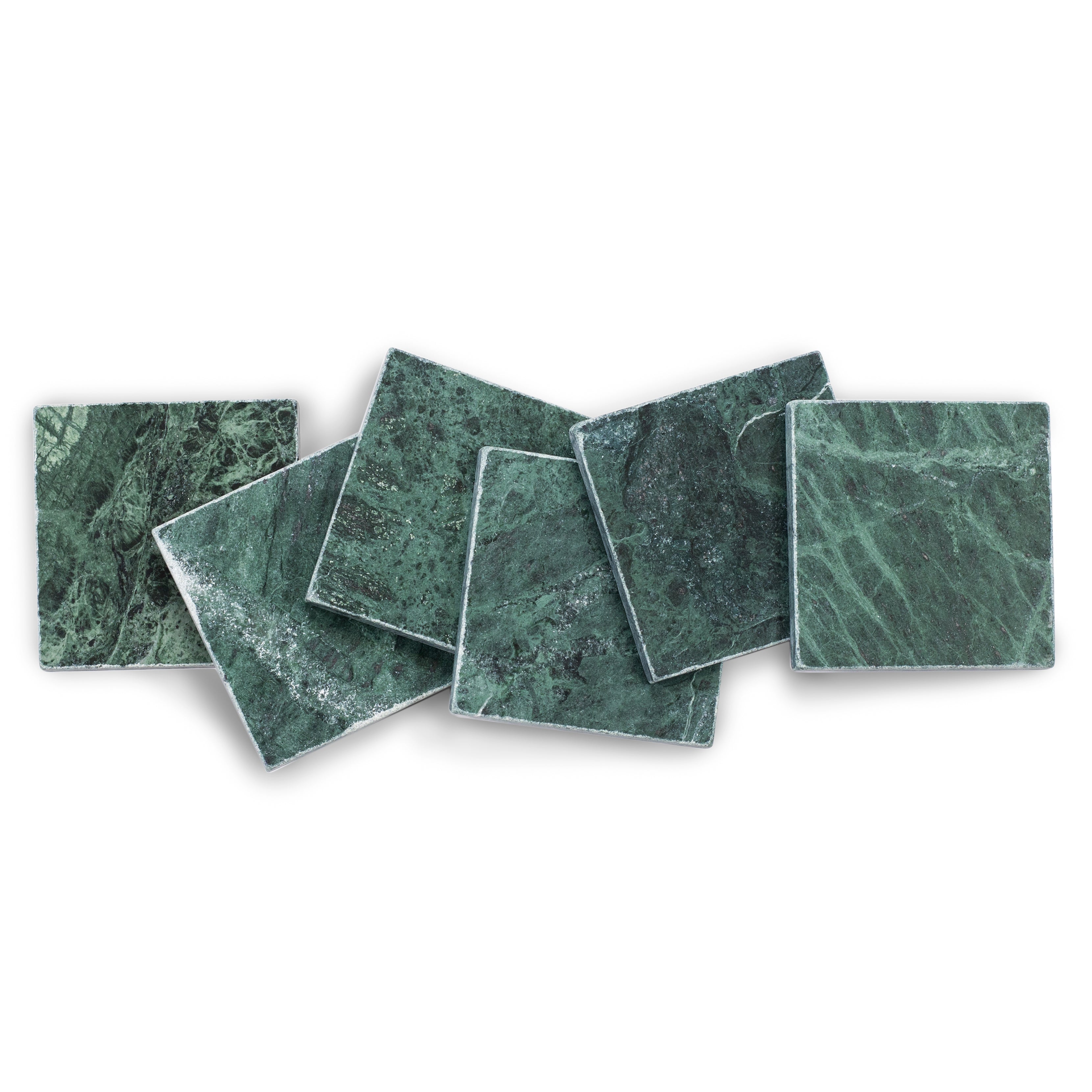
Verde Guatemala Tumbled Marble Tile
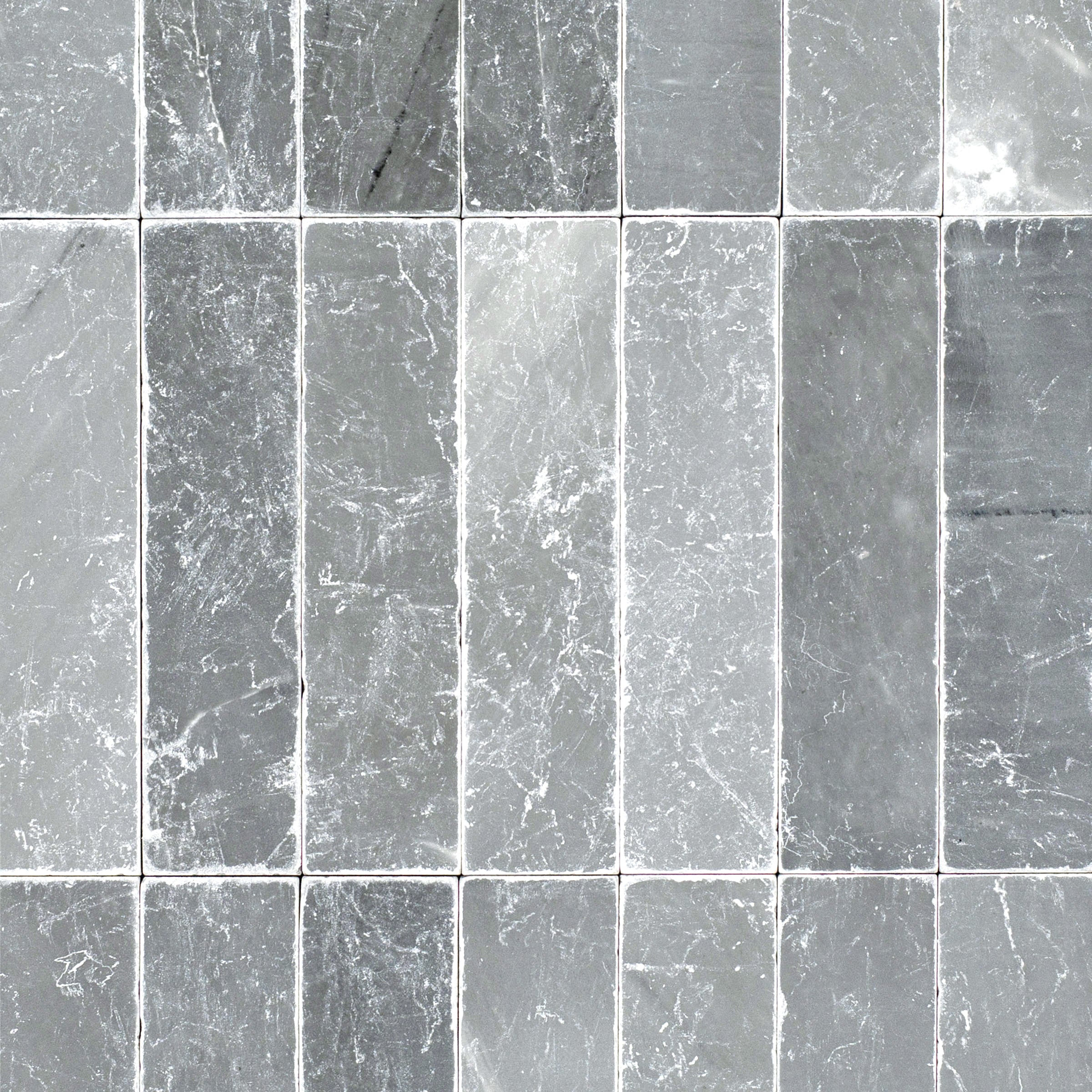
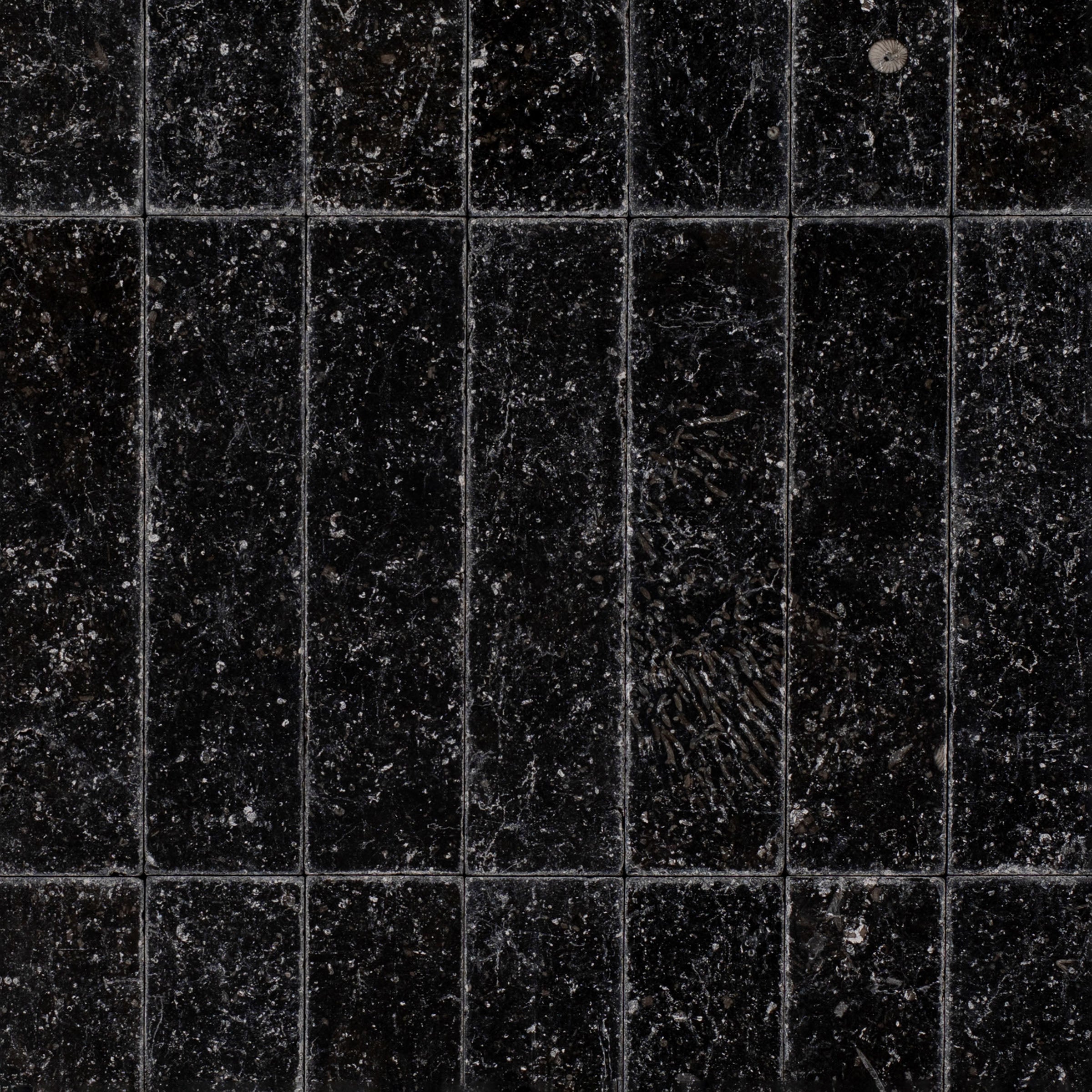
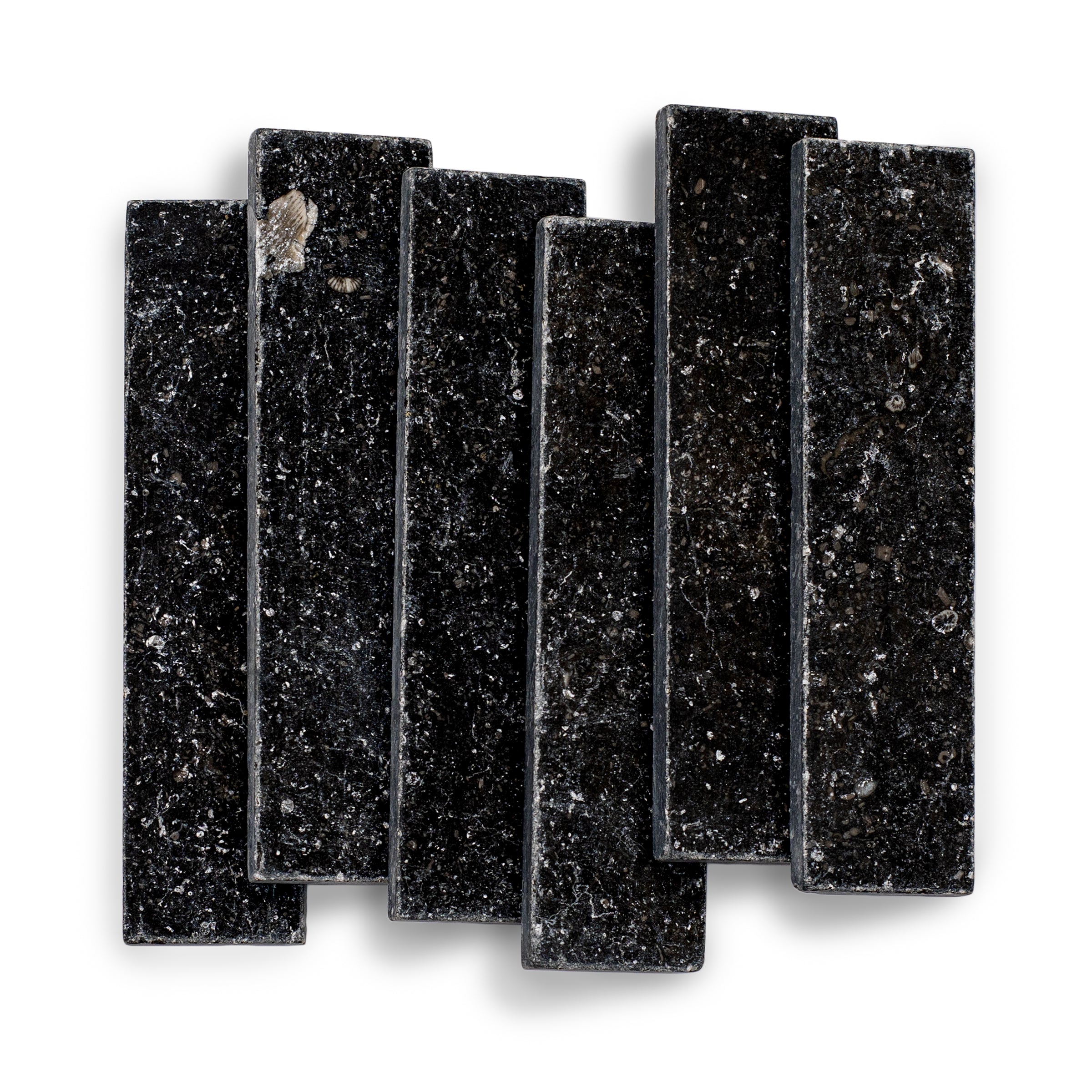
Belgian Blue Tumbled Marble Tile
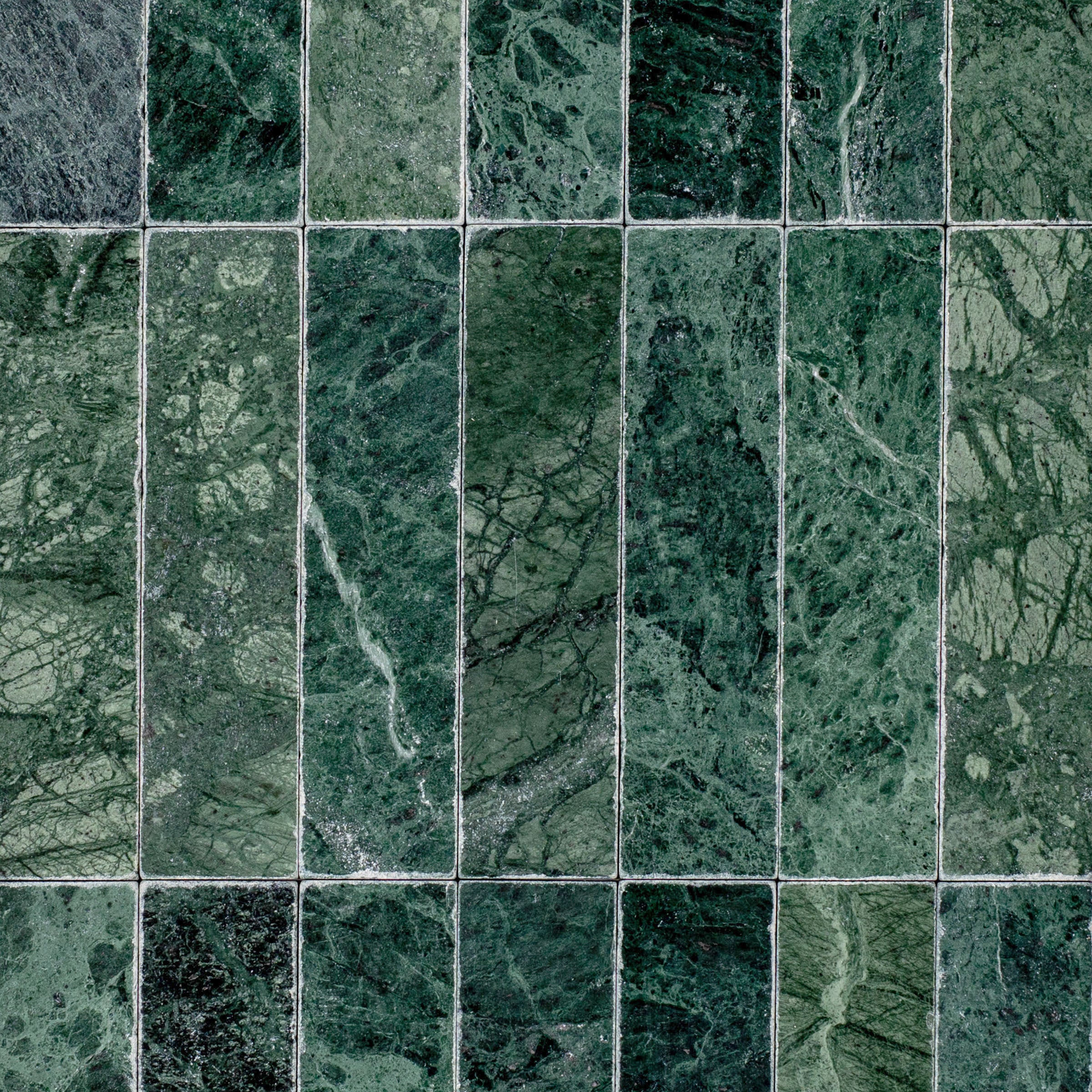
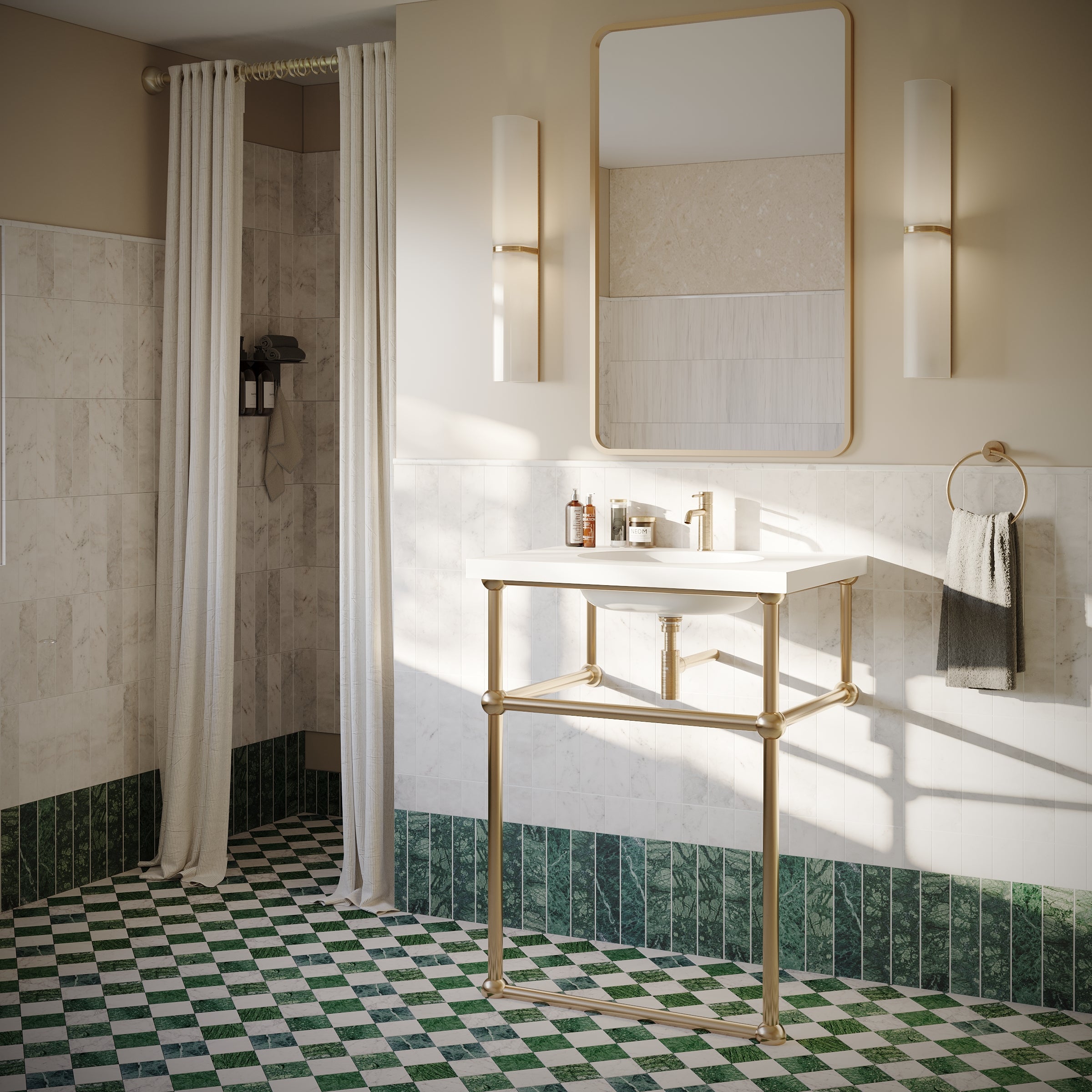
Verde Guatemala Tumbled Marble Tile
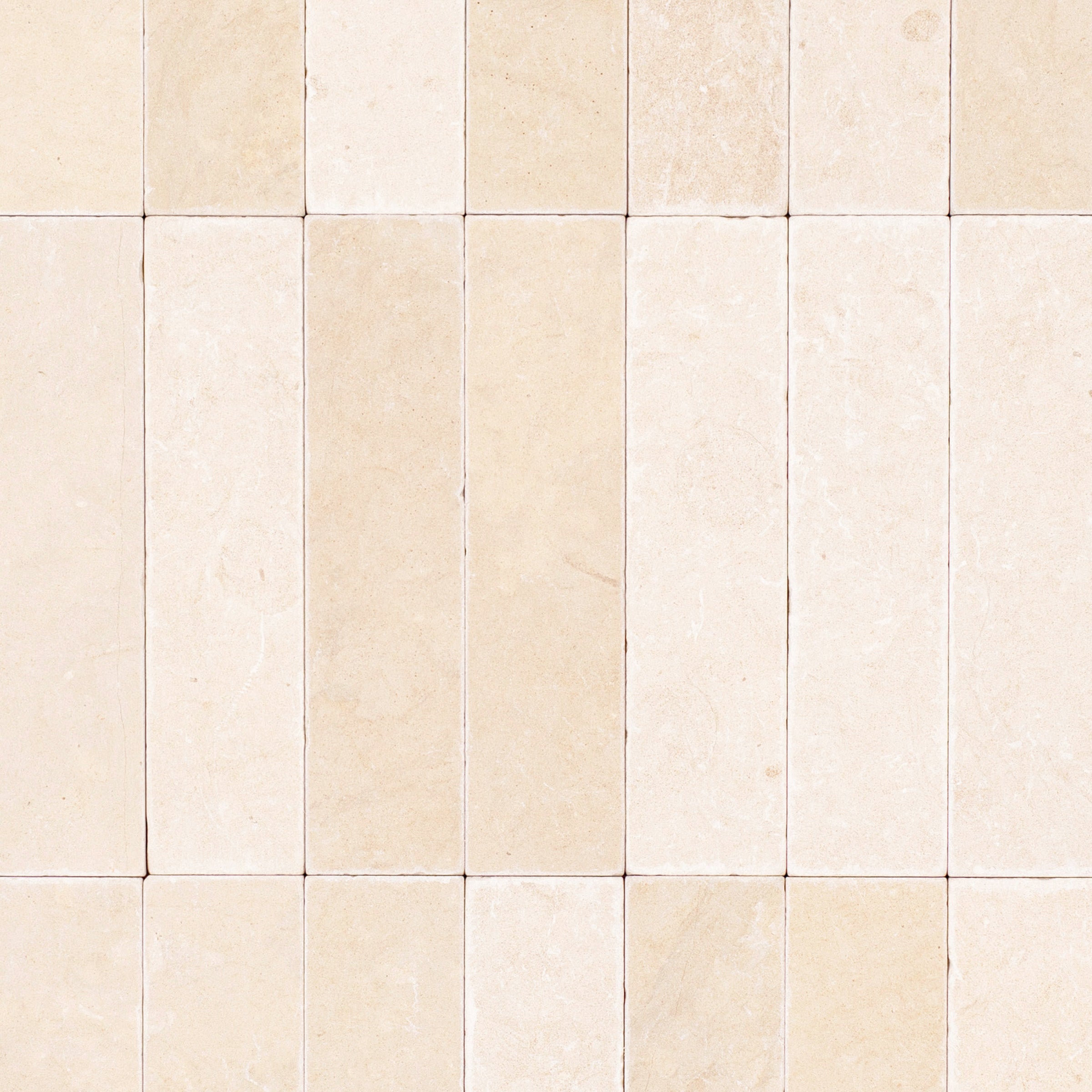
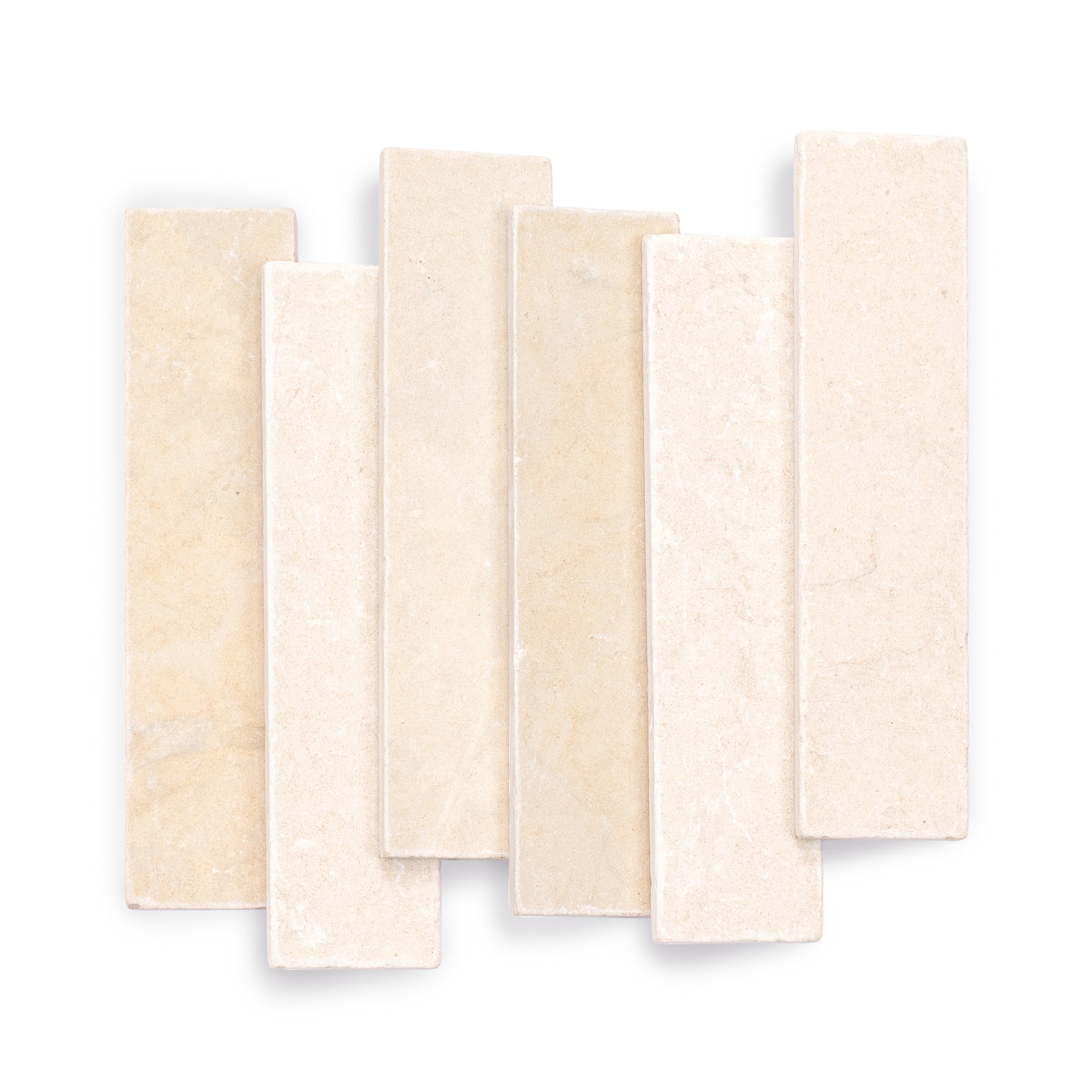
Desert Tea Tumbled Marble Tile
Taj Matte Marble Look Porcelain Tile
Breccia Capraia 3D Mable Look Porcelain Tile
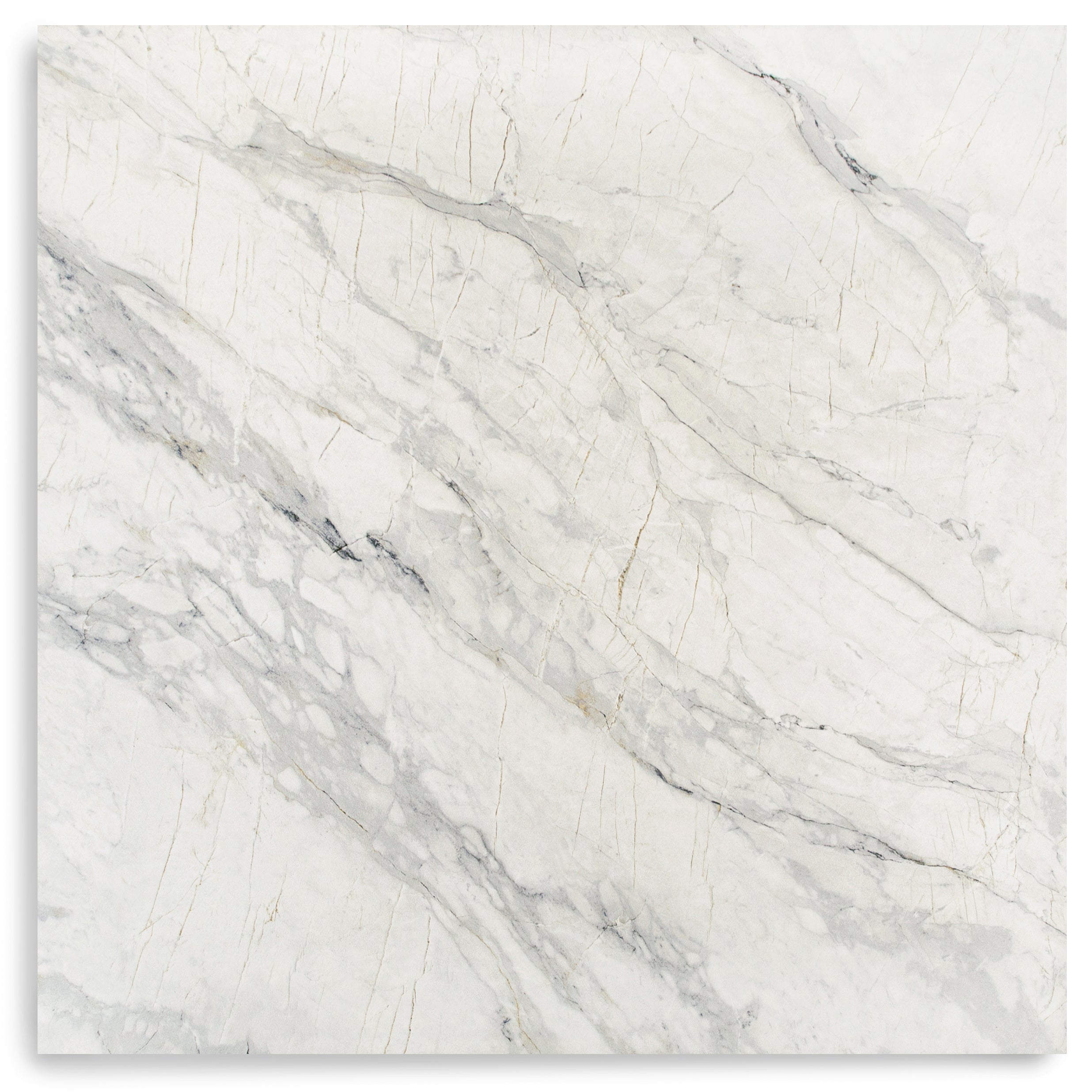
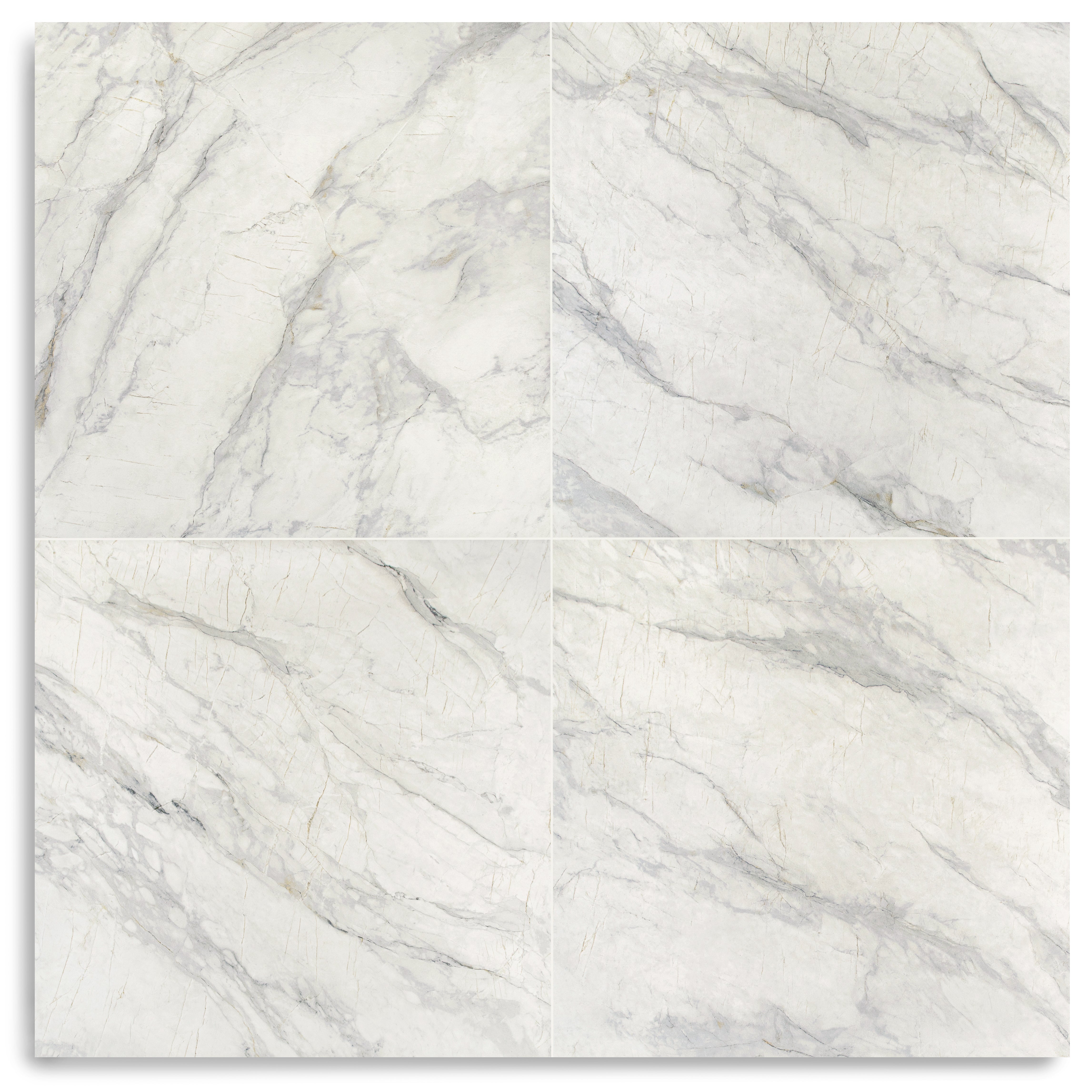
Van Gogh 1 3D Marble Look Porcelain Tile
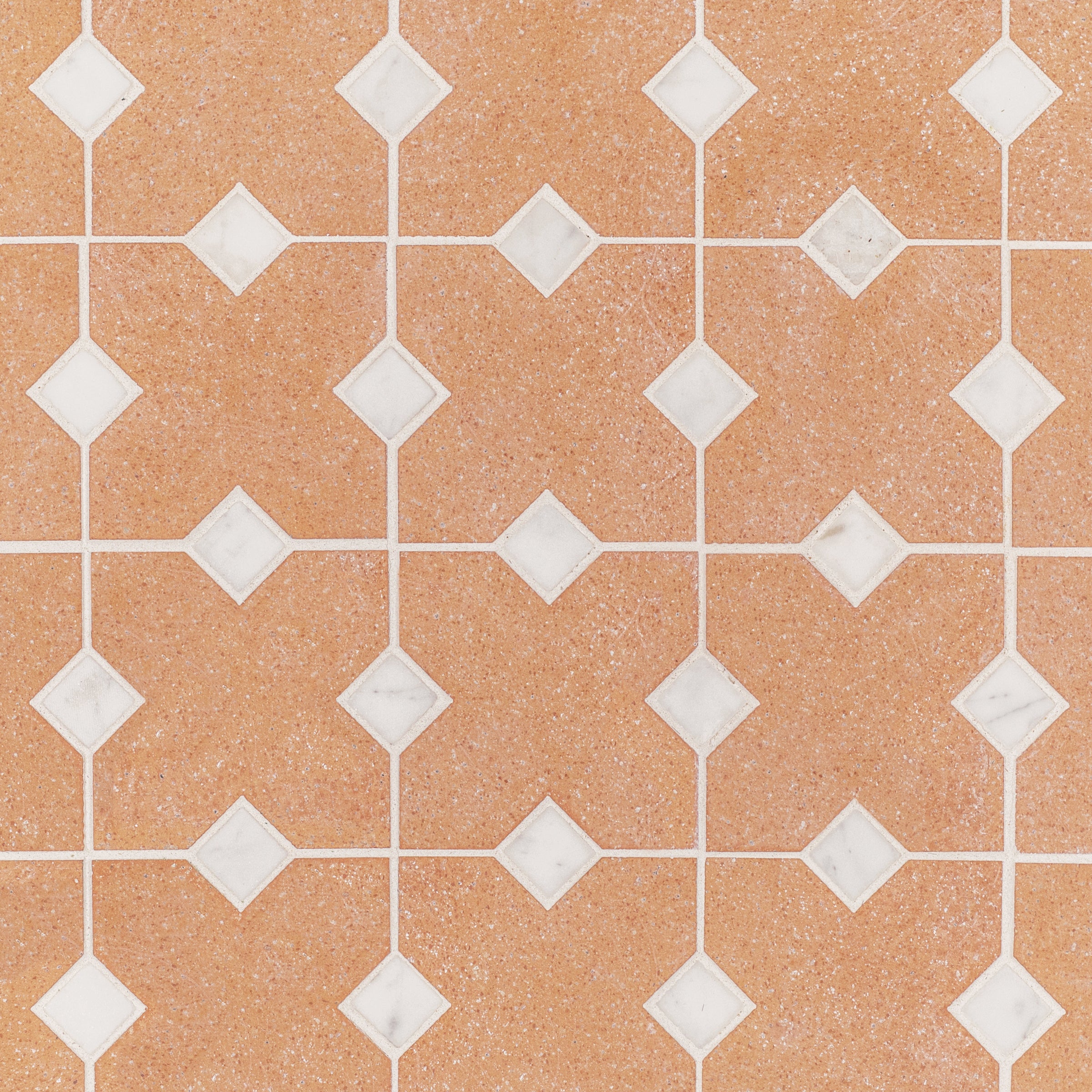
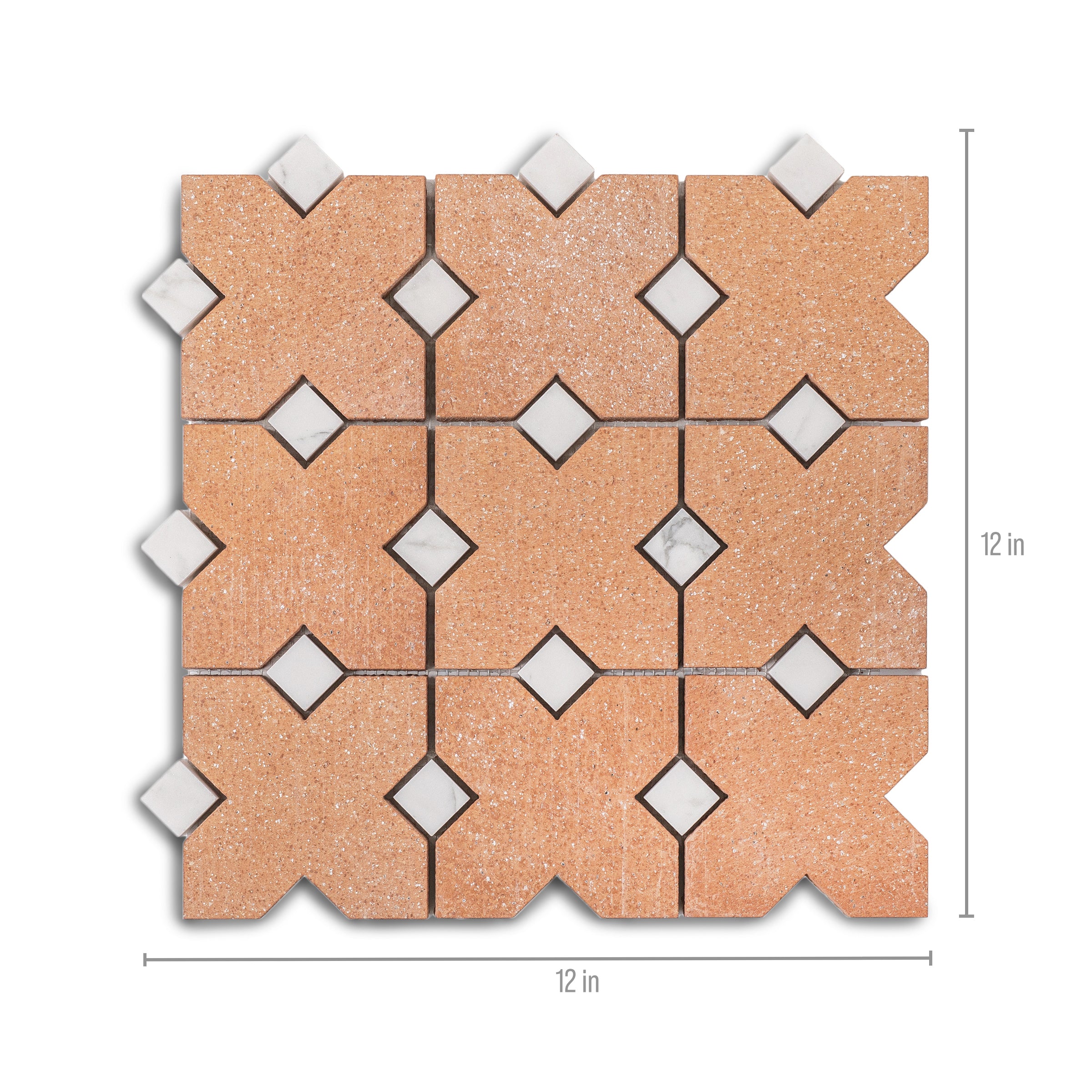
Terracotta Cross Statuario Inset Mosaic
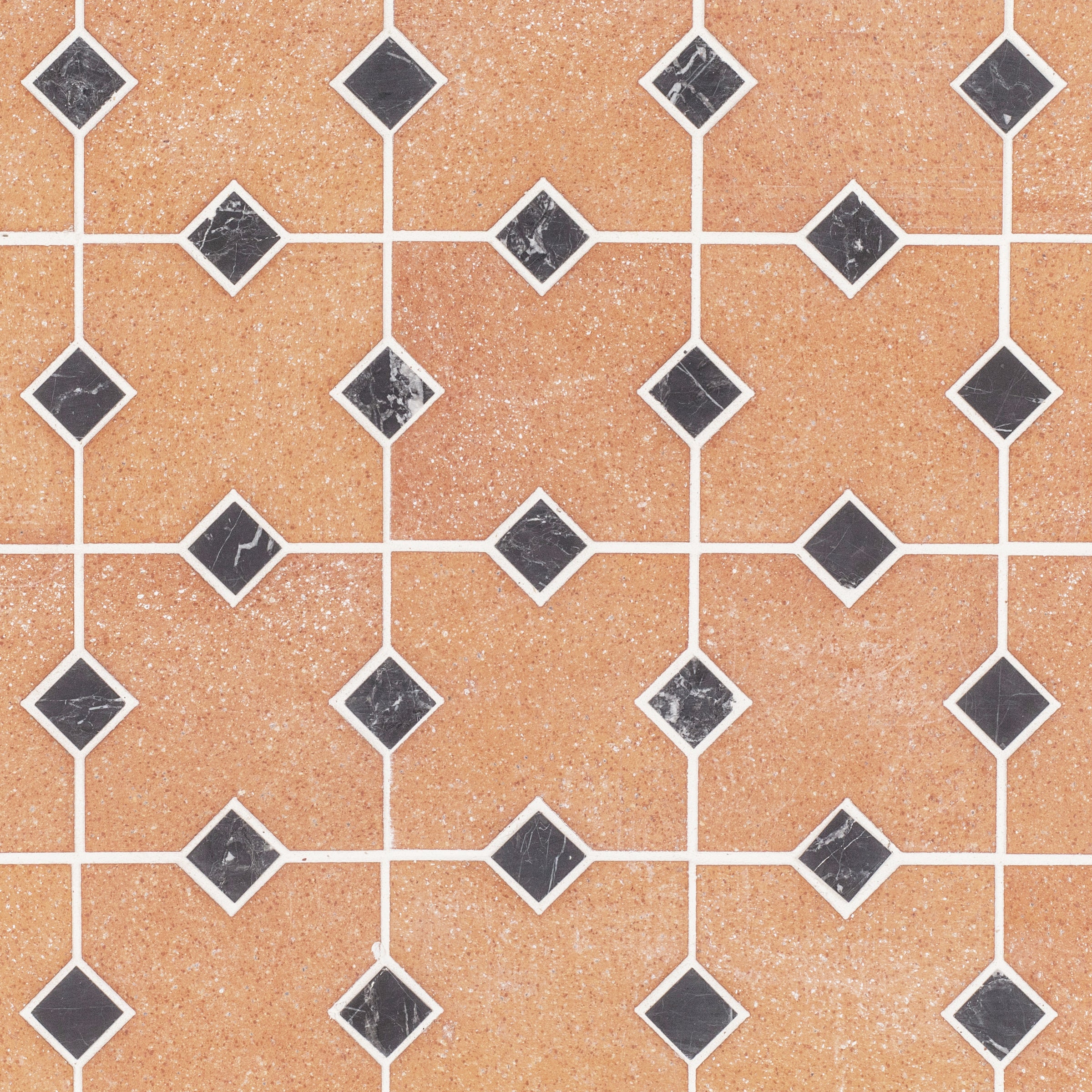
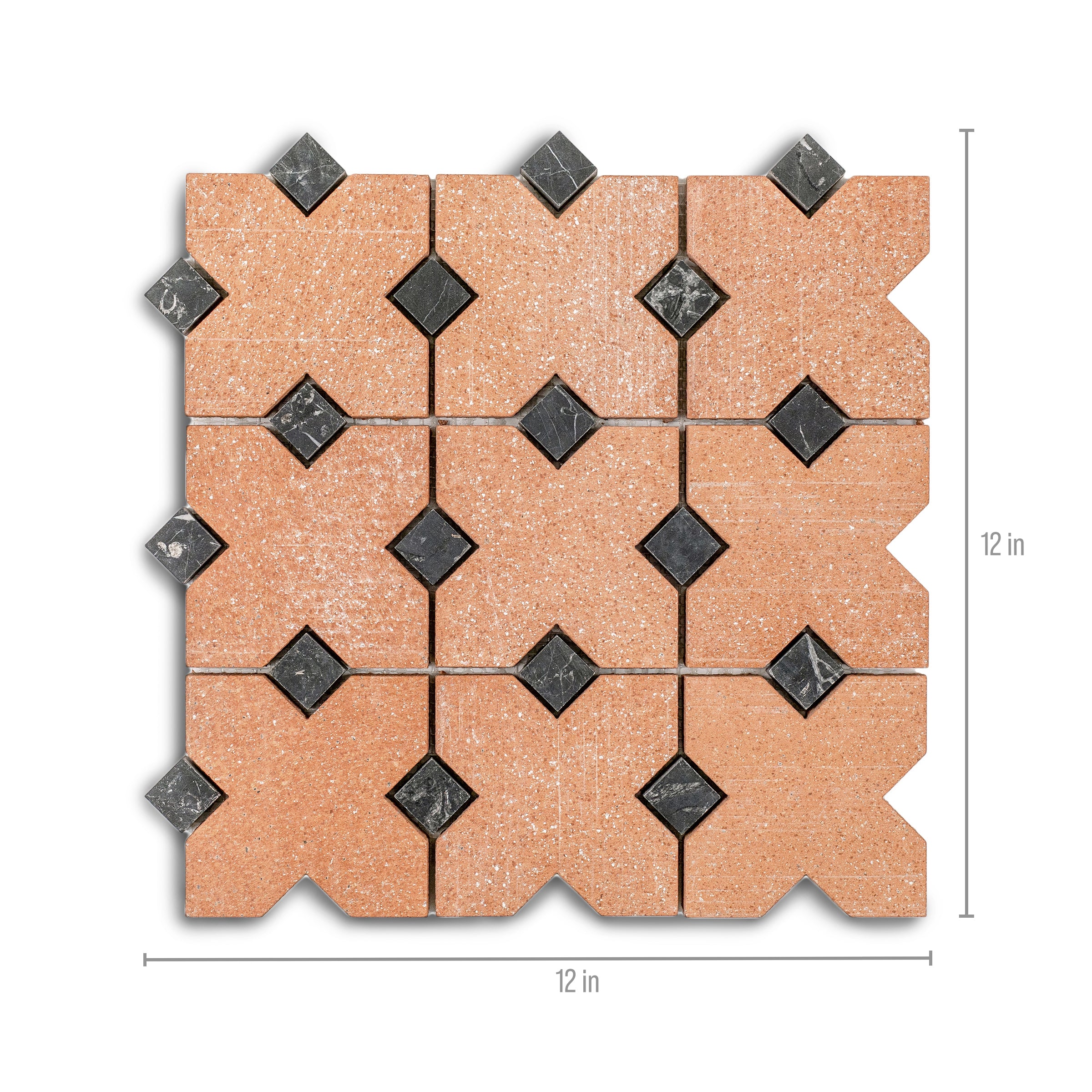
Terracotta Cross Nero Marquina Inset Mosaic
Royal Grey Satin Marble Look Porcelain Tile
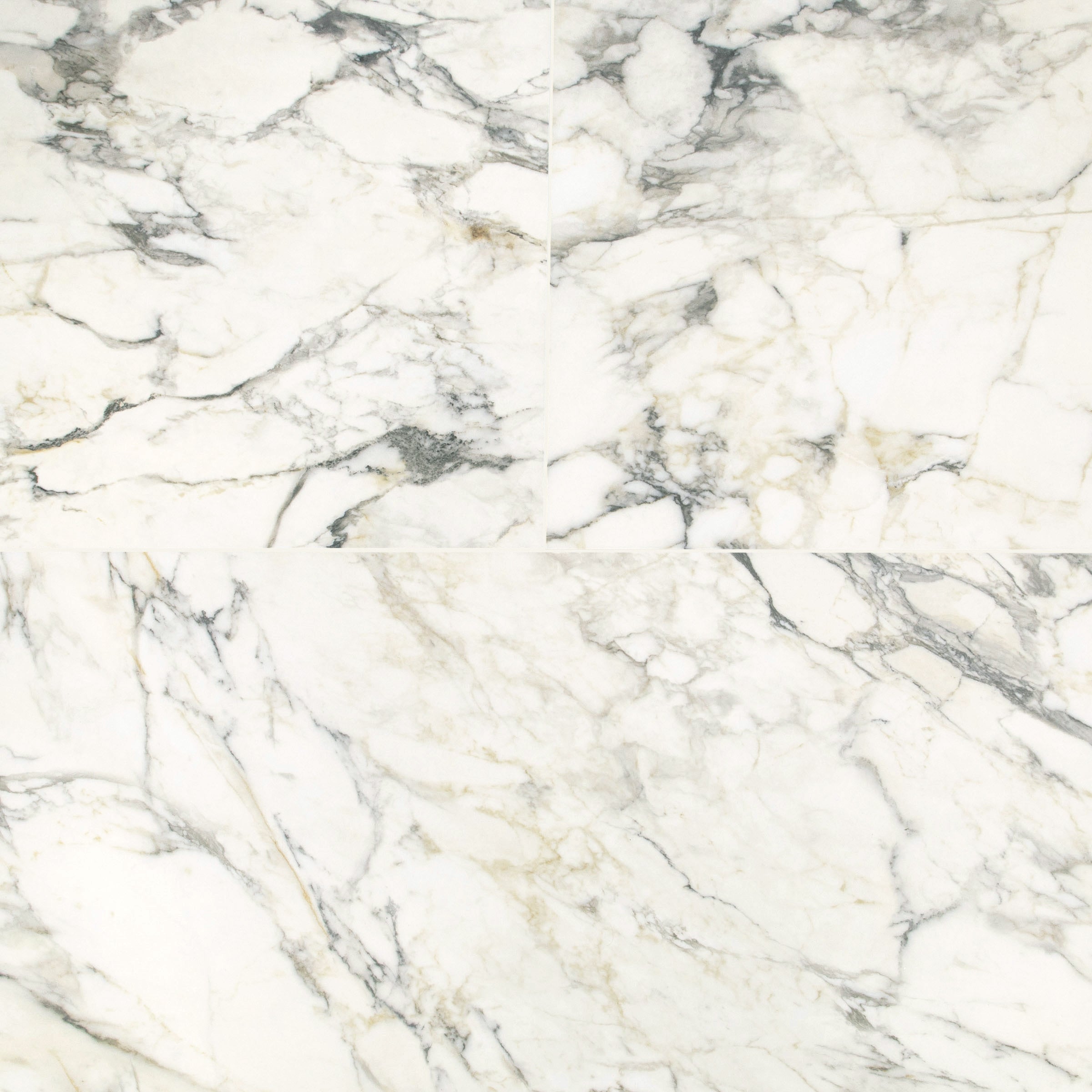
Paonazzo Matte Marble Look Porcelain Tile
Ivory Marble Look Matte Porcelain Tile
Amazzonite Matte Marble Look Porcelain Tile
Montblack Matte Marble Look Porcelain Tile
Spider Gold Matte Marble Look Porcelain Tile
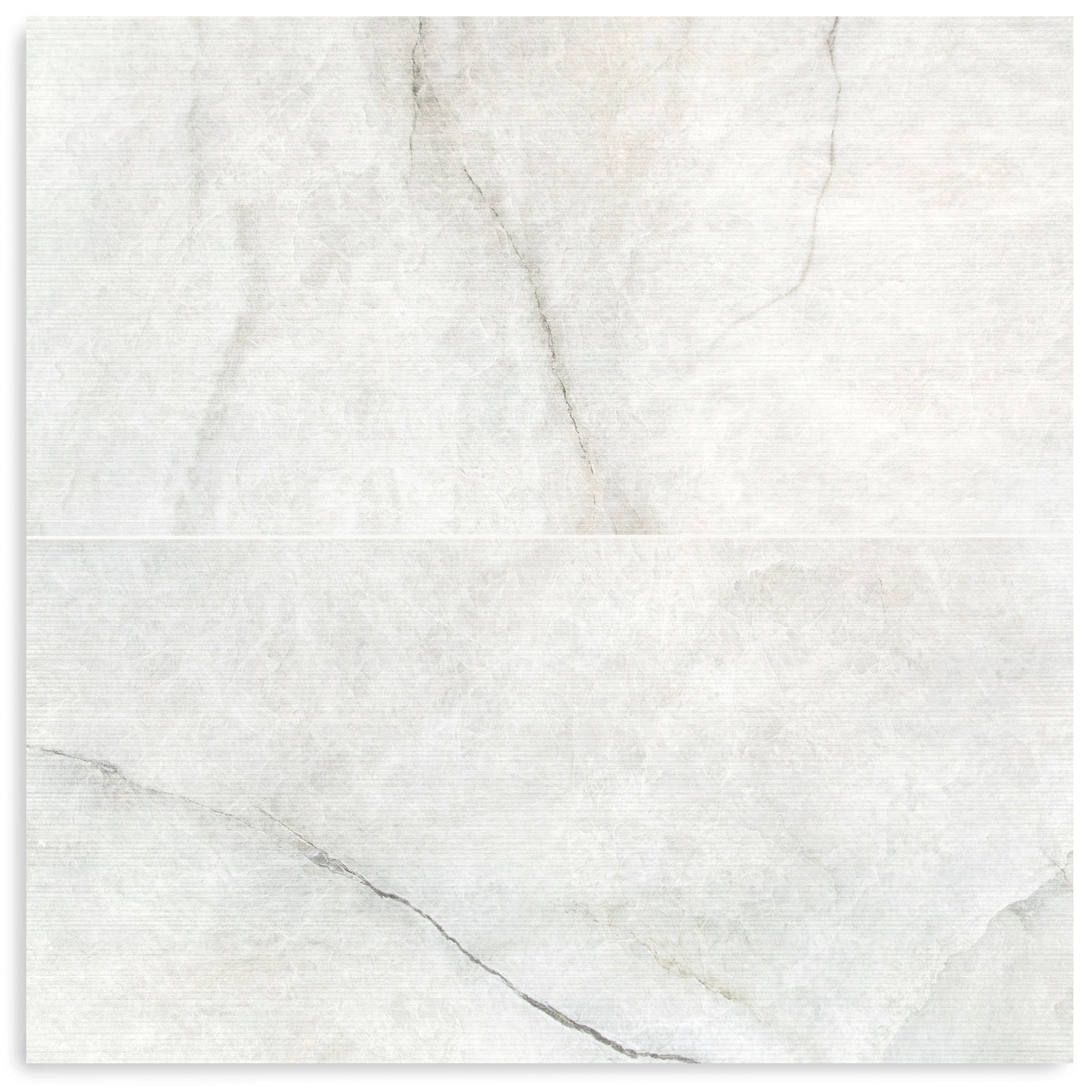
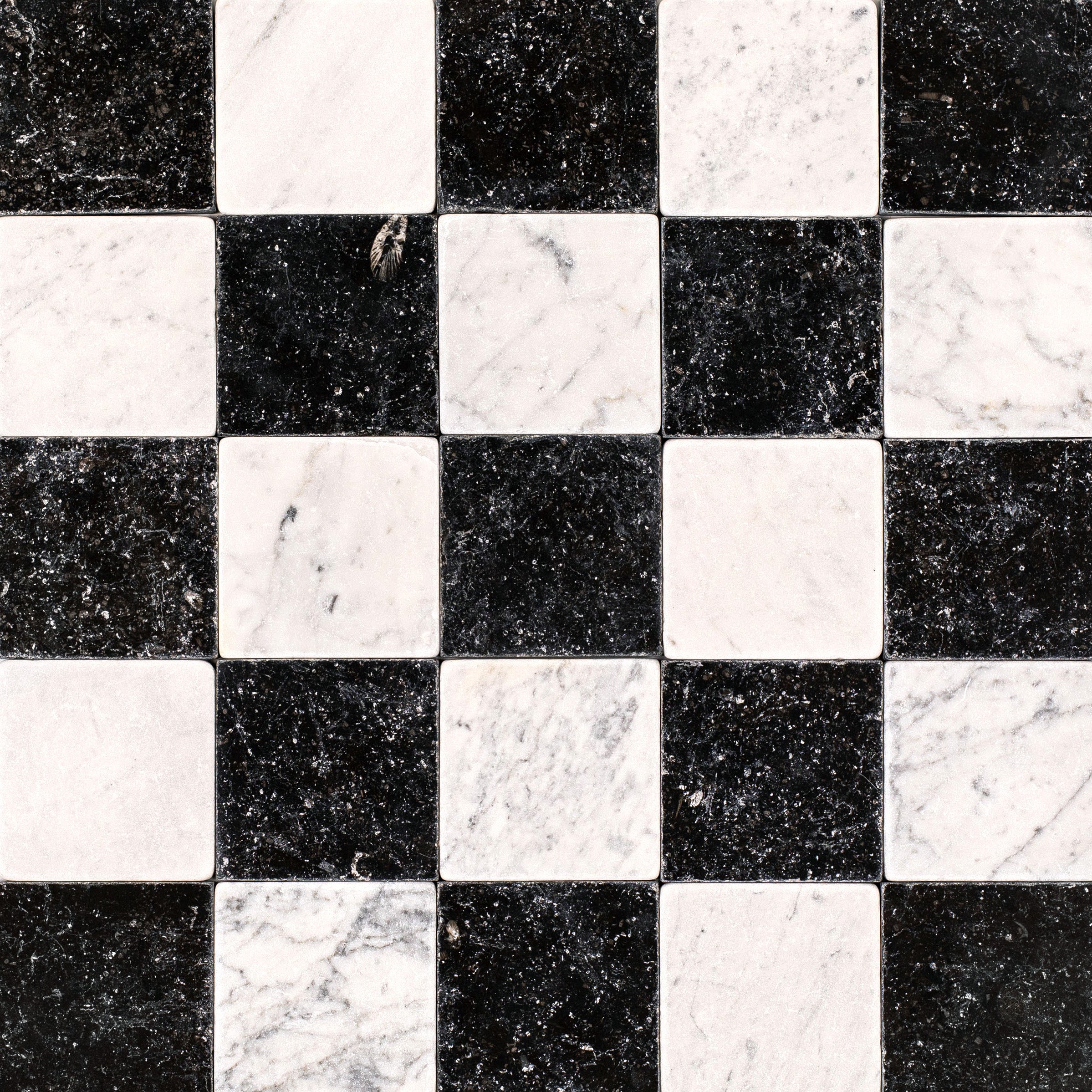
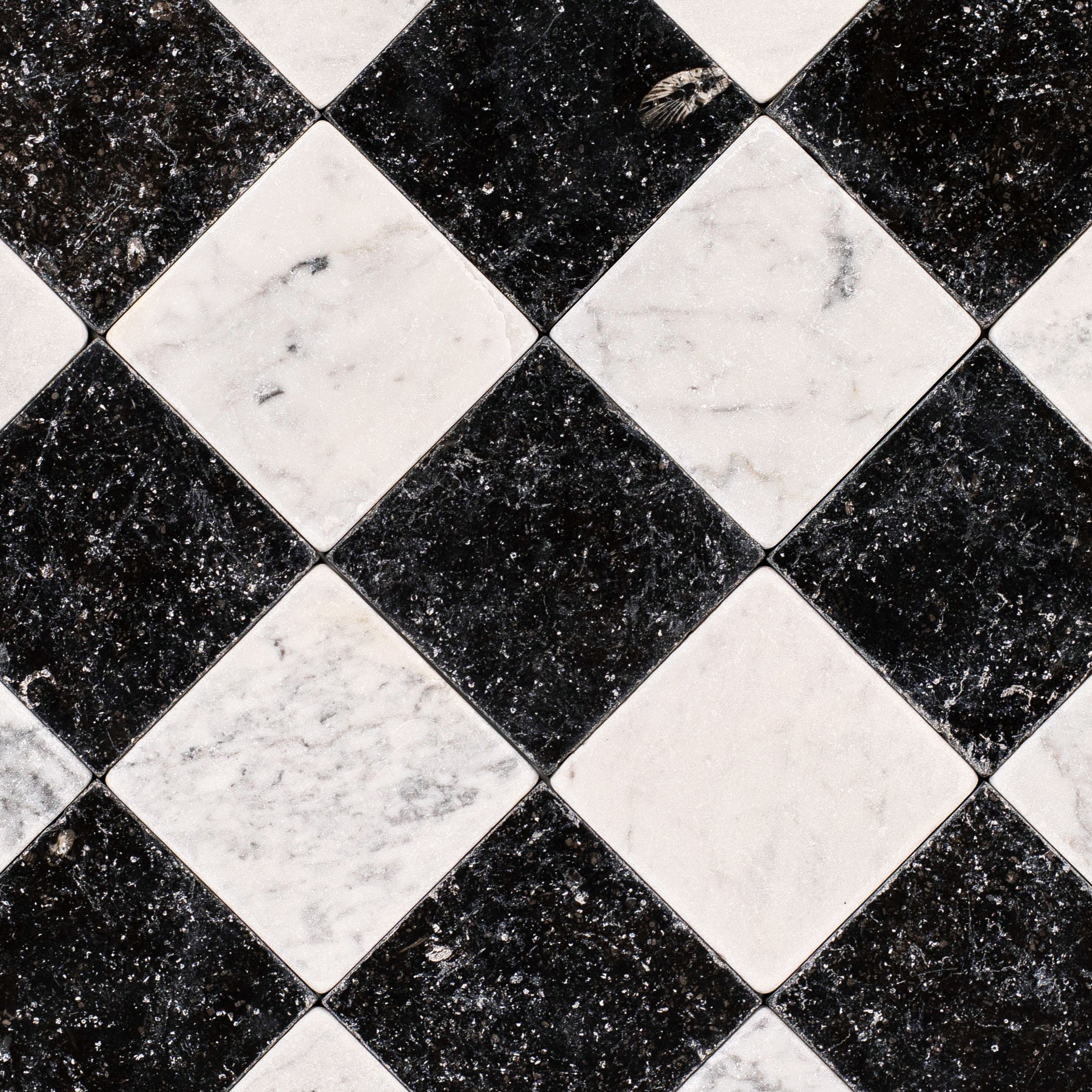
Carrara Belgian Blue Tumbled Stone Checkerboard
Carrara Bardiglio Tumbled Stone Checkerboard
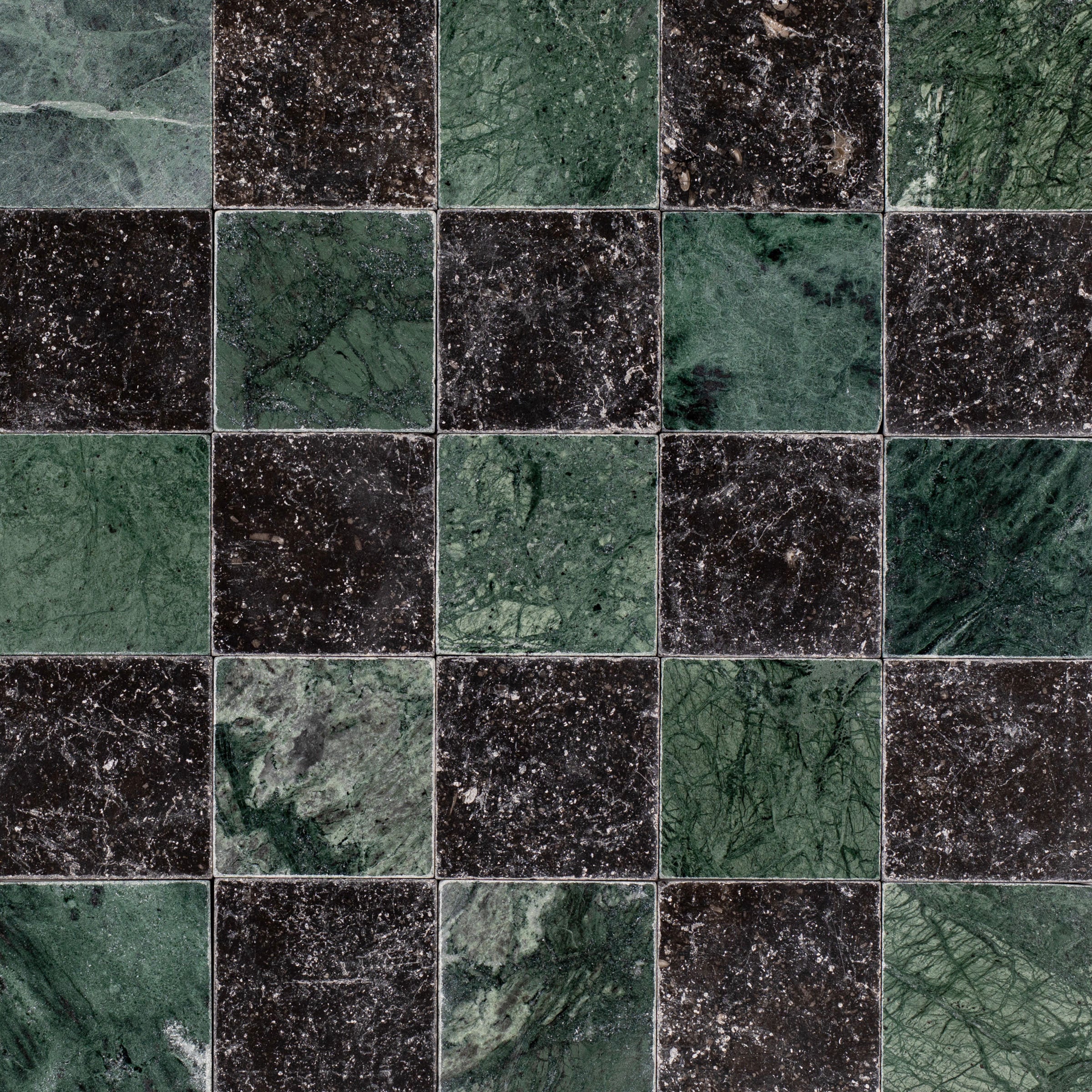
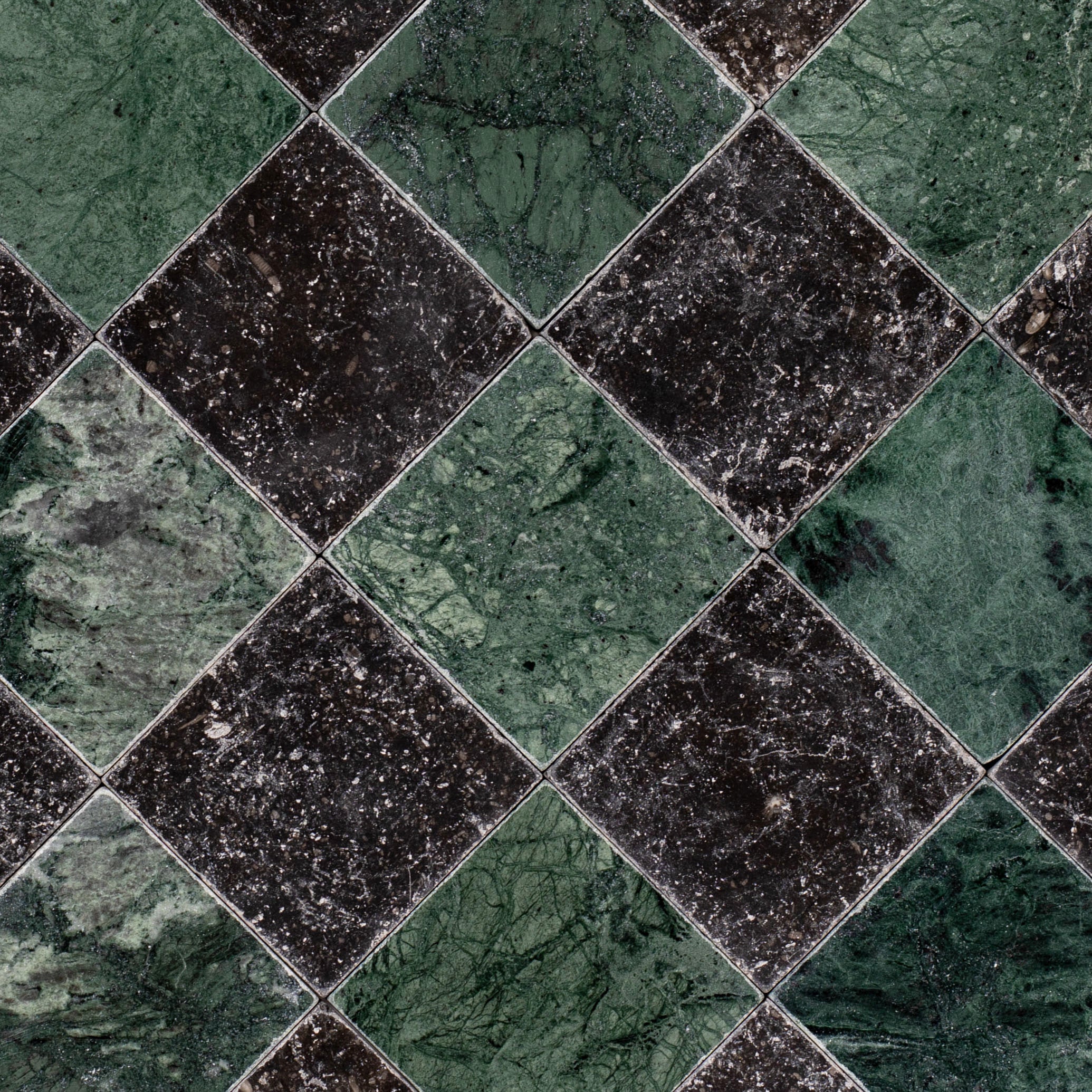


Bardiglio Desert Tea Tumbled Stone Checkerboard


Thassos, Carrara, Bardiglio Gingham Marble Mosaic


Carrara Bardiglio Tumbled Stone Checkerboard
Rosso Verona Tumbled Marble Tile
Amazzonite Matte Marble Look Porcelain Tile
Rosso Verona 1x1 Hand Chipped Marble Mosaic
Spider Gold Matte Marble Look Porcelain Tile
Bianco Carrara Octagon w/ Nero Marquina Dot Mosaic
White Paradise Marble Look Porcelain Tile
Breccia Capraia 3D Mable Look Porcelain Tile
Calacatta Honed Italian Terrazzo Tile
Verde Guatemala Tumbled Marble Tile
Bardiglio Desert Tea Tumbled Stone Checker Stripe
Fior de Bosco Marble Look Porcelain Tile
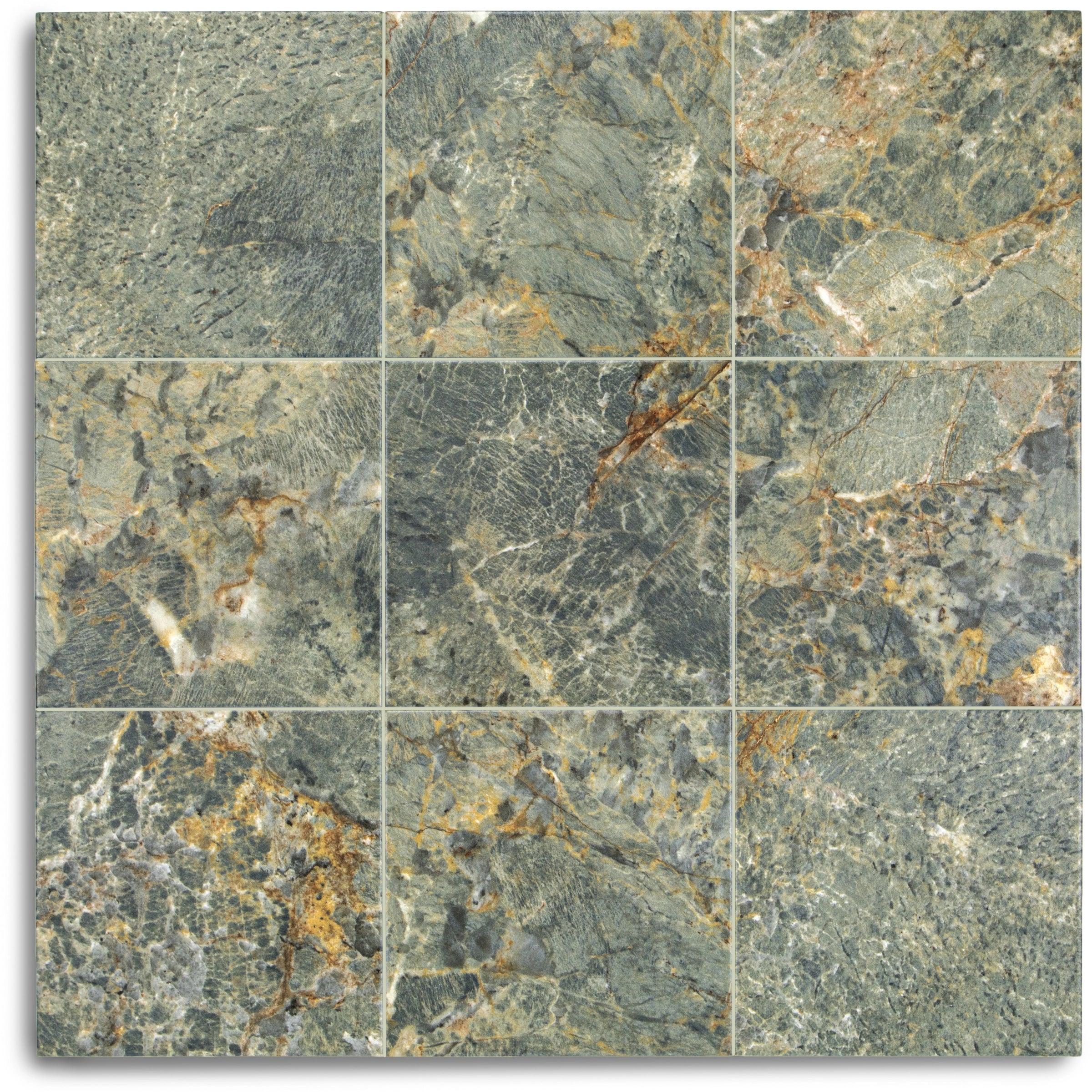
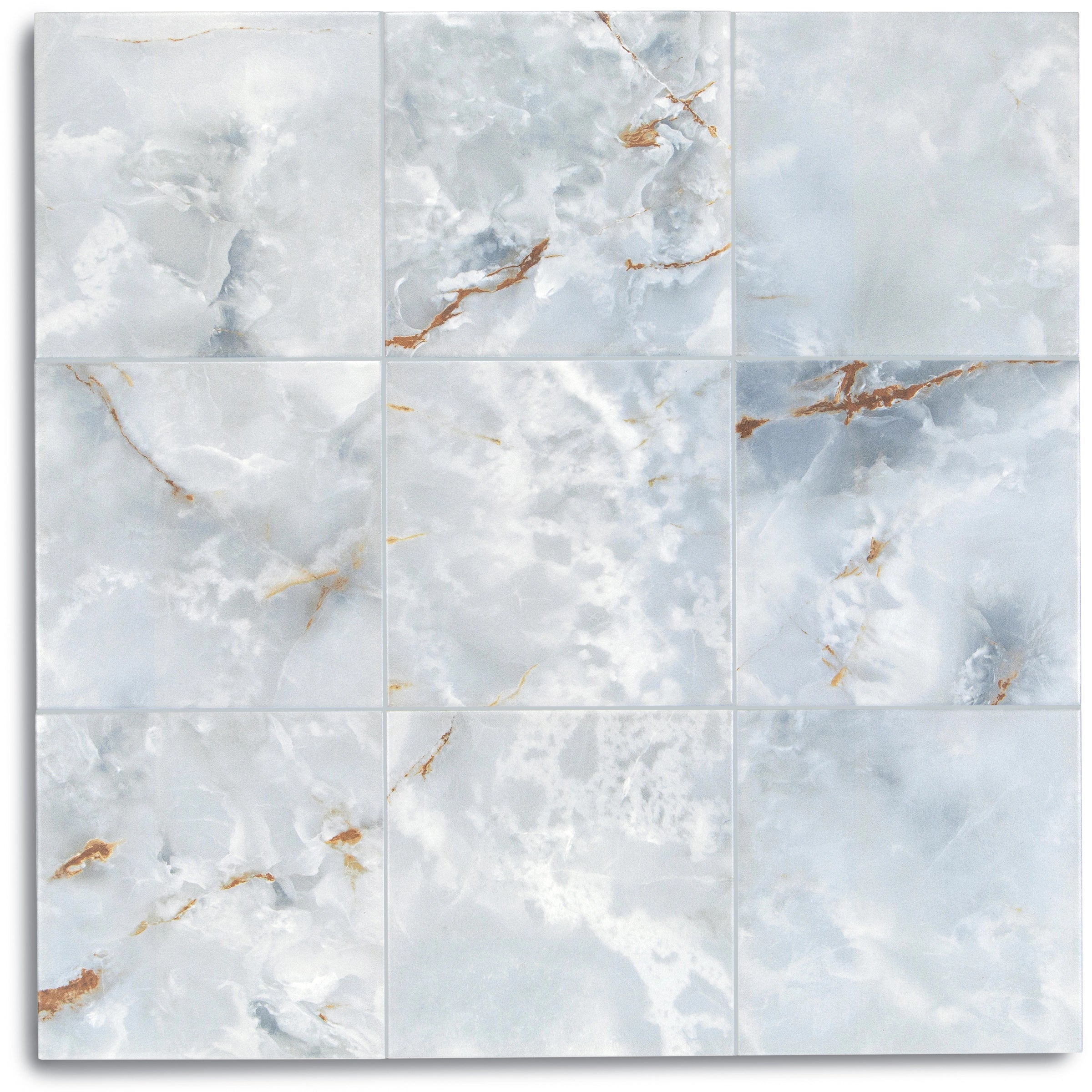


Desert Tea Tumbled Marble Tile
Carrara Running Bond Marble Mosaic
Bardiglio Desert Tea Tumbled Stone Checkerboard
Van Gogh 1 3D Marble Look Porcelain Tile
Taj Matte Marble Look Porcelain Tile
Calacatta Running Bond Marble Mosaic


Carrara Verde Guatemala Tumbled Stone Checkerboard
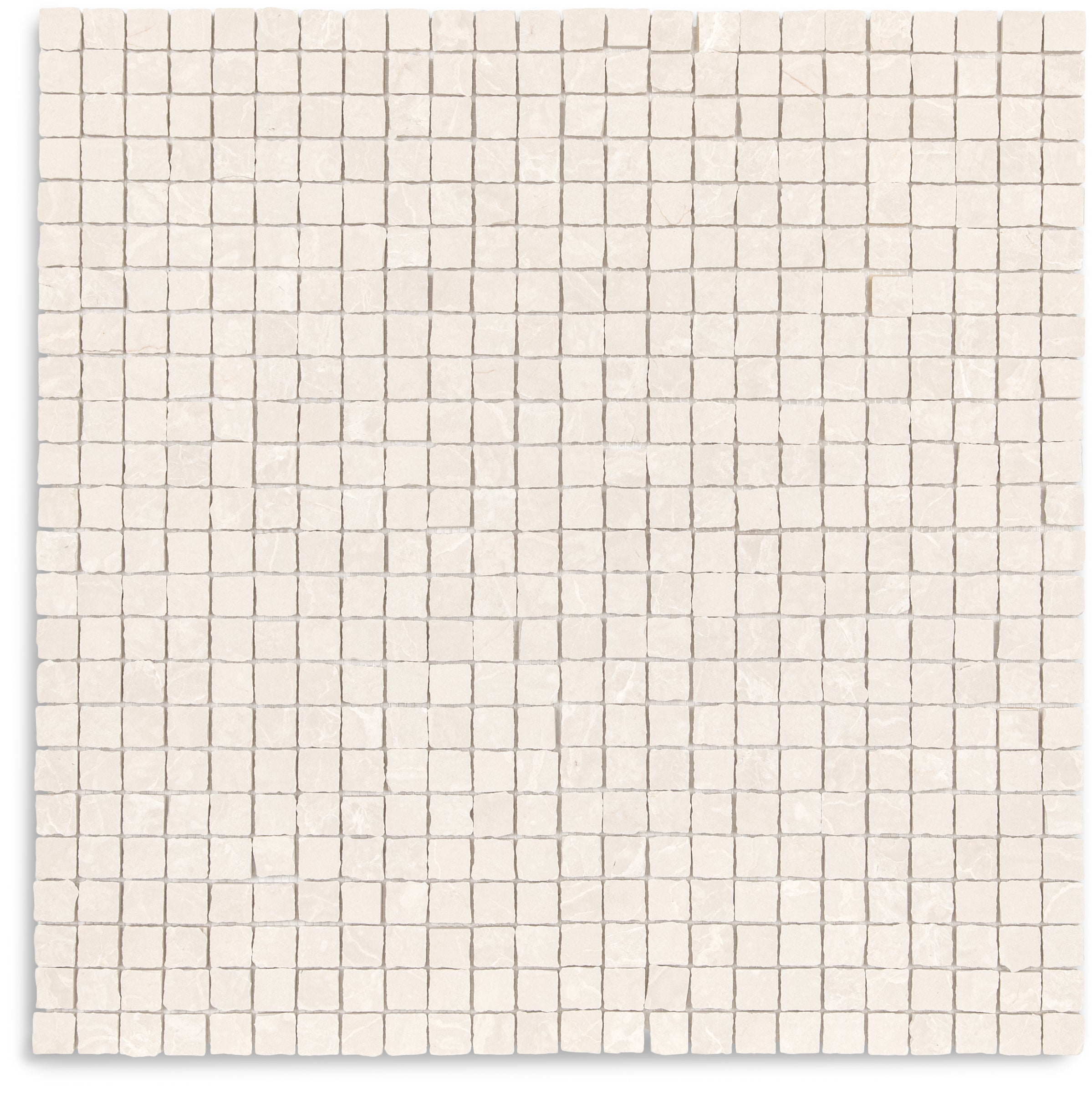
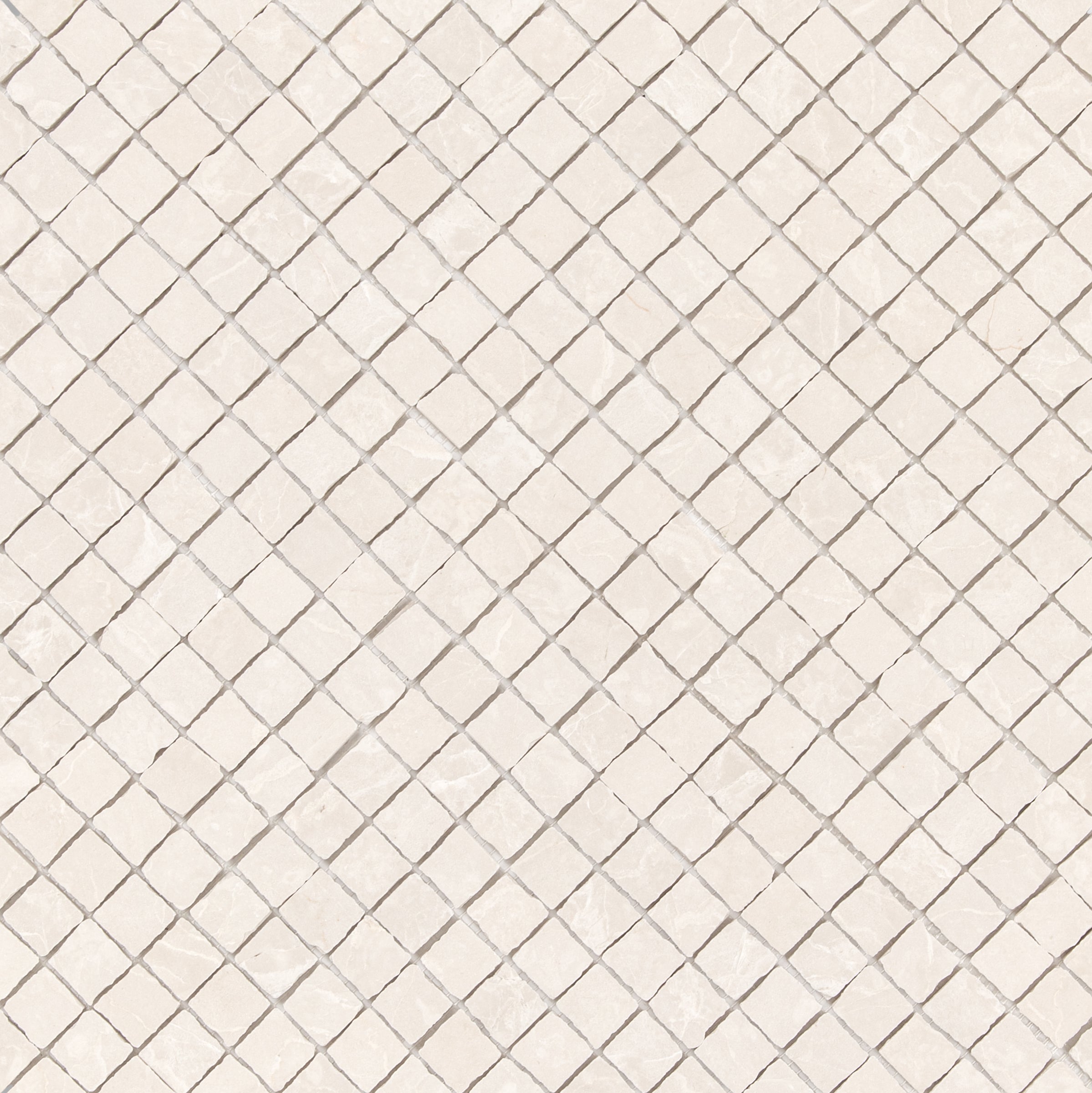
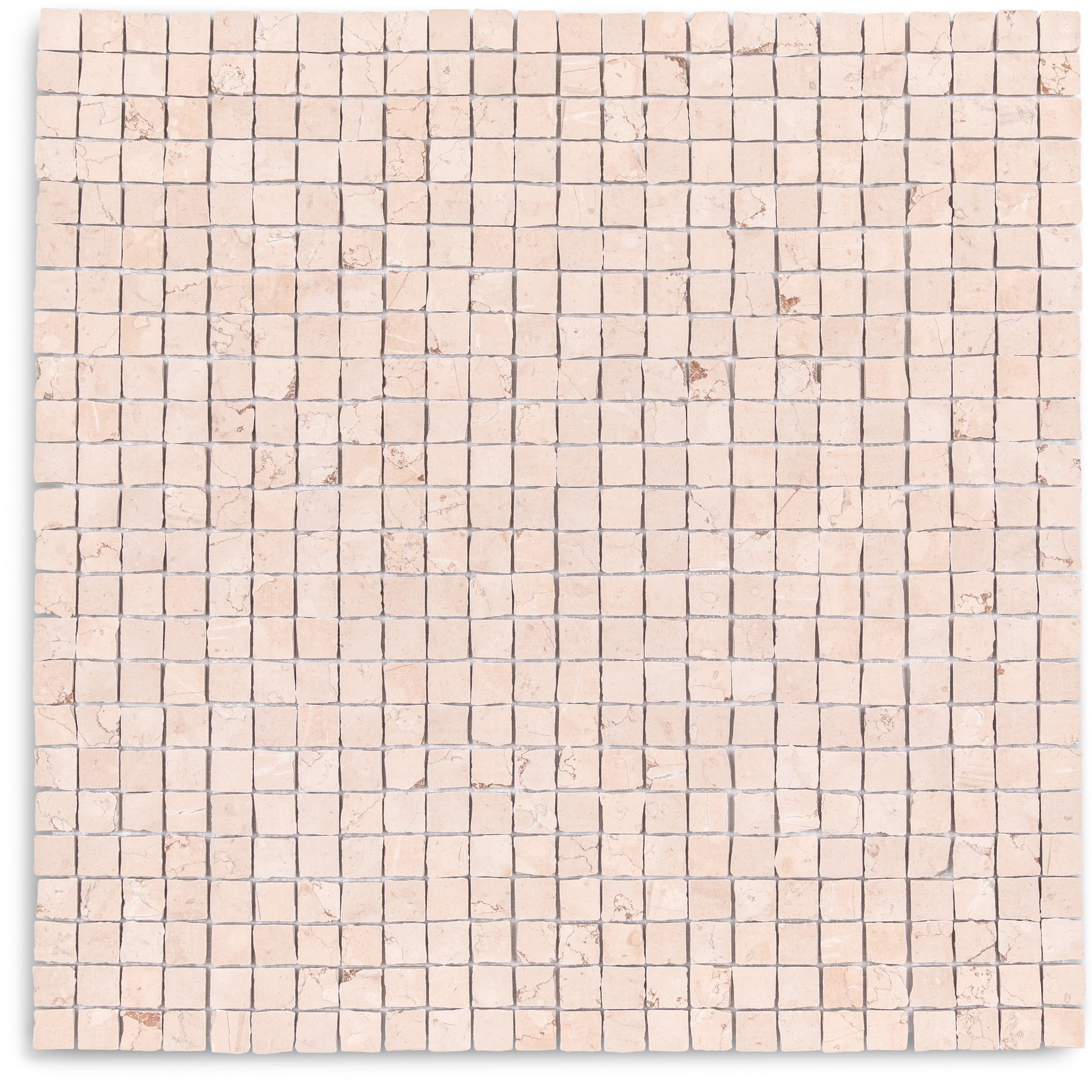
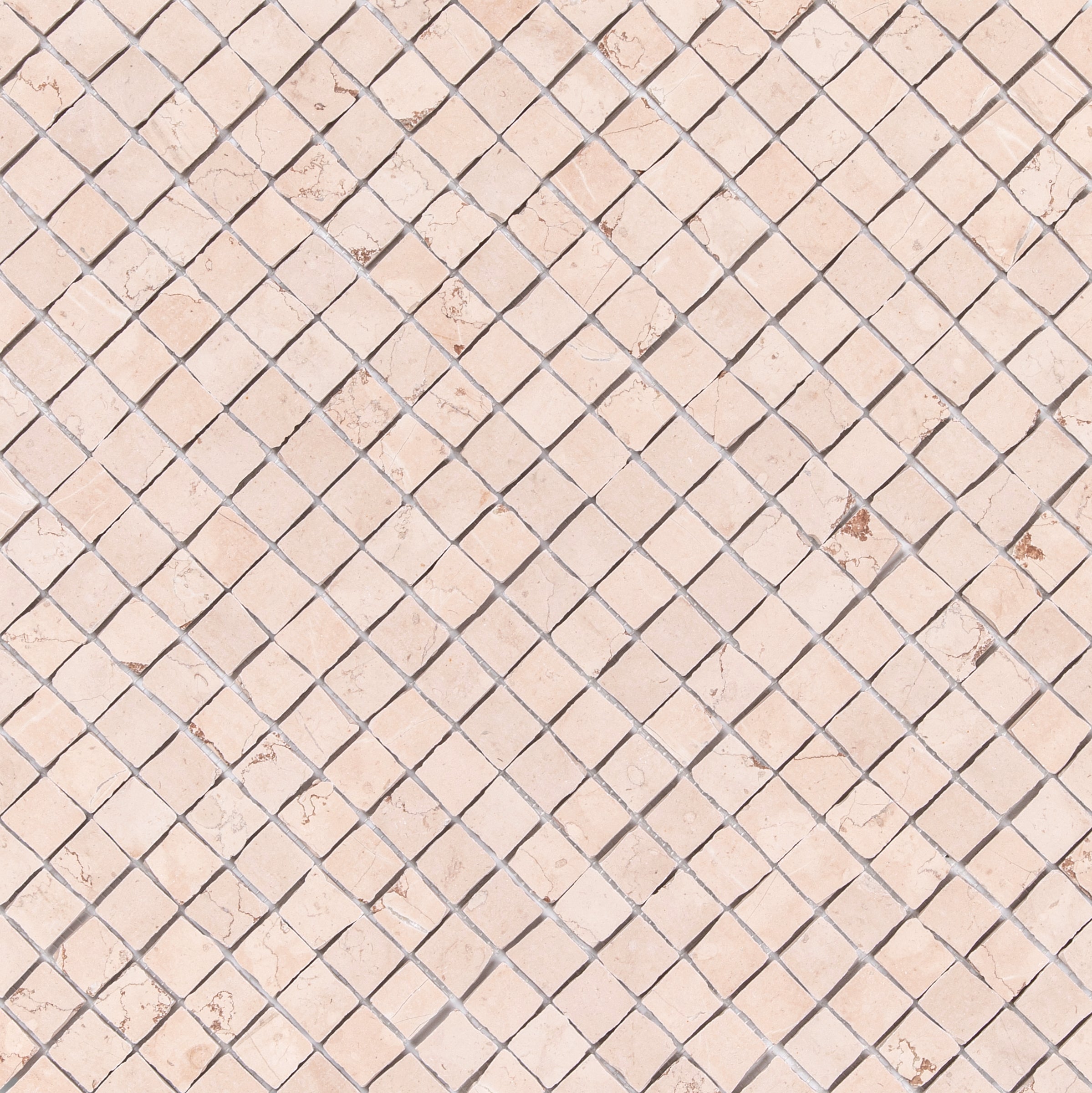
Rosa Perlino 1x1 Chipped Mosaic
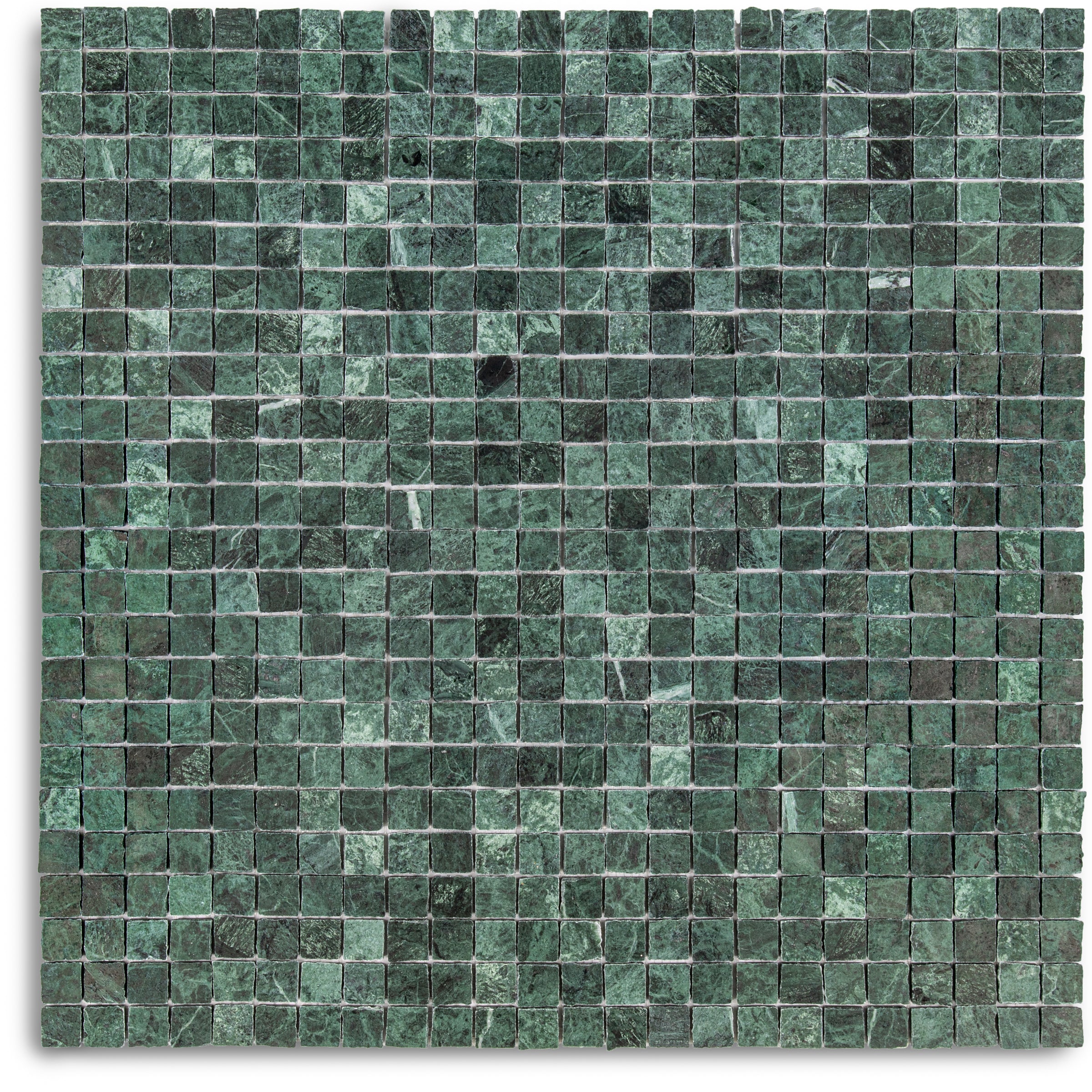
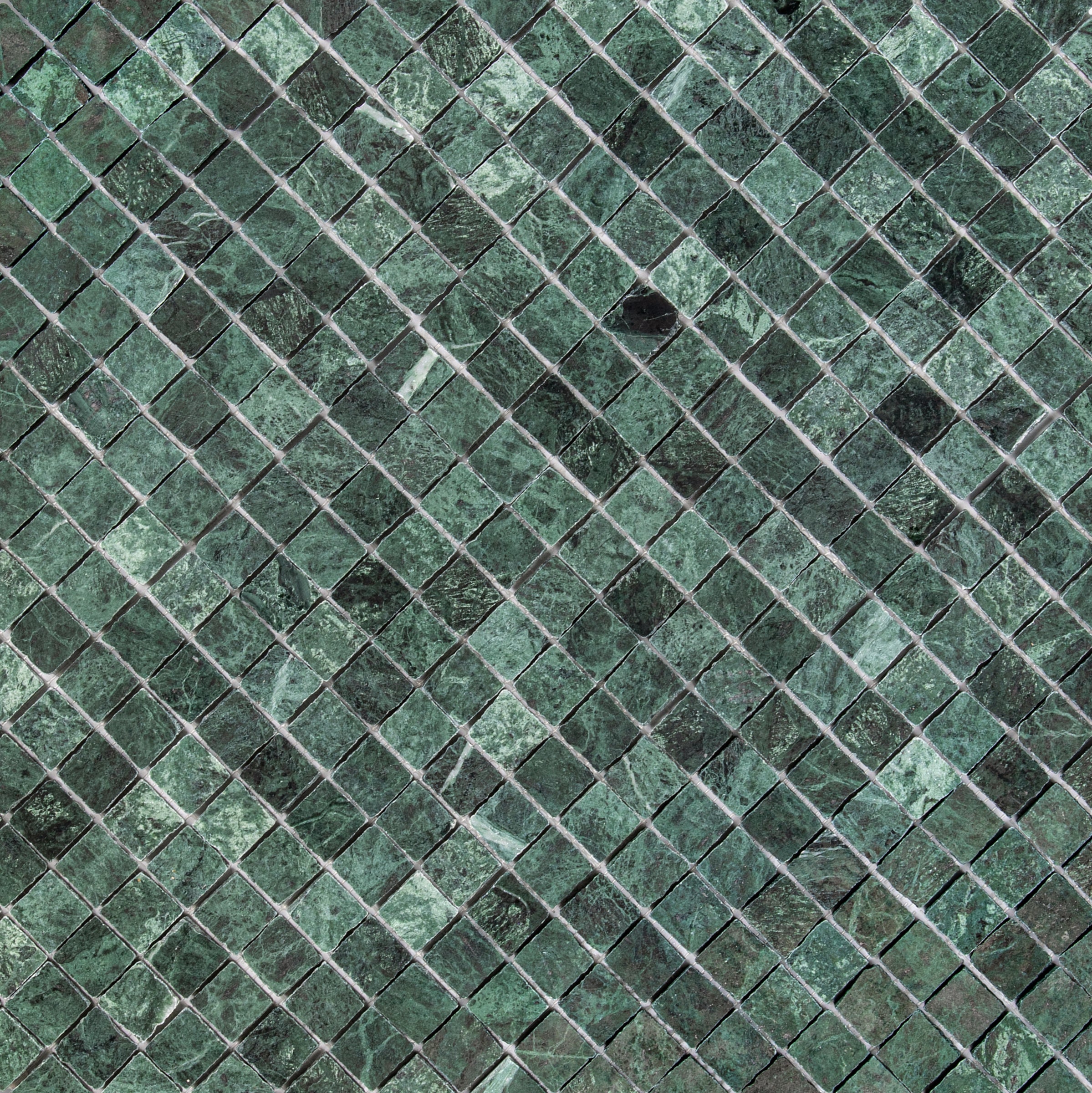
Verde Guatemala 1x1 Chipped Mosaic
Desert Tea Tumbled Marble Tile
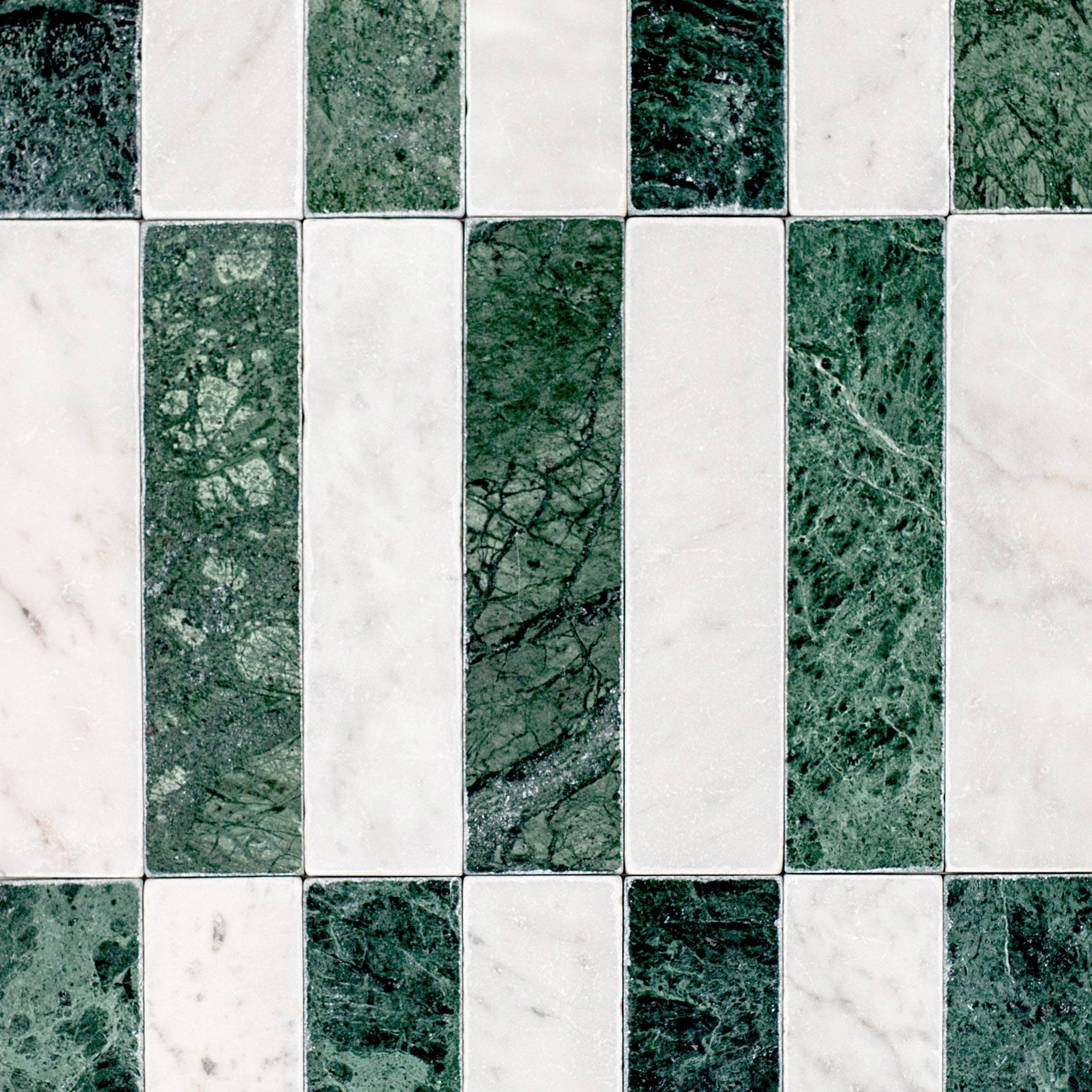
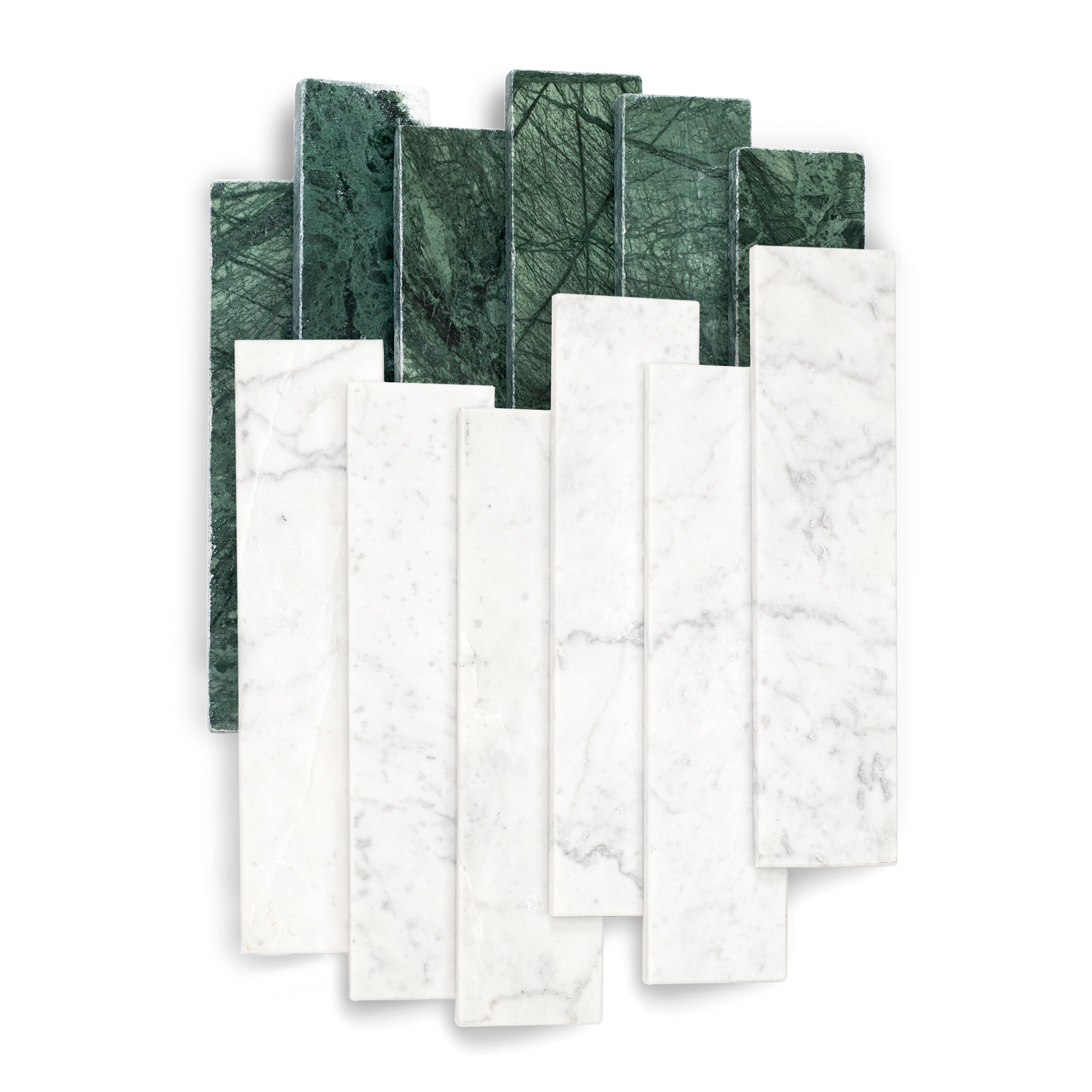
Carrara Verde Guatemala Tumbled Stone Checker Stripe
Belgian Blue Tumbled Marble Tile
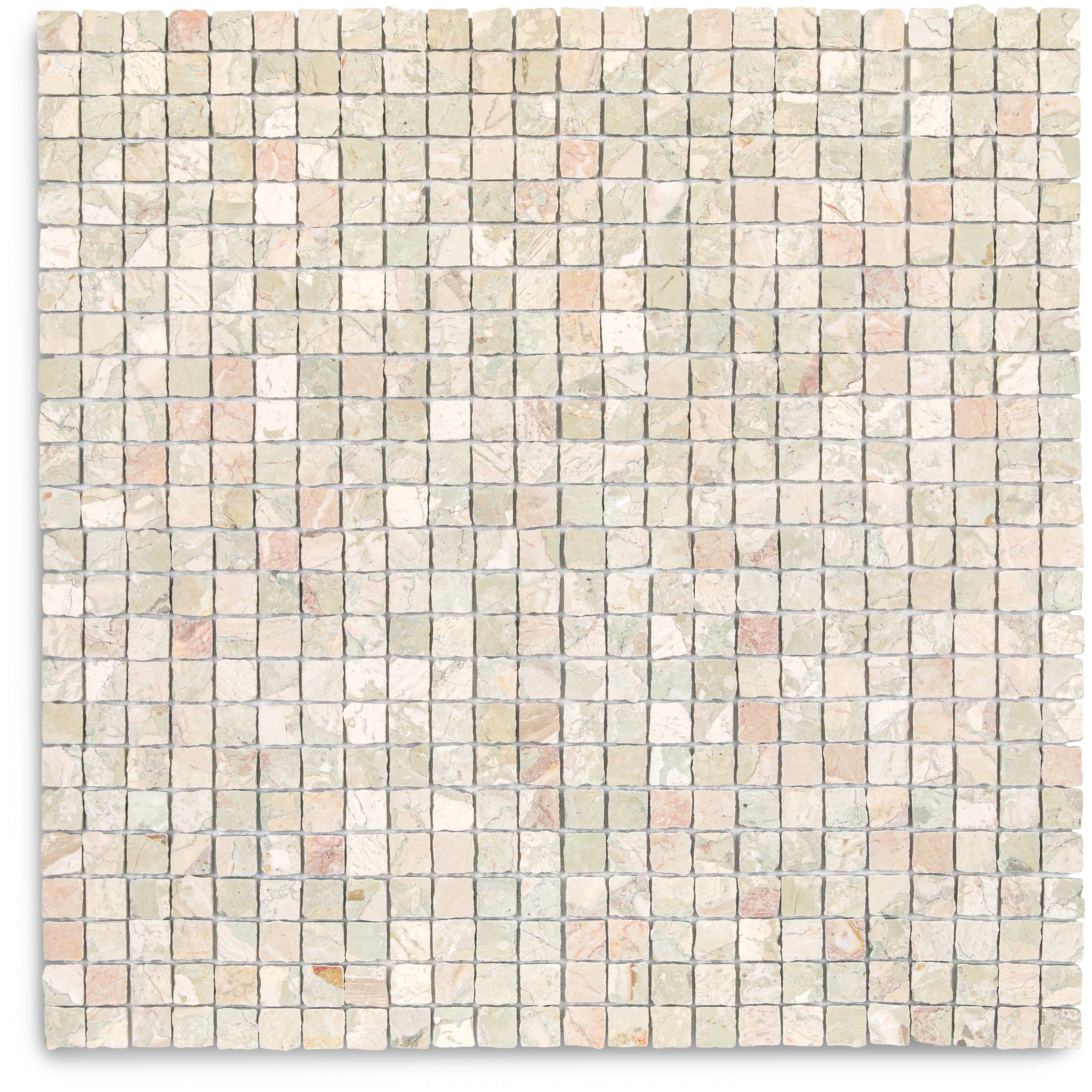
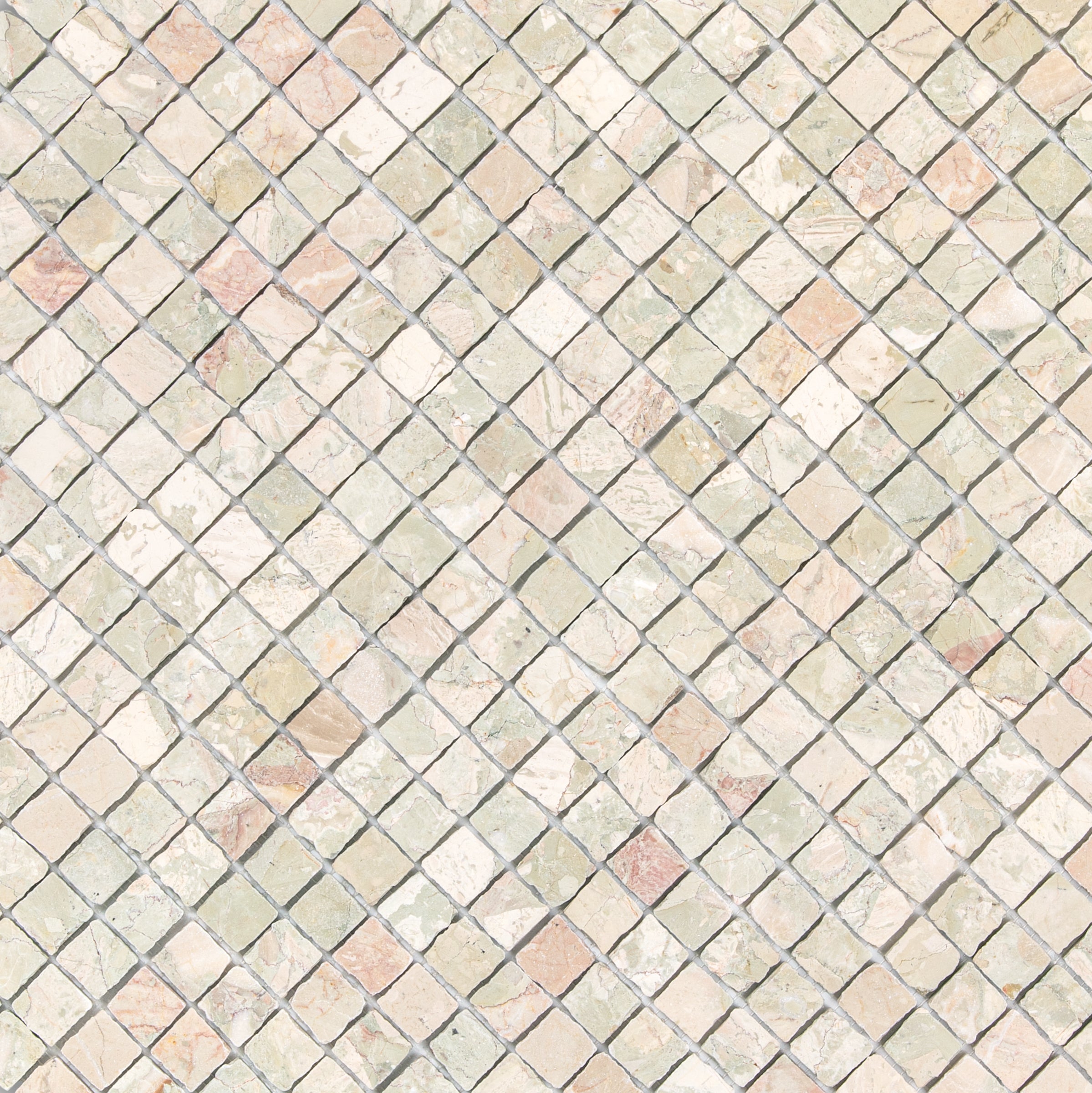
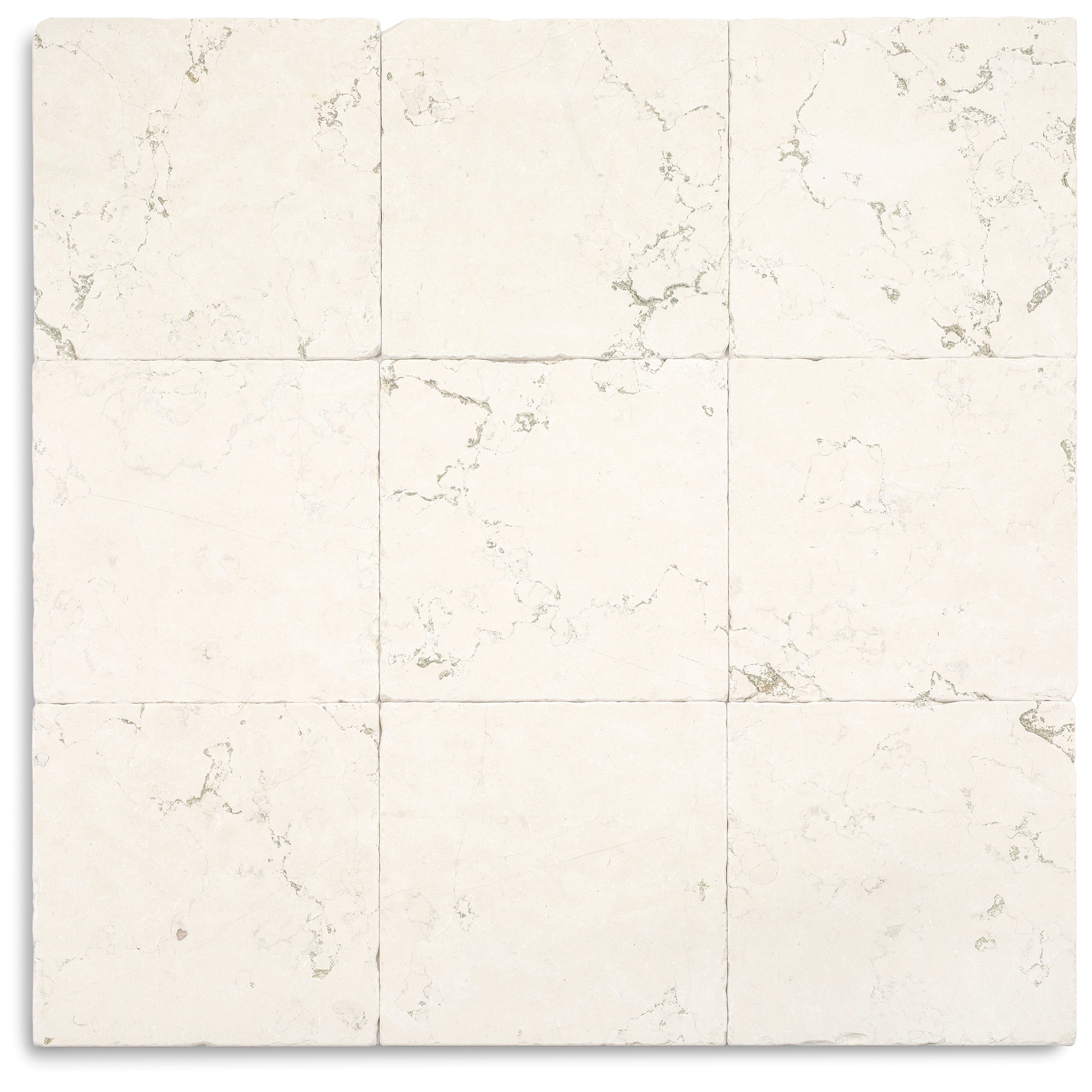
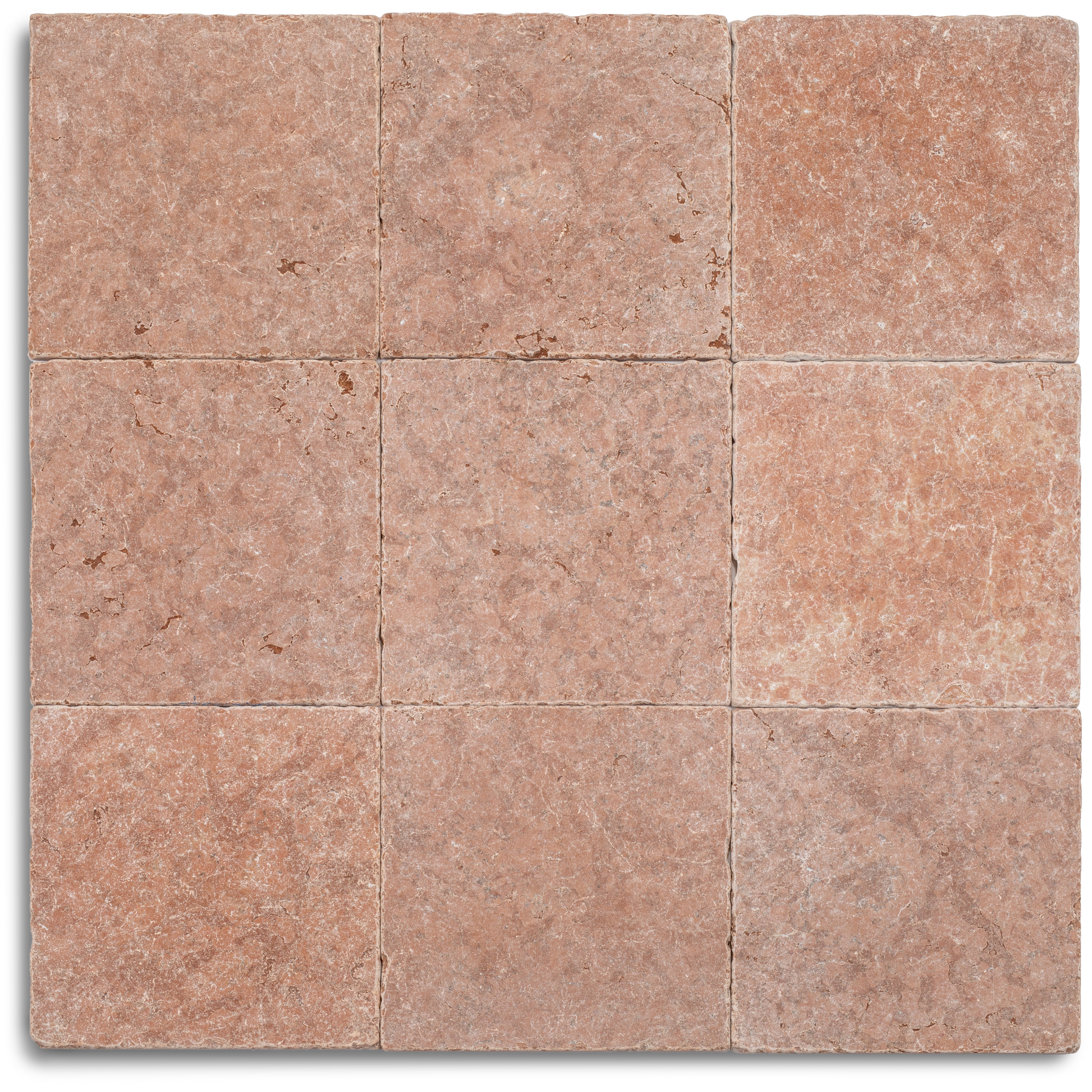
Montblack Matte Marble Look Porcelain Tile
Ivory Marble Look Matte Porcelain Tile
Torcello Honed Italian Terrazzo Tile
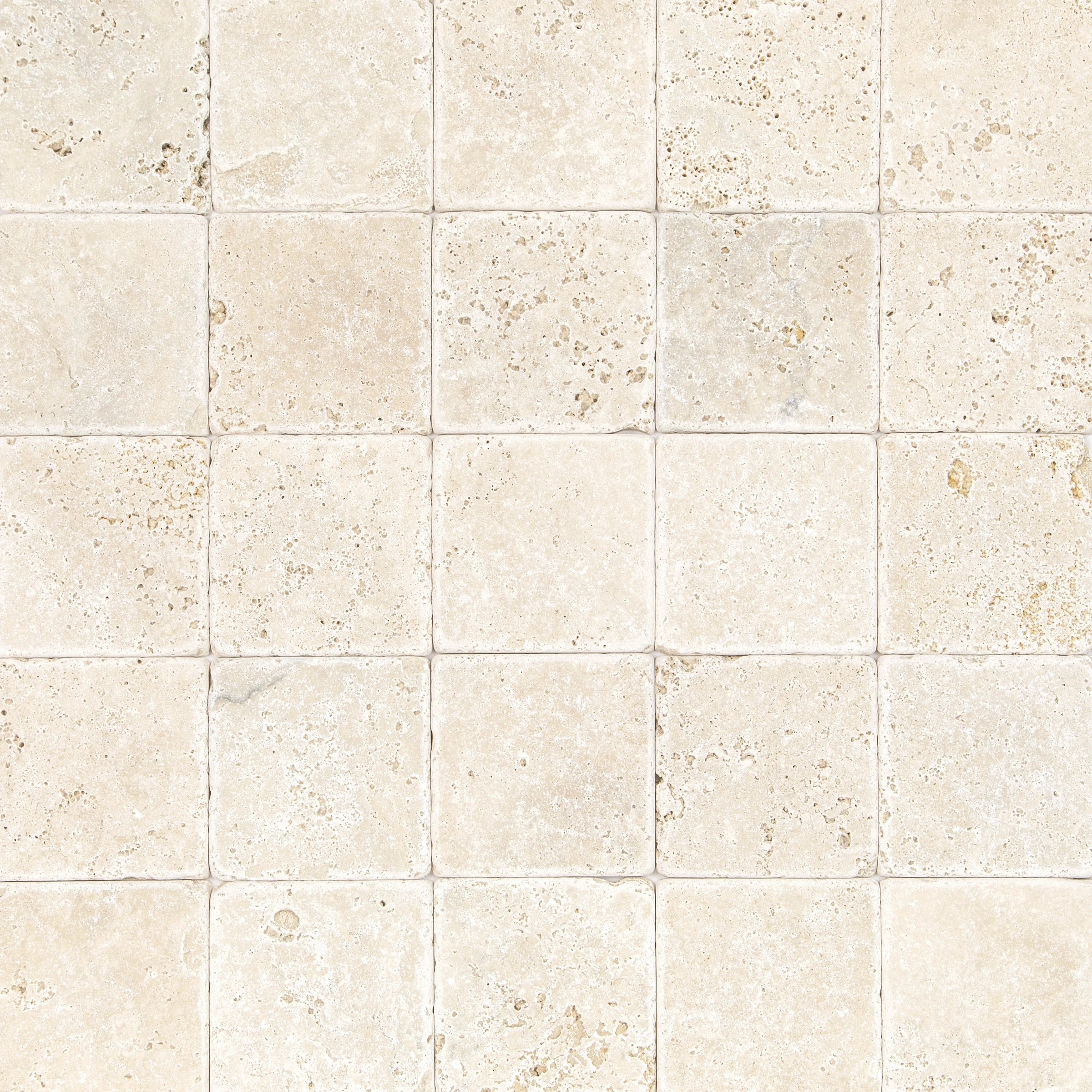
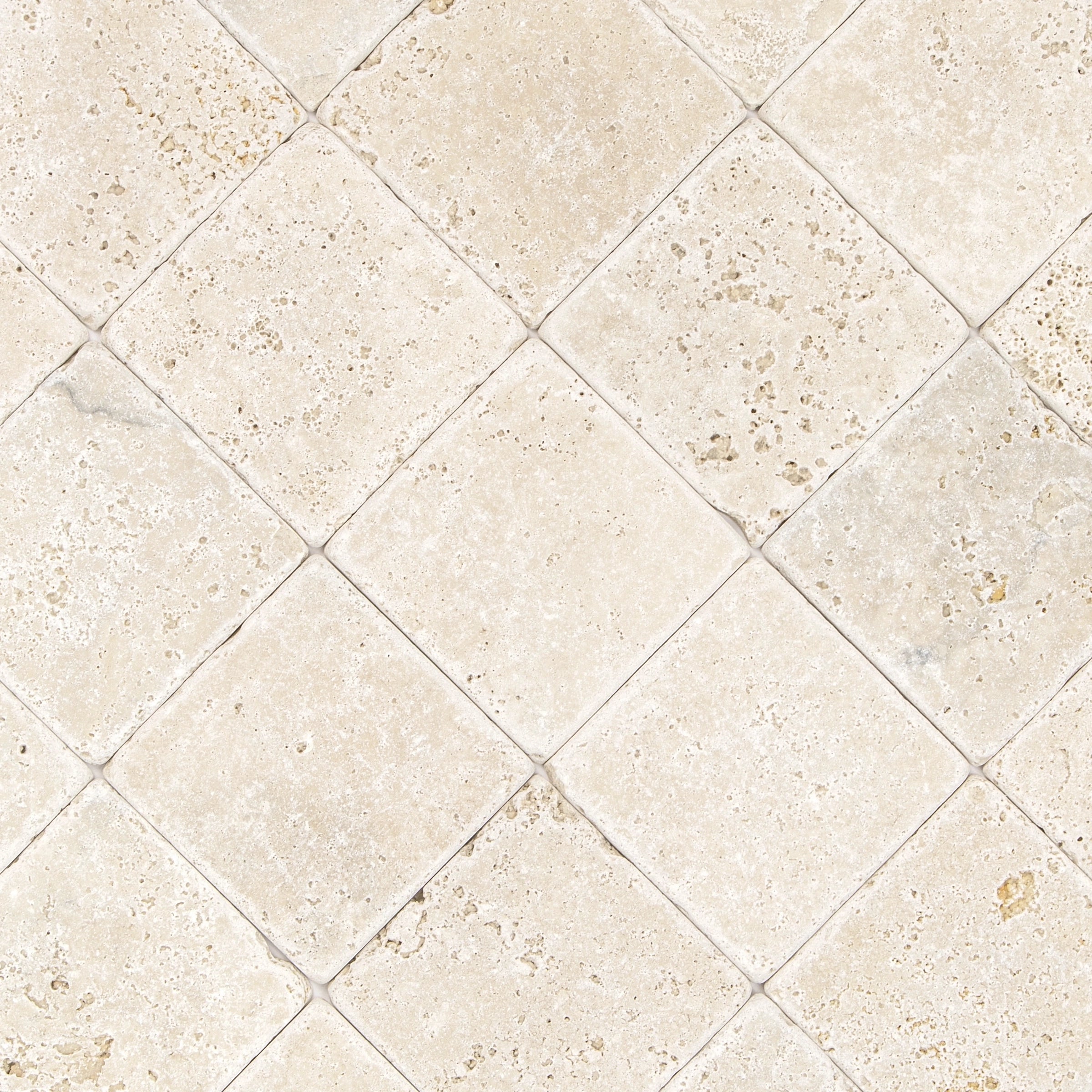
Travertino Chiaro Tumbled Stone Tile
Verde Guatemala Tumbled Marble Tile
Carrara 1x1 Hand Chipped Marble Mosaic
White & Ecru Octagon Zellige Mosaic
Thassos, Carrara, Bardiglio Gingham Marble Mosaic
Cotto Deco Terracotta Look Matte Porcelain Tile
White & Ecru 2x2 Zellige Checkerboard Mosaic
Unglazed & White Octagon Zellige Mosaic
Murano Honed Italian Terrazzo Tile
Carrara Bardiglio Tumbled Stone Checkerboard
Chiaro Deco Terracotta Look Matte Porcelain Tile
White & Black Octagon Zellige Mosaic
Cream Limestone Look 3D Matte Porcelain Tile
Beige Limestone Look 3D Matte Porcelain Tile
Apple 12x24 3D Glossy Porcelain Tile
Rosso Verona Tumbled Marble Tile
Travertino Moka Stone Look Porcelain Tile
Travertino 3D Matte Porcelain Tile
Rosso Verona 1x1 Hand Chipped Marble Mosaic
Amazzonite Matte Marble Look Porcelain Tile
Cream 12x24 3D Gloss Porcelain Tile
Natura Terracotta Look Matte Porcelain Tile
White Multi-Color Matte Porcelain Tile
Navy 12x24 3D Gloss Porcelain Tile
Cream 2x2 Forma Porcelain Mosaic
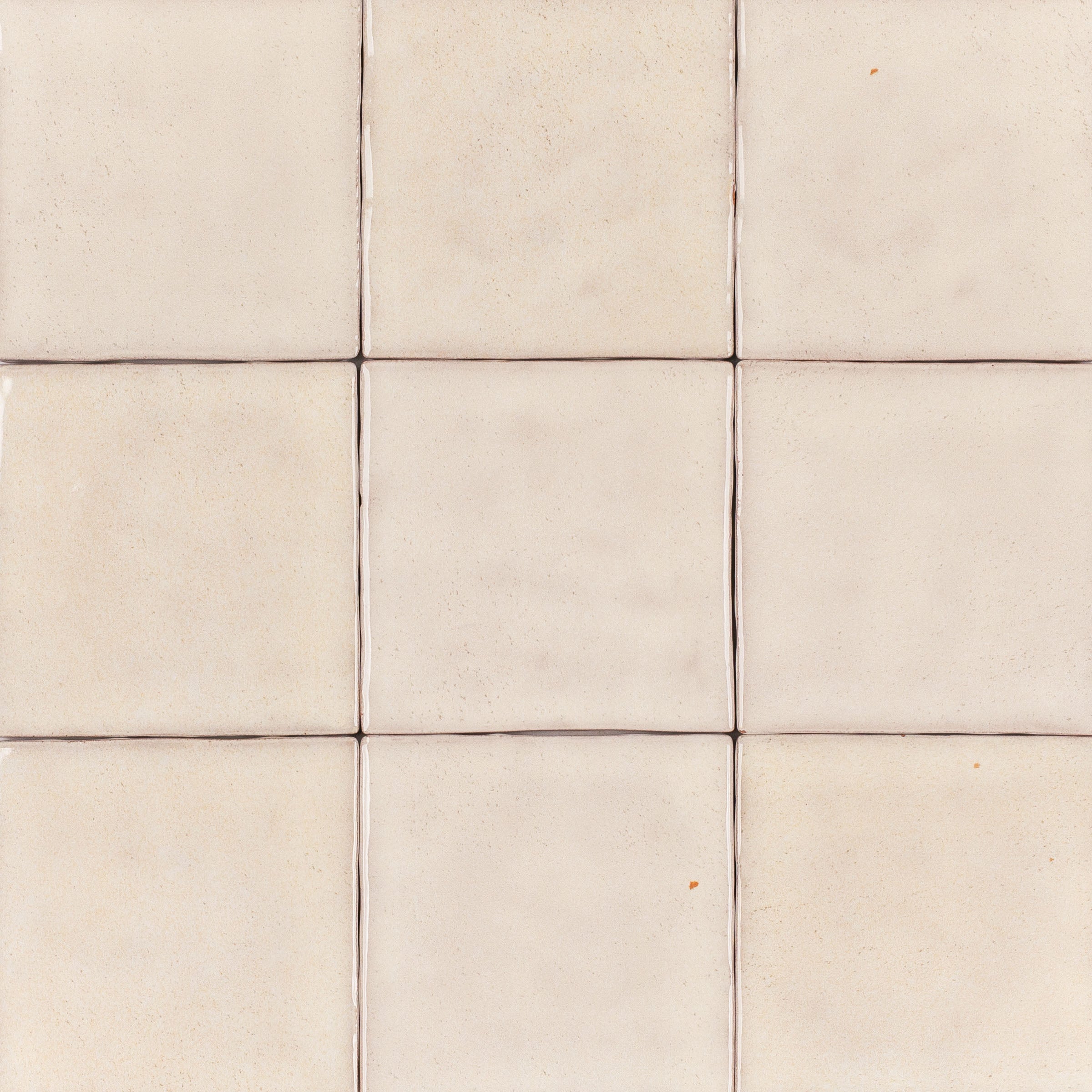

Bianco Carrara Octagon w/ Nero Marquina Dot Mosaic
Spider Gold Matte Marble Look Porcelain Tile
Almond Cement Look Matte Porcelain Tile