

NOTIFY ME WHEN AVAILABLE
We'll notify you as soon as this product or sample is back in stock / available.
Pair It With
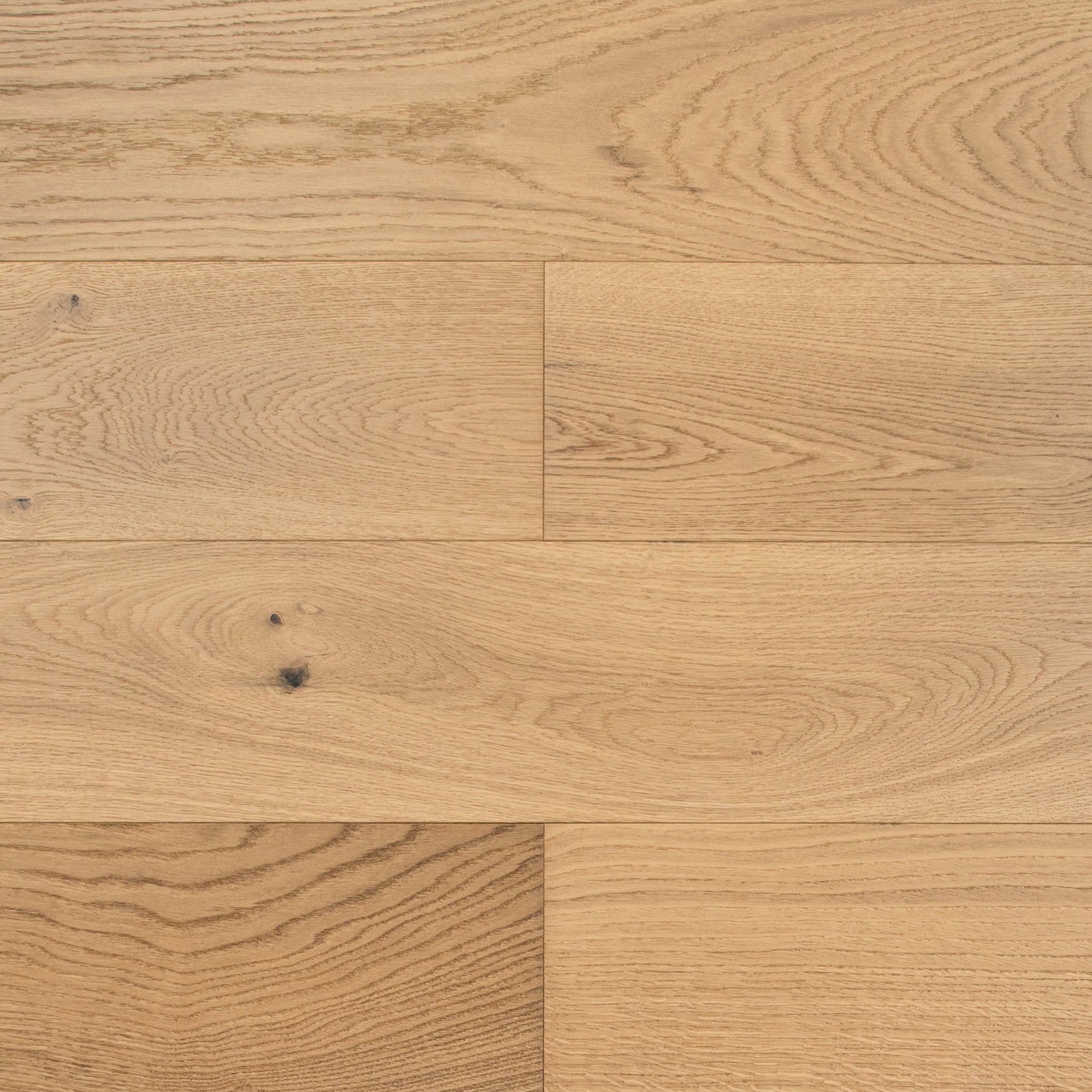
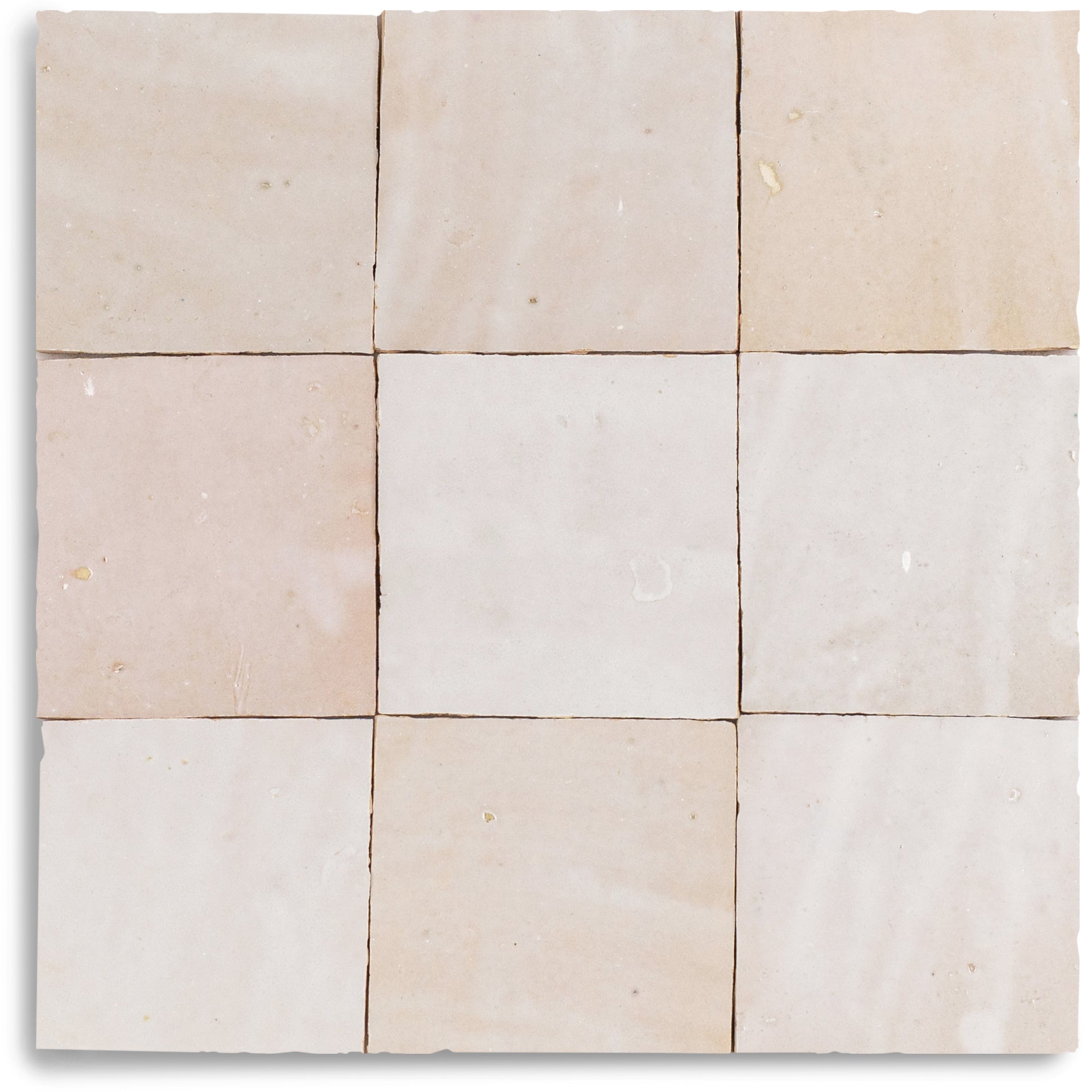
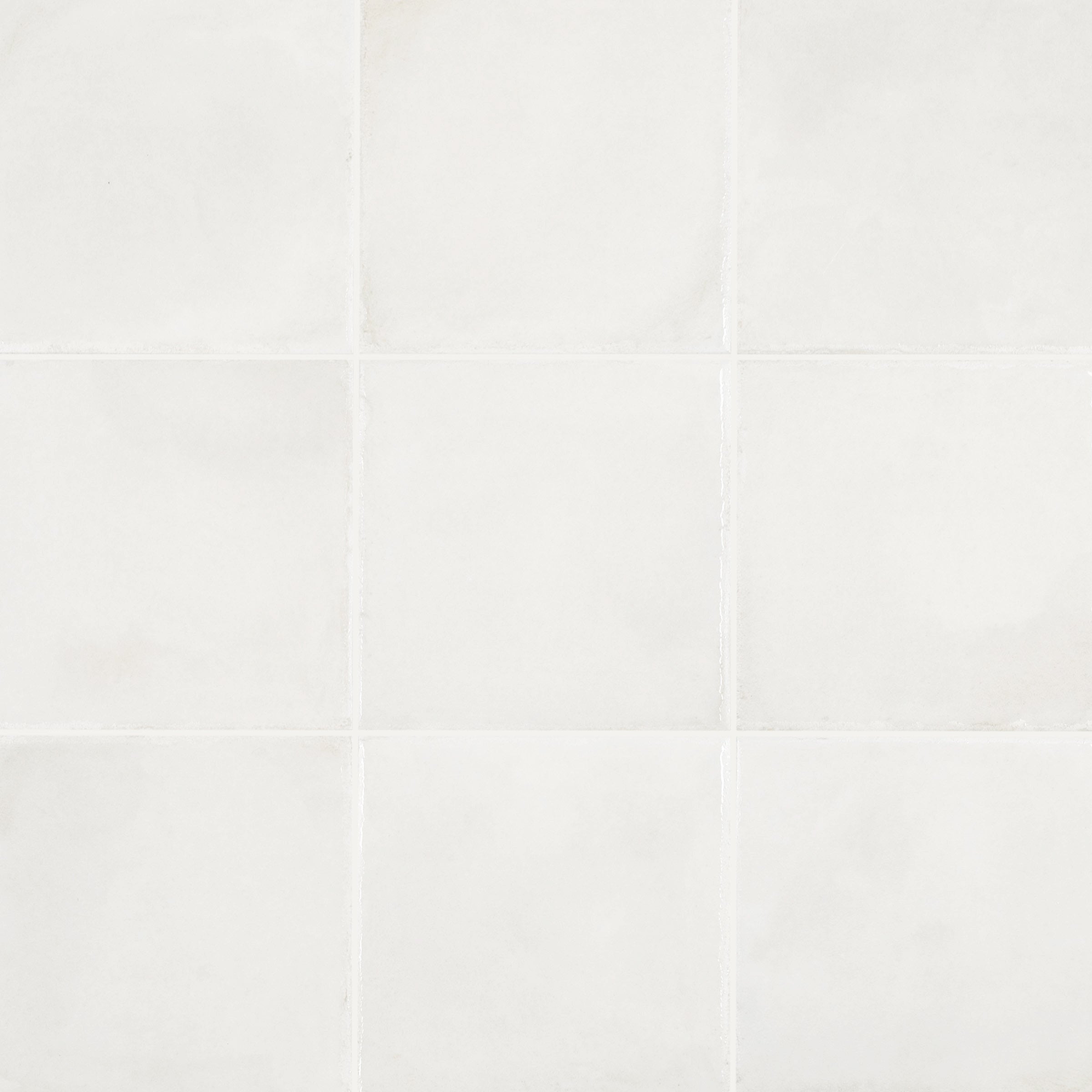
Timeless Italian Inspiration
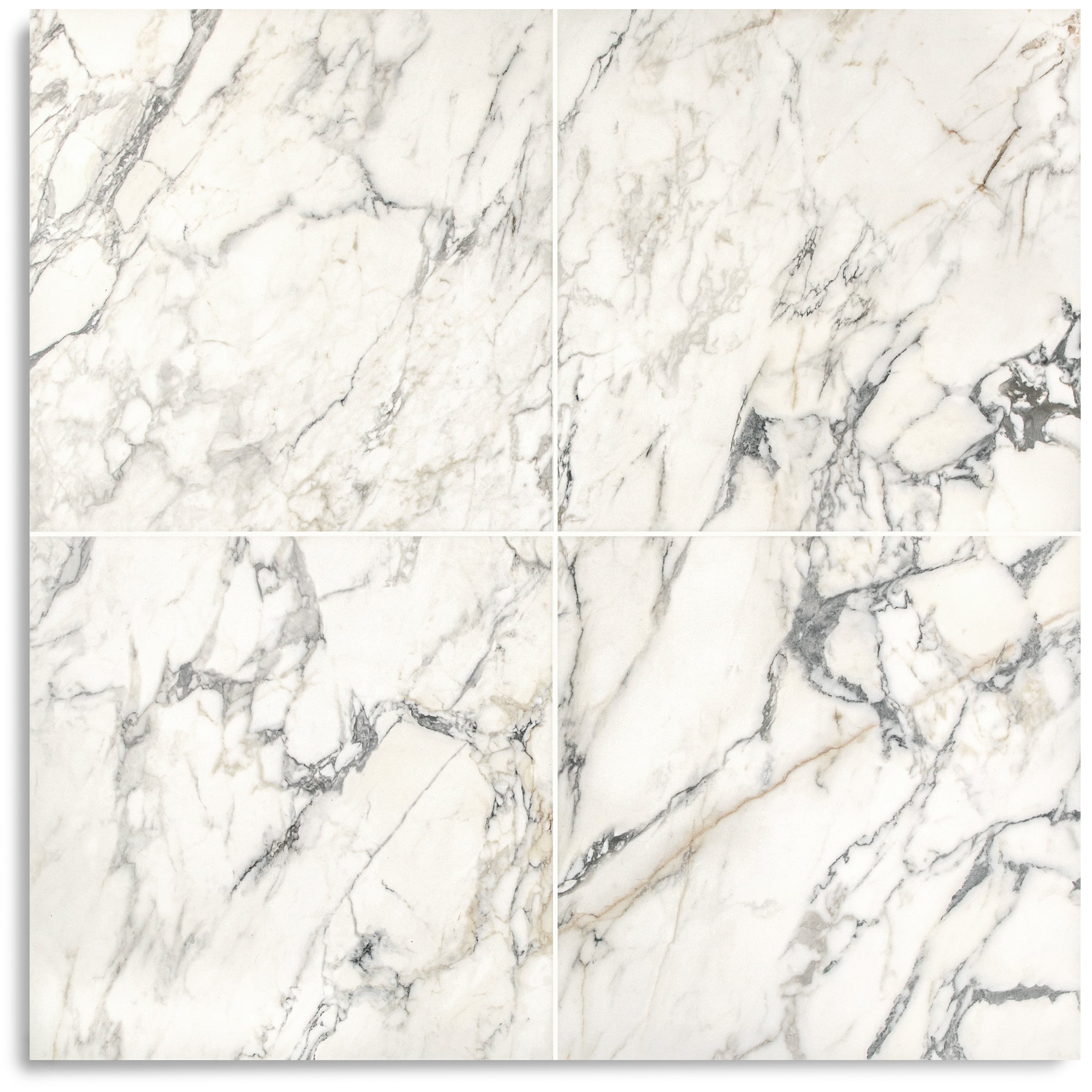
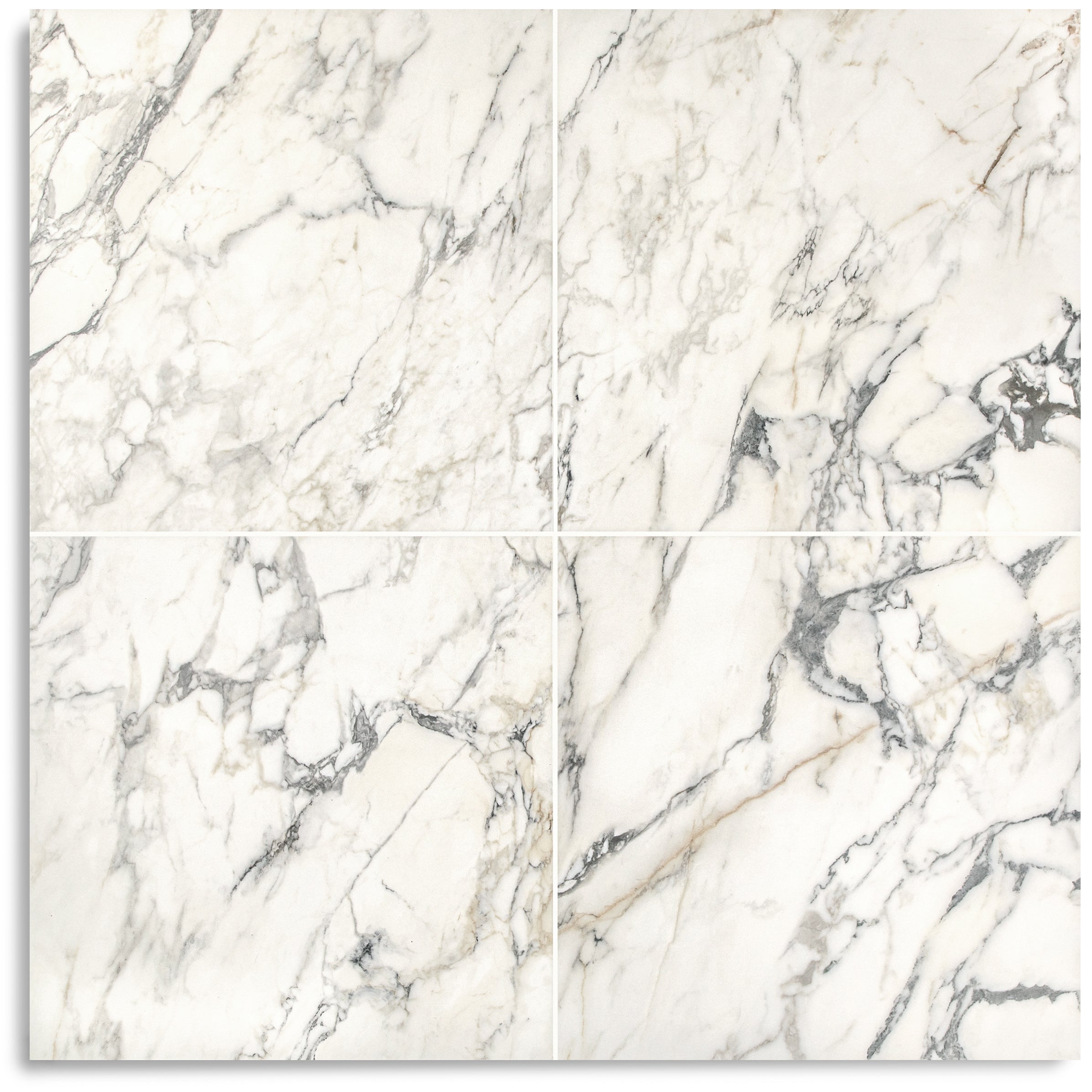
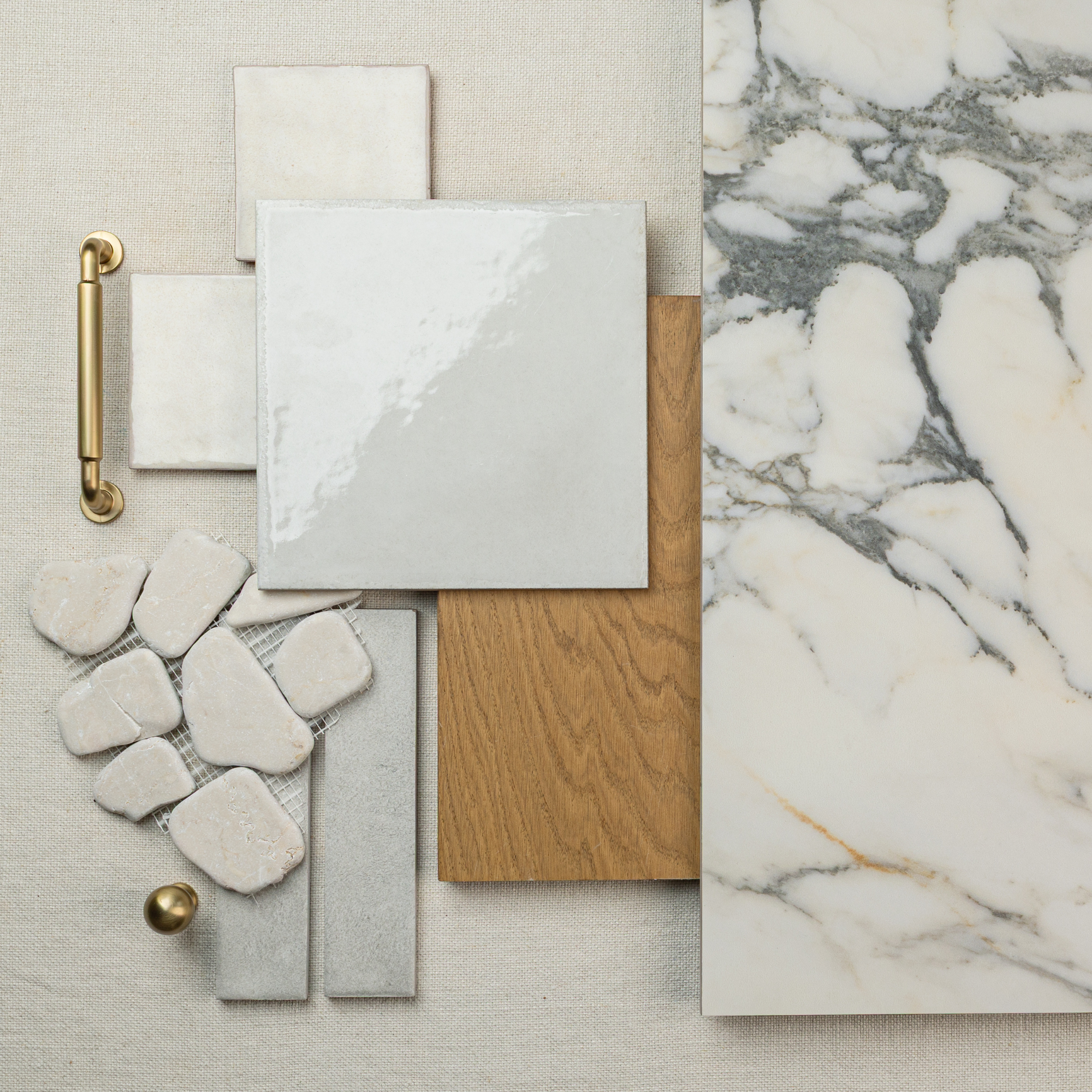
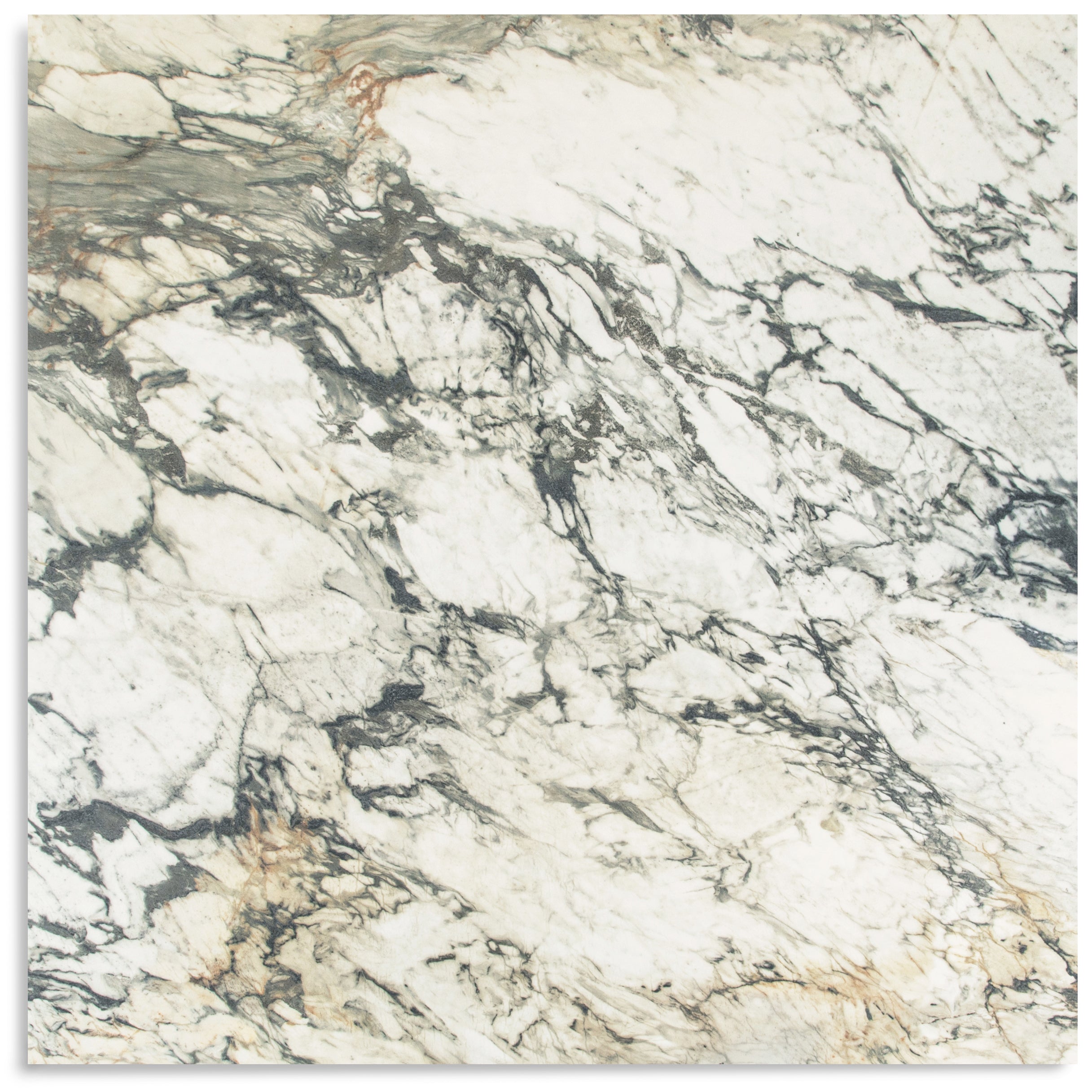
Paonazzo porcelain reimagines one of the most prized Italian marbles with its signature ivory base, bold charcoal veins, and striking gold and rust accents. Offered exclusively in matte finish, it tones down the high gloss traditionally associated with Paonazzo, resulting in a sophisticated, contemporary surface.
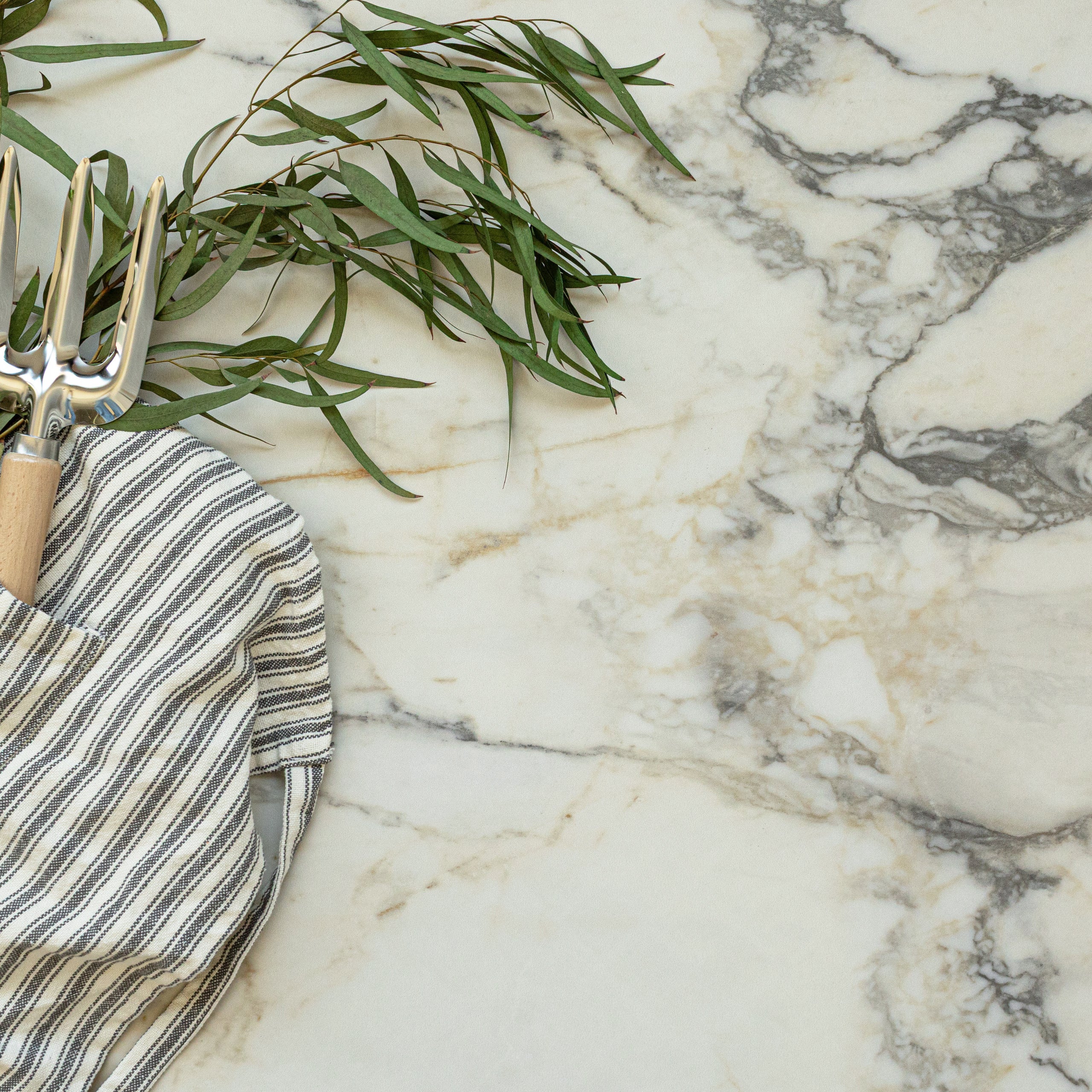
Refined Matte Surface
The silky matte feel gives this dramatic stone look a modern twist, making it ideal for those who want luxury that leans understated. The finish highlights the natural depth of the veining while offering excellent durability, stain resistance, and ease of maintenance compared to the real marble.
Versatile Luxury Statement
From bathrooms and kitchens to living rooms and hospitality spaces, Paonazzo creates a focal point wherever it’s installed. Pair it with minimalist cabinetry, brushed nickel fixtures, or natural wood accents to let the dramatic veining stand out in both classic and modern interiors.
Where to Install
WALLS
SHOWER WALL
BACKSPLASH
The Paonazzo brings one of Italy's most coveted marbles into your space without the maintenance headache. Soft grey and charcoal veining threads through a warm white base with subtle hints of gold, delivering that quiet luxury look that architects and designers obsess over. The authentic matte finish absorbs light instead of bouncing it, giving the surface a natural, understated elegance that feels more like real stone than anything coming out of a kiln. Available in three sizes including a dramatic 48x48 format, this is the tile that makes a room feel collected and intentional.
Specifications
Material
Porcelain
MOHS
>6
Chemical Resistant
Yes
Water Absorption
0.10%
Frost Resistant
Yes
Stain Resistant
Class 3
DCOF
>.42
VOC
None
Collection
Marble Editions
Thickness
8.5mm
Actual Size
47.25"x47.25", 23.62"x47.25", 23.62"x23.62"
Nomial Size
48"x48", 24"x48", 24"x24"
Country of Orgin
Italy
Shade Variation
V2
Application
Walls, Floors
Reccomended Grout Joint
2mm
Edge
Rectifed
Location
Floors, Walls, Shower Walls, Bathroom Walls, Kitchen Floors, Entry
Look
Marble
Gradient bar
Large Format Porcelain Installation Guide
LARGE FORMAT PORCELAIN TILE INSTALLATION GUIDE
Large Format Porcelain Tile Installation Guide
Covers tiles with any side 15 inches or larger
Reno Source
www.therenosource.com
BEFORE YOU BEGIN
Large format porcelain tile installation involves tighter tolerances, heavier materials, and specialized techniques. These installations amplify even small substrate imperfections and require strict adherence to industry standards. Less experienced installers are strongly encouraged to work alongside a qualified professional. The methods in this guide align with Tile Council of North America guidelines and ANSI specifications.
-
OVERVIEW
Large format porcelain tiles, defined as any tile with at least one side measuring 15 inches or more, create expansive, modern surfaces with fewer grout lines and strong visual impact. Common sizes include 12 by 24, 24 by 48, and larger panel formats used on floors and walls. Because of their size and rigidity, these tiles require a flatter substrate, specialized large and heavy tile mortars, careful handling, and precise installation methods. This guide outlines the full process required to achieve a durable, professional result.
Key specifications include substrate flatness no greater than one eighth inch over ten feet and no more than one sixteenth inch over any twenty four inch span, use of large and heavy tile polymer modified mortar, minimum mortar coverage of eighty percent in dry areas and ninety five percent in wet or exterior areas, minimum grout joint width of one eighth inch for rectified tiles and three sixteenths inch for non rectified tiles, maximum running bond offset of thirty three percent for tiles over eighteen inches, floor deflection limited to L three sixty, and required movement joints at perimeters and every twenty to twenty five feet in interior installations.
-
TOOLS AND MATERIALS
Essential tools include a large notch trowel such as one half inch square notch, U notch, or slant notch per mortar manufacturer recommendation, rubber grout float, wet saw with a porcelain rated diamond blade, tile leveling system using clip and wedge or screw type, suction cup lifters rated for tile weight, long straightedge or level a minimum of six feet, chalk line or laser level, tape measure, mixing bucket and drill with paddle attachment, rubber mallet, sponges and clean cloths, grout haze remover, knee pads, safety glasses, dust mask, and cut resistant gloves. Materials include large format porcelain tiles with ten to fifteen percent extra ordered for cuts and future repairs, large and heavy tile polymer modified mortar meeting ANSI A118.4 or A118.15, grout with sanded used for joints wider than one eighth inch and unsanded for narrower joints, tile spacers typically one eighth to three sixteenths inch, cement backer board or uncoupling membrane if required, crack isolation membrane recommended for concrete substrates, grout sealer, flexible silicone or urethane sealant for movement joints, and self leveling underlayment if substrate correction is needed.
-
STEP BY STEP INSTALLATION
Step 1 Surface Preparation
Surface preparation is the most critical factor in large format tile installation. Remove all furniture, appliances, and existing flooring. Clean the subfloor thoroughly to remove debris, dust, adhesive residue, paint, and curing compounds. The surface must meet strict flatness tolerances of no more than one eighth inch over ten feet and no more than one sixteenth inch over any twenty four inch span. Use self leveling compound to correct low areas and grind high spots. The subfloor must be structurally sound and rigid. Wood framed floors must meet a minimum total thickness of one and one eighth inches and not exceed L three sixty deflection. Repair cracks, holes, and damaged areas before proceeding. Install cement backer board or an approved uncoupling membrane over plywood subfloors and tape all seams. For concrete substrates, installation of a crack isolation membrane is strongly recommended. Apply primer if required by the mortar manufacturer.
Step 2 Planning and Layout
Careful layout planning is essential because large tiles are difficult to reposition once set. Measure and mark the midpoint of each wall and snap chalk lines or use a laser level to establish the starting point. Dry fit tiles from the center outward including spacers. For rectangular tiles, the running bond offset must not exceed one third of the tile length to minimize lippage caused by natural tile warpage. Ensure perimeter cuts are at least half a tile width and plan transitions, doorways, and focal points carefully. Movement joints must be planned at all perimeters, changes in plane, every twenty to twenty five feet in the field, and directly over substrate control joints.
Step 3 Handling and Cutting
Always use suction cup lifters when moving large format tiles. Never carry tiles flat by the edges as they can snap under their own weight. Transport tiles vertically whenever possible and use two installers for very large panels. Cut tiles using a wet saw with a porcelain rated diamond blade. Support the full tile during cutting and feed slowly. Manual snap cutters are not suitable. Smooth cut edges with a rubbing stone. Always wear safety glasses, hearing protection, dust mask, and cut resistant gloves when cutting porcelain.
Step 4 Applying Mortar
Always use polymer modified large and heavy tile mortar. Standard thinset is not suitable. Spread a scratch coat of mortar onto the substrate and comb with the notched trowel at a forty five degree angle creating straight, parallel ridges in one direction. Back butter each tile with a thin even coat, combing ridges perpendicular to the substrate ridges to collapse air pockets. Work in small sections and periodically remove a tile to verify coverage. Mortar coverage must meet at least eighty percent in dry interior areas and ninety five percent in wet or exterior areas with full support at all edges.
Step 5 Setting the Tiles
Lower tiles into place using suction cups and press firmly with a slight sliding motion to collapse mortar ridges. Do not twist or shift tiles once placed. Insert spacers and install leveling system clips between adjacent tiles to control lippage. Continue outward from the starting point, checking frequently with a straightedge. Tap gently with a rubber mallet if needed. Clean excess mortar from joints and tile surfaces immediately. Do not walk on freshly set tiles and allow a minimum of twenty four hours cure time.
Step 6 Grouting
Allow mortar to cure at least twenty four hours and remove leveling clips. Mix grout to a smooth consistency and apply diagonally using a rubber float. Use sanded grout for joints one eighth inch or wider and unsanded grout for narrower joints. Work in small sections, scrape excess diagonally, then wipe with a damp sponge after fifteen to twenty minutes. Buff remaining haze after full cure, typically twenty four to seventy two hours. Do not grout movement joints or perimeter joints.
Step 7 Sealing and Finishing
Allow grout to cure forty eight to seventy two hours before sealing. Apply grout sealer to joints using a brush applicator and wipe excess from tile surfaces. Porcelain tile itself typically does not require sealing. Fill all movement and perimeter joints with flexible silicone or urethane sealant color matched to grout. Perform a final inspection to confirm flatness, joint consistency, and cleanliness.
-
TIPS AND WARNINGS
Always verify substrate flatness before setting tile. Use a quality leveling system on all large format installations. Never skip back buttering. Comb mortar in straight lines only and use cross directional troweling. Respect the one third offset rule for rectangular tiles. Honor all substrate joints with movement joints in the tile surface. Clean as you go and keep spare tiles for future repairs.
-
CARE AND MAINTENANCE
Sweep or vacuum regularly to remove grit. Mop with a pH neutral tile cleaner and avoid excessive water. Wipe spills promptly, especially on grout lines. Reseal grout annually or as recommended. Use felt pads under furniture and mats at entryways. Do not use acidic cleaners, bleach, ammonia, or abrasive scrubbers on porcelain tile or grout.
-
PRODUCT AND LIABILITY INFORMATION
Porcelain tiles may exhibit warpage and dimensional variation within industry tolerances. Always test adhesives, grouts, and sealers on a sample area before full installation. This guide references TCNA Handbook methods, ANSI A108 A118 A137 standards, and TCNA EJ171 for movement joints. This guide is provided for informational purposes only. Reno Source assumes no responsibility for injuries, damages, or losses resulting from installation. Users assume all risk and should consult qualified professionals when needed.
Reno Source
Finish Materials
Based in the USA
www.therenosource.com
support@therenosource.com
From the same collection


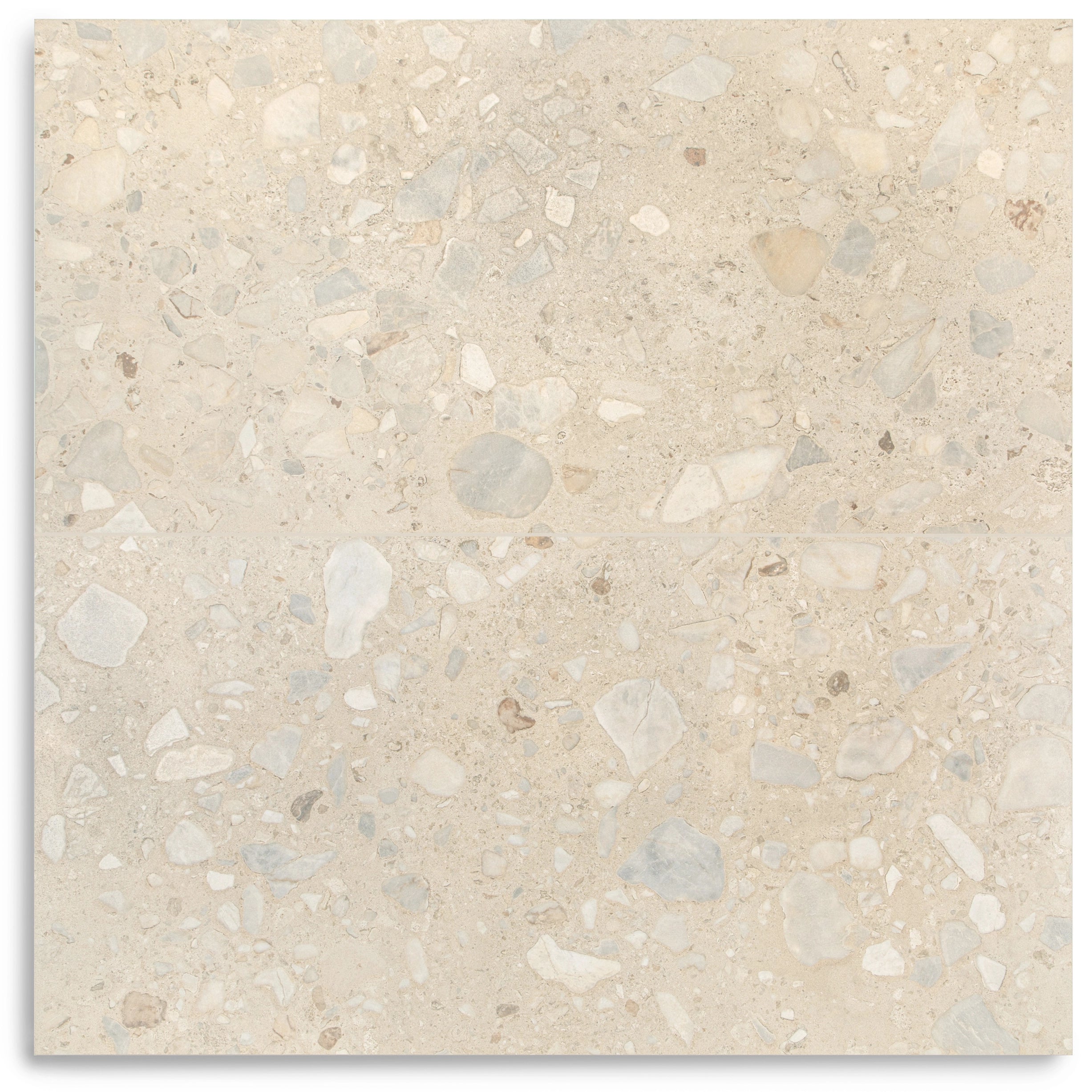


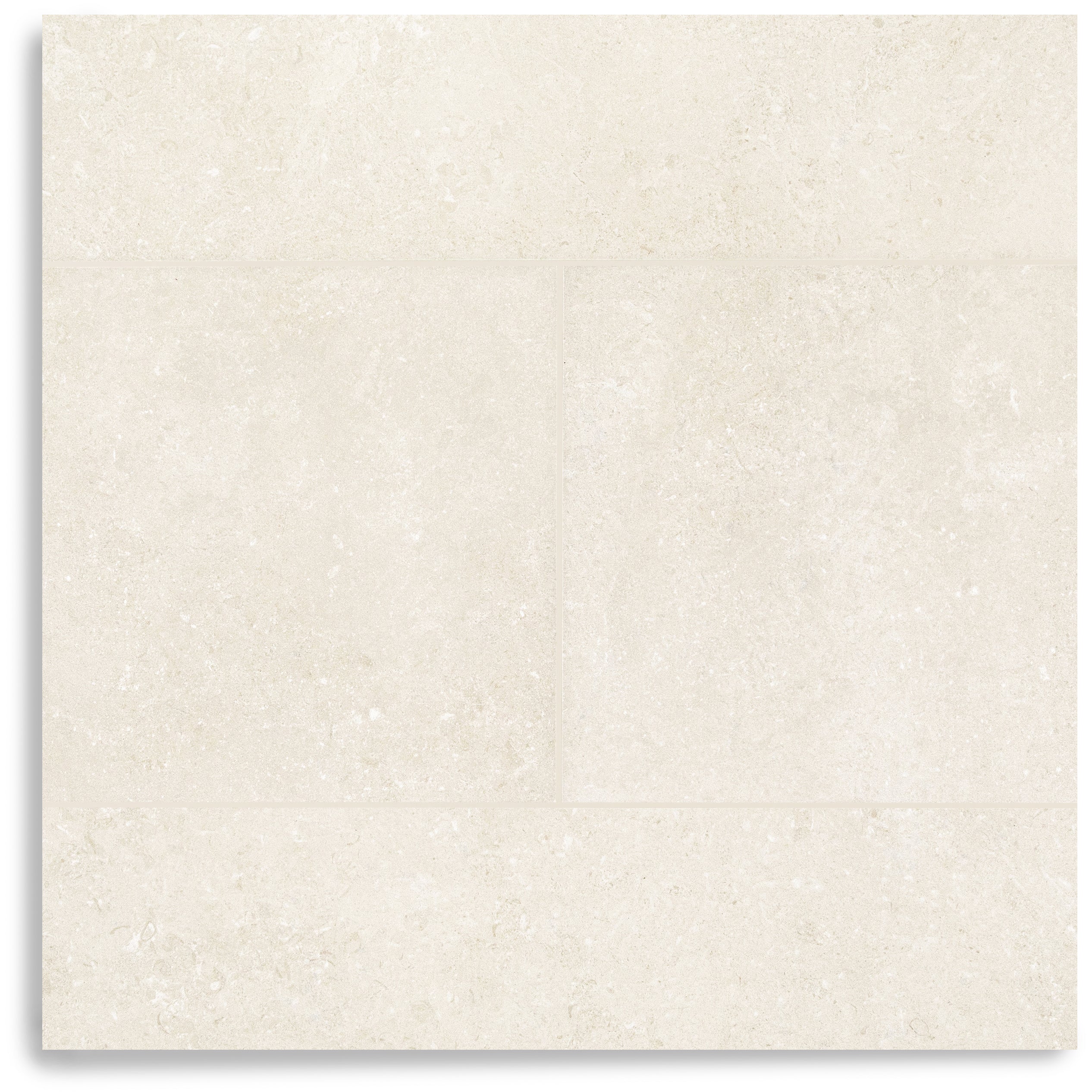
Cream Limestone Look 3D Matte Porcelain Tile

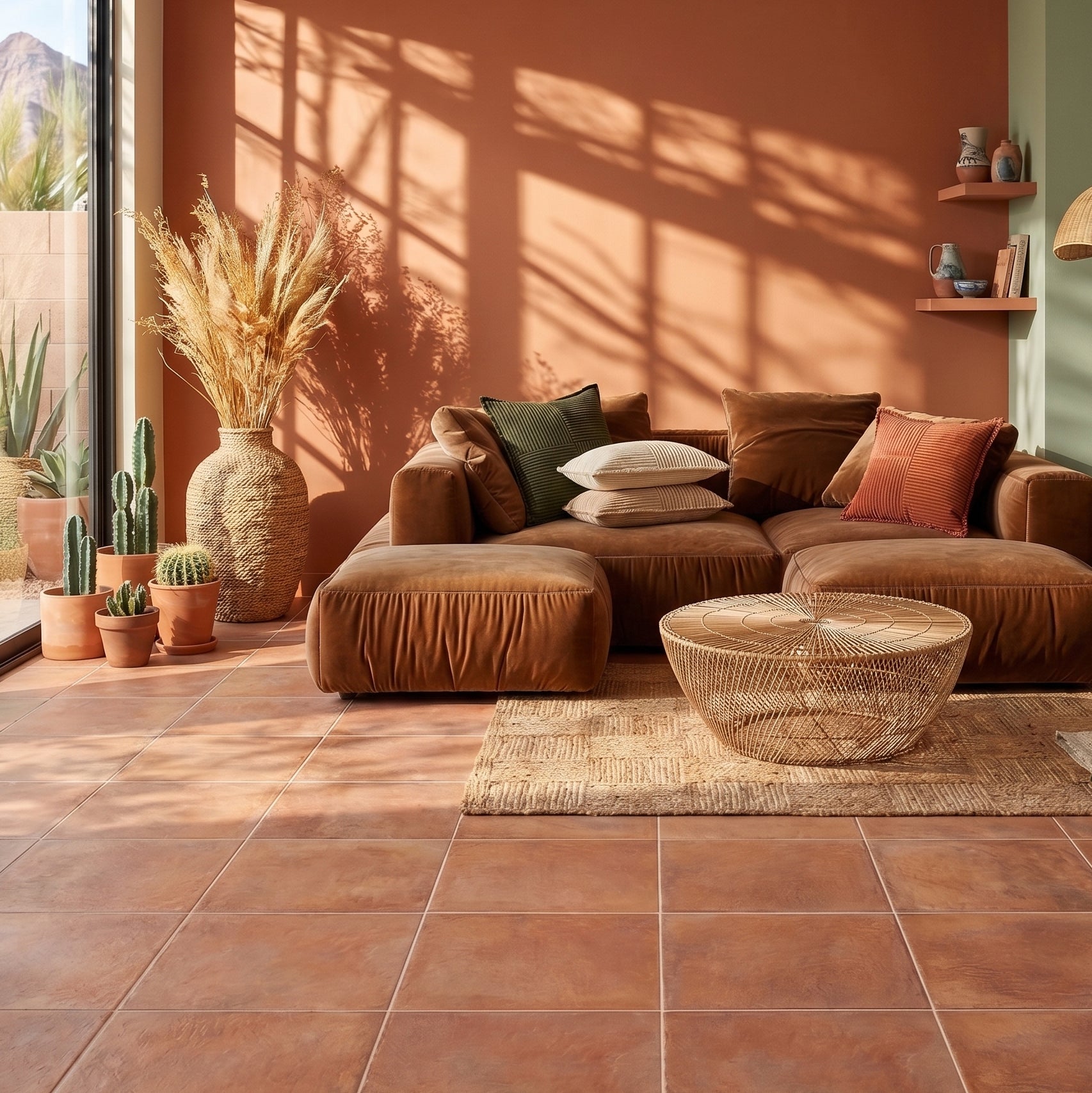
Cotto Terracotta Look Matte Porcelain Tile
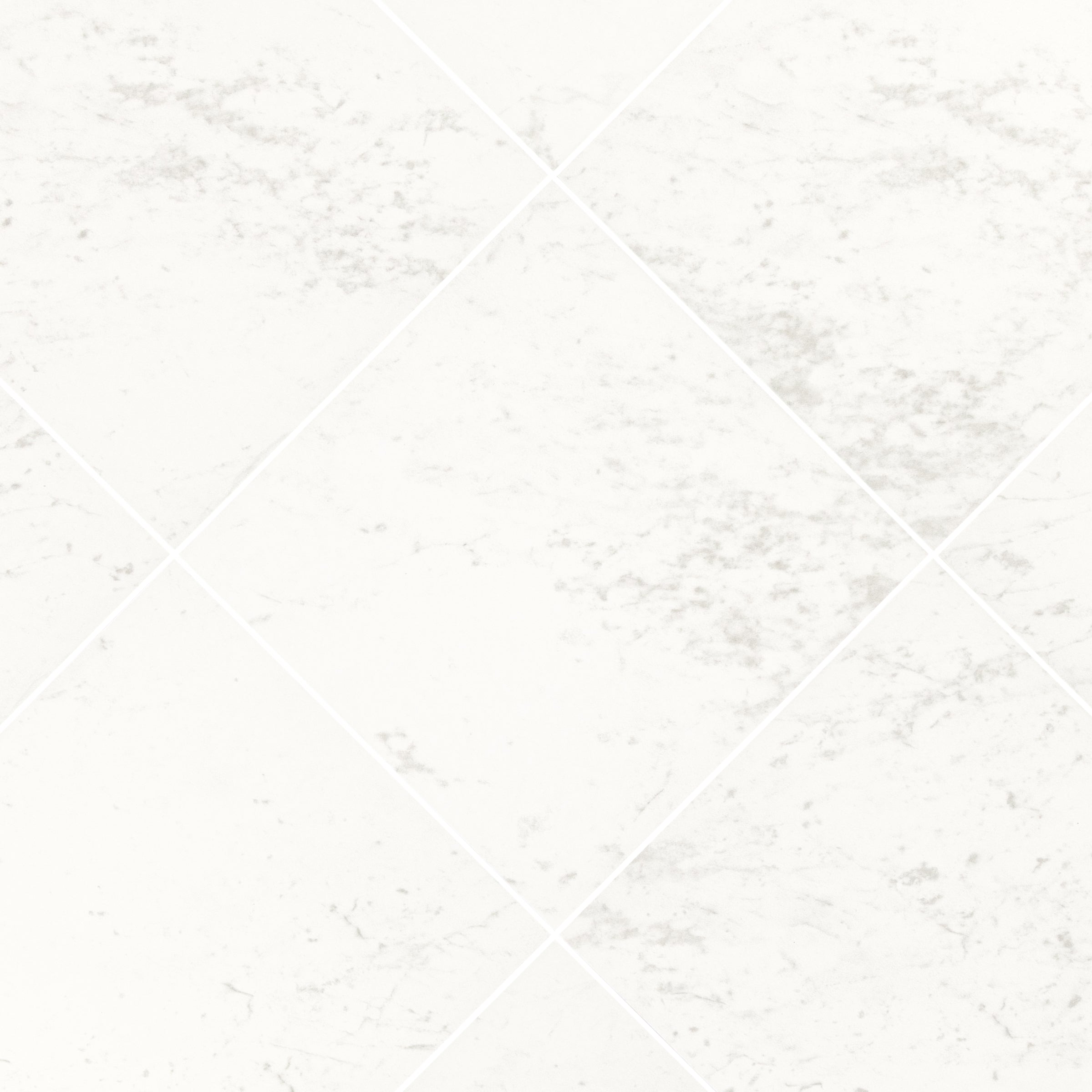
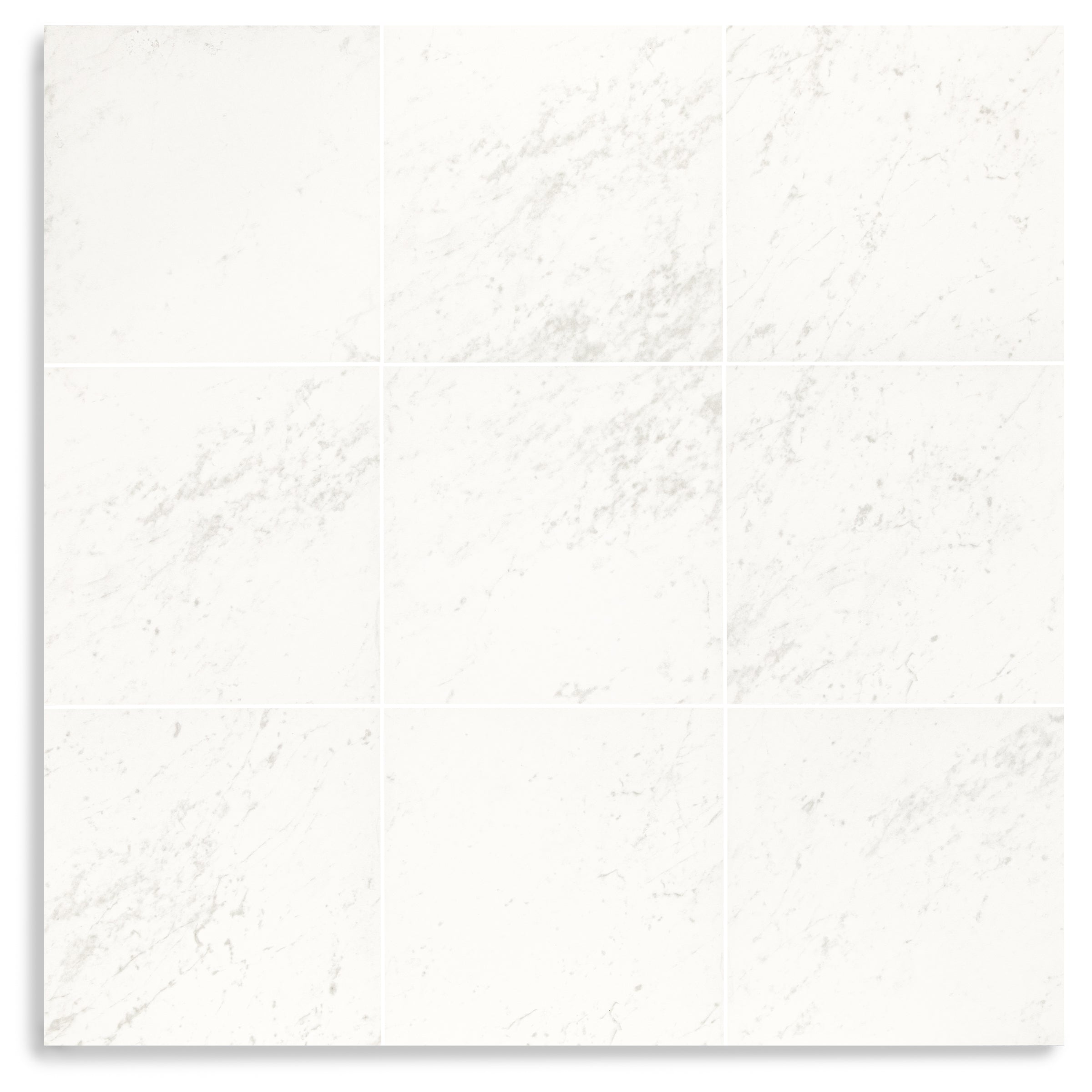


Murano Honed Italian Terrazzo Tile
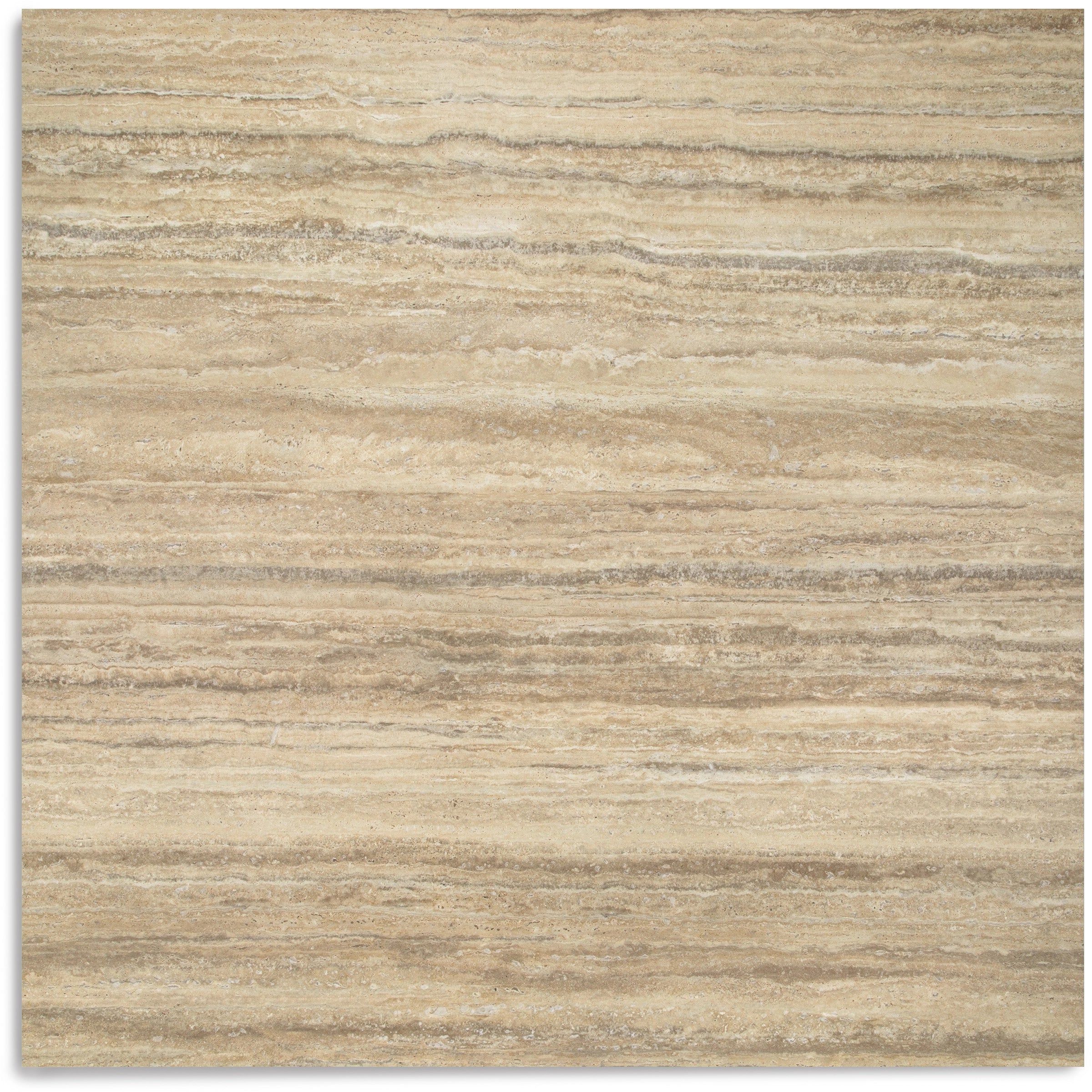
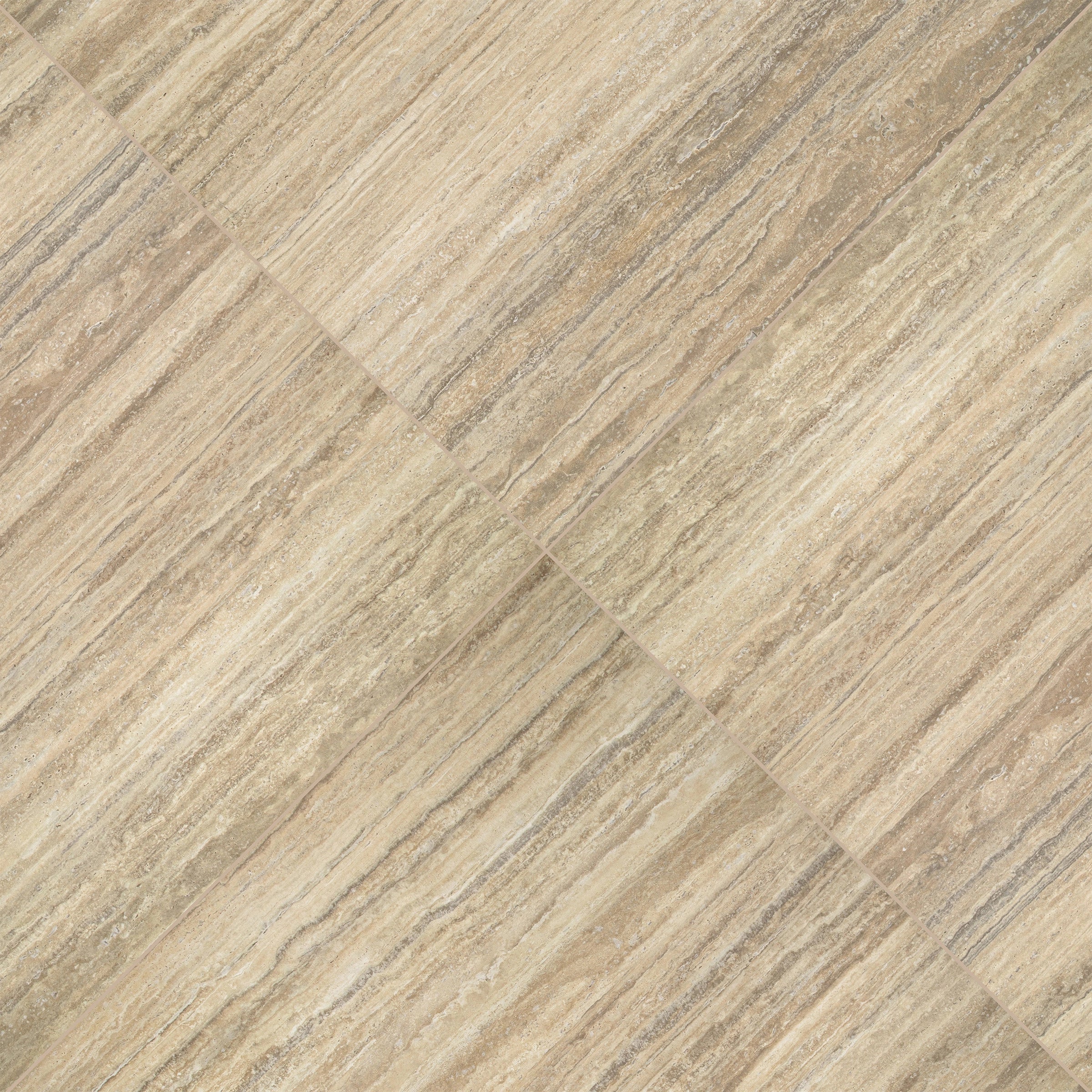
Travertino Moka Stone Look Porcelain Tile


Apple 12x24 3D Glossy Porcelain Tile
Beige Limestone Look 3D Matte Porcelain Tile
Travertino 3D Matte Porcelain Tile


Cream 12x24 3D Gloss Porcelain Tile


Navy 12x24 3D Gloss Porcelain Tile
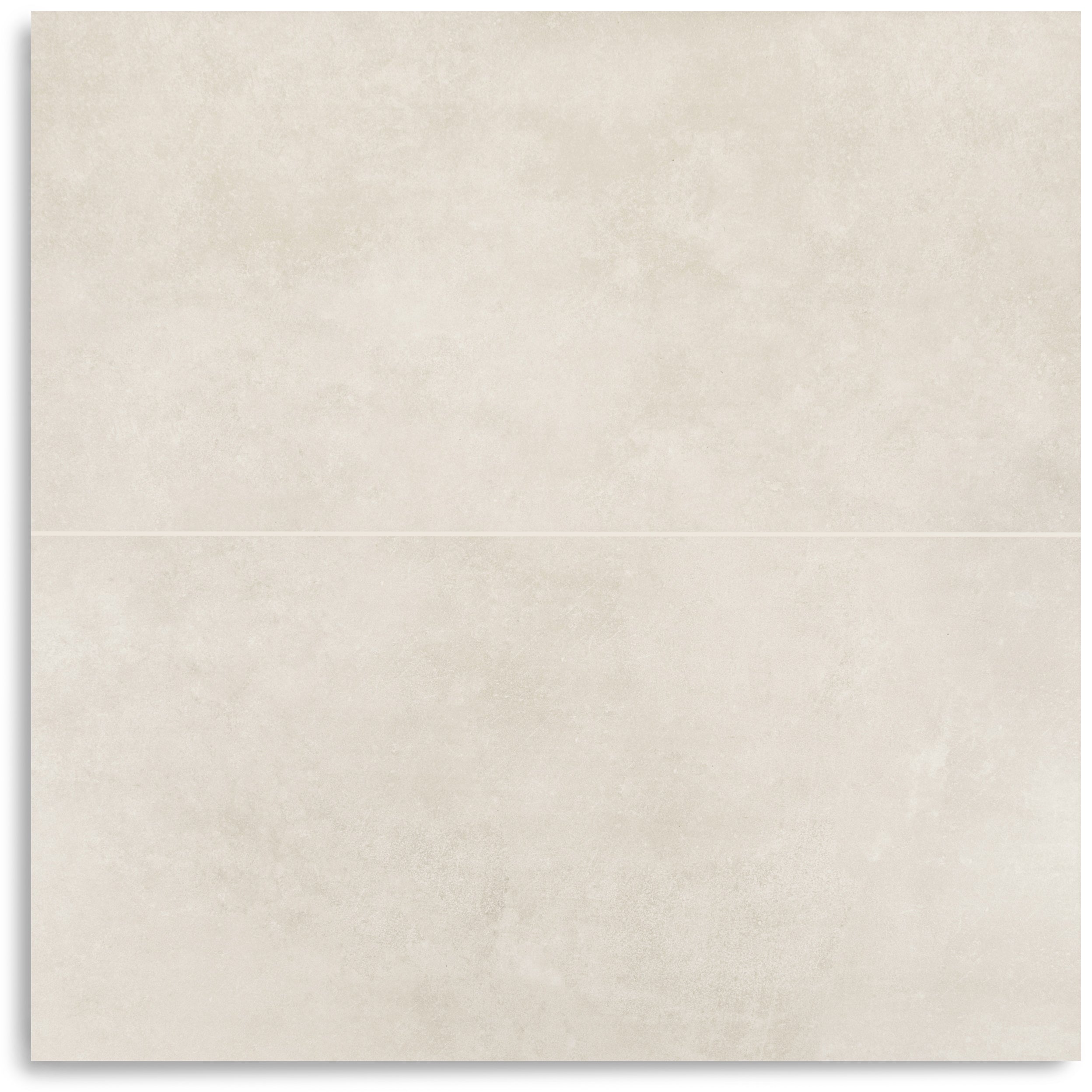
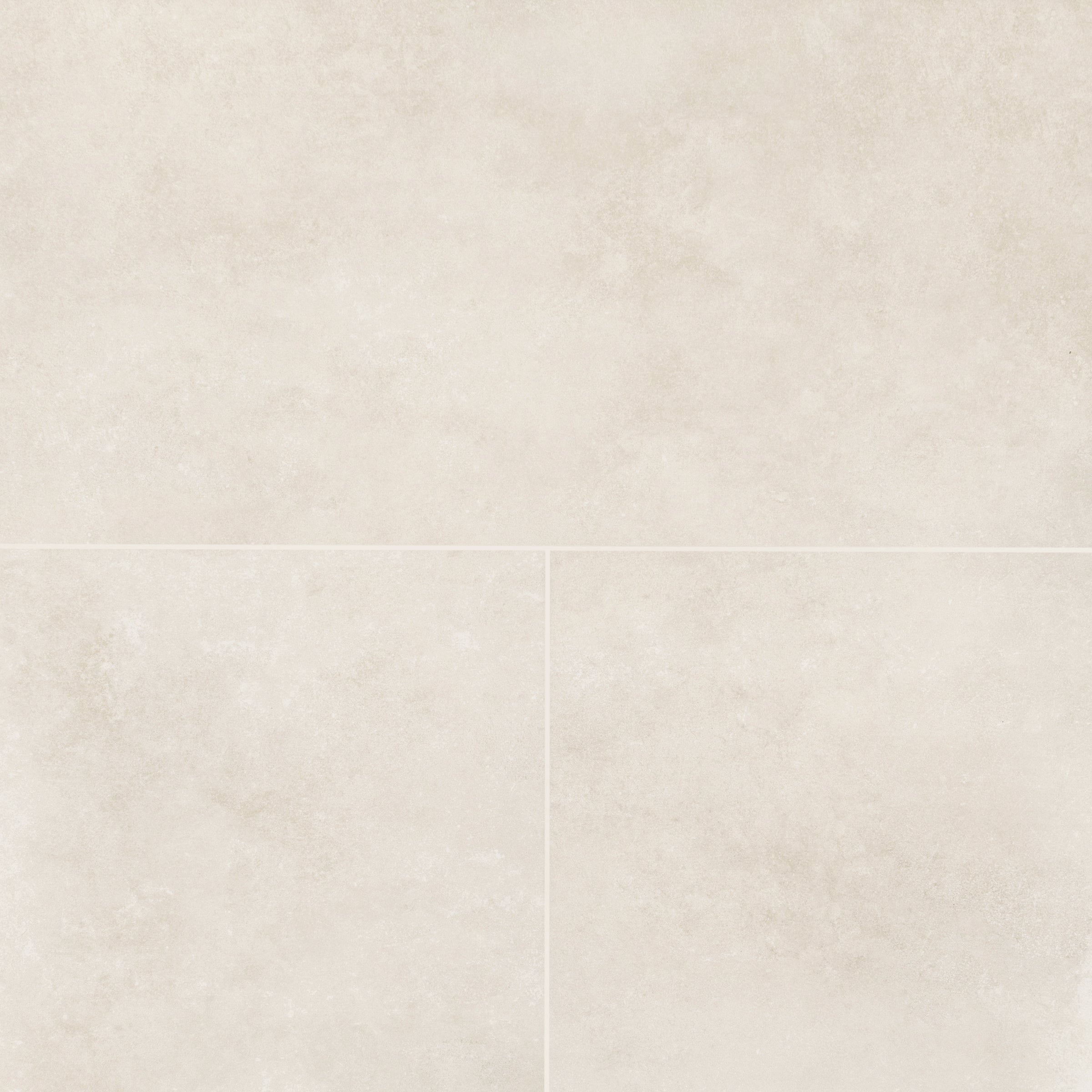
Almond Cement Look Matte Porcelain Tile
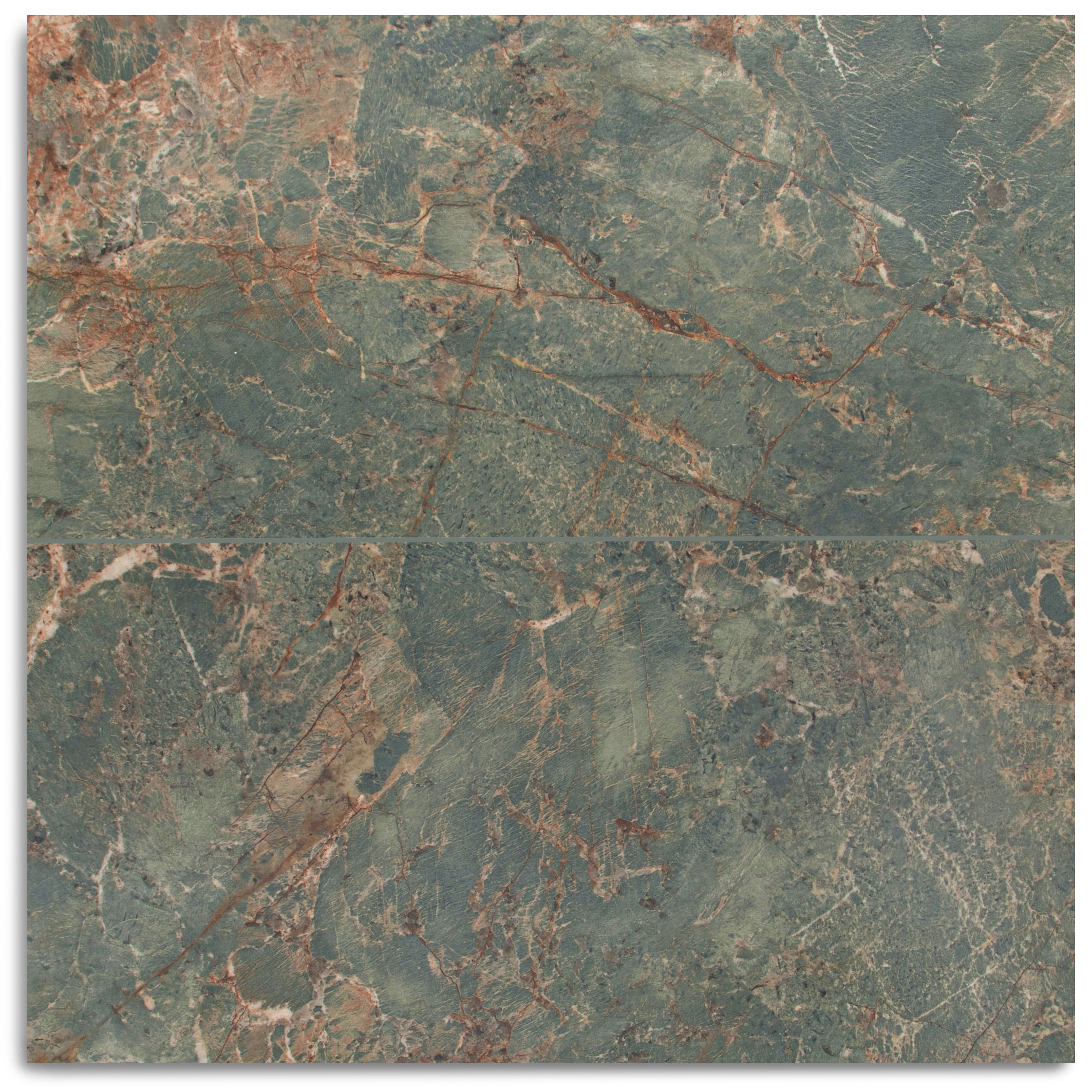
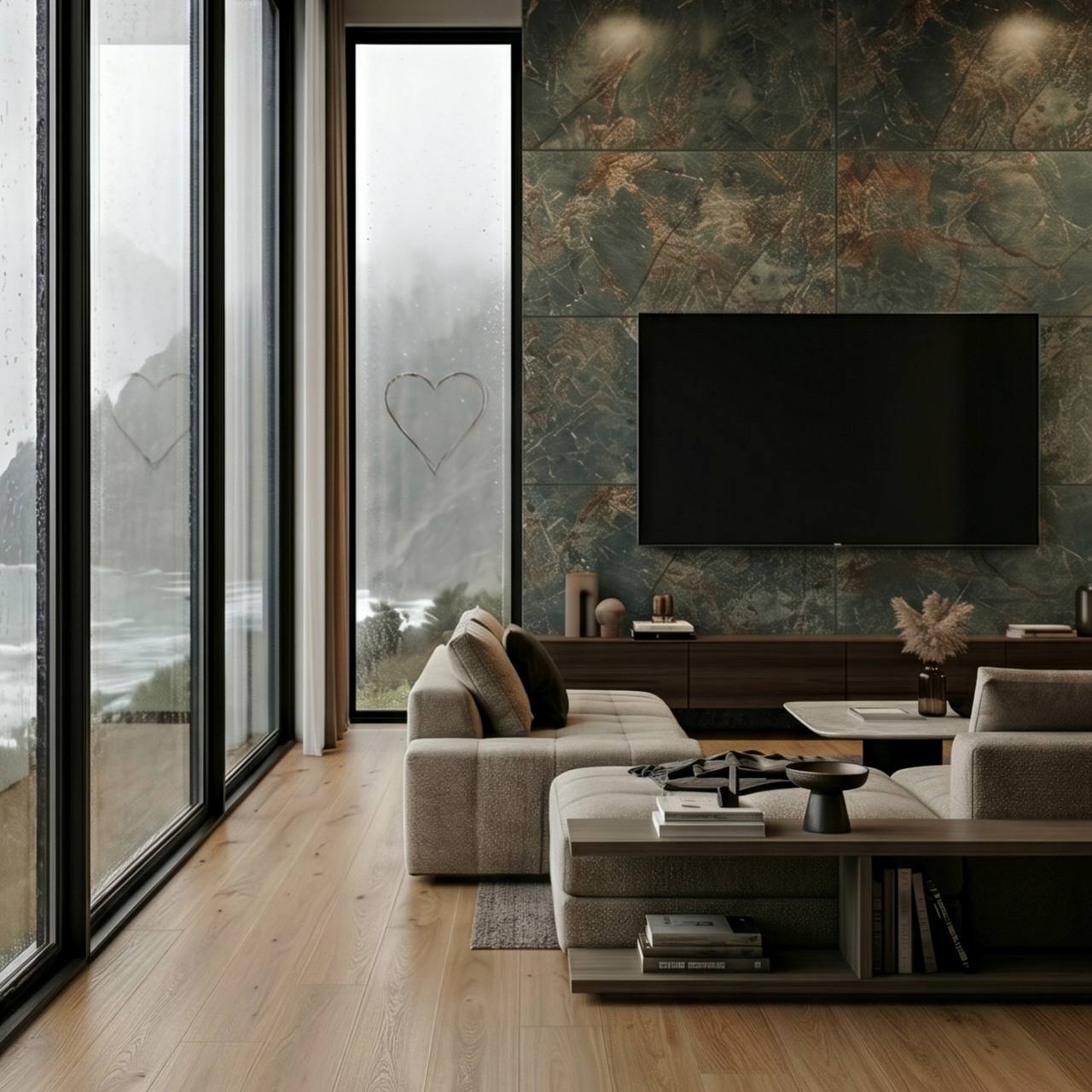
Amazzonite Matte Marble Look Porcelain Tile
Breccia Capraia 3D Mable Look Porcelain Tile
Spider Gold Matte Marble Look Porcelain Tile
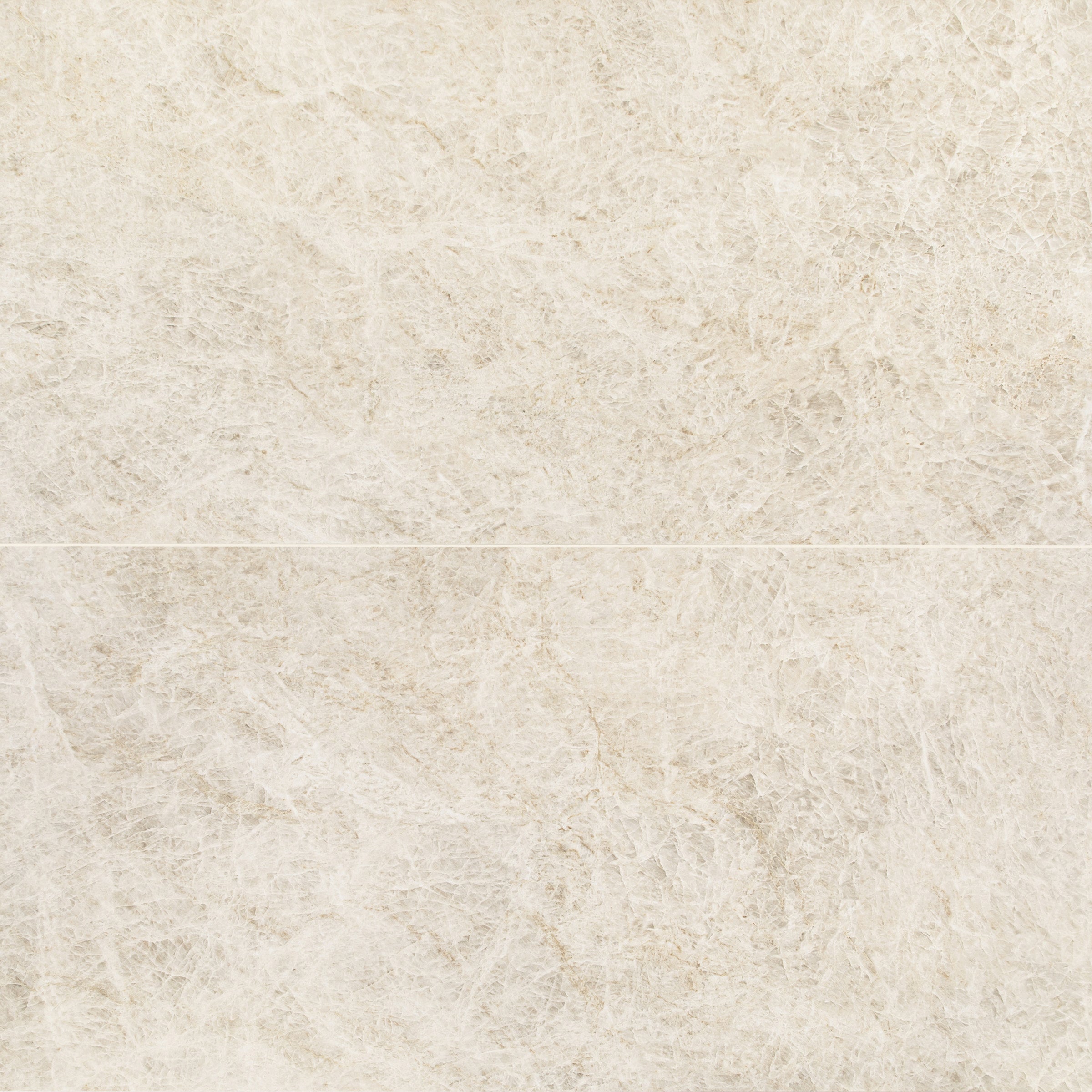
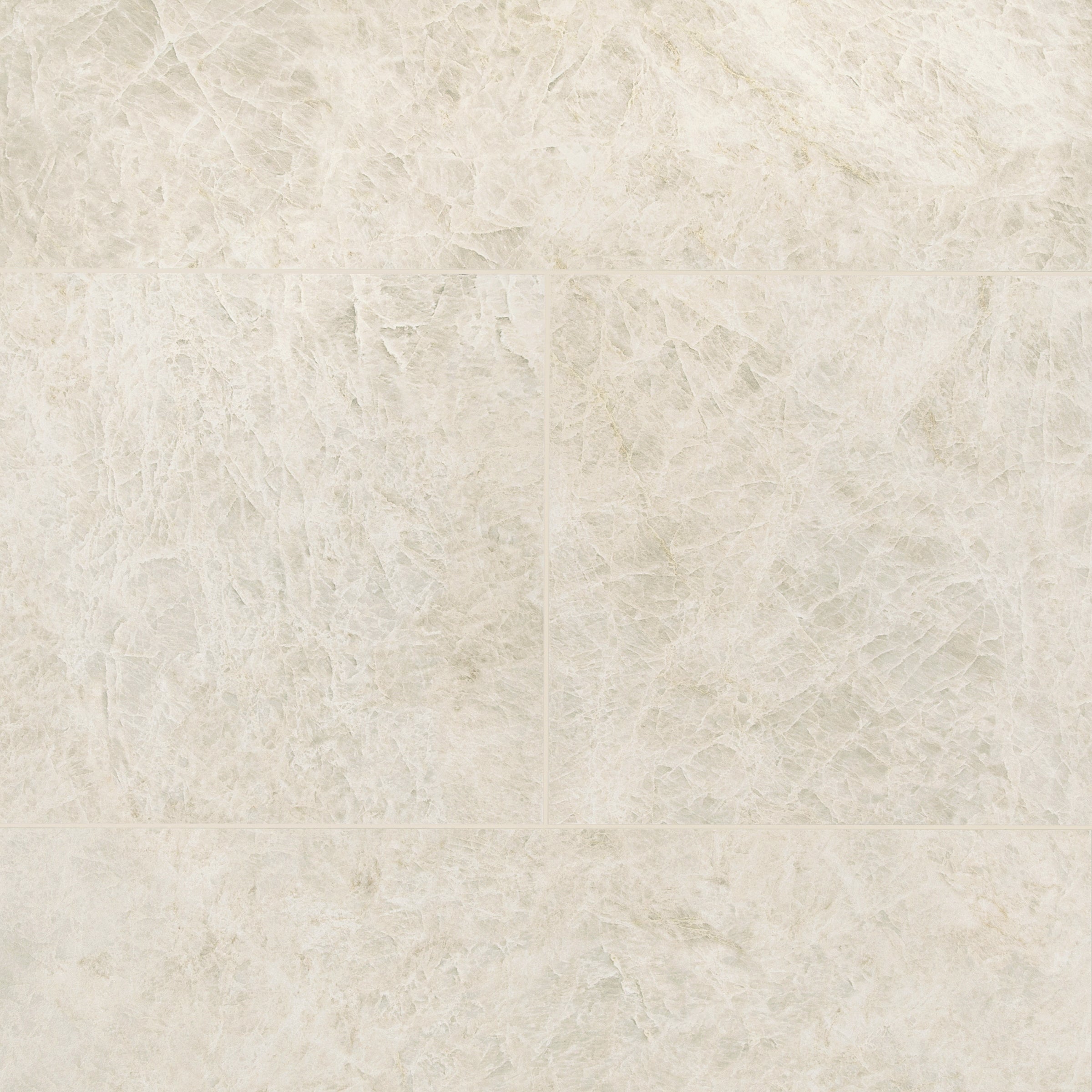
Taj Matte Marble Look Porcelain Tile

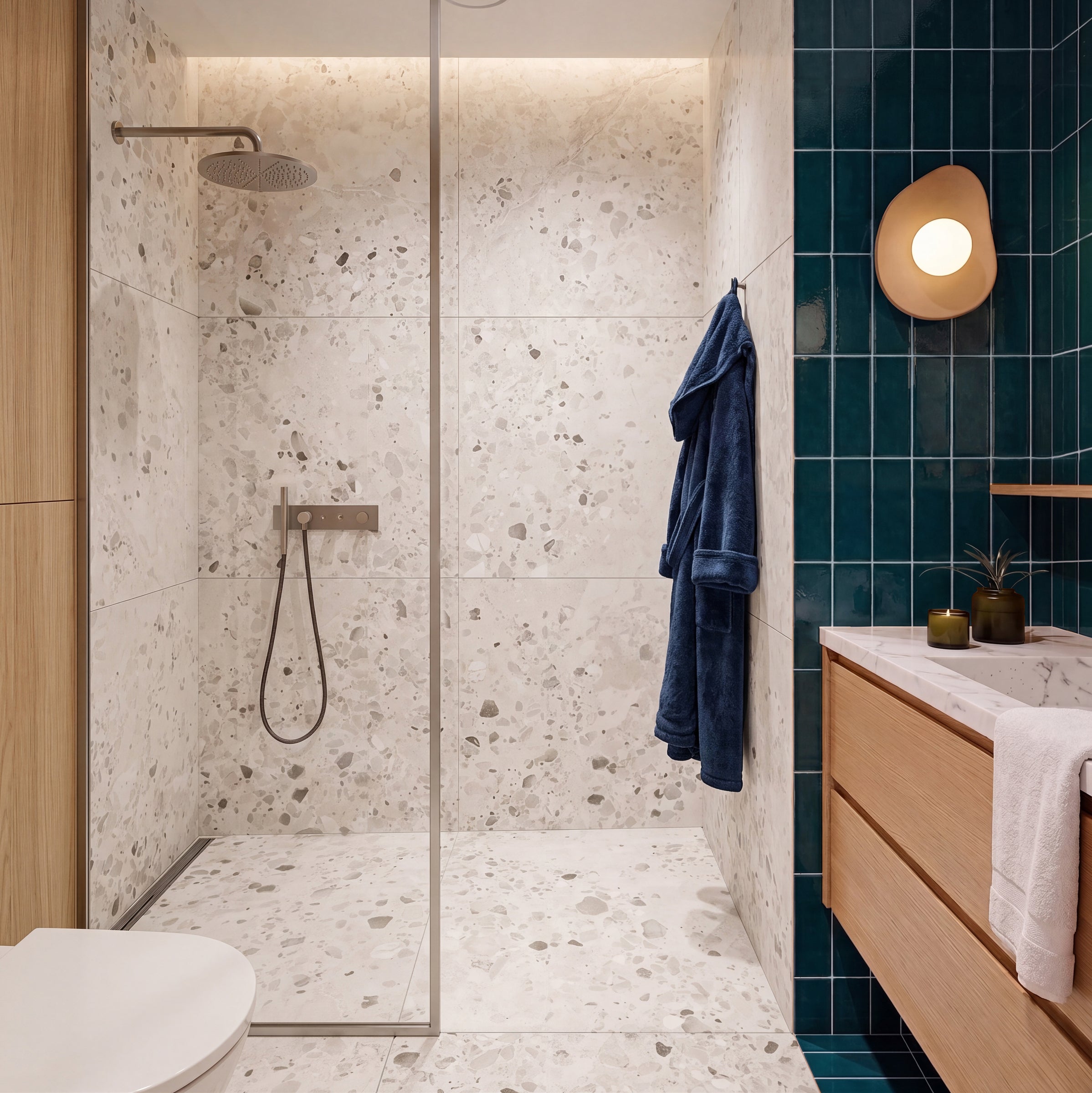
Calacatta Honed Italian Terrazzo Tile
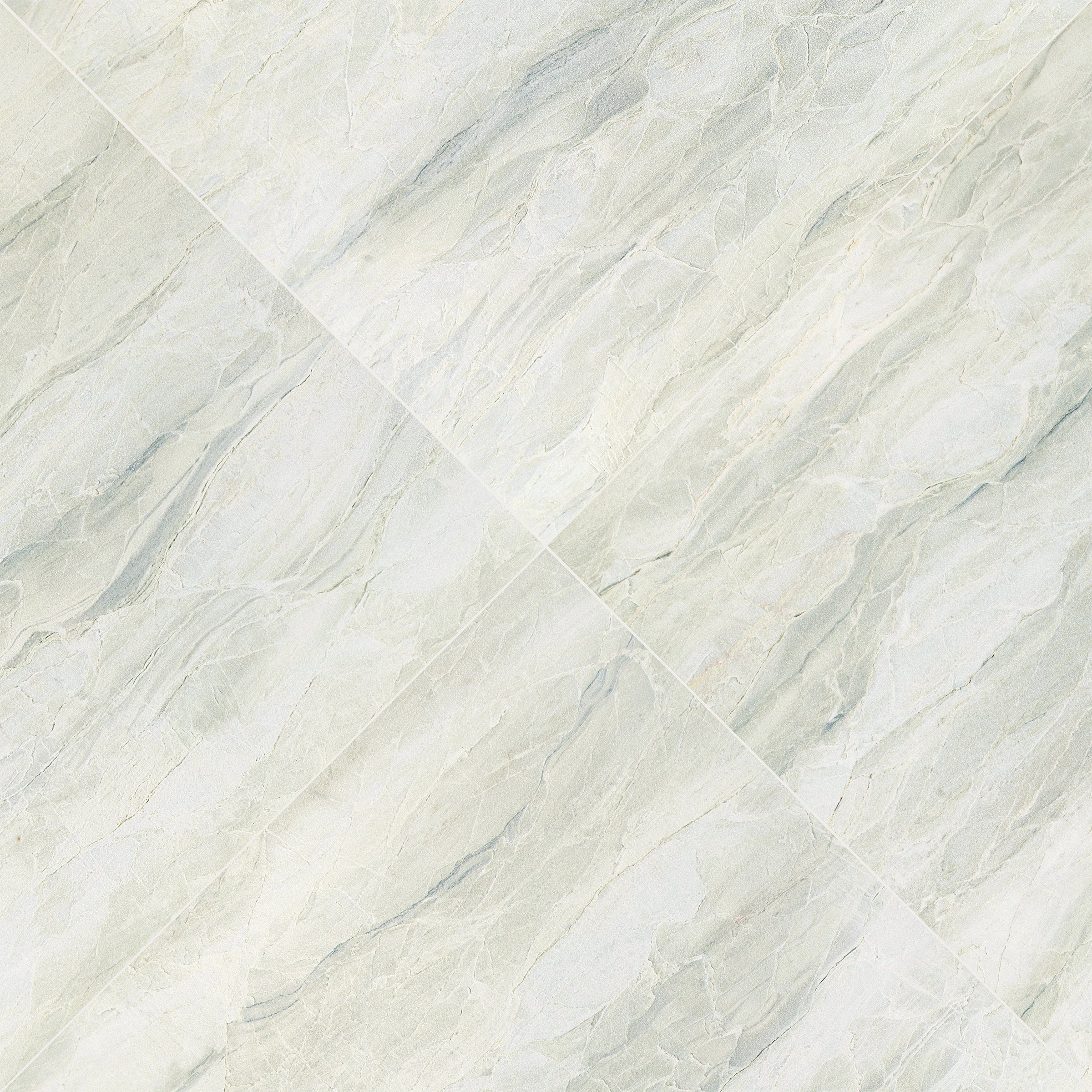
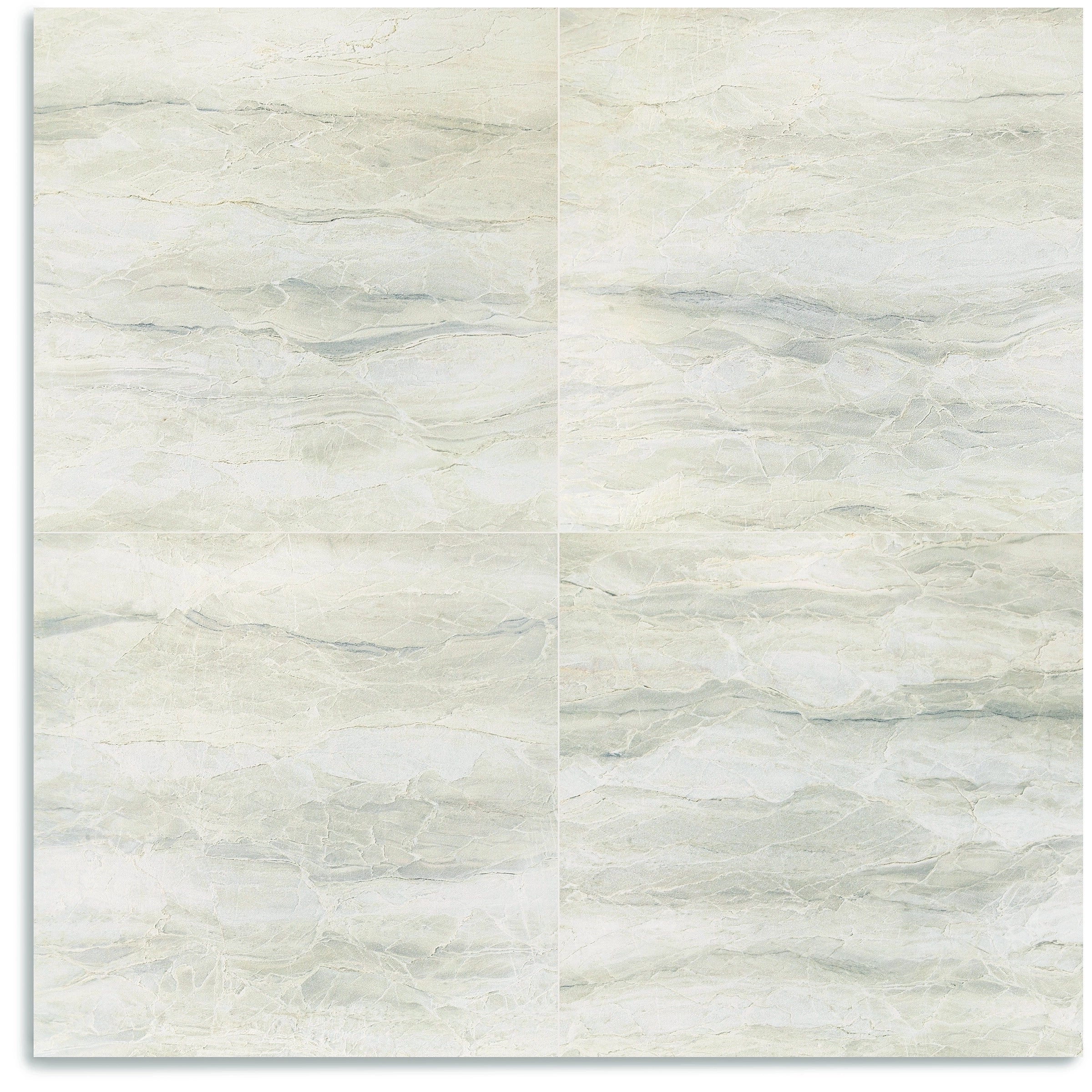
White Paradise Marble Look Porcelain Tile


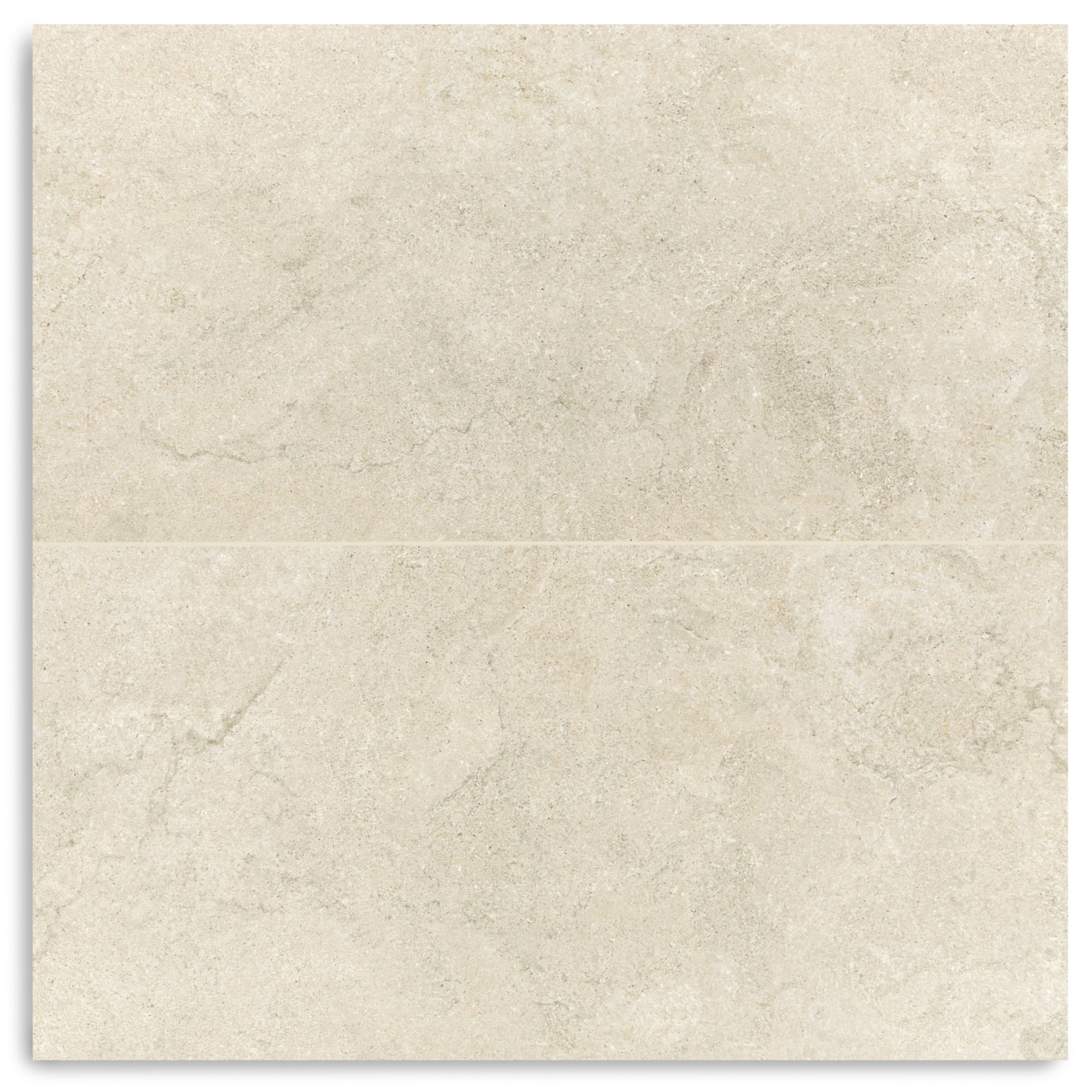
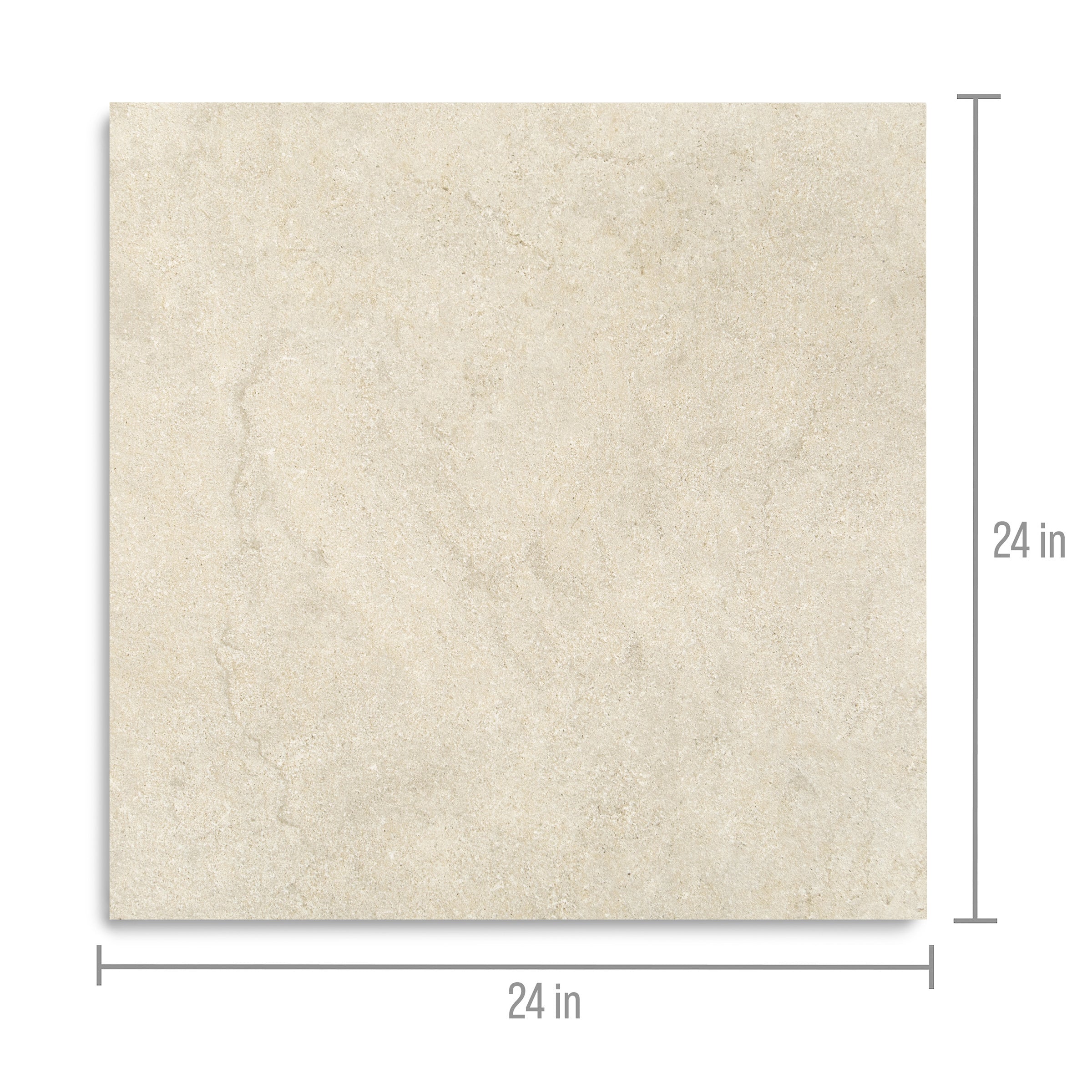
Borgogna 3D Matte Porcelain Tile
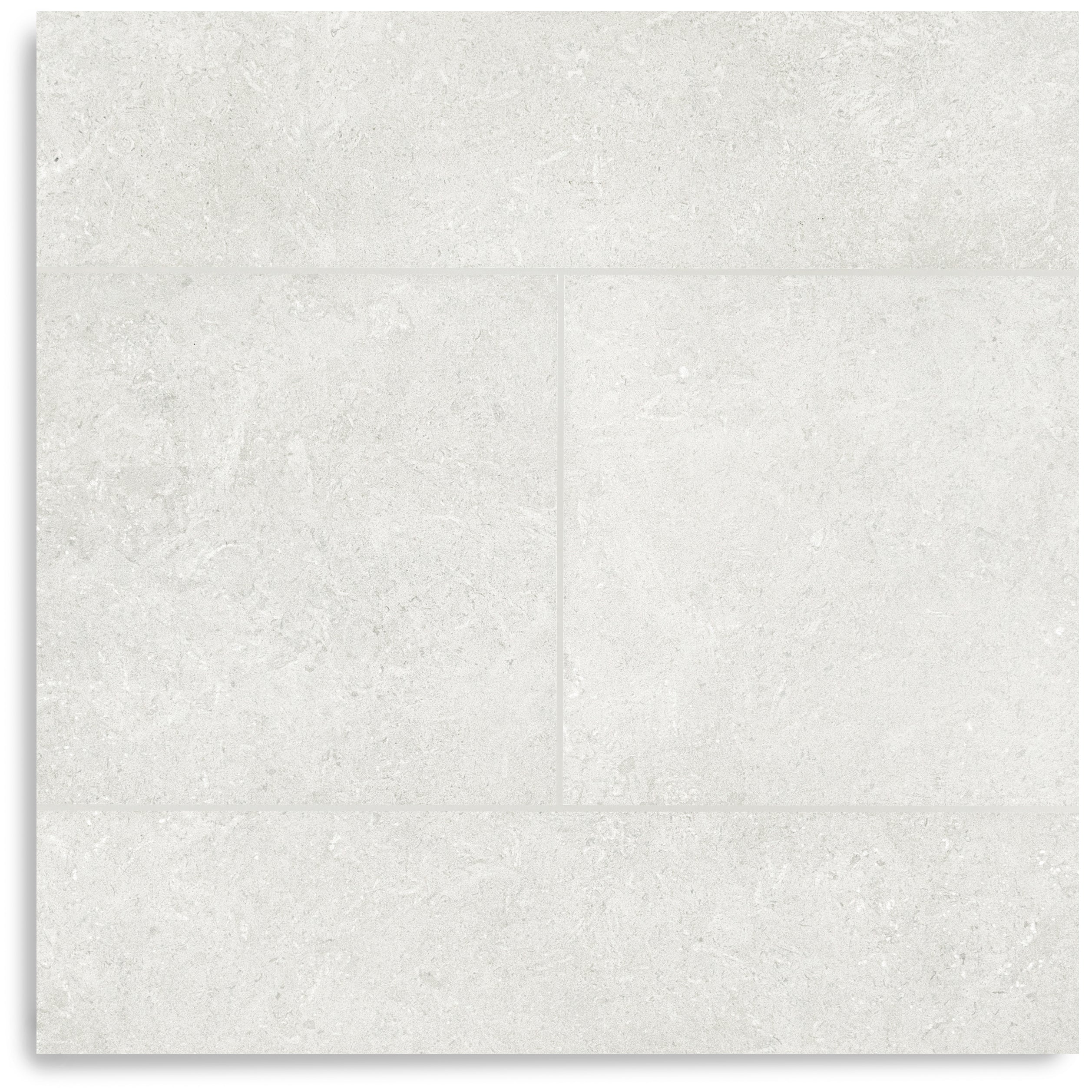
Silver Limestone Look 3D Matte Porcelain Tile


No. 6 Engineered Wood Flooring


Burano Honed Italian Terrazzo Tile
Fior de Bosco Marble Look Porcelain Tile
Nut 9.5x60 Wood Look Porcelain Tile
Venica Red Stone Look Porcelain Tile
Almond Hammered Limestone Look Matte Porcelain Tile
Honey Slats 24x48 Wood Look Porcelain Tile


No. 4 Engineered Wood Flooring


No. 2 Engineered Wood Flooring


No. 12 Engineered Wood Flooring
Pearl Hammered Limestone Look Matte Porcelain Tile
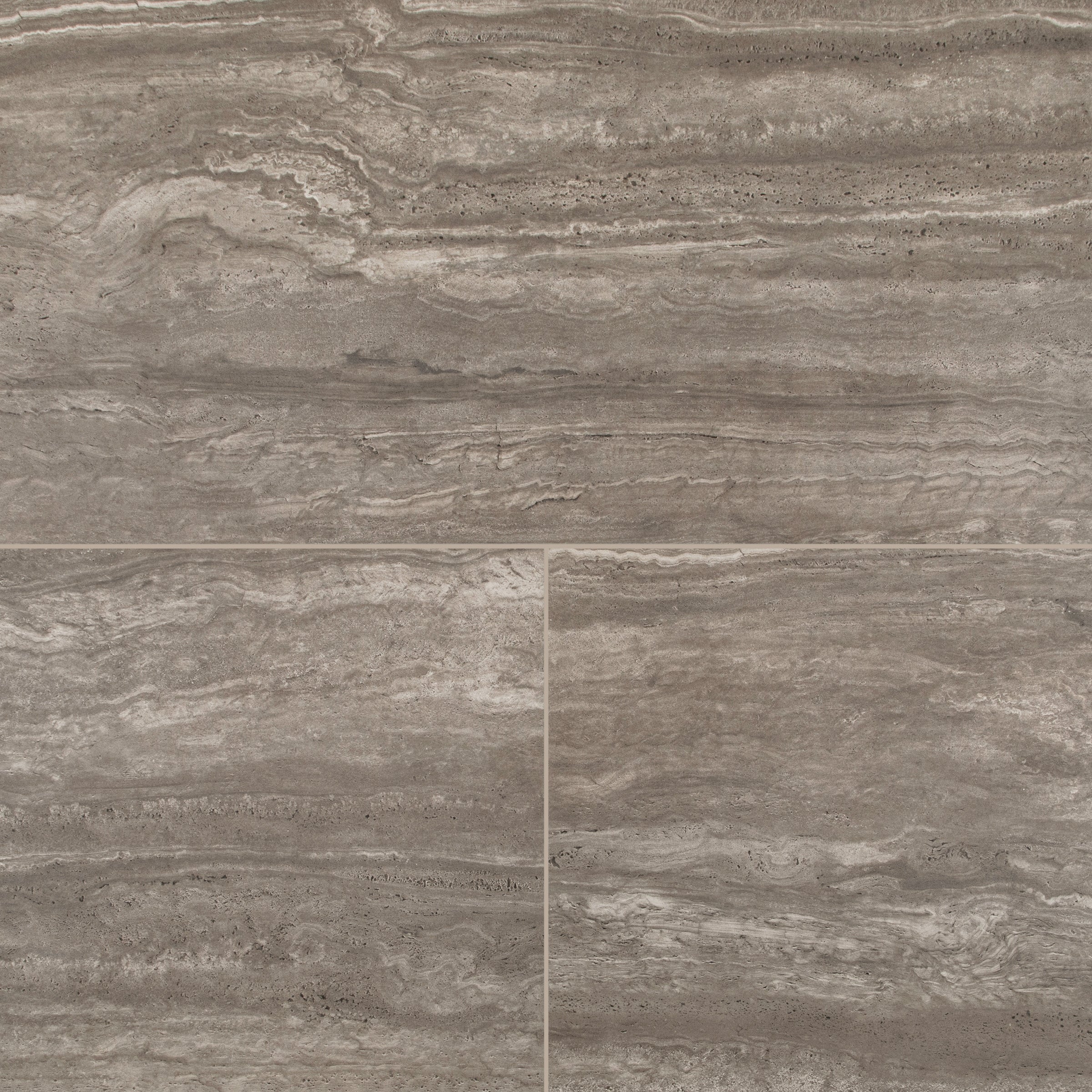


Ash Cement Look Matte Porcelain Tile
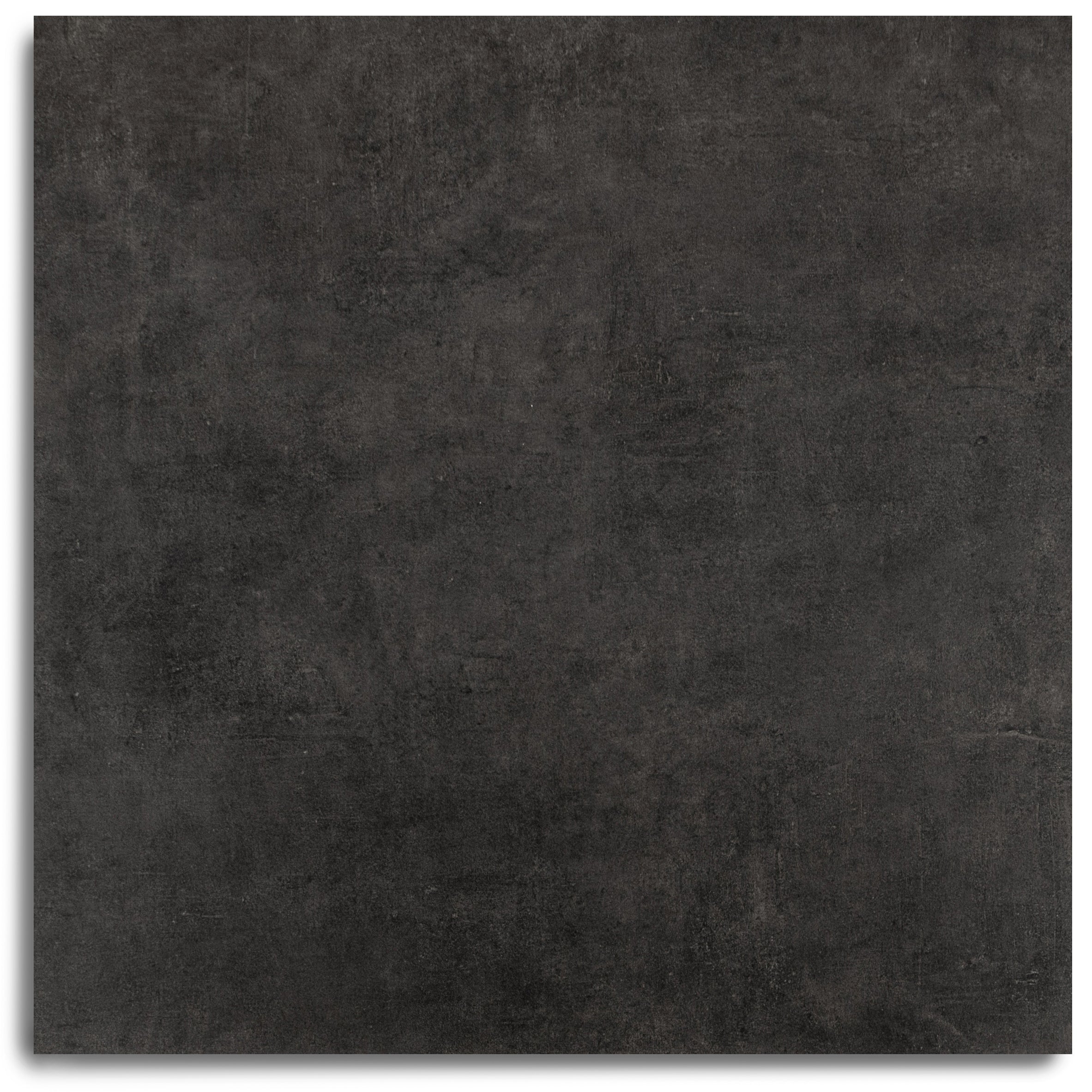
Slate 48x48 Cement Look Porcelain Tile
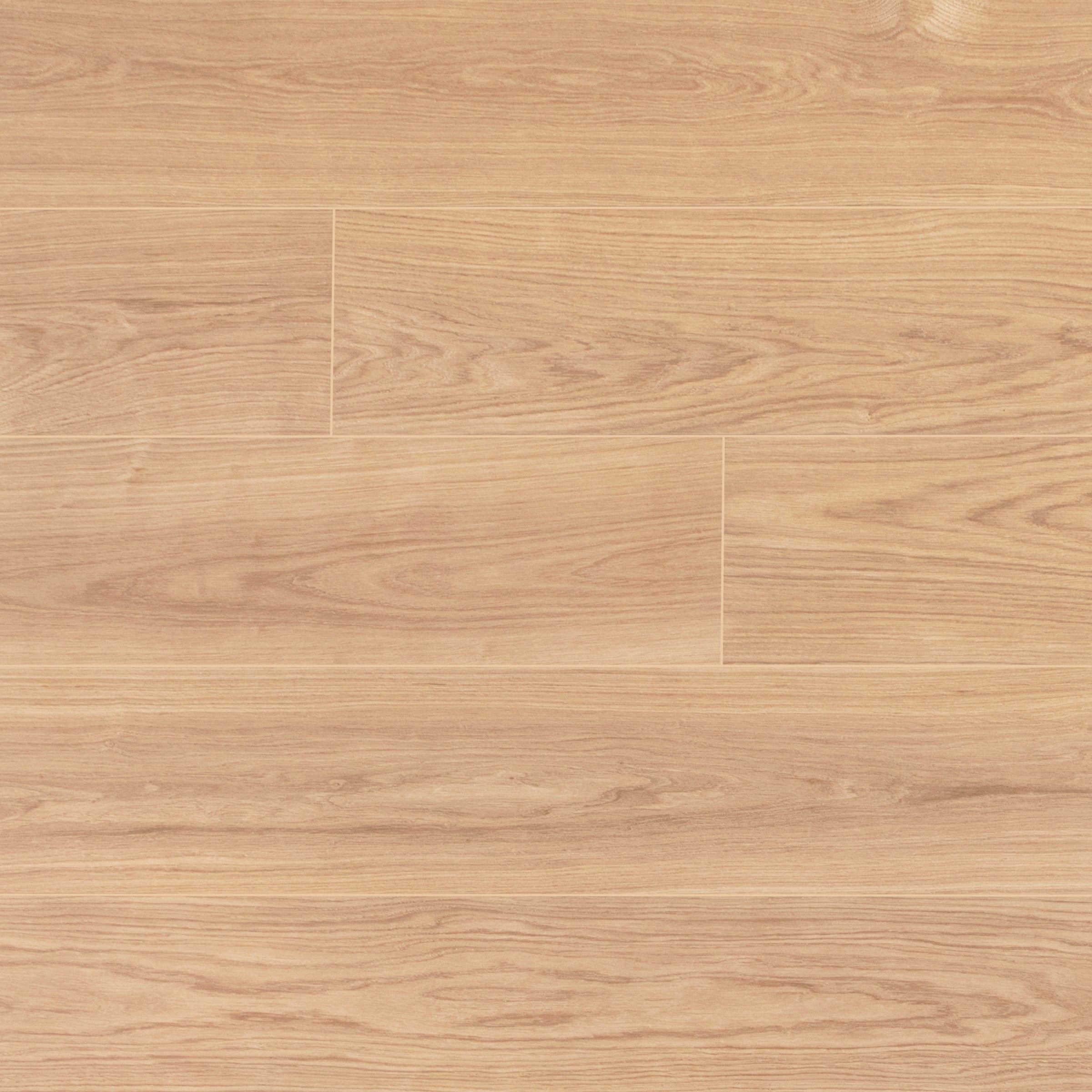
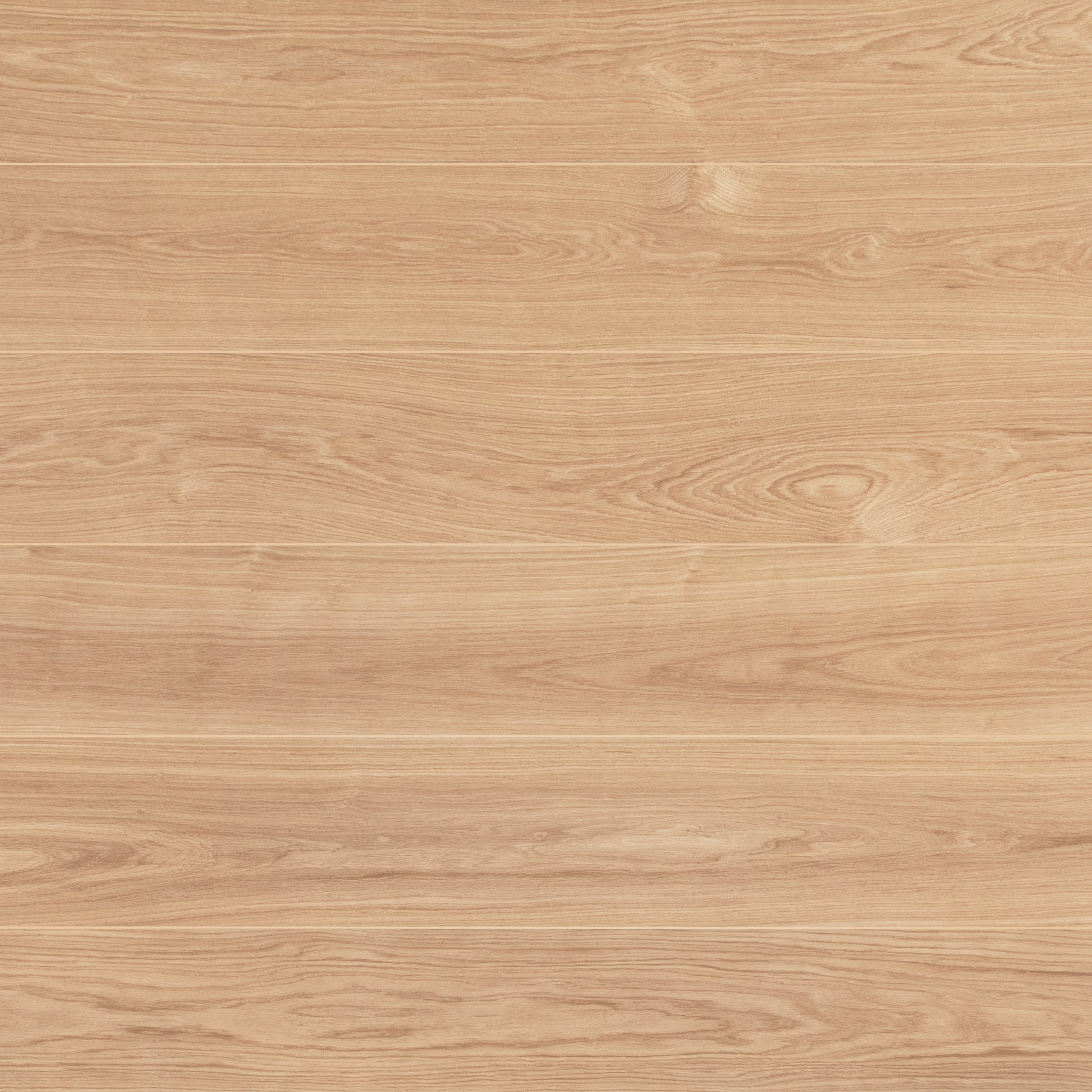
Honey 9.5x60 Wood Look Porcelain Tile
Pearl 24x24 Cheppo Look Matte Porcelain Tile

Torcello Honed Italian Terrazzo Tile

No. 10 Engineered Wood Flooring
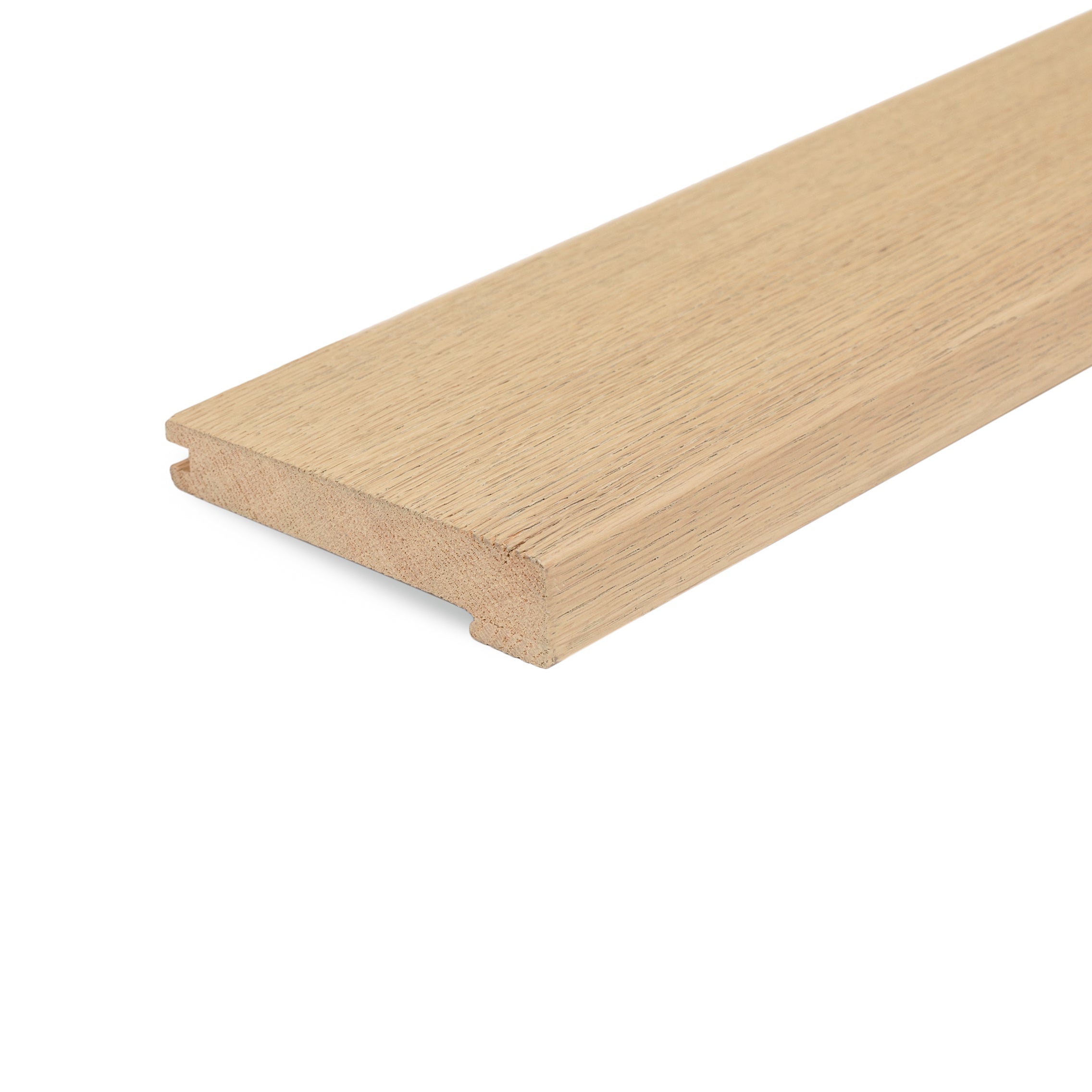
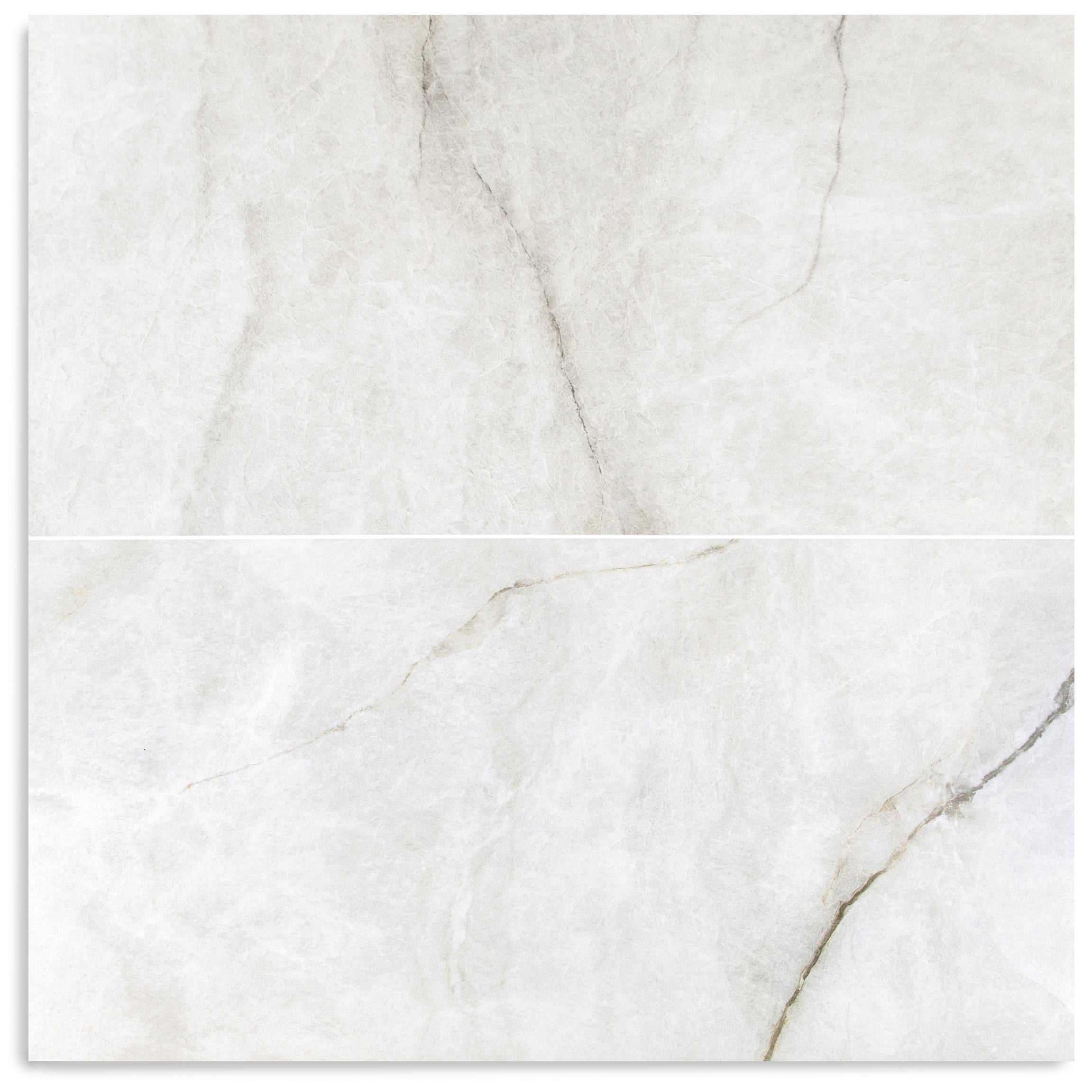
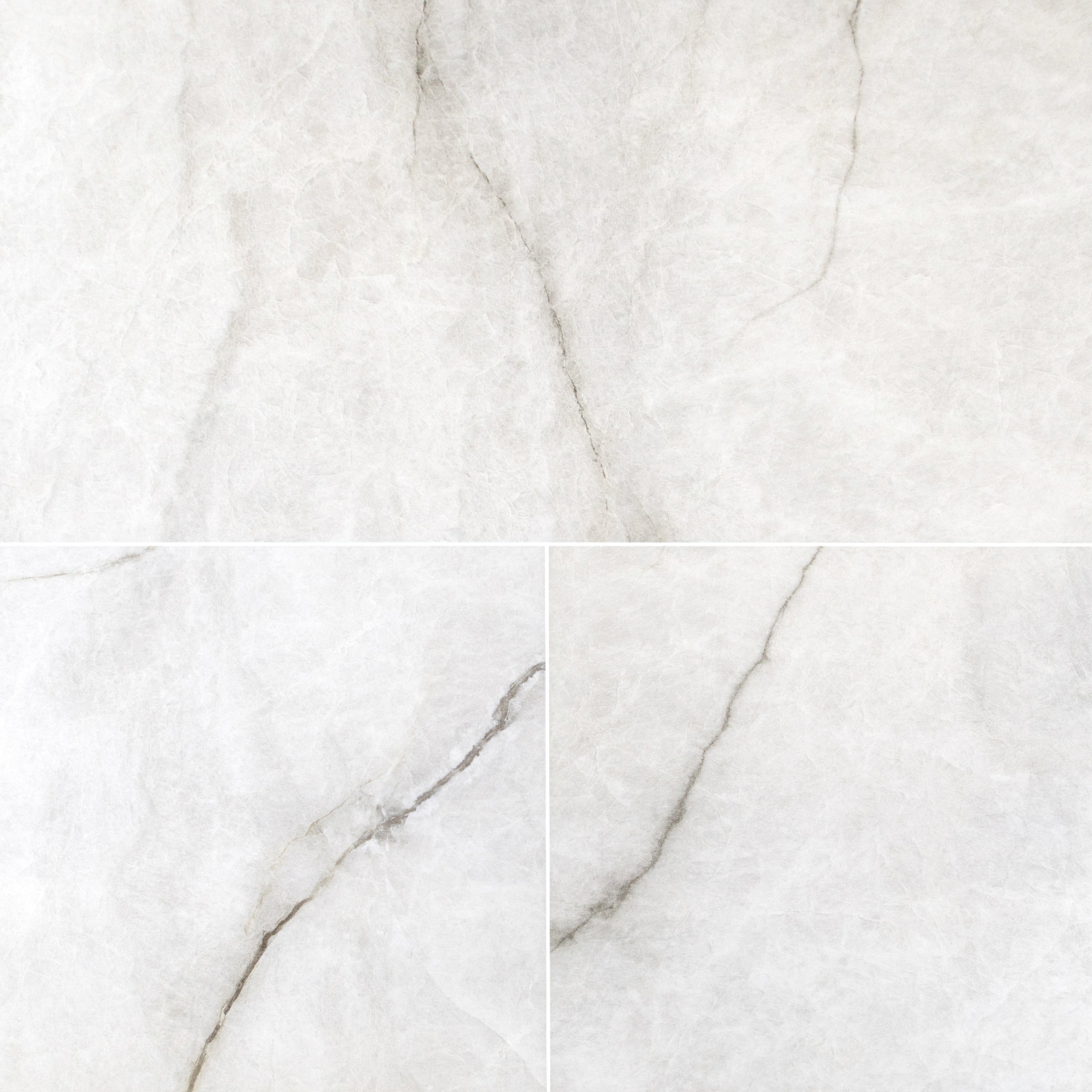
Nuvola Pearl 24x48 Marble Look Porcelain Tile
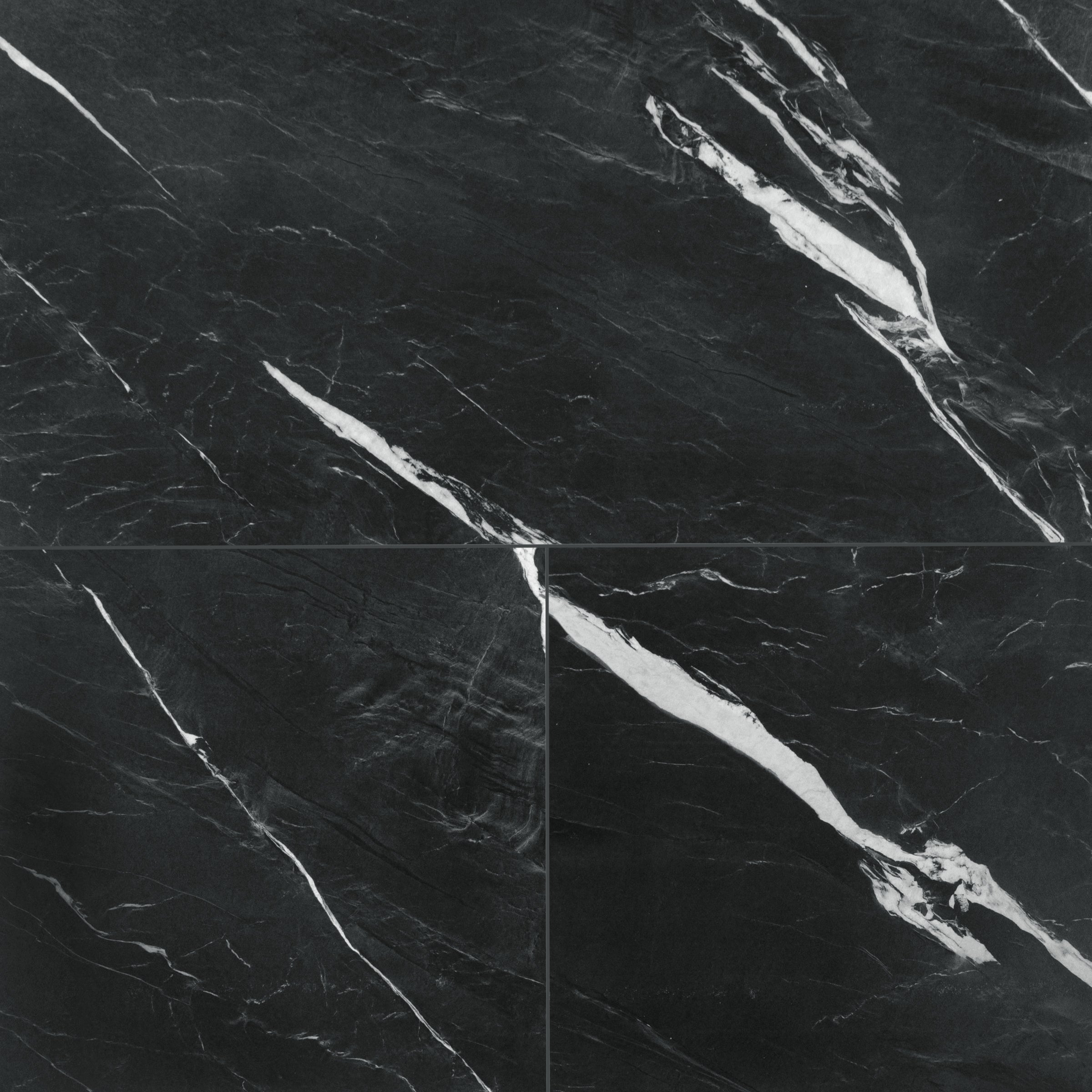
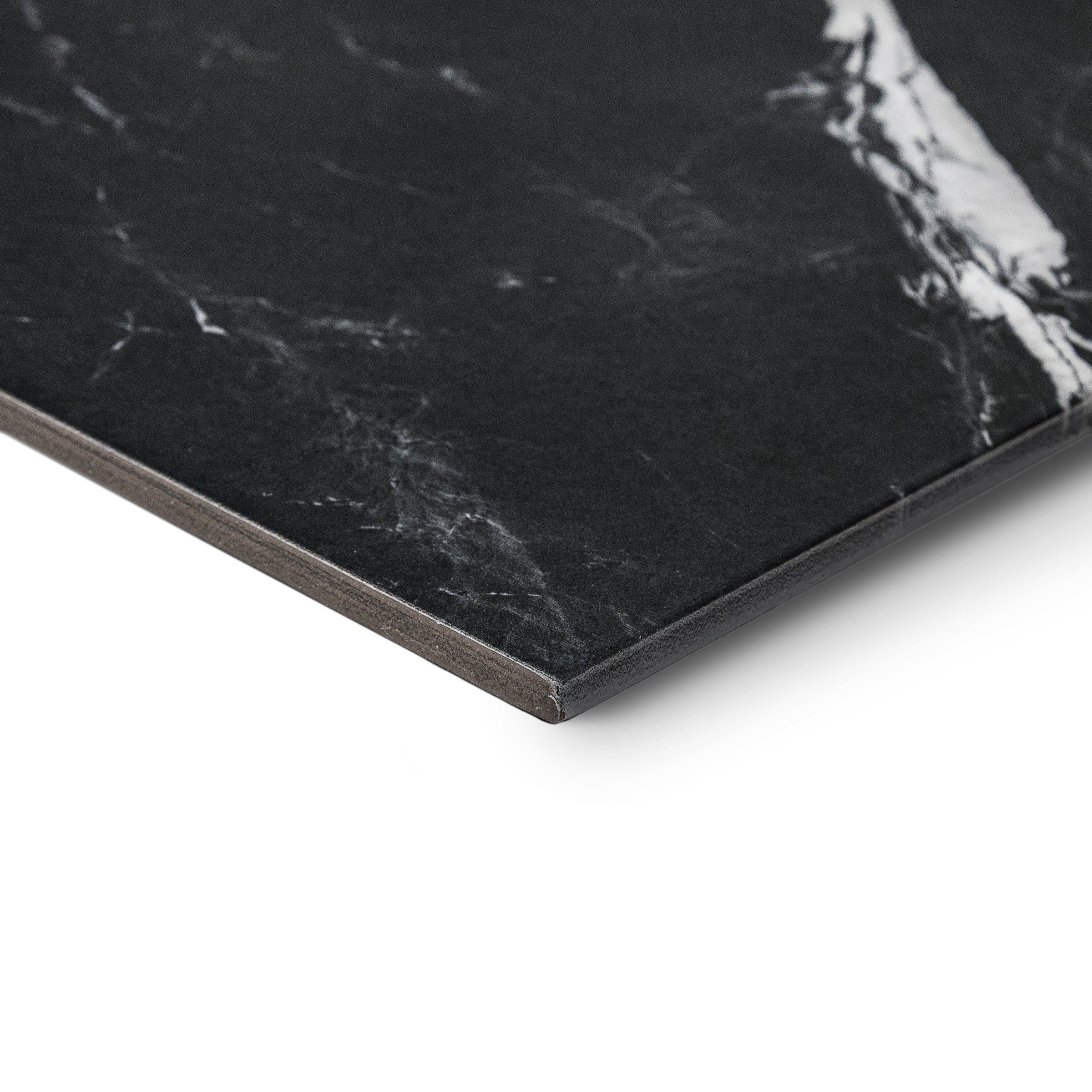
Montblack Matte Marble Look Porcelain Tile
Cream Limestone Look 3D Matte Porcelain Tile
Cotto Terracotta Look Matte Porcelain Tile
Murano Honed Italian Terrazzo Tile
Travertino Moka Stone Look Porcelain Tile
Apple 12x24 3D Glossy Porcelain Tile
Beige Limestone Look 3D Matte Porcelain Tile
Travertino 3D Matte Porcelain Tile
Cream 12x24 3D Gloss Porcelain Tile
Navy 12x24 3D Gloss Porcelain Tile
Almond Cement Look Matte Porcelain Tile
Amazzonite Matte Marble Look Porcelain Tile
Breccia Capraia 3D Mable Look Porcelain Tile
Spider Gold Matte Marble Look Porcelain Tile
Taj Matte Marble Look Porcelain Tile
Calacatta Honed Italian Terrazzo Tile
White Paradise Marble Look Porcelain Tile
Borgogna 3D Matte Porcelain Tile
Silver Limestone Look 3D Matte Porcelain Tile
No. 6 Engineered Wood Flooring
Fior de Bosco Marble Look Porcelain Tile
Nut 9.5x60 Wood Look Porcelain Tile
Venica Red Stone Look Porcelain Tile
Almond Hammered Limestone Look Matte Porcelain Tile
Honey Slats 24x48 Wood Look Porcelain Tile
No. 4 Engineered Wood Flooring
No. 2 Engineered Wood Flooring
No. 12 Engineered Wood Flooring


No. 5 9x60 Rigid Core Vinyl Flooring


No. 3 9x60 Rigid Core Vinyl Flooring


No. 11 9x60 Rigid Core Vinyl Flooring


No. 13 9x60 Rigid Core Vinyl Flooring
Pearl Hammered Limestone Look Matte Porcelain Tile
Ash Cement Look Matte Porcelain Tile
Slate 48x48 Cement Look Porcelain Tile
Honey 9.5x60 Wood Look Porcelain Tile
Pearl 24x24 Cheppo Look Matte Porcelain Tile
Torcello Honed Italian Terrazzo Tile
No. 10 Engineered Wood Flooring


No. 9 9x60 Rigid Core Vinyl Flooring


No. 15 9x60 Rigid Core Vinyl Flooring
Nuvola Pearl 24x48 Marble Look Porcelain Tile
Montblack Matte Marble Look Porcelain Tile
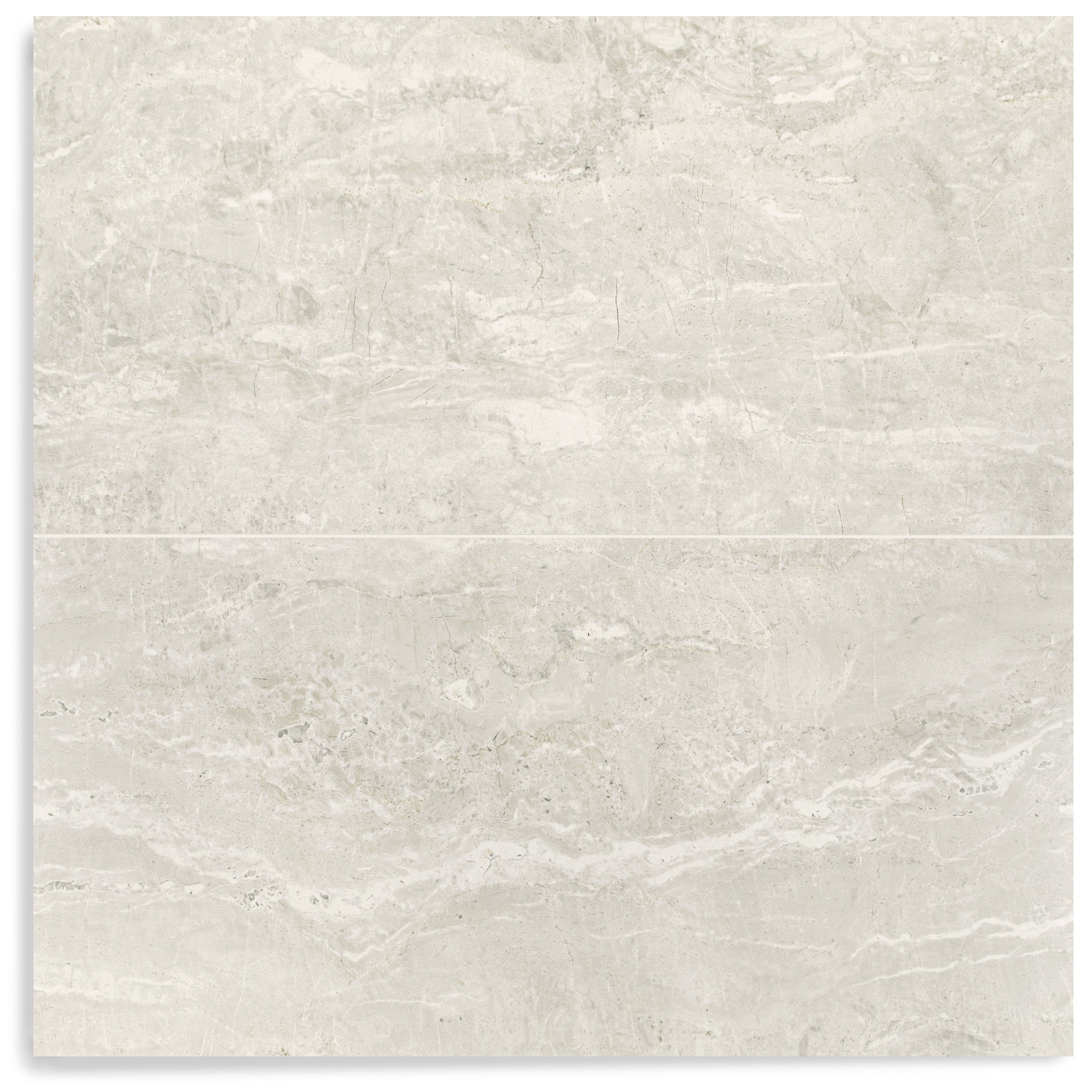
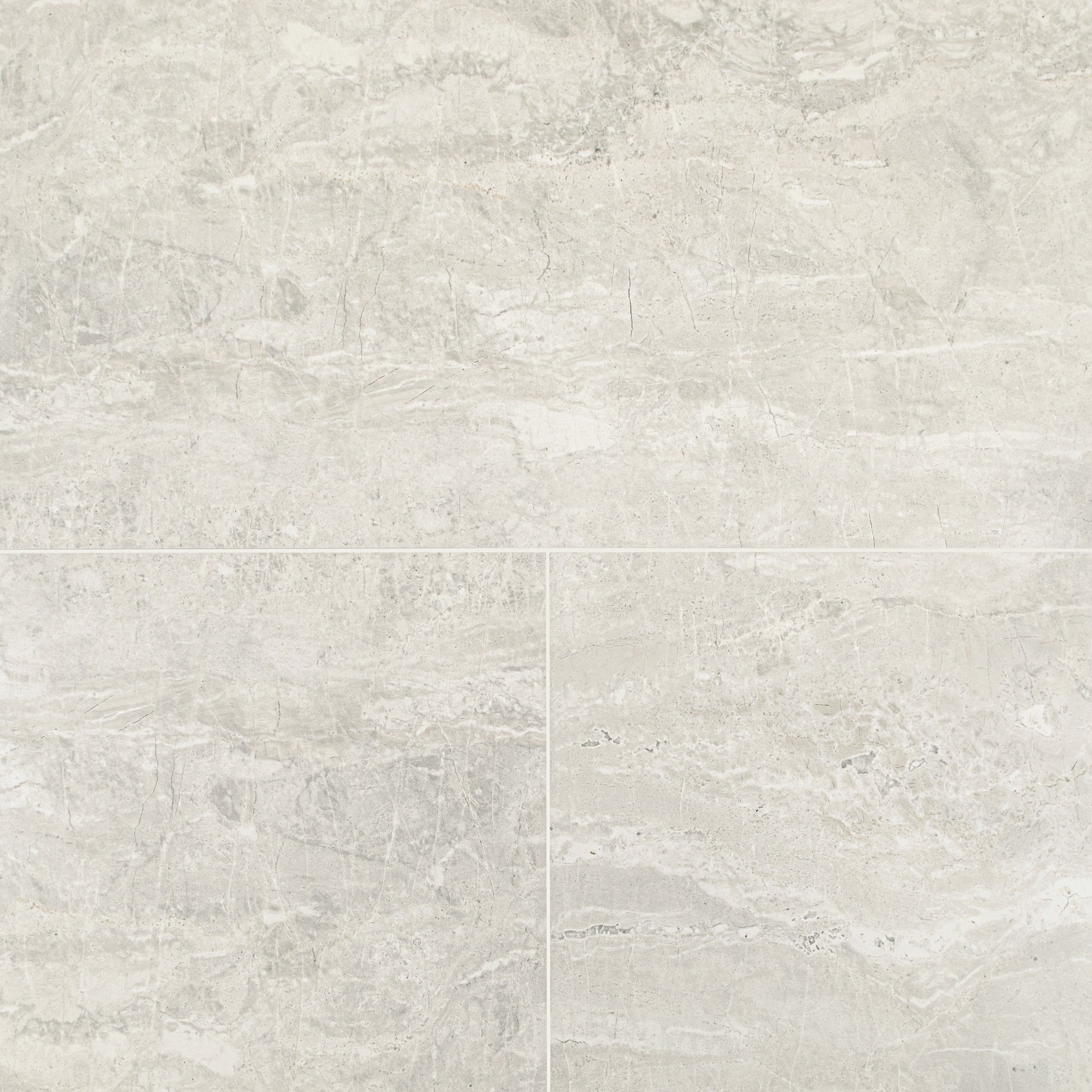
Ivory Marble Look Matte Porcelain Tile


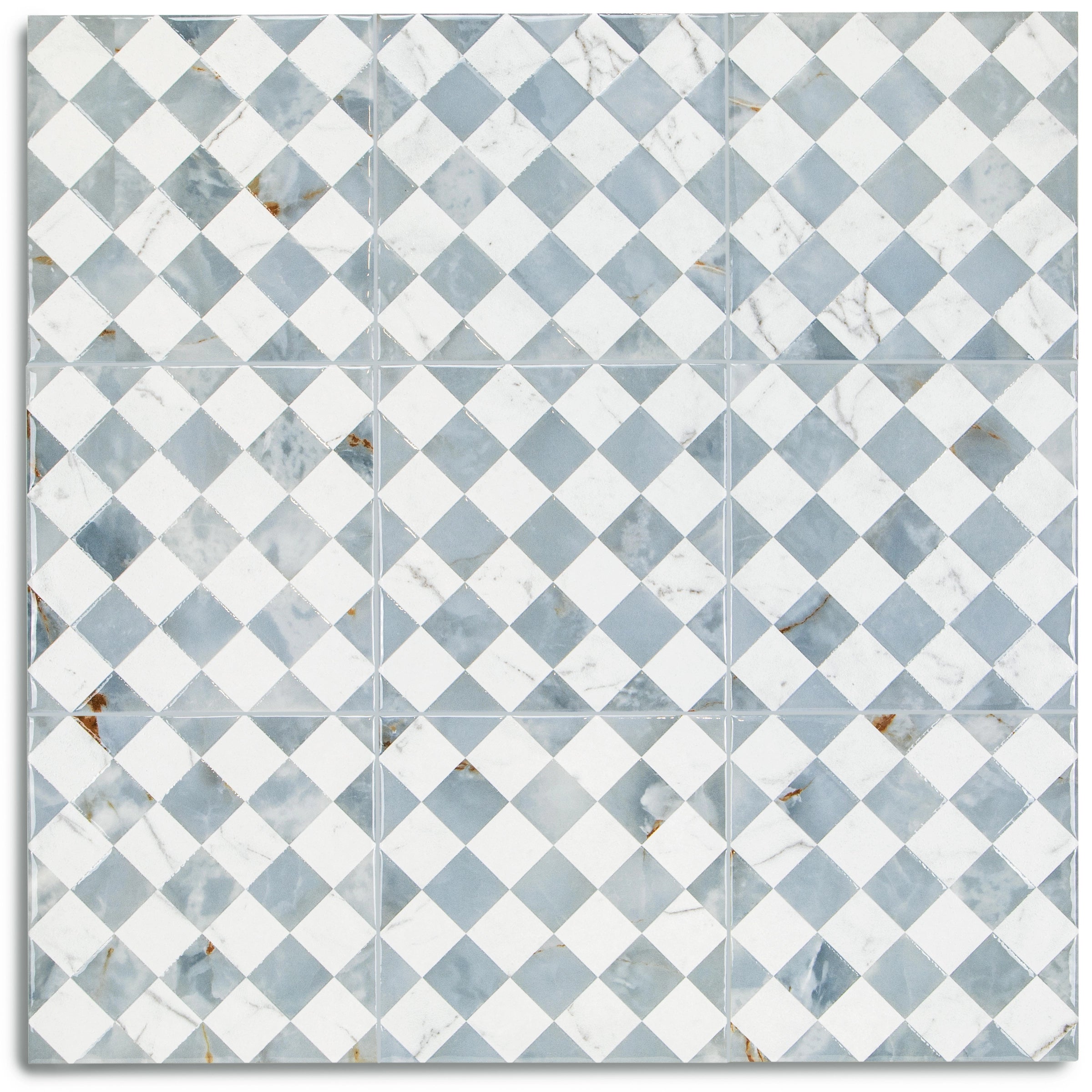
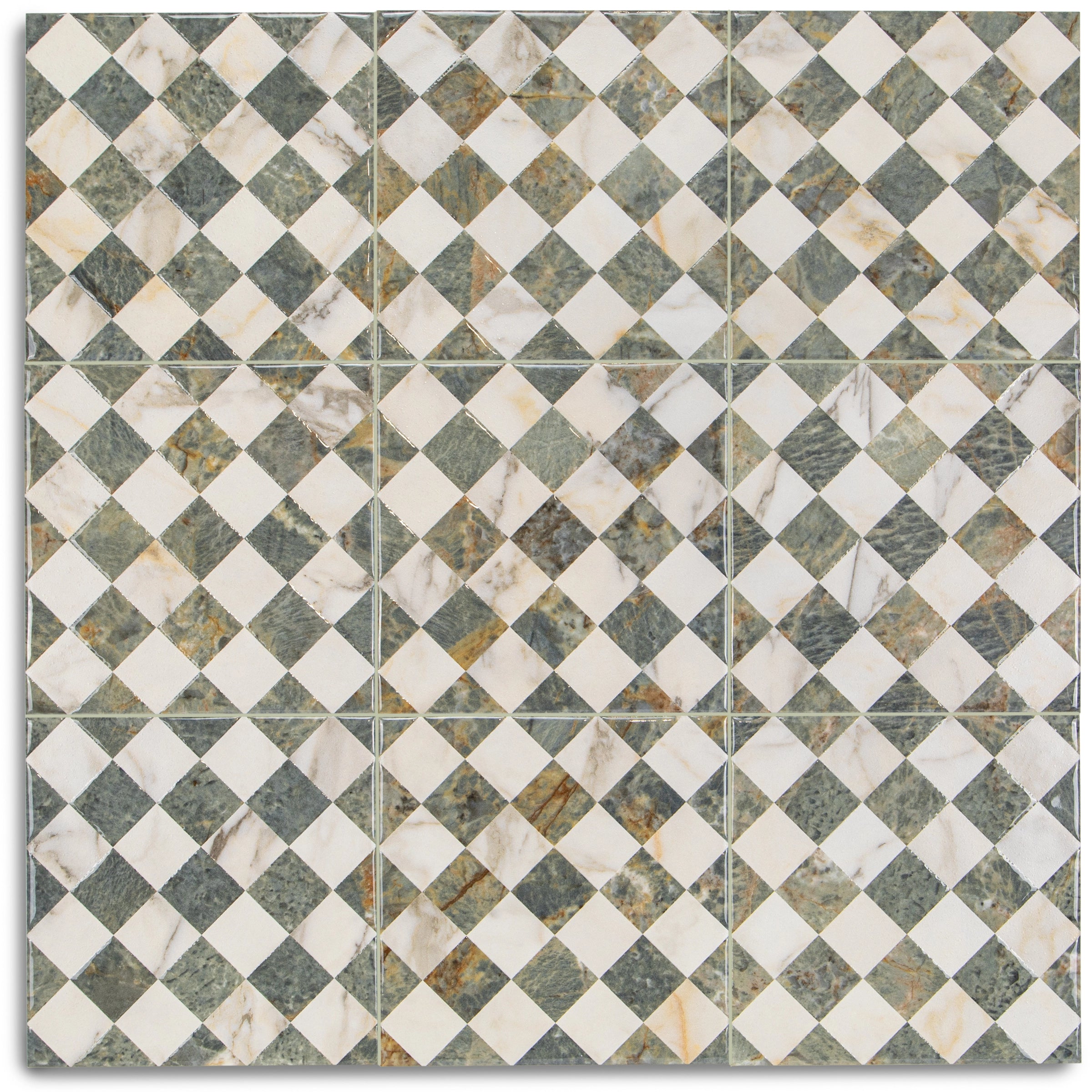


White & Ecru Octagon Zellige Mosaic


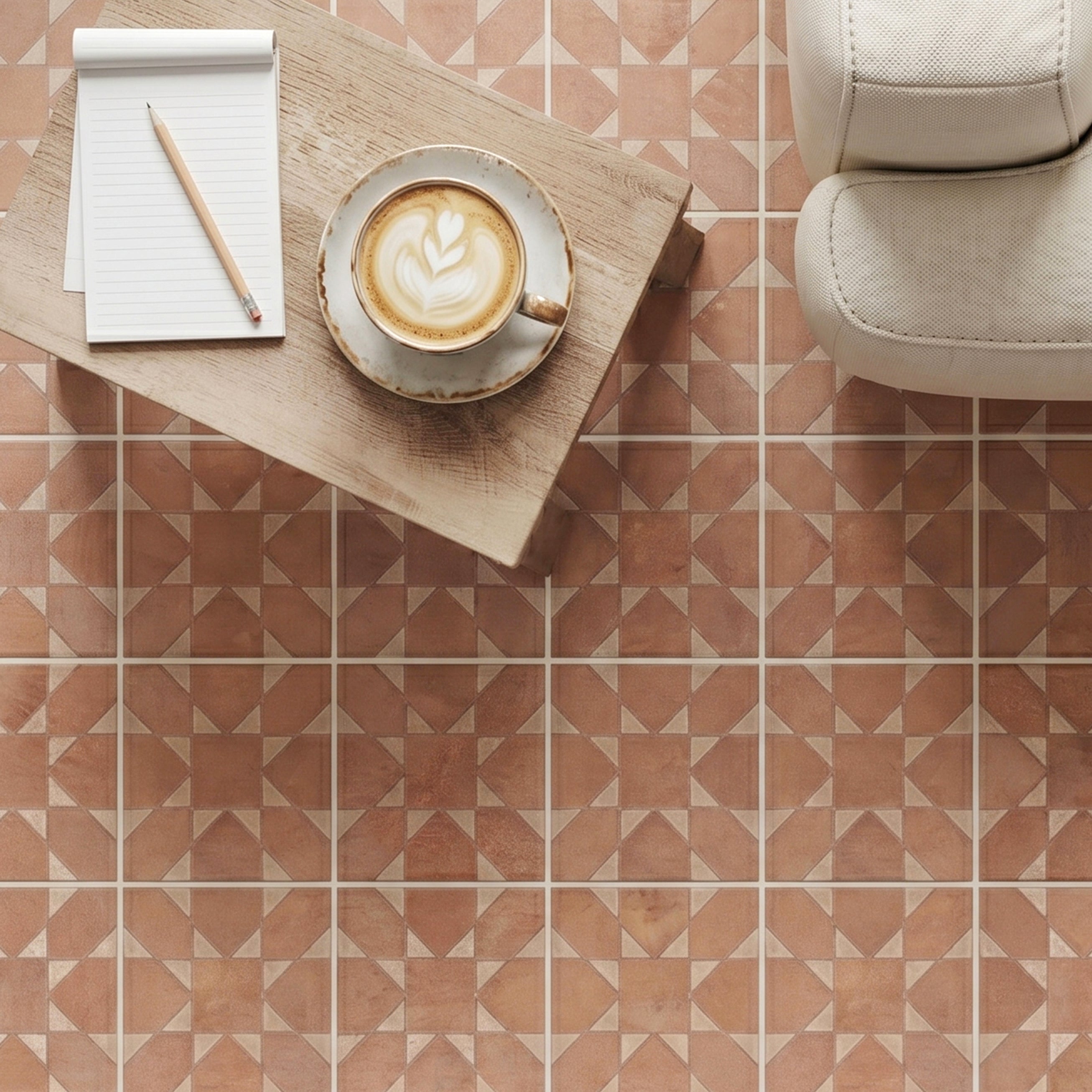
Cotto Deco Terracotta Look Matte Porcelain Tile
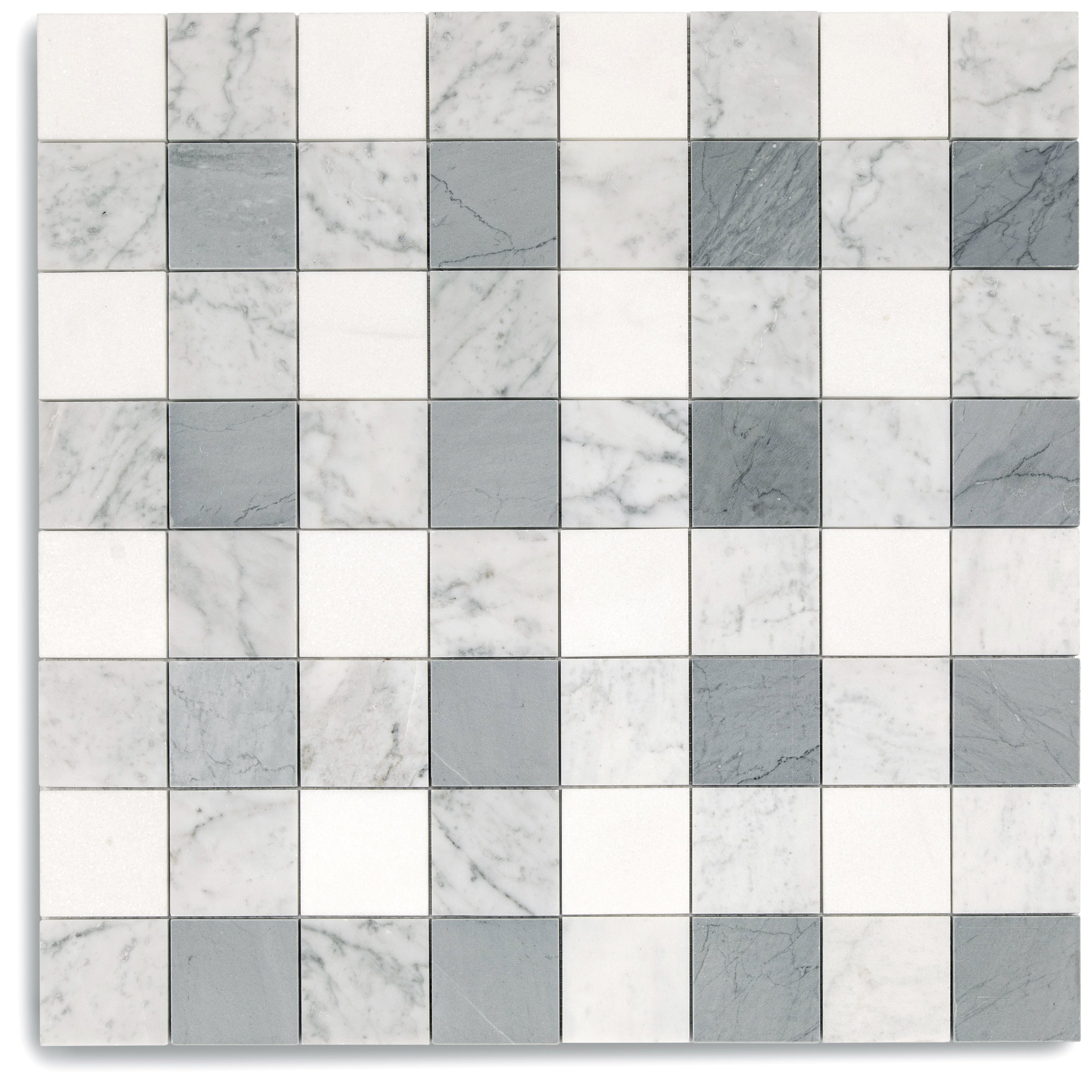
Thassos, Carrara, Bardiglio Gingham Marble Mosaic


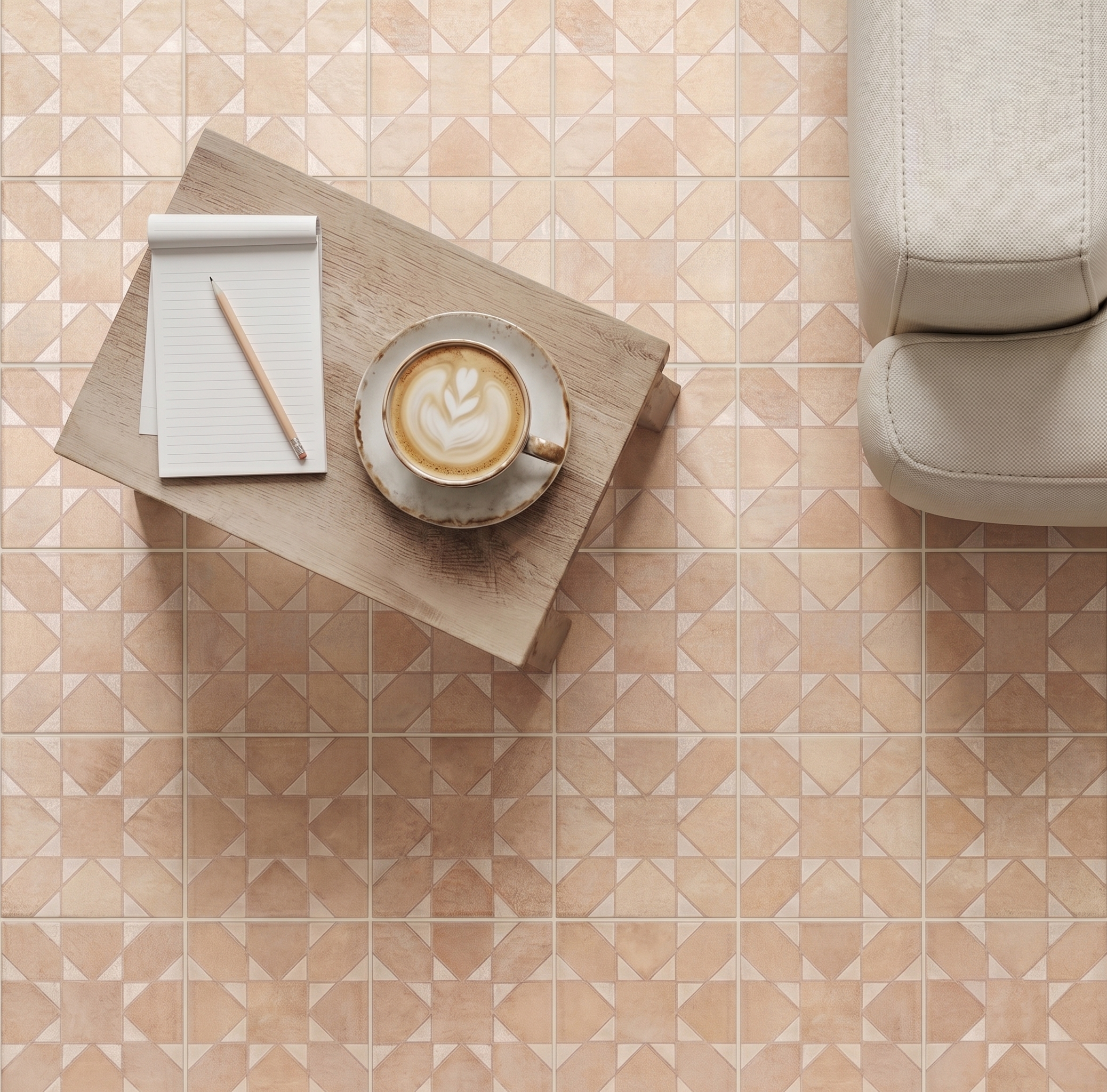
Chiaro Deco Terracotta Look Matte Porcelain Tile


White & Ecru 2x2 Zellige Checkerboard Mosaic


Unglazed & White Octagon Zellige Mosaic
Cream Limestone Look 3D Matte Porcelain Tile
Cotto Terracotta Look Matte Porcelain Tile


White & Black Octagon Zellige Mosaic
Murano Honed Italian Terrazzo Tile
Carrara Bardiglio Tumbled Stone Checkerboard
Travertino Moka Stone Look Porcelain Tile
Apple 12x24 3D Glossy Porcelain Tile


White & Oxblood 2x2 Zellige Checkerboard Mosaic

White Multi-Color Matte Porcelain Tile
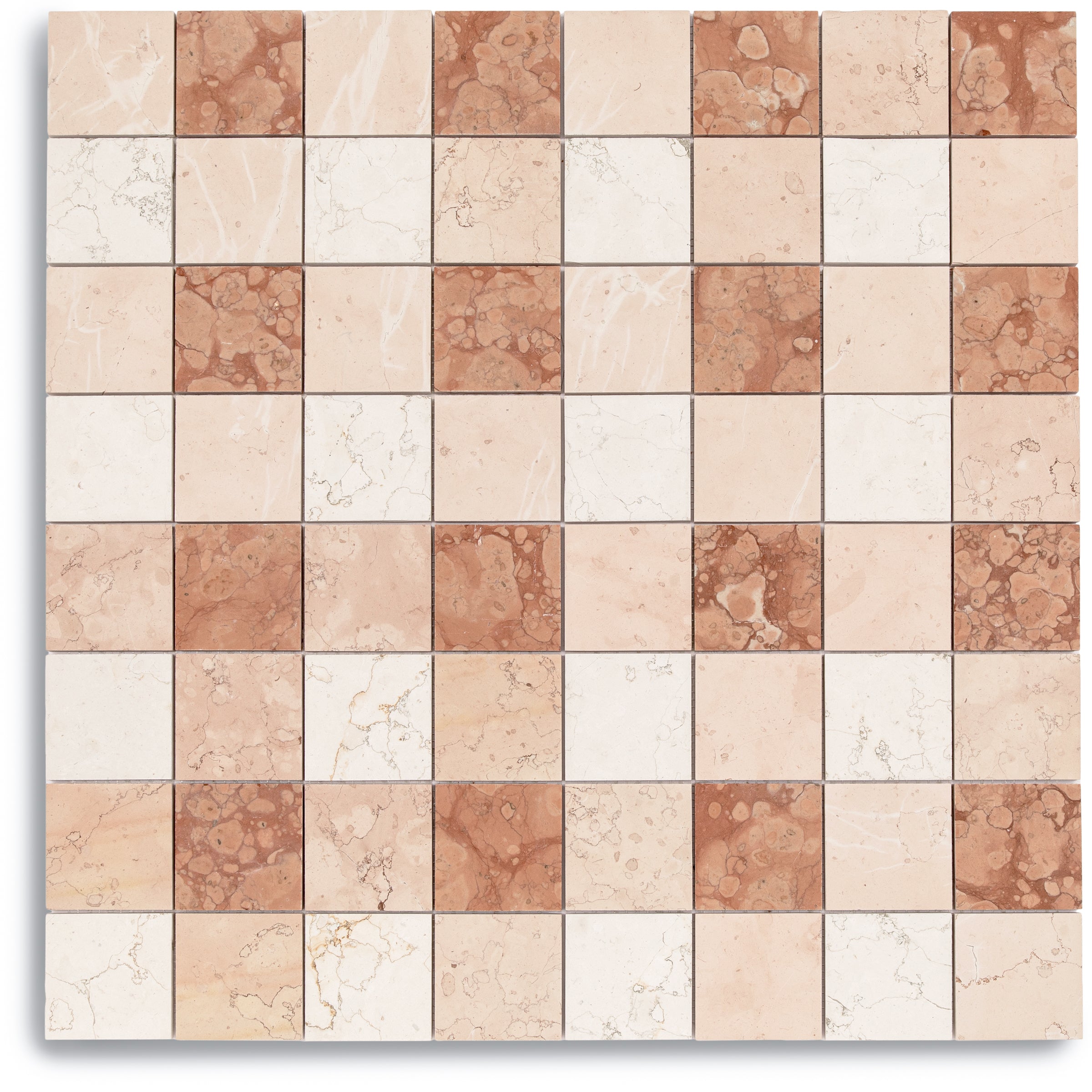
Rosso Verona Tumbled Marble Tile
Beige Limestone Look 3D Matte Porcelain Tile




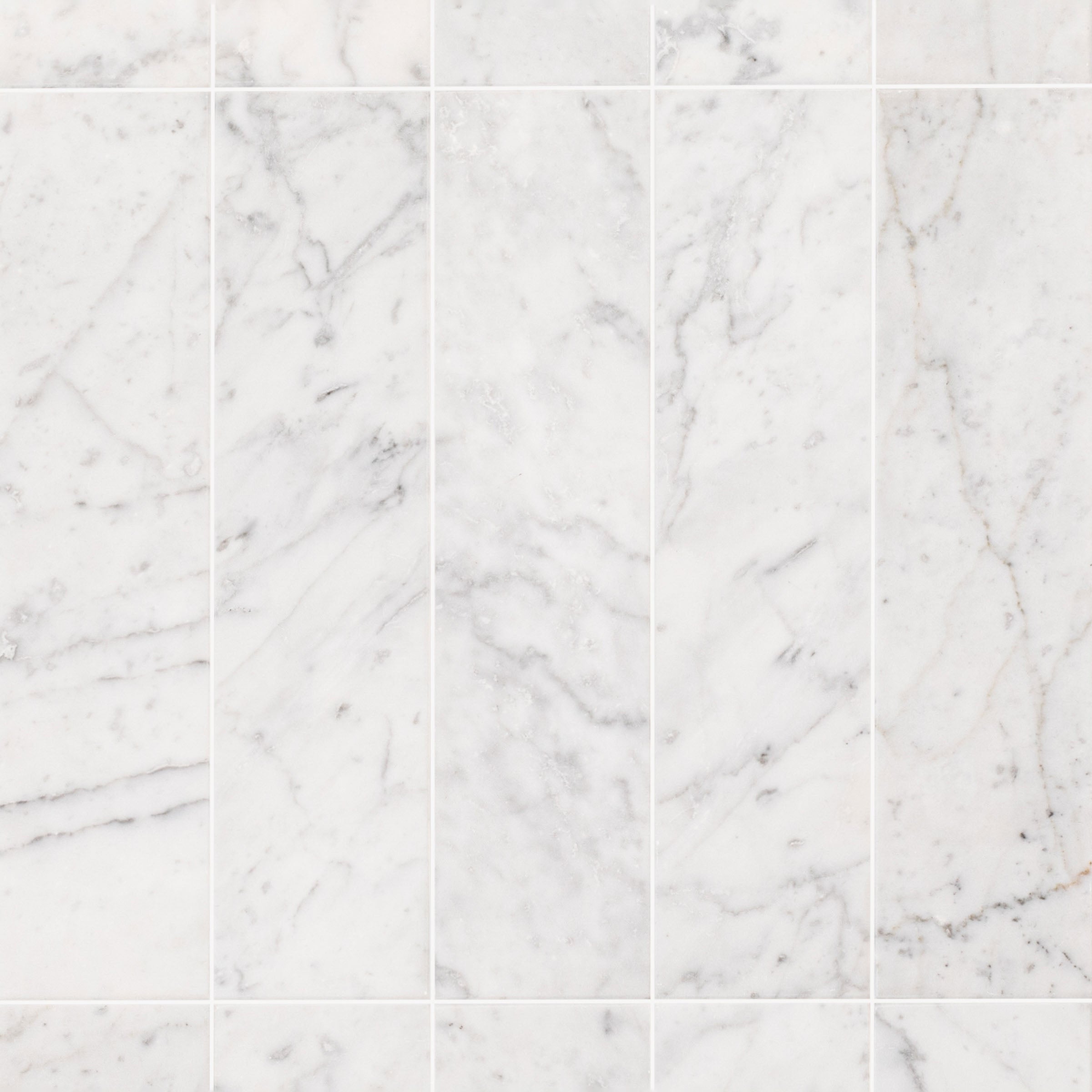
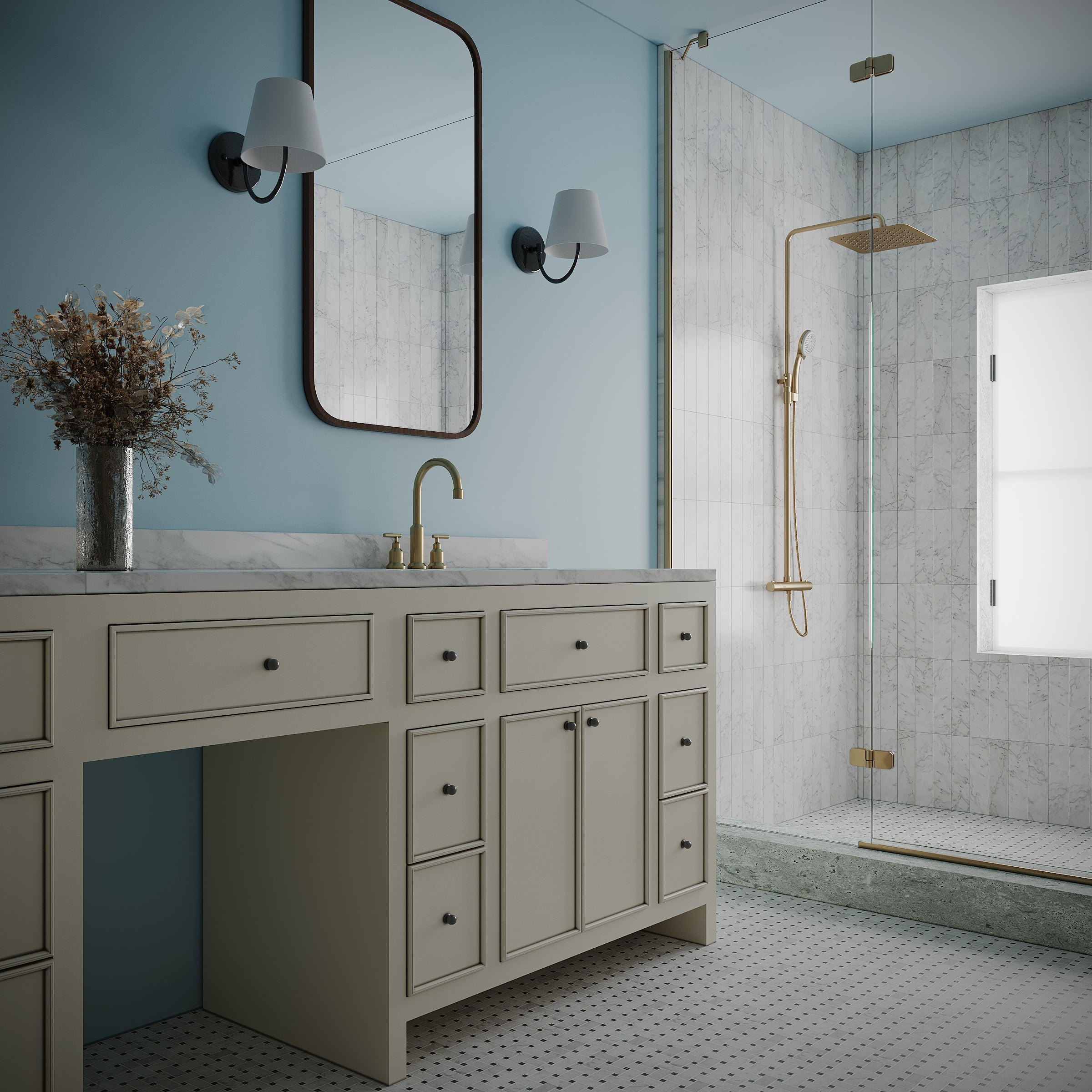
Bianco Carrara Honed Marble Tile

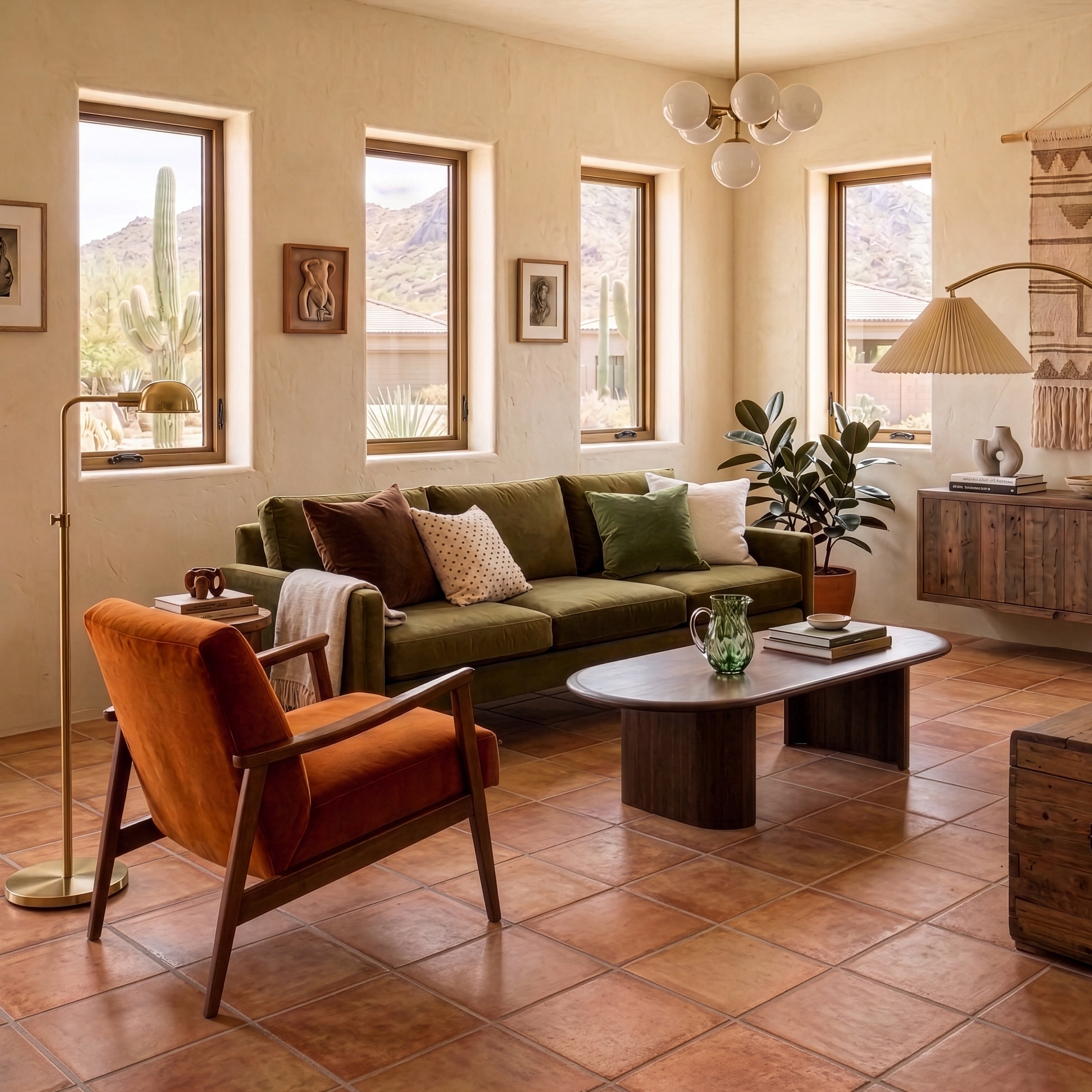
Natura Terracotta Look Matte Porcelain Tile
Travertino 3D Matte Porcelain Tile
Rosso Verona 1x1 Hand Chipped Marble Mosaic
Cream 12x24 3D Gloss Porcelain Tile
Navy 12x24 3D Gloss Porcelain Tile



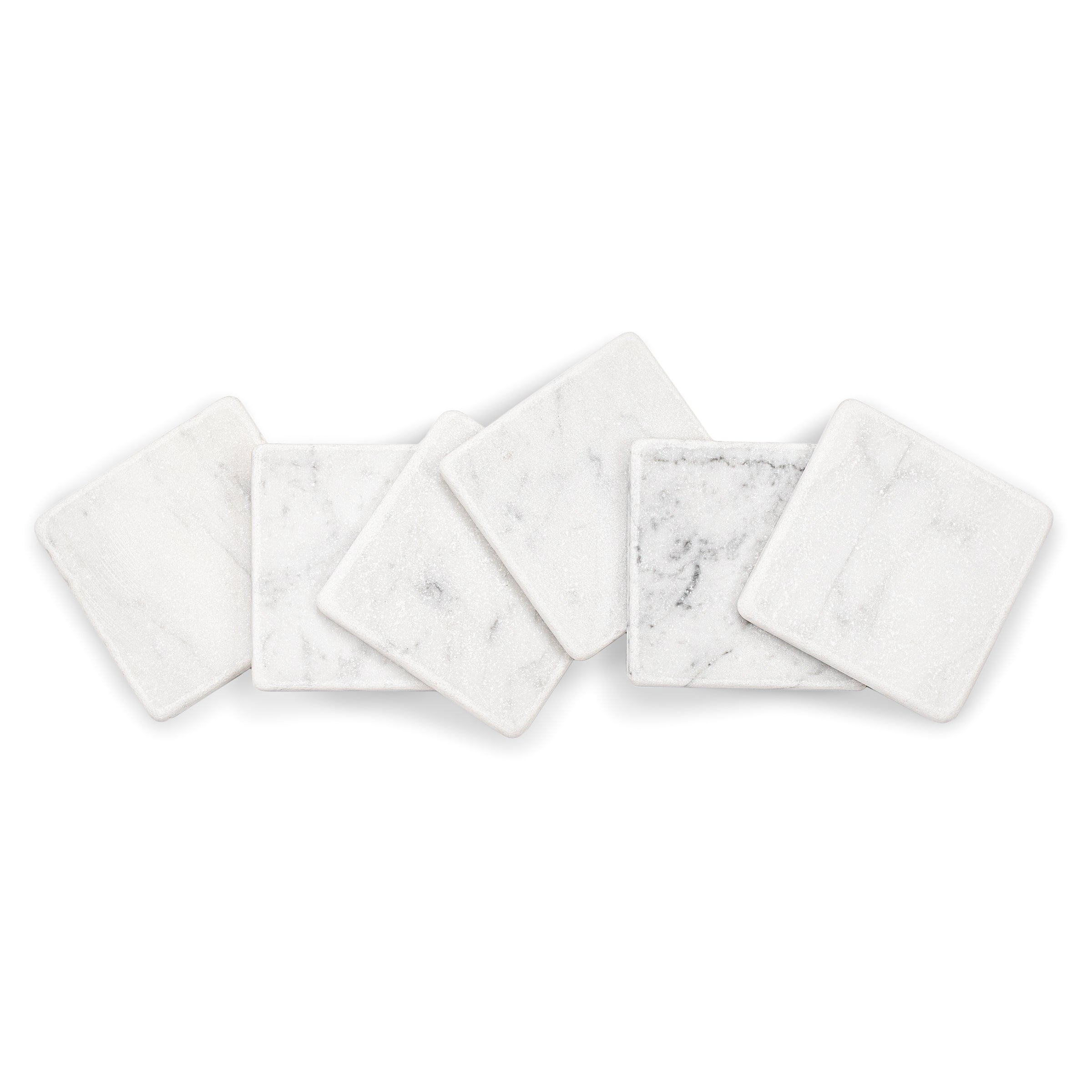
Almond Cement Look Matte Porcelain Tile


Cotto 2x2 Forma Porcelain Mosaic
White & Ecru Octagon Zellige Mosaic
Cotto Deco Terracotta Look Matte Porcelain Tile
Thassos, Carrara, Bardiglio Gingham Marble Mosaic


Chiaro Deco Terracotta Look Matte Porcelain Tile
White & Ecru 2x2 Zellige Checkerboard Mosaic


Unglazed & White Octagon Zellige Mosaic
Cotto Terracotta Look Matte Porcelain Tile
Cream Limestone Look 3D Matte Porcelain Tile
White & Black Octagon Zellige Mosaic
Murano Honed Italian Terrazzo Tile
Carrara Bardiglio Tumbled Stone Checkerboard
Apple 12x24 3D Glossy Porcelain Tile
Travertino Moka Stone Look Porcelain Tile
Rosso Verona Tumbled Marble Tile
White & Oxblood 2x2 Zellige Checkerboard Mosaic
White Multi-Color Matte Porcelain Tile
Beige Limestone Look 3D Matte Porcelain Tile
Bianco Carrara Honed Marble Tile
Natura Terracotta Look Matte Porcelain Tile
Rosso Verona 1x1 Hand Chipped Marble Mosaic
Travertino 3D Matte Porcelain Tile
Cream 12x24 3D Gloss Porcelain Tile
Navy 12x24 3D Gloss Porcelain Tile
White & Ecru Octagon Zellige Mosaic
Cotto Deco Terracotta Look Matte Porcelain Tile
Thassos, Carrara, Bardiglio Gingham Marble Mosaic
Chiaro Deco Terracotta Look Matte Porcelain Tile
White & Ecru 2x2 Zellige Checkerboard Mosaic
Unglazed & White Octagon Zellige Mosaic
Cream Limestone Look 3D Matte Porcelain Tile
Cotto Terracotta Look Matte Porcelain Tile
White & Black Octagon Zellige Mosaic
Murano Honed Italian Terrazzo Tile
Carrara Bardiglio Tumbled Stone Checkerboard
Travertino Moka Stone Look Porcelain Tile
Rosso Verona Tumbled Marble Tile
White & Oxblood 2x2 Zellige Checkerboard Mosaic
White Multi-Color Matte Porcelain Tile
Beige Limestone Look 3D Matte Porcelain Tile
Rosso Verona 1x1 Hand Chipped Marble Mosaic
Bianco Carrara Honed Marble Tile
Travertino 3D Matte Porcelain Tile
Natura Terracotta Look Matte Porcelain Tile
Cotto 2x2 Forma Porcelain Mosaic
Almond Cement Look Matte Porcelain Tile

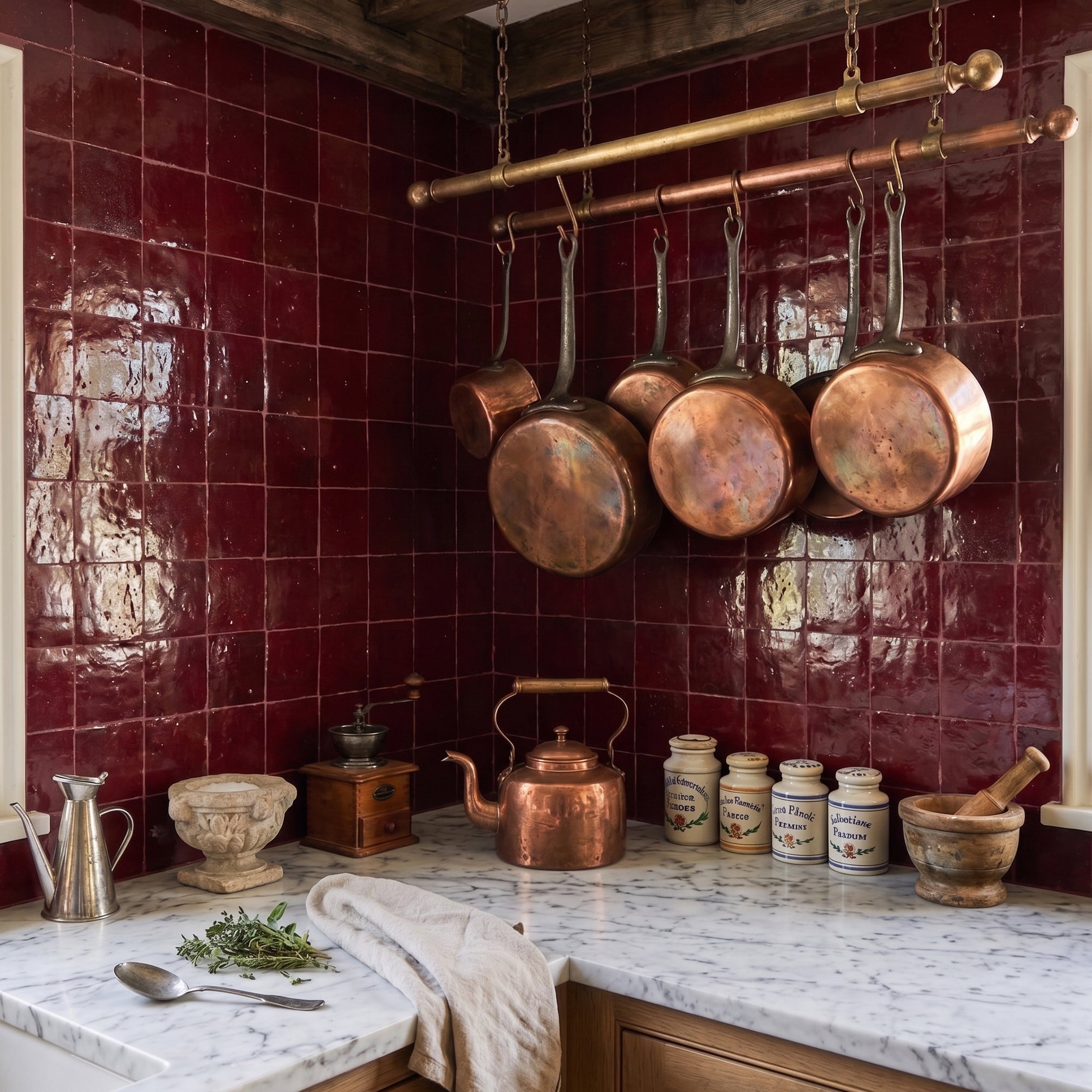

Star & Cross Classic Terracotta Tile
Amazzonite Matte Marble Look Porcelain Tile
Breccia Capraia 3D Mable Look Porcelain Tile


Cream 2x2 Forma Porcelain Mosaic


Cotto Cream Pink Forma Butterfly Porcelain Mosaic


Chocolate 2" Hexagon Textured Terracotta Mosaic
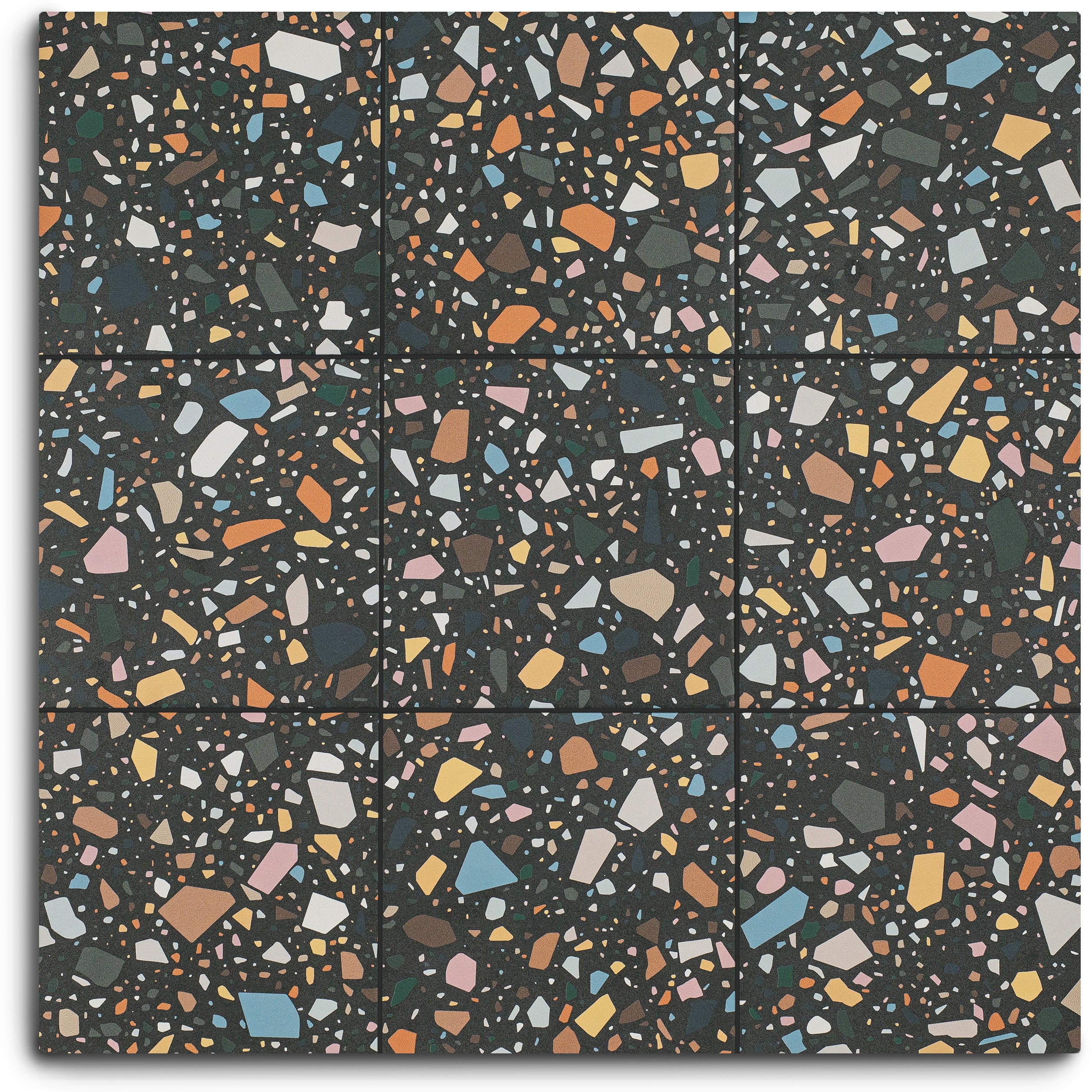

Black Multi-Color Matte Porcelain Tile
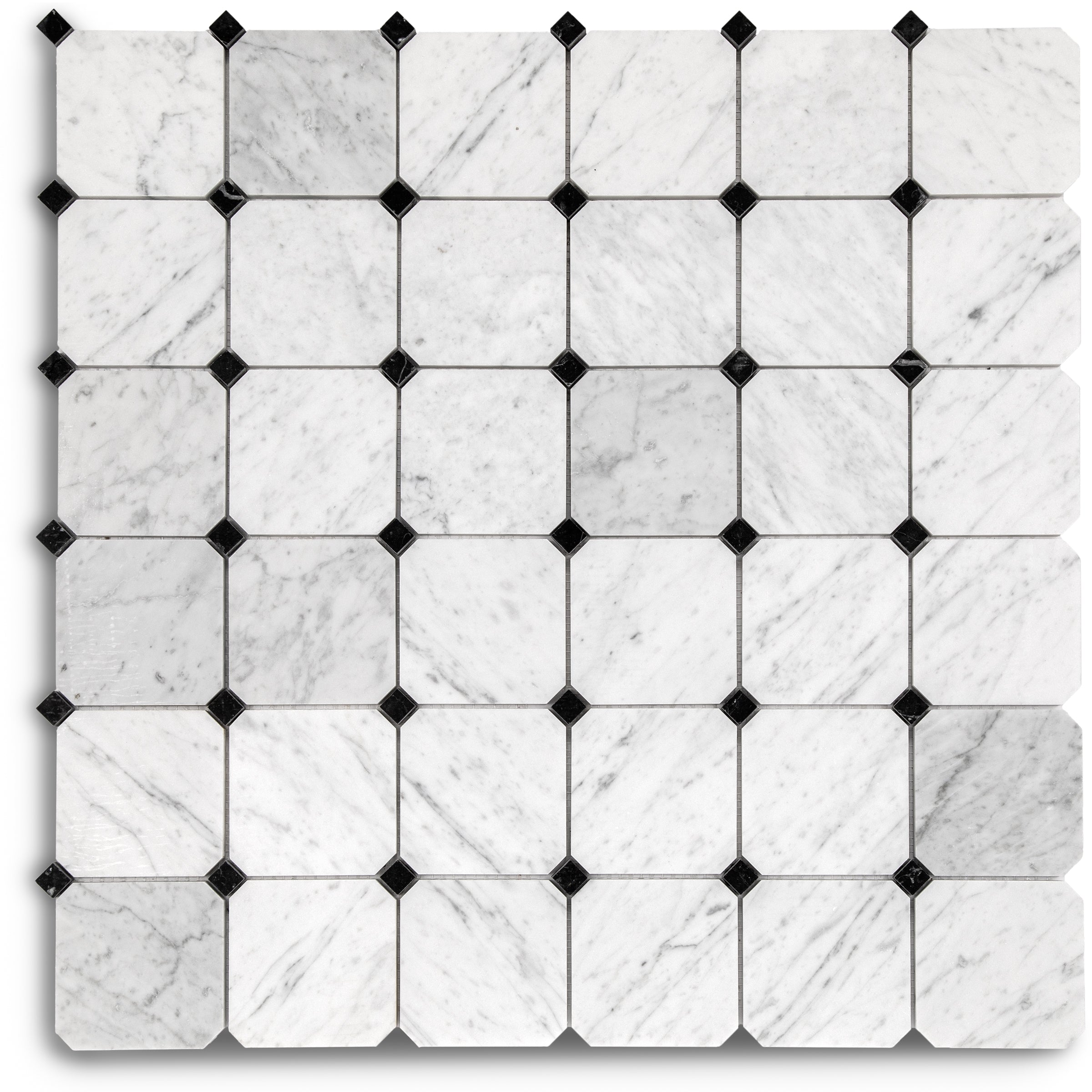
Bianco Carrara Octagon w/ Nero Marquina Dot Mosaic

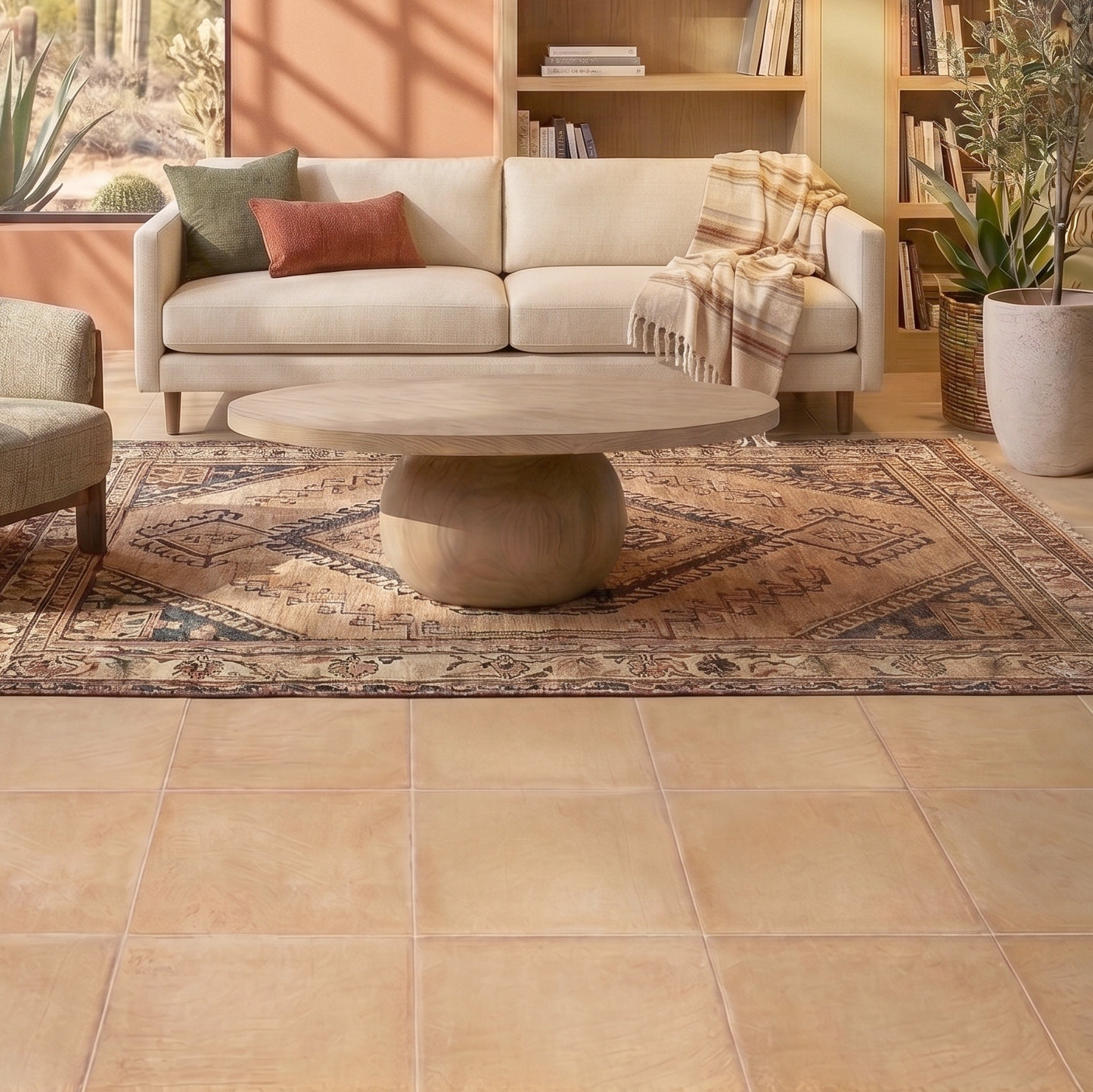
Crema Terracotta Look Matte Porcelain Tile
White & Ecru Octagon Zellige Mosaic
Cotto Deco Terracotta Look Matte Porcelain Tile
Thassos, Carrara, Bardiglio Gingham Marble Mosaic
White & Ecru 2x2 Zellige Checkerboard Mosaic
Chiaro Deco Terracotta Look Matte Porcelain Tile
Unglazed & White Octagon Zellige Mosaic
Cream Limestone Look 3D Matte Porcelain Tile
White & Black Octagon Zellige Mosaic
Murano Honed Italian Terrazzo Tile
Carrara Bardiglio Tumbled Stone Checkerboard
Travertino Moka Stone Look Porcelain Tile
Apple 12x24 3D Glossy Porcelain Tile
Rosso Verona Tumbled Marble Tile
White & Oxblood 2x2 Zellige Checkerboard Mosaic
White Multi-Color Matte Porcelain Tile
Beige Limestone Look 3D Matte Porcelain Tile
Rosso Verona 1x1 Hand Chipped Marble Mosaic
Travertino 3D Matte Porcelain Tile
Natura Terracotta Look Matte Porcelain Tile
Cream 12x24 3D Gloss Porcelain Tile
Navy 12x24 3D Gloss Porcelain Tile
Cotto 2x2 Forma Porcelain Mosaic
Star & Cross Classic Terracotta Tile
Bianco Carrara Octagon w/ Nero Marquina Dot Mosaic
Amazzonite Matte Marble Look Porcelain Tile
Cream 2x2 Forma Porcelain Mosaic
Breccia Capraia 3D Mable Look Porcelain Tile
White Paradise Marble Look Porcelain Tile
Silver Limestone Look 3D Matte Porcelain Tile
Fior de Bosco Marble Look Porcelain Tile
Burano Honed Italian Terrazzo Tile
Pearl Hammered Limestone Look Matte Porcelain Tile
Ash Cement Look Matte Porcelain Tile
Torcello Honed Italian Terrazzo Tile
Nuvola Pearl 24x48 Marble Look Porcelain Tile

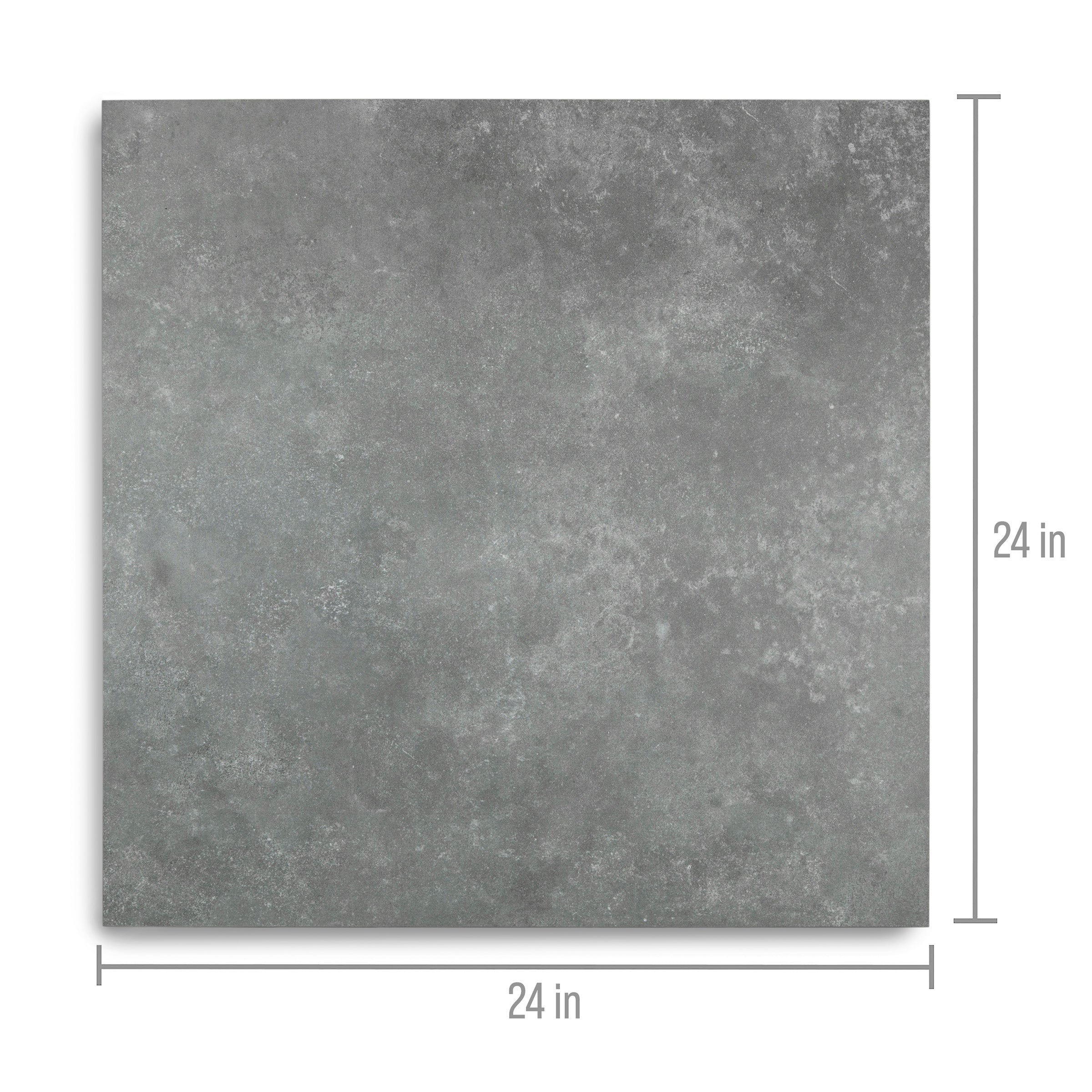
Grey Cement Look Porcelain Tile
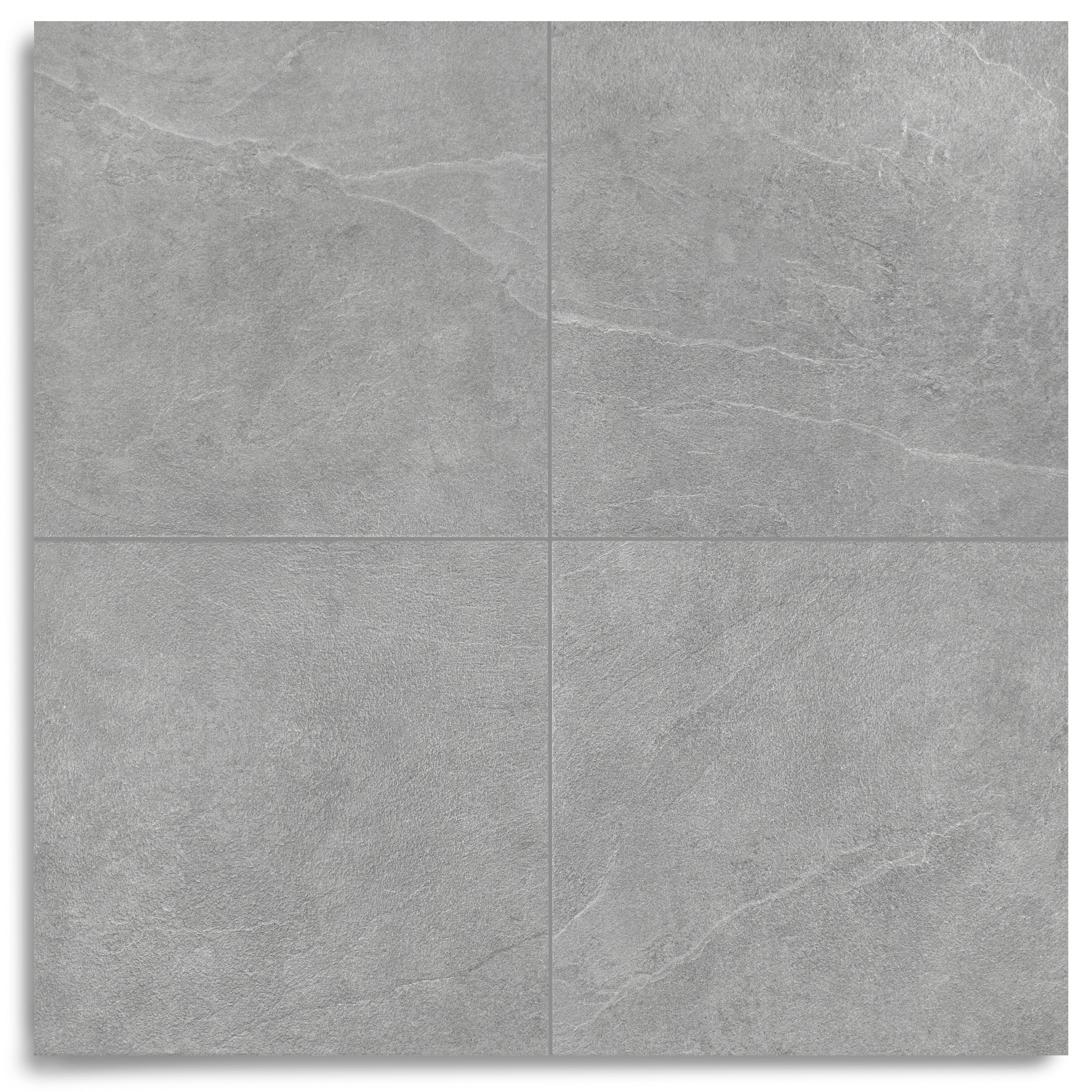
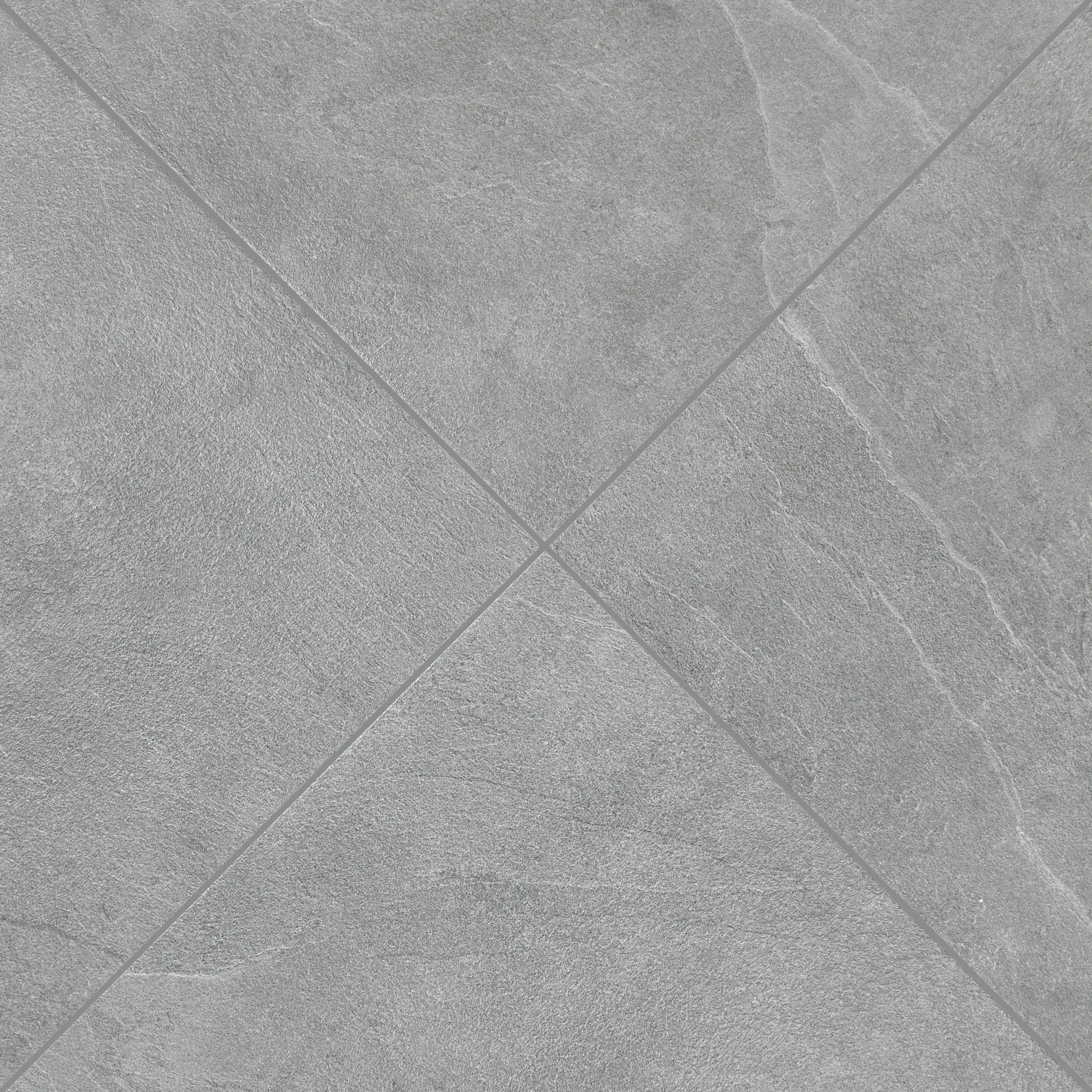
Grey Slate Look Porcelain Tile
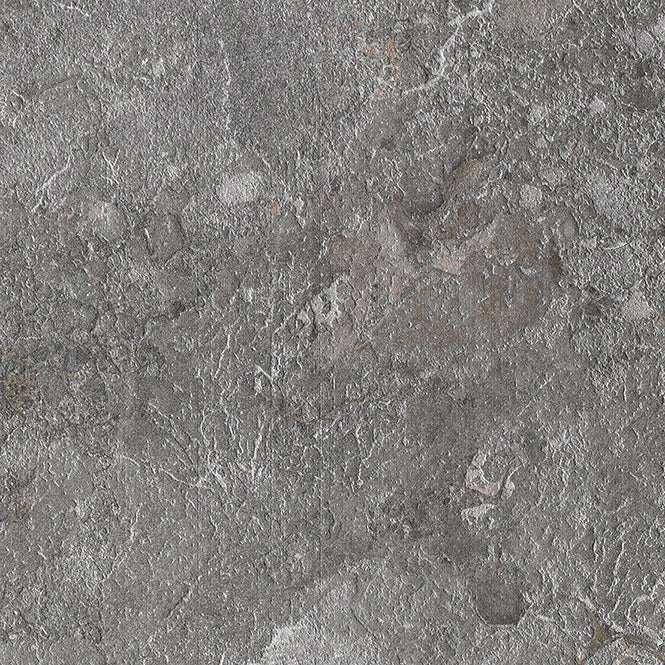
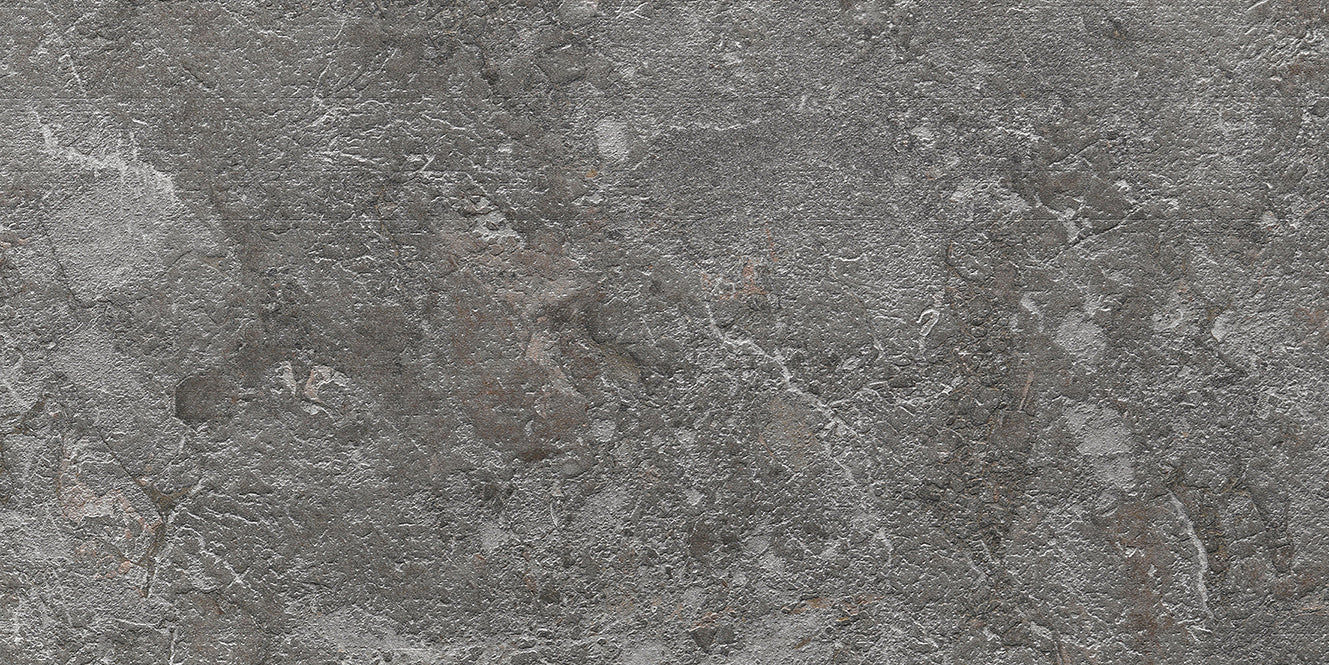
Breccia Grey 3D Stone Look Porcelain Tile
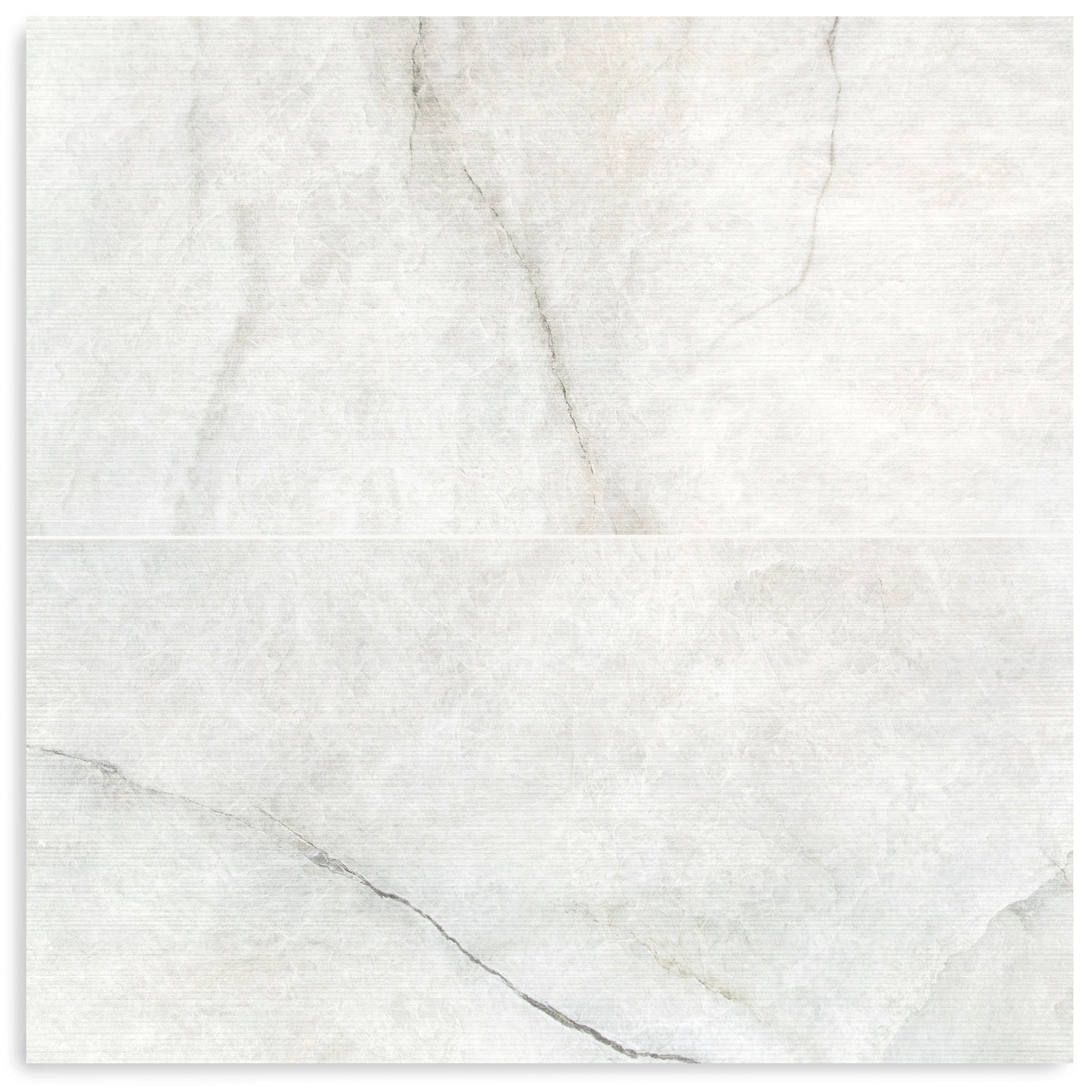
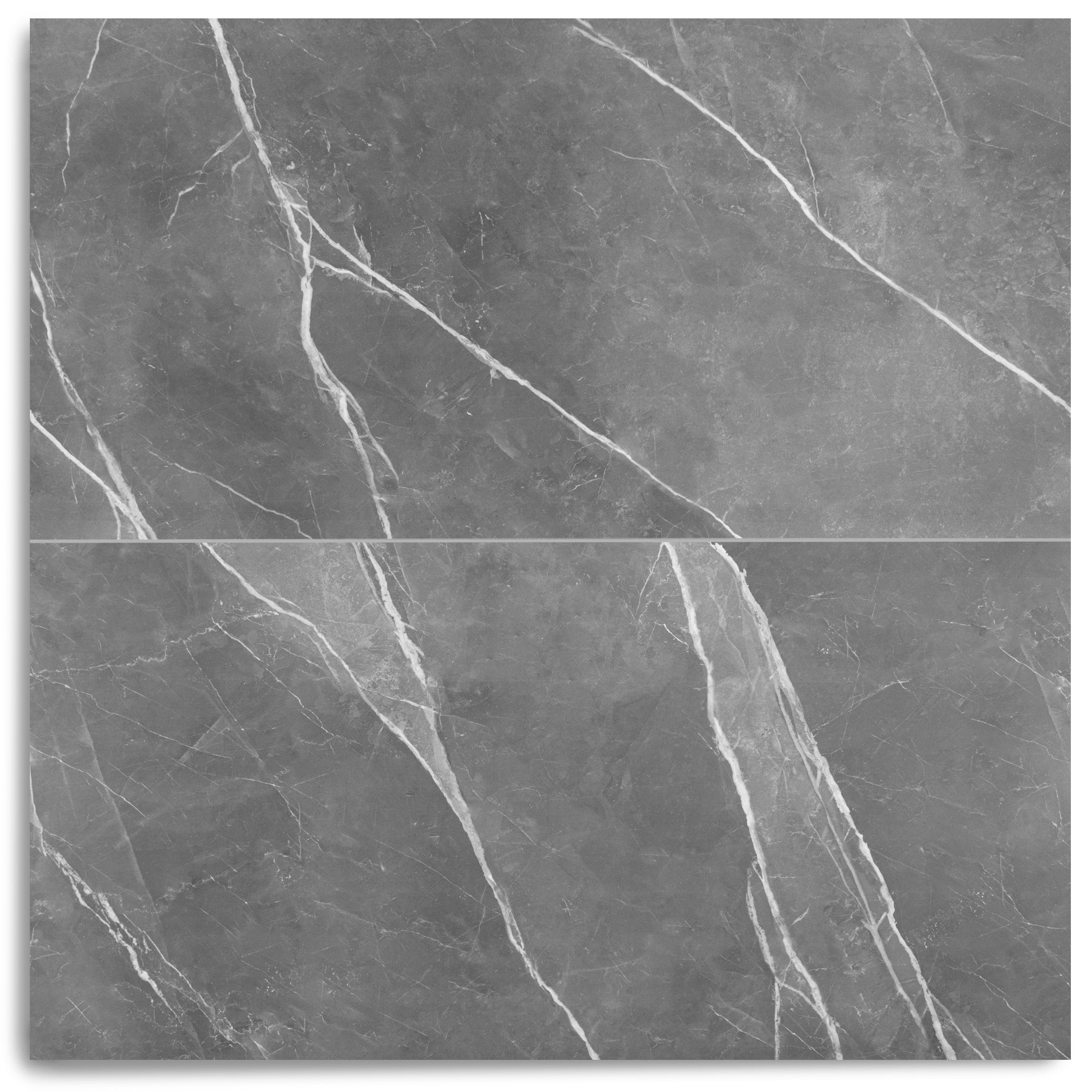
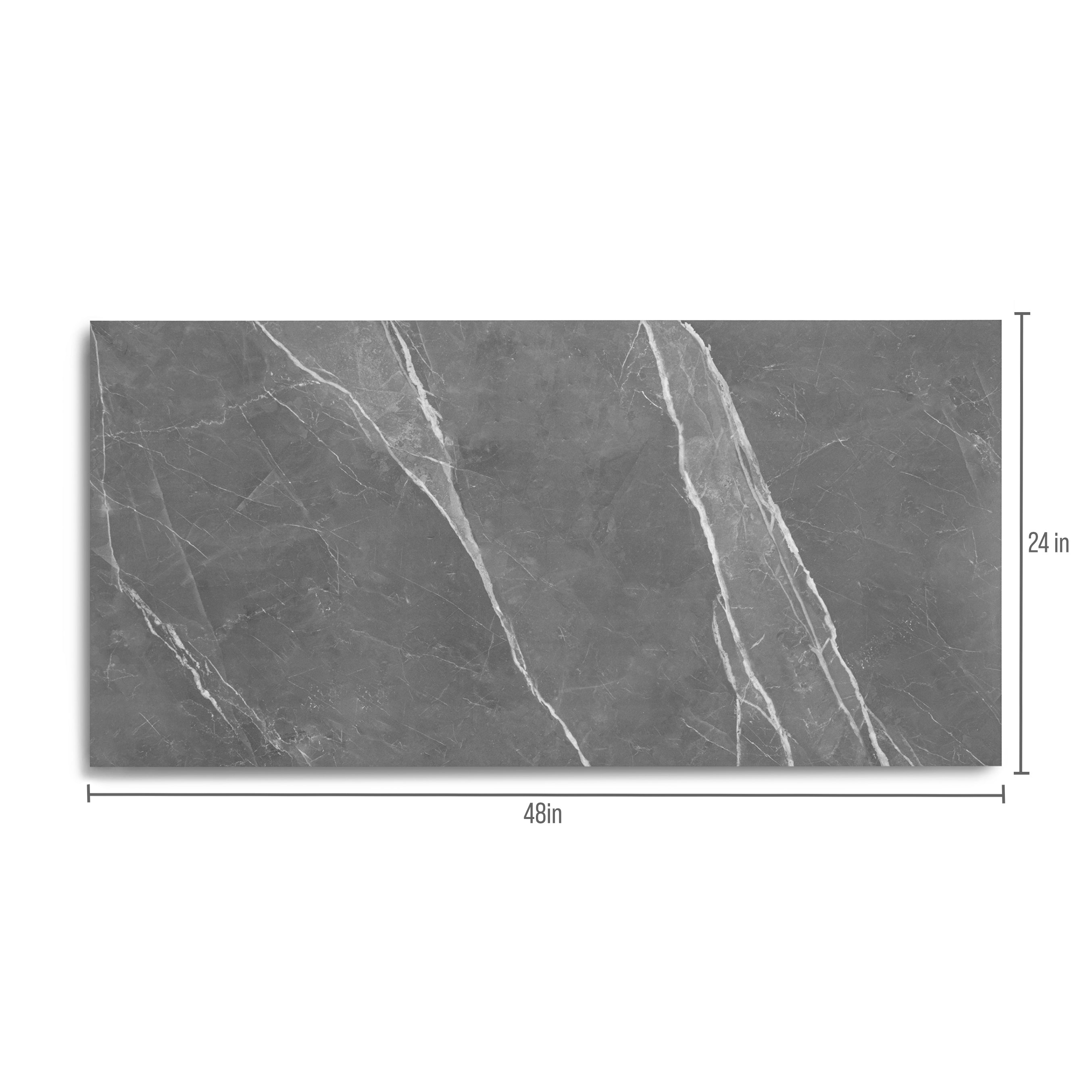
Royal Grey Satin Marble Look Porcelain Tile
White & Ecru Octagon Zellige Mosaic
Cotto Deco Terracotta Look Matte Porcelain Tile
Thassos, Carrara, Bardiglio Gingham Marble Mosaic
Chiaro Deco Terracotta Look Matte Porcelain Tile
White & Ecru 2x2 Zellige Checkerboard Mosaic
Unglazed & White Octagon Zellige Mosaic
Cream Limestone Look 3D Matte Porcelain Tile
Cotto Terracotta Look Matte Porcelain Tile
White & Black Octagon Zellige Mosaic
Murano Honed Italian Terrazzo Tile
Carrara Bardiglio Tumbled Stone Checkerboard
Travertino Moka Stone Look Porcelain Tile
Apple 12x24 3D Glossy Porcelain Tile
Rosso Verona Tumbled Marble Tile
White & Oxblood 2x2 Zellige Checkerboard Mosaic
White Multi-Color Matte Porcelain Tile
Beige Limestone Look 3D Matte Porcelain Tile
Rosso Verona 1x1 Hand Chipped Marble Mosaic
Bianco Carrara Honed Marble Tile
Natura Terracotta Look Matte Porcelain Tile
Travertino 3D Matte Porcelain Tile
Cream 12x24 3D Gloss Porcelain Tile
Navy 12x24 3D Gloss Porcelain Tile
Almond Cement Look Matte Porcelain Tile
Cotto 2x2 Forma Porcelain Mosaic
Murano Honed Italian Terrazzo Tile
Travertino 3D Matte Porcelain Tile
Almond Cement Look Matte Porcelain Tile
Calacatta Honed Italian Terrazzo Tile
Borgogna 3D Matte Porcelain Tile
Burano Honed Italian Terrazzo Tile
Slate 48x48 Cement Look Porcelain Tile
Torcello Honed Italian Terrazzo Tile
Ash Cement Look Matte Porcelain Tile
Pearl 24x24 Cheppo Look Matte Porcelain Tile
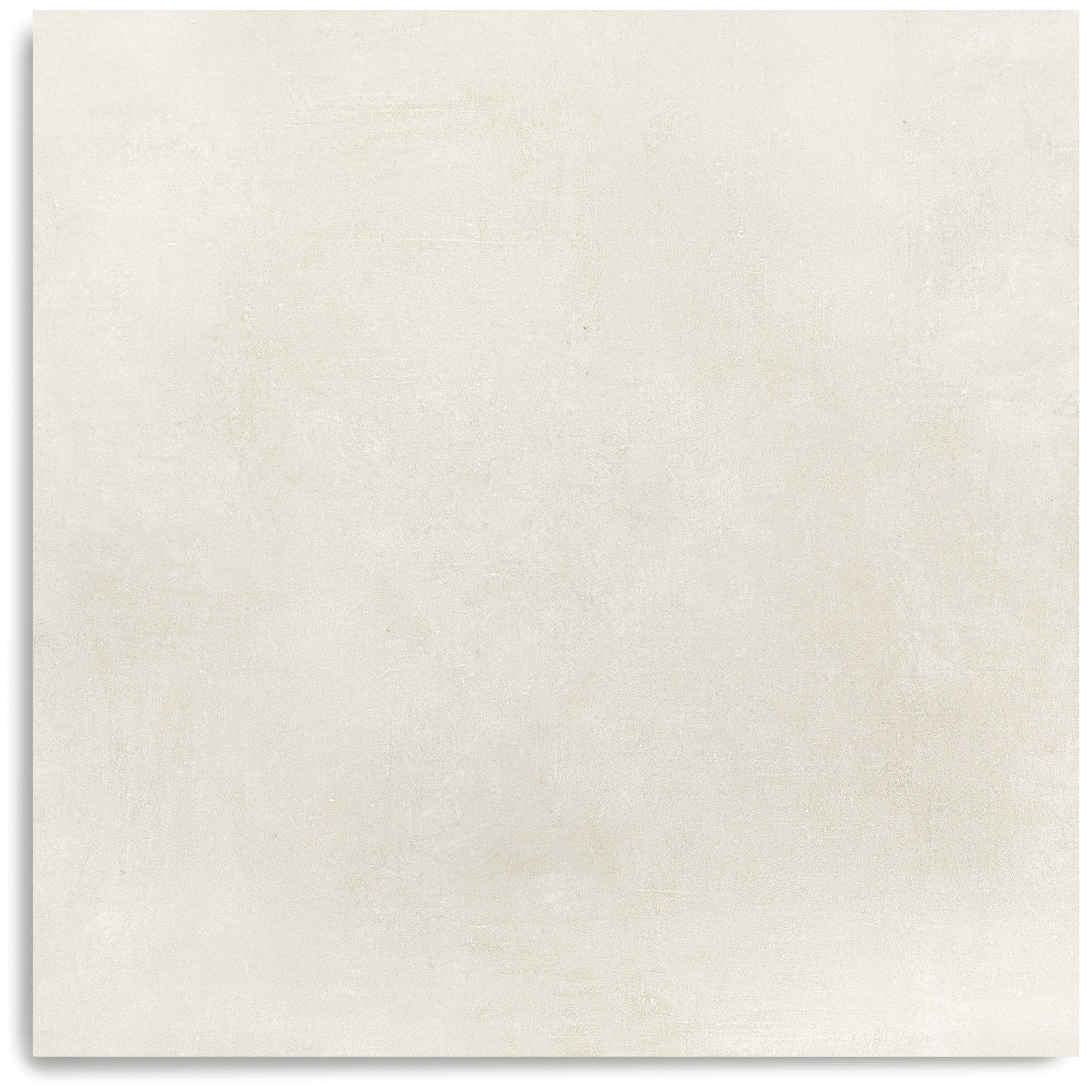
Sand 48x48 Cement Look Porcelain Tile
Grey Cement Look Porcelain Tile
Grey Slate Look Porcelain Tile
Breccia Grey 3D Stone Look Porcelain Tile
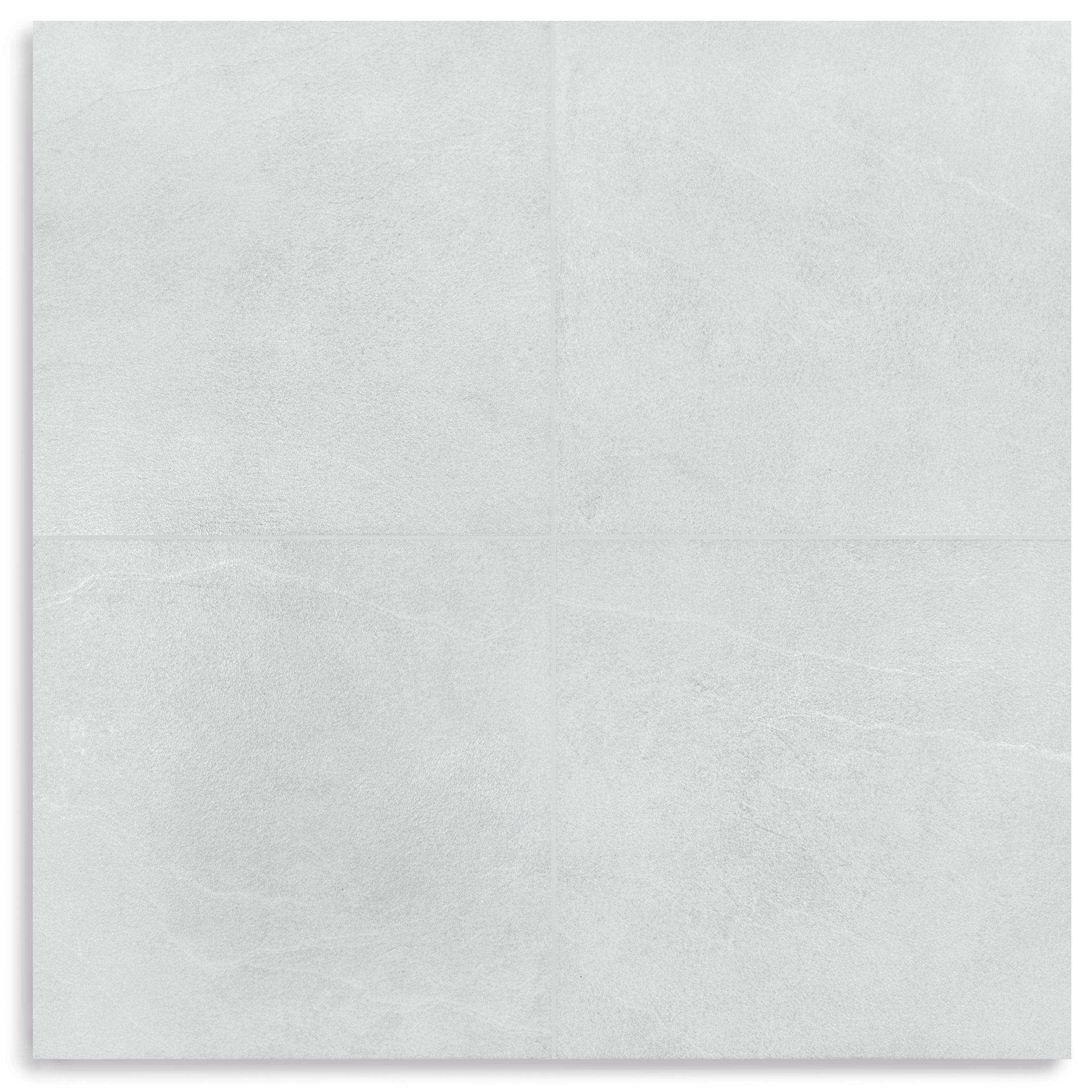
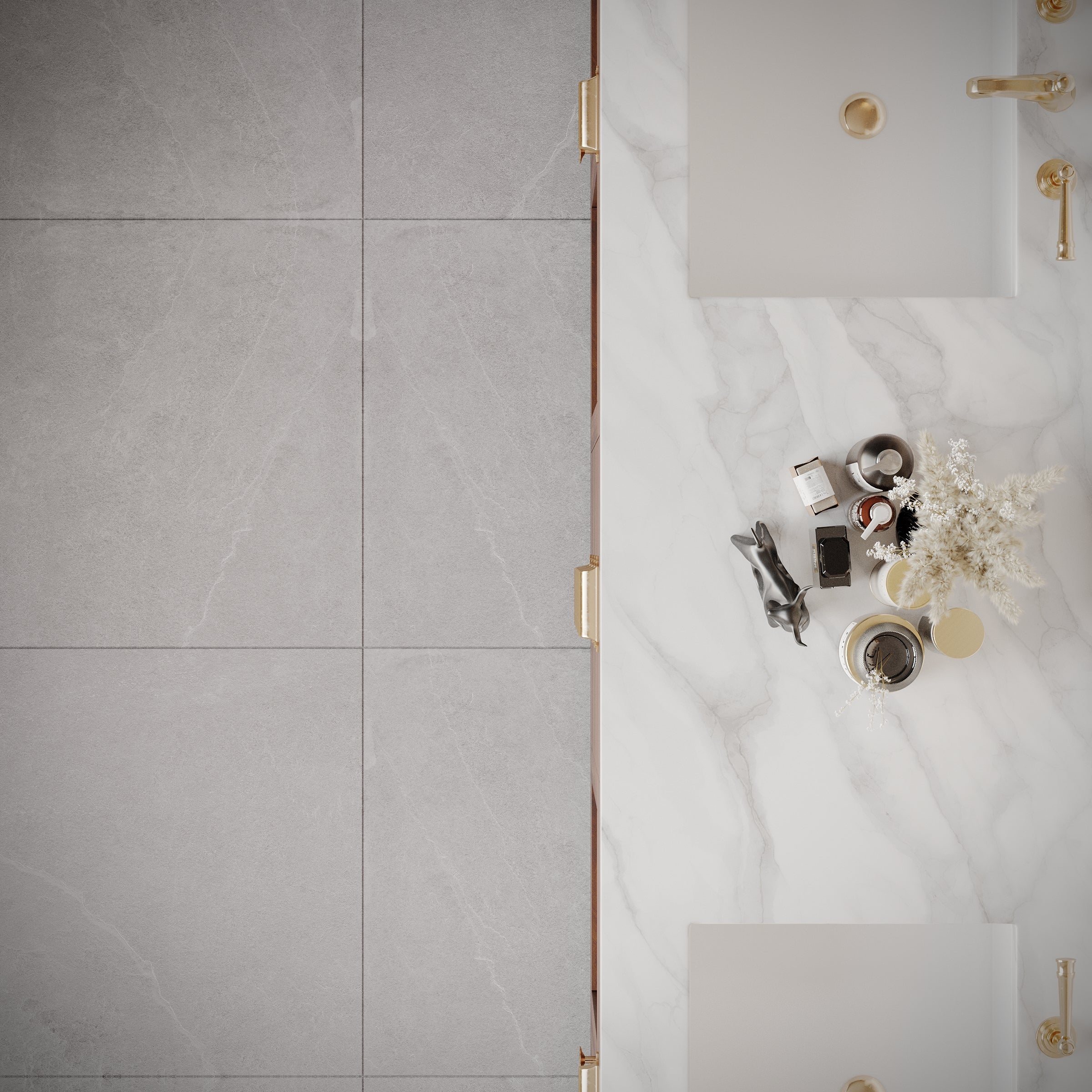
Pearl Slate Look Porcelain Tile
Cream Limestone Look 3D Matte Porcelain Tile
Travertino Moka Stone Look Porcelain Tile
Beige Limestone Look 3D Matte Porcelain Tile
Travertino 3D Matte Porcelain Tile
Almond Cement Look Matte Porcelain Tile
Amazzonite Matte Marble Look Porcelain Tile
Spider Gold Matte Marble Look Porcelain Tile
Taj Matte Marble Look Porcelain Tile
White Paradise Marble Look Porcelain Tile
Borgogna 3D Matte Porcelain Tile
Silver Limestone Look 3D Matte Porcelain Tile
Fior de Bosco Marble Look Porcelain Tile
Venica Red Stone Look Porcelain Tile
Almond Hammered Limestone Look Matte Porcelain Tile
Honey Slats 24x48 Wood Look Porcelain Tile
Slate 48x48 Cement Look Porcelain Tile
Pearl Hammered Limestone Look Matte Porcelain Tile
Ash Cement Look Matte Porcelain Tile
Sand 48x48 Cement Look Porcelain Tile
Nuvola Pearl 24x48 Marble Look Porcelain Tile
Montblack Matte Marble Look Porcelain Tile
Ivory Marble Look Matte Porcelain Tile
Grey Cement Look Porcelain Tile
Breccia Grey 3D Stone Look Porcelain Tile
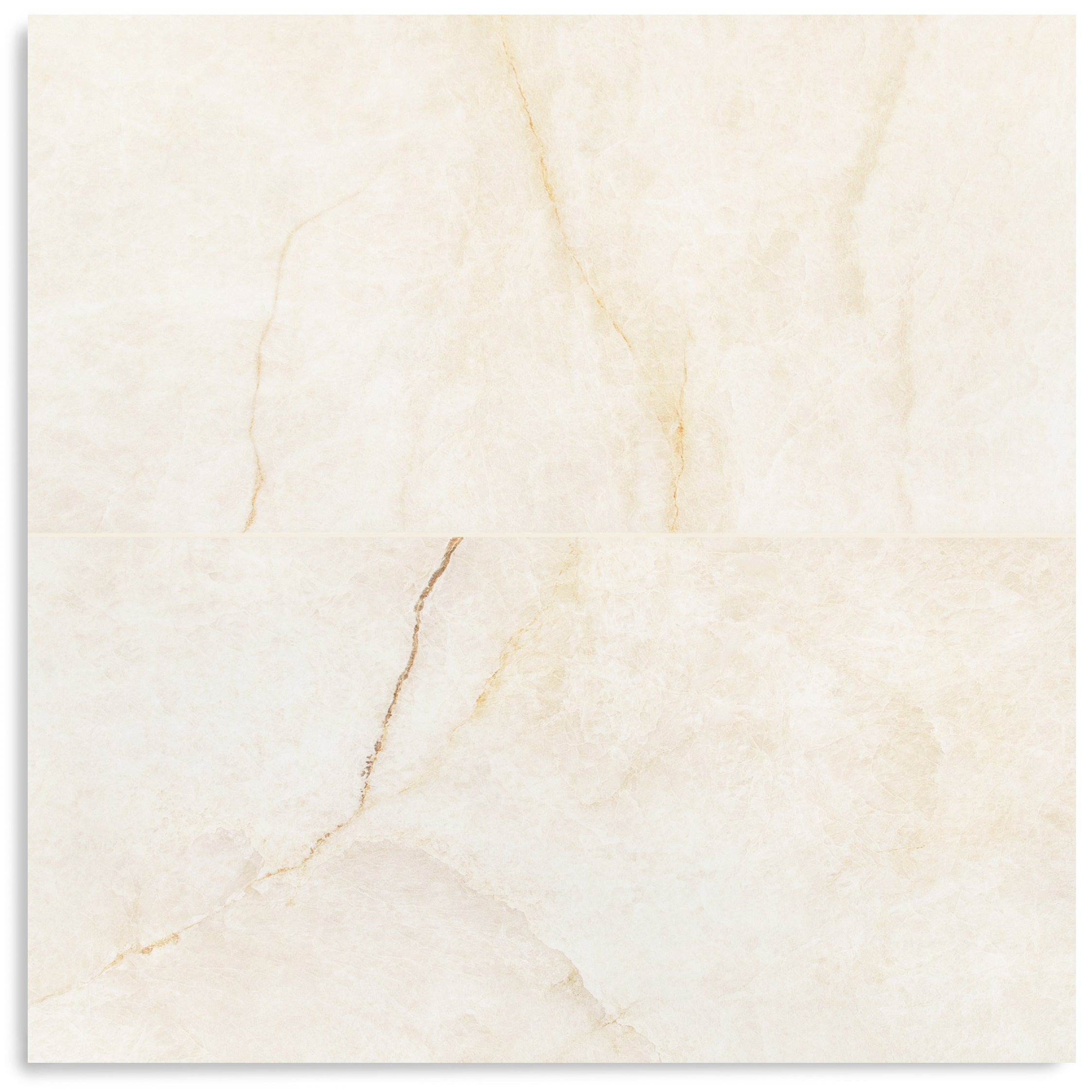
Nuvola Gold 24x48 Marble Look Porcelain Tile
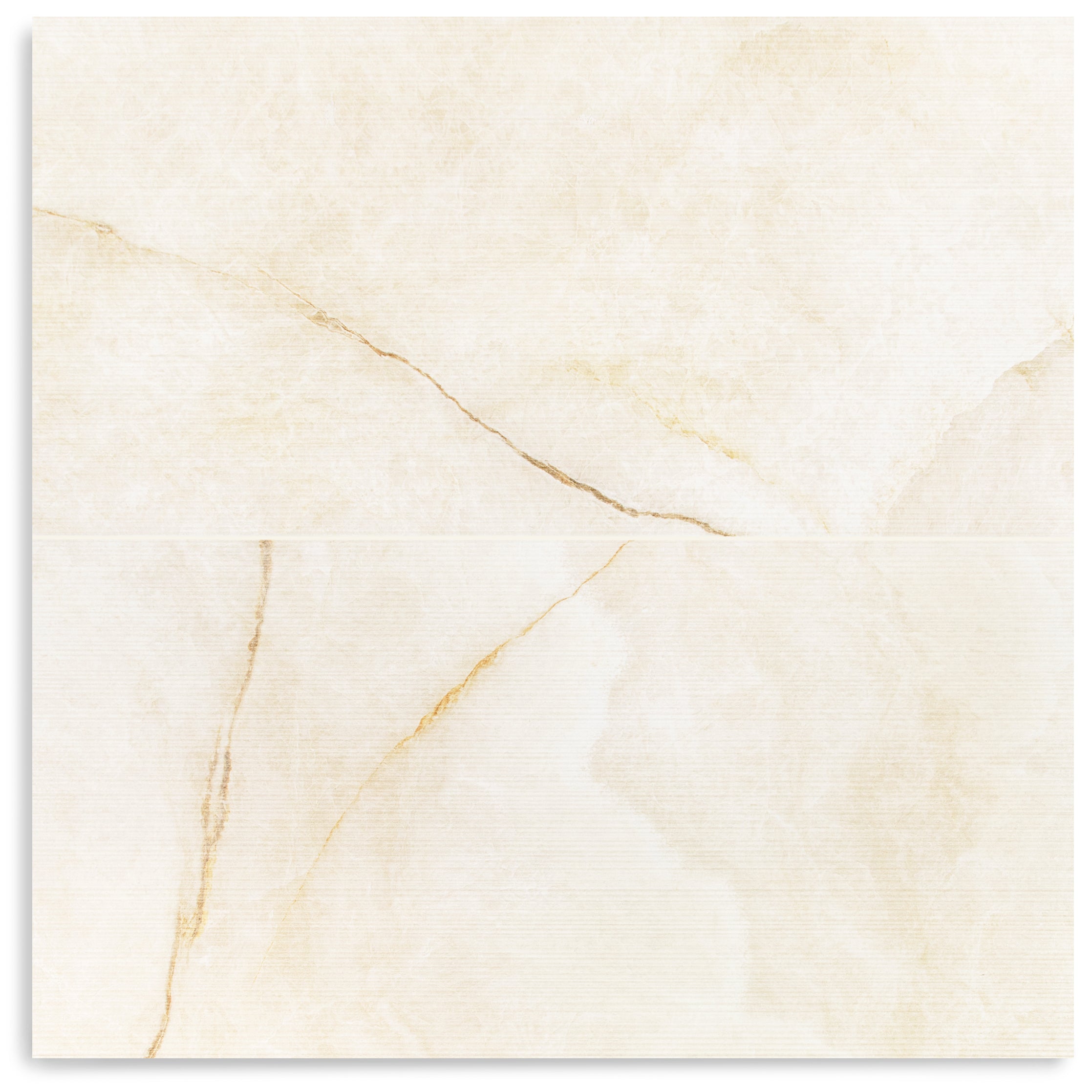
Royal Grey Satin Marble Look Porcelain Tile
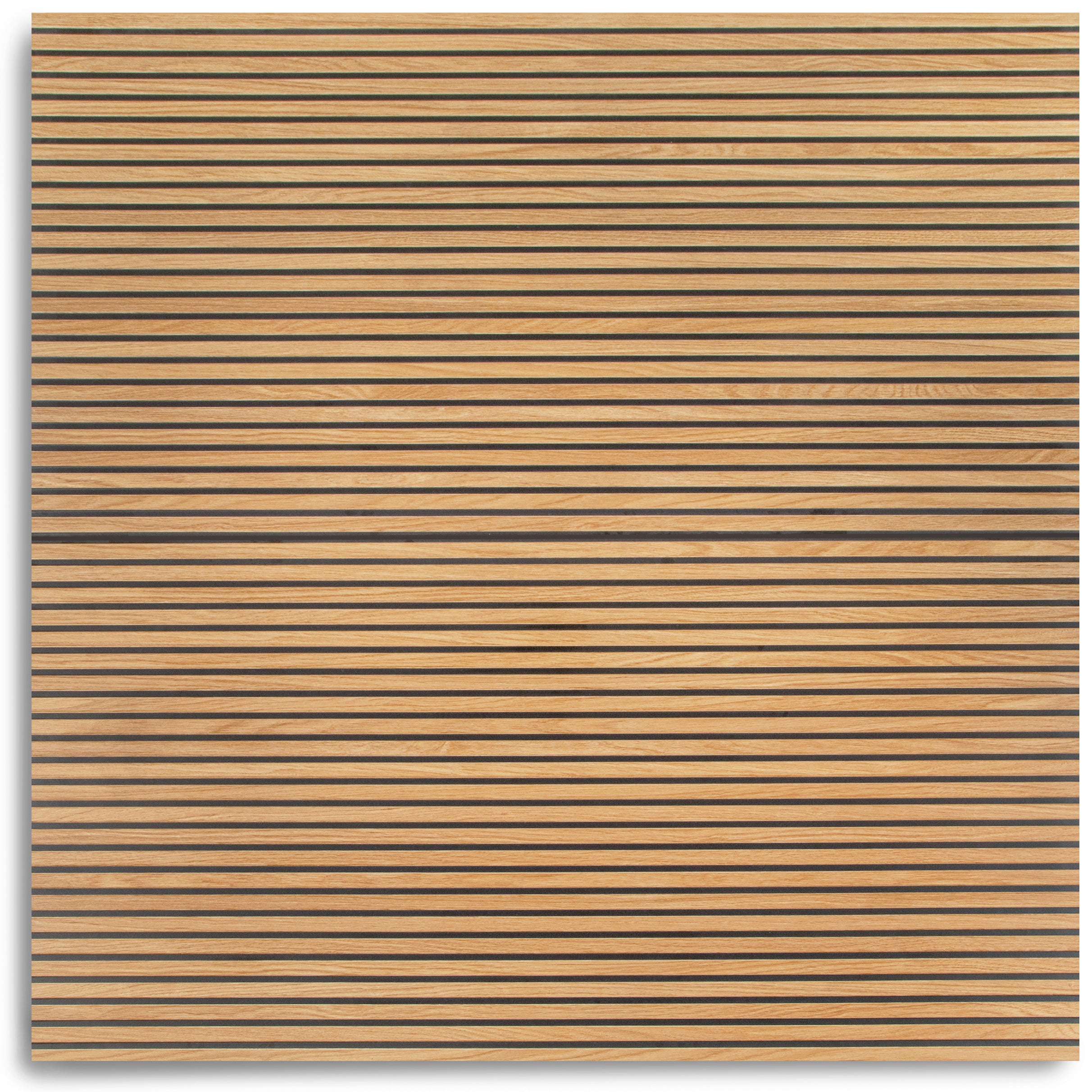
Honey Black Slats 24x48 Wood Look Porcelain Tile
Travertino Moka Stone Look Porcelain Tile
Travertino 3D Matte Porcelain Tile
Amazzonite Matte Marble Look Porcelain Tile
Breccia Capraia 3D Mable Look Porcelain Tile
White Paradise Marble Look Porcelain Tile
Borgogna 3D Matte Porcelain Tile
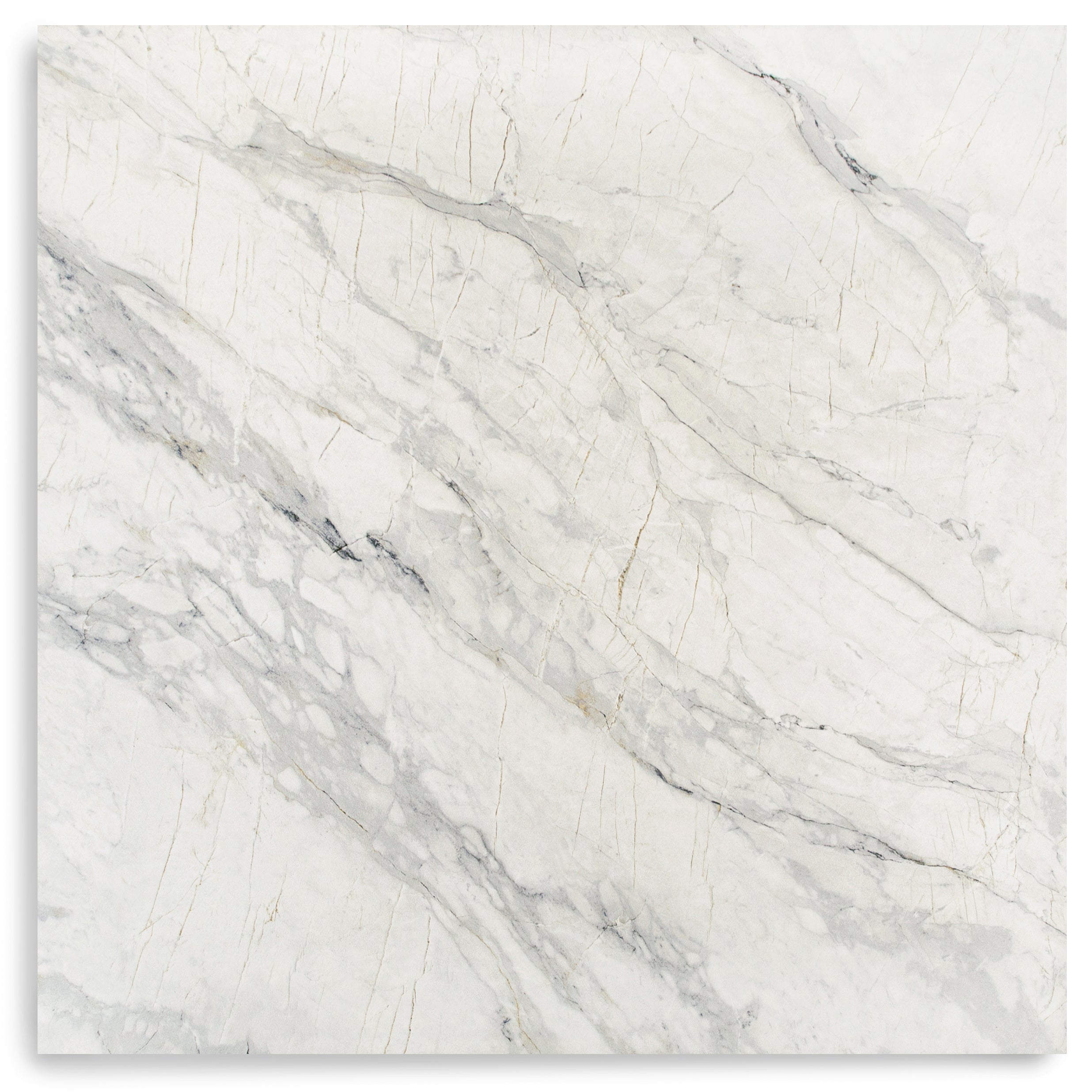
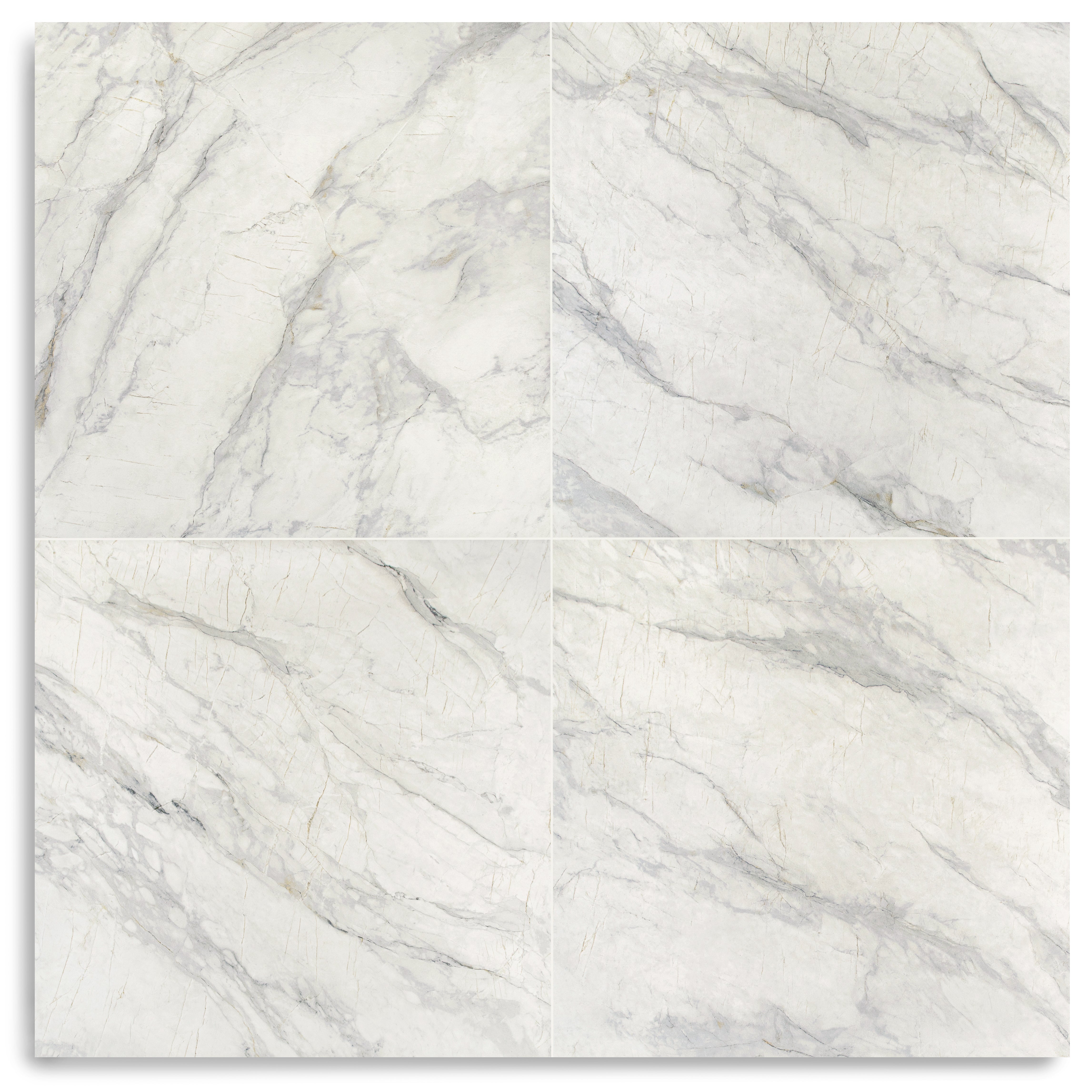
Van Gogh 3D Marble Look Porcelain Tile
Fior de Bosco Marble Look Porcelain Tile
Venica Red Stone Look Porcelain Tile
Slate 48x48 Cement Look Porcelain Tile
Sand 48x48 Cement Look Porcelain Tile
Breccia Grey 3D Stone Look Porcelain Tile
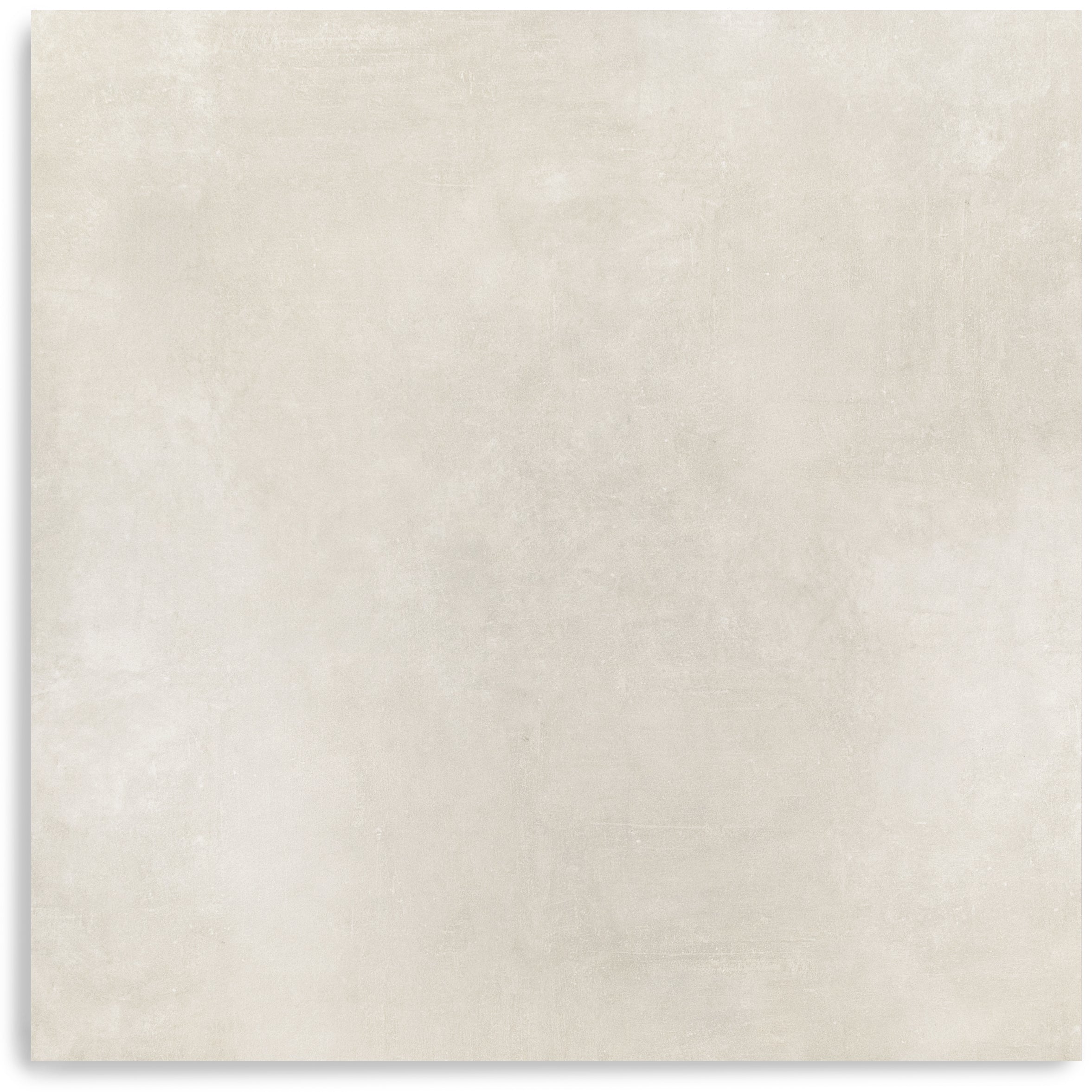
Honey 48x48 Cement Look Porcelain Tile
White & Ecru Octagon Zellige Mosaic
Cotto Deco Terracotta Look Matte Porcelain Tile
Thassos, Carrara, Bardiglio Gingham Marble Mosaic
Chiaro Deco Terracotta Look Matte Porcelain Tile
White & Ecru 2x2 Zellige Checkerboard Mosaic
Unglazed & White Octagon Zellige Mosaic
Cream Limestone Look 3D Matte Porcelain Tile
White & Black Octagon Zellige Mosaic
Murano Honed Italian Terrazzo Tile
Carrara Bardiglio Tumbled Stone Checkerboard
Travertino Moka Stone Look Porcelain Tile
Apple 12x24 3D Glossy Porcelain Tile
Rosso Verona Tumbled Marble Tile
White & Oxblood 2x2 Zellige Checkerboard Mosaic
White Multi-Color Matte Porcelain Tile
Beige Limestone Look 3D Matte Porcelain Tile
Bianco Carrara Honed Marble Tile
Travertino 3D Matte Porcelain Tile
Rosso Verona 1x1 Hand Chipped Marble Mosaic
Natura Terracotta Look Matte Porcelain Tile
Cream 12x24 3D Gloss Porcelain Tile
Navy 12x24 3D Gloss Porcelain Tile
Almond Cement Look Matte Porcelain Tile
Cotto 2x2 Forma Porcelain Mosaic
Breccia Capraia 3D Mable Look Porcelain Tile
White & Ecru Octagon Zellige Mosaic
Cotto Deco Terracotta Look Matte Porcelain Tile
Thassos, Carrara, Bardiglio Gingham Marble Mosaic
Chiaro Deco Terracotta Look Matte Porcelain Tile
White & Ecru 2x2 Zellige Checkerboard Mosaic
Unglazed & White Octagon Zellige Mosaic
Cream Limestone Look 3D Matte Porcelain Tile
Cotto Terracotta Look Matte Porcelain Tile
White & Black Octagon Zellige Mosaic
Murano Honed Italian Terrazzo Tile
Carrara Bardiglio Tumbled Stone Checkerboard
Travertino Moka Stone Look Porcelain Tile
Apple 12x24 3D Glossy Porcelain Tile
Rosso Verona Tumbled Marble Tile
White & Oxblood 2x2 Zellige Checkerboard Mosaic
White Multi-Color Matte Porcelain Tile
Beige Limestone Look 3D Matte Porcelain Tile
Rosso Verona 1x1 Hand Chipped Marble Mosaic
Bianco Carrara Honed Marble Tile
Natura Terracotta Look Matte Porcelain Tile
Travertino 3D Matte Porcelain Tile
Cream 12x24 3D Gloss Porcelain Tile
Navy 12x24 3D Gloss Porcelain Tile
Almond Cement Look Matte Porcelain Tile
Breccia Capraia 3D Mable Look Porcelain Tile
Taj Matte Marble Look Porcelain Tile
White Paradise Marble Look Porcelain Tile
Fior de Bosco Marble Look Porcelain Tile
Van Gogh 3D Marble Look Porcelain Tile
Royal Grey Satin Marble Look Porcelain Tile
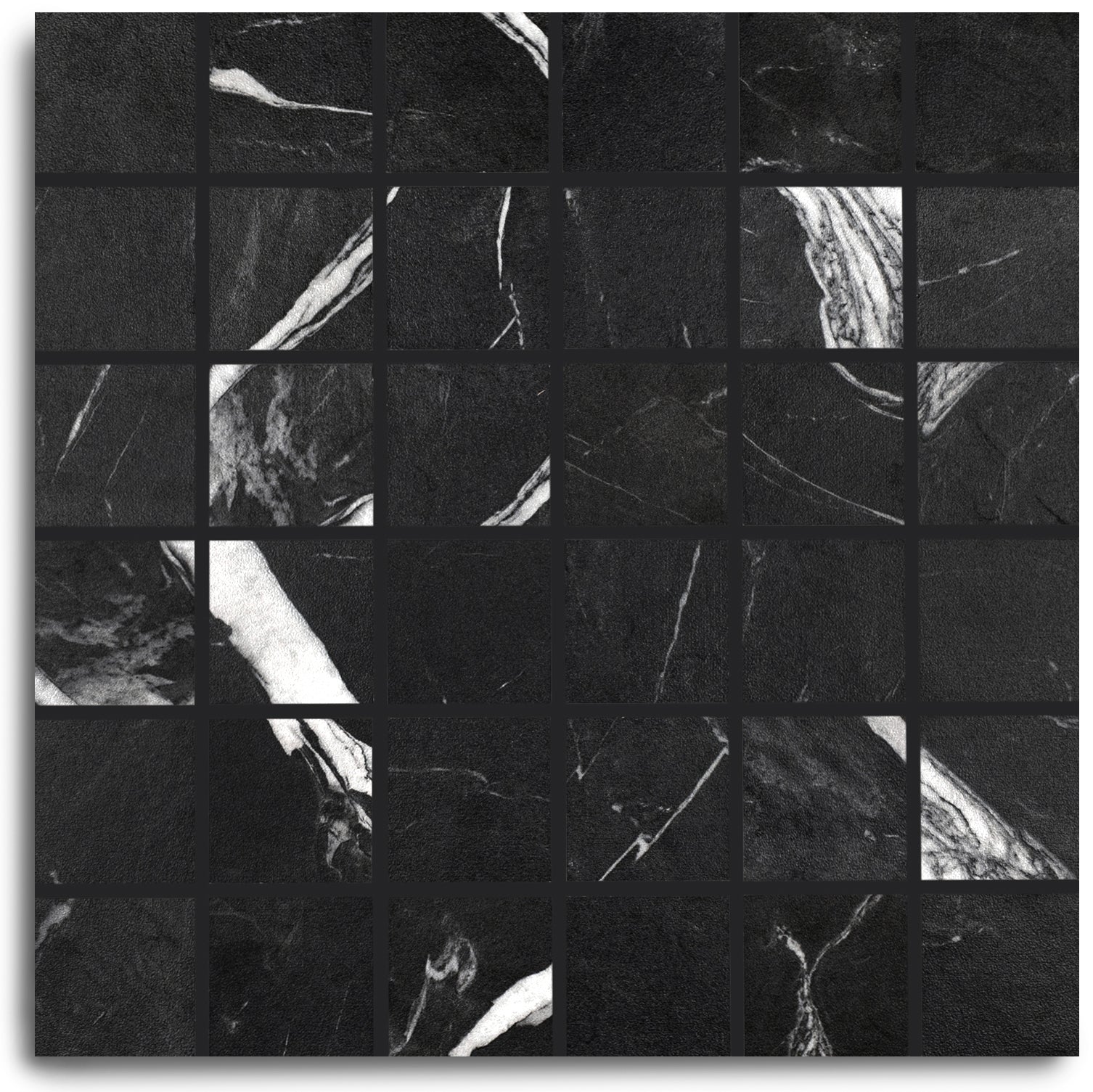
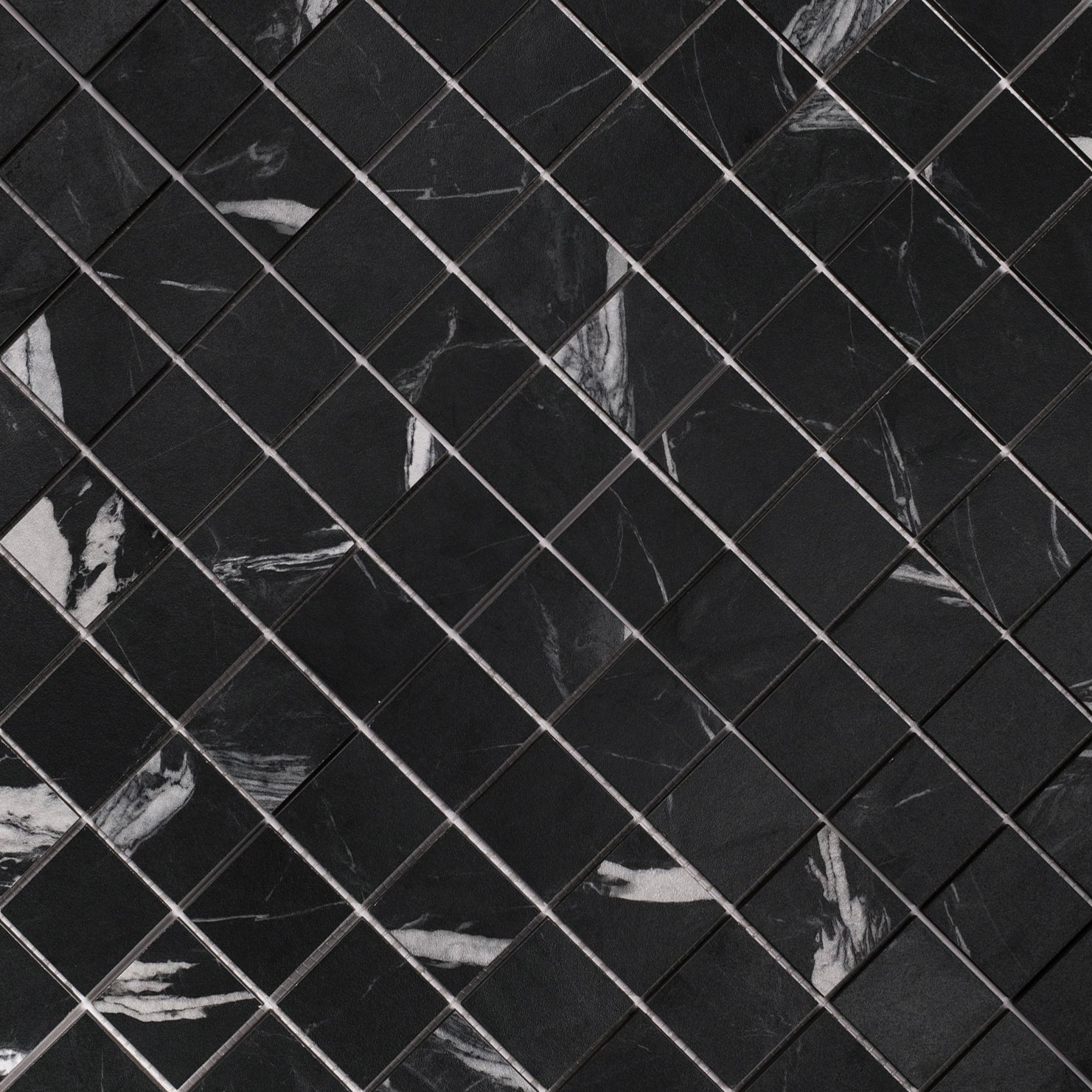
Montblack 12x12 Matte Porcelain Mosaic
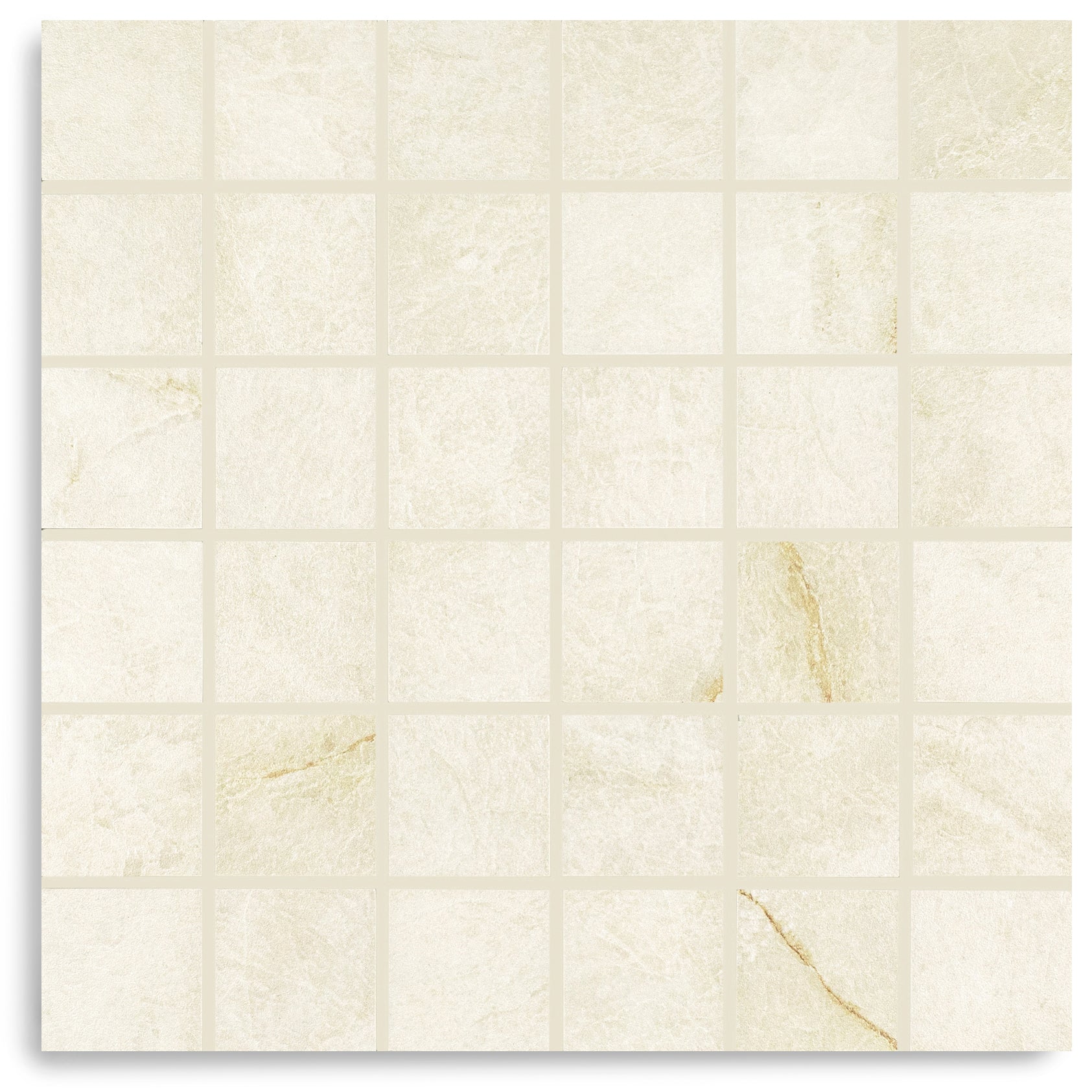
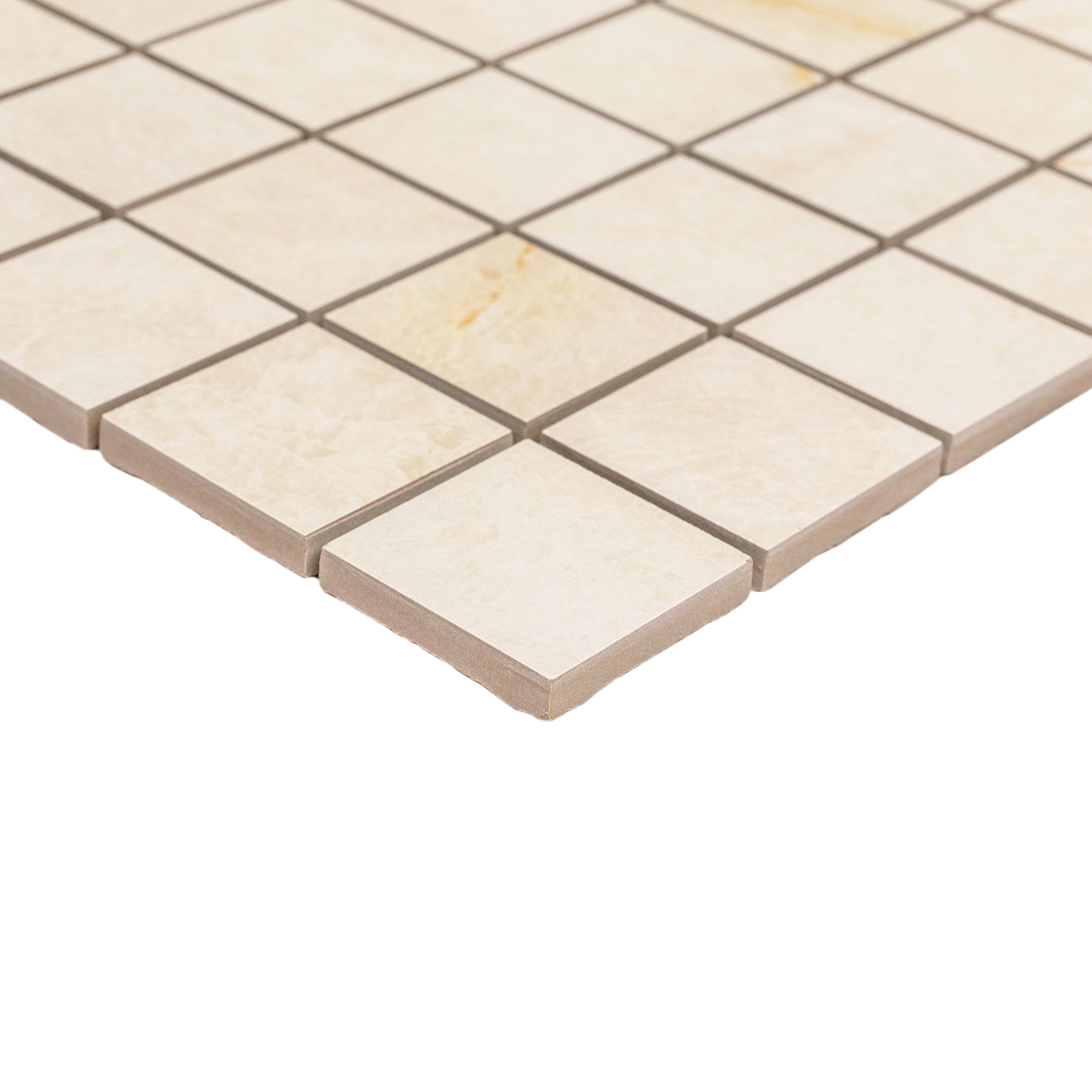
Nuvola Gold 12x12 Porcelain Mosaic
Ivory Marble Look Matte Porcelain Tile
Amazzonite Matte Marble Look Porcelain Tile
Montblack Matte Marble Look Porcelain Tile
Spider Gold Matte Marble Look Porcelain Tile
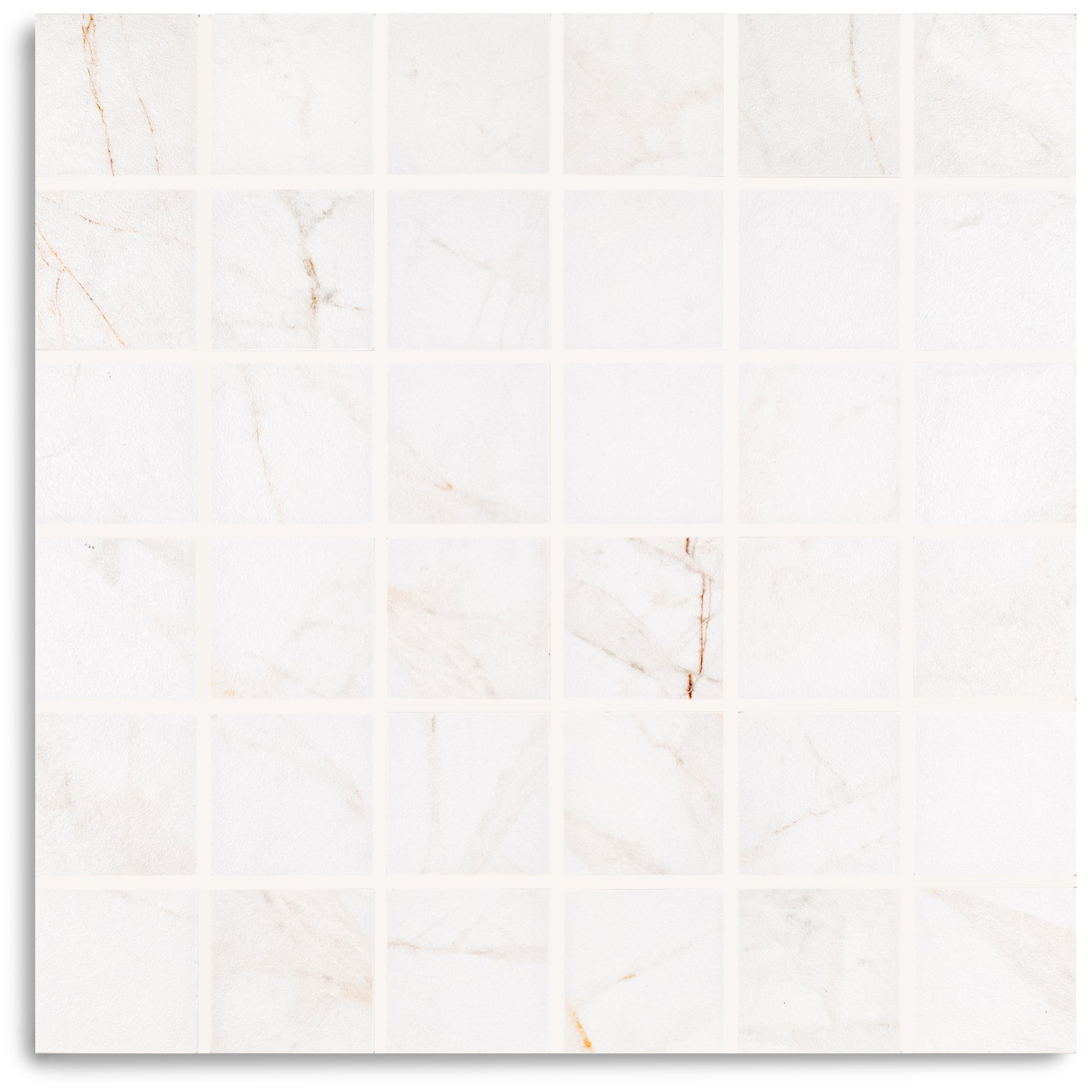
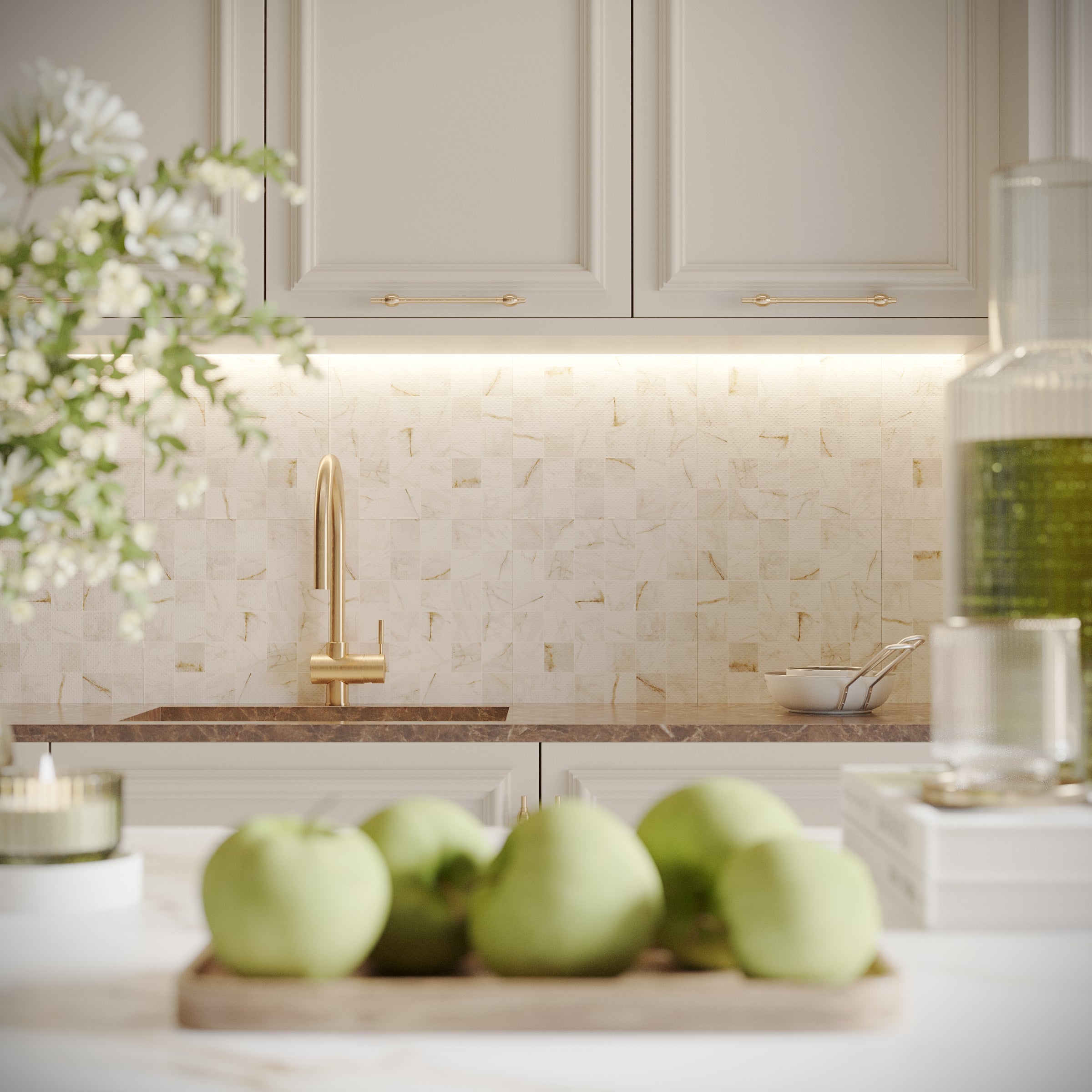
Spider Gold 12x12 Matte Porcelain Mosaic
Nuvola Gold 24x48 Marble Look Porcelain Tile
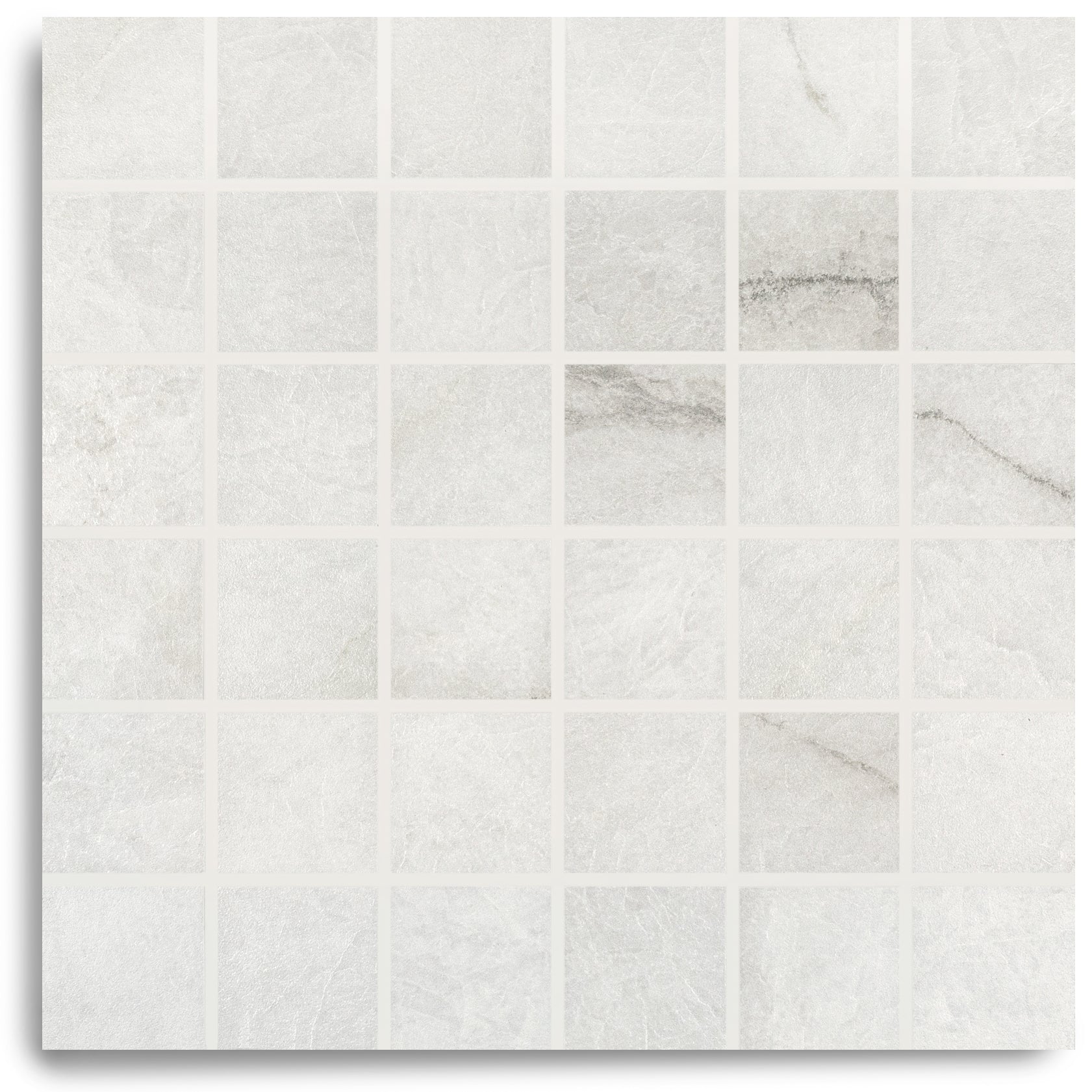
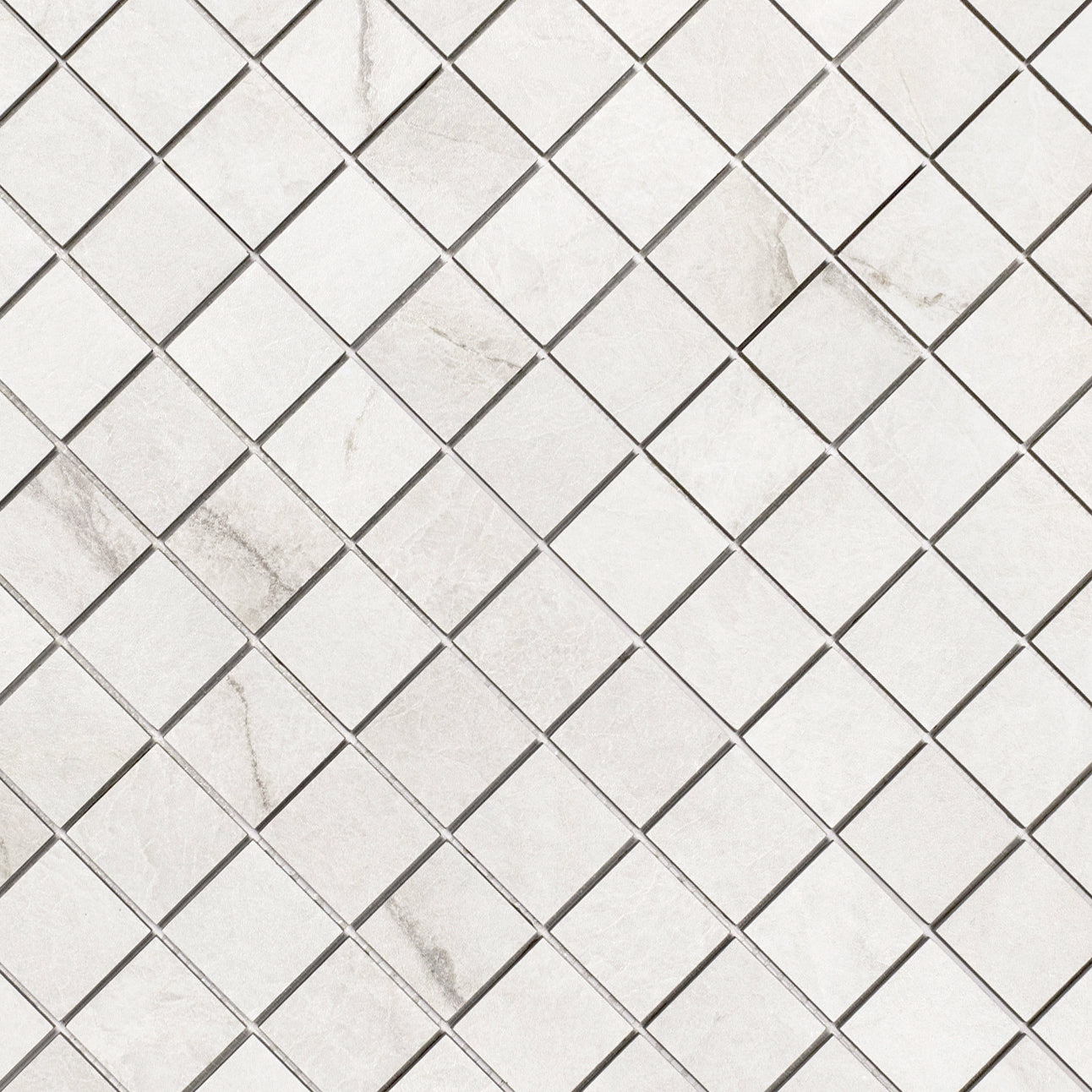
Nuvola Pearl 12x12 Porcelain Mosaic
Nuvola Pearl 24x48 Marble Look Porcelain Tile
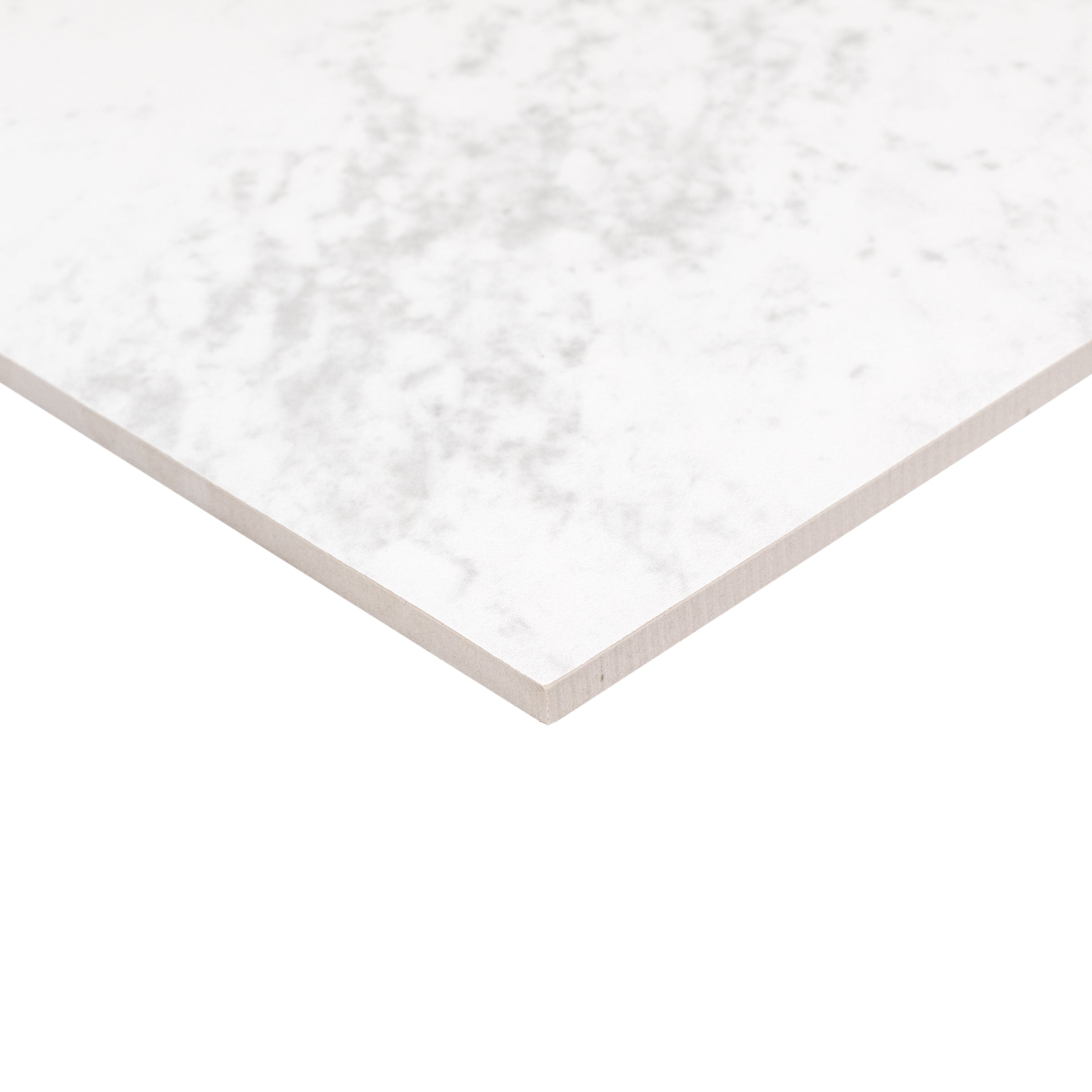
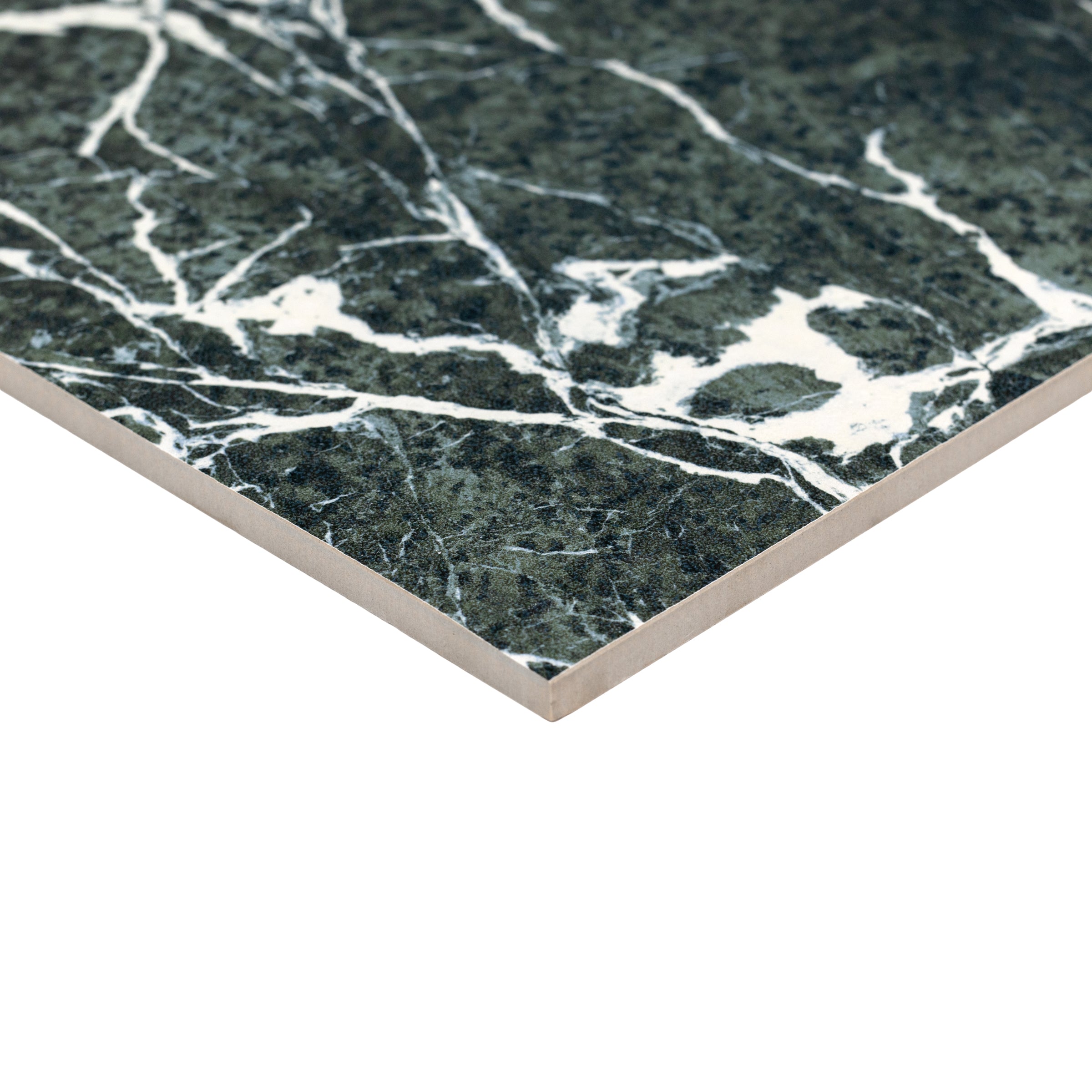
Bianco Carrara Honed Marble Tile
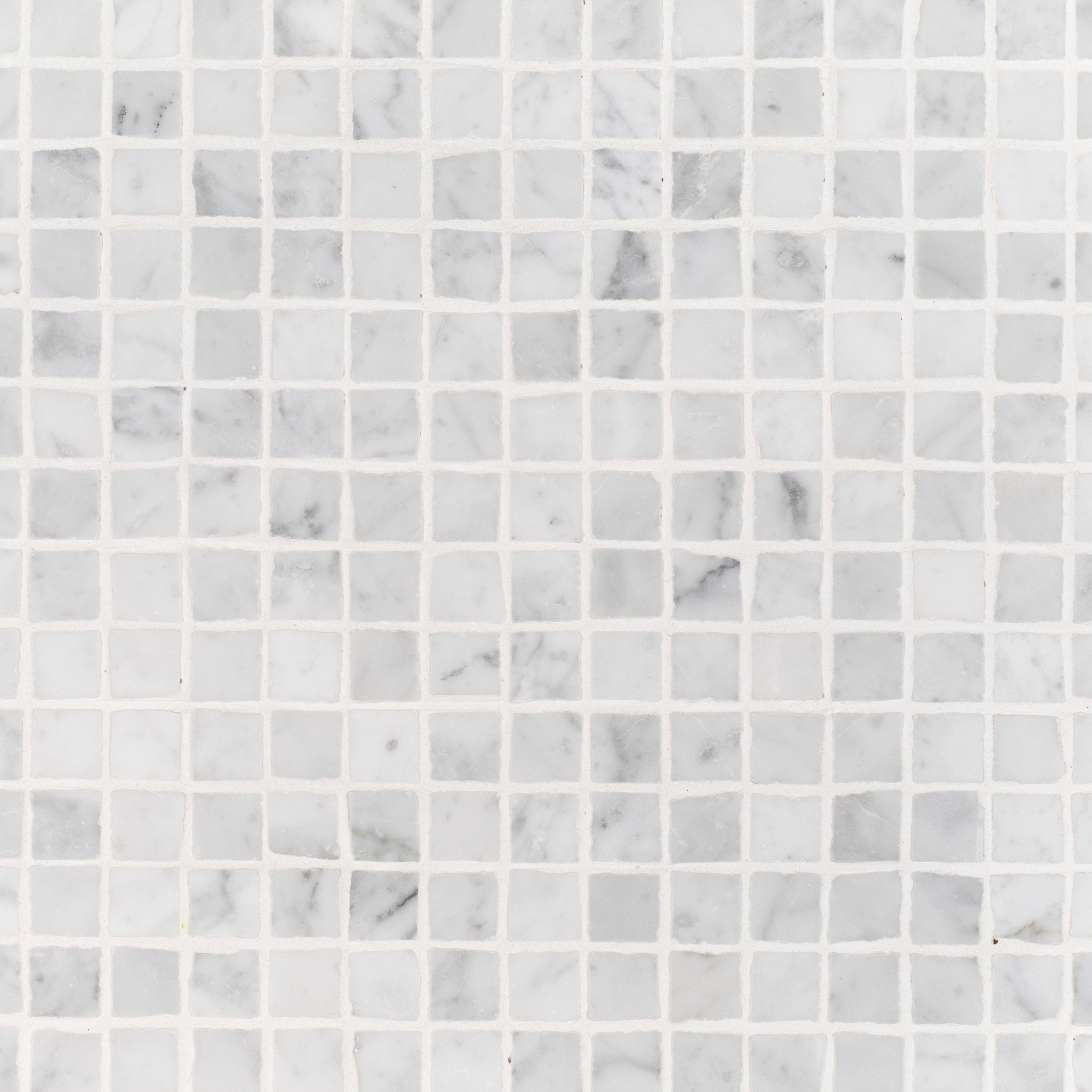
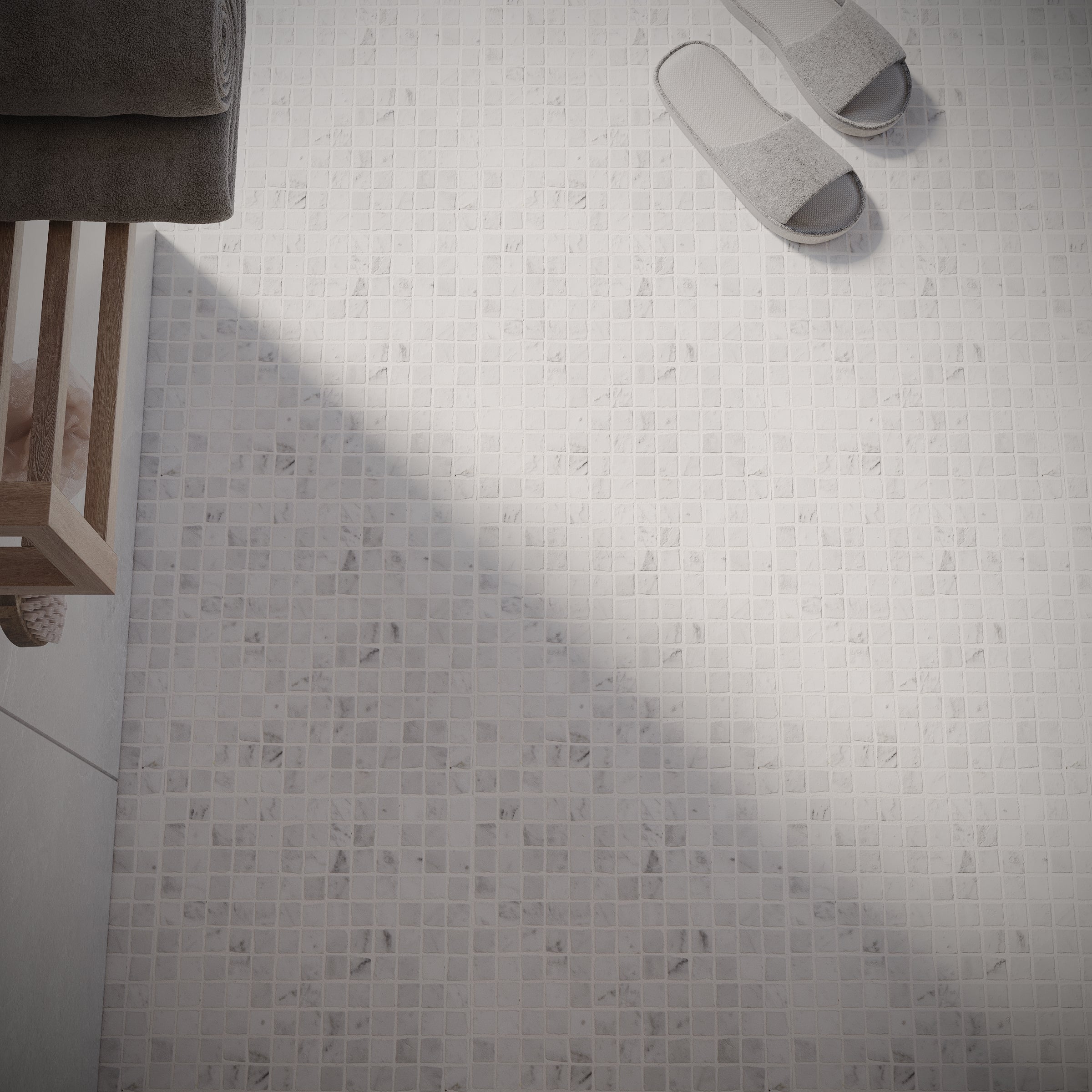
Carrara 1x1 Hand Chipped Marble Mosaic
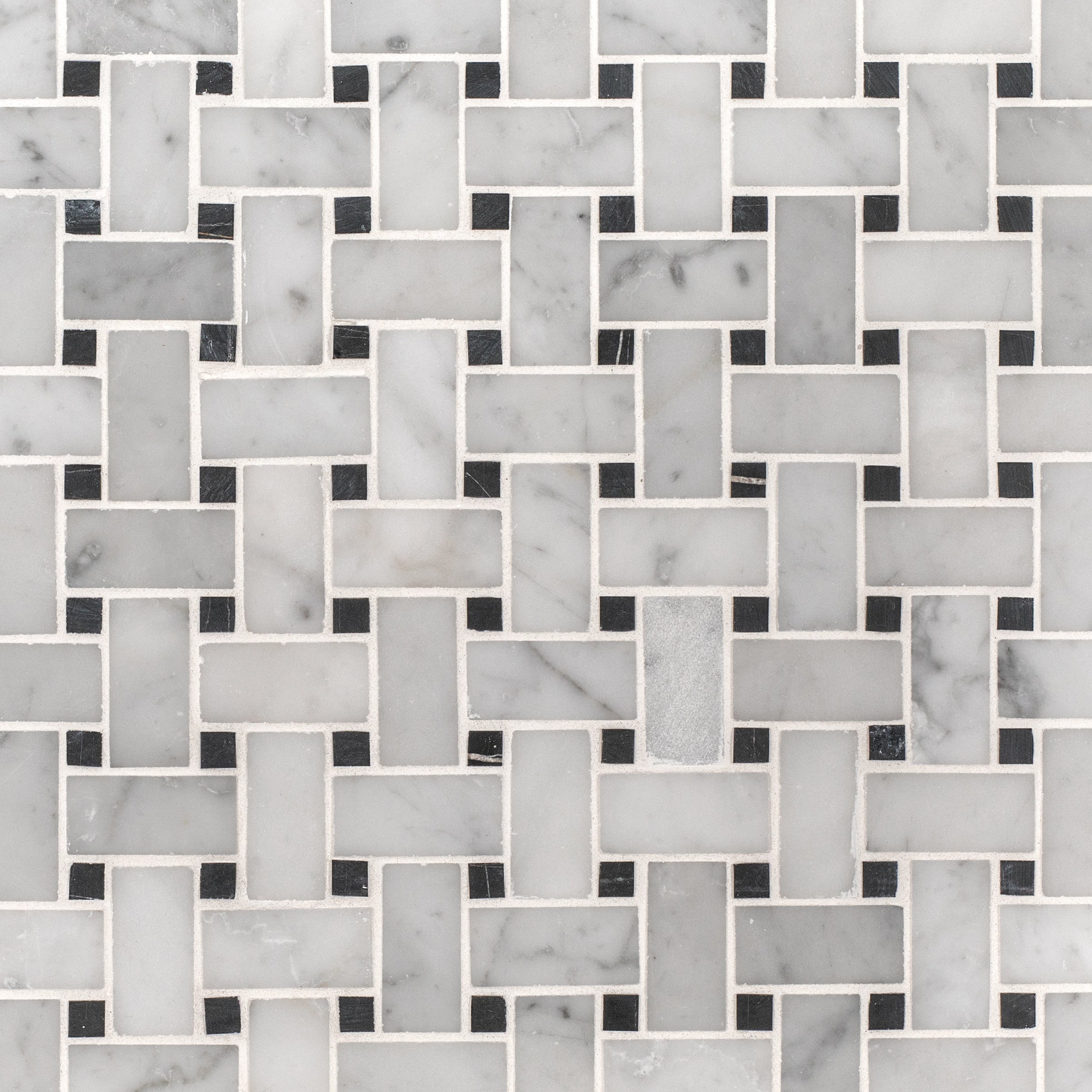
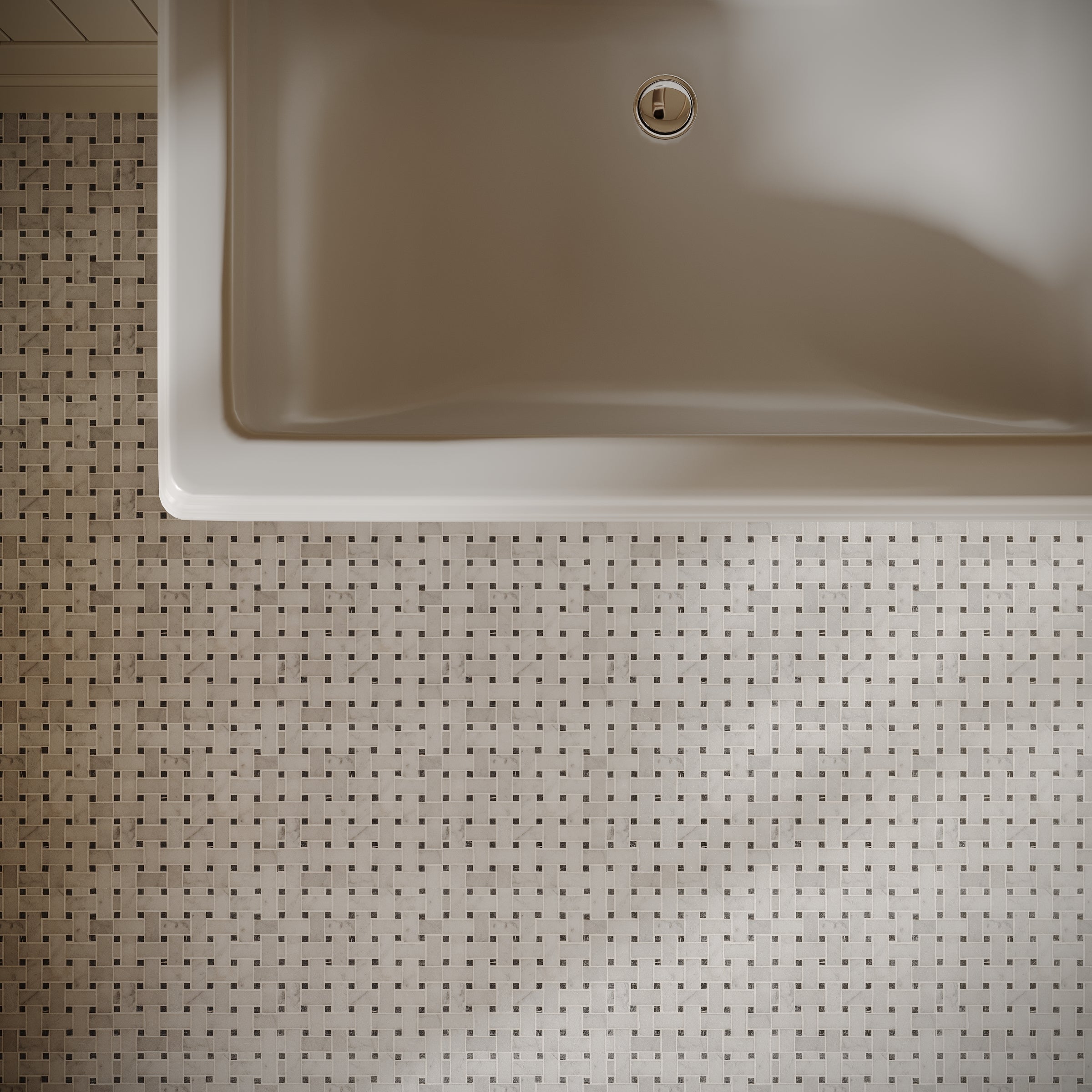
Carrara Honed Basketweave Marble Mosaic
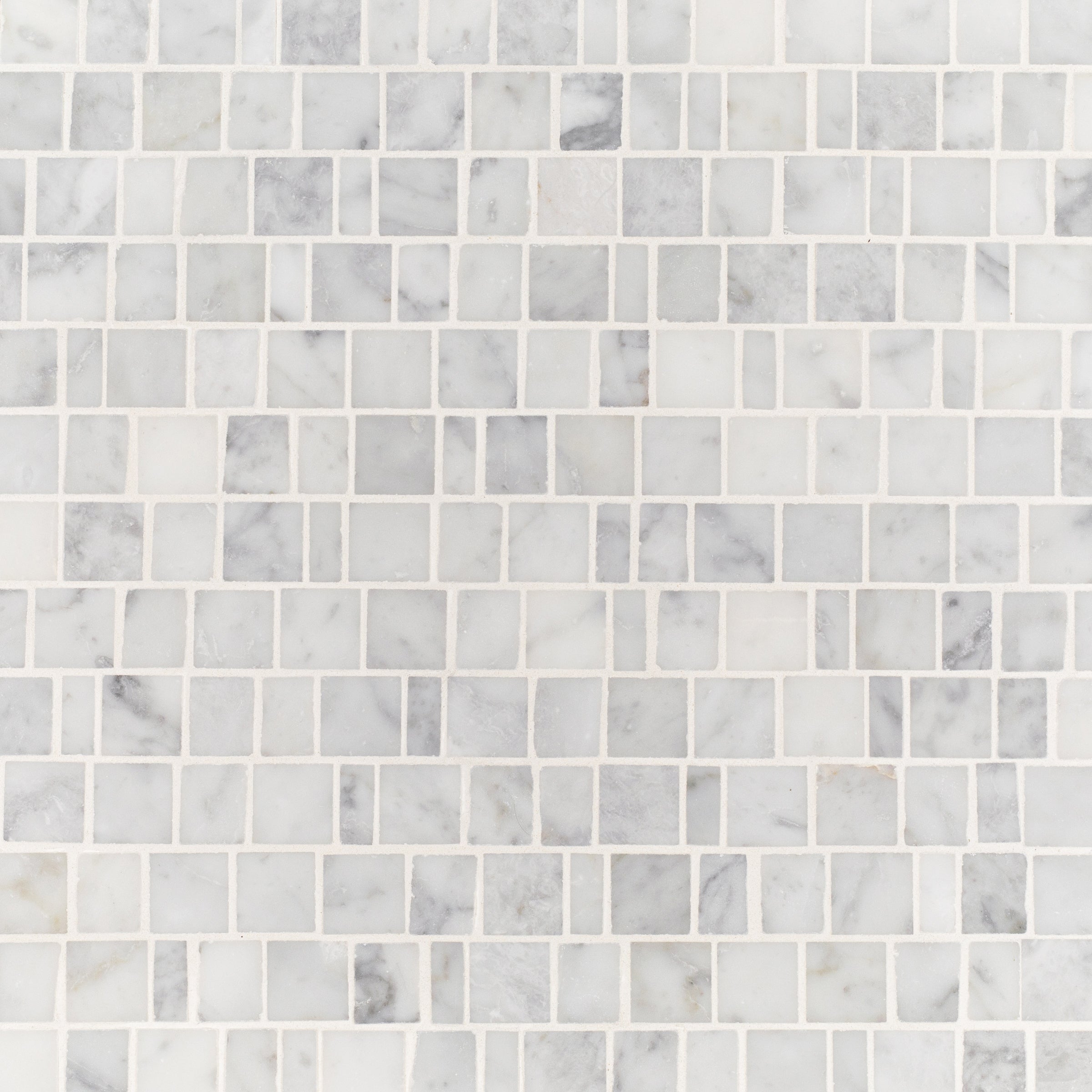
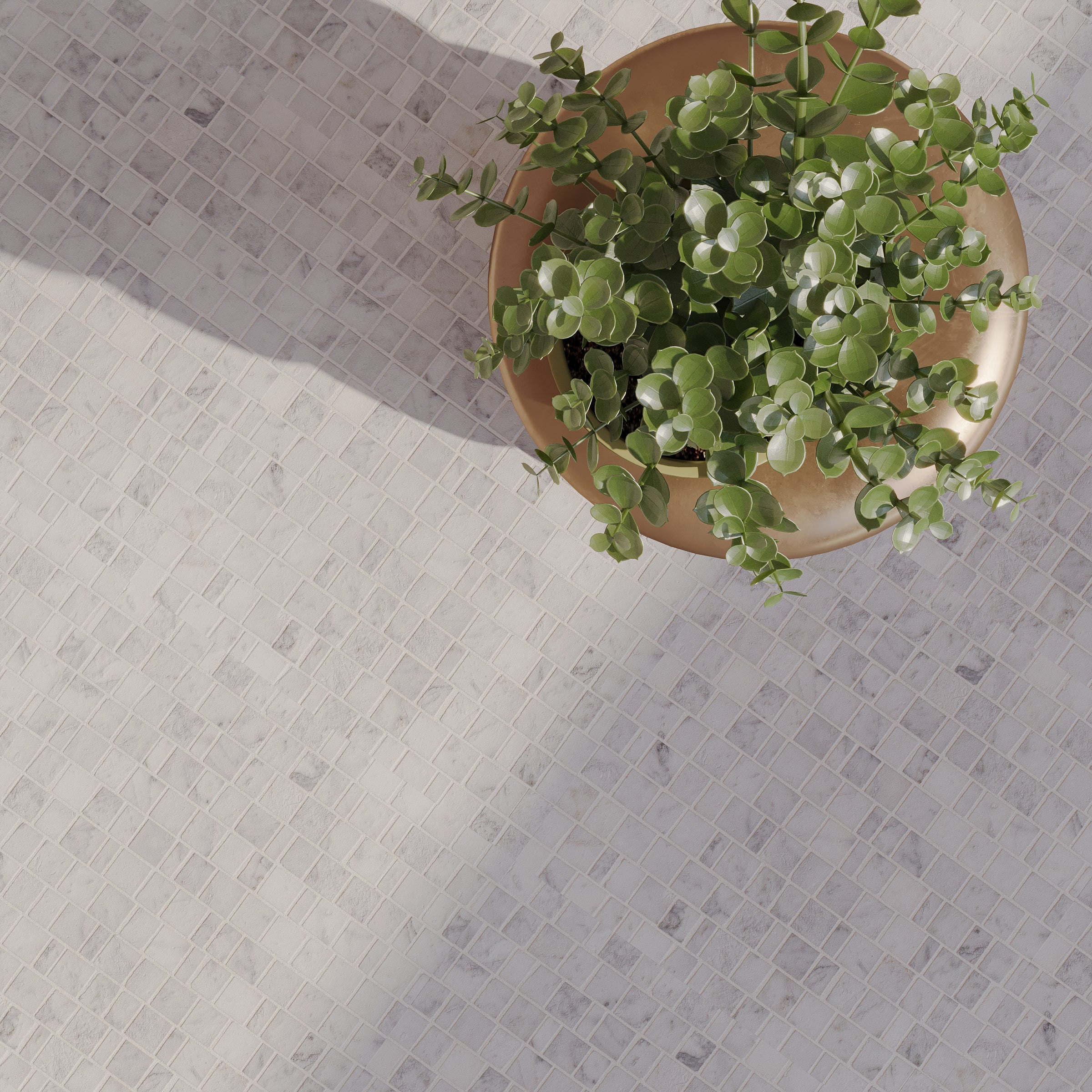
Carrara Running Bond Marble Mosaic
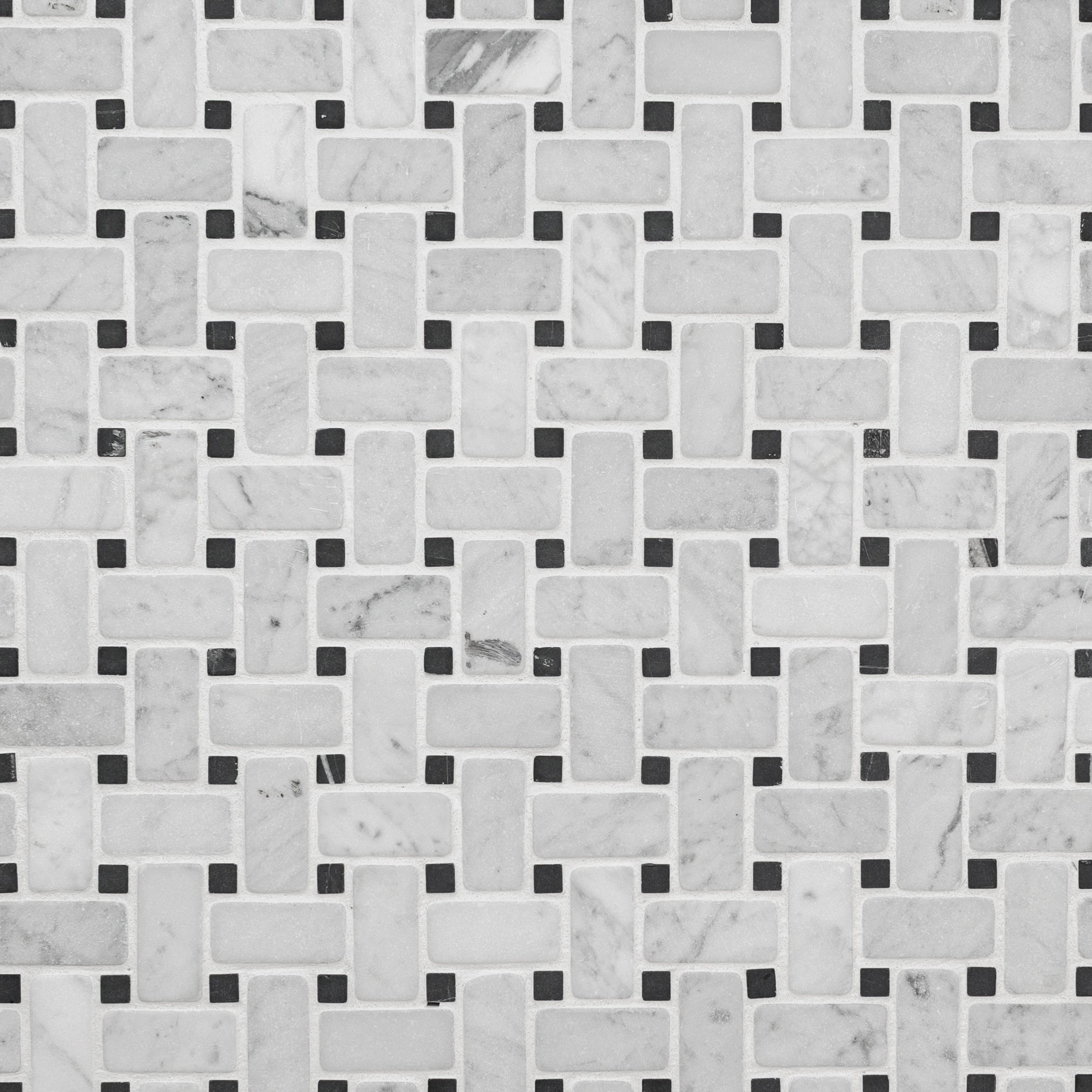
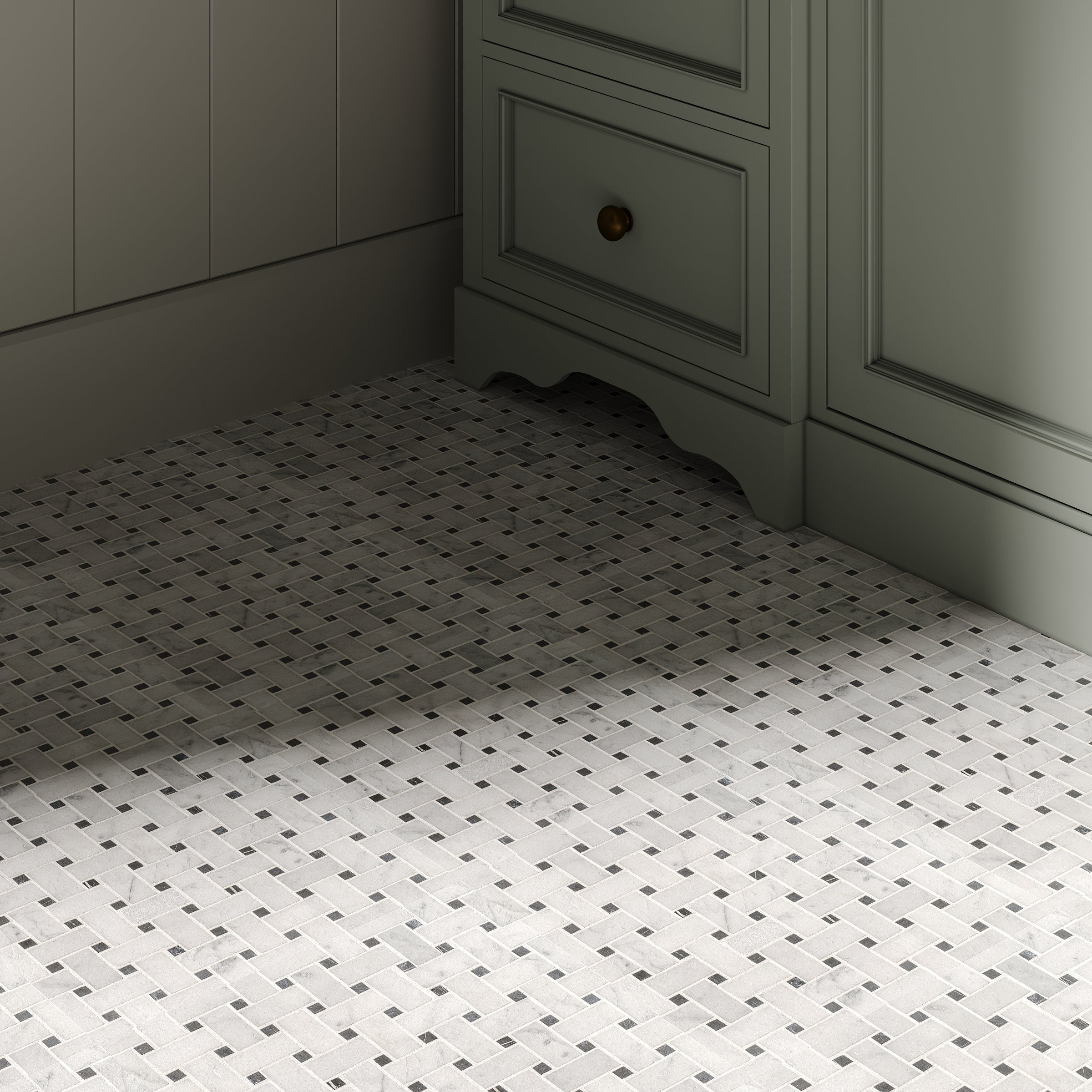
Carrara Tumbled Basketweave Marble Mosaic
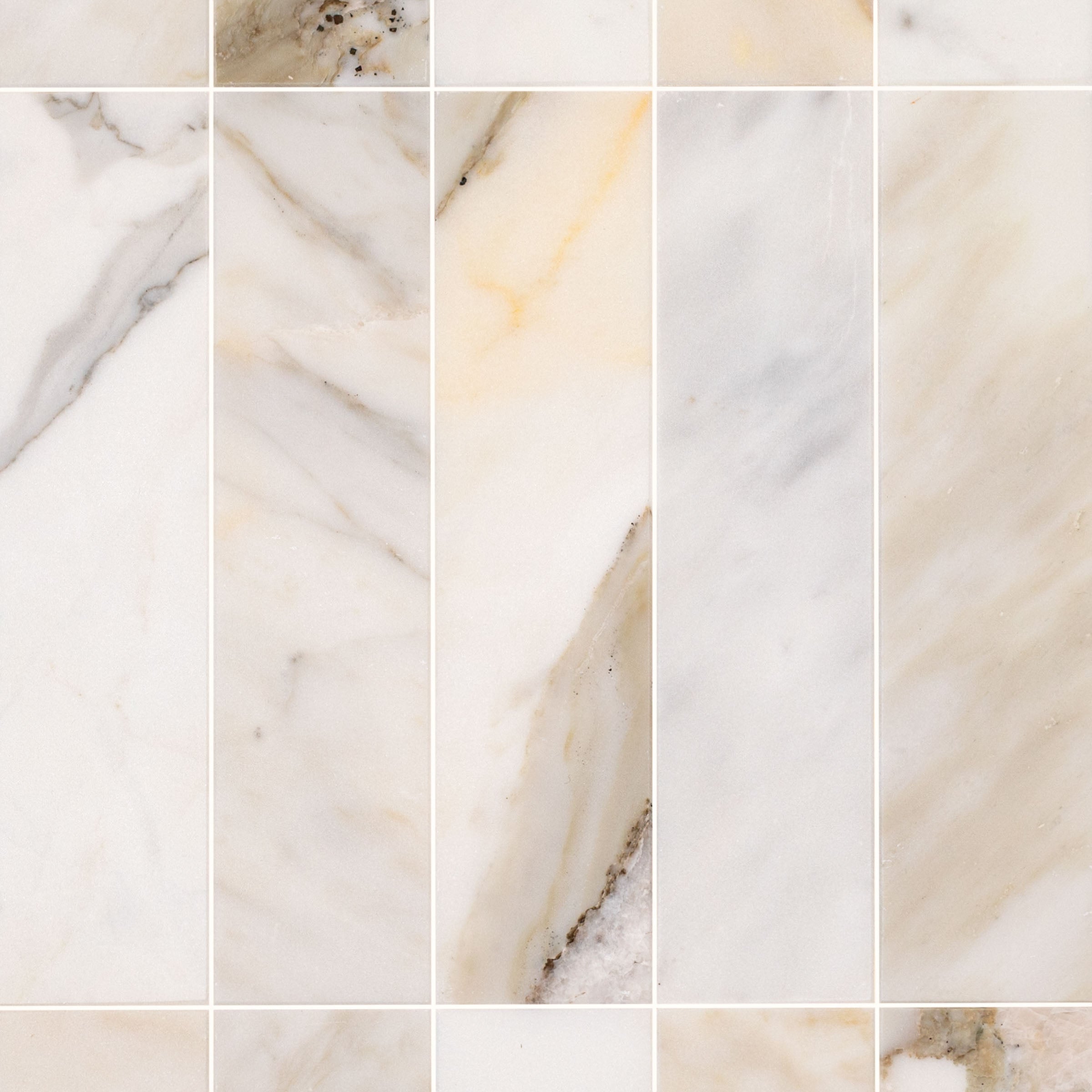
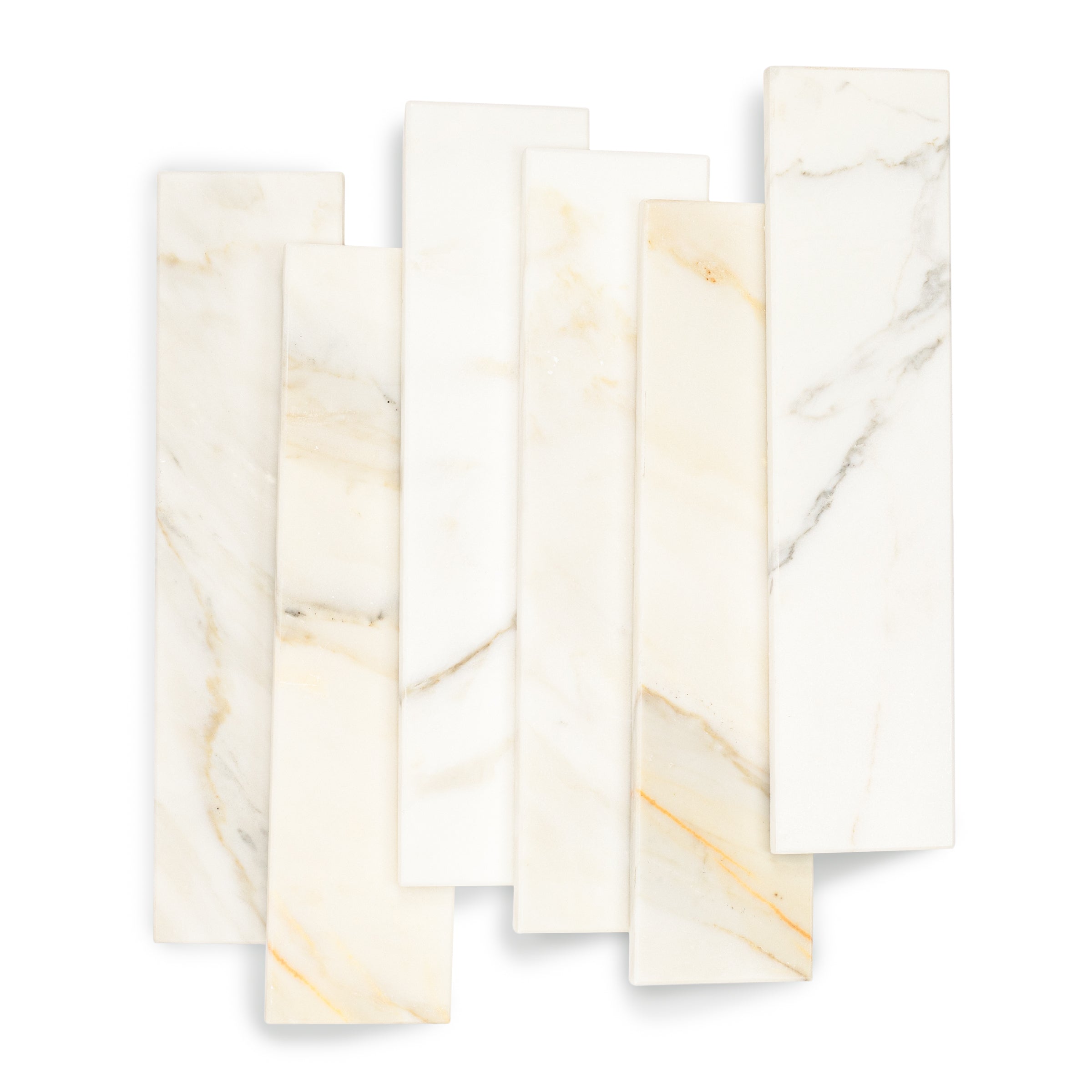
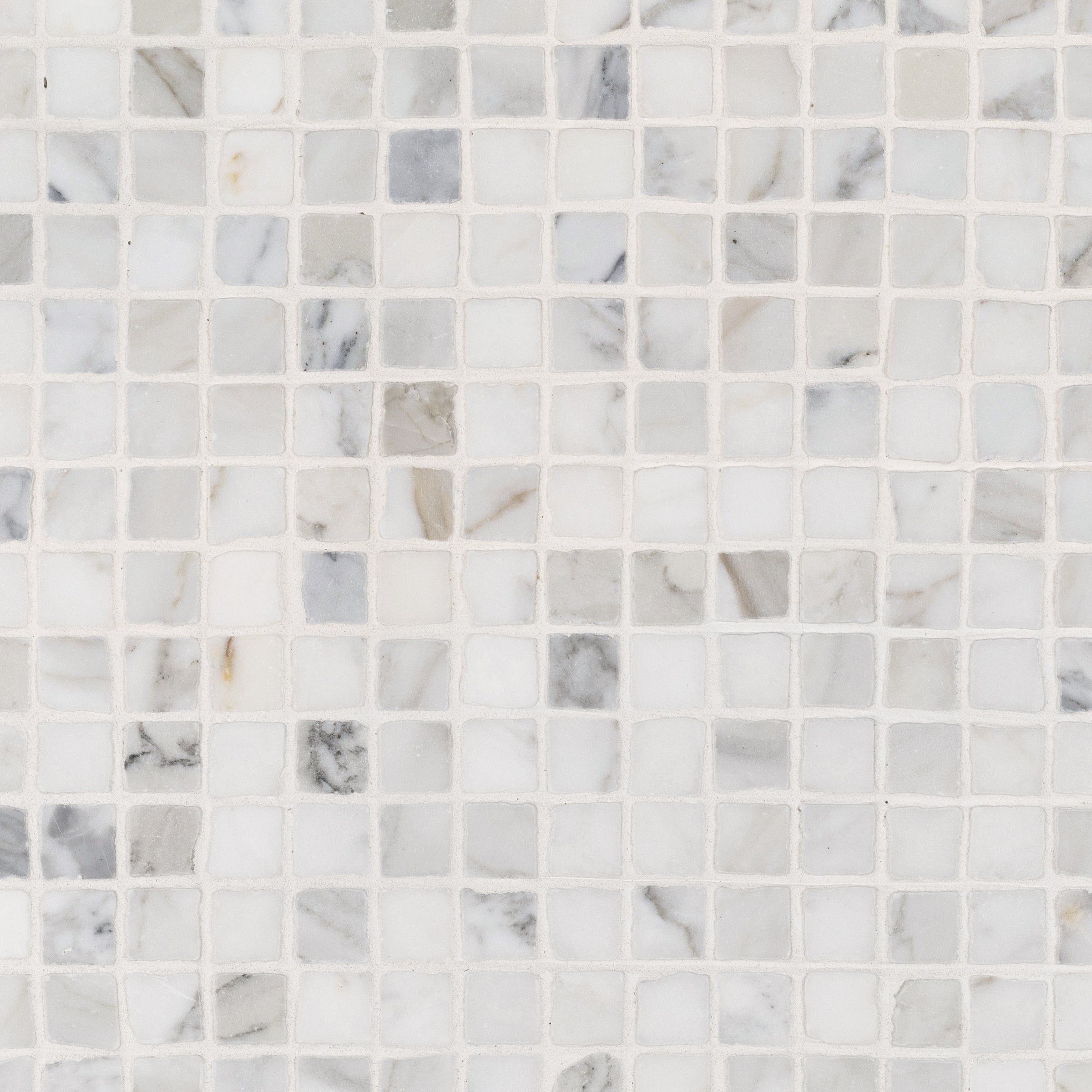
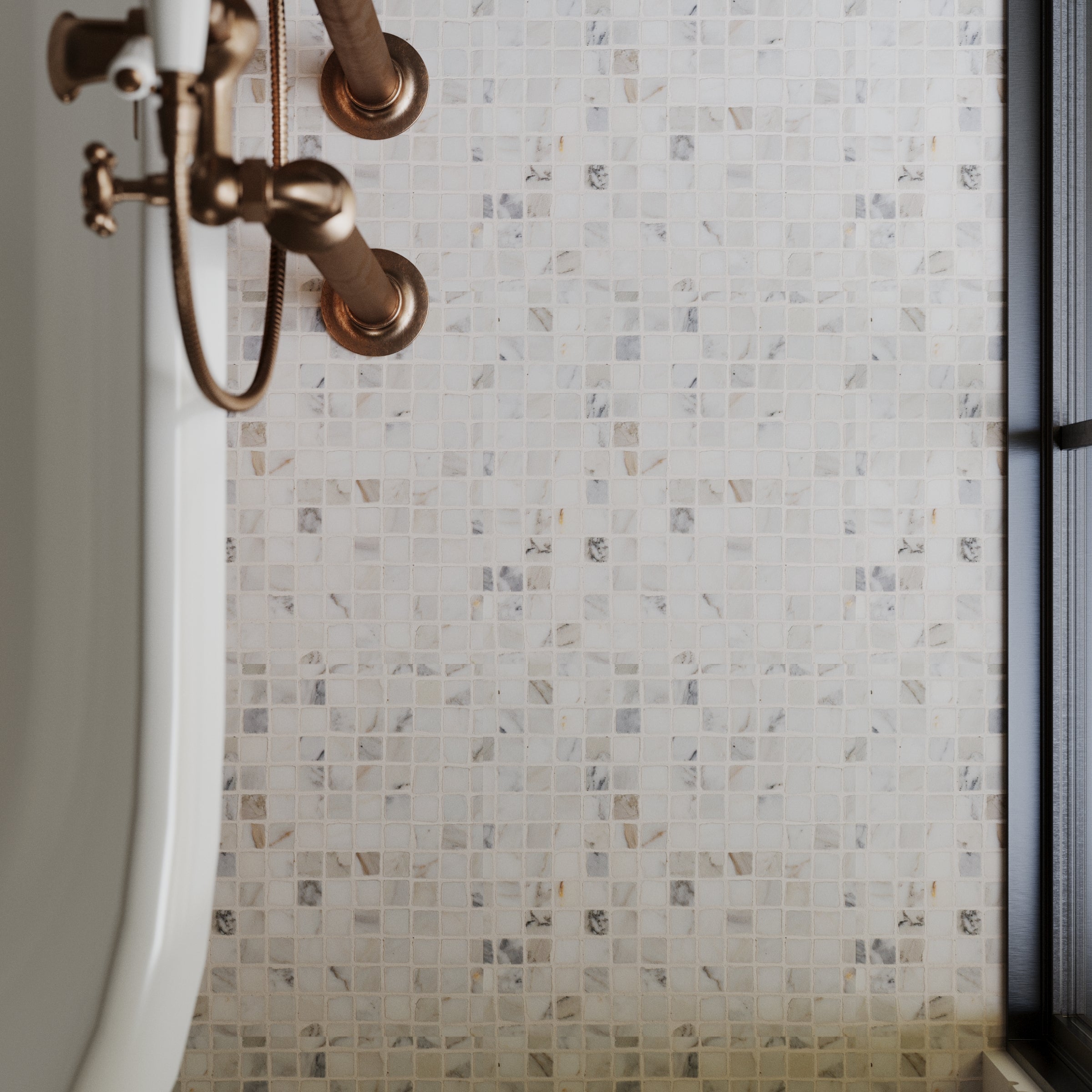
Calacatta 1x1 Hand Chipped Marble Mosaic
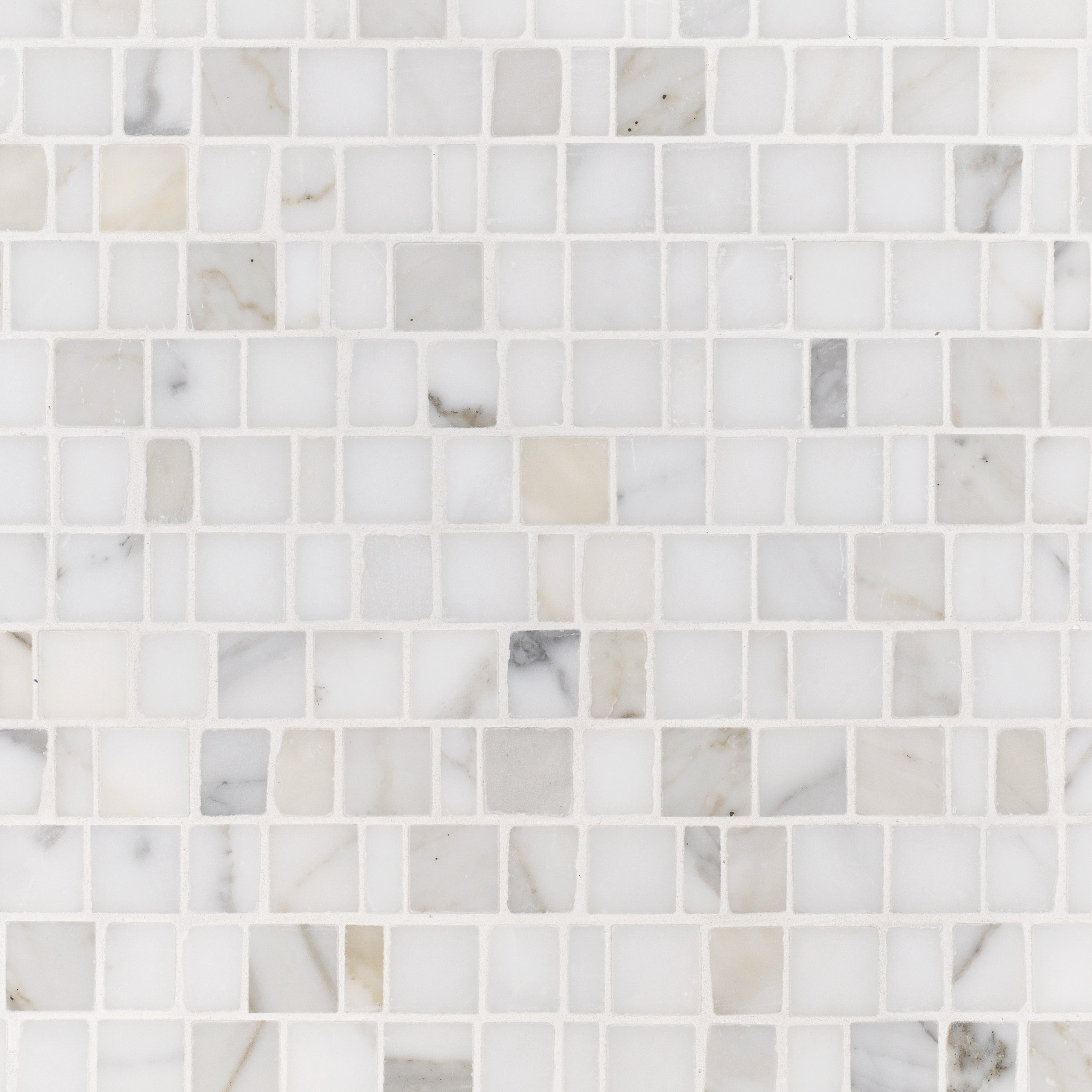
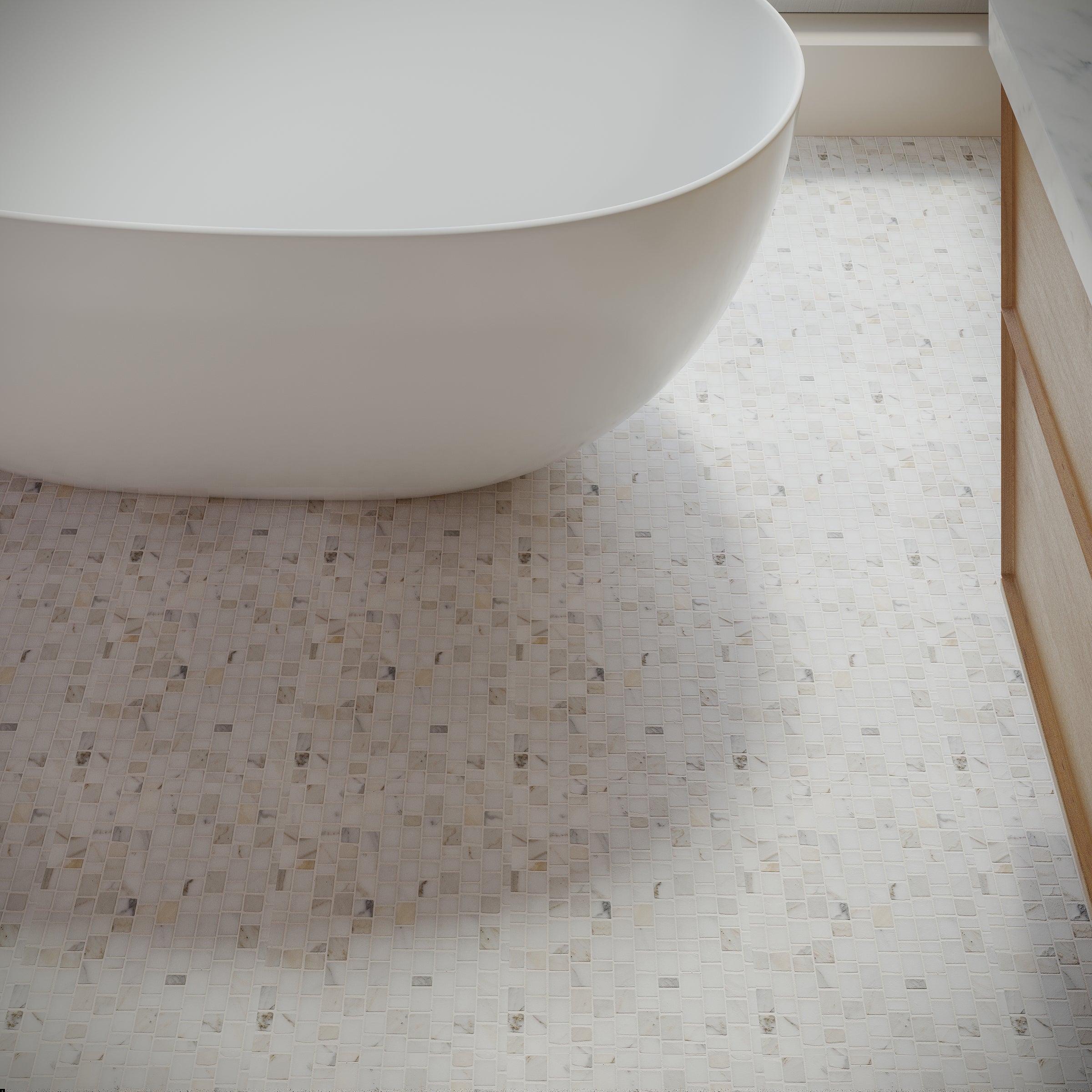
Calacatta Running Bond Marble Mosaic
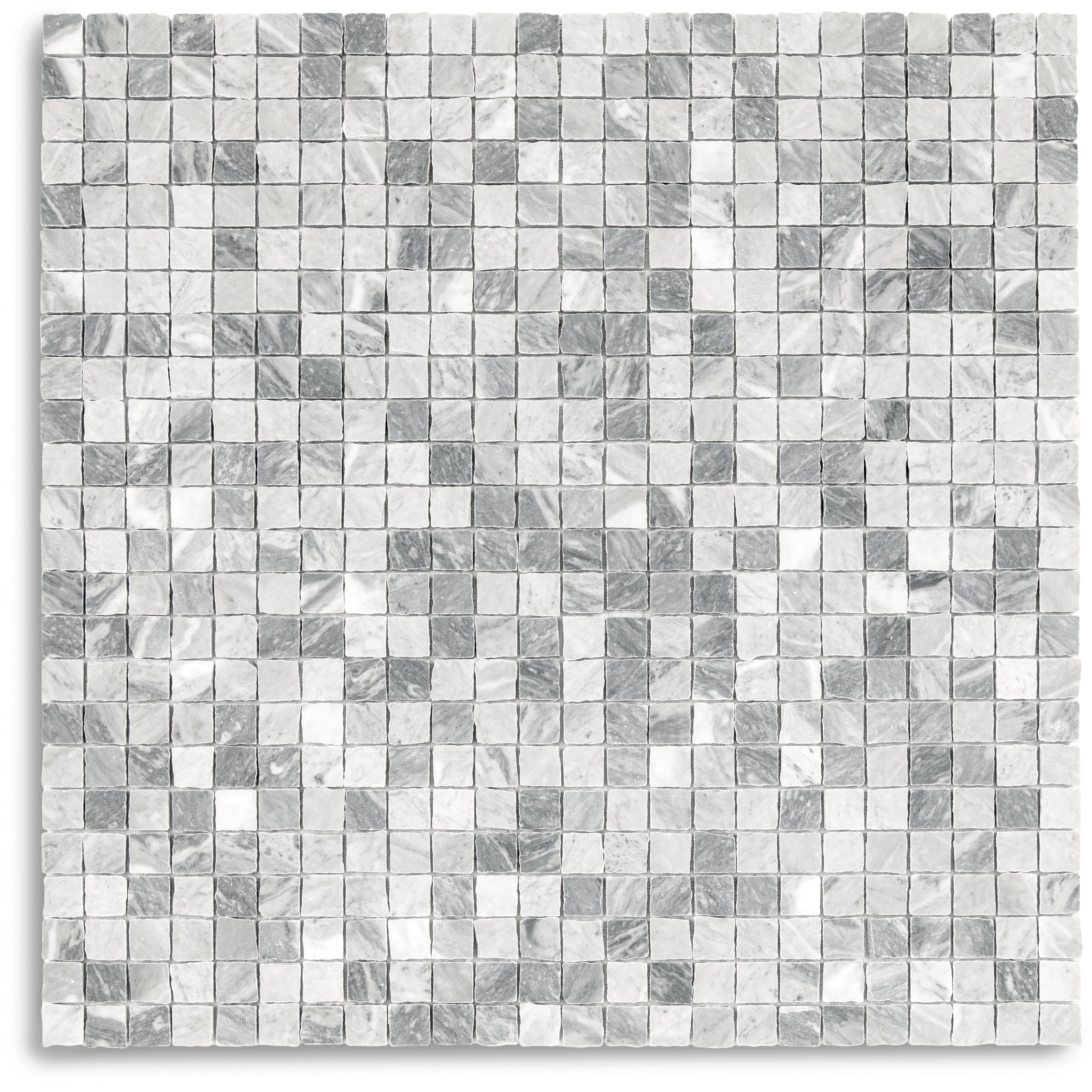
Grigio Pearla 1x1 Hand Chipped Marble Mosaic
Bianco Carrara Octagon w/ Nero Marquina Dot Mosaic
Thassos, Carrara, Bardiglio Gingham Marble Mosaic
Rosso Verona 1x1 Hand Chipped Marble Mosaic
Calacatta Honed Italian Terrazzo Tile
Torcello Honed Italian Terrazzo Tile
Bardiglio Tumbled Pebble Mosaic
Carrara, Verde, Bardiglio Tumbled Pebble Mosaic
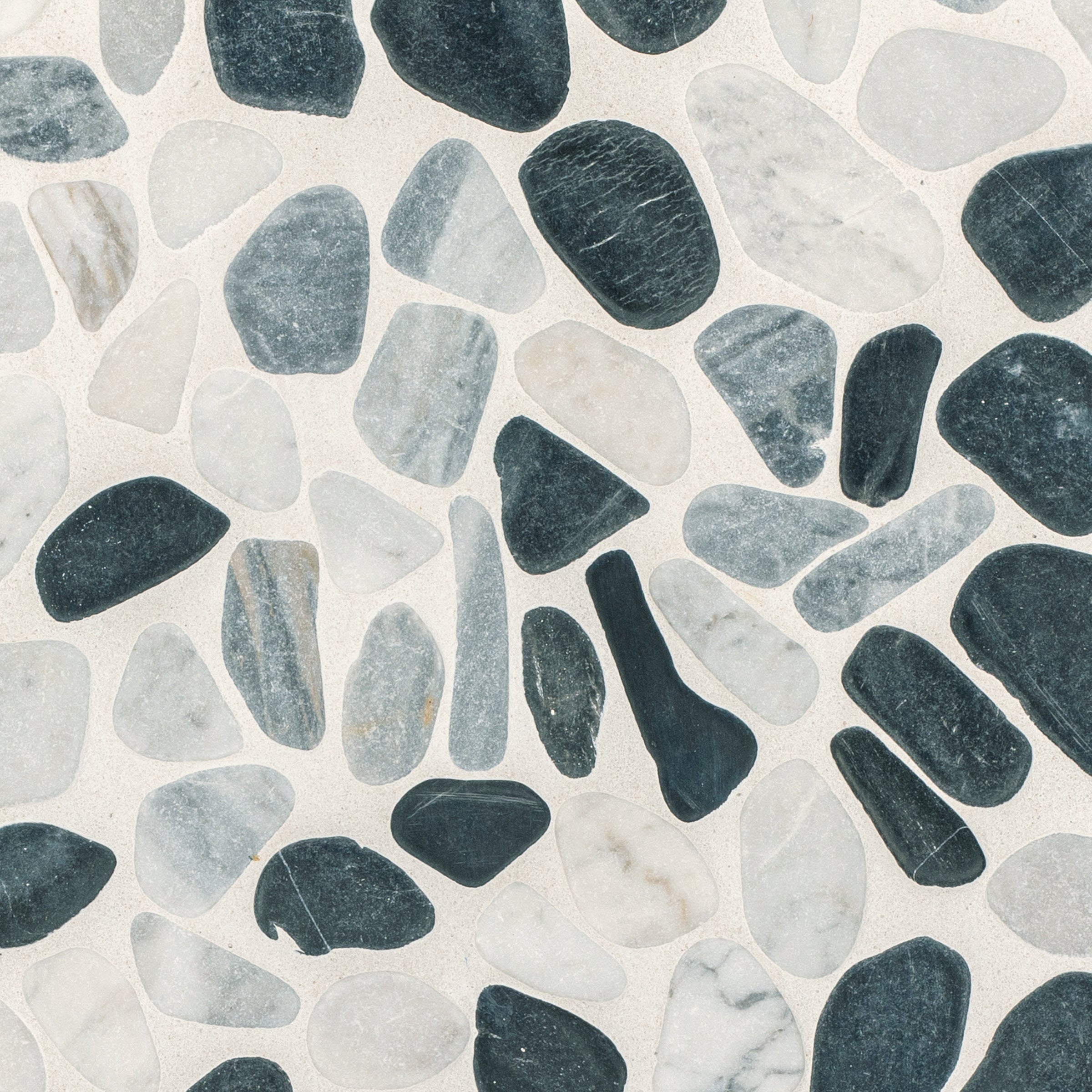
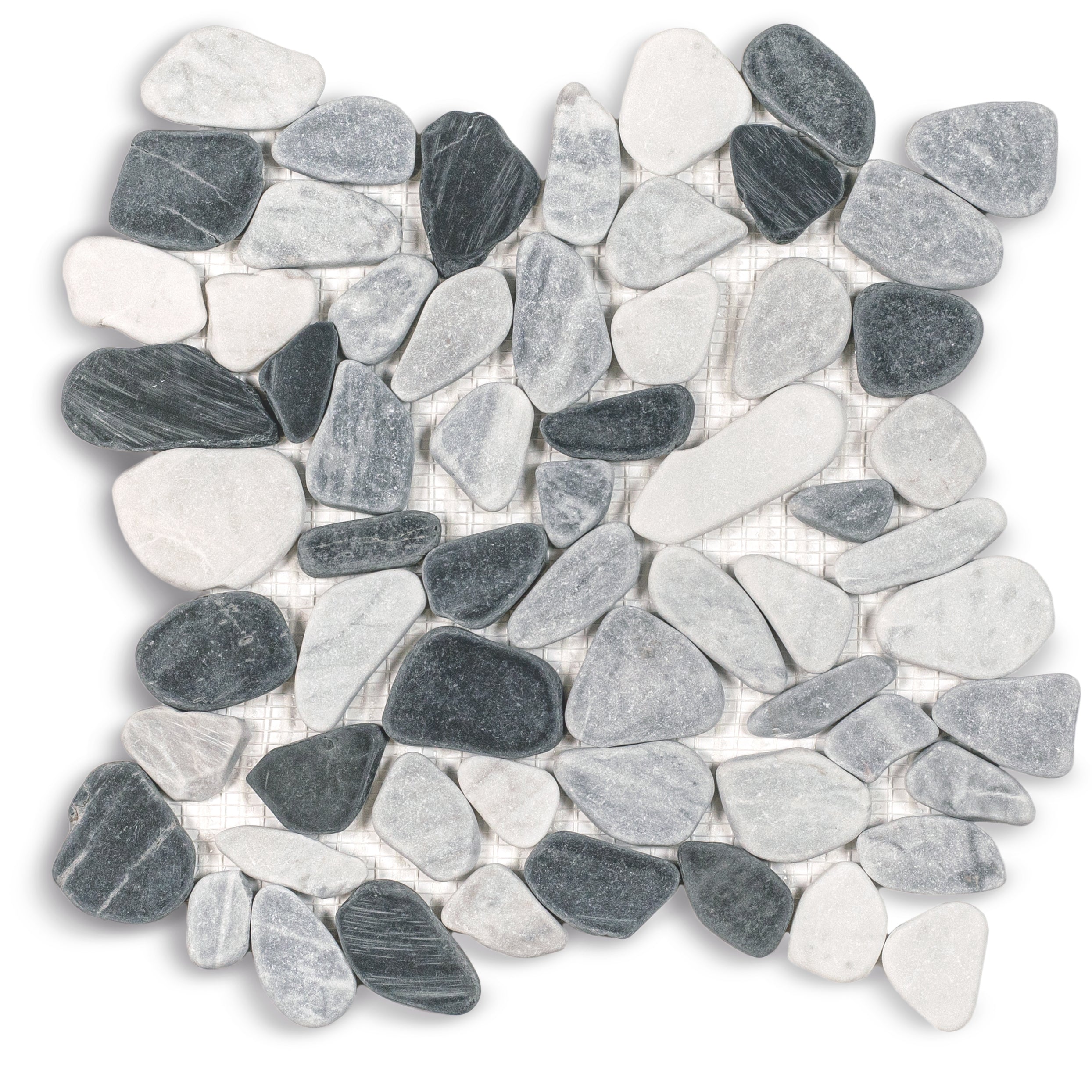
Carrara, Nero, Bardiglio Tumbled Pebble Mosaic
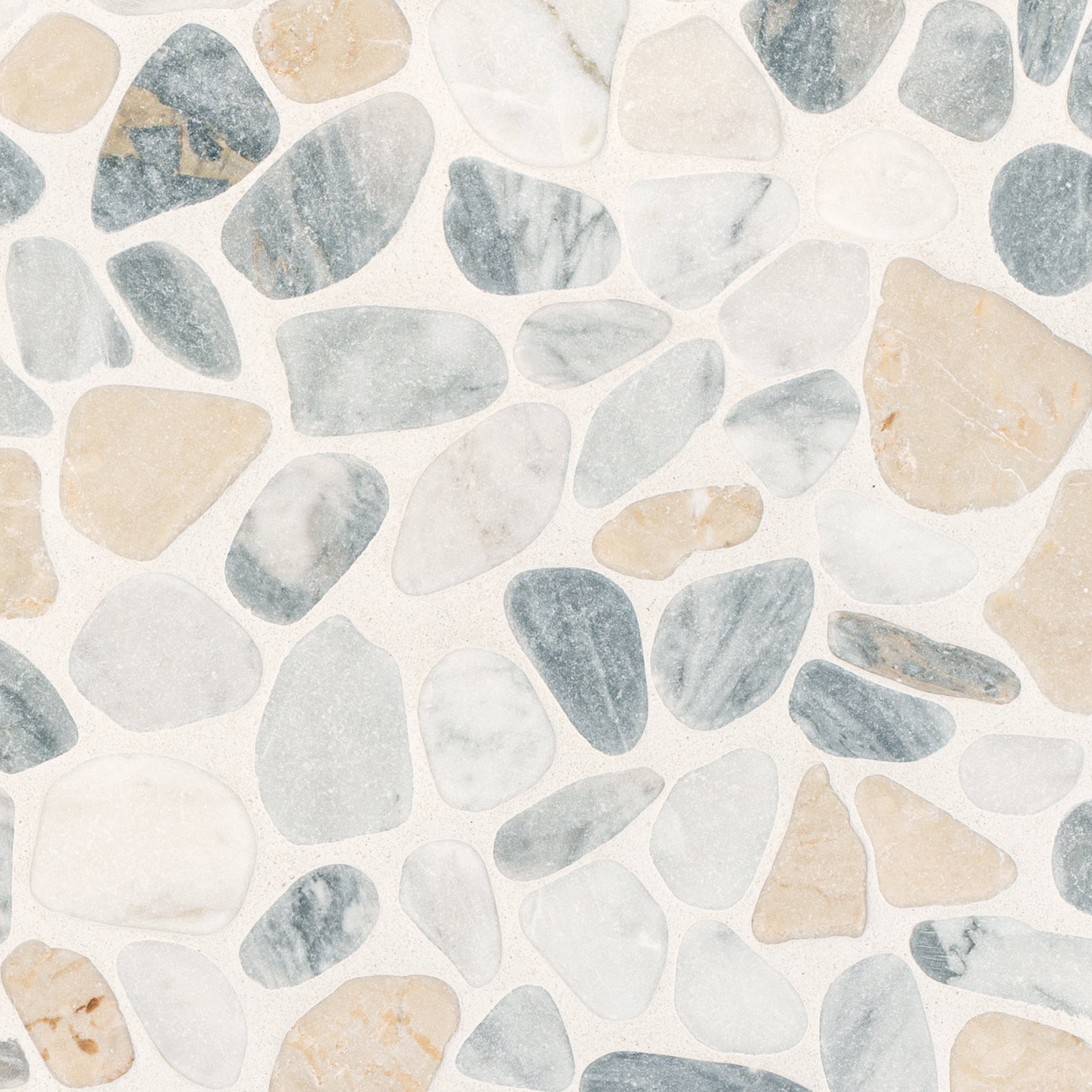
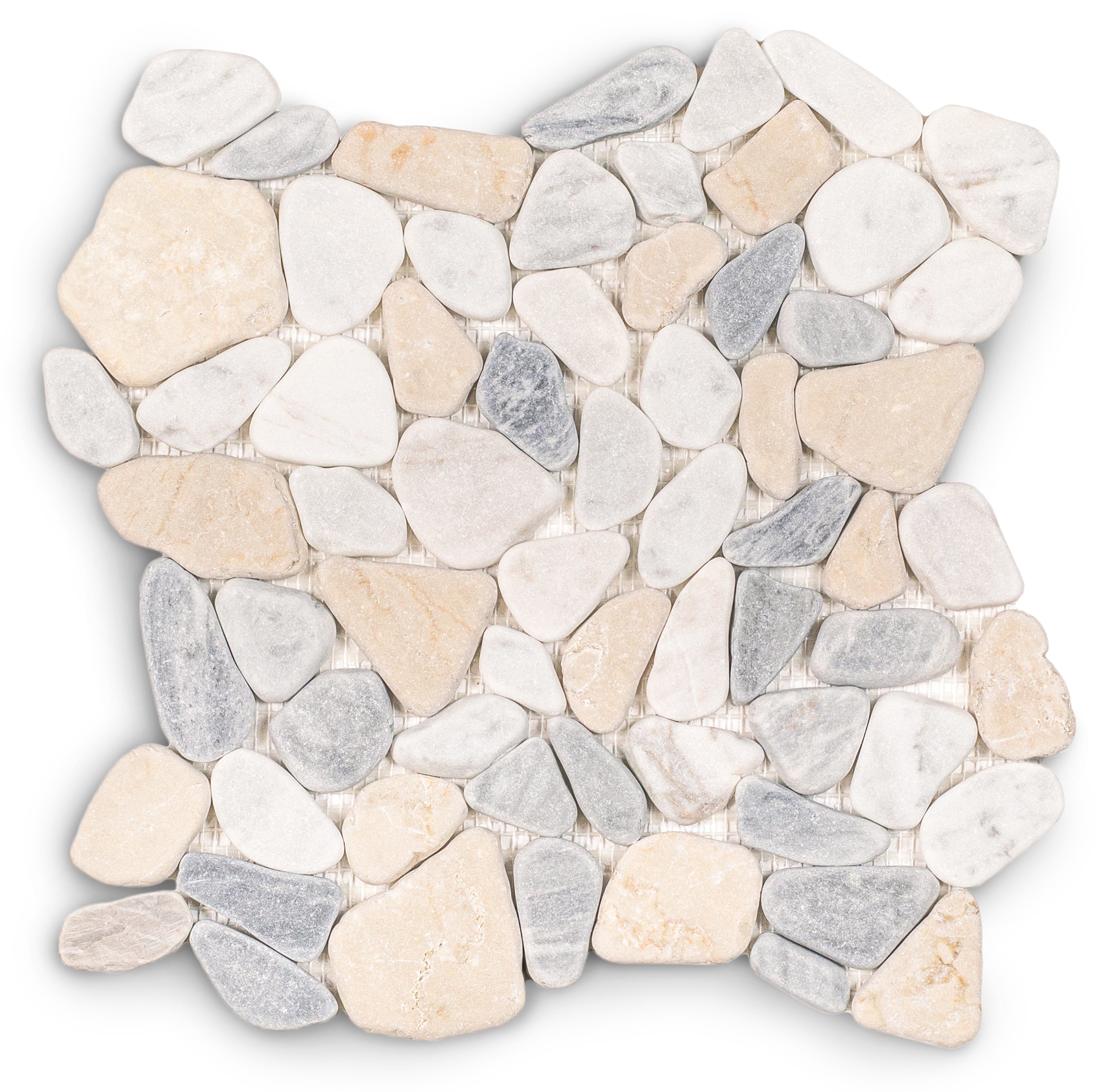
Carrara, Crema, Bardiglio Tumbled Pebble Mosaic
Rosso Verona Tumbled Marble Tile
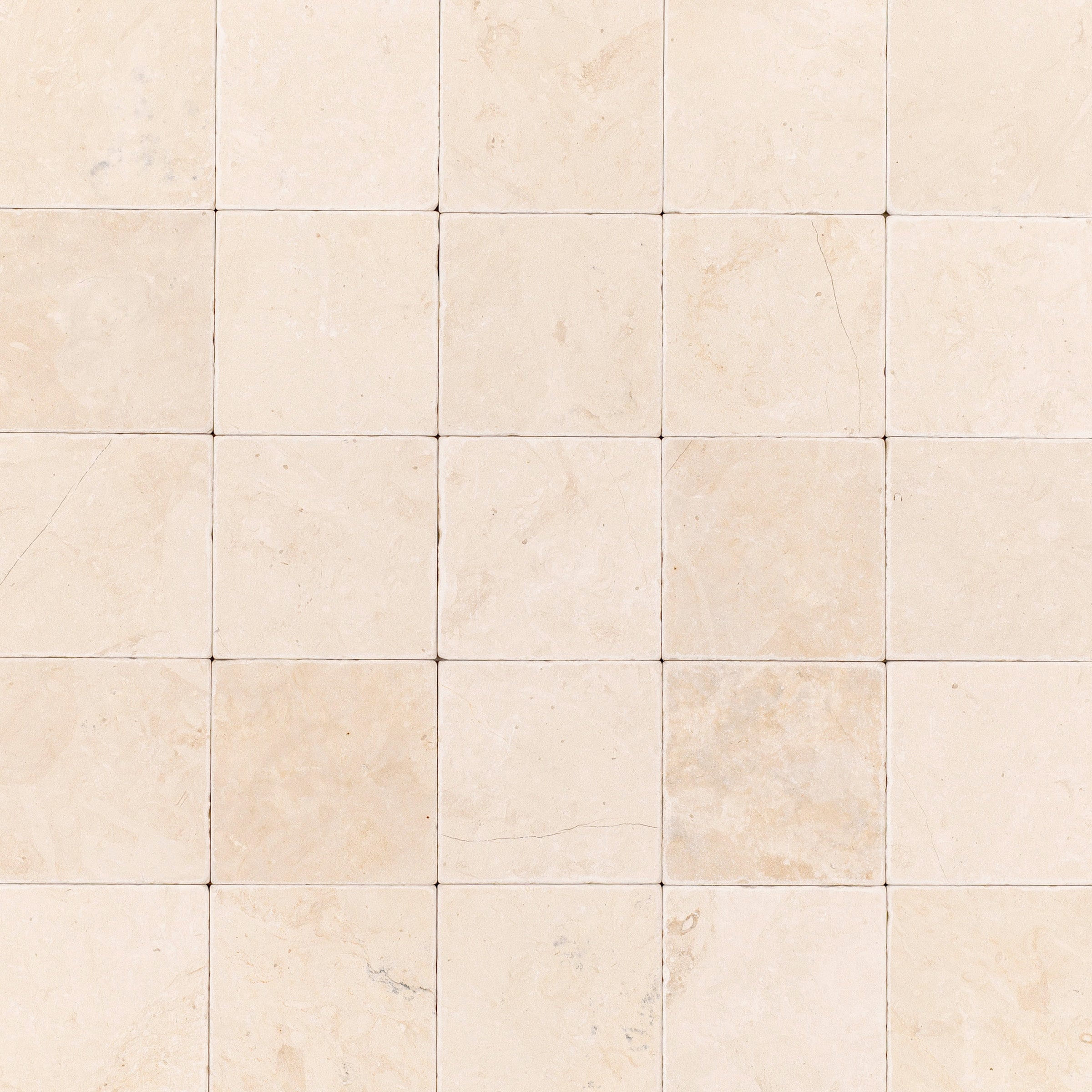
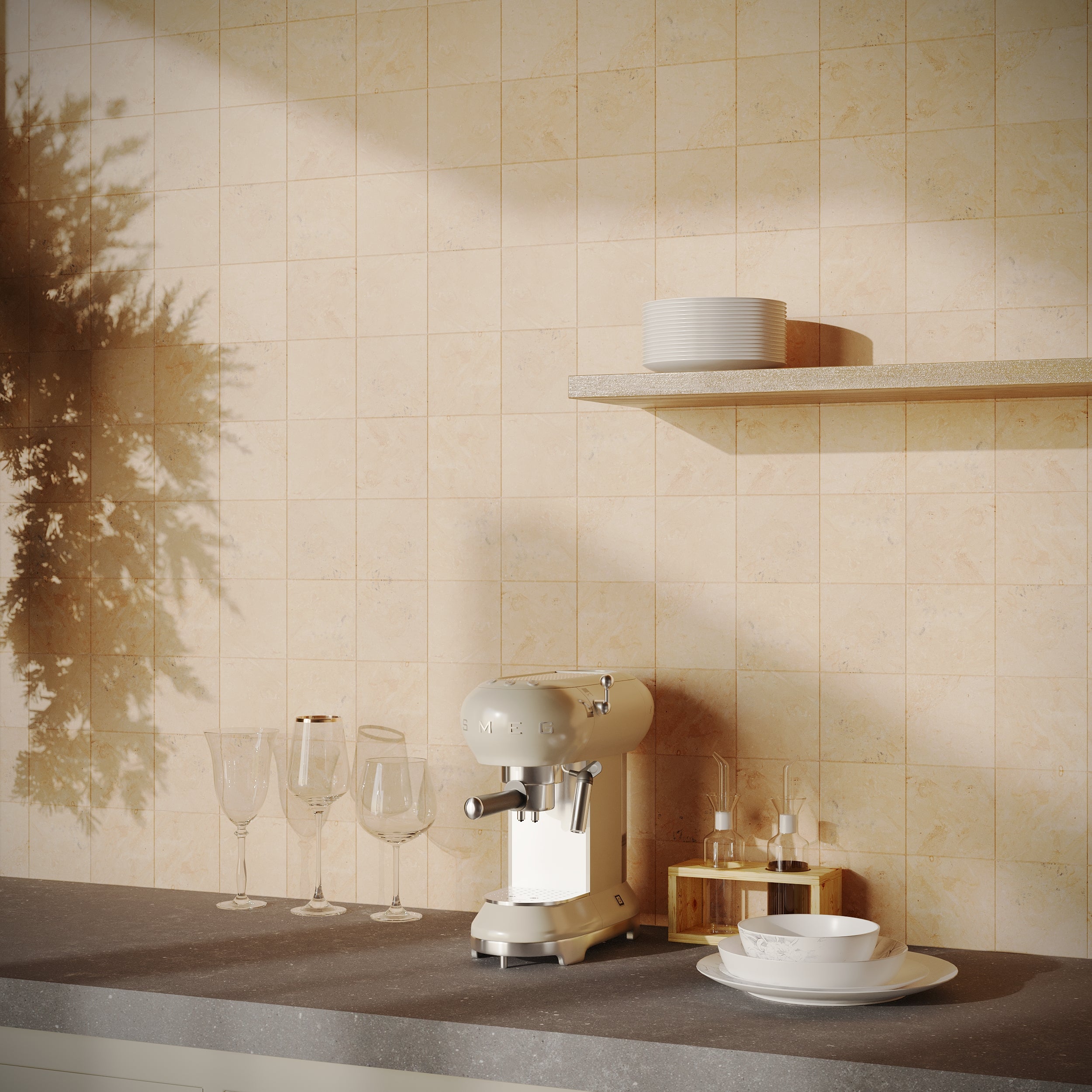
Desert Tea Tumbled Marble Tile
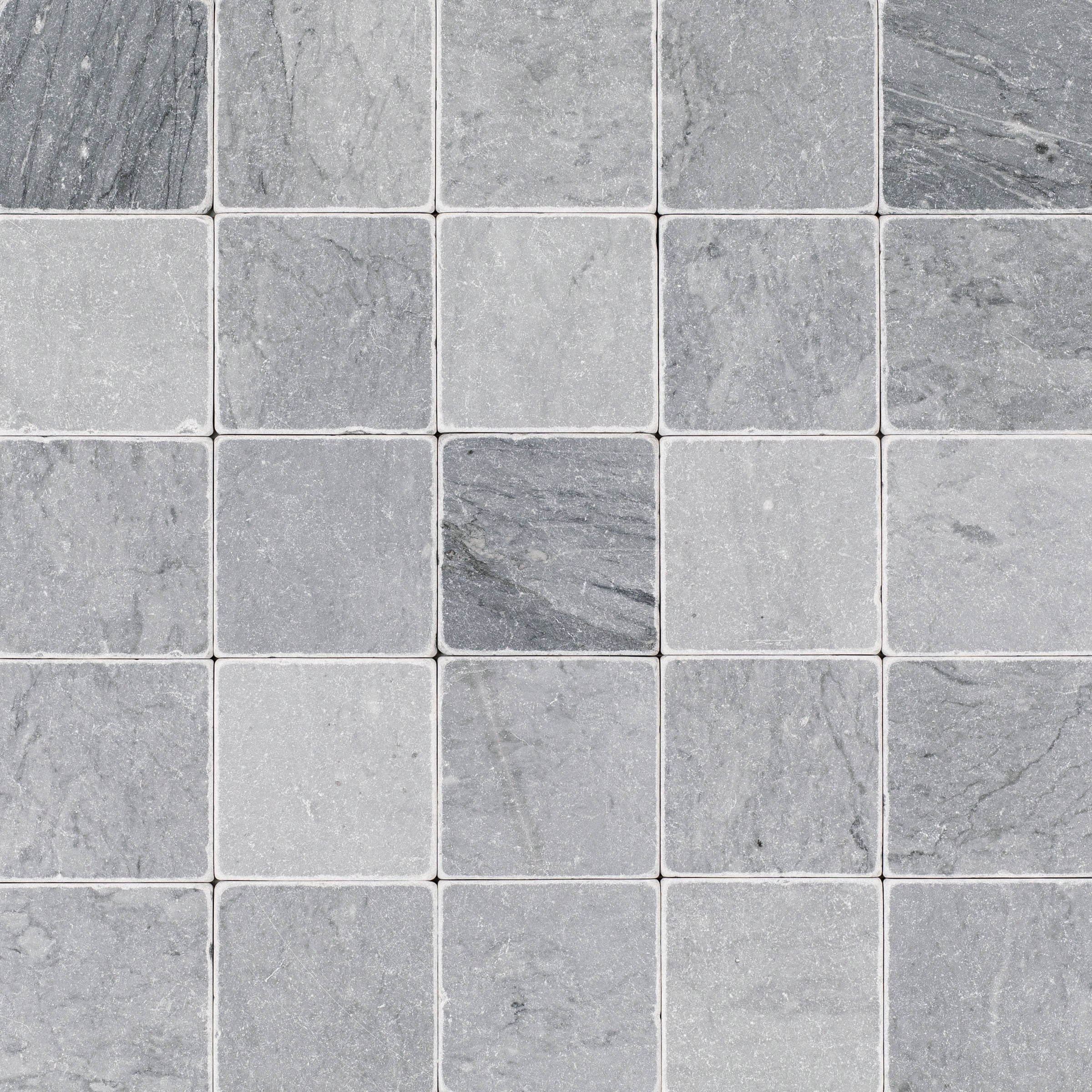
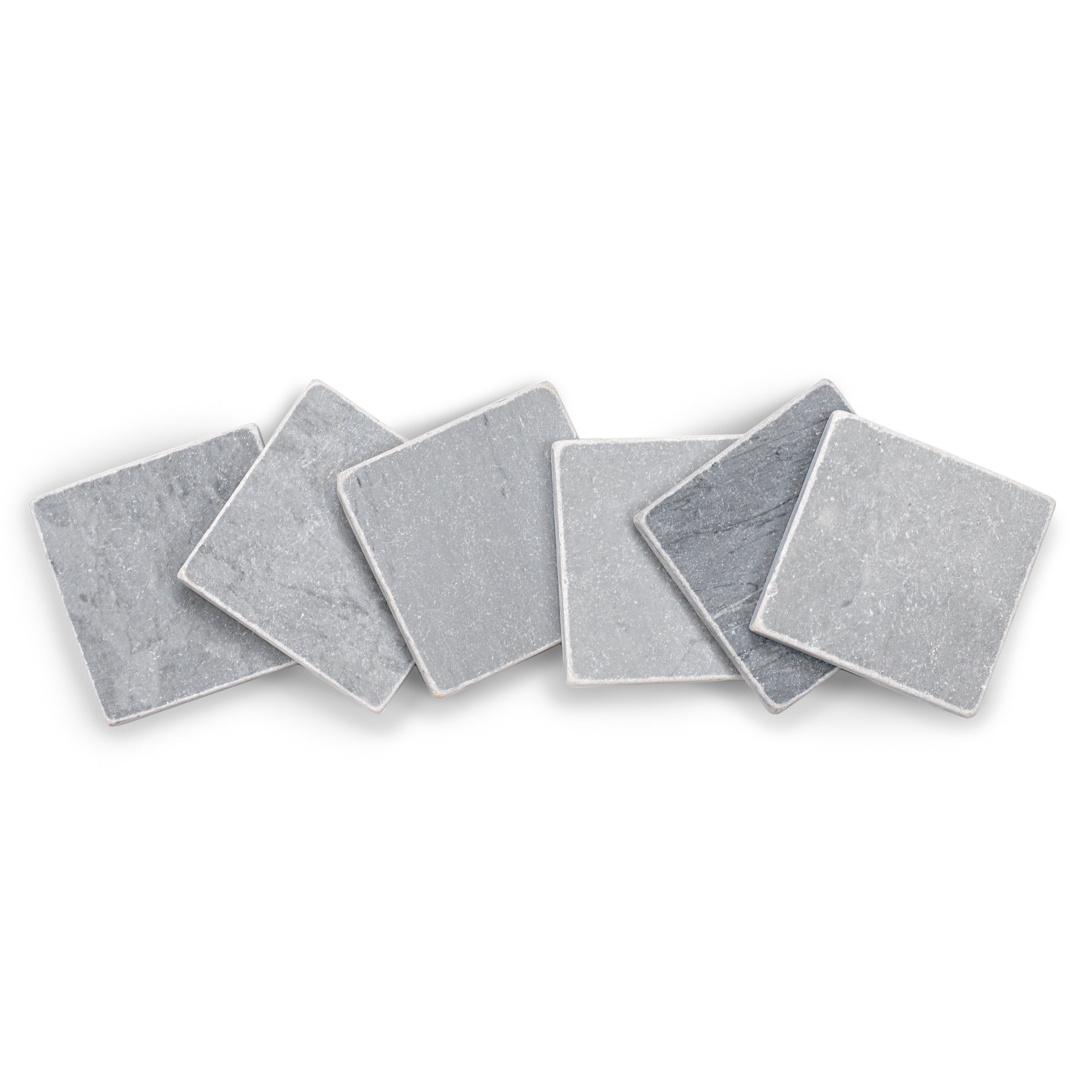
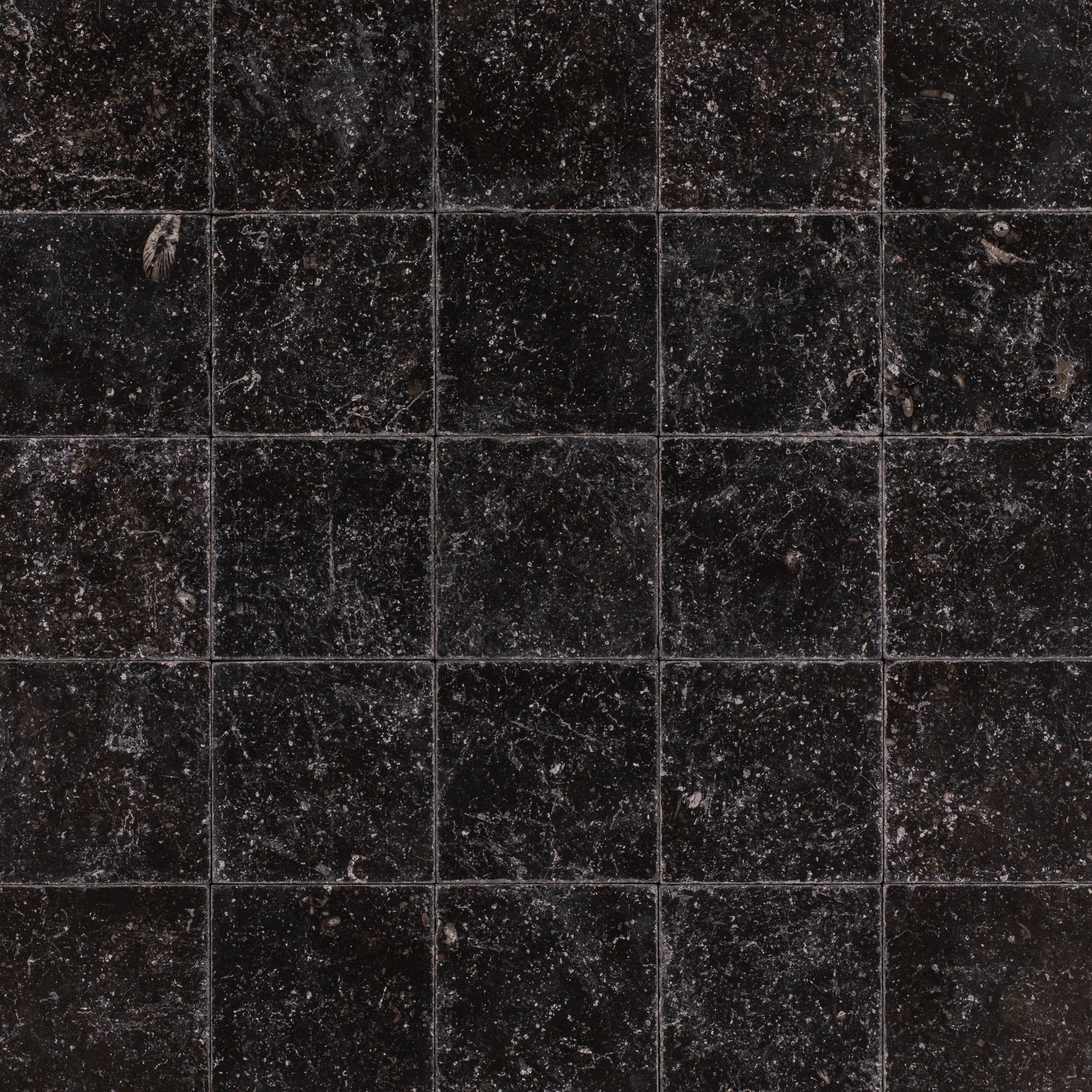
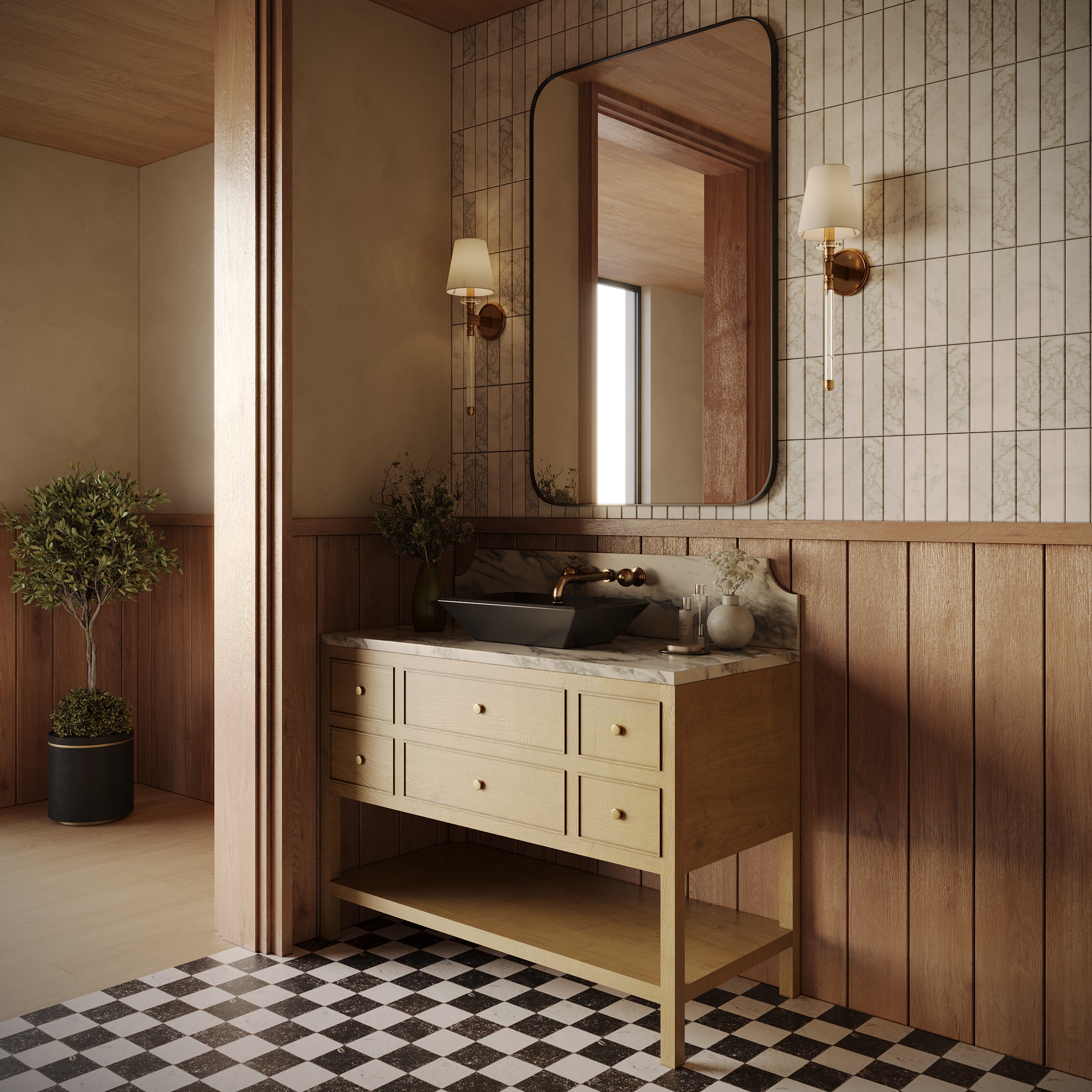
Belgian Blue Tumbled Marble Tile
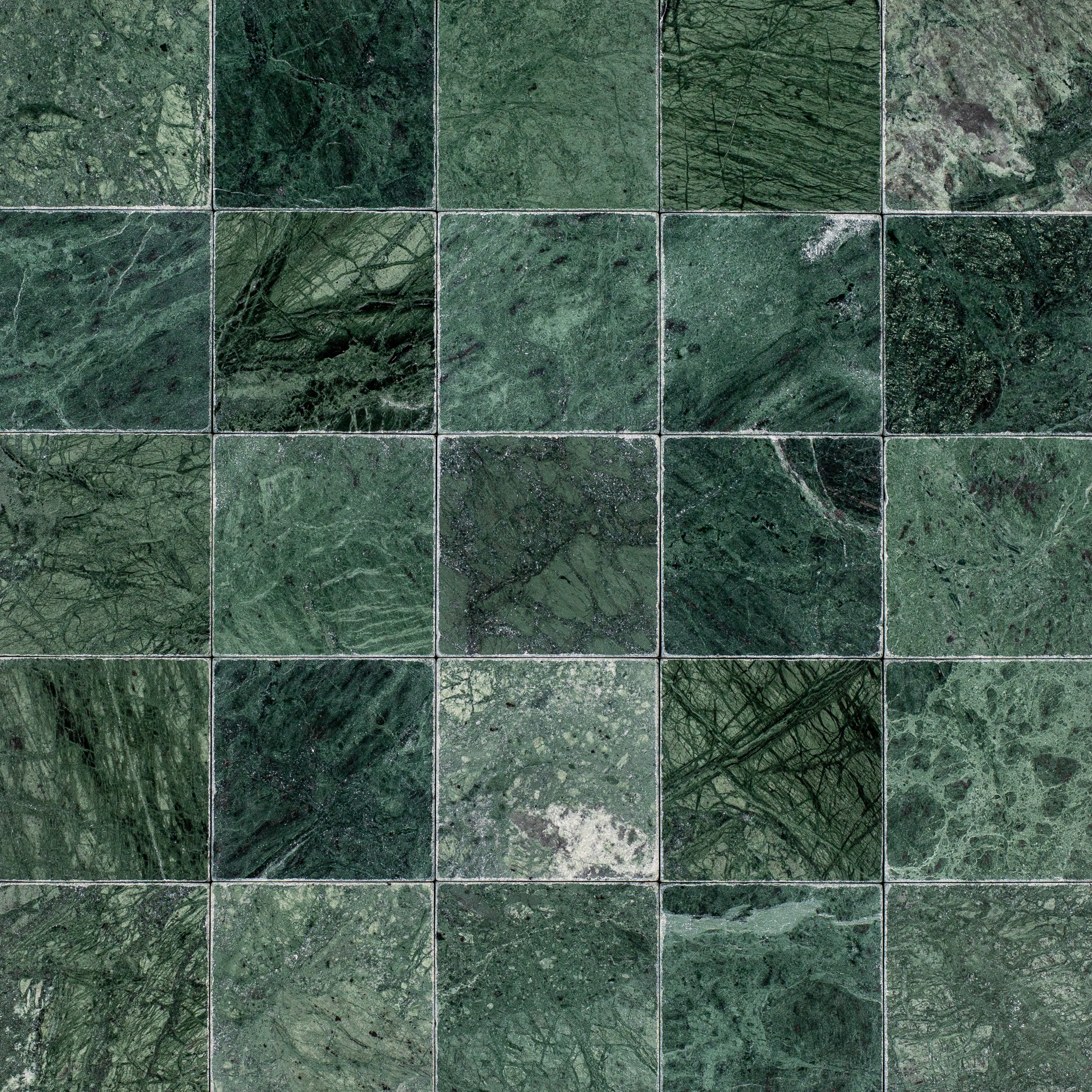
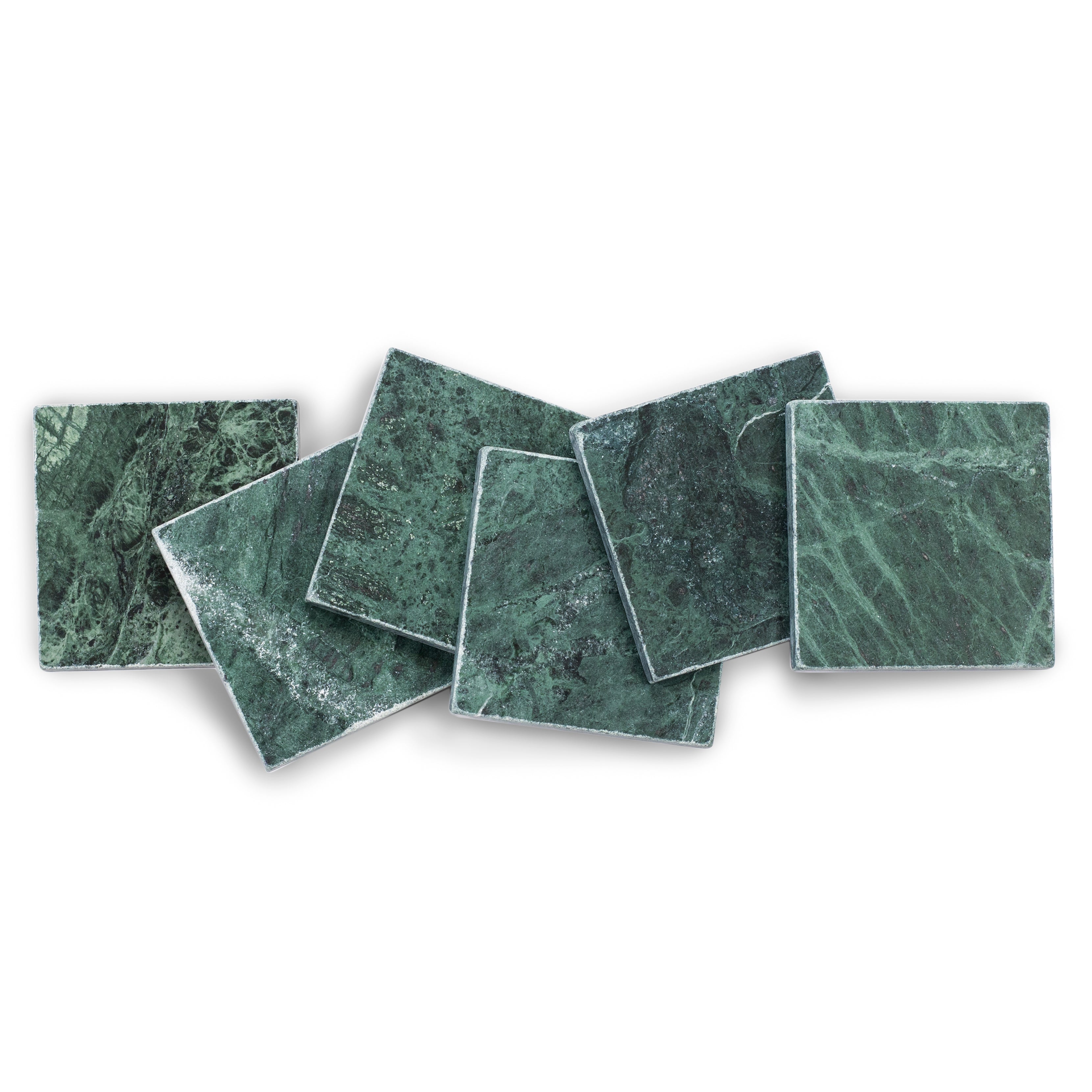
Verde Guatemala Tumbled Marble Tile
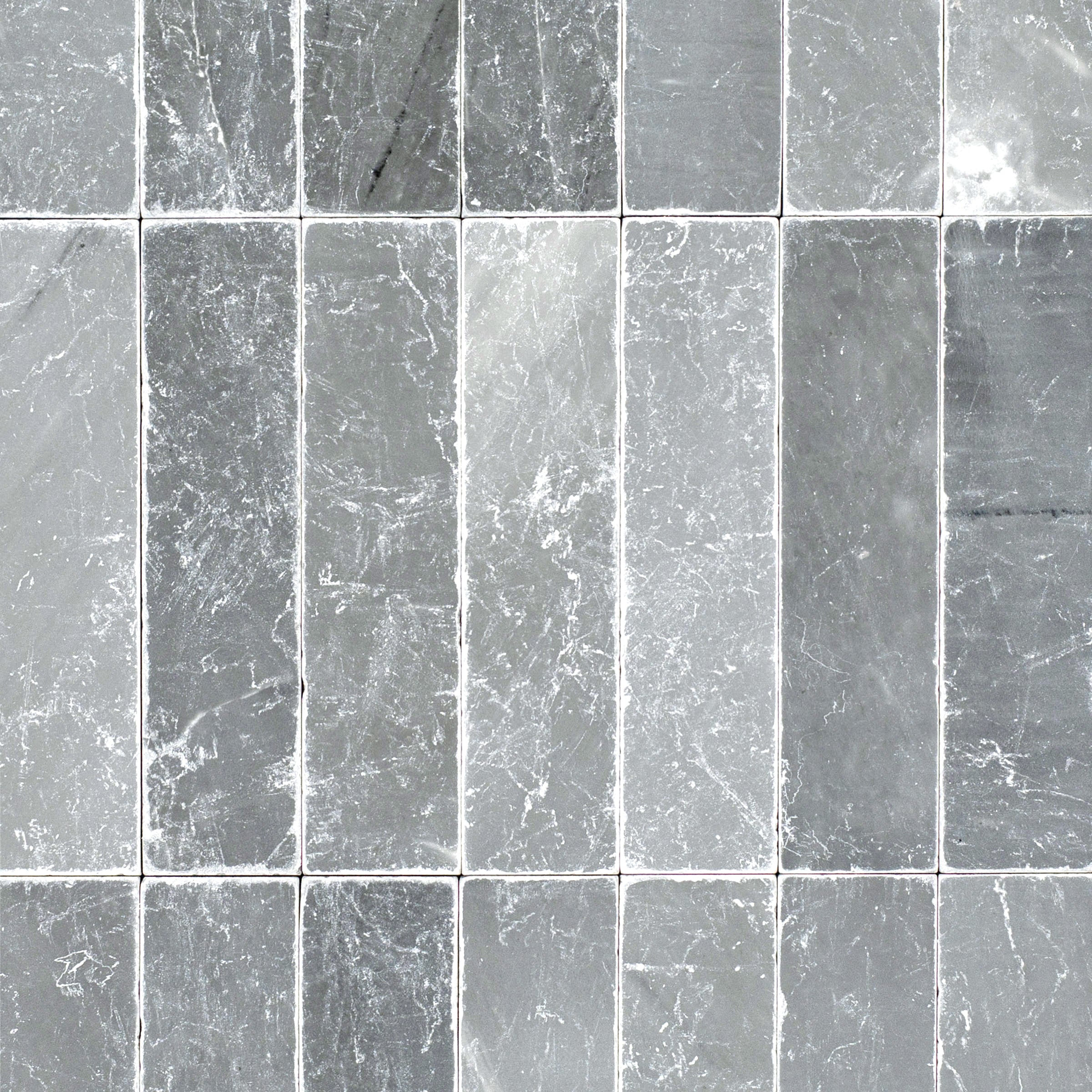
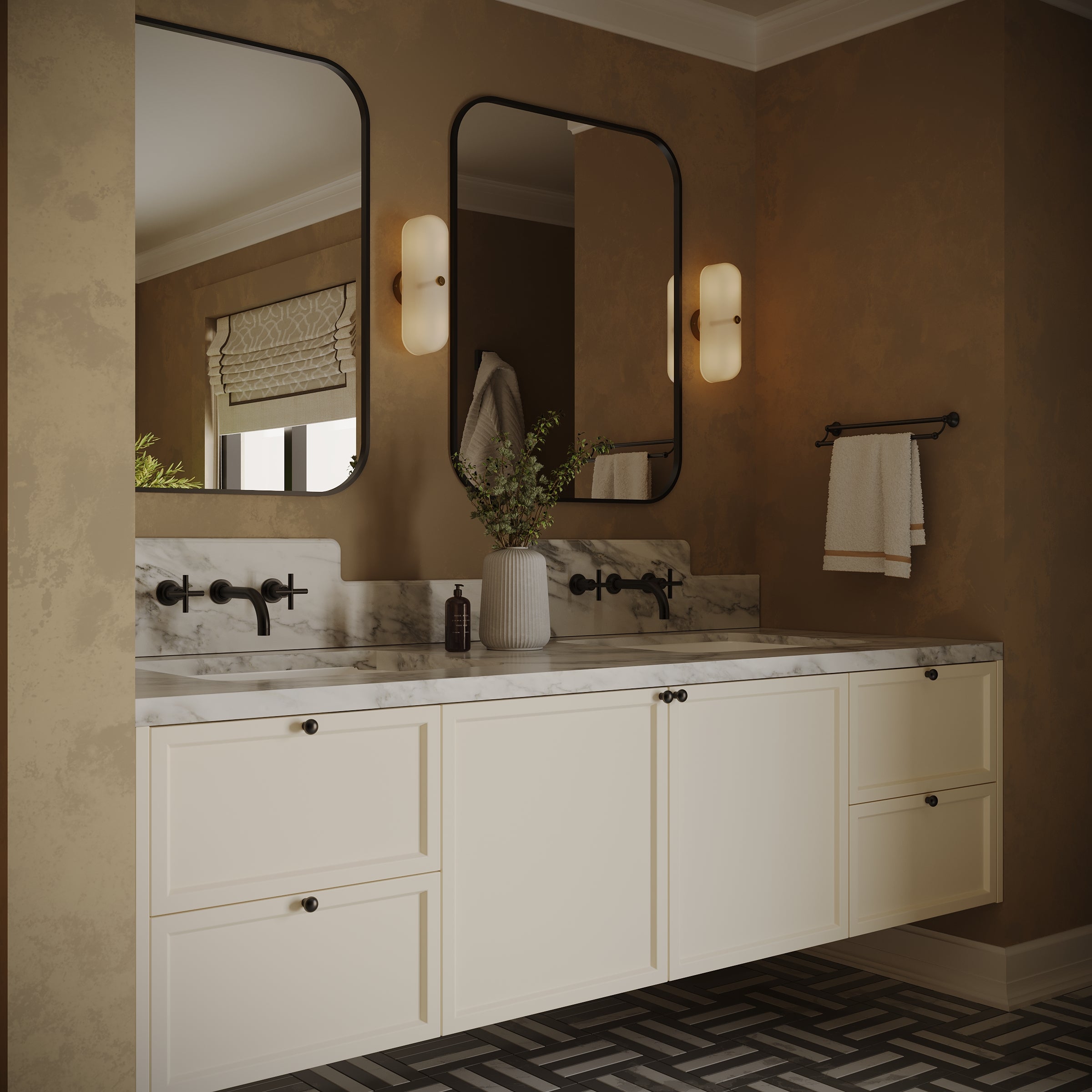
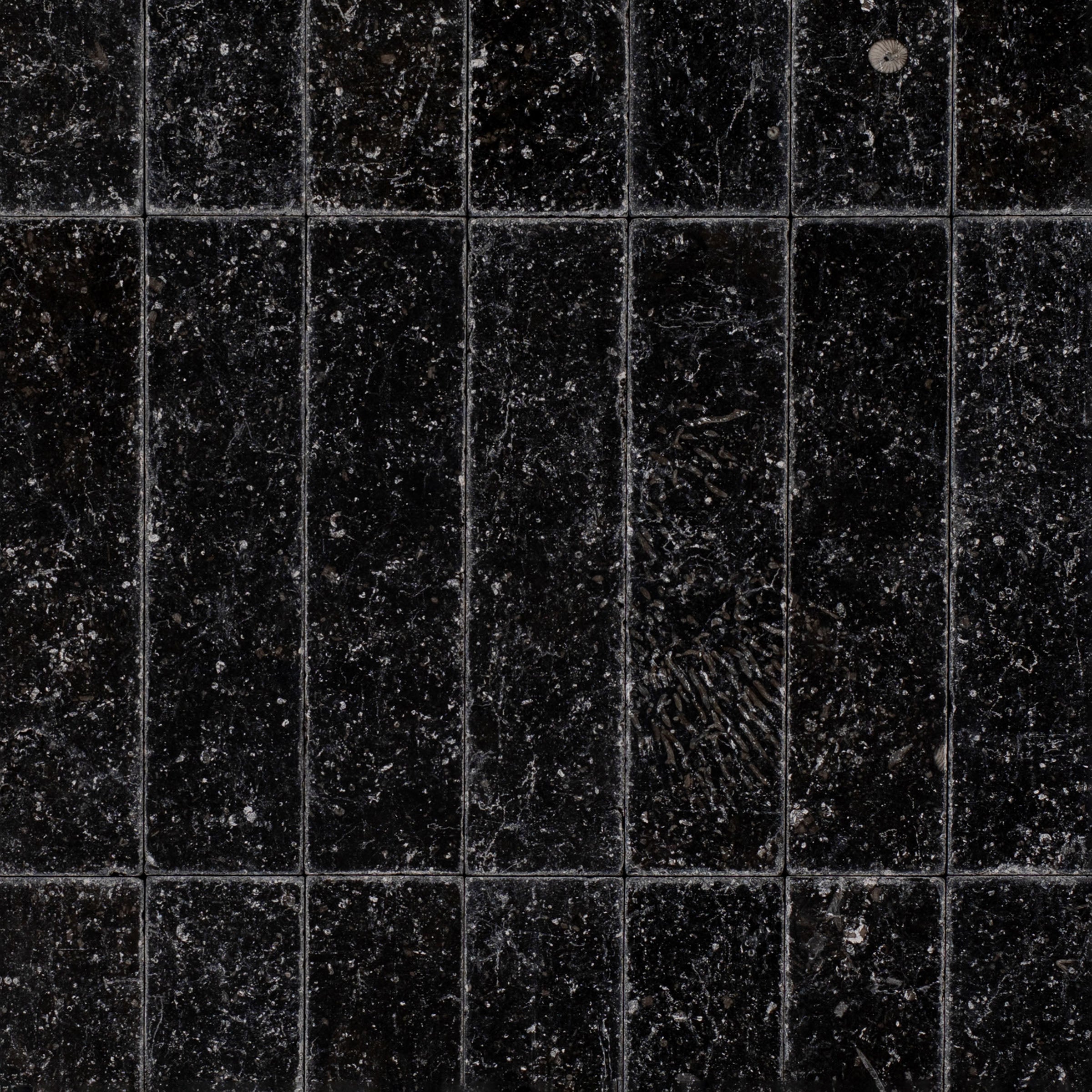
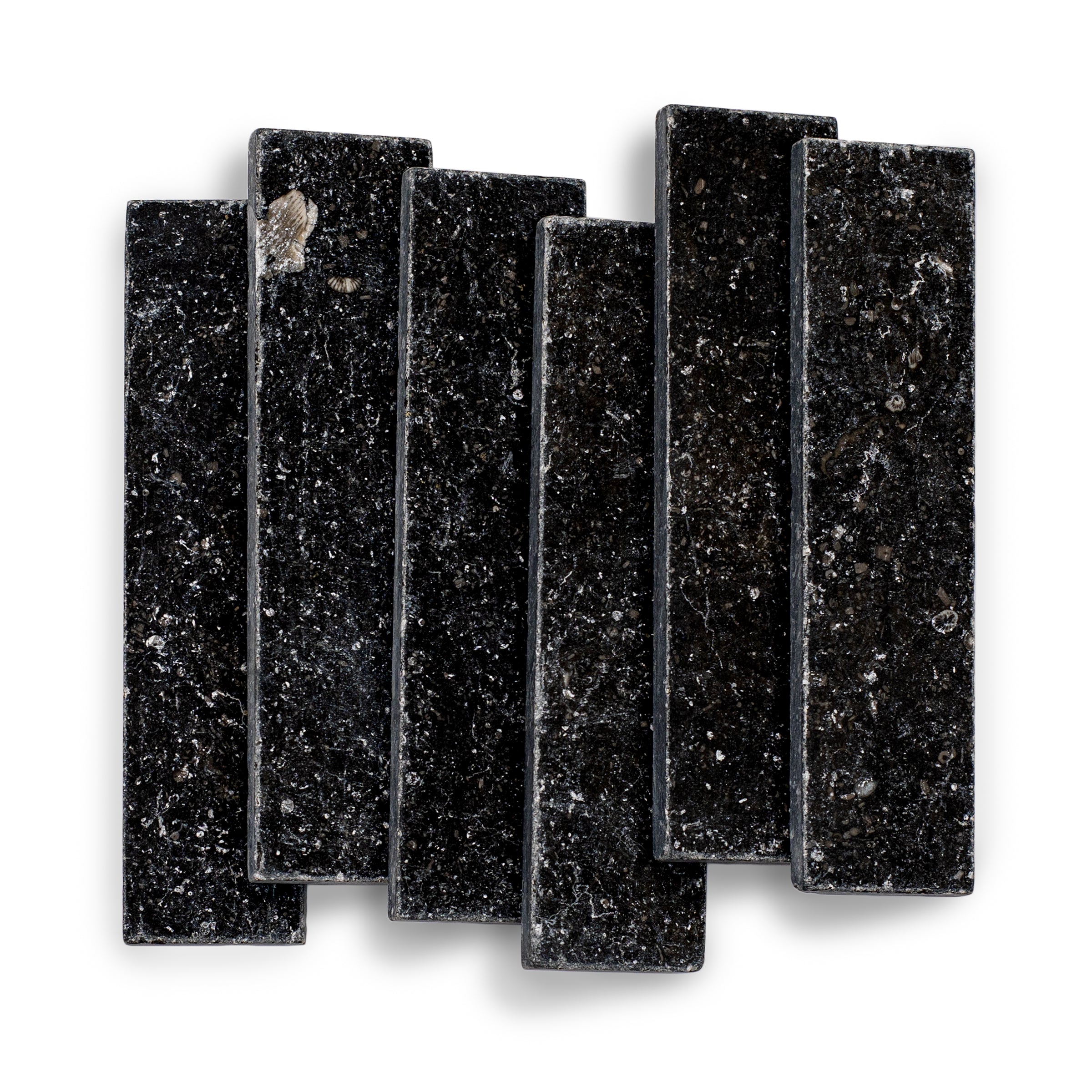
Belgian Blue Tumbled Marble Tile
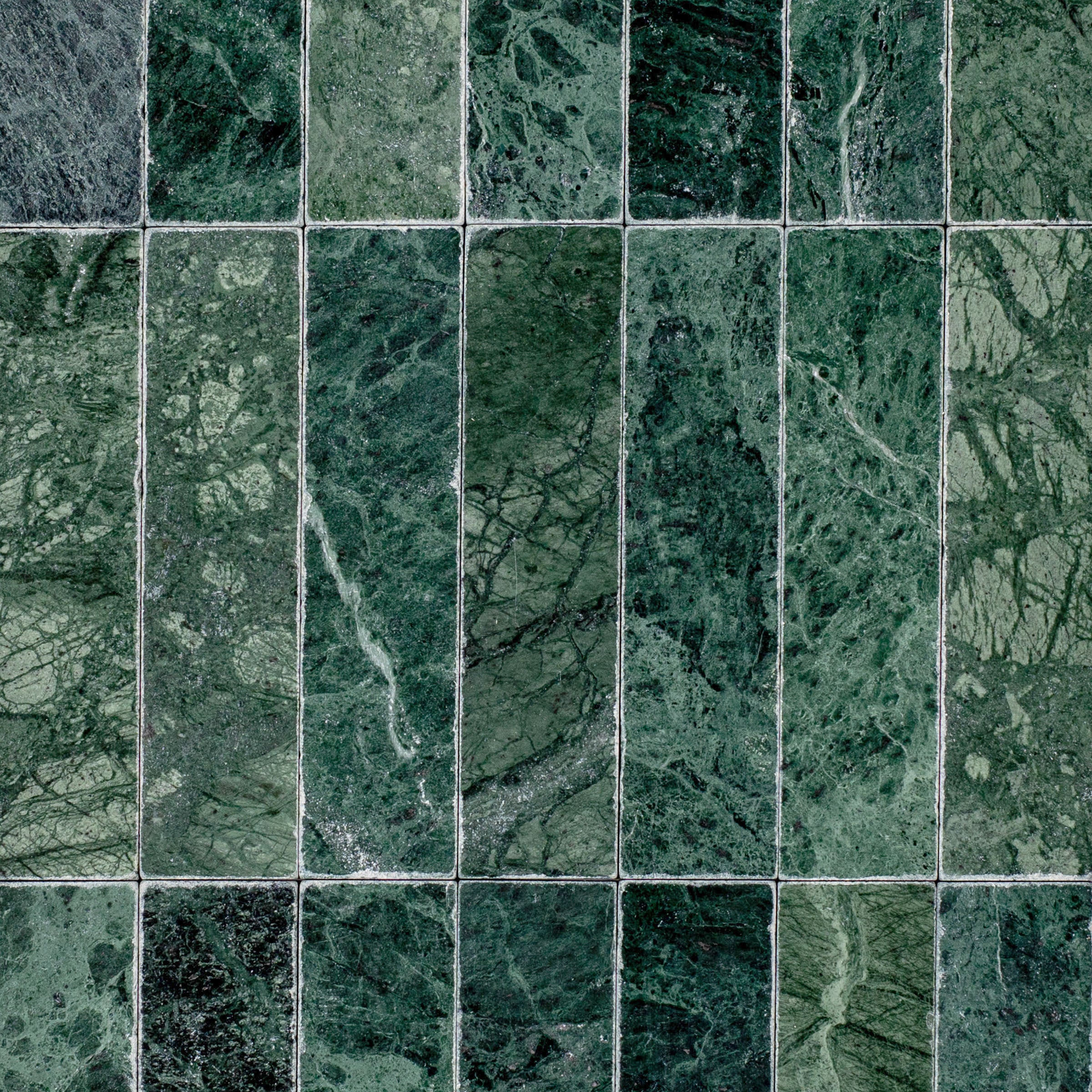
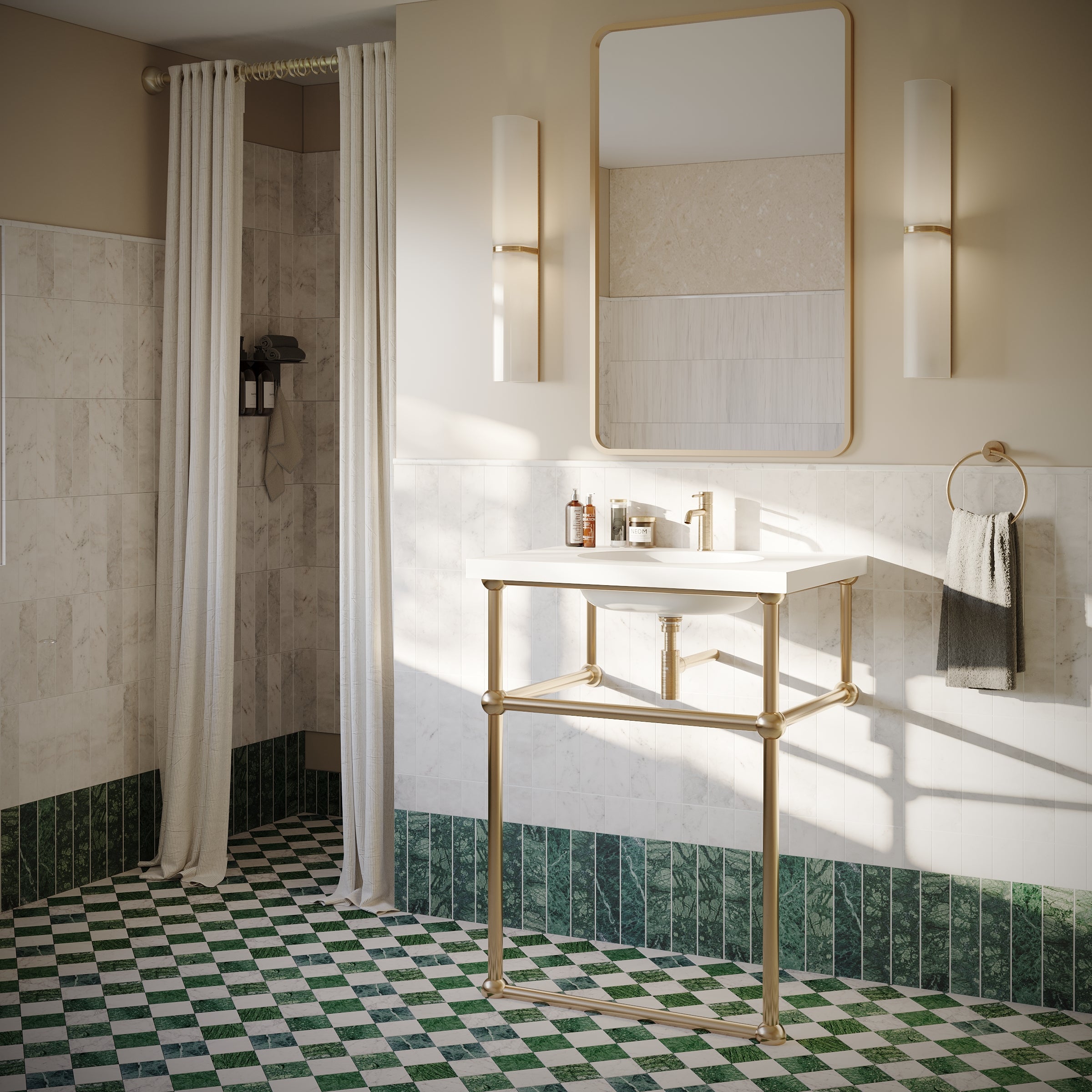
Verde Guatemala Tumbled Marble Tile
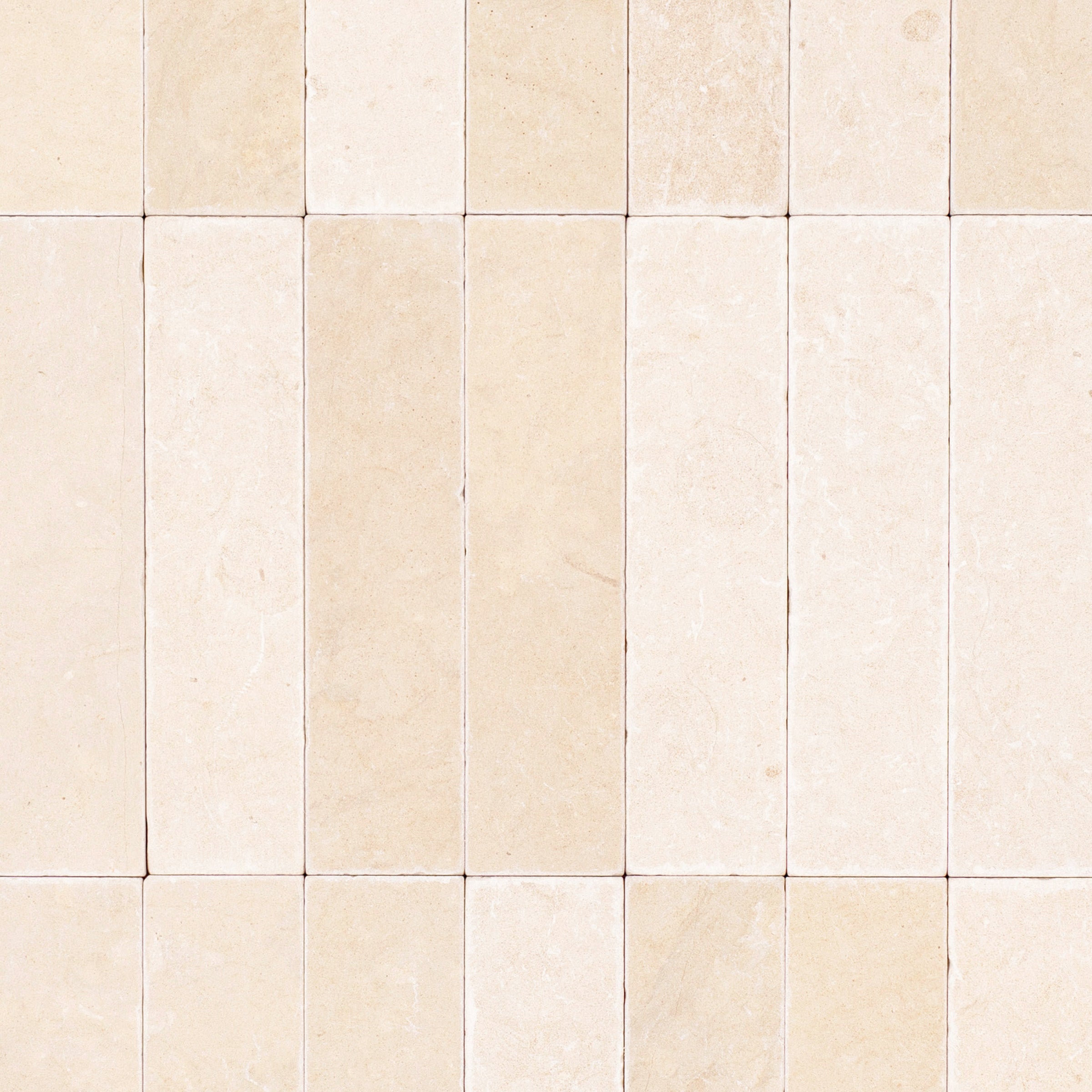
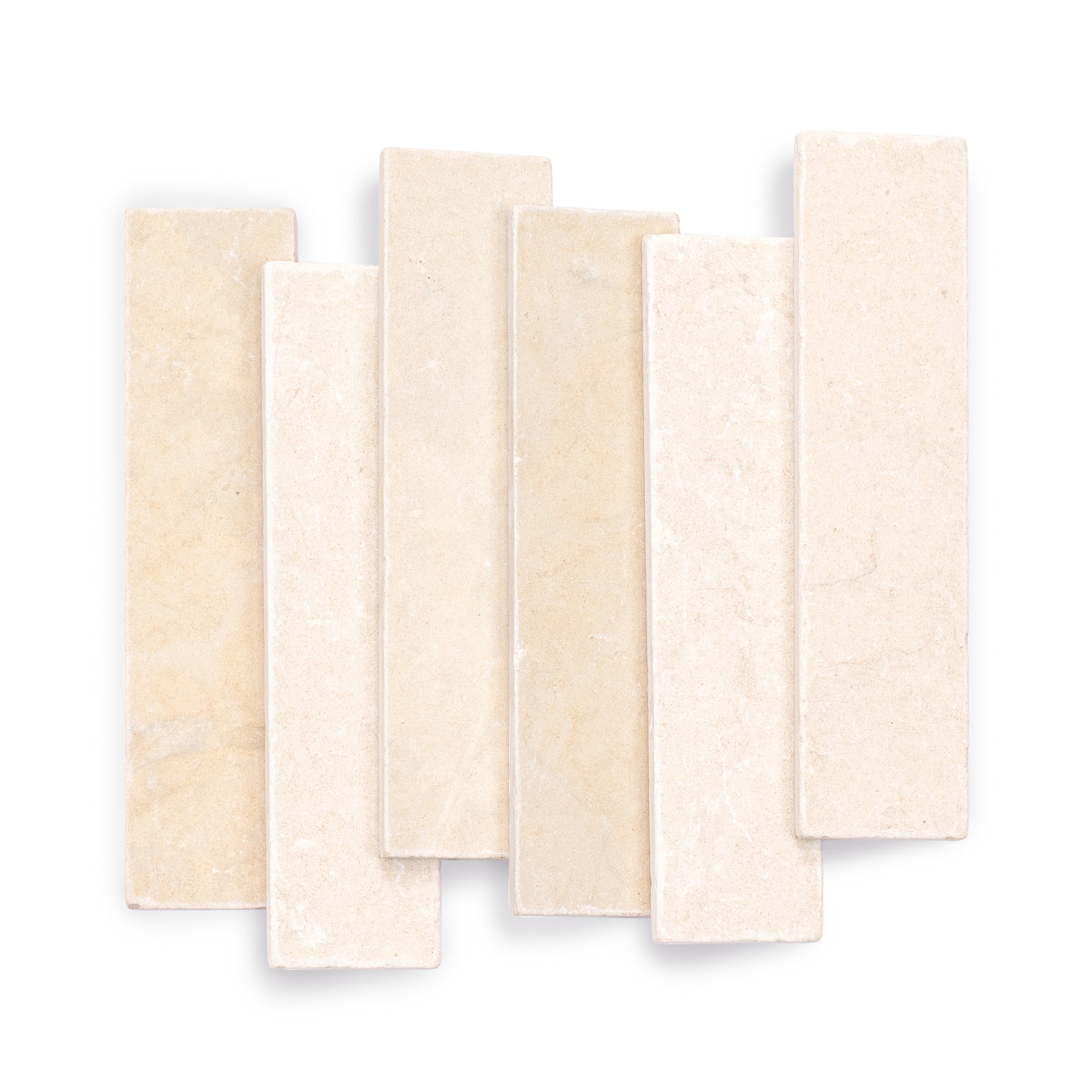
Desert Tea Tumbled Marble Tile
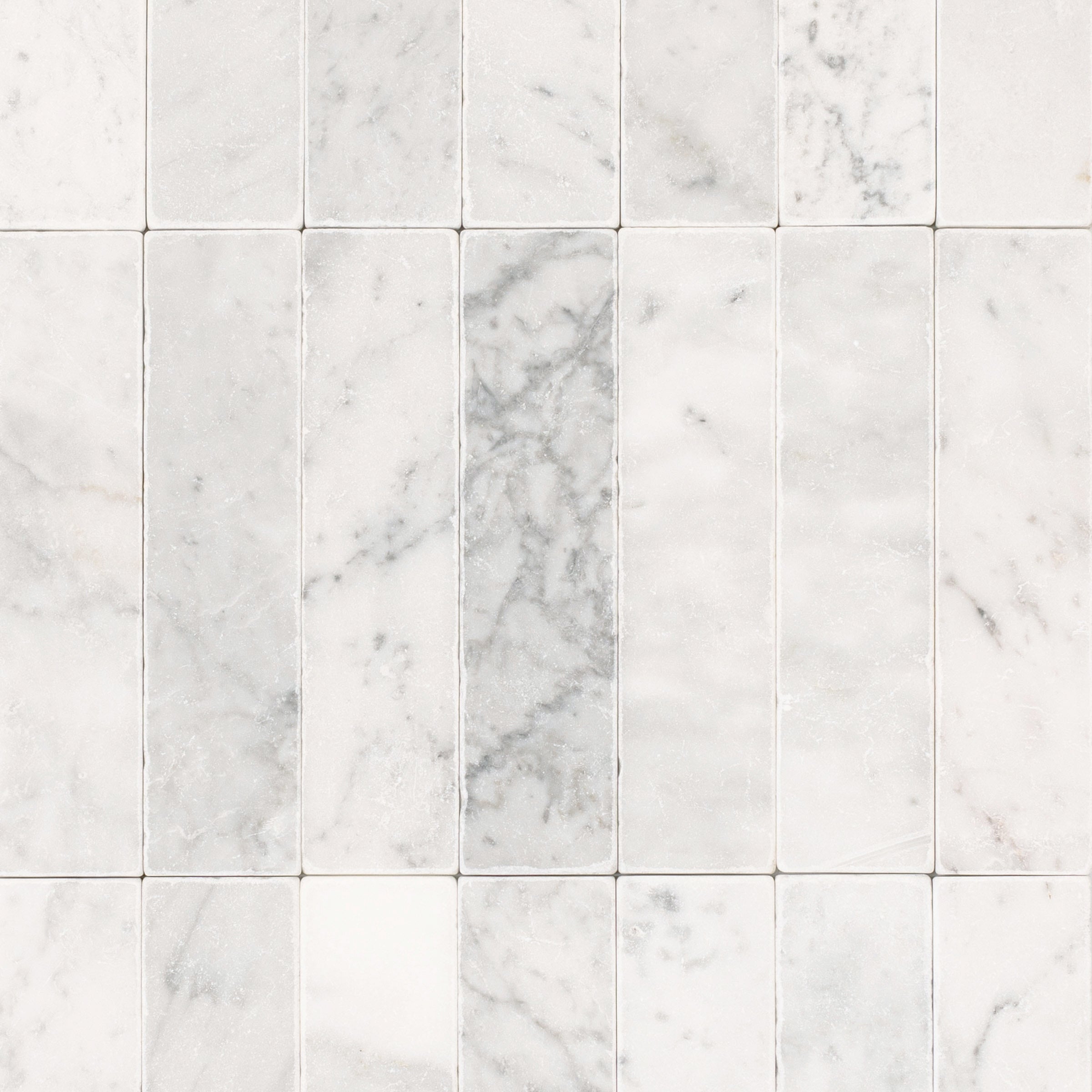
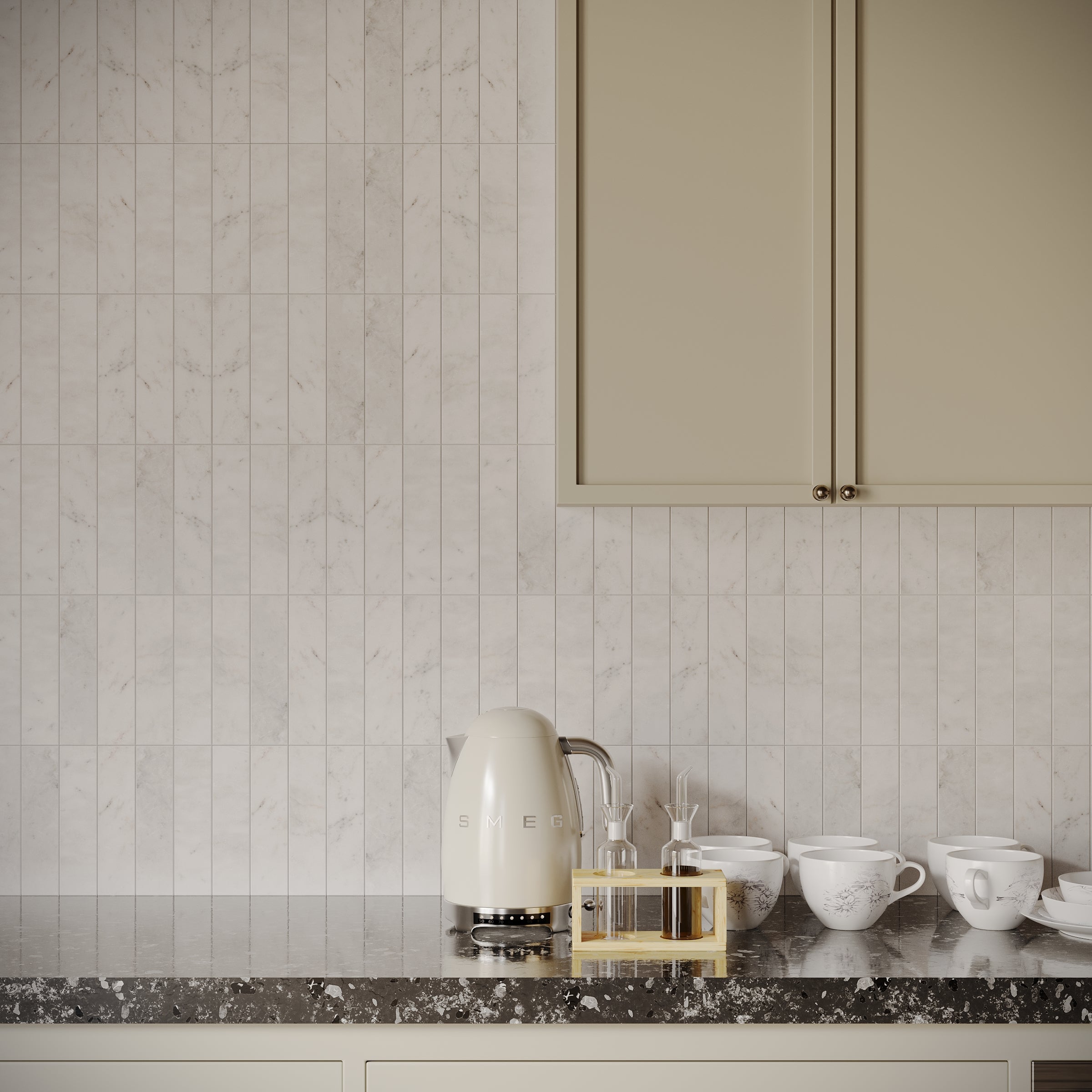
Taj Matte Marble Look Porcelain Tile
Breccia Capraia 3D Mable Look Porcelain Tile
Van Gogh 3D Marble Look Porcelain Tile
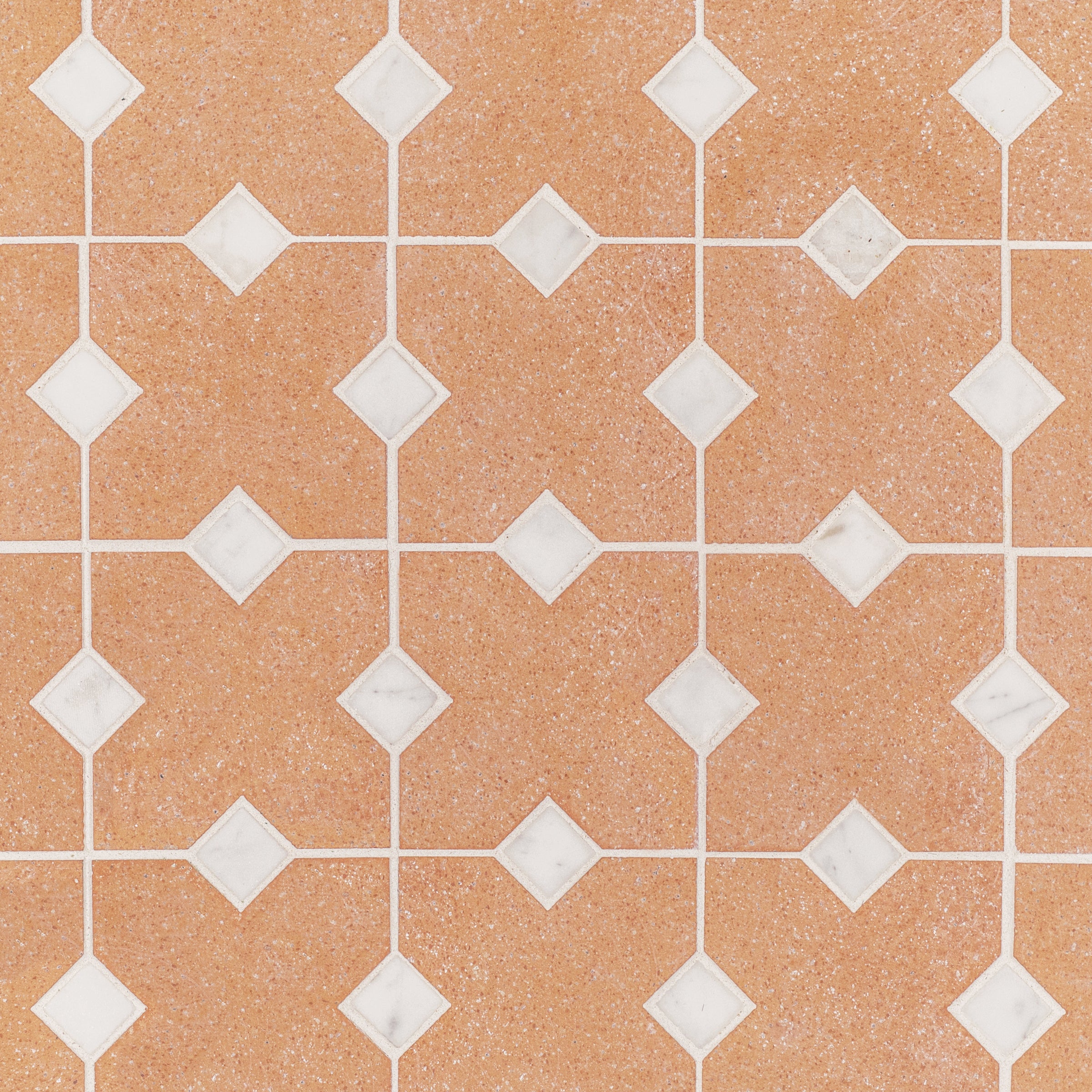
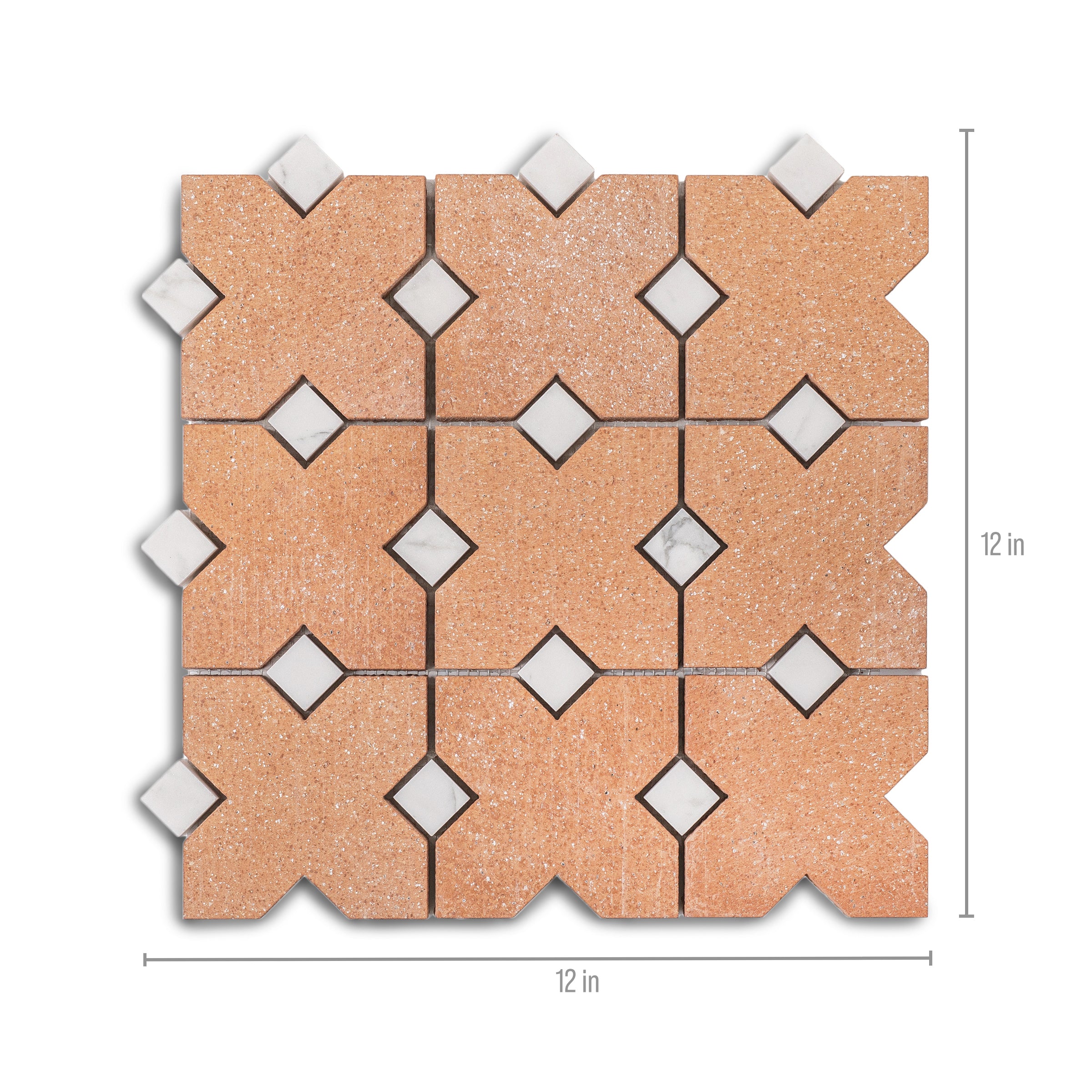
Terracotta Cross Statuario Inset Mosaic
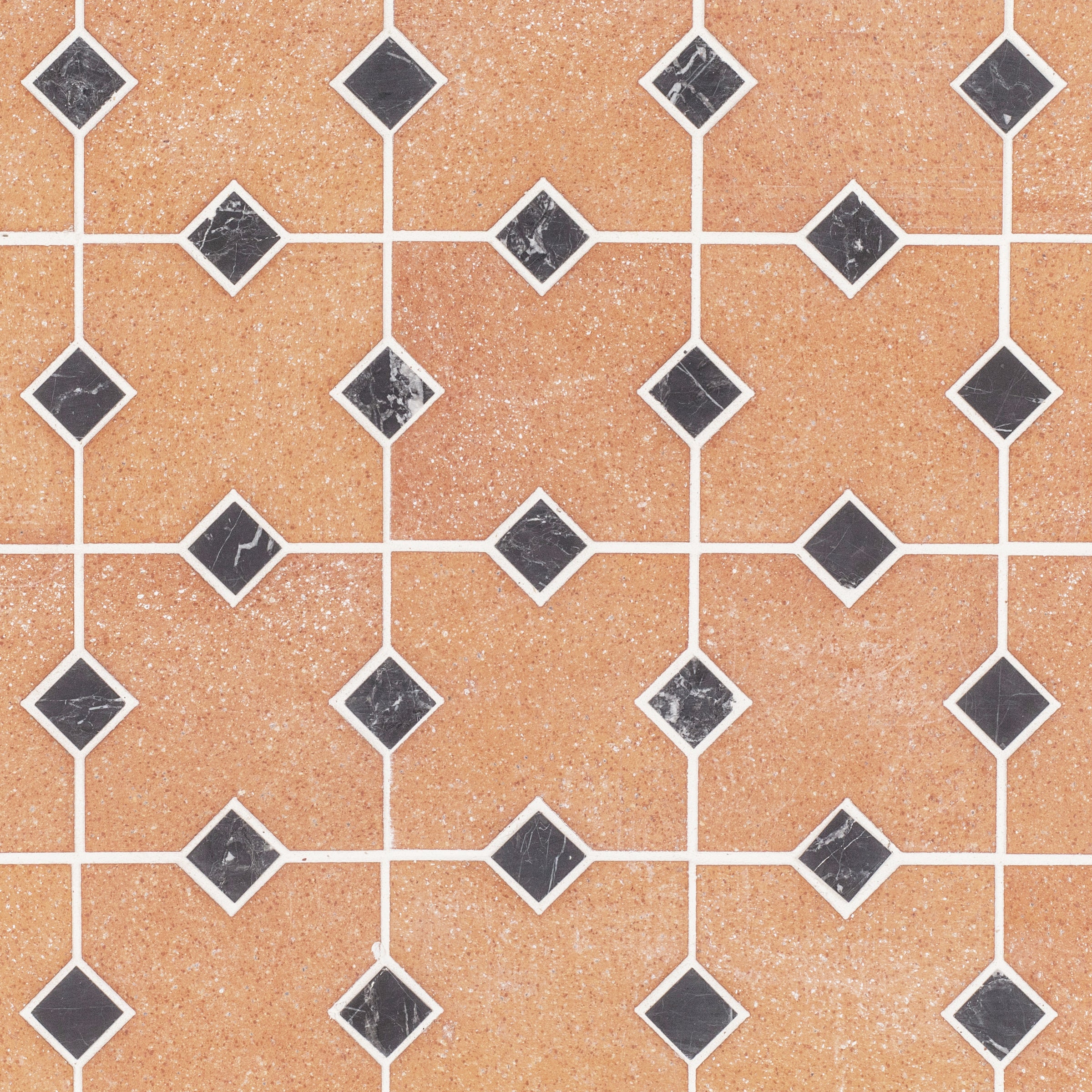
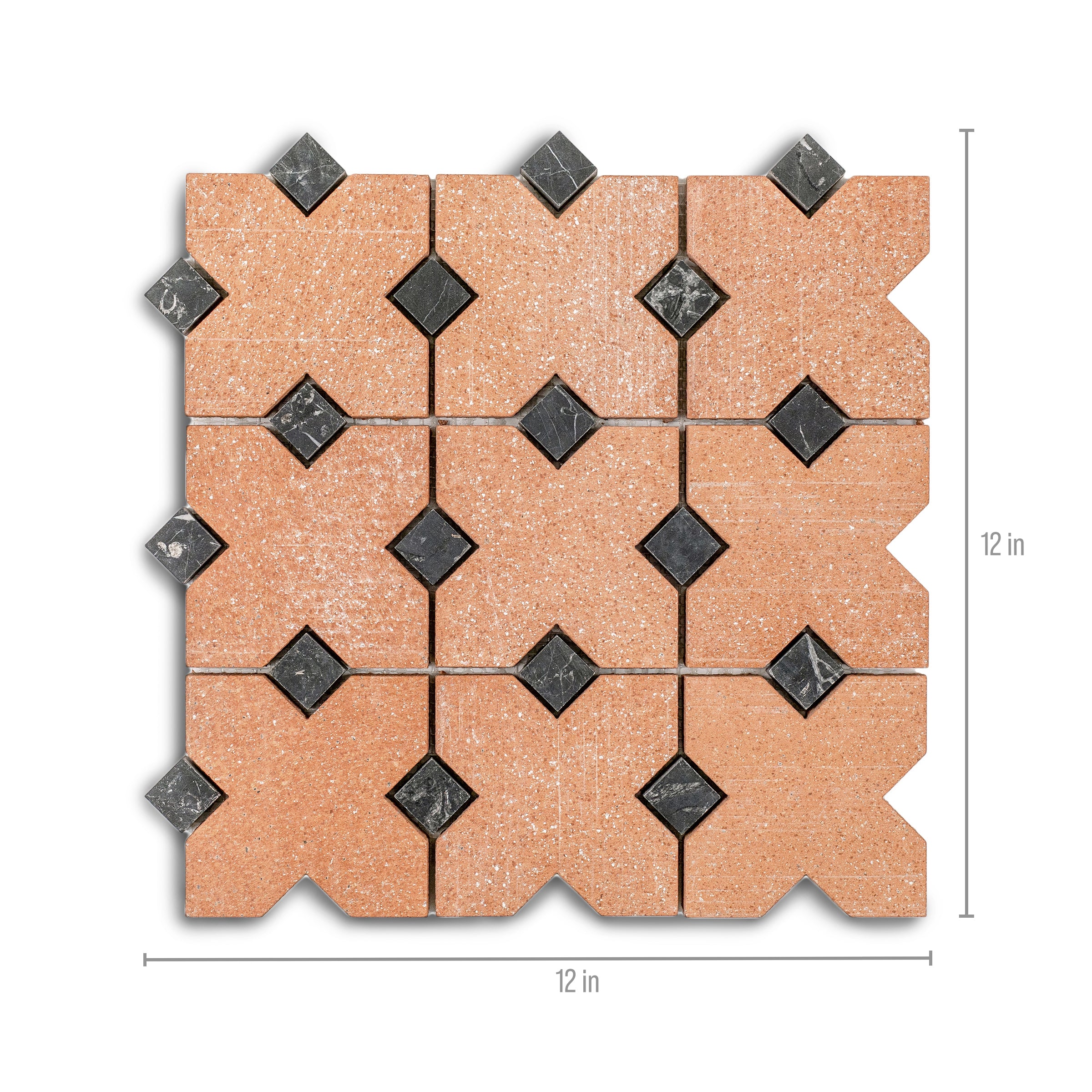
Terracotta Cross Nero Marquina Inset Mosaic
Royal Grey Satin Marble Look Porcelain Tile
Ivory Marble Look Matte Porcelain Tile
Amazzonite Matte Marble Look Porcelain Tile
Montblack Matte Marble Look Porcelain Tile
Spider Gold Matte Marble Look Porcelain Tile
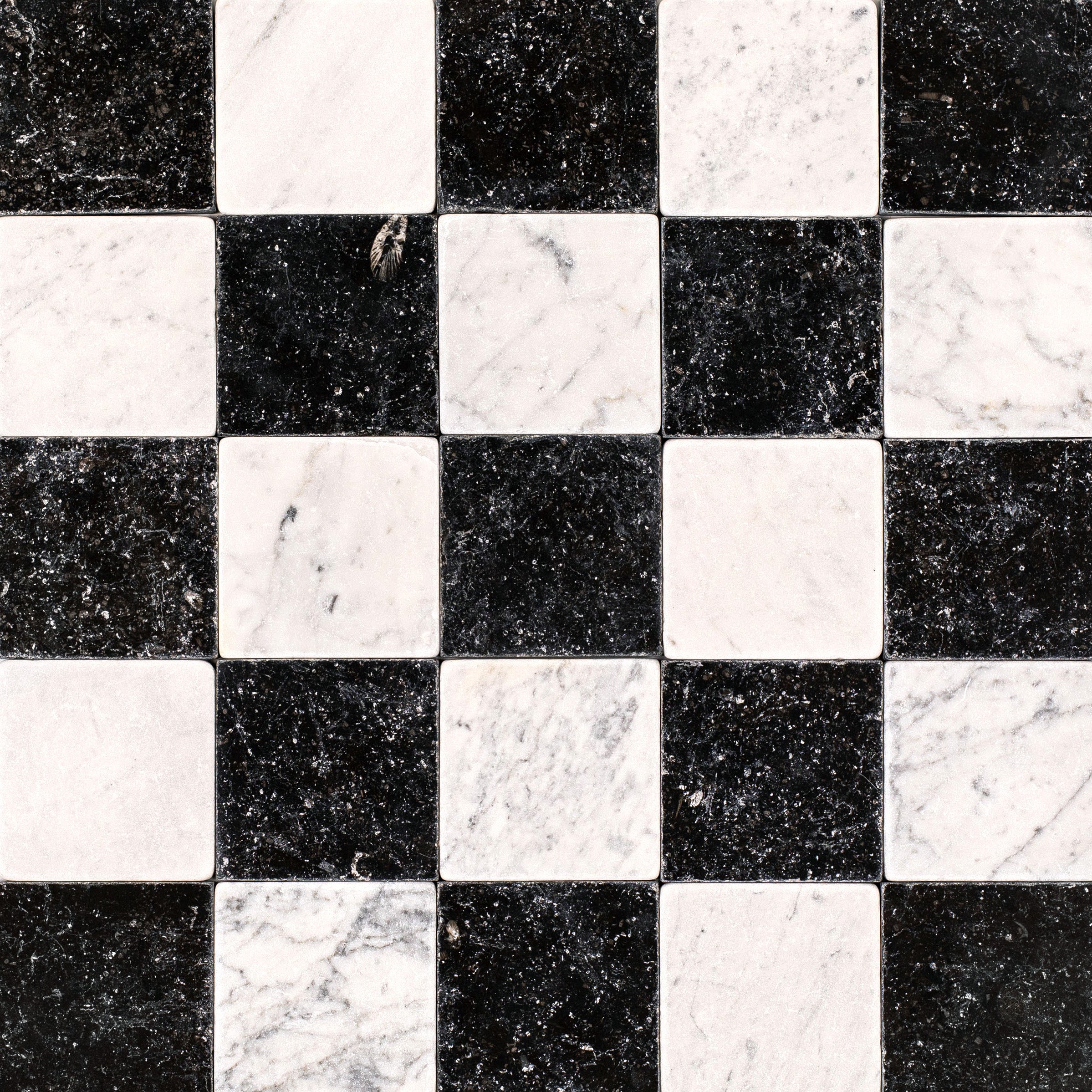
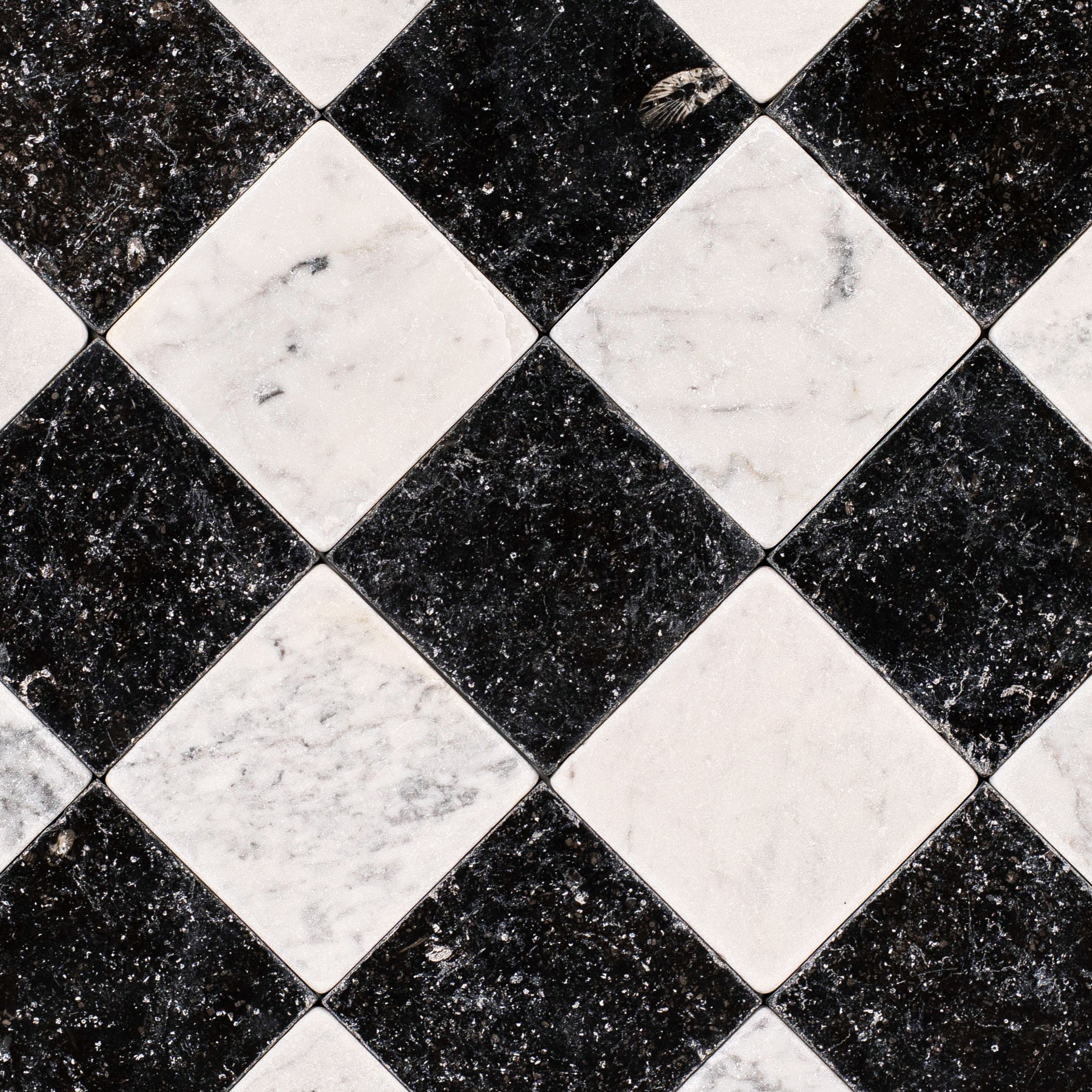
Carrara Belgian Blue Tumbled Stone Checkerboard
Carrara Bardiglio Tumbled Stone Checkerboard
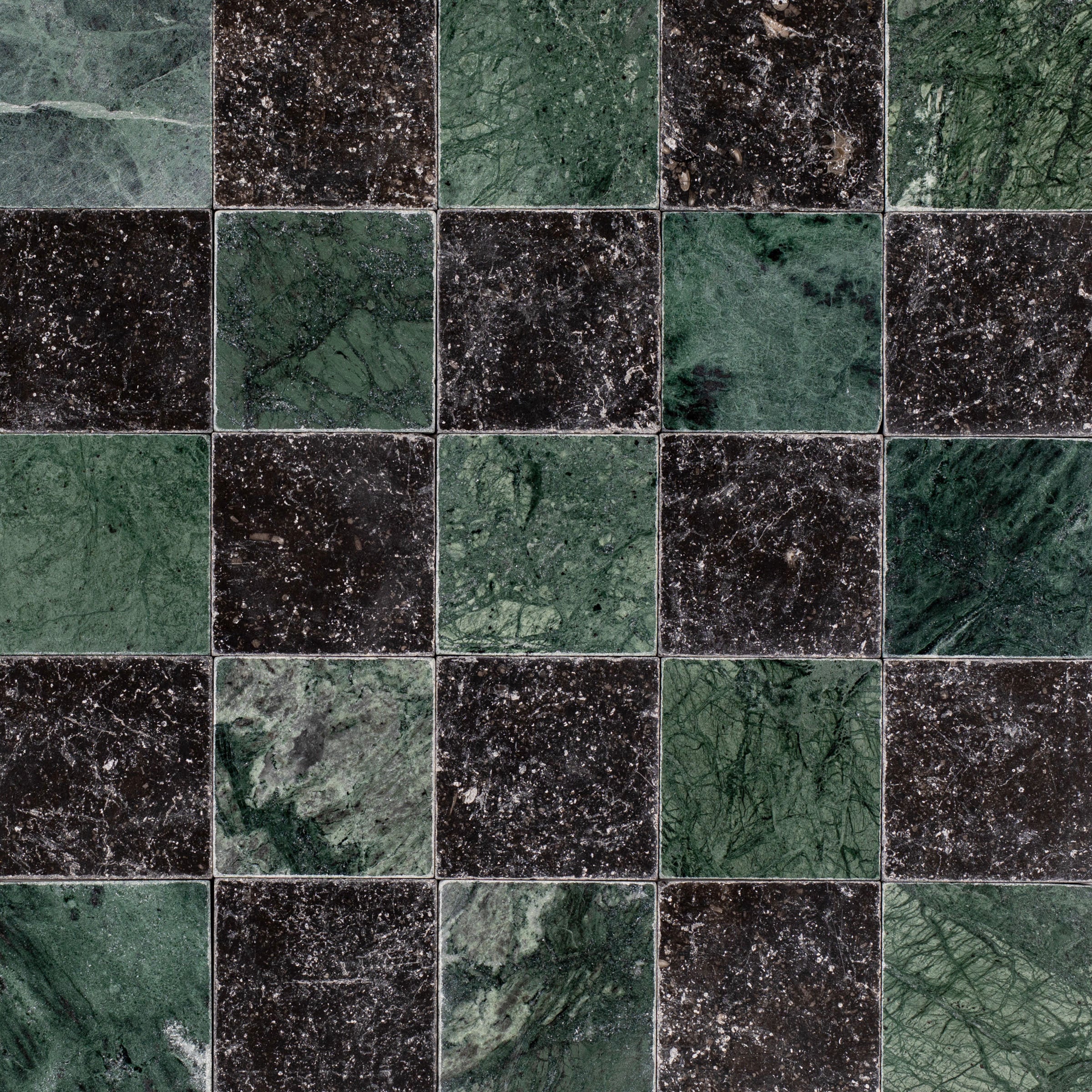
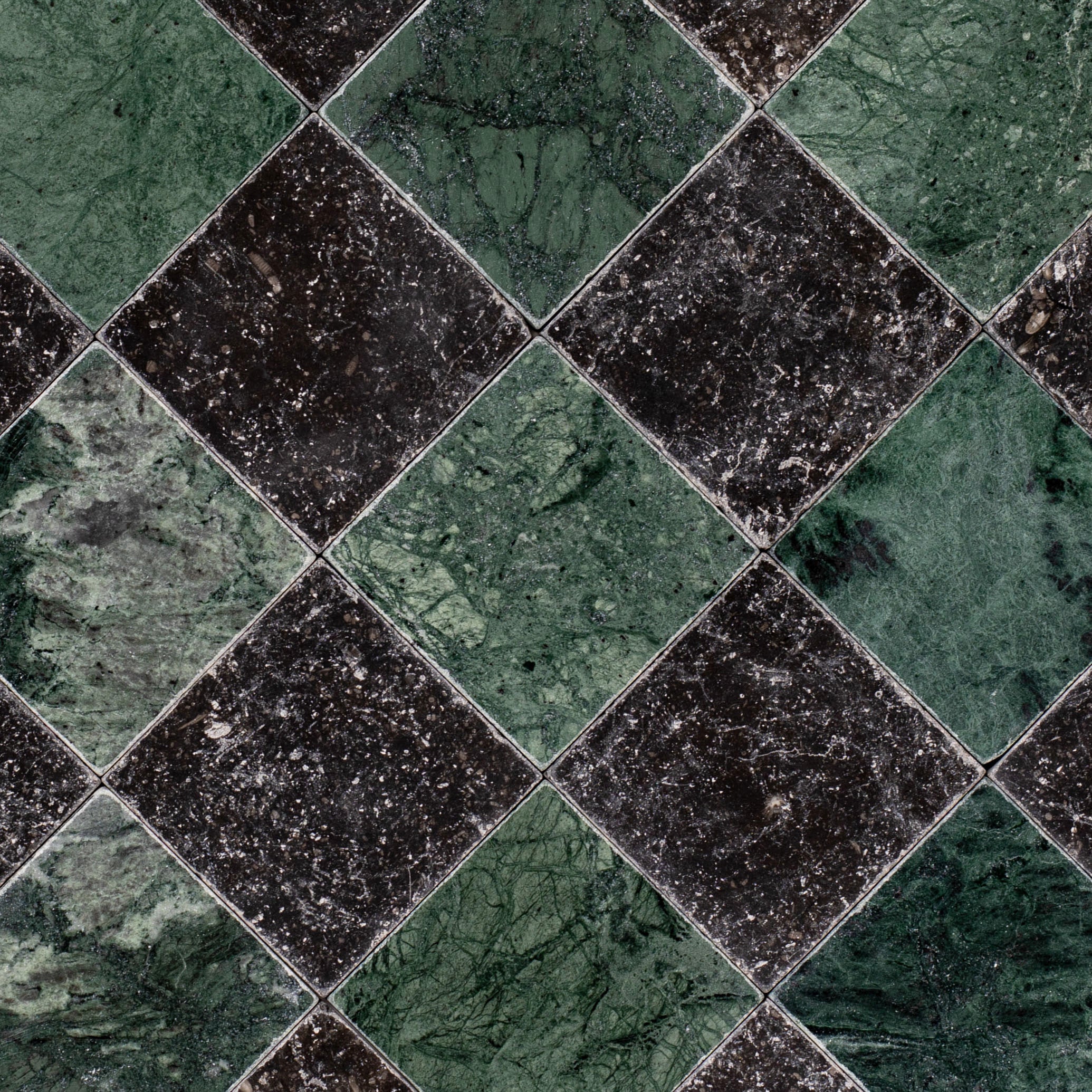


Bardiglio Desert Tea Tumbled Stone Checkerboard
Fior de Bosco Marble Look Porcelain Tile
White Paradise Marble Look Porcelain Tile
Venica Red Stone Look Porcelain Tile
Travertino Moka Stone Look Porcelain Tile
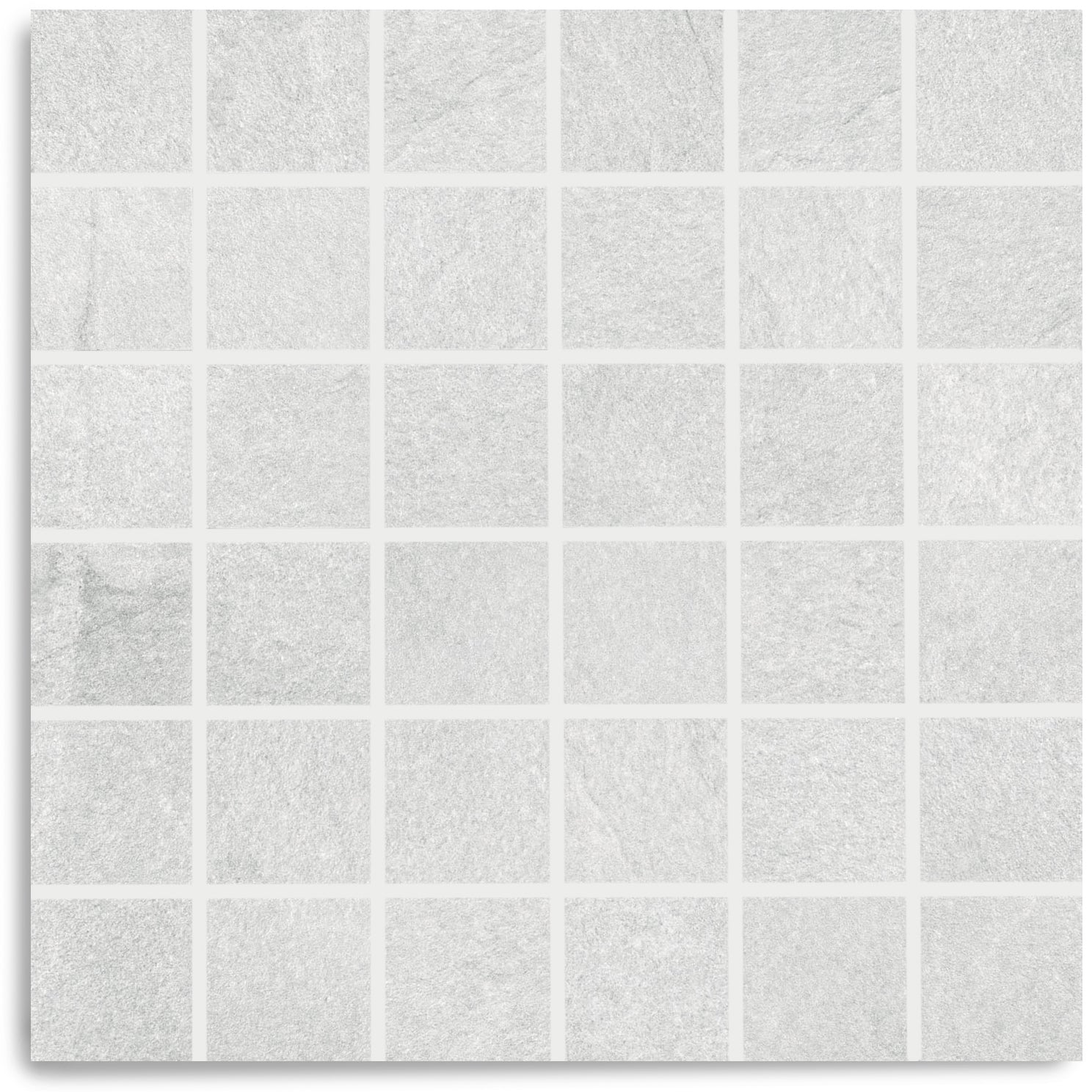
Pearl Slate Look Porcelain Mosaic
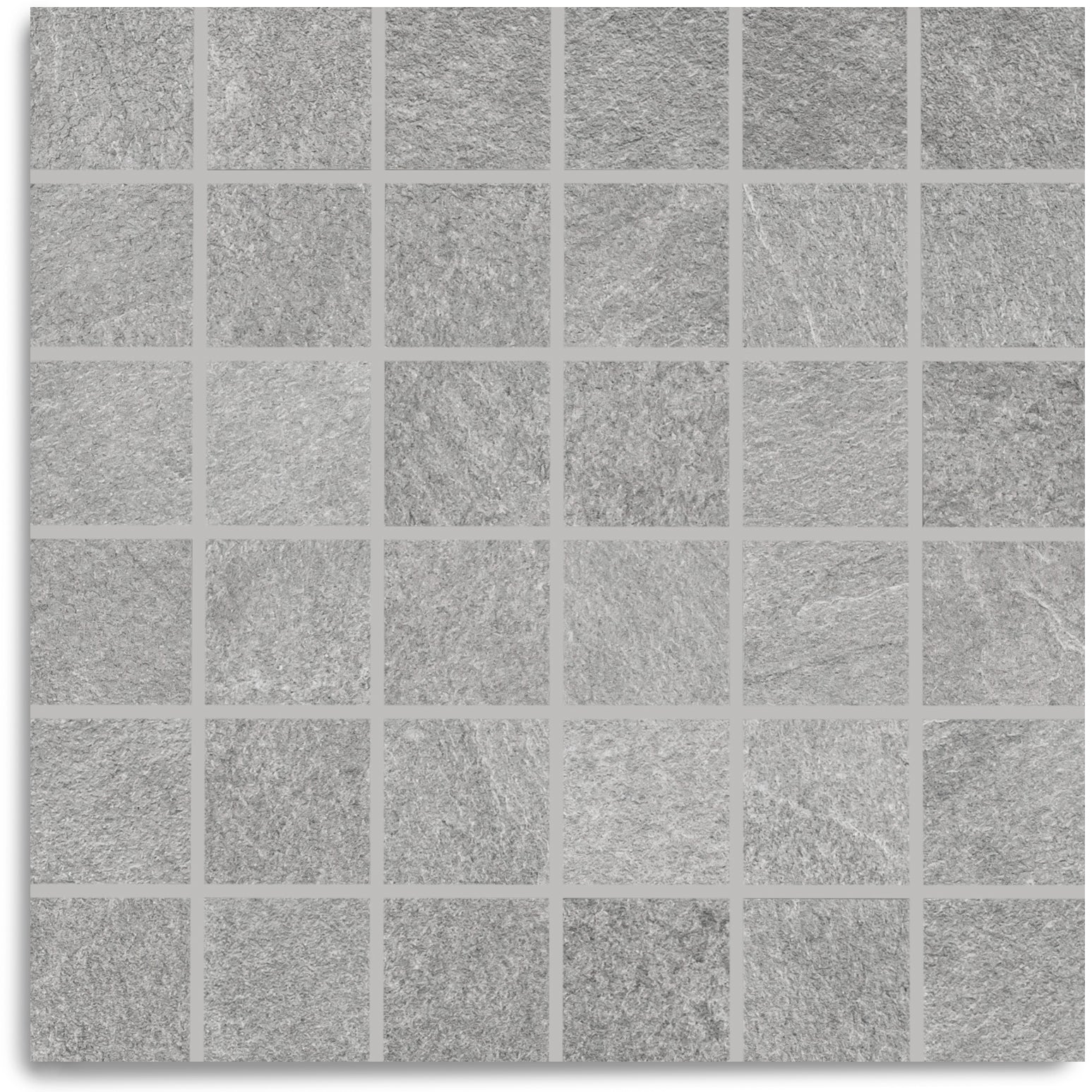
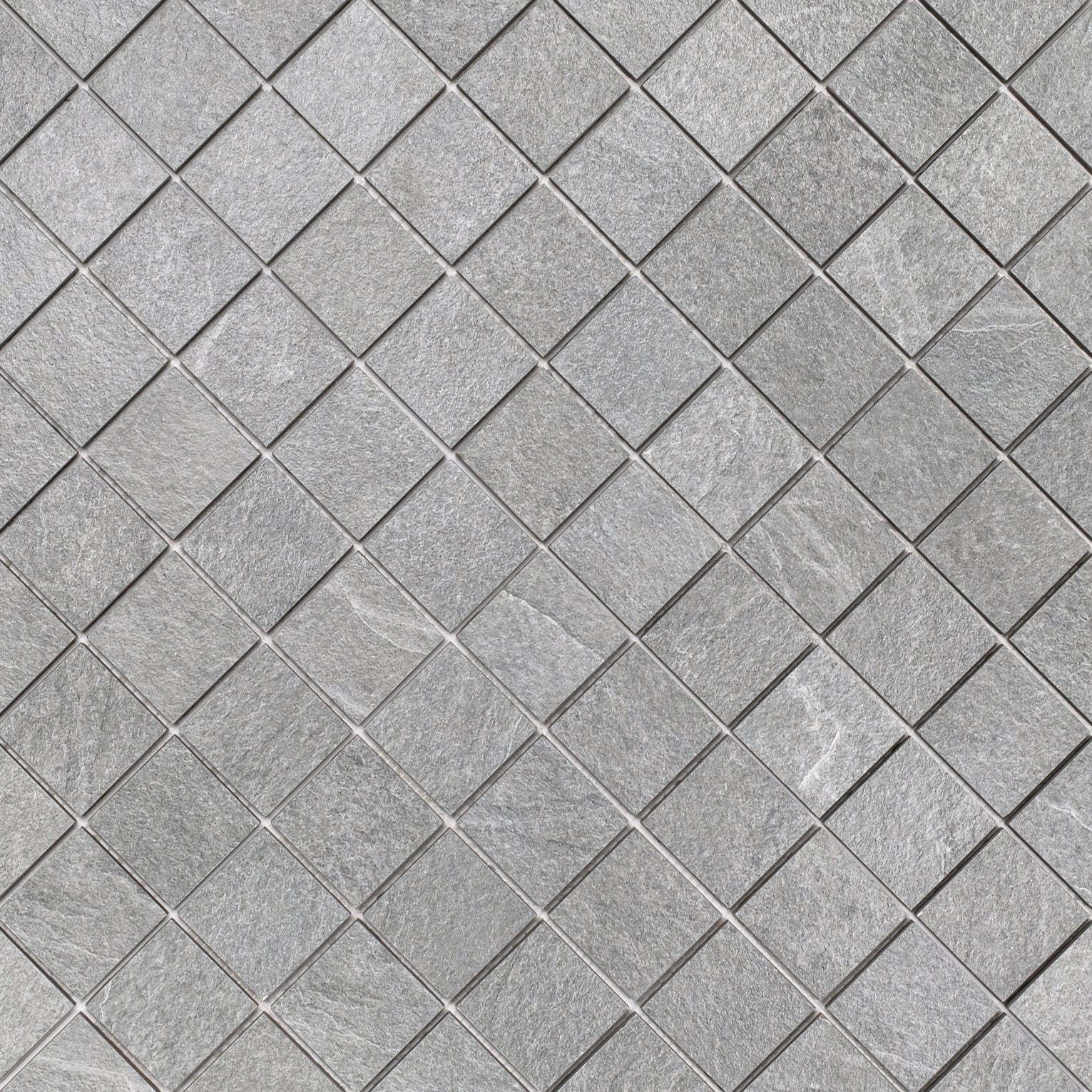
Grey Slate Look Porcelain Mosaic
Nuvola Pearl 24x48 Marble Look Porcelain Tile
Nuvola Pearl 12x12 Porcelain Mosaic
Nuvola Gold 24x48 Marble Look Porcelain Tile
Spider Gold 12x12 Matte Porcelain Mosaic
Spider Gold Matte Marble Look Porcelain Tile
Montblack Matte Marble Look Porcelain Tile
Amazzonite Matte Marble Look Porcelain Tile
Ivory Marble Look Matte Porcelain Tile
Beige Limestone Look 3D Matte Porcelain Tile
Silver Limestone Look 3D Matte Porcelain Tile
Cream Limestone Look 3D Matte Porcelain Tile
Nuvola Gold 12x12 Porcelain Mosaic
Montblack 12x12 Matte Porcelain Mosaic
Royal Grey Satin Marble Look Porcelain Tile
Honey Slats 24x48 Wood Look Porcelain Tile
Honey Black Slats 24x48 Wood Look Porcelain Tile
Van Gogh 3D Marble Look Porcelain Tile
Breccia Capraia 3D Mable Look Porcelain Tile
Taj Matte Marble Look Porcelain Tile

Ash 2x2 Cement Look Porcelain Mosaic
Ash Cement Look Matte Porcelain Tile
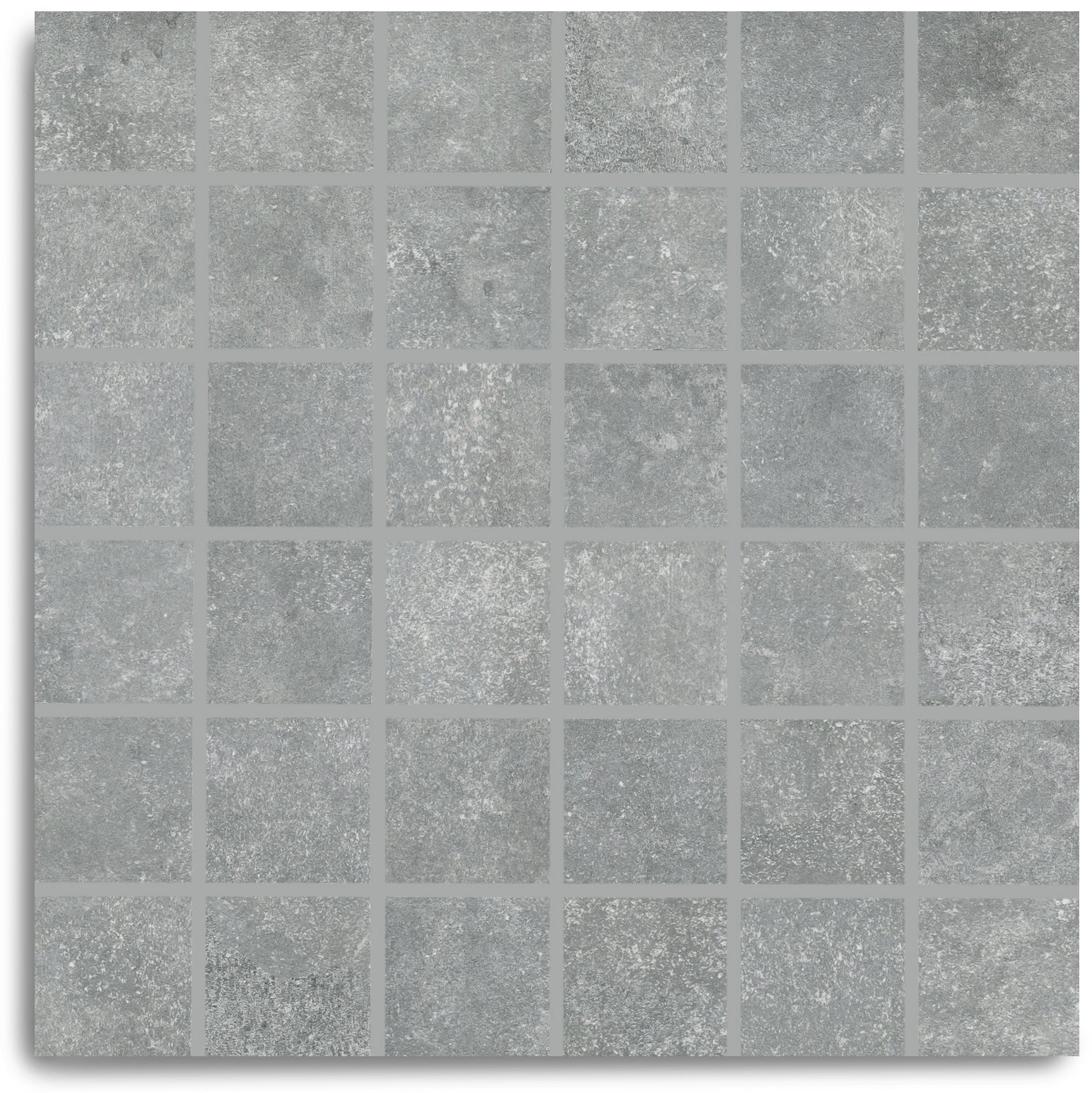
Grey 2x2 Cement Look Porcelain Mosaic
Grey Cement Look Porcelain Tile
Almond Cement Look Matte Porcelain Tile

Almond 2x2 Cement Look Porcelain Tile Mosaic
Honey 48x48 Cement Look Porcelain Tile
Sand 48x48 Cement Look Porcelain Tile
Slate 48x48 Cement Look Porcelain Tile
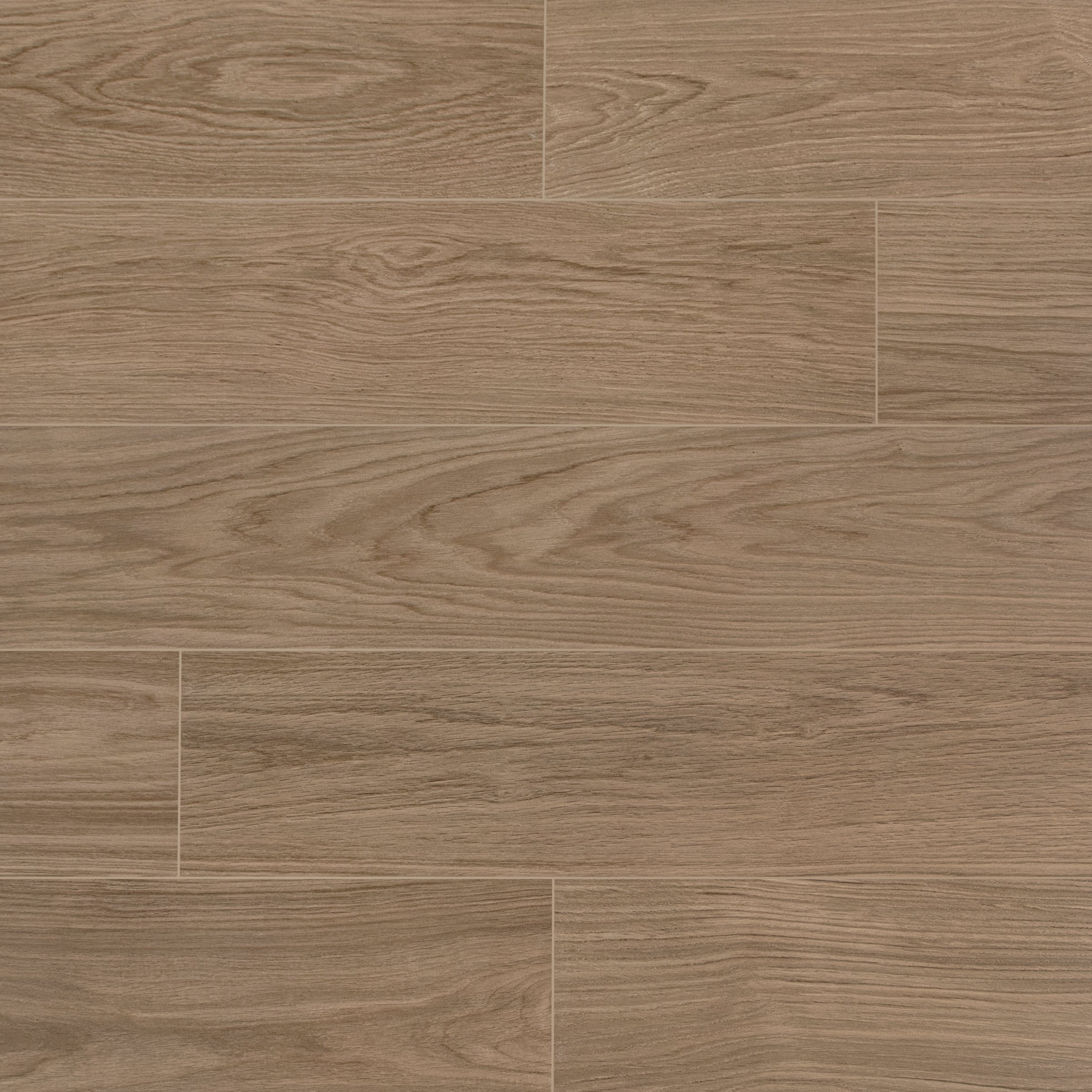
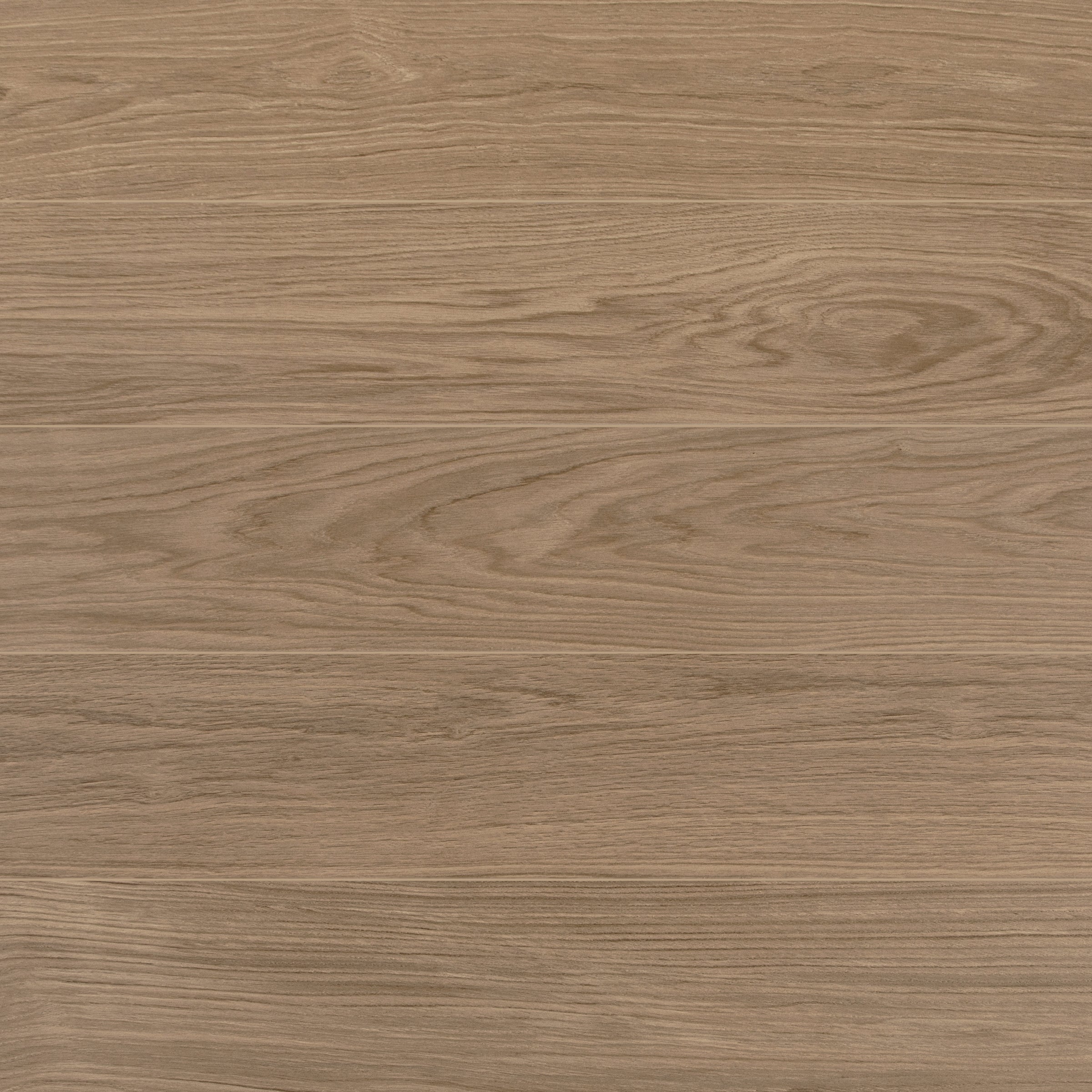
Nut 8x48 Wood Look Porcelain Tile
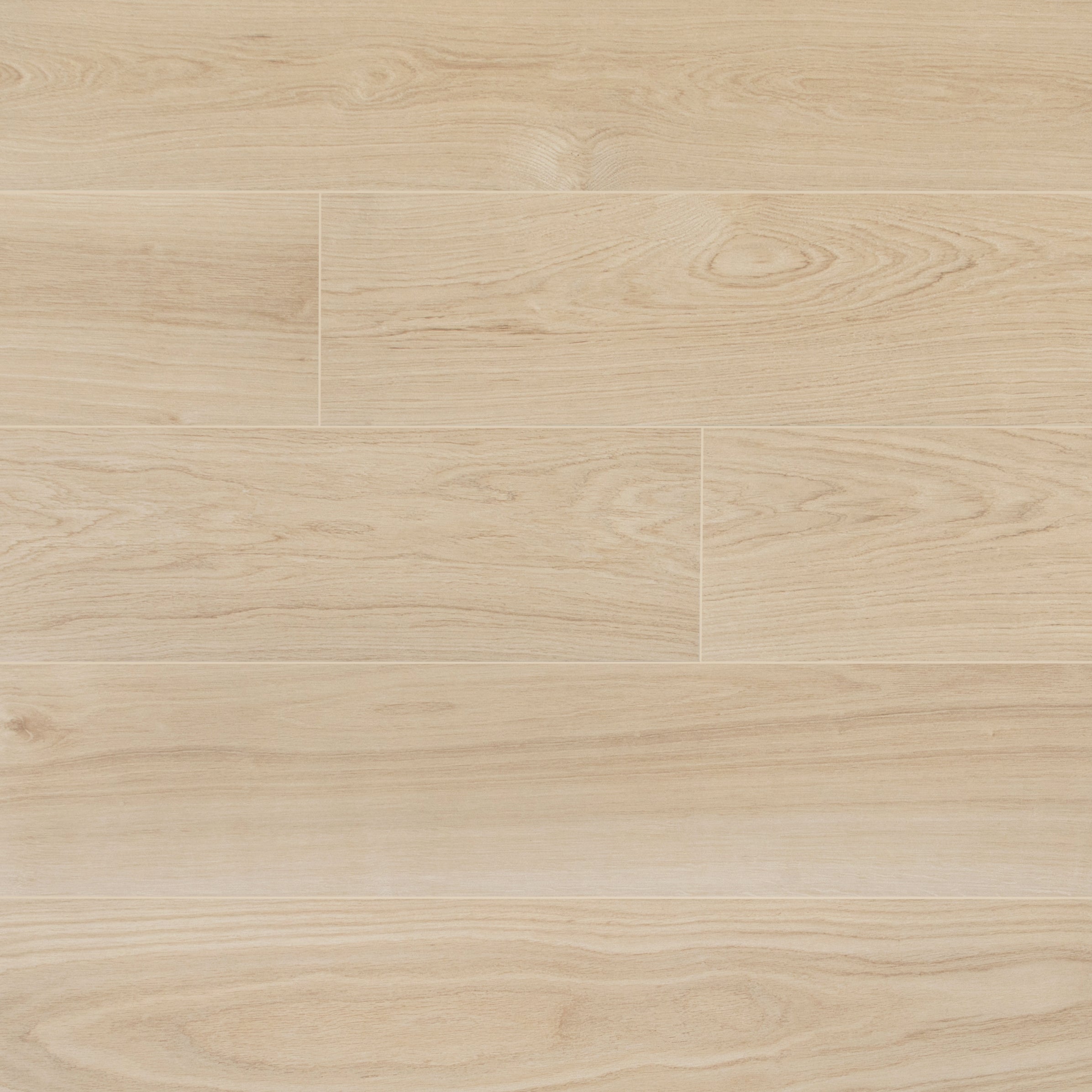
Ecru 9.5x60 Wood Look Porcelain Tile
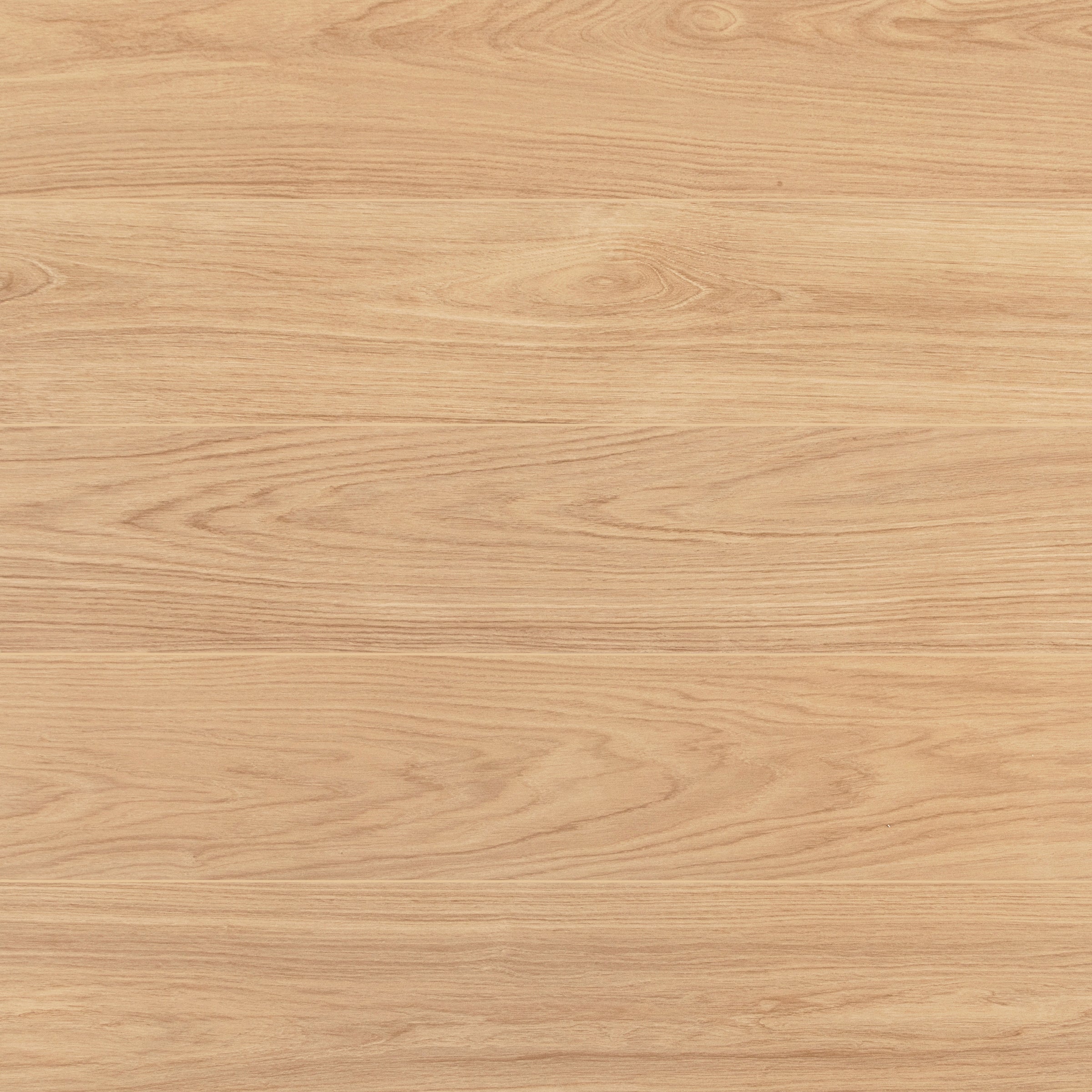
Honey 9.5x60 Wood Look Porcelain Tile
Nut 9.5x60 Wood Look Porcelain Tile
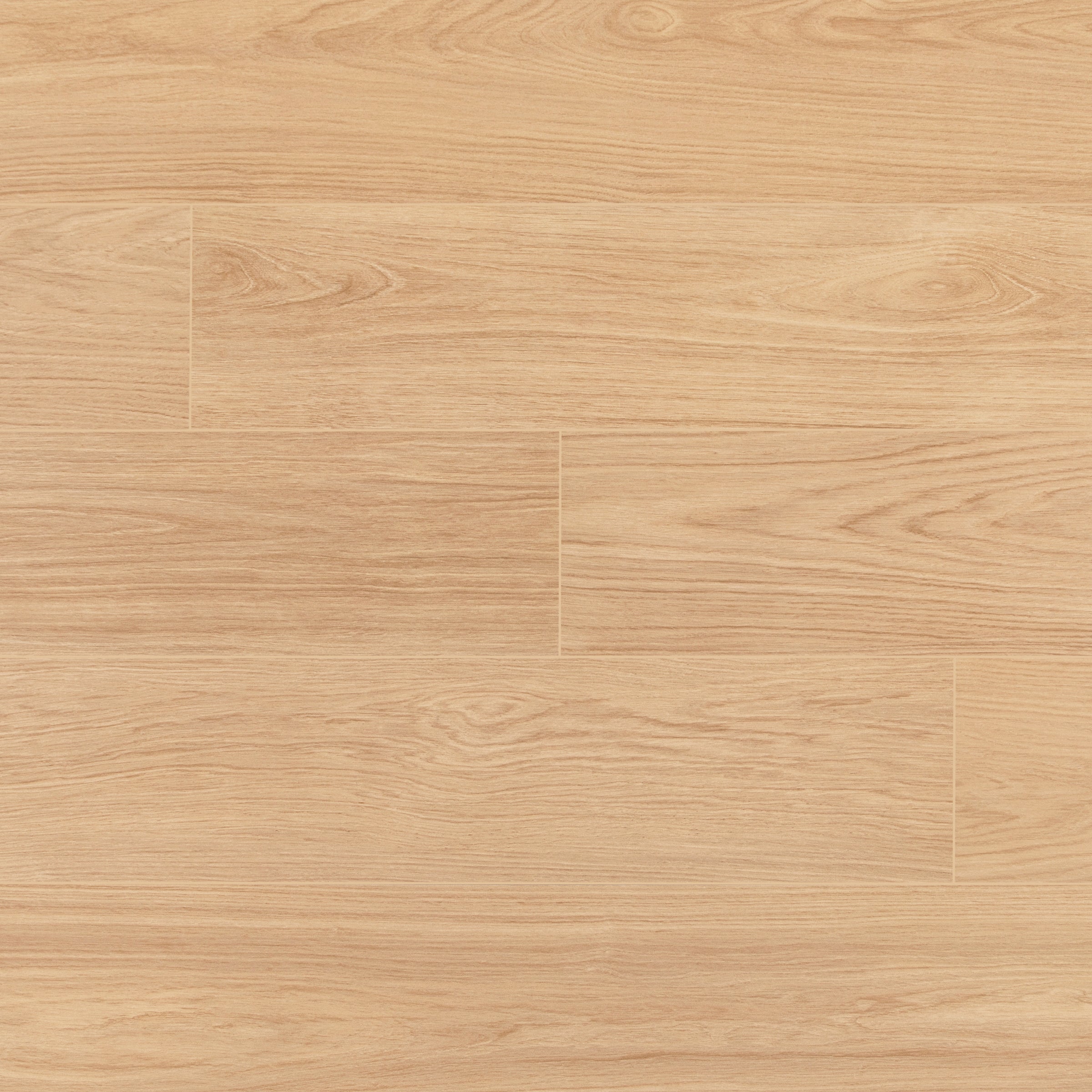
Honey 8x48 Wood Look Porcelain Tile
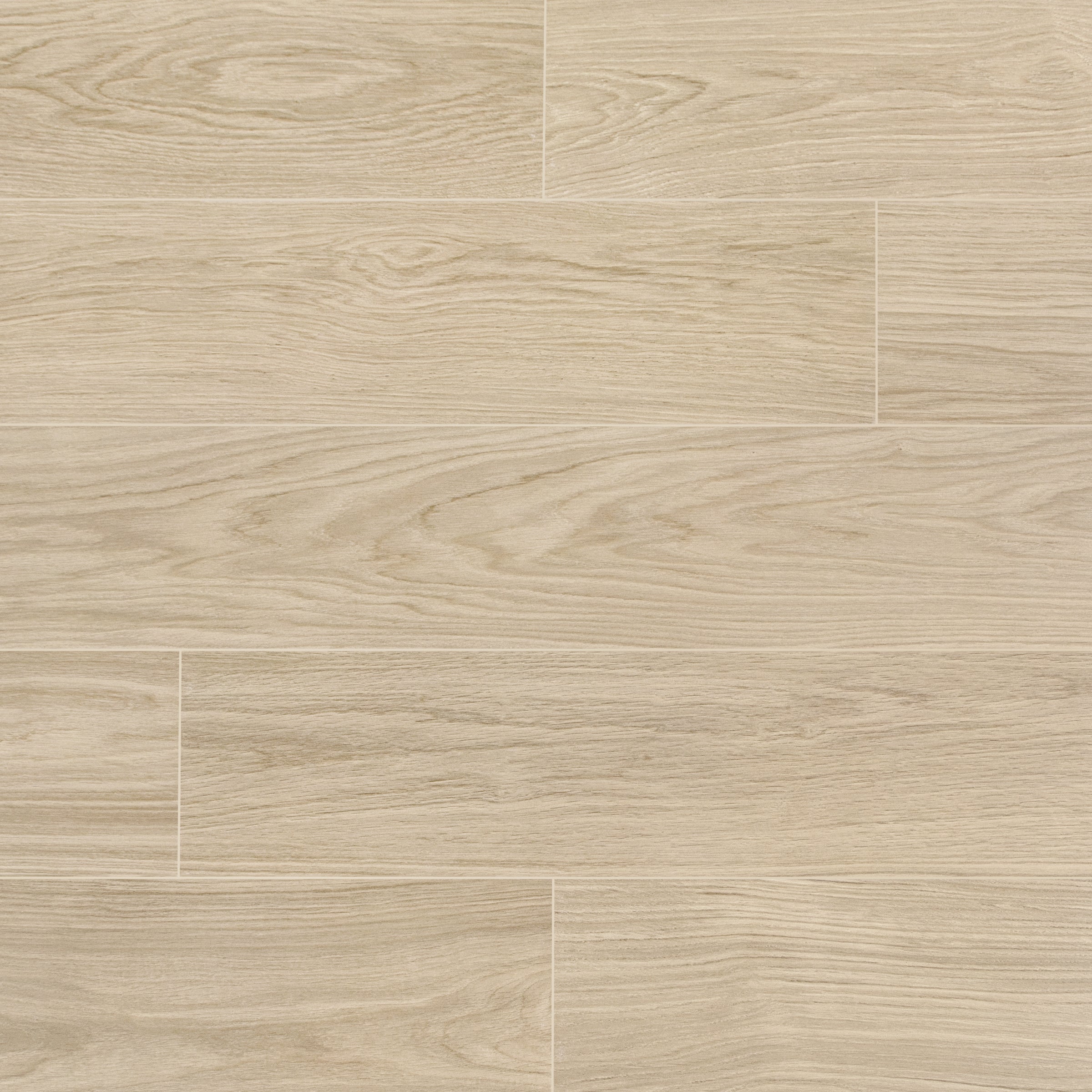
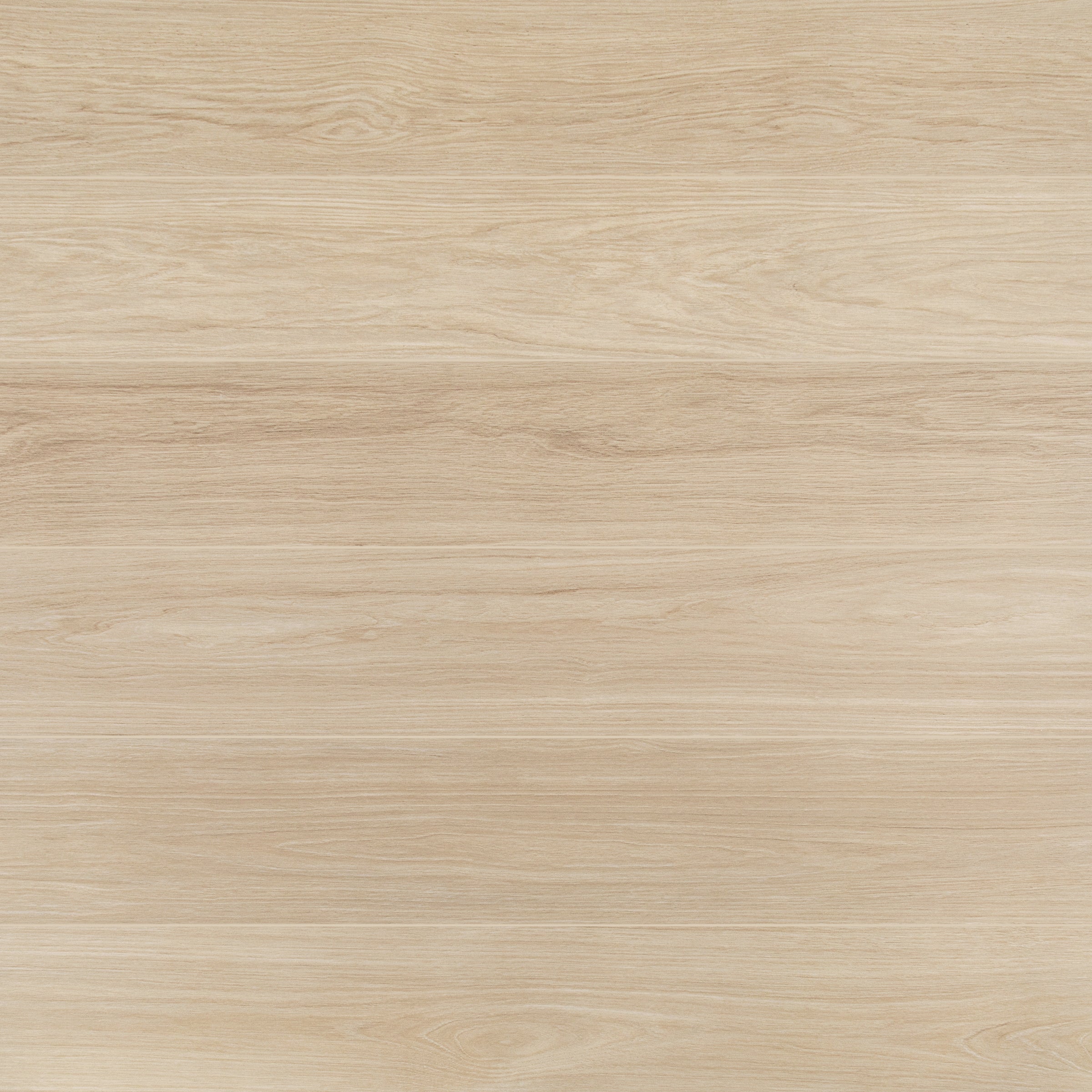
Ecru 8x48 Wood Look Porcelain Tile
Pearl 24x24 Cheppo Look Matte Porcelain Tile
Pearl Slate Look Porcelain Tile
Grey Slate Look Porcelain Tile
Borgogna 3D Matte Porcelain Tile




Thassos, Carrara, Bardiglio Gingham Marble Mosaic
Carrara Bardiglio Tumbled Stone Checkerboard
Rosso Verona Tumbled Marble Tile
Rosso Verona 1x1 Hand Chipped Marble Mosaic
Bianco Carrara Honed Marble Tile
Amazzonite Matte Marble Look Porcelain Tile
Breccia Capraia 3D Mable Look Porcelain Tile
Bianco Carrara Octagon w/ Nero Marquina Dot Mosaic


Spider Gold Matte Marble Look Porcelain Tile
Taj Matte Marble Look Porcelain Tile
Calacatta Honed Italian Terrazzo Tile
Verde Guatemala Tumbled Marble Tile
Bardiglio Desert Tea Tumbled Stone Checkerboard
White Paradise Marble Look Porcelain Tile
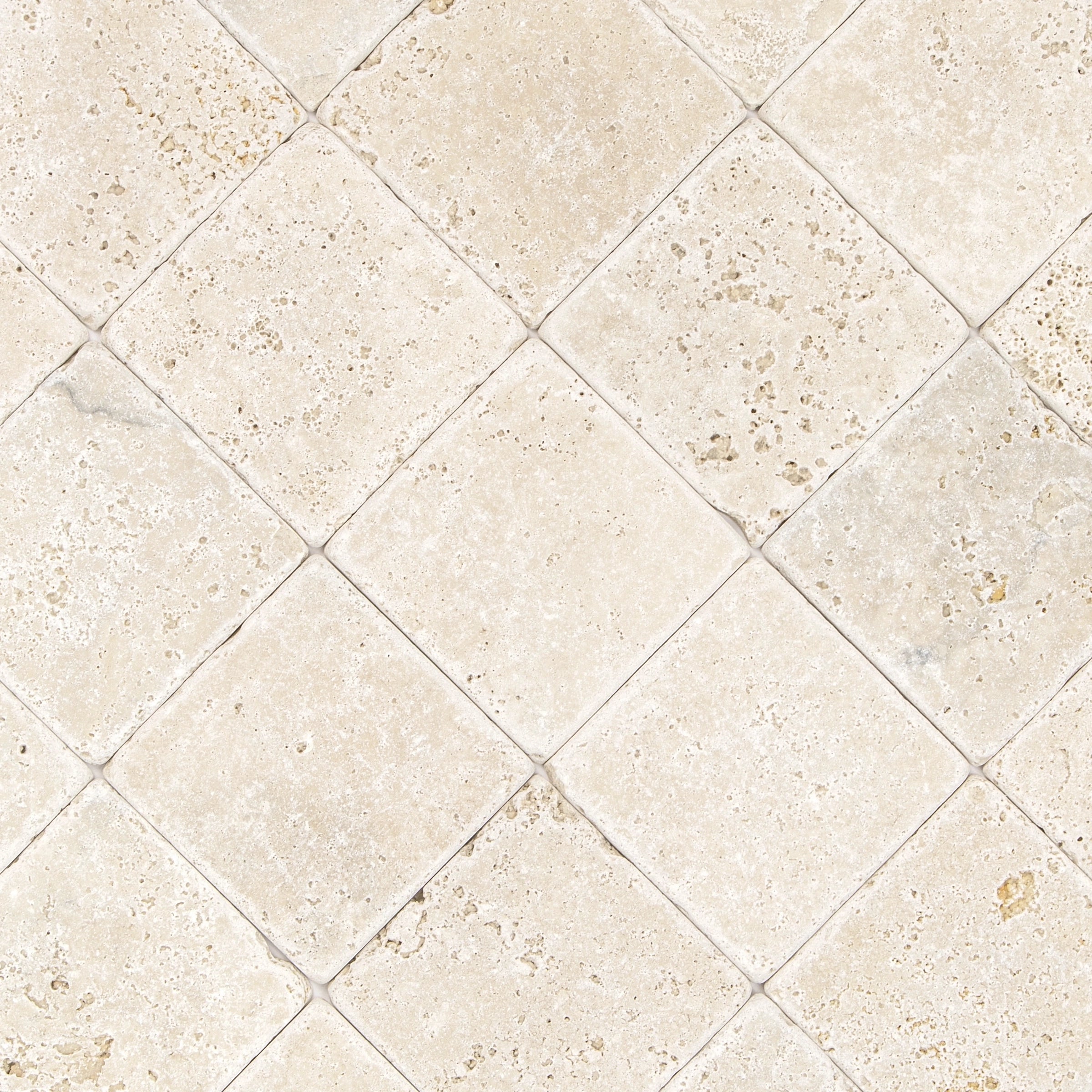
Travertino Chiaro Tumbled Stone Tile
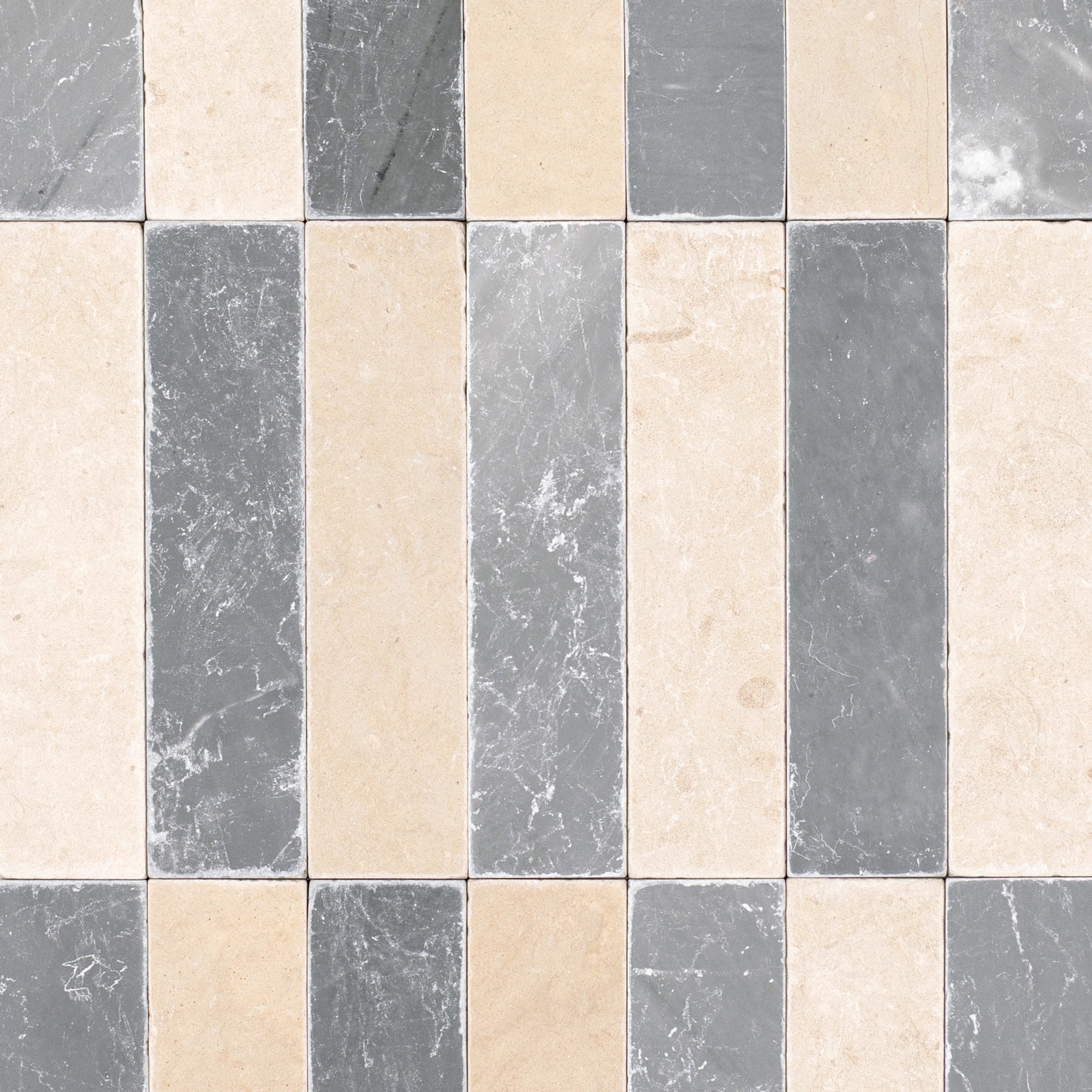
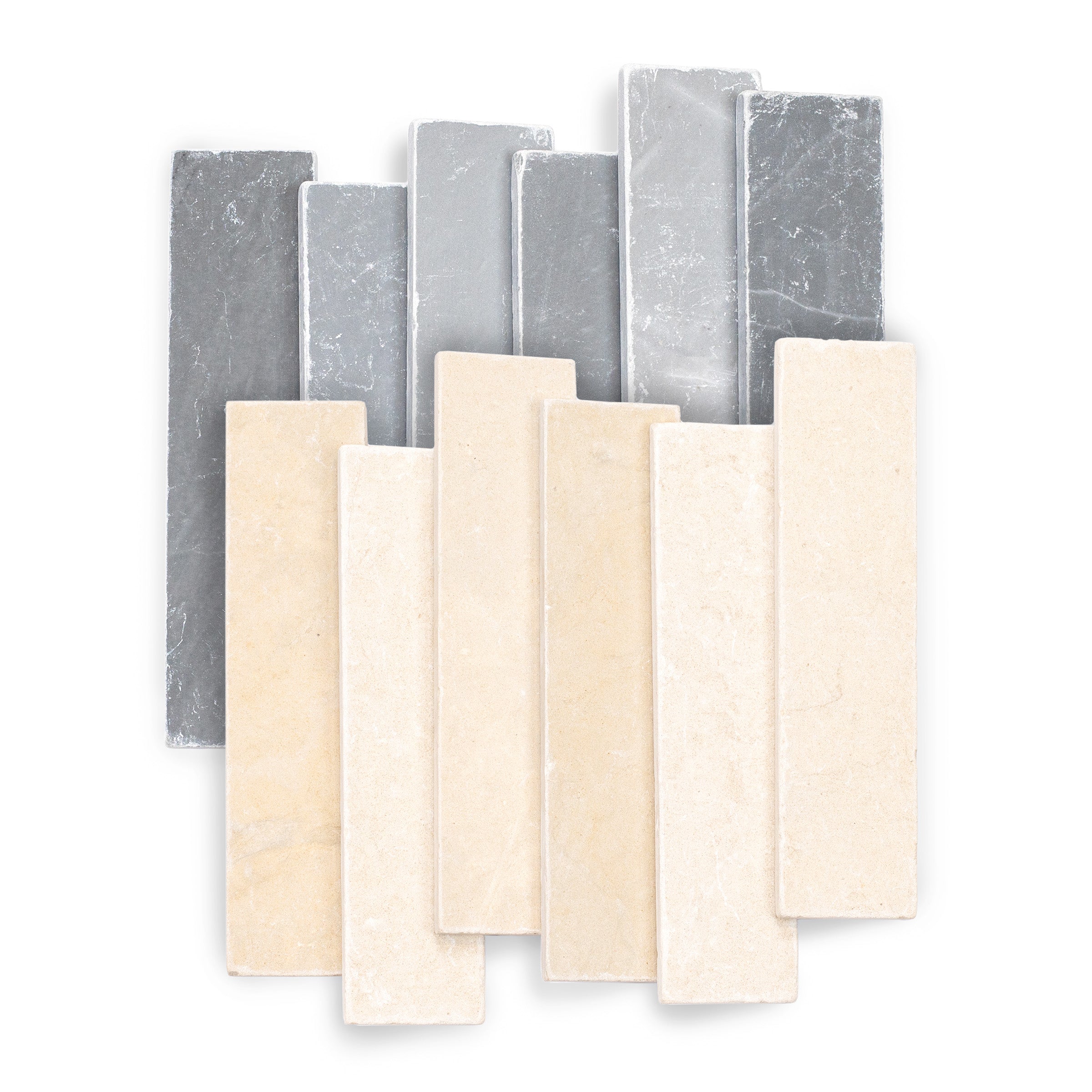
Bardiglio Desert Tea Tumbled Stone Checker Stripe


Carrara Verde Guatemala Tumbled Stone Checkerboard
Desert Tea Tumbled Marble Tile
Carrara Running Bond Marble Mosaic
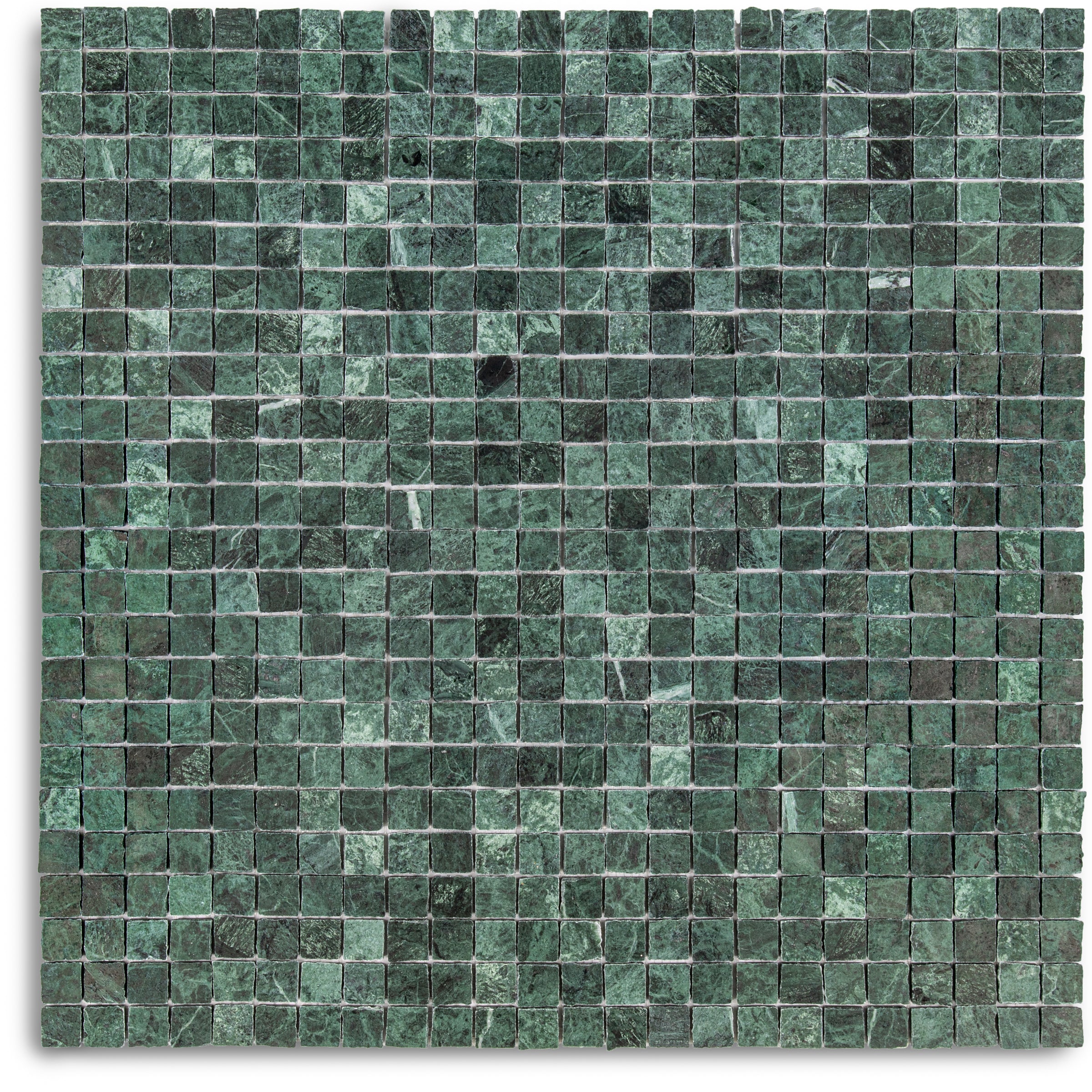
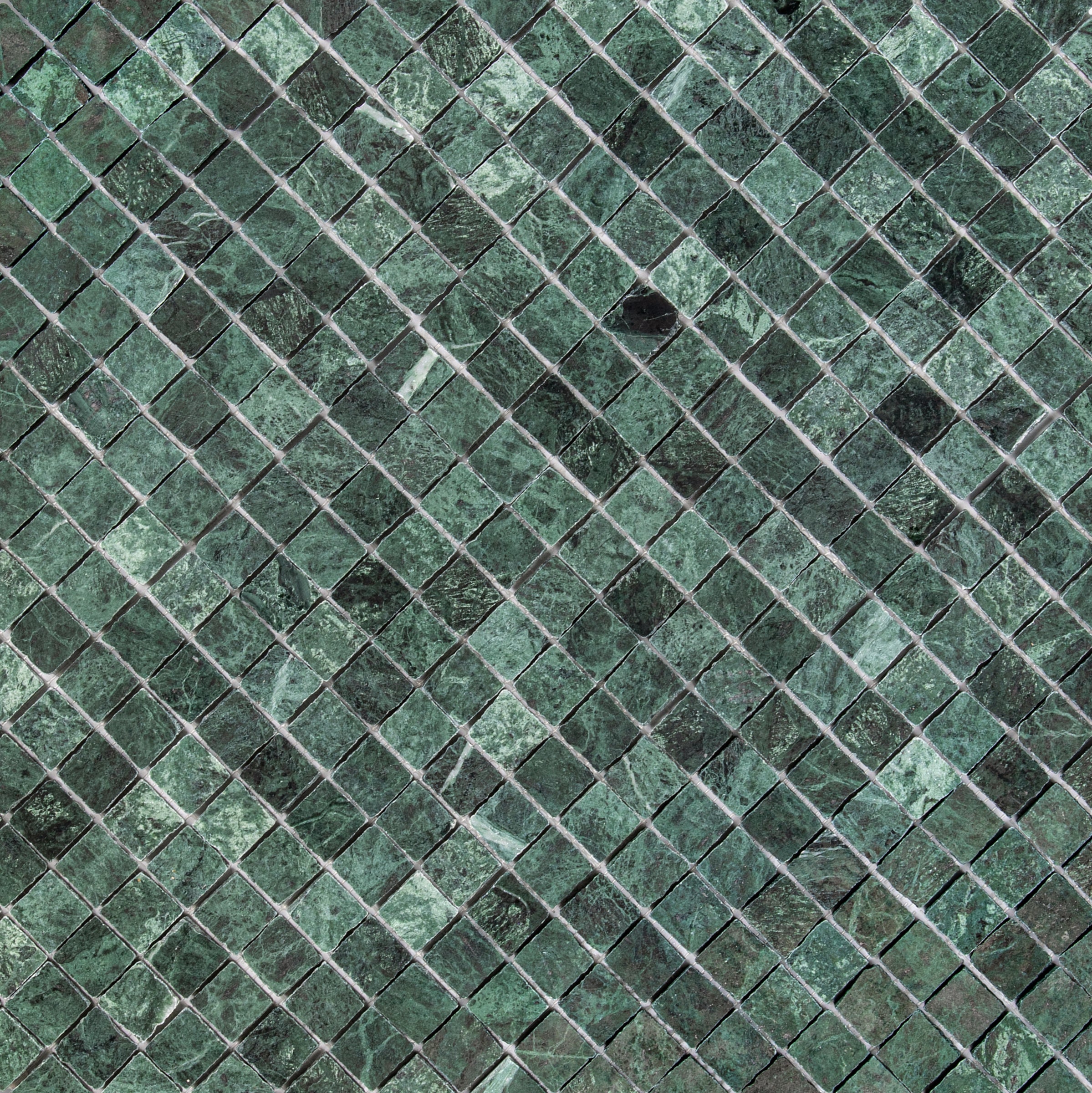
Verde Guatemala 1x1 Chipped Mosaic
Fior de Bosco Marble Look Porcelain Tile
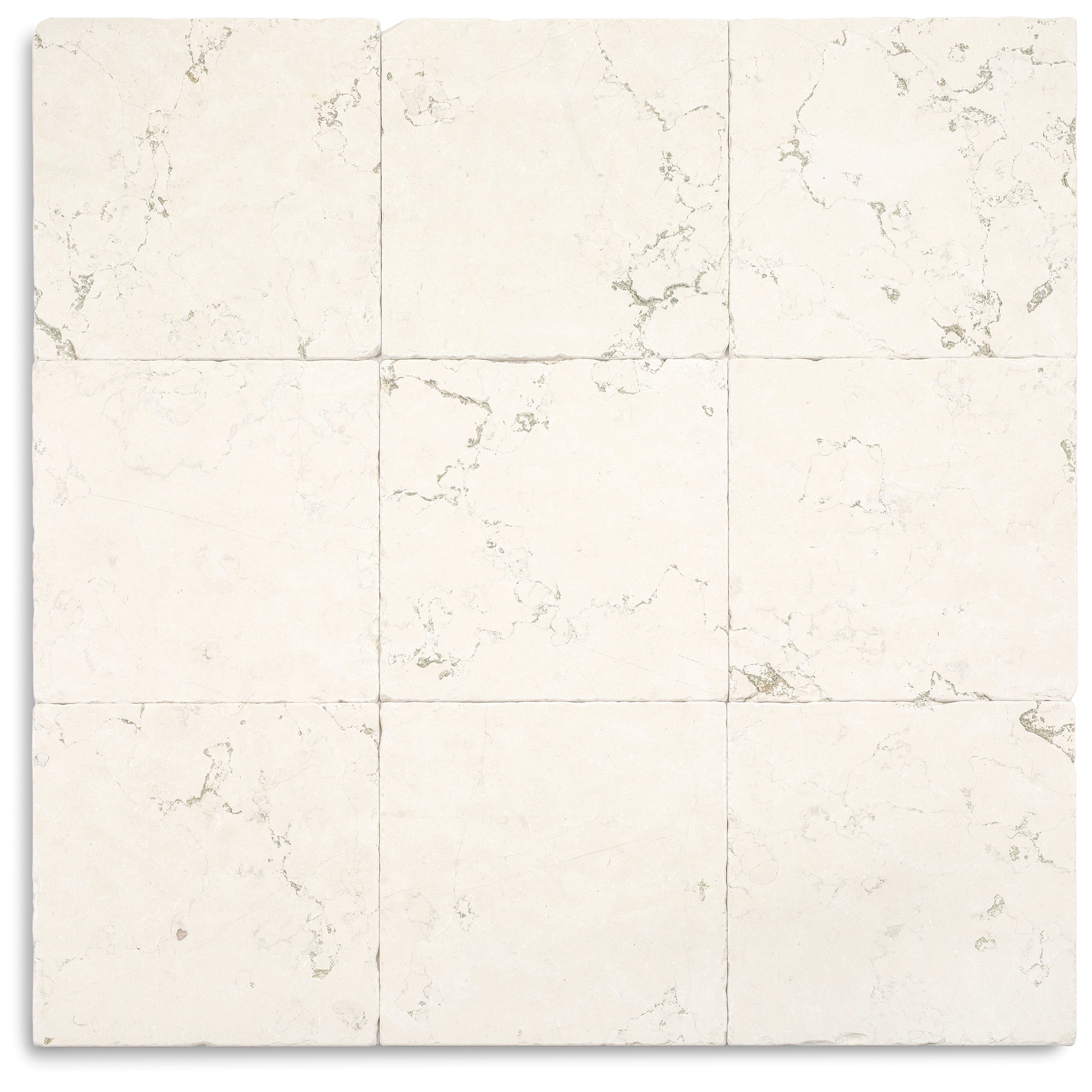
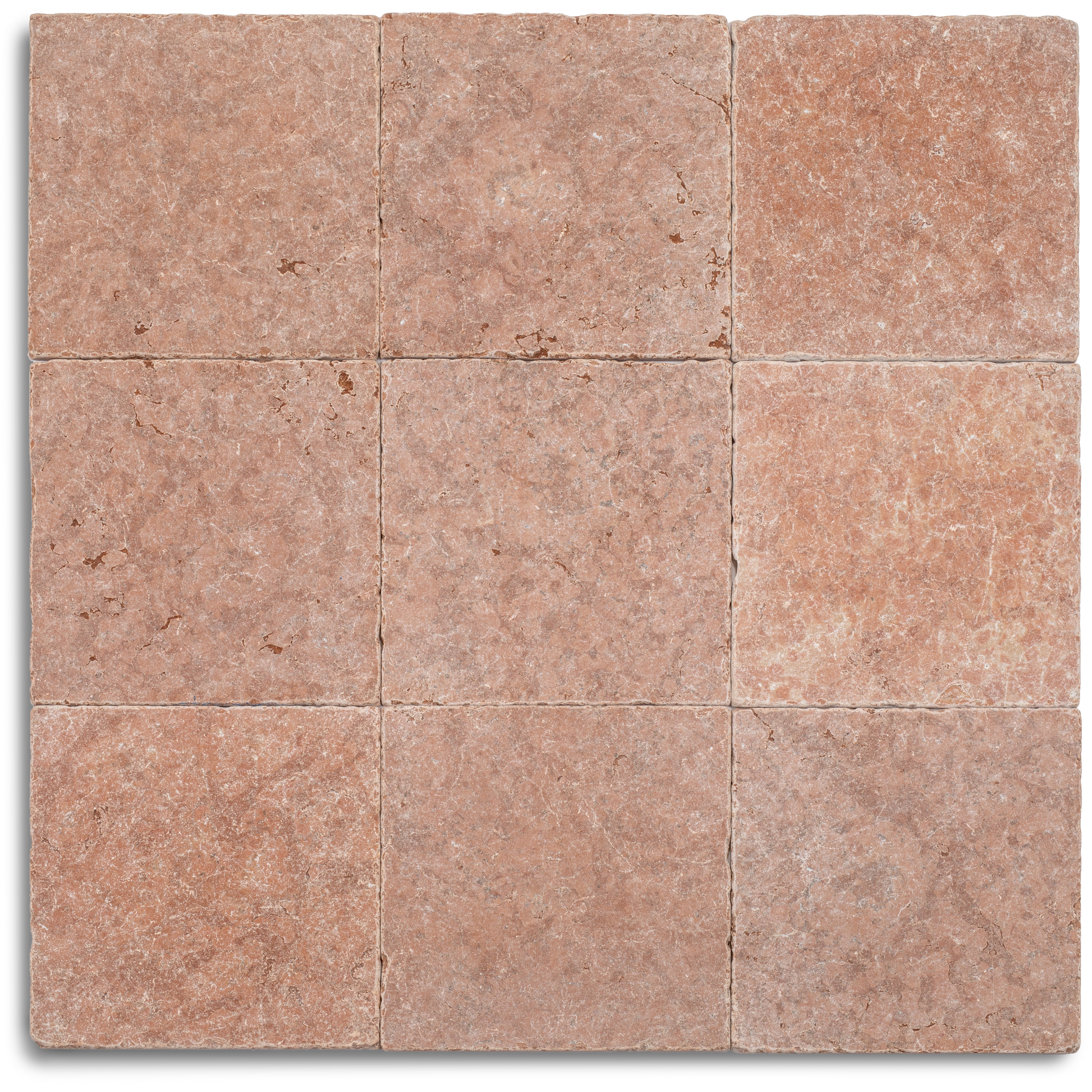
Van Gogh 3D Marble Look Porcelain Tile
Calacatta Running Bond Marble Mosaic
Desert Tea Tumbled Marble Tile


Belgian Blue Tumbled Marble Tile
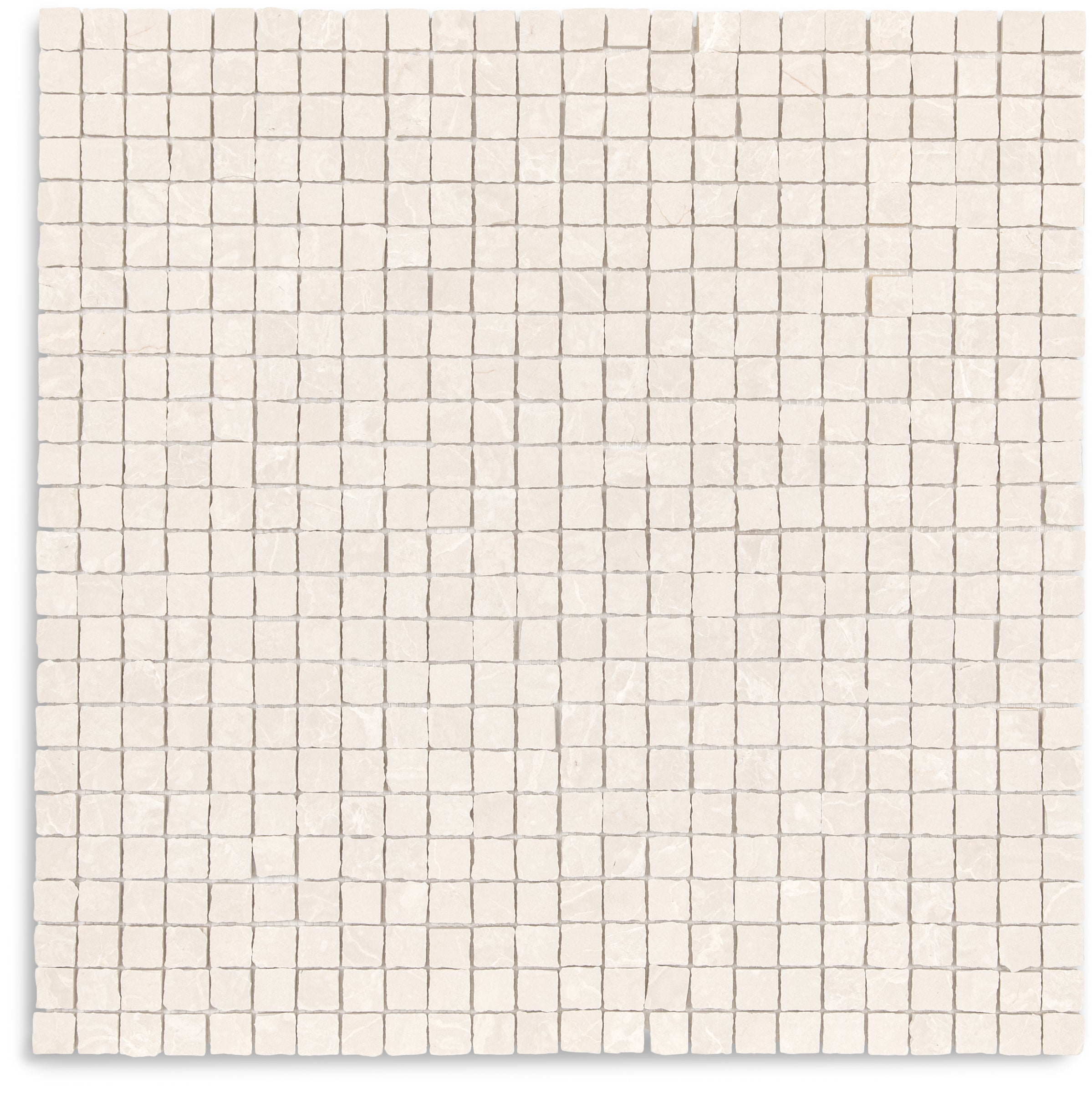
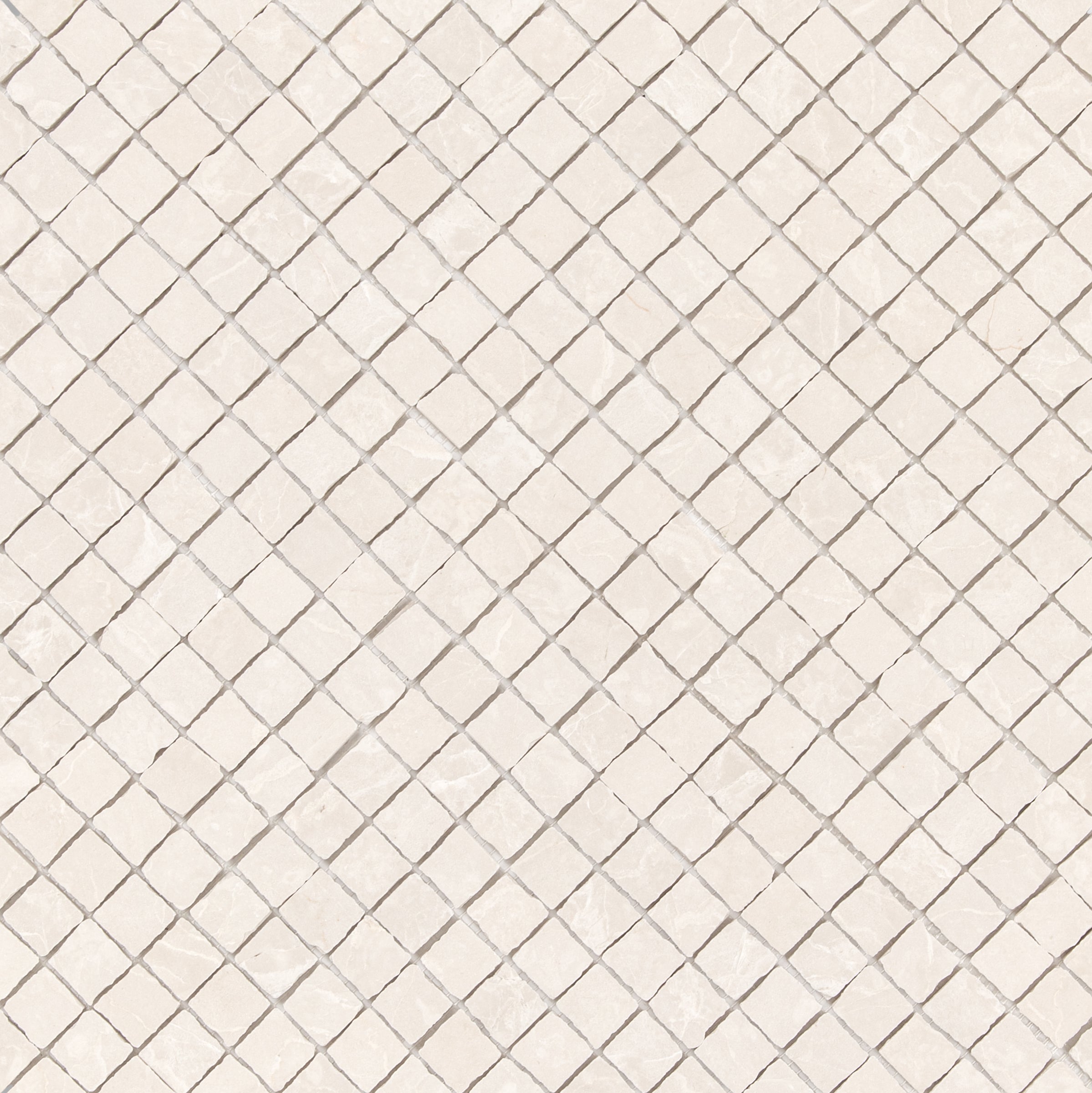
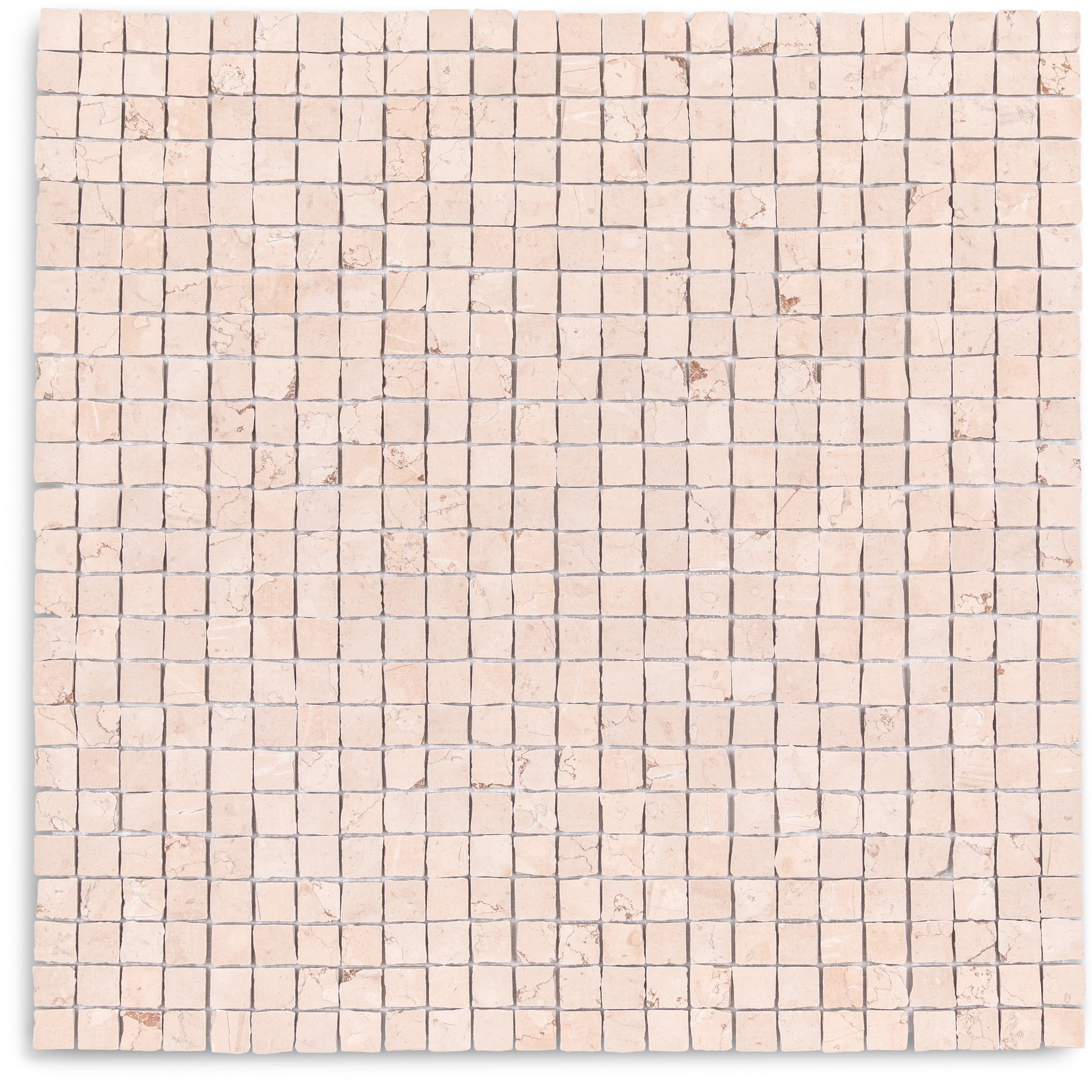
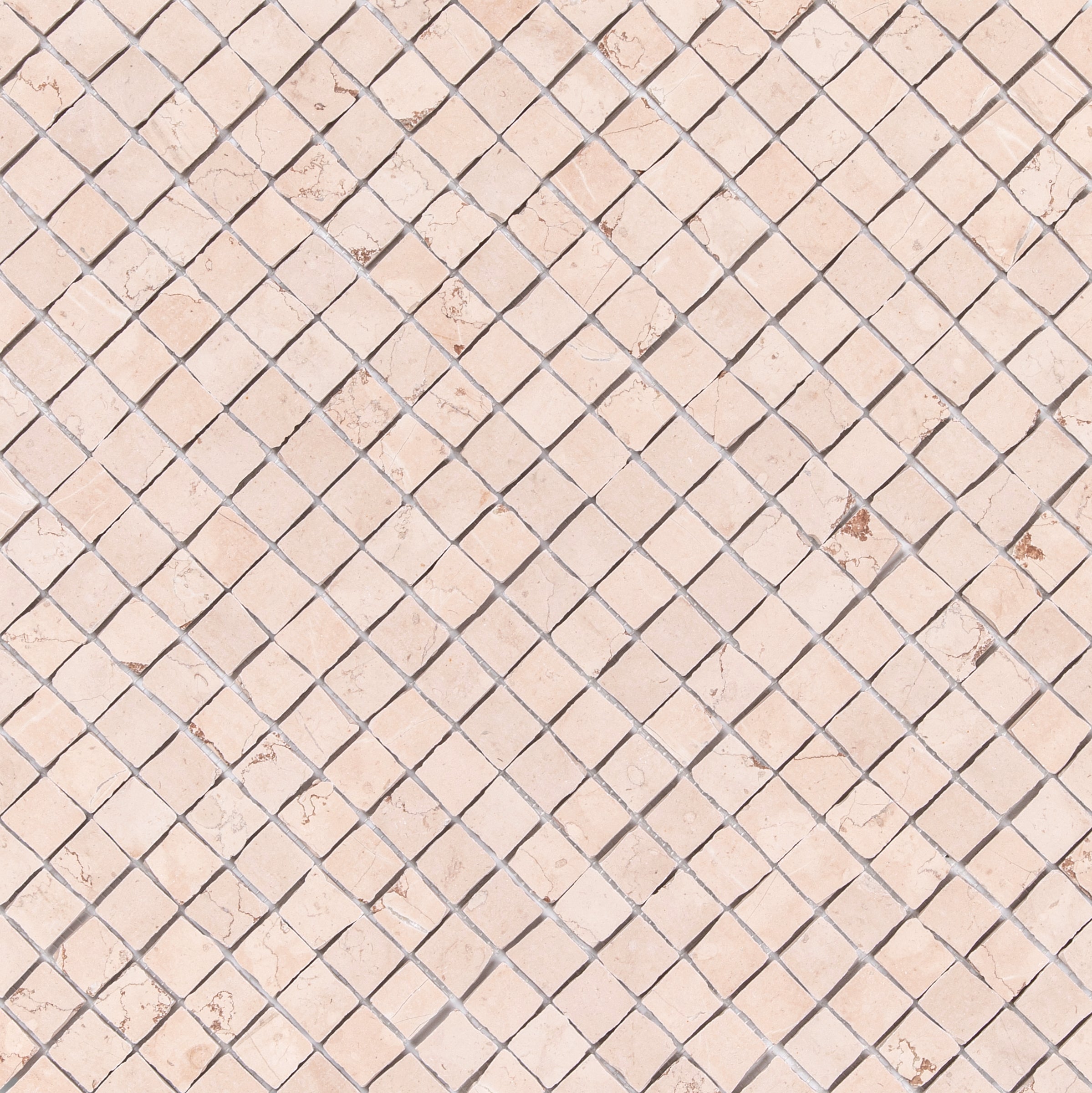
Rosa Perlino 1x1 Chipped Mosaic
Torcello Honed Italian Terrazzo Tile
Verde Guatemala Tumbled Marble Tile
Carrara 1x1 Hand Chipped Marble Mosaic
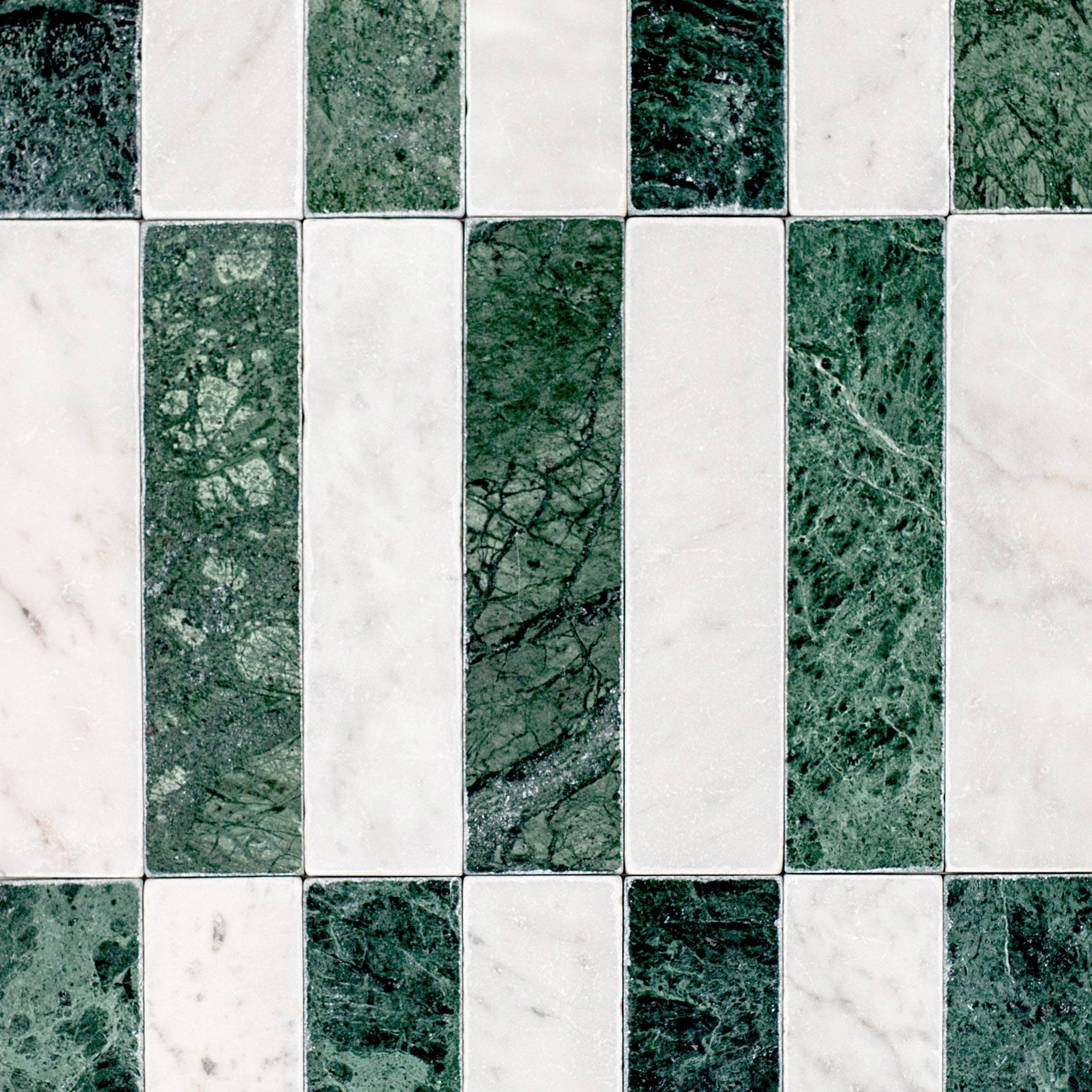
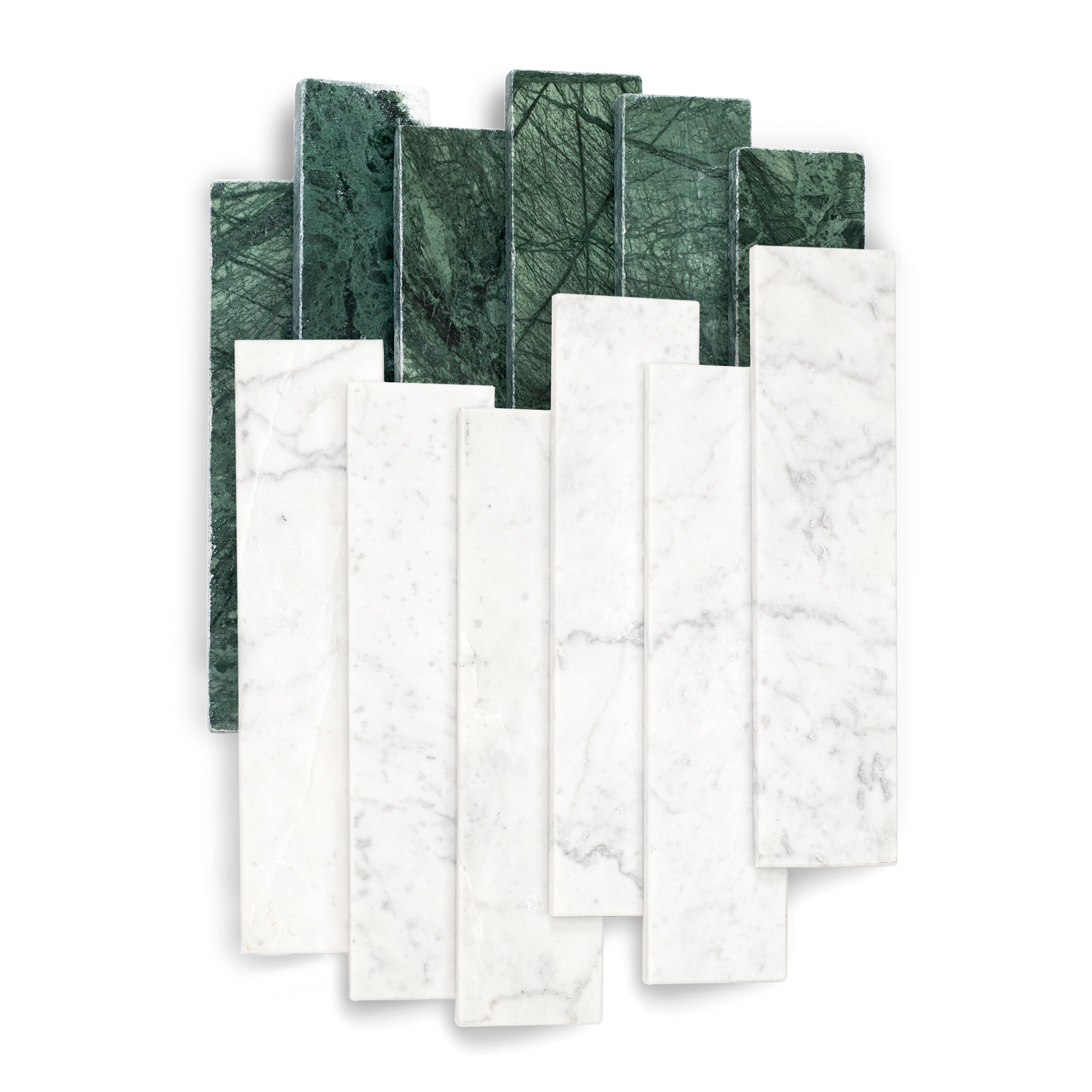
Carrara Verde Guatemala Tumbled Stone Checker Stripe
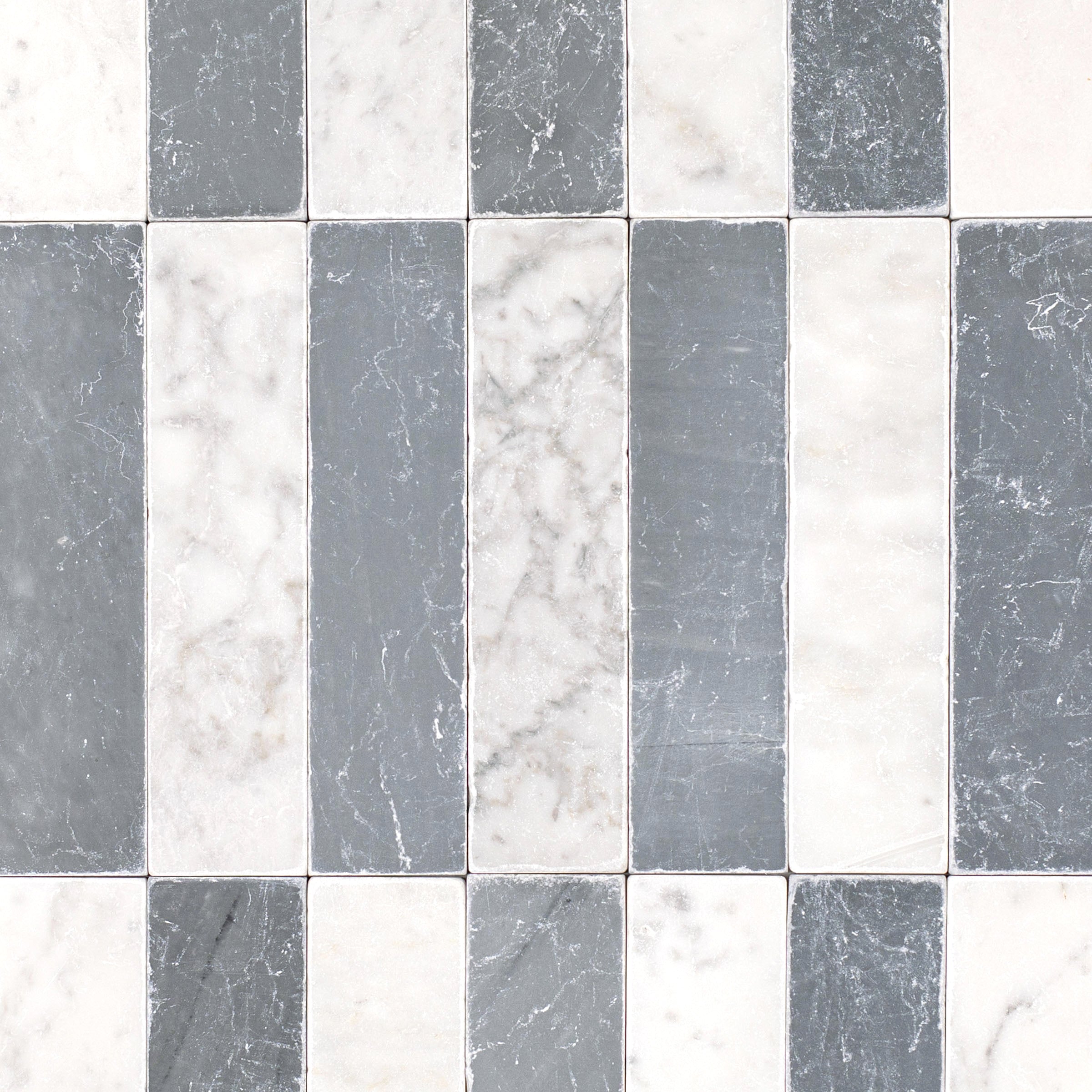
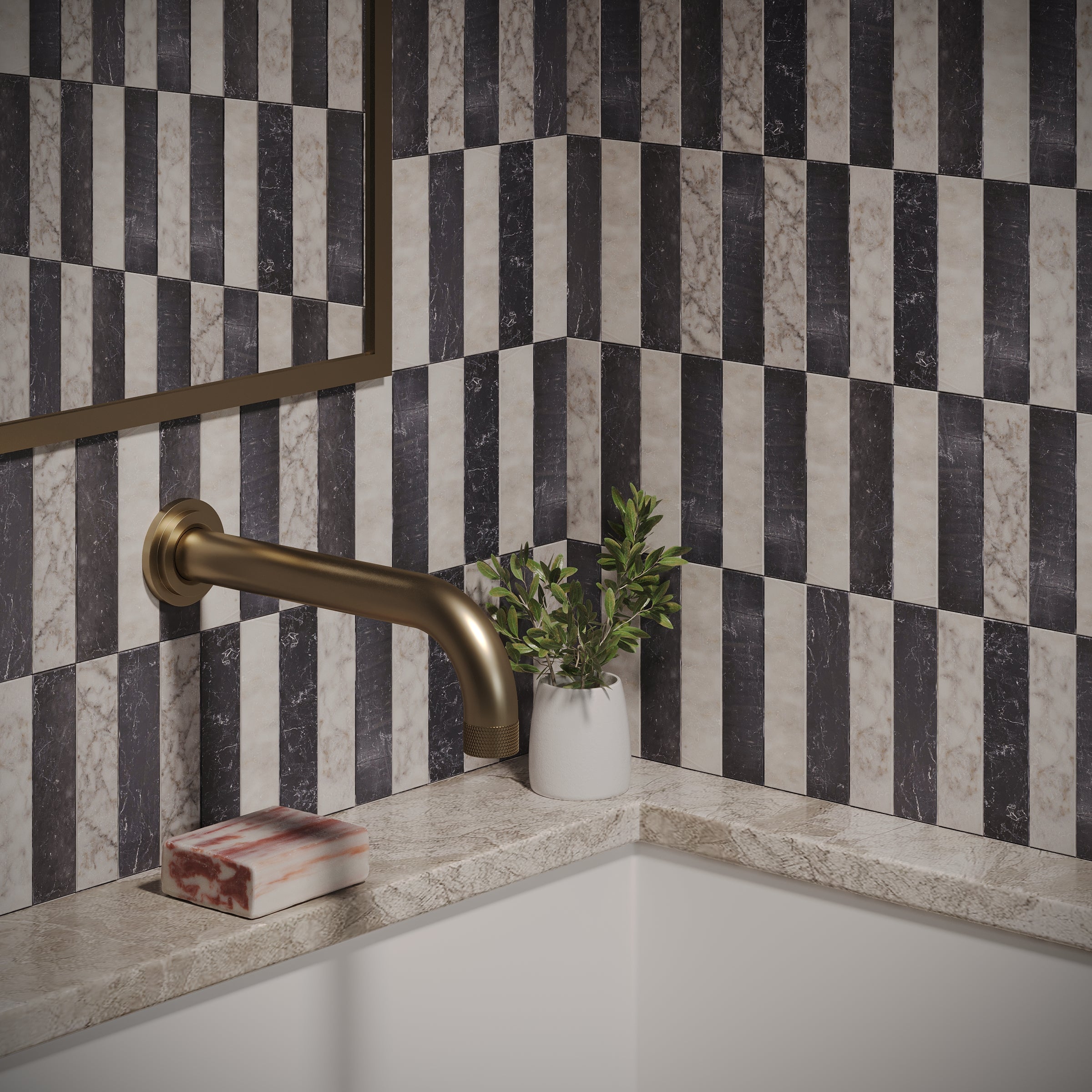
Carrara Bardiglio Tumbled Stone Checker Stripe
White & Ecru Octagon Zellige Mosaic
Cotto Deco Terracotta Look Matte Porcelain Tile
Thassos, Carrara, Bardiglio Gingham Marble Mosaic
Chiaro Deco Terracotta Look Matte Porcelain Tile
White & Ecru 2x2 Zellige Checkerboard Mosaic
Unglazed & White Octagon Zellige Mosaic
White & Black Octagon Zellige Mosaic
Cream Limestone Look 3D Matte Porcelain Tile
Murano Honed Italian Terrazzo Tile
Carrara Bardiglio Tumbled Stone Checkerboard
Apple 12x24 3D Glossy Porcelain Tile
Rosso Verona Tumbled Marble Tile
White & Oxblood 2x2 Zellige Checkerboard Mosaic
Travertino Moka Stone Look Porcelain Tile
White Multi-Color Matte Porcelain Tile
Beige Limestone Look 3D Matte Porcelain Tile
Rosso Verona 1x1 Hand Chipped Marble Mosaic
Natura Terracotta Look Matte Porcelain Tile
Bianco Carrara Honed Marble Tile
Travertino 3D Matte Porcelain Tile
Cream 12x24 3D Gloss Porcelain Tile
Navy 12x24 3D Gloss Porcelain Tile
Almond Cement Look Matte Porcelain Tile
Cotto 2x2 Forma Porcelain Mosaic
Star & Cross Classic Terracotta Tile
Amazzonite Matte Marble Look Porcelain Tile
Crema Terracotta Look Matte Porcelain Tile
Cream 2x2 Forma Porcelain Mosaic
Cream Limestone Look 3D Matte Porcelain Tile
Murano Honed Italian Terrazzo Tile
Travertino Moka Stone Look Porcelain Tile
Beige Limestone Look 3D Matte Porcelain Tile
Travertino 3D Matte Porcelain Tile
Cream 12x24 3D Gloss Porcelain Tile
Almond Cement Look Matte Porcelain Tile
Breccia Capraia 3D Mable Look Porcelain Tile
Spider Gold Matte Marble Look Porcelain Tile
Taj Matte Marble Look Porcelain Tile
Calacatta Honed Italian Terrazzo Tile
Borgogna 3D Matte Porcelain Tile
Almond Hammered Limestone Look Matte Porcelain Tile
Pearl Hammered Limestone Look Matte Porcelain Tile
Pearl 24x24 Cheppo Look Matte Porcelain Tile
Sand 48x48 Cement Look Porcelain Tile
Ivory Marble Look Matte Porcelain Tile
Nuvola Pearl 24x48 Marble Look Porcelain Tile


Nude 12x24 3D Gloss Porcelain Tile
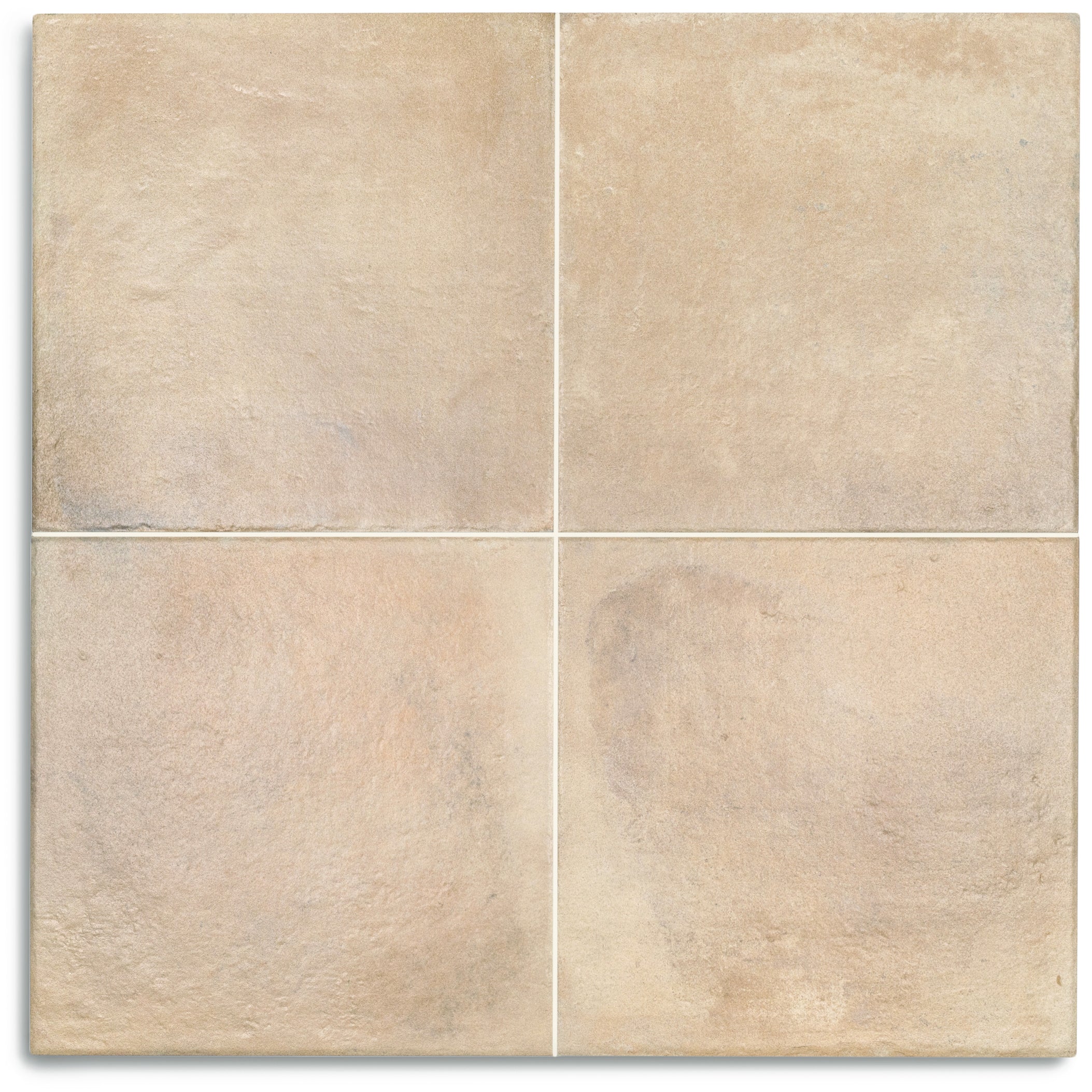
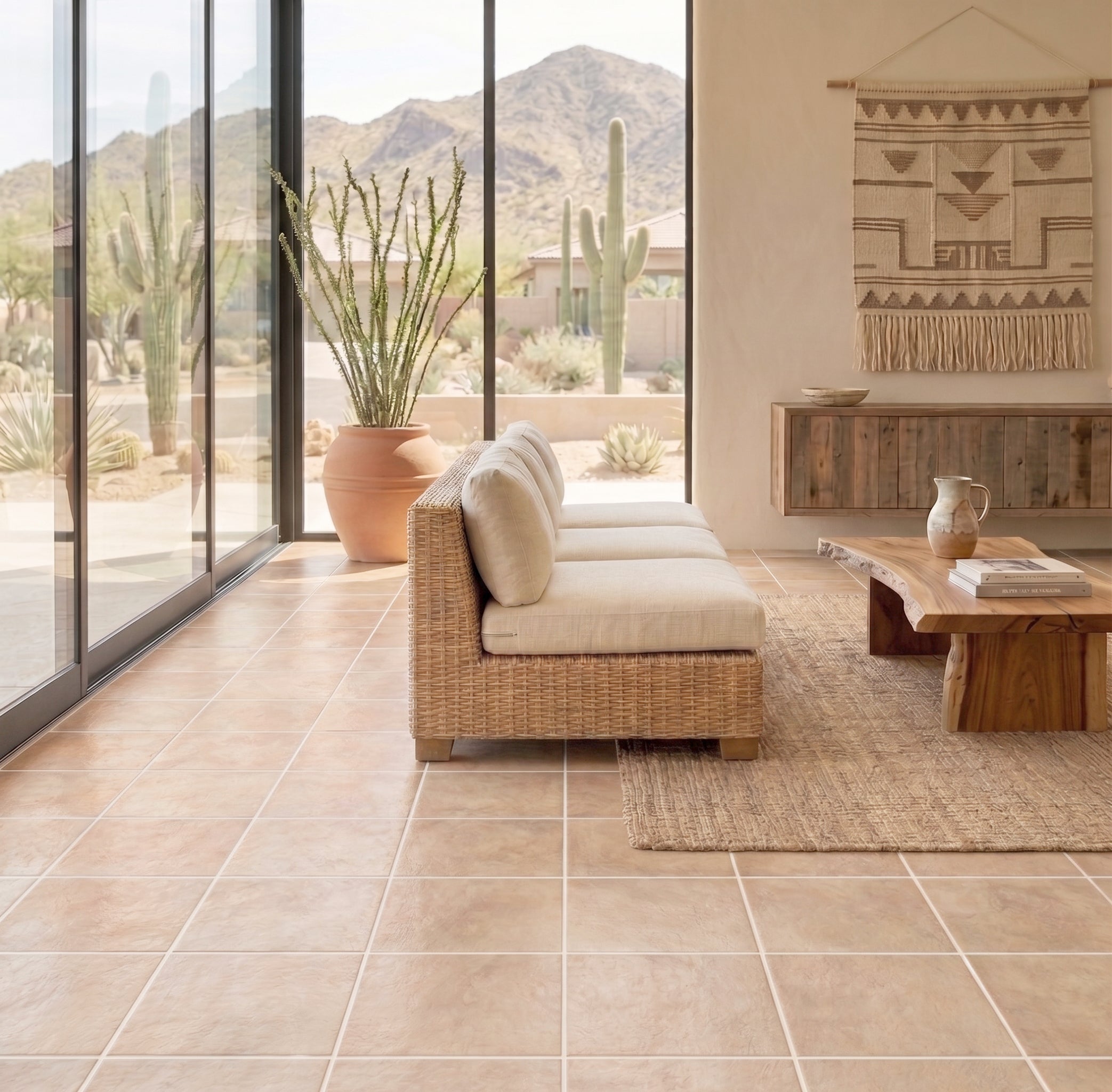
Chiaro Terracotta Look Matte Porcelain Tile
Breccia Grey 3D Stone Look Porcelain Tile
Pearl Slate Look Porcelain Tile
Nuvola Gold 24x48 Marble Look Porcelain Tile
Honey 48x48 Cement Look Porcelain Tile
Ecru 8x48 Wood Look Porcelain Tile
Cream Limestone Look 3D Matte Porcelain Tile
Murano Honed Italian Terrazzo Tile
Travertino Moka Stone Look Porcelain Tile
Beige Limestone Look 3D Matte Porcelain Tile
Travertino 3D Matte Porcelain Tile
Cream 12x24 3D Gloss Porcelain Tile
Almond Cement Look Matte Porcelain Tile
Breccia Capraia 3D Mable Look Porcelain Tile
Taj Matte Marble Look Porcelain Tile
Spider Gold Matte Marble Look Porcelain Tile
Calacatta Honed Italian Terrazzo Tile
White Paradise Marble Look Porcelain Tile
Borgogna 3D Matte Porcelain Tile
Silver Limestone Look 3D Matte Porcelain Tile
Fior de Bosco Marble Look Porcelain Tile
Almond Hammered Limestone Look Matte Porcelain Tile
Honey Slats 24x48 Wood Look Porcelain Tile
Pearl 24x24 Cheppo Look Matte Porcelain Tile
Torcello Honed Italian Terrazzo Tile
Nuvola Pearl 24x48 Marble Look Porcelain Tile
Nude 12x24 3D Gloss Porcelain Tile
Sand 48x48 Cement Look Porcelain Tile
Chiaro Terracotta Look Matte Porcelain Tile
Breccia Grey 3D Stone Look Porcelain Tile
Ivory Marble Look Matte Porcelain Tile
Nuvola Gold 24x48 Marble Look Porcelain Tile
Honey Black Slats 24x48 Wood Look Porcelain Tile
Honey 48x48 Cement Look Porcelain Tile
Ecru 8x48 Wood Look Porcelain Tile
Pearl Slate Look Porcelain Tile