

NOTIFY ME WHEN AVAILABLE
We'll notify you as soon as this product or sample is back in stock / available.
Pair It With


The Vibe
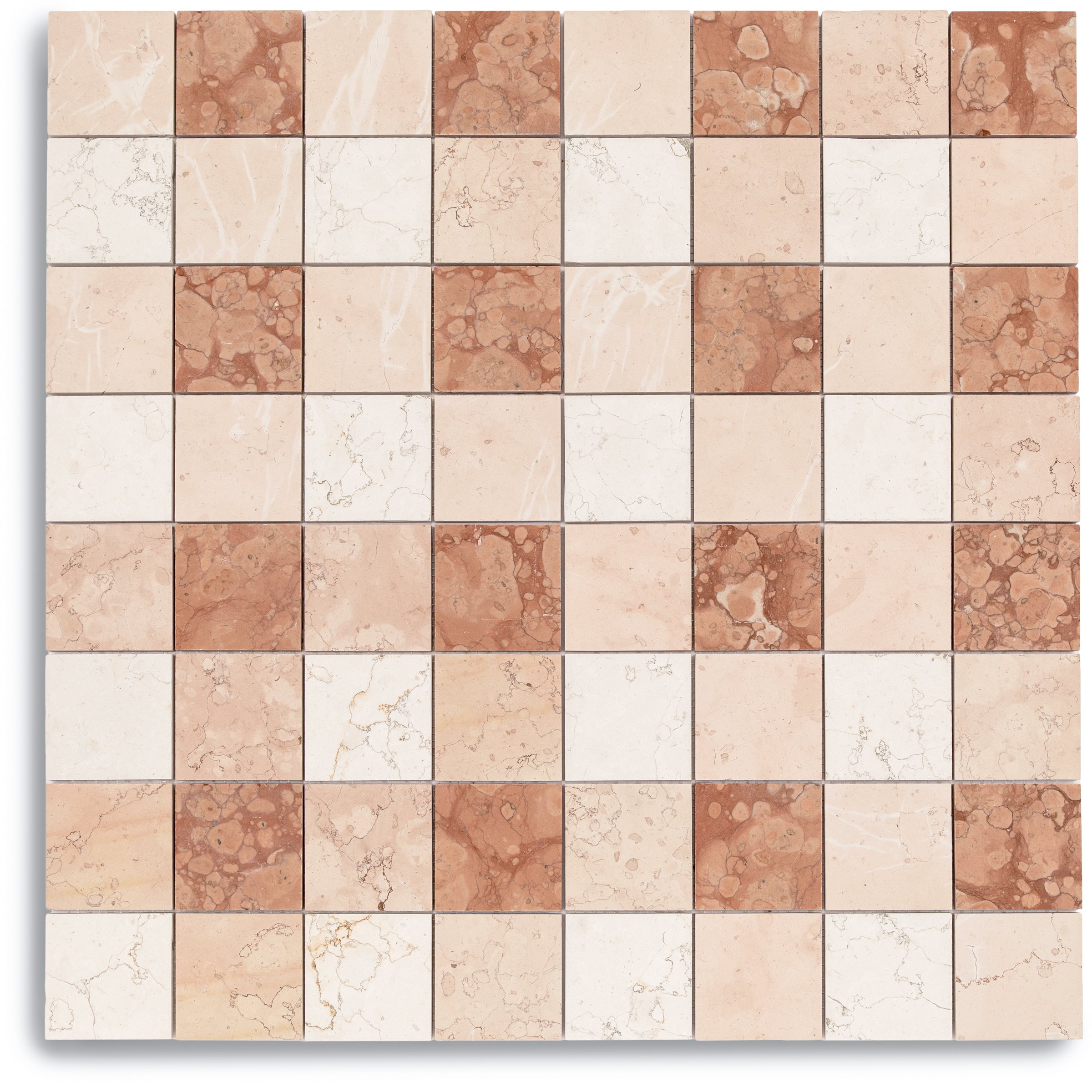
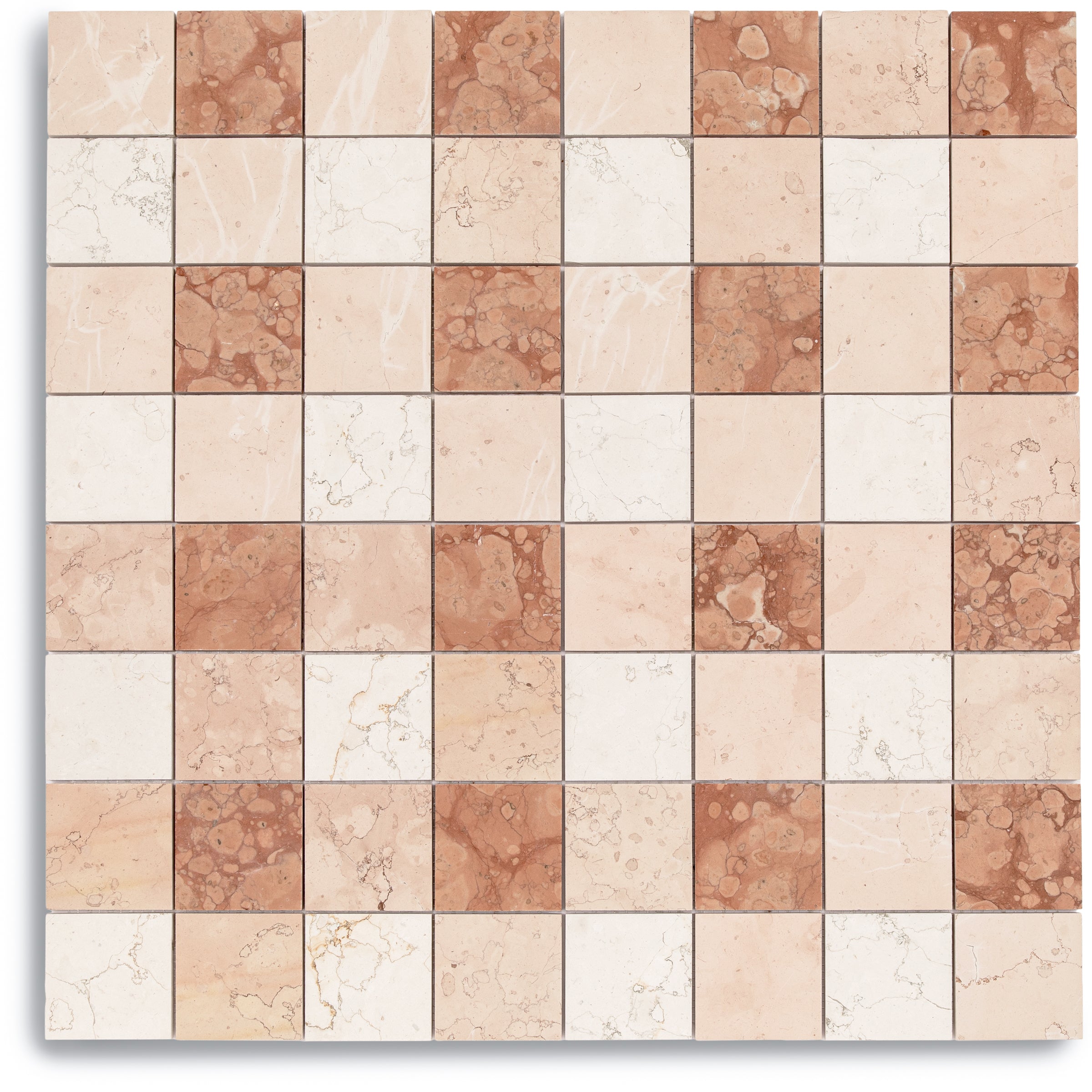
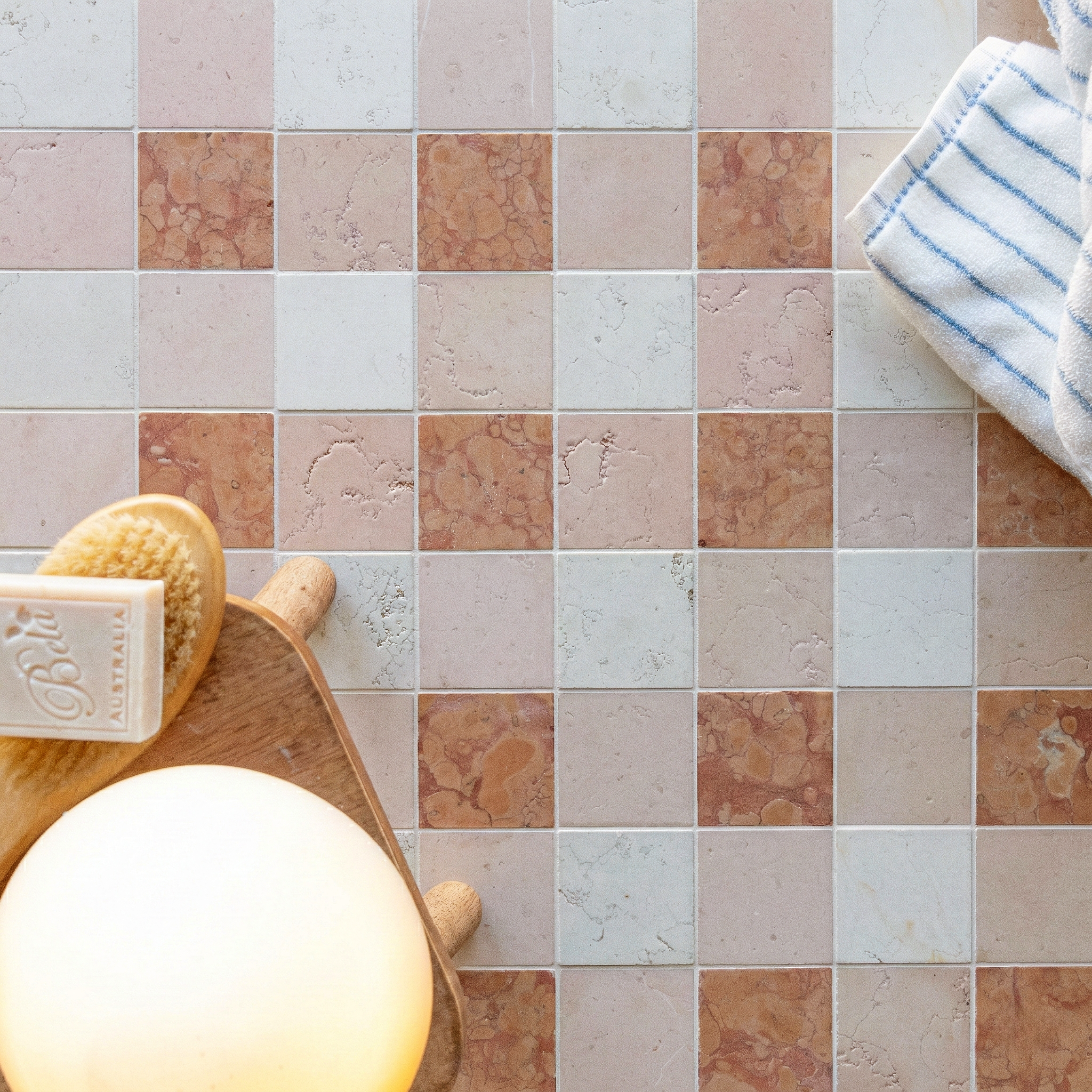
This mosaic feels like it belongs in a villa somewhere outside Verona. The Bianco Asiago, Rosa Perlino, and Rosa Verona Gingham Mosaic brings a sun-warmed blend of creamy whites and terracotta pinks arranged in a classic gingham pattern, all carved from natural marble. It's romantic without being precious, bringing instant Old World character to any surface it touches.
The Details
Made in Italy from three distinct natural marbles, each sheet has real movement and variation. Bianco Asiago provides the warm ivory base, Rosa Perlino adds a soft blush with delicate veining, and Rosa Verona brings the deeper coral and amber tones with its signature fossil-flecked patterning. No two sheets look exactly alike because no two pieces of stone do.
Style It With
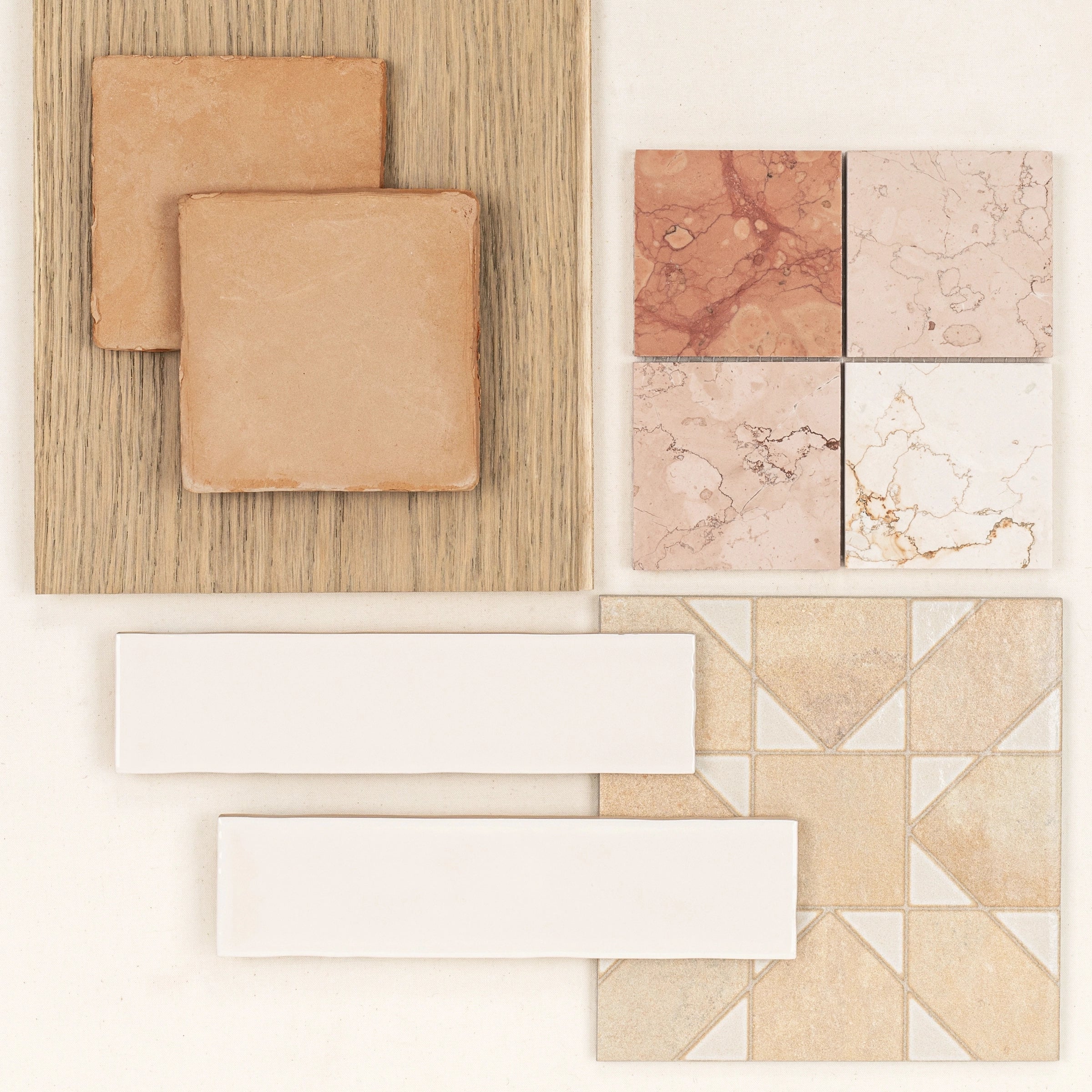
Lean into the warmth. This mosaic pairs beautifully with cream or ivory field tiles, unlacquered brass hardware, and natural linen textiles for a Mediterranean bathroom that feels lived in and loved. Use it as a backsplash behind a stone farmhouse sink, as a shower floor accent, or as a full feature wall in a powder room where you want to make a statement. It plays especially well with warm wood tones, terracotta, and matte plaster finishes.
Where to Install
WALLS
SHOWER FLOOR
FLOORS
SHOWER WALL
BACKSPLASH
This gingham pattern marble mosaic blends three Italian stones into a warm and inviting check design, with the rich terracotta swirls of Rosso Verona playing against the soft petal pink of Rosa Perlino and the pale cream of Bianco Perlino. The natural fossil patterns and organic movement within each square give this mosaic a depth and texture that printed tiles simply cannot achieve, making it a striking choice for kitchen backsplashes, bathroom feature walls, and decorative accent installations. Each stone carries its own unique veining and tonal variation, so the classic gingham arrangement feels collected and artful rather than rigid, bringing old world European character to any room in the home.
Details
Material
Marble
Chemical Resistant
No
Frost Resistant
No
Stain Resistant
Sealing Required
Sealing Required
Yes
Thickness
3/8"
Nominal Size
12"x12"
Country of Origin
Italy
Shade Variation
V3
Application
Floors & Walls
Edge
Straight
Location
Bathroom Floors, Bathroom Walls, Kitchen Floors, Backsplash
Look
Gingham
Gradient bar
Marble Mosaic Installation Guide
MARBLE MOSAIC TILE INSTALLATION GUIDE
A Comprehensive Guide for DIY Homeowners and Professional Installers
BEFORE YOU BEGIN
Marble mosaics require specialized knowledge and techniques that differ from standard ceramic or porcelain tile installation. We strongly recommend working with a professional installer who has direct experience setting and sealing natural marble. Attempting installation without proper expertise can lead to staining, cracking, and other costly outcomes.
PLEASE NOTE
Reno Source provides these tiles and installation guidance, but cannot assume responsibility for the installation process itself or any issues that arise during or after installation. Following these guidelines carefully will help ensure the best possible outcome for your project.
-
OVERVIEW
Marble mosaics are composed of small pieces of natural marble mounted on a mesh or paper backing for easier handling and installation. These tiles bring the timeless elegance of natural stone into kitchens, bathrooms, entryways, and other spaces. Because each piece is cut from real marble, no two sheets are exactly alike. Subtle differences in veining, color, and texture are inherent to the material and part of its natural character.
Proper installation is essential to getting the most out of marble mosaics. Unlike porcelain or ceramic tile, marble is porous, softer, and more sensitive to chemicals and moisture. The steps in this guide, from surface preparation through sealing, are designed to protect the stone and ensure a lasting, professional result.
Natural variations to expect include color variation in tone and veining, natural pits and fissures, slight dimensional differences between pieces, and unique veining patterns throughout the installation. These characteristics are not defects but natural qualities of marble. If a perfectly uniform appearance is desired, marble mosaics may not be the right choice.
-
TOOLS AND MATERIALS
Required tools include a notched trowel sized 1/4 inch by 1/4 inch or 3/16 inch by 3/16 inch V notch, a flat margin trowel for back buttering, a rubber grout float, a grout bag if using contrasting grout, a water cooled tile saw with diamond blade, 2 foot and 4 foot levels, measuring tape and pencil, mixing bucket and drill with paddle, sponges, clean water bucket, lint free cloths, eye protection, and an N95 dust mask.
Materials include high quality white medium bed thinset mortar, never gray thinset, Mapei Flexcolor CQ grout or equivalent, penetrating stone sealer such as Fila Stone Sealer, pH neutral stone cleaner such as Fila Stone Clean, an appropriate substrate such as cement board or concrete, and a waterproof membrane for all wet area installations.
-
STEP BY STEP INSTALLATION
Step 1 Inspect Your Order
Open all boxes and inspect every sheet for shipping damage. Verify quantities and spread sheets from multiple boxes to view the full range of natural variation. Once installed, concerns related to inherent stone characteristics cannot be addressed.
Order at least 15 to 20 percent extra material for cuts, waste, and future repairs. For more selective installations, 20 to 25 percent extra is recommended.
Step 2 Surface Preparation
The substrate must be rigid, flat, clean, and dry. Wood framed floors should use an uncoupling membrane. Flatness must be within 1/8 inch over 10 feet. Remove all dust, debris, paint, or oils. New concrete must cure a minimum of 30 days to prevent efflorescence.
For wet areas, apply a waterproof membrane over the entire surface, seal all seams and penetrations, and allow to cure fully. Never install marble directly on untreated drywall in wet areas.
Step 3 Layout Planning
Blend sheets from all boxes throughout the installation. Perform a full dry layout under the actual lighting conditions of the space. Choose grout color carefully as it significantly affects appearance. Plan all cuts and transitions in advance.
Photograph the dry layout before setting tile to maintain reference during installation.
Step 4 Setting the Tile
Mix white thinset per manufacturer instructions and allow proper slake time. Spread thinset in sections no larger than 2 by 2 feet and comb in straight lines. Lightly dampen the back of each sheet before installation. Back butter each sheet with a thin, even layer of thinset. Press sheets into place by hand, do not use a mallet. Align sheets carefully using 1/8 inch spacers unless specified otherwise. Clean excess thinset immediately.
Step 5 Cutting
All cuts must be made using a water cooled tile saw with a sharp diamond blade. Cut slowly and steadily. Always wear eye protection and an N95 mask. Perform cutting outdoors or in a well ventilated area when possible.
Step 6 Curing
Allow thinset to cure a minimum of 48 hours before proceeding. Do not apply pressure during this time. Cold or humid conditions may require longer cure times.
-
SEALING AND GROUTING
Pre grout sealing is mandatory. Clean the surface with a pH neutral stone cleaner and allow to dry. Apply penetrating sealer in thin coats until the stone is saturated, wiping excess before it dries. Allow sealer to cure fully before grouting.
Grout in small sections using a rubber float at a diagonal angle. Fill joints and natural pits evenly. Clean continuously with a damp sponge. Do not allow grout to dry on the marble surface. Allow grout to cure at least 48 hours.
After grout cure, apply a final coat of sealer to protect both tile and grout. Follow manufacturer instructions for interior or exterior use.
-
FLOOR WALL AND WET AREA CONSIDERATIONS
For floors, ensure the substrate is fully cured and use an uncoupling membrane on wood framing. For walls, install only on stable surfaces. In dry areas, marble may be installed over drywall. Never install over paint.
For commercial or wet areas, verify slip resistance and DCOF requirements. Protect installed marble during construction. For edges, consider mitered corners or Schluter profiles.
-
TIPS AND TROUBLESHOOTING
Always use experienced installers, blend sheets thoroughly, work slowly, clean continuously, use white thinset only, keep spare material, and always seal before grouting.
Common issues include grout haze from delayed cleanup, efflorescence from moisture migration, tile release from poor coverage, uneven joints from misaligned sheets, staining from skipped sealing, and cracking from substrate movement.
-
CARE AND MAINTENANCE
Sweep or vacuum regularly. Clean with a soft damp cloth and pH neutral cleaner. Wipe spills immediately. Avoid acidic cleaners, bleach, abrasive tools, ammonia, or harsh chemicals. Reseal as needed based on water absorption testing. Address grout damage or leaks promptly. Natural patina and wear are expected over time.
-
PRODUCT AND LIABILITY INFORMATION
Reno Source provides this guide as a resource only. Responsibility for installation, material selection, and workmanship rests with the installer and homeowner. Natural variations in marble are inherent and not defects. Inspect material before installation. Installed tile is considered accepted.
Installers should wear protective equipment when handling and cutting stone. Cutting or grinding marble may release crystalline silica dust. Follow OSHA dust control guidelines. Wash hands after handling materials.
California Proposition 65 Warning: This product may expose you to chemicals including crystalline silica and lead, known to cause cancer and reproductive harm. More information is available at www.P65Warnings.ca.gov.
Reno Source
Finish Materials
Based in the USA
www.therenosource.com
support@therenosource.com
From the same collection


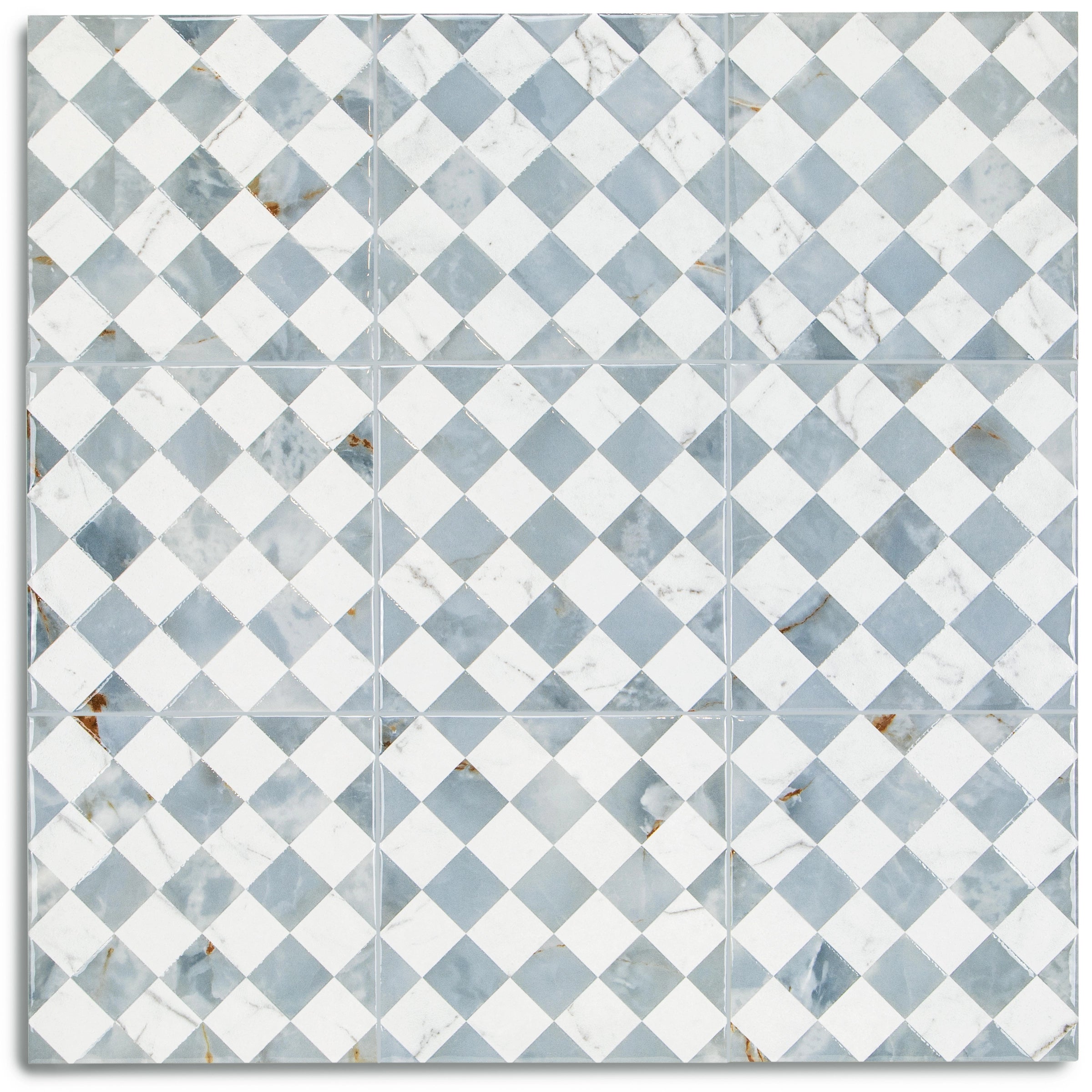
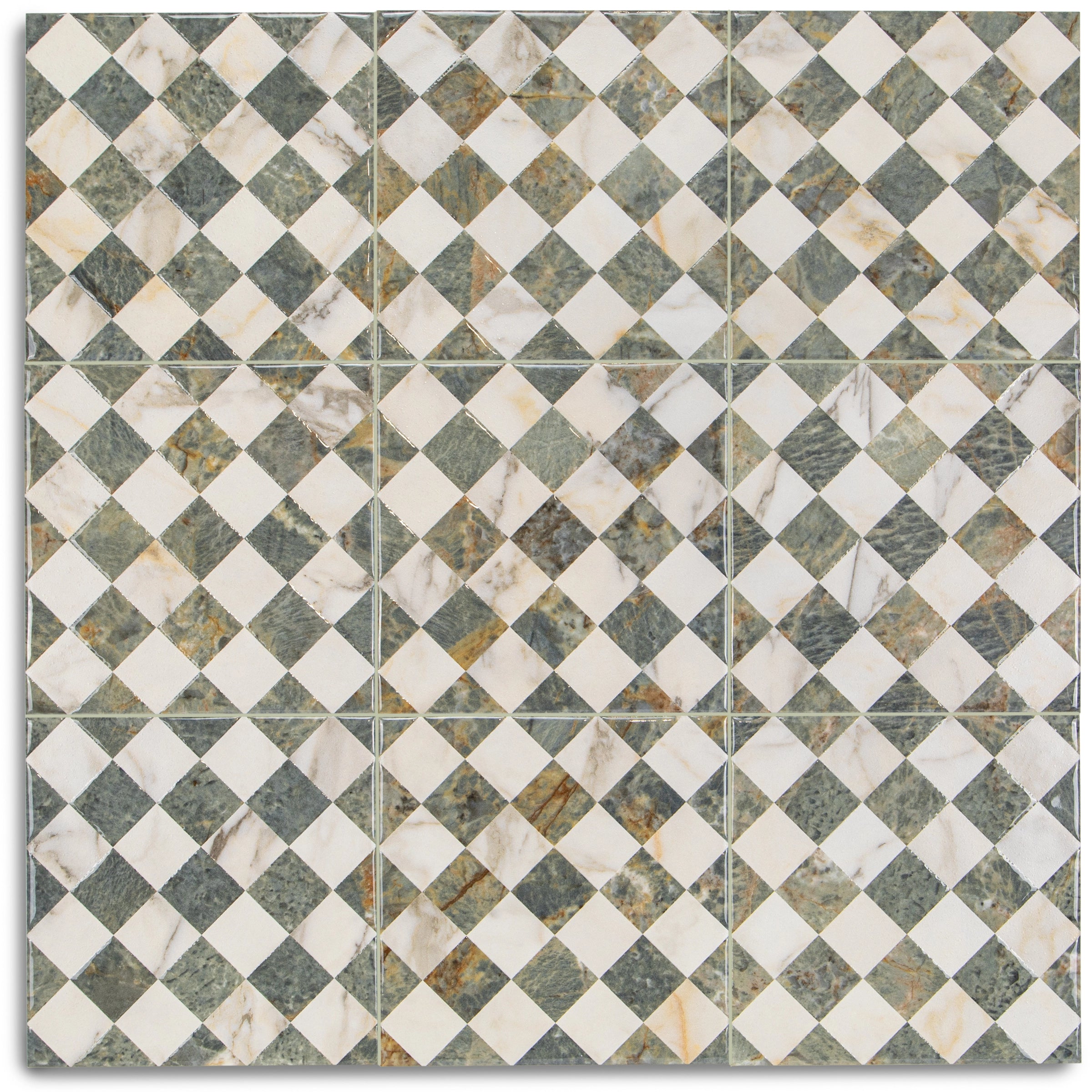


White & Ecru Octagon Zellige Mosaic


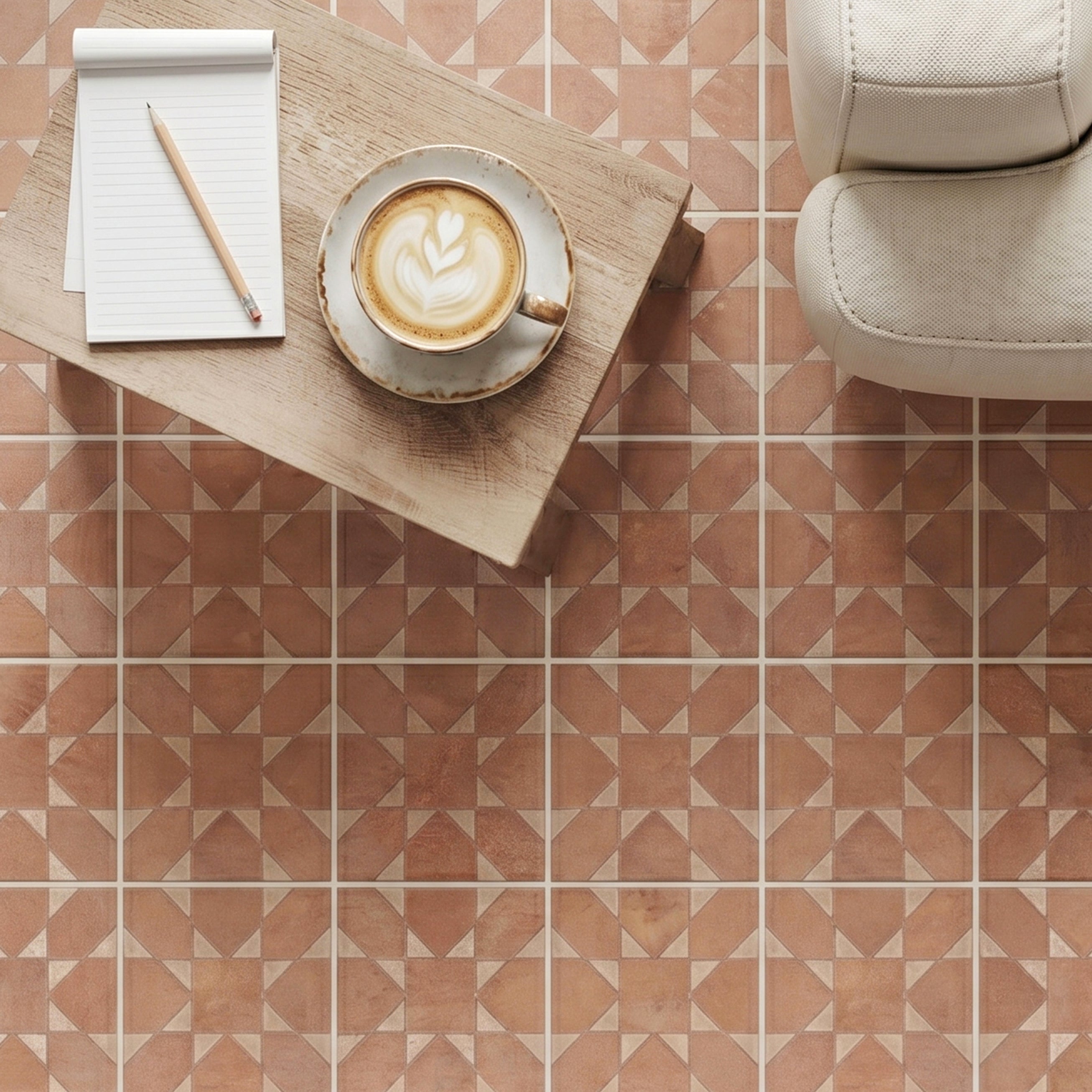
Cotto Deco Terracotta Look Matte Porcelain Tile


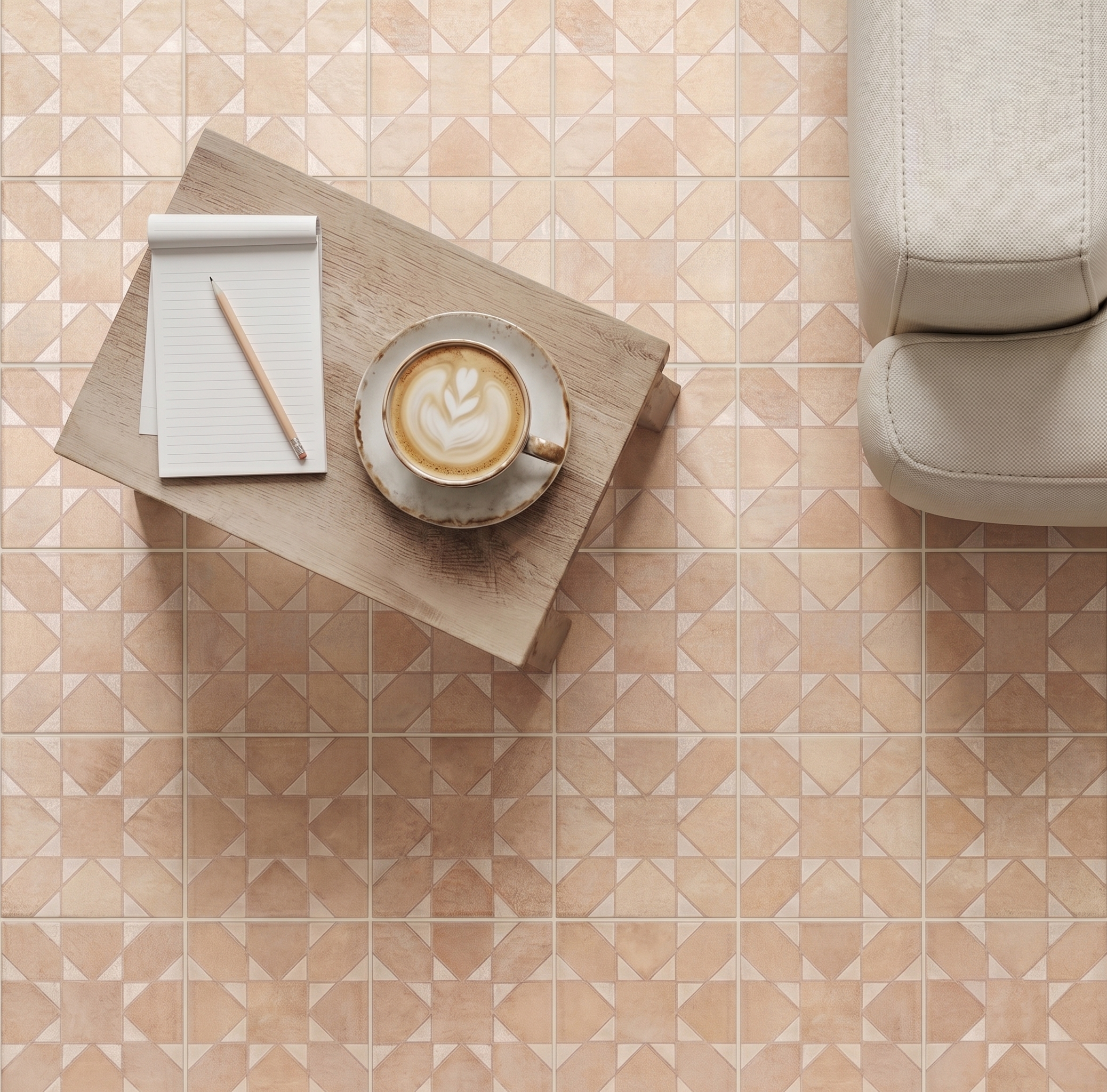
Chiaro Deco Terracotta Look Matte Porcelain Tile


White & Ecru 2x2 Zellige Checkerboard Mosaic




Unglazed & White Octagon Zellige Mosaic
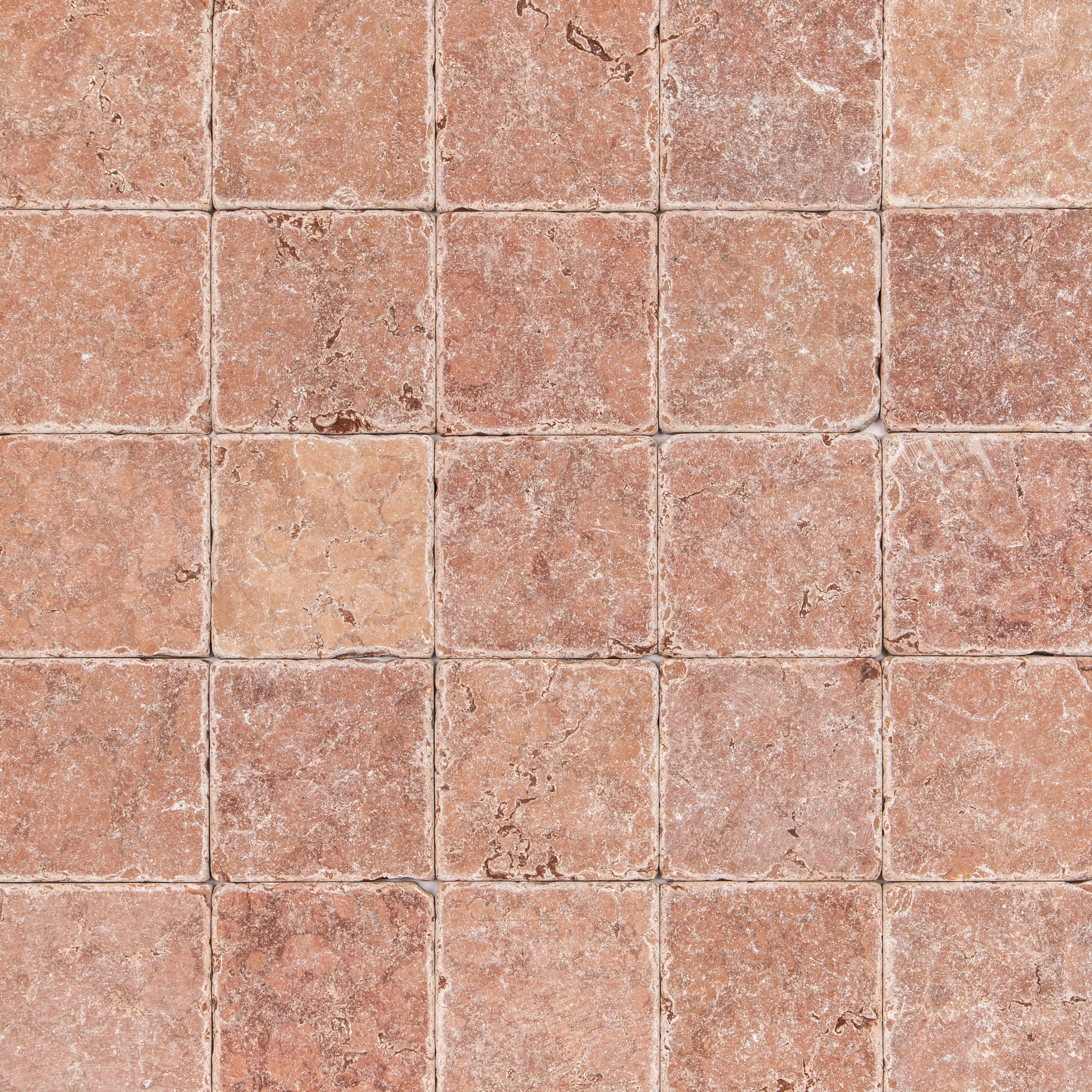
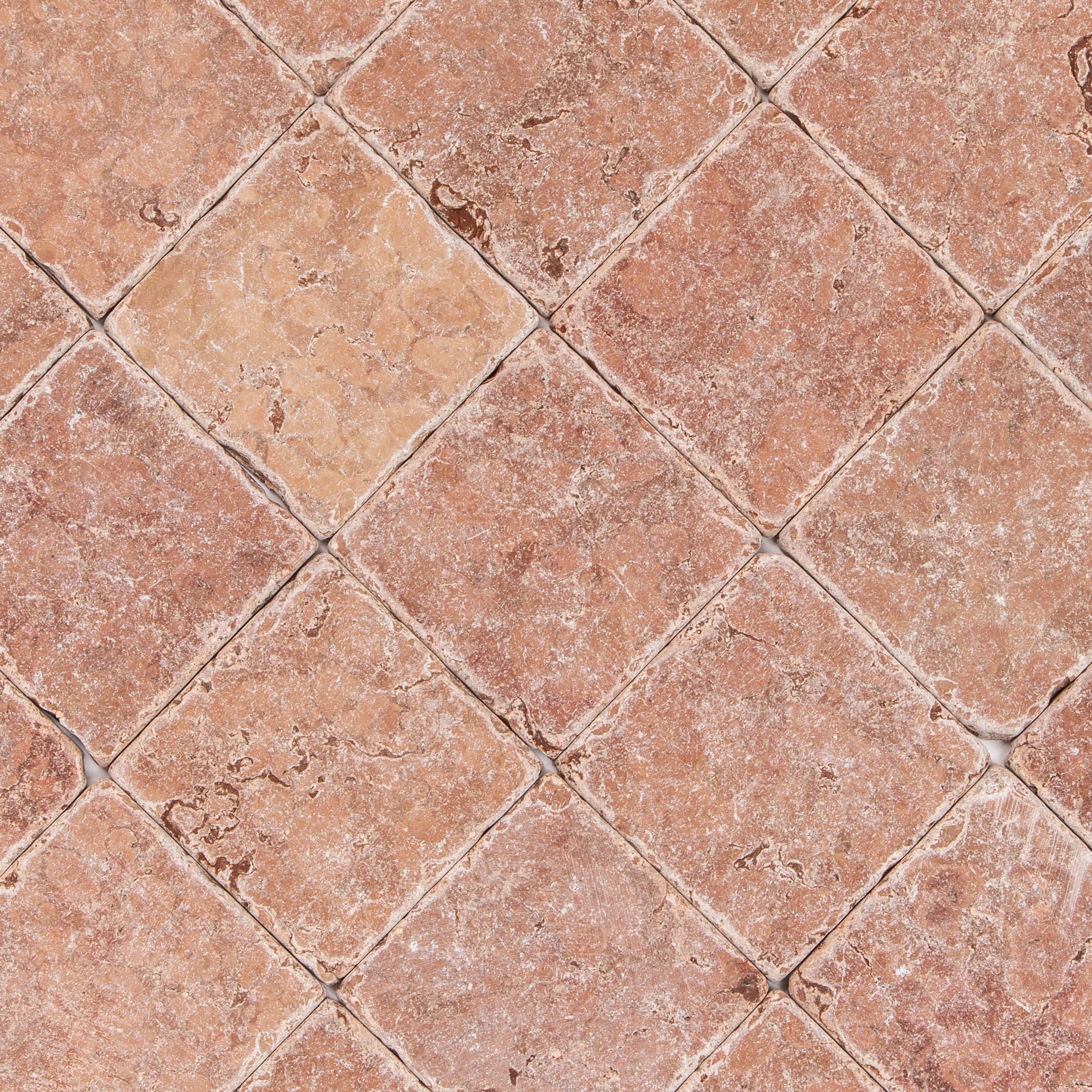
Rosso Verona Tumbled Marble Tile


White & Oxblood 2x2 Zellige Checkerboard Mosaic
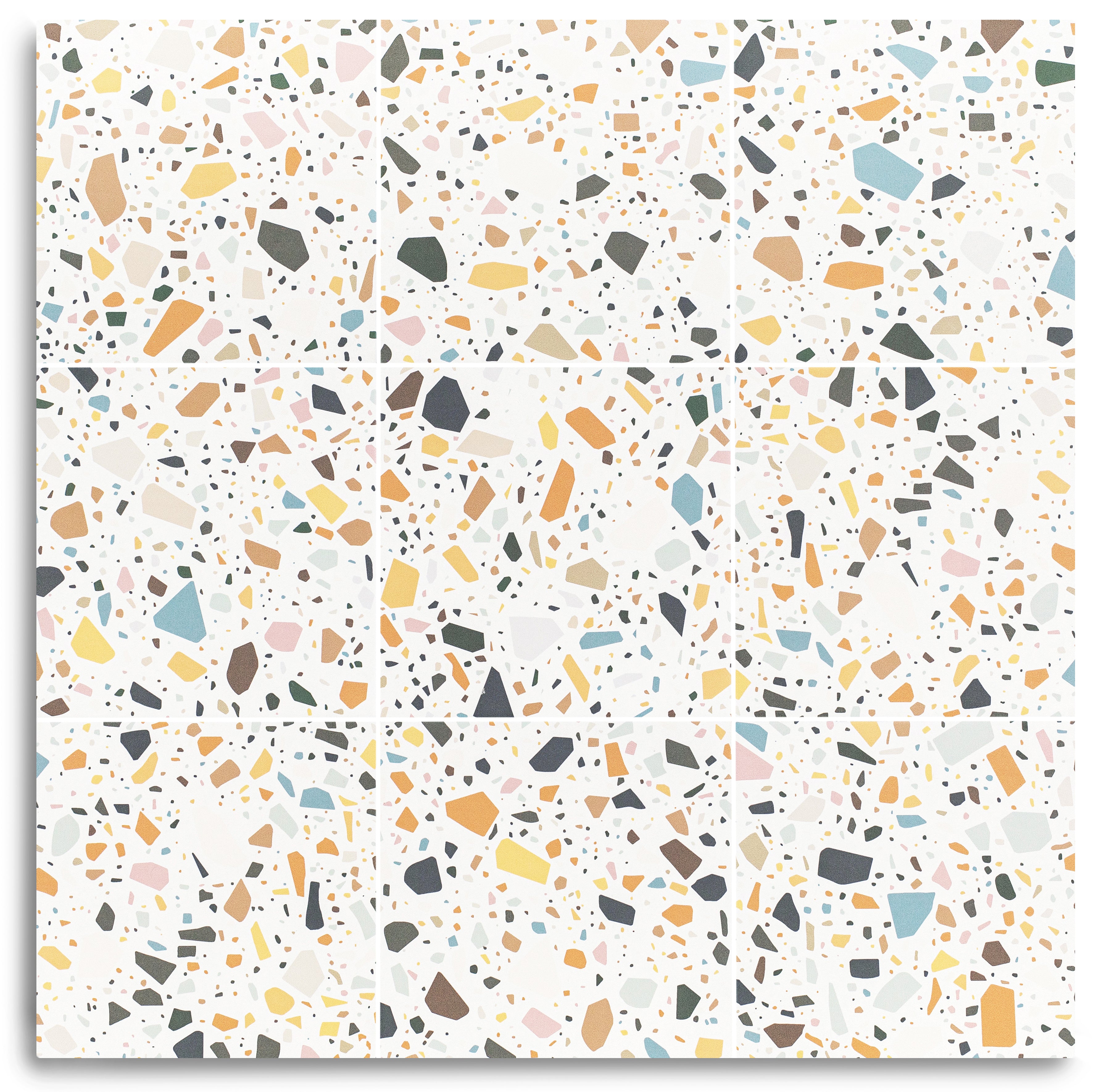

White Multi-Color Matte Porcelain Tile


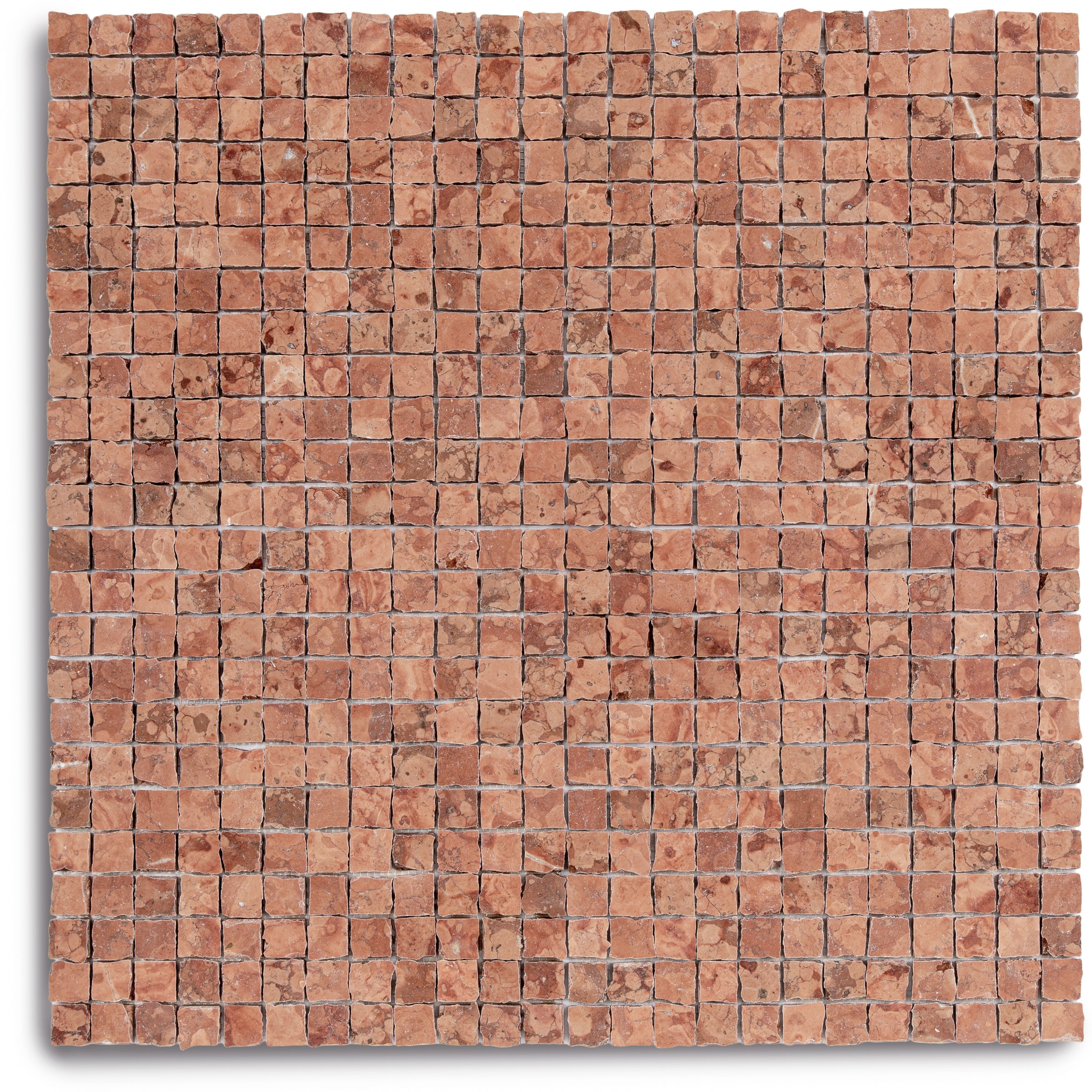
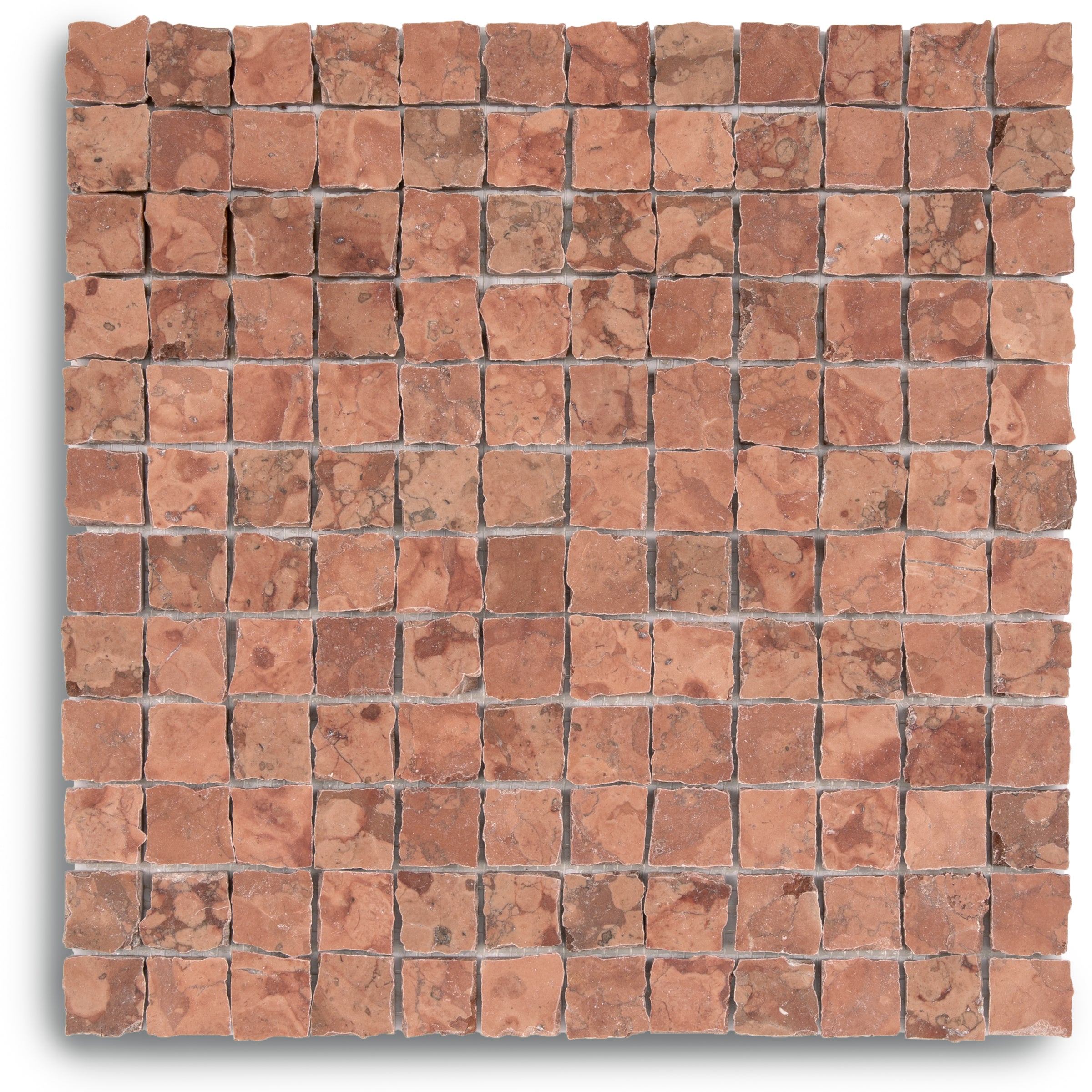
Rosso Verona 1x1 Hand Chipped Marble Mosaic


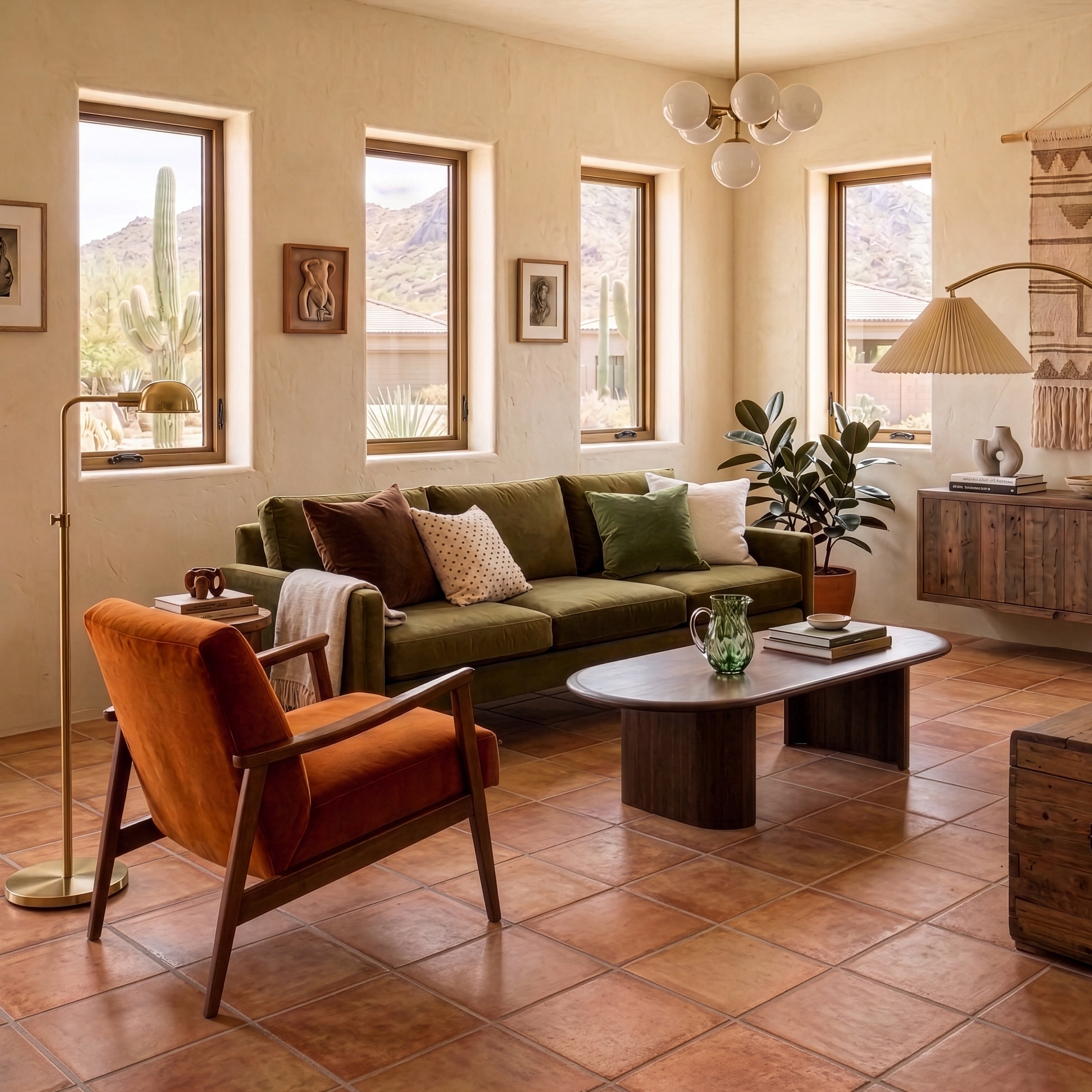
Natura Terracotta Look Matte Porcelain Tile



Cotto 2x2 Forma Porcelain Mosaic

Star & Cross Classic Terracotta Tile

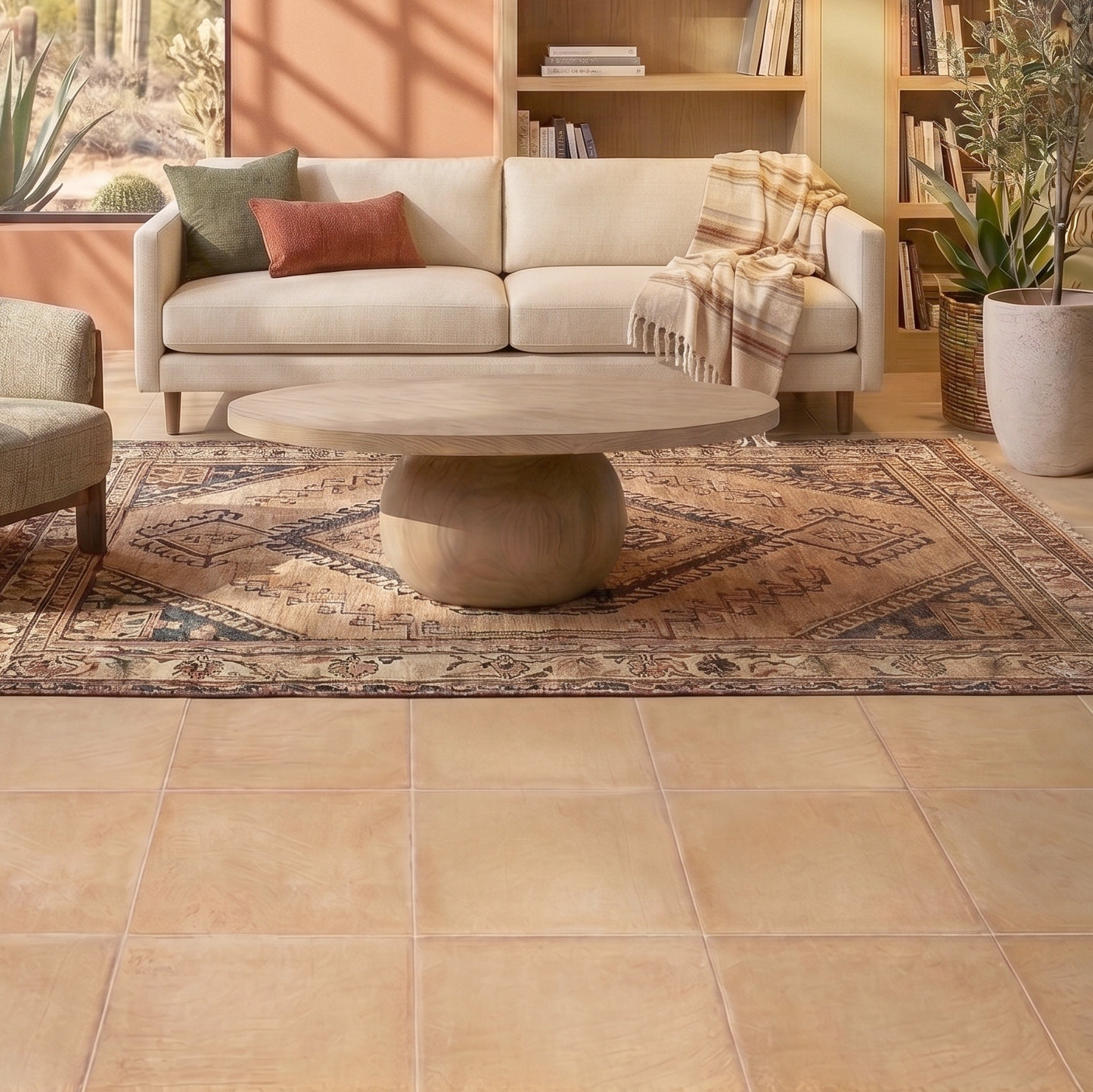
Crema Terracotta Look Matte Porcelain Tile


Cream 2x2 Forma Porcelain Mosaic

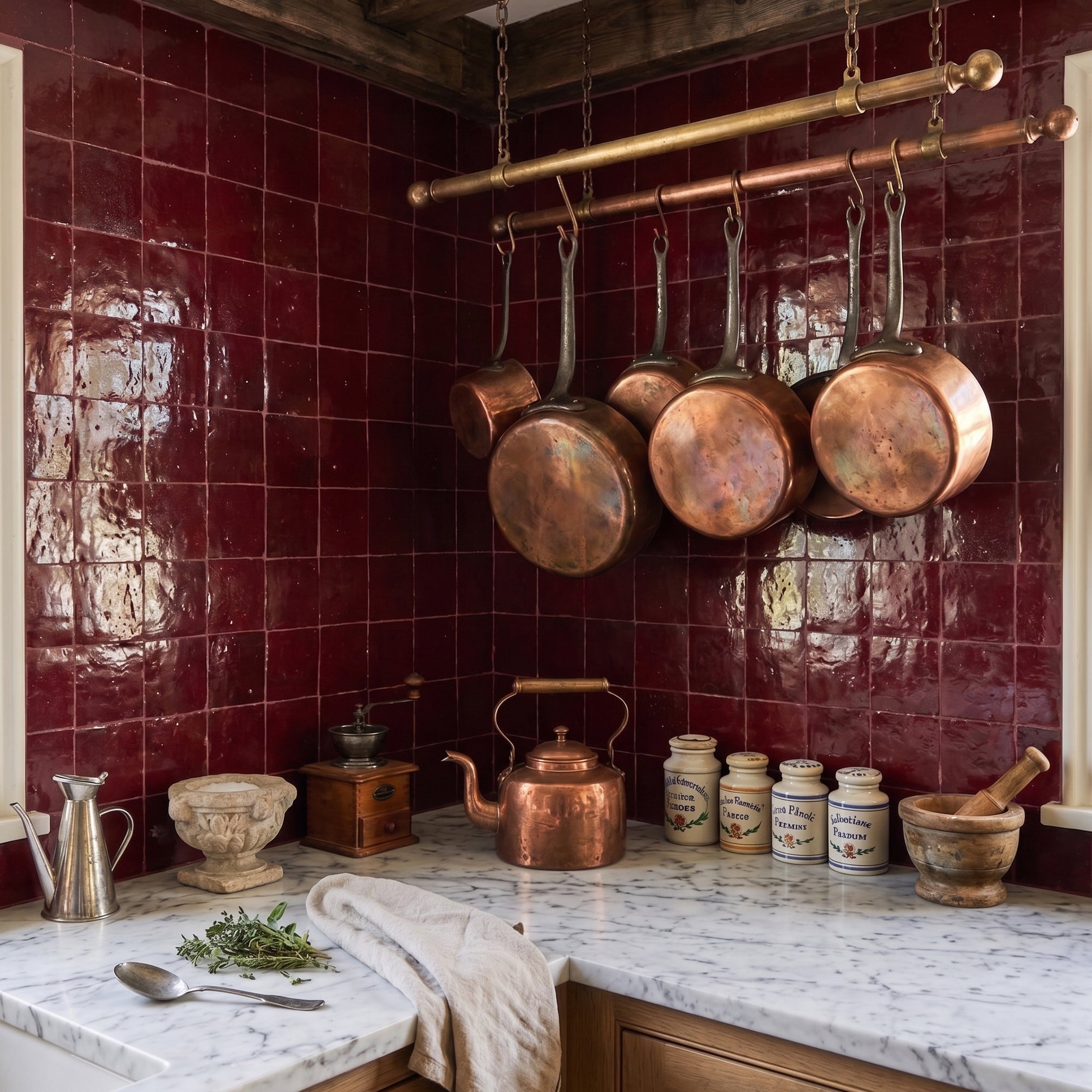


Chocolate 2" Hexagon Textured Terracotta Mosaic
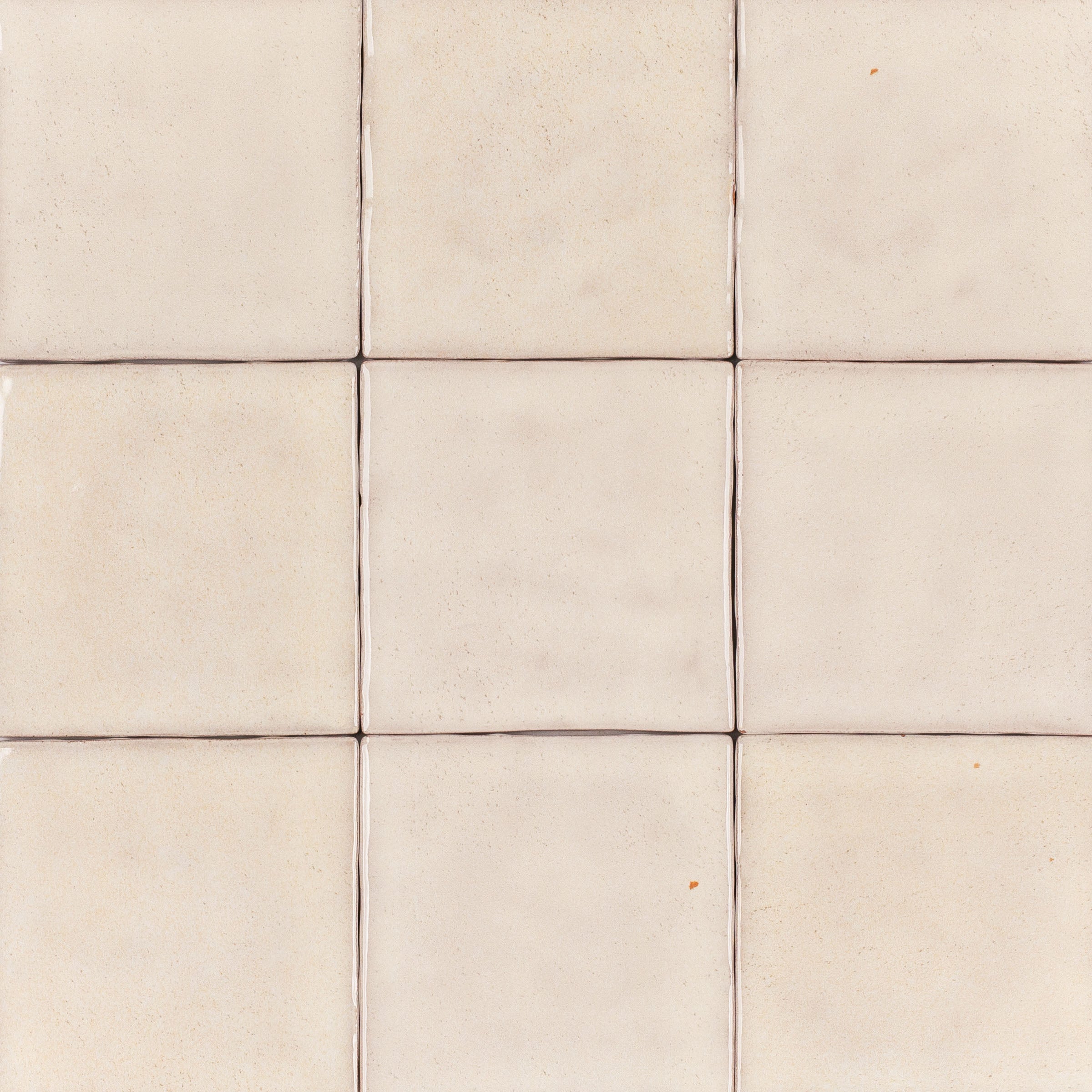

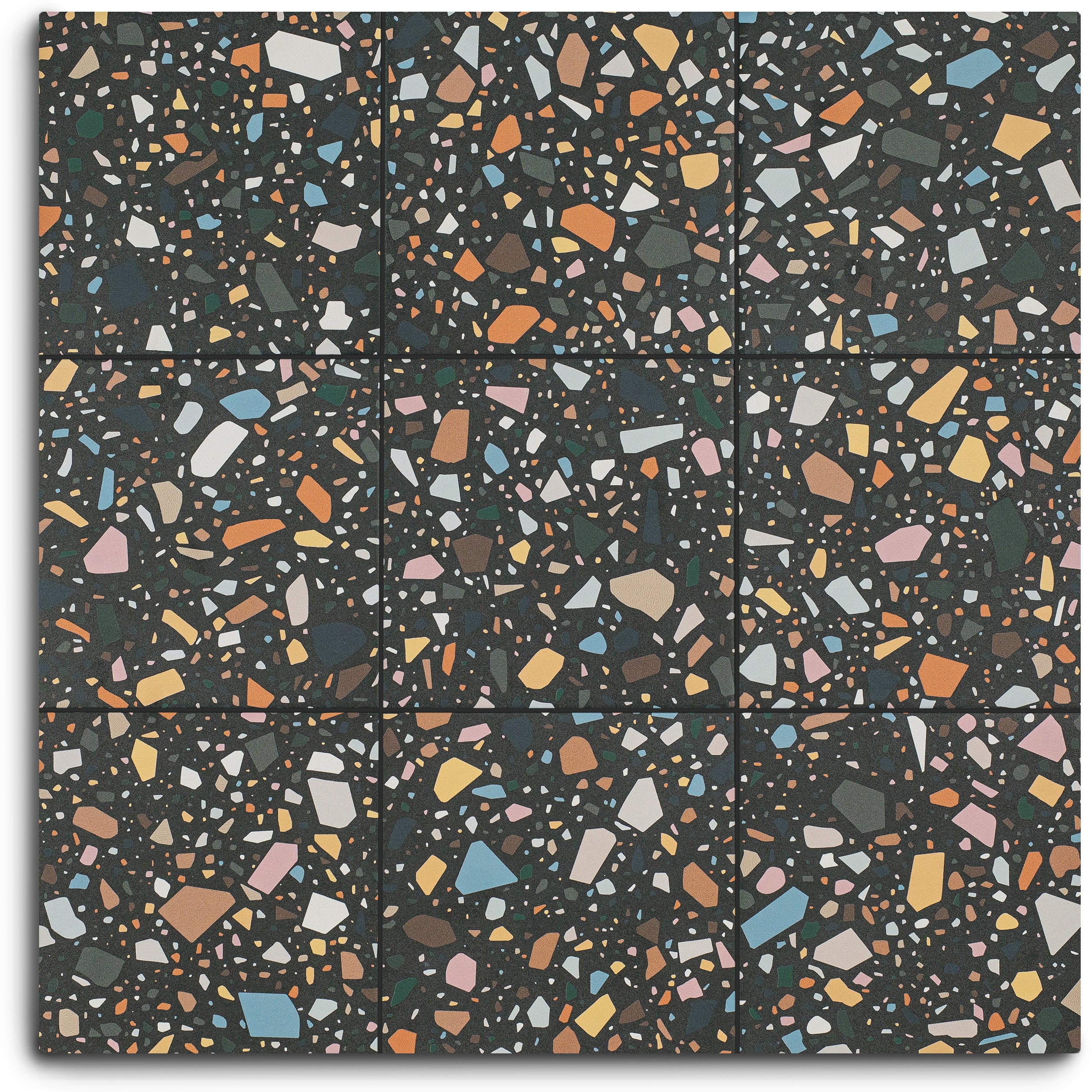

Black Multi-Color Matte Porcelain Tile
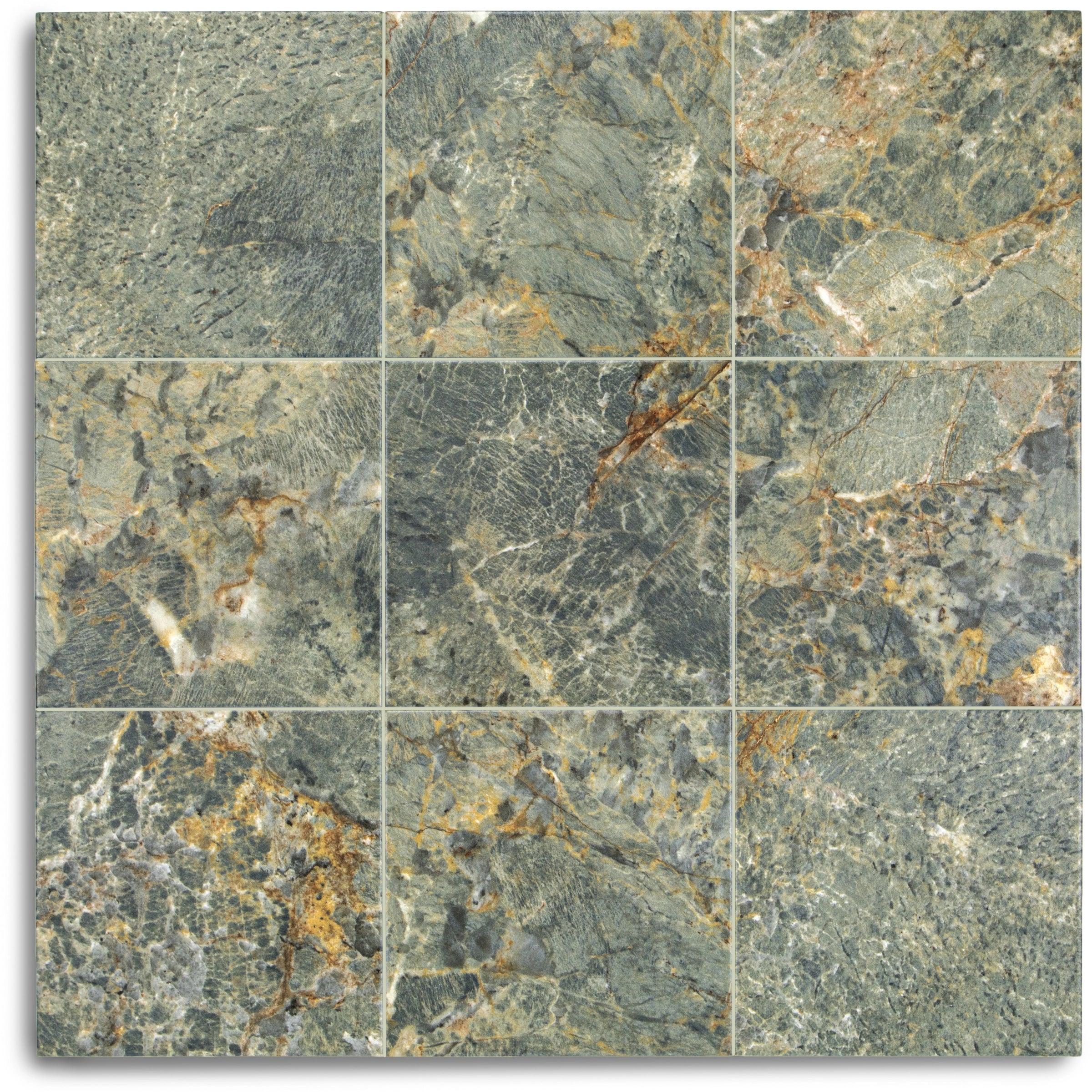
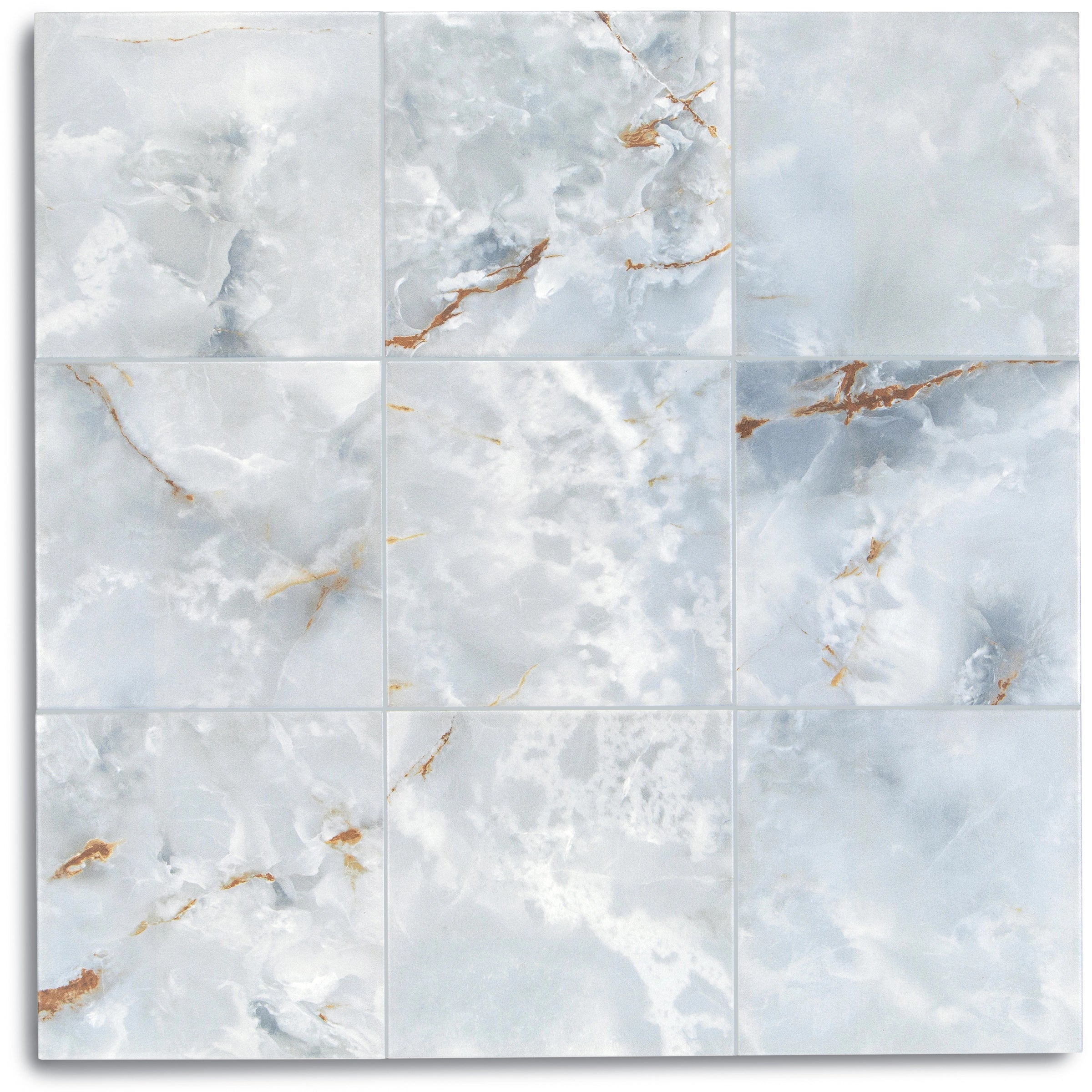


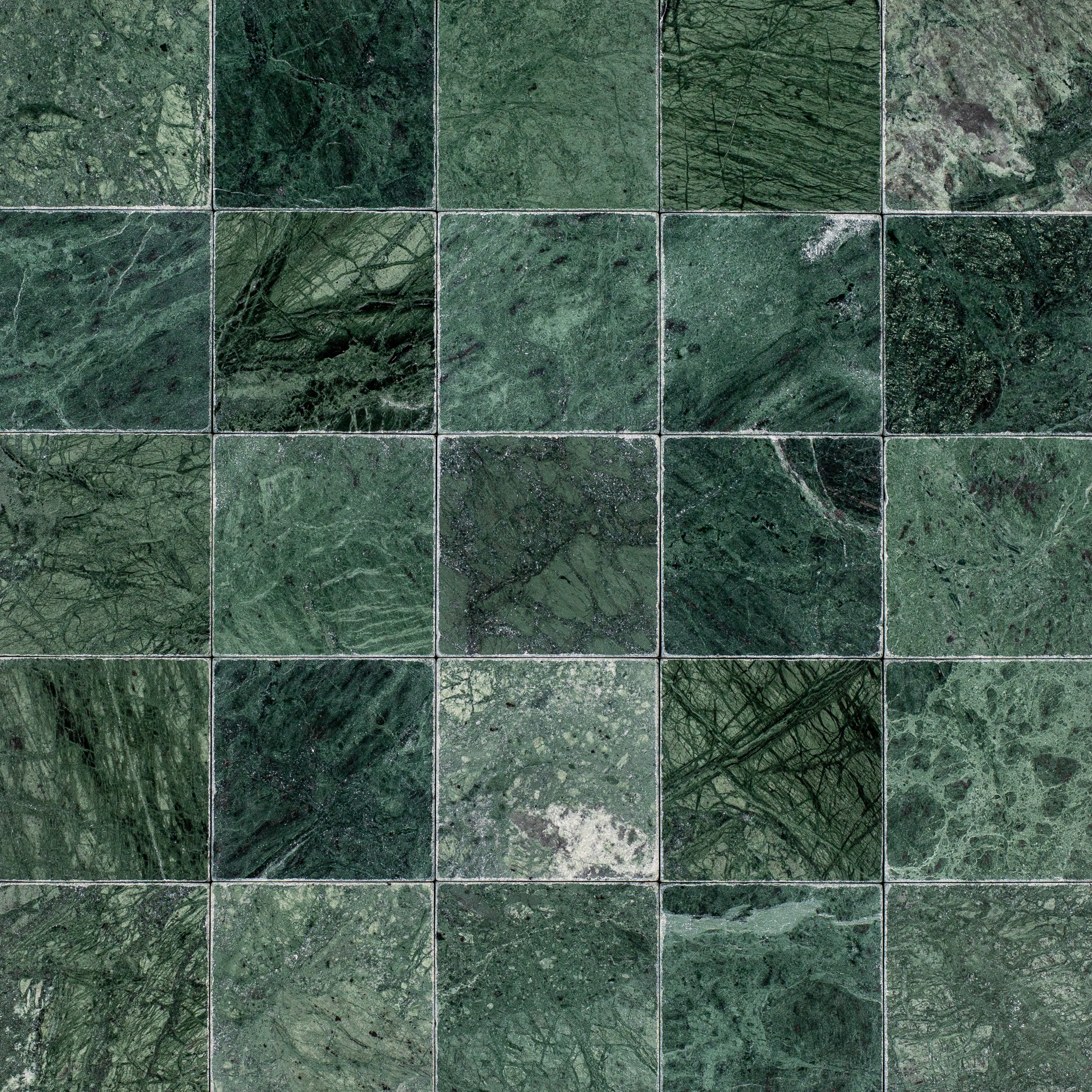
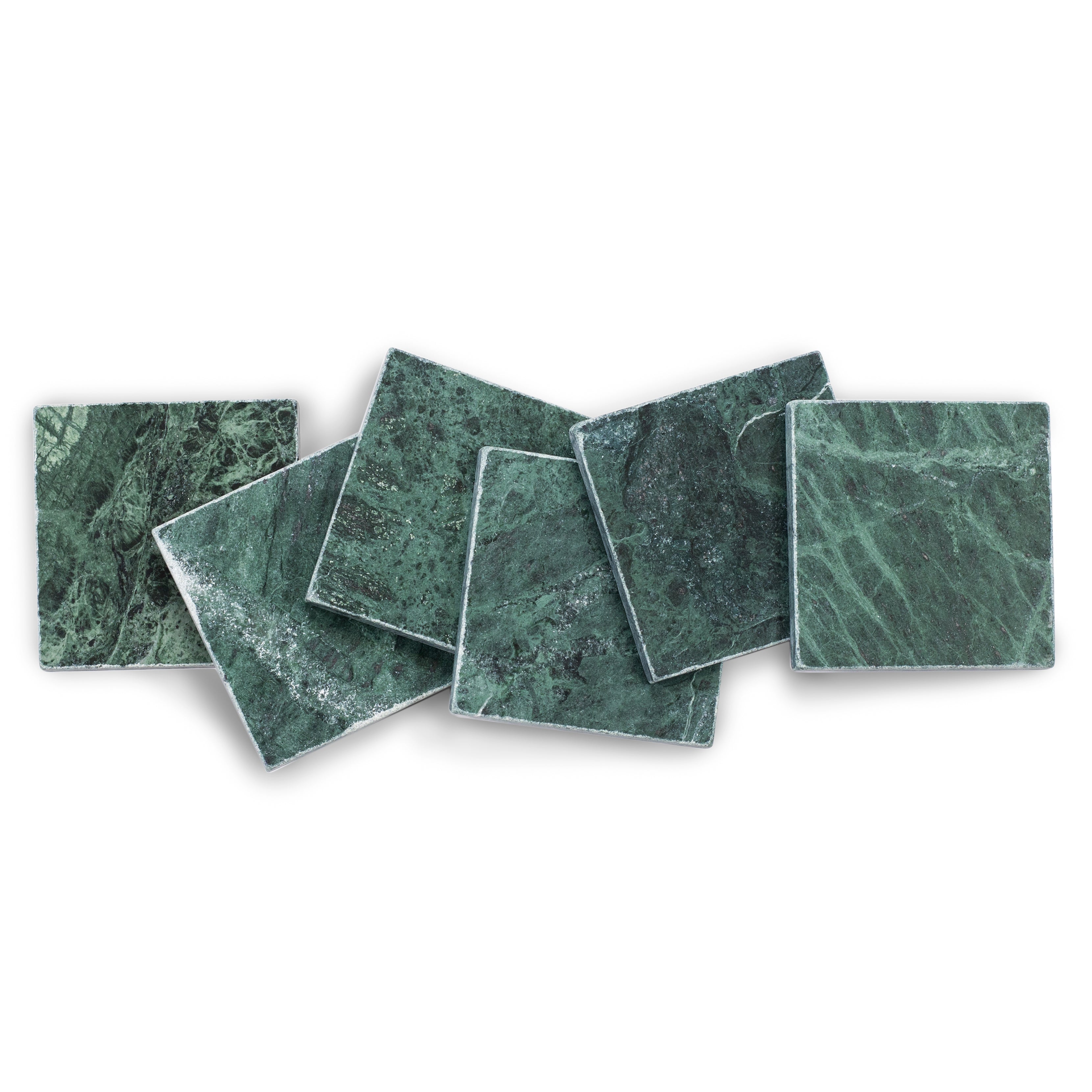
Verde Guatemala Tumbled Marble Tile


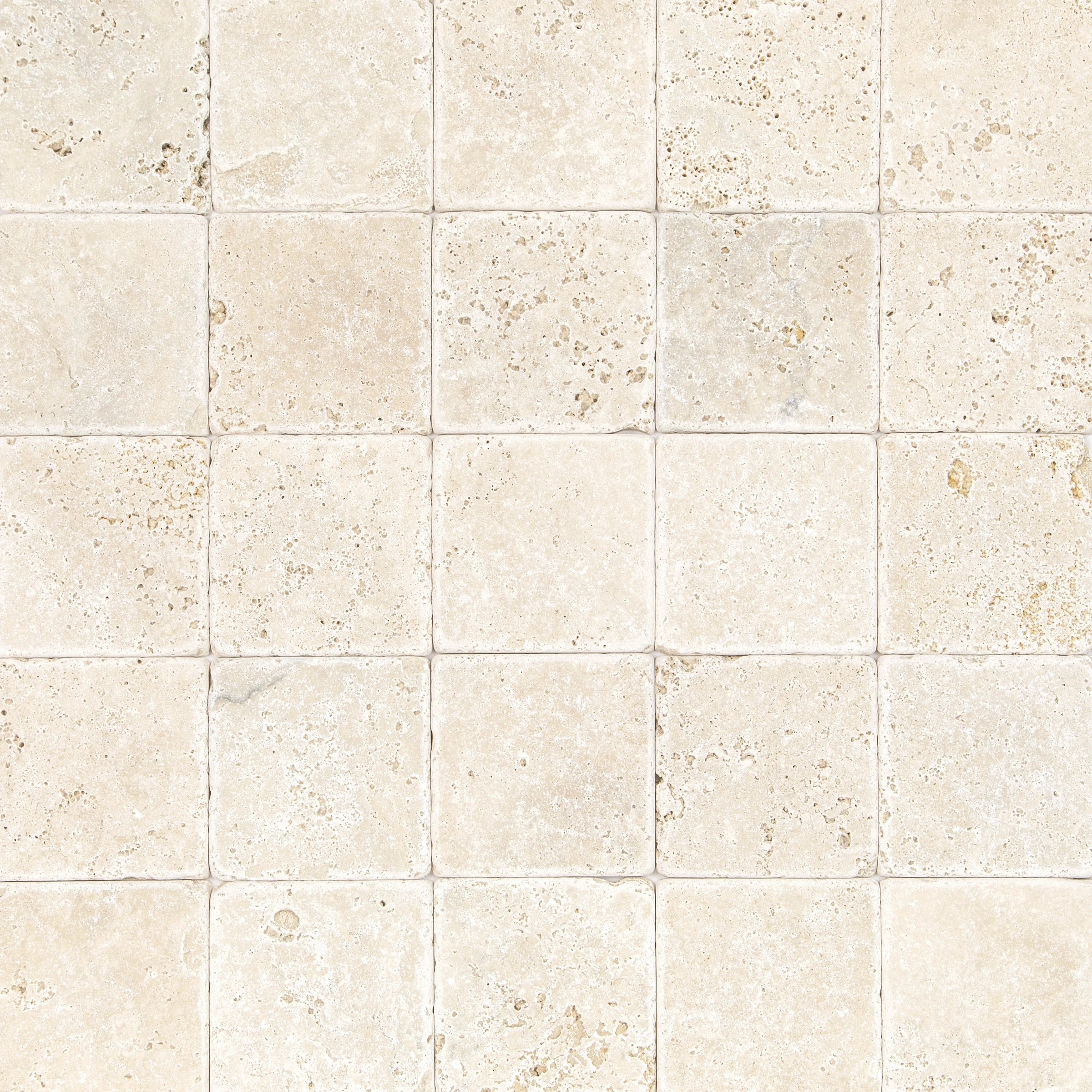
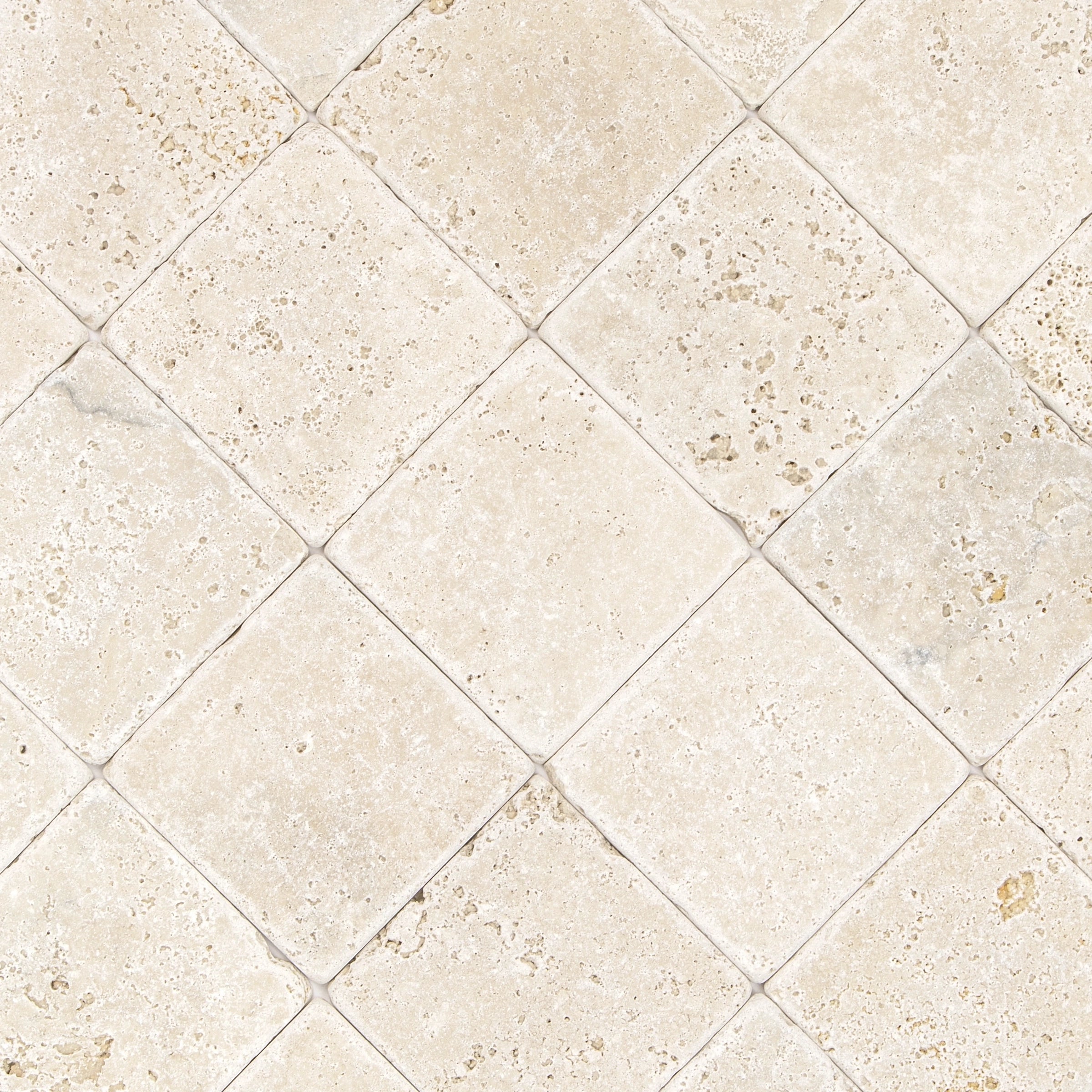
Travertino Chiaro Tumbled Stone Tile





Classic Square Textured Terracotta Tile


White & Ecru Octagon Zellige Mosaic
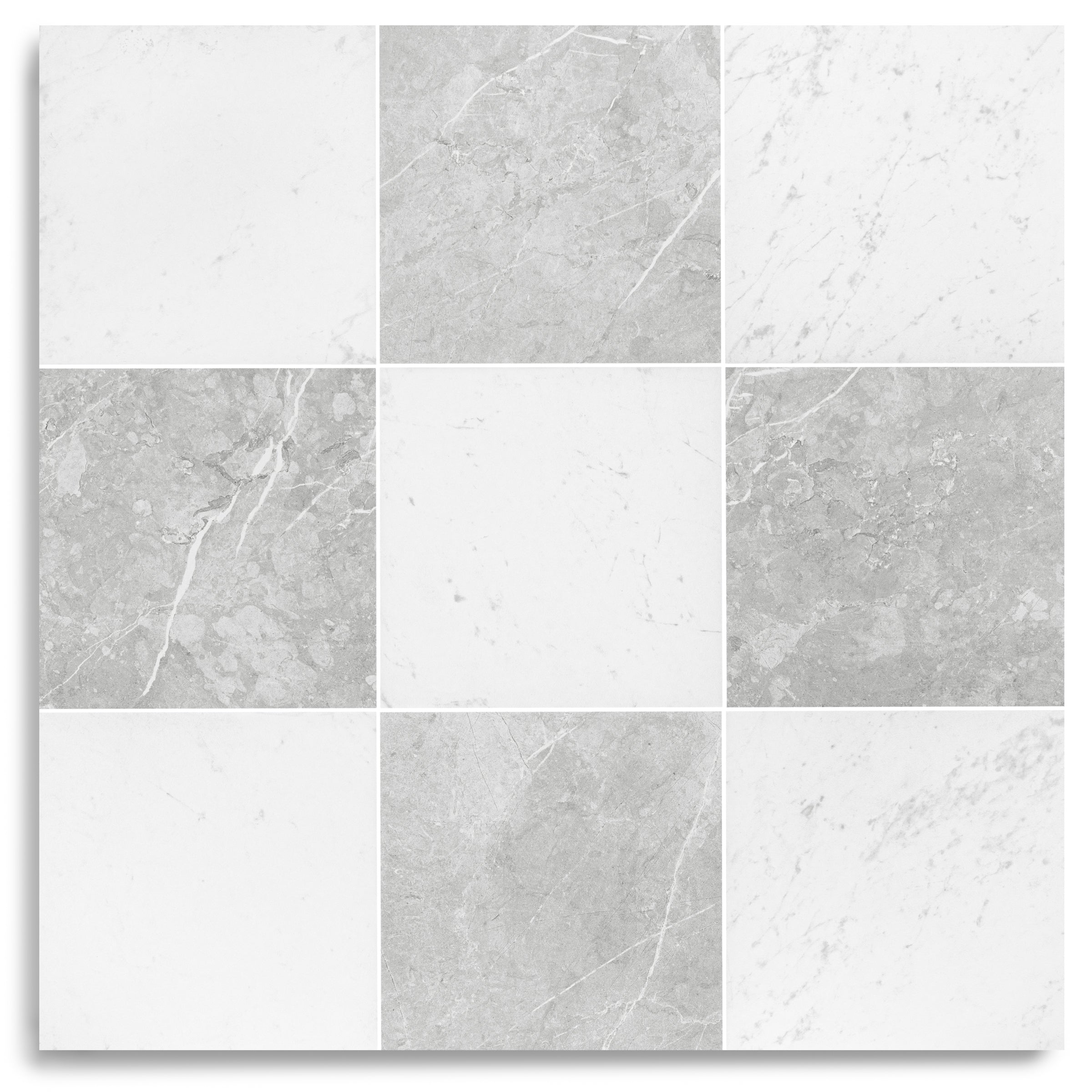
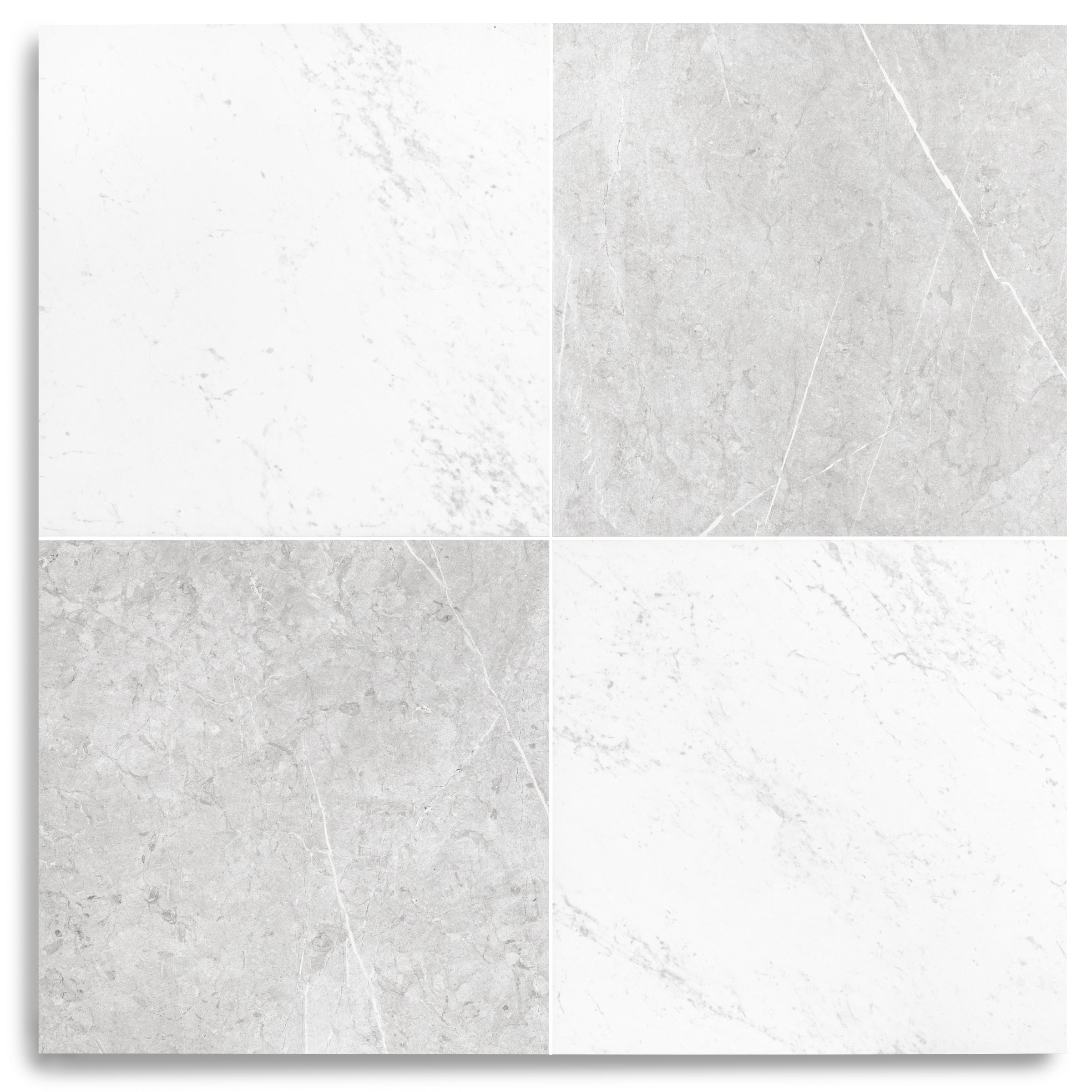


Cotto Deco Terracotta Look Matte Porcelain Tile
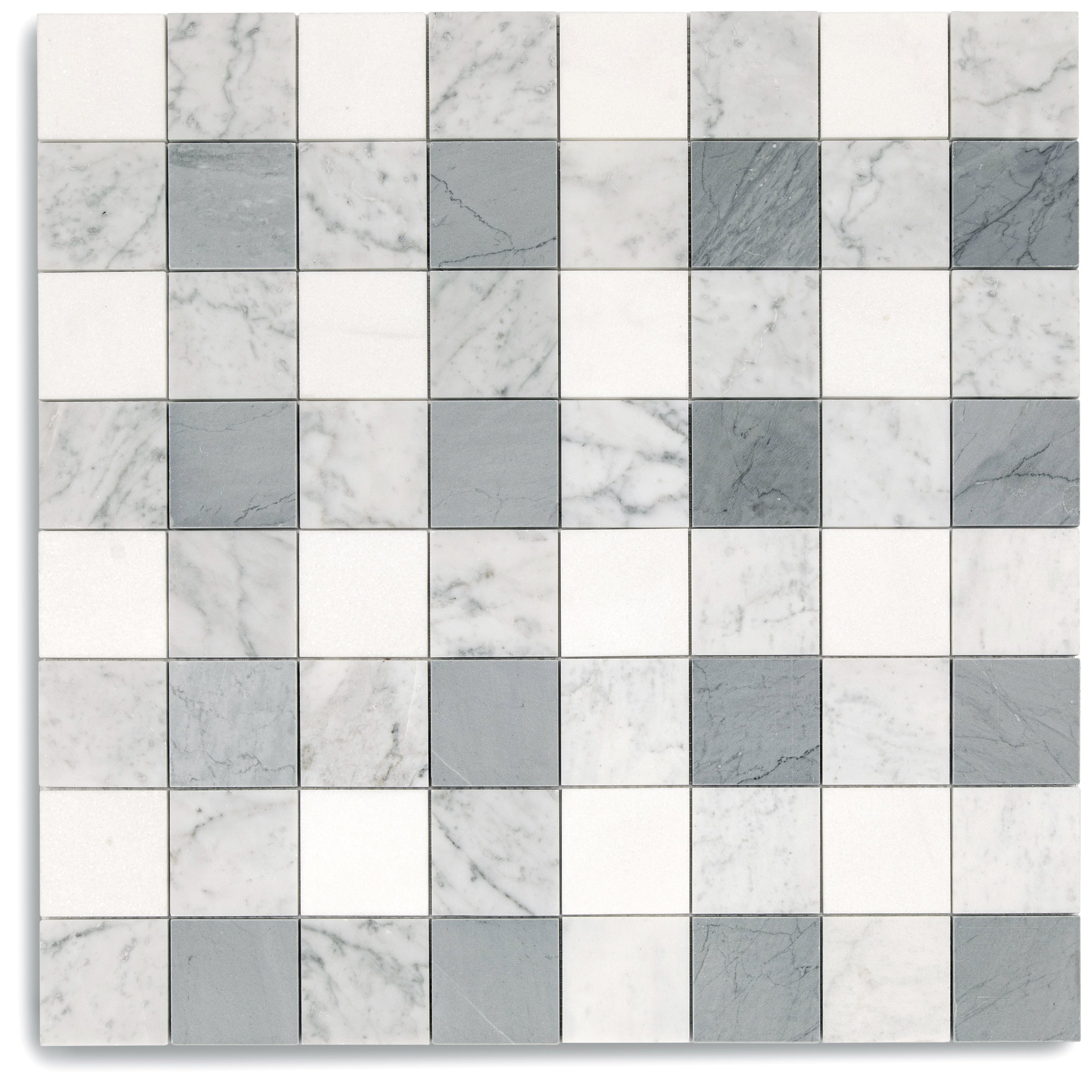
Thassos, Carrara, Bardiglio Gingham Marble Mosaic
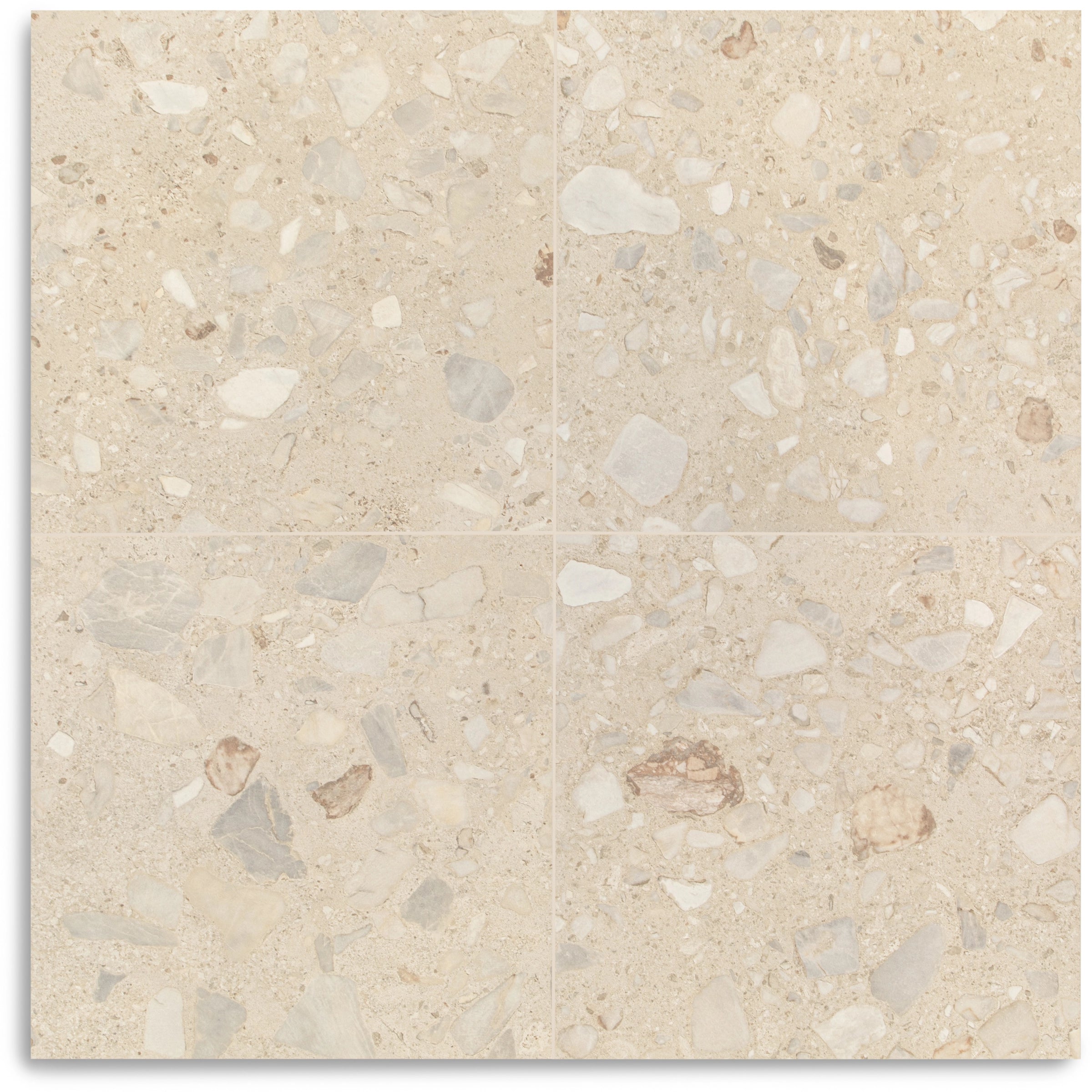
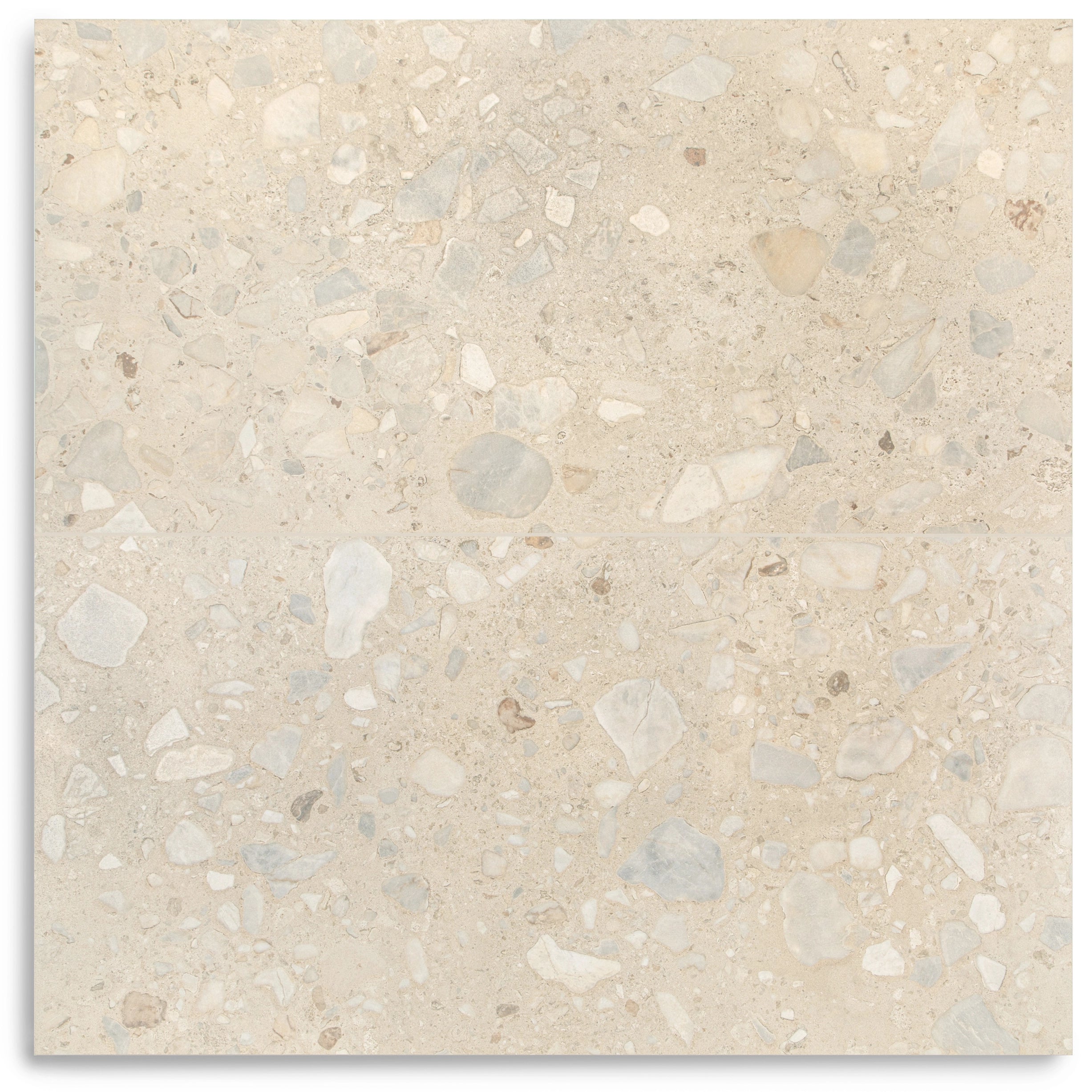


Chiaro Deco Terracotta Look Matte Porcelain Tile
White & Ecru 2x2 Zellige Checkerboard Mosaic
Unglazed & White Octagon Zellige Mosaic
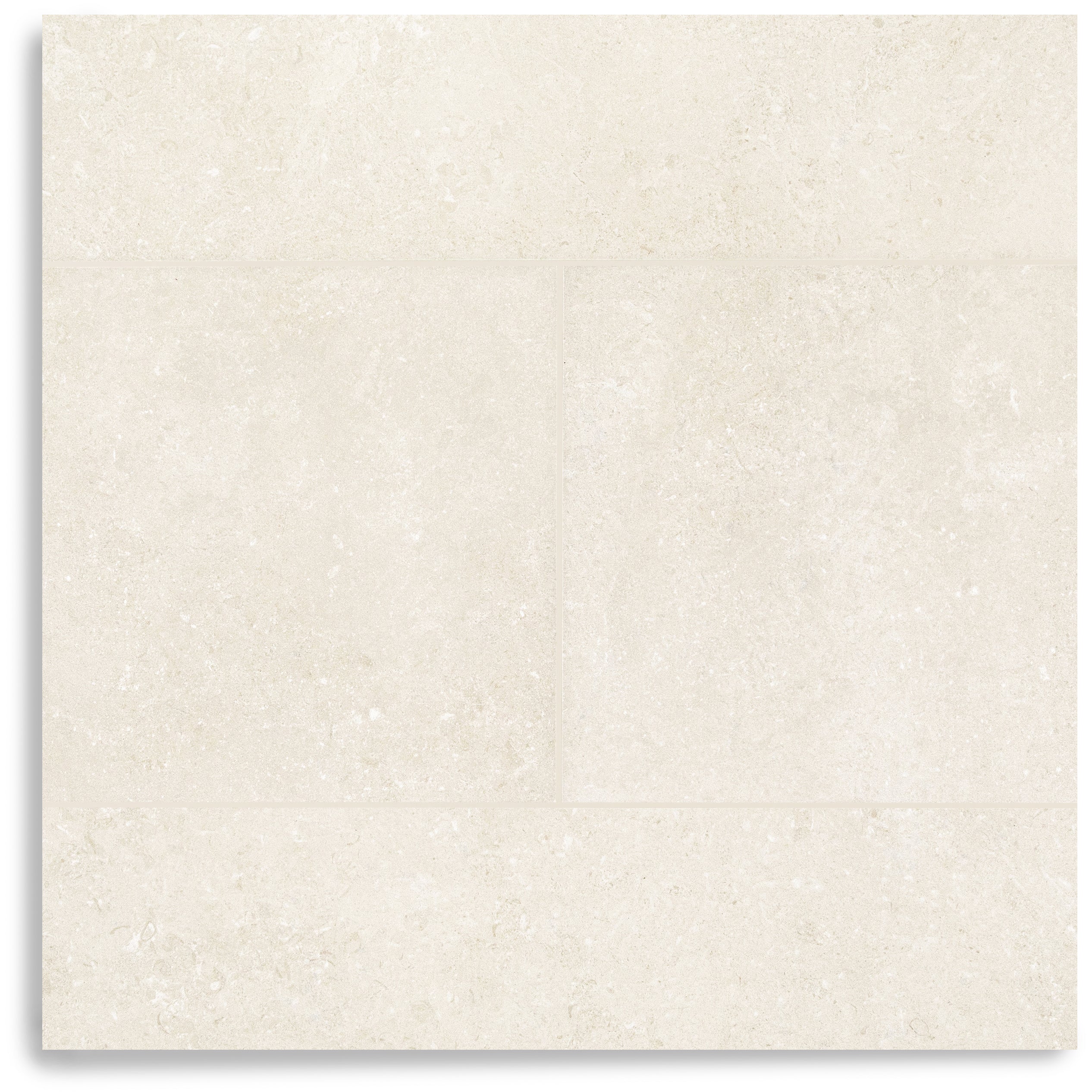
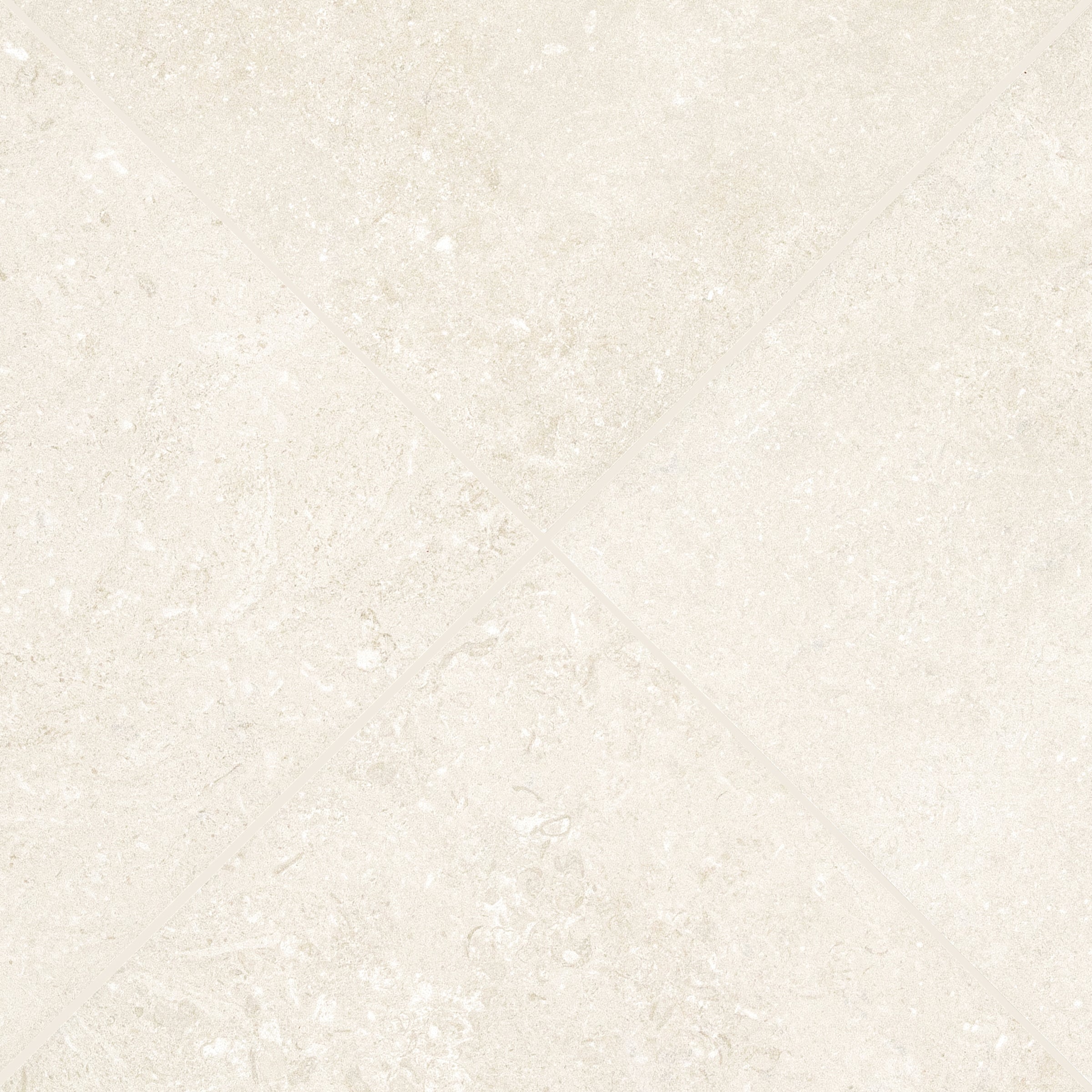
Cream Limestone Look 3D Matte Porcelain Tile

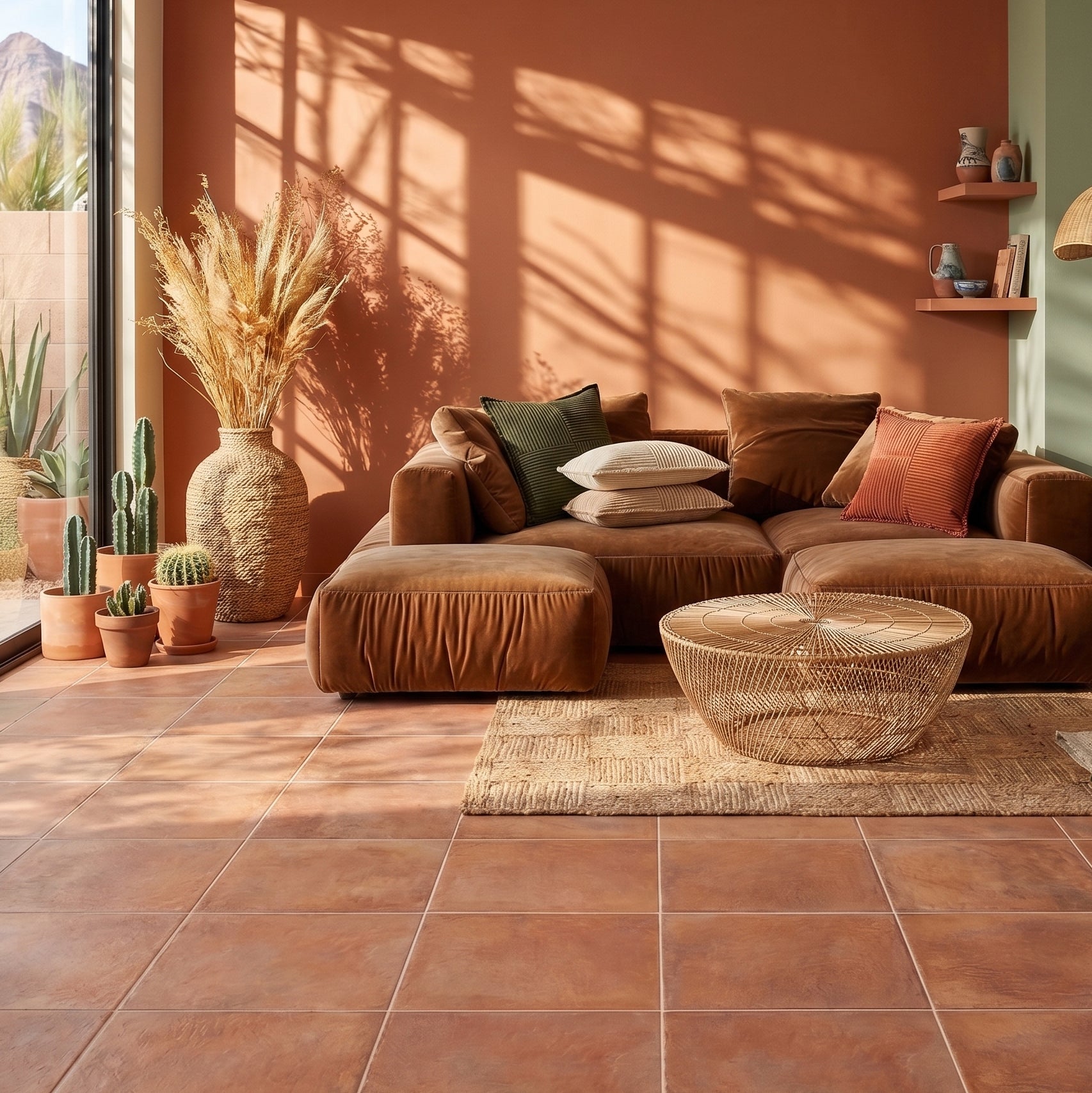
Cotto Terracotta Look Matte Porcelain Tile


White & Black Octagon Zellige Mosaic


Murano Honed Italian Terrazzo Tile


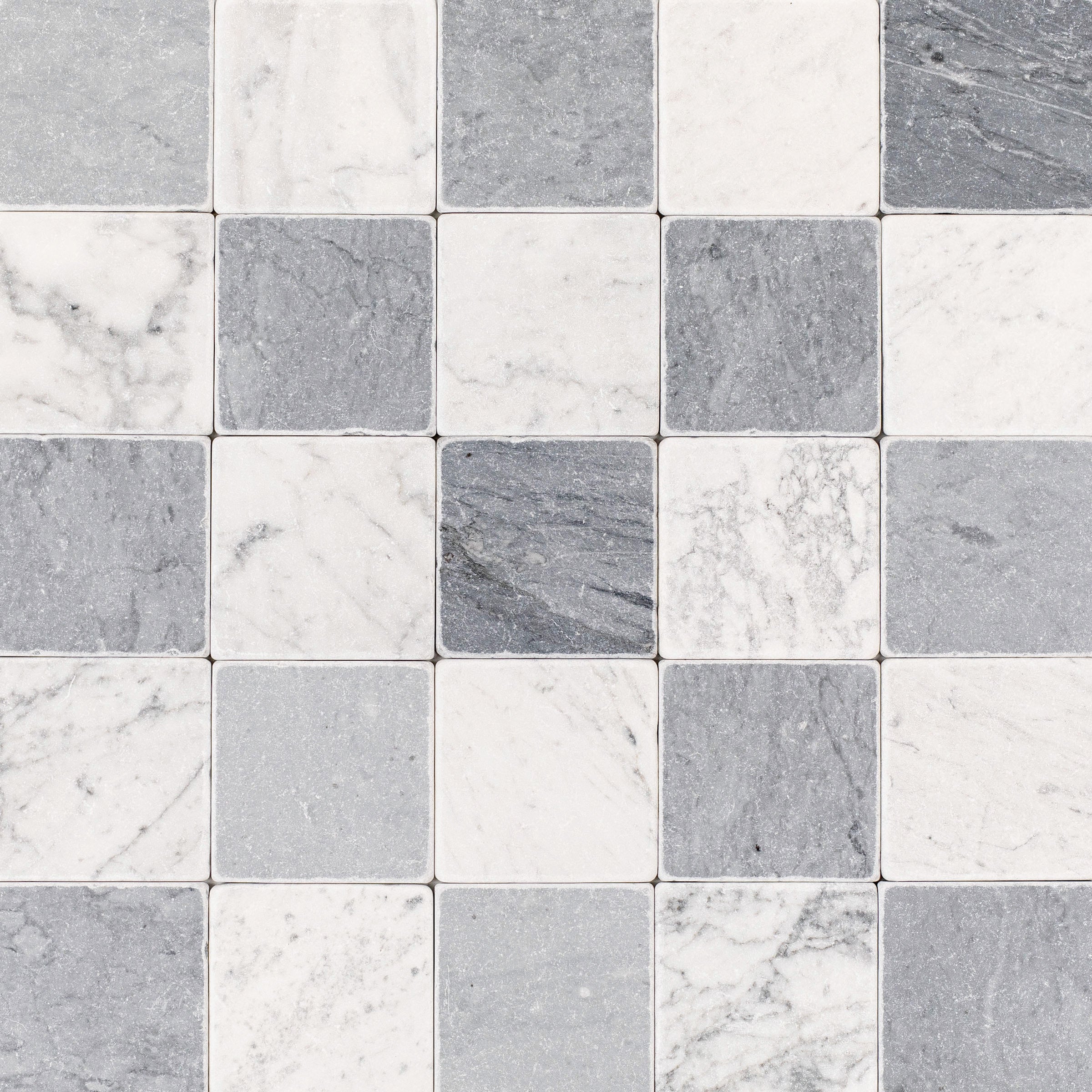
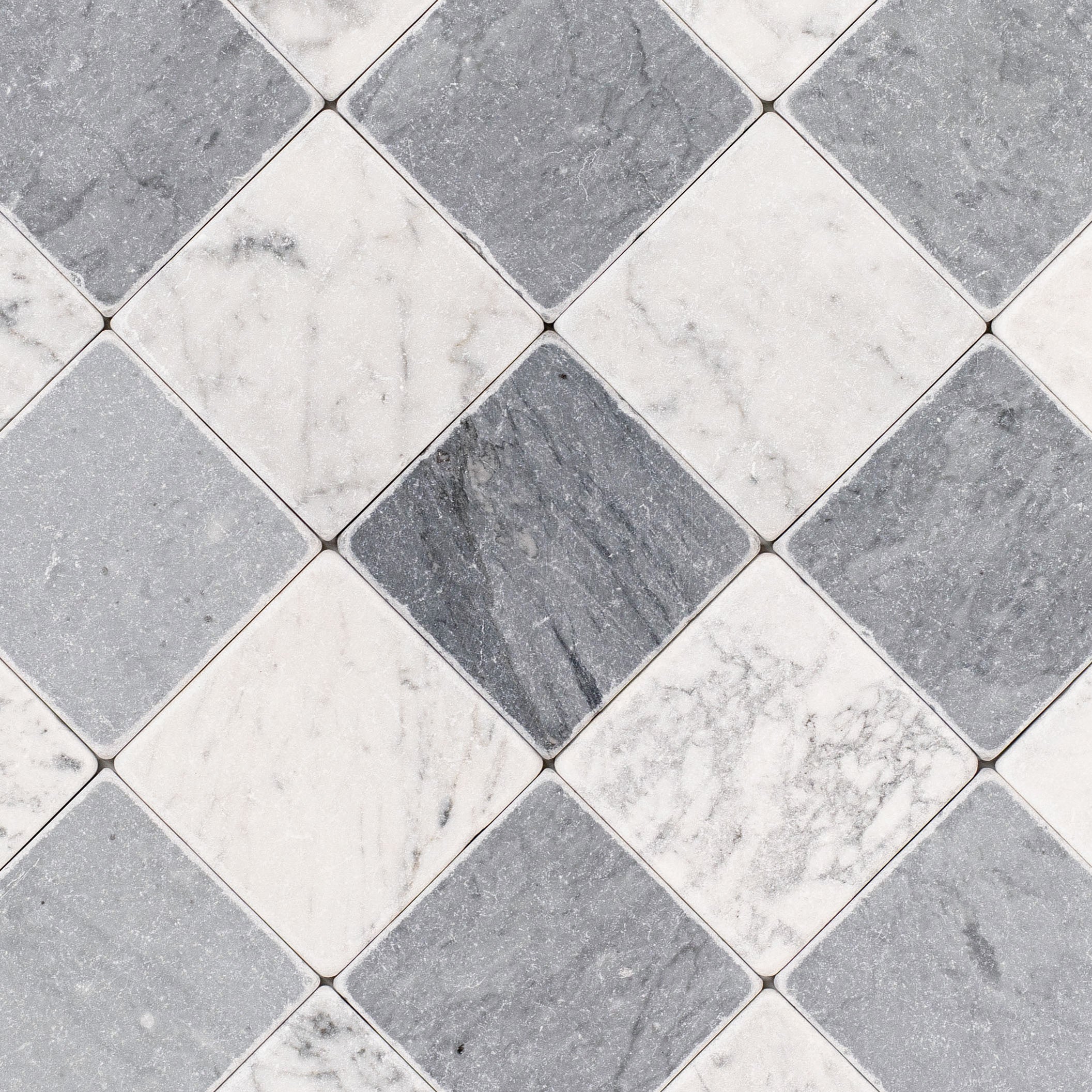
Carrara Bardiglio Tumbled Stone Checkerboard
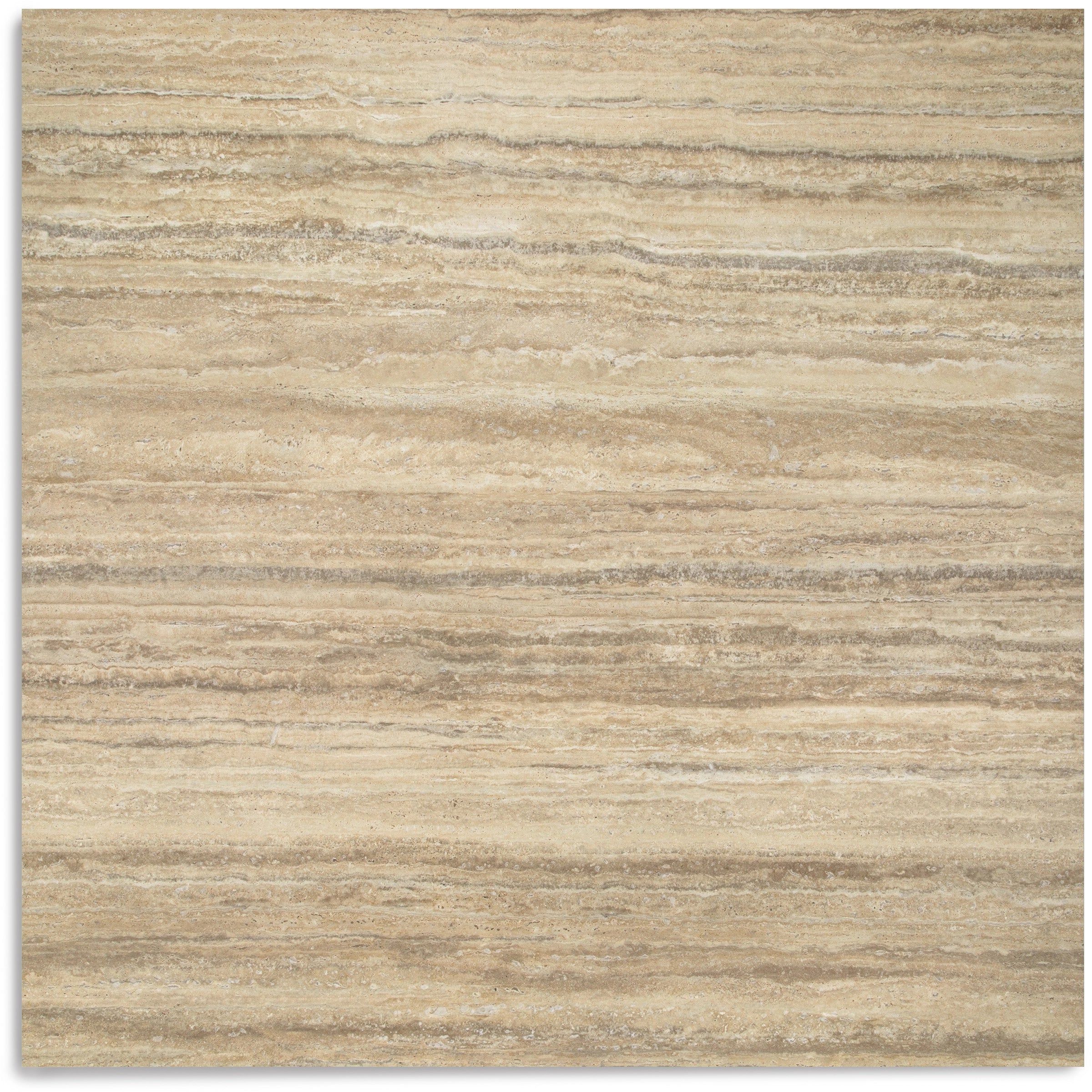
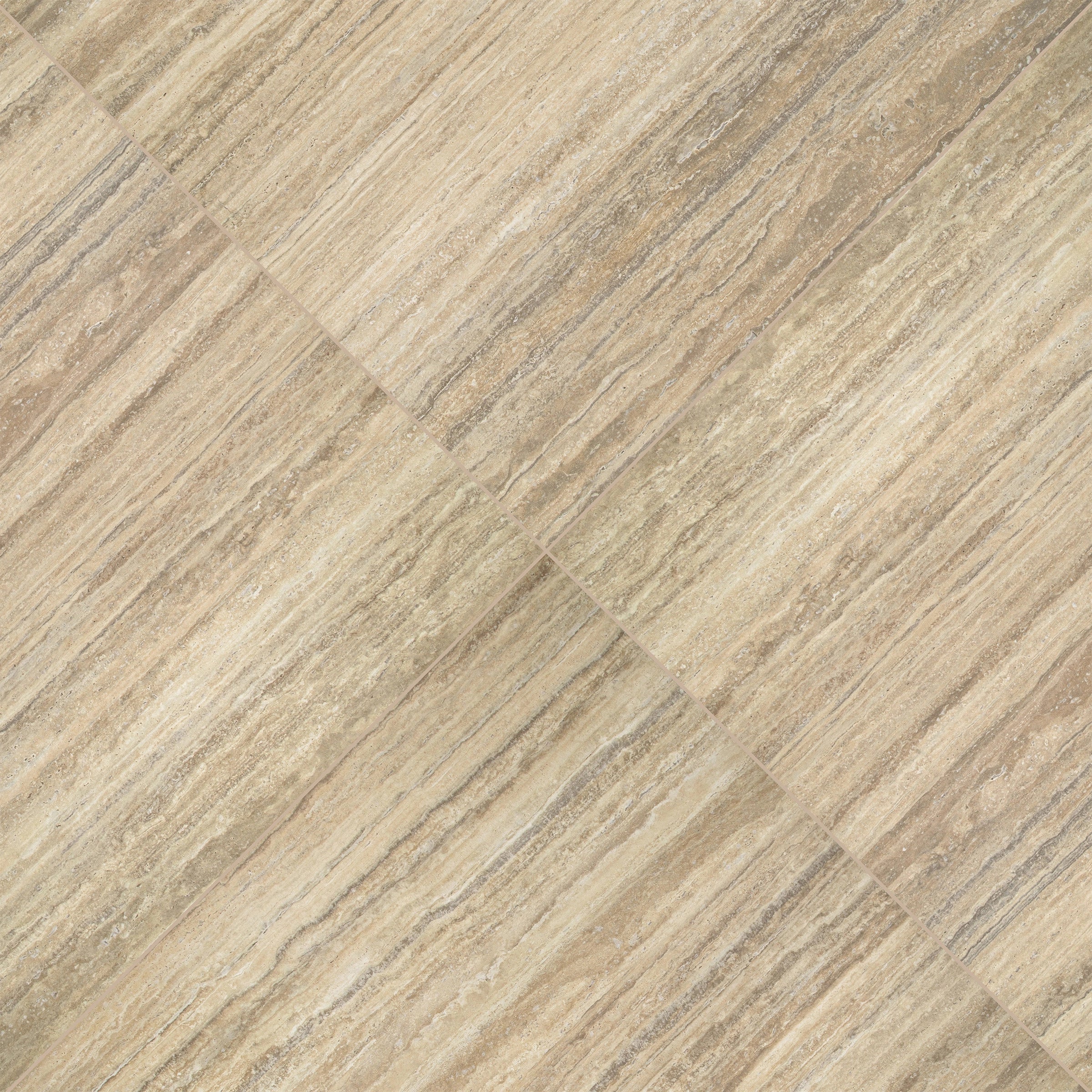
Travertino Moka Stone Look Porcelain Tile


Apple 12x24 3D Glossy Porcelain Tile
White & Oxblood 2x2 Zellige Checkerboard Mosaic
White Multi-Color Matte Porcelain Tile
Rosso Verona Tumbled Marble Tile
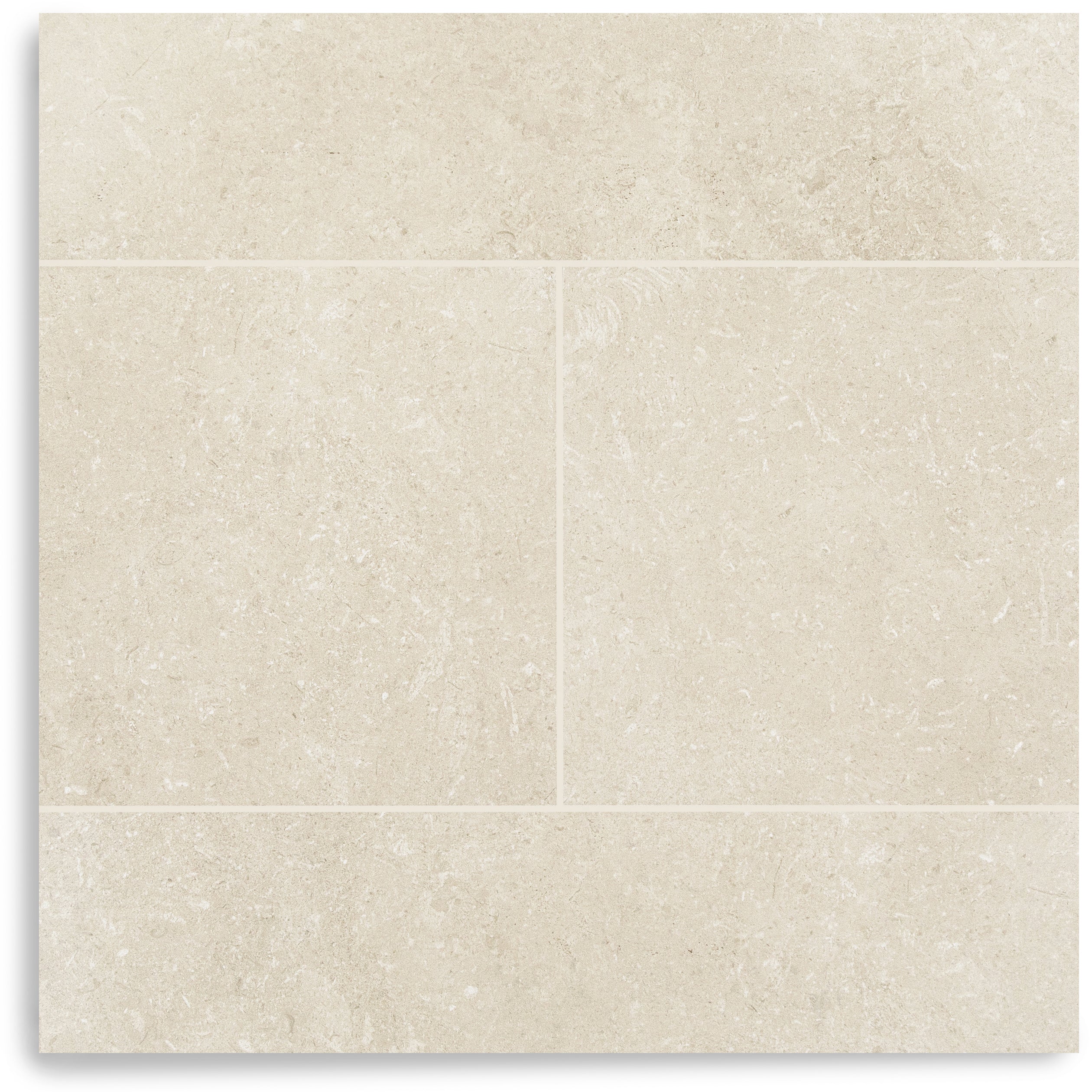
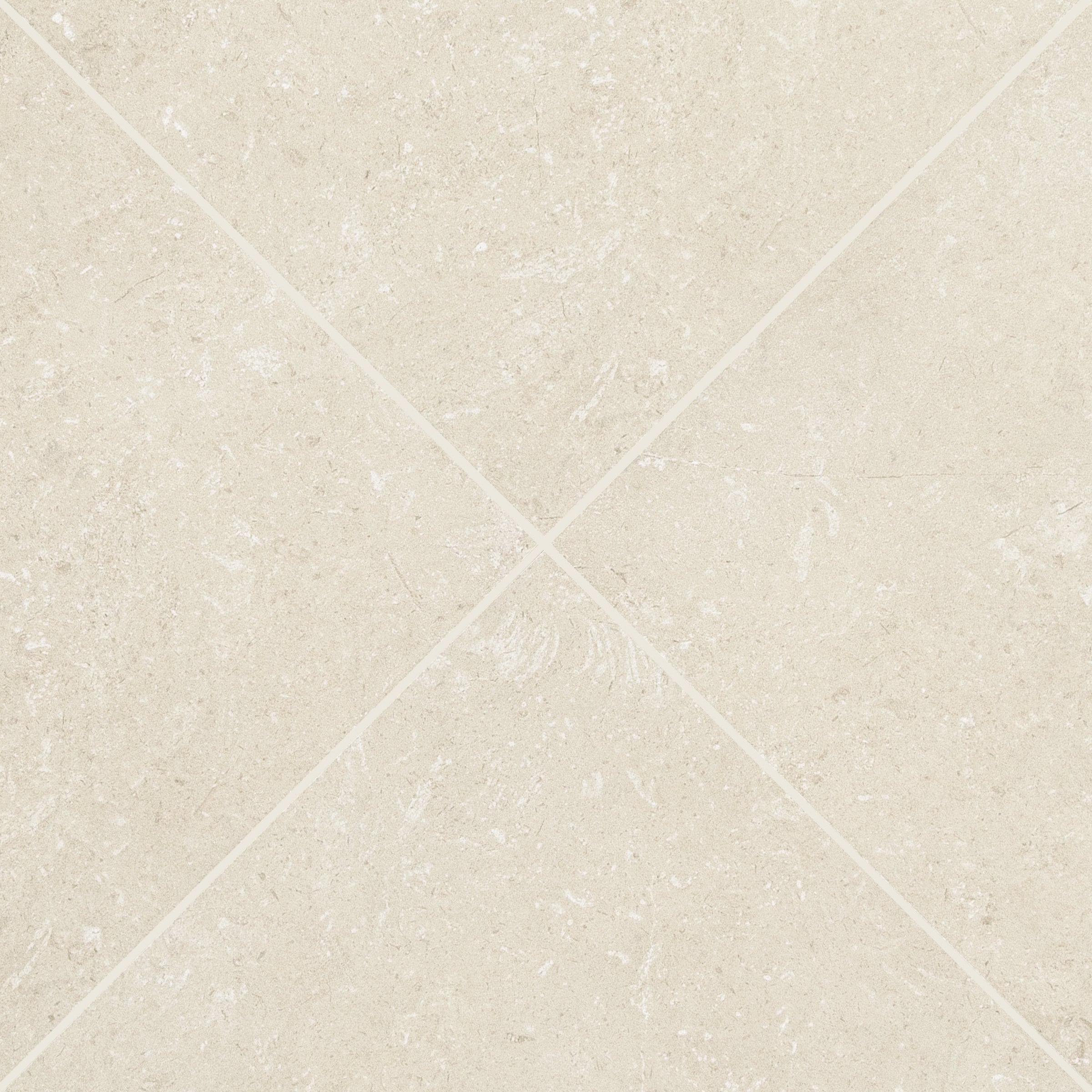
Beige Limestone Look 3D Matte Porcelain Tile
Bianco Carrara Honed Marble Tile
Natura Terracotta Look Matte Porcelain Tile
Travertino 3D Matte Porcelain Tile
Rosso Verona 1x1 Hand Chipped Marble Mosaic


Cream 12x24 3D Gloss Porcelain Tile


Navy 12x24 3D Gloss Porcelain Tile
Almond Cement Look Matte Porcelain Tile
Cotto 2x2 Forma Porcelain Mosaic
White & Ecru Octagon Zellige Mosaic
Cotto Deco Terracotta Look Matte Porcelain Tile
Thassos, Carrara, Bardiglio Gingham Marble Mosaic
Chiaro Deco Terracotta Look Matte Porcelain Tile
White & Ecru 2x2 Zellige Checkerboard Mosaic
Unglazed & White Octagon Zellige Mosaic
Cotto Terracotta Look Matte Porcelain Tile
Cream Limestone Look 3D Matte Porcelain Tile
White & Black Octagon Zellige Mosaic
Murano Honed Italian Terrazzo Tile
Carrara Bardiglio Tumbled Stone Checkerboard
Apple 12x24 3D Glossy Porcelain Tile
Travertino Moka Stone Look Porcelain Tile
Rosso Verona Tumbled Marble Tile
White & Oxblood 2x2 Zellige Checkerboard Mosaic
White Multi-Color Matte Porcelain Tile
Beige Limestone Look 3D Matte Porcelain Tile
Bianco Carrara Honed Marble Tile
Natura Terracotta Look Matte Porcelain Tile
Rosso Verona 1x1 Hand Chipped Marble Mosaic
Travertino 3D Matte Porcelain Tile
Cream 12x24 3D Gloss Porcelain Tile
Navy 12x24 3D Gloss Porcelain Tile
White & Ecru Octagon Zellige Mosaic
Cotto Deco Terracotta Look Matte Porcelain Tile
Thassos, Carrara, Bardiglio Gingham Marble Mosaic
Chiaro Deco Terracotta Look Matte Porcelain Tile
White & Ecru 2x2 Zellige Checkerboard Mosaic
Unglazed & White Octagon Zellige Mosaic
Cream Limestone Look 3D Matte Porcelain Tile
Cotto Terracotta Look Matte Porcelain Tile
White & Black Octagon Zellige Mosaic
Murano Honed Italian Terrazzo Tile
Carrara Bardiglio Tumbled Stone Checkerboard
Travertino Moka Stone Look Porcelain Tile
Rosso Verona Tumbled Marble Tile
White & Oxblood 2x2 Zellige Checkerboard Mosaic
White Multi-Color Matte Porcelain Tile
Beige Limestone Look 3D Matte Porcelain Tile
Rosso Verona 1x1 Hand Chipped Marble Mosaic
Bianco Carrara Honed Marble Tile
Travertino 3D Matte Porcelain Tile
Natura Terracotta Look Matte Porcelain Tile
Cotto 2x2 Forma Porcelain Mosaic
Almond Cement Look Matte Porcelain Tile
Star & Cross Classic Terracotta Tile
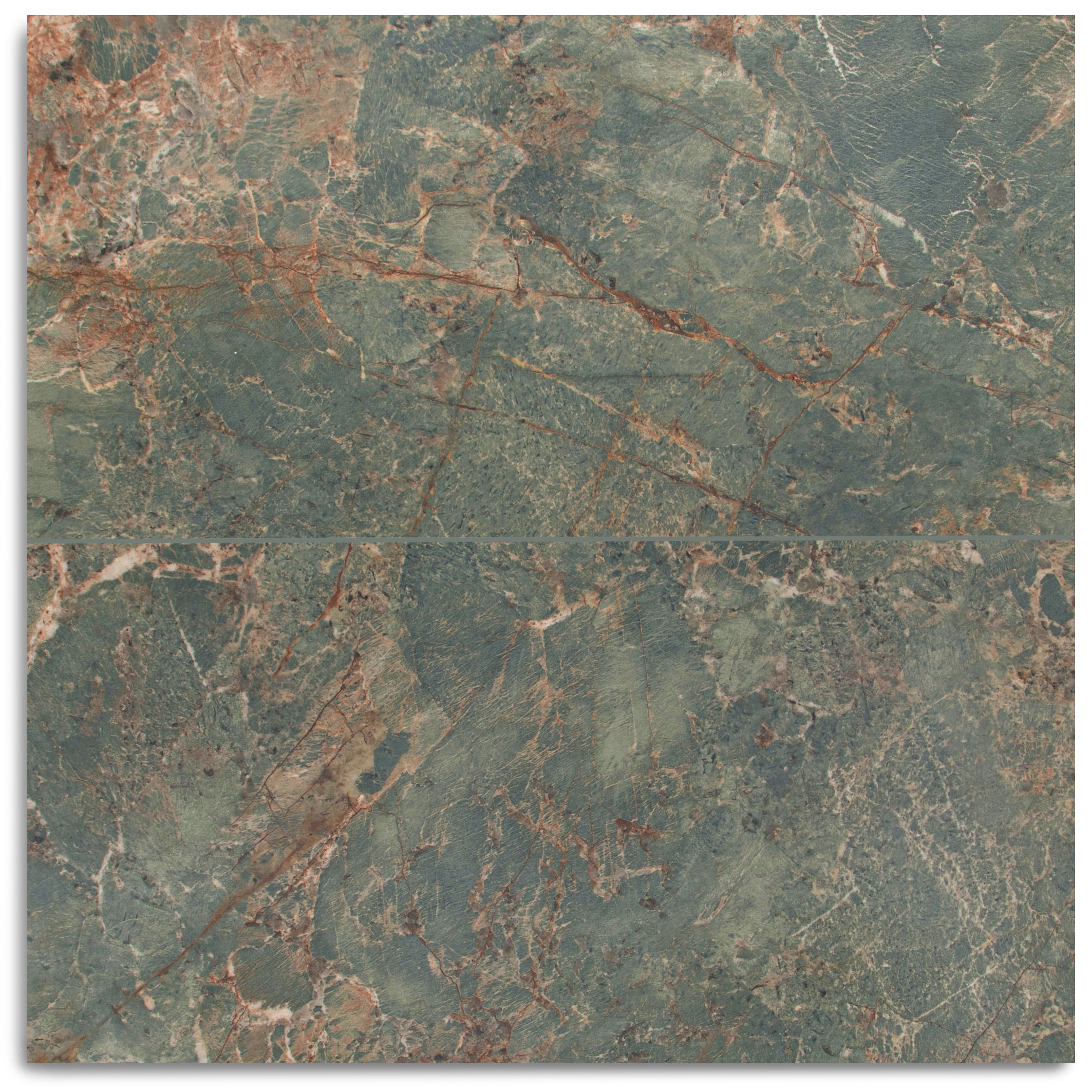
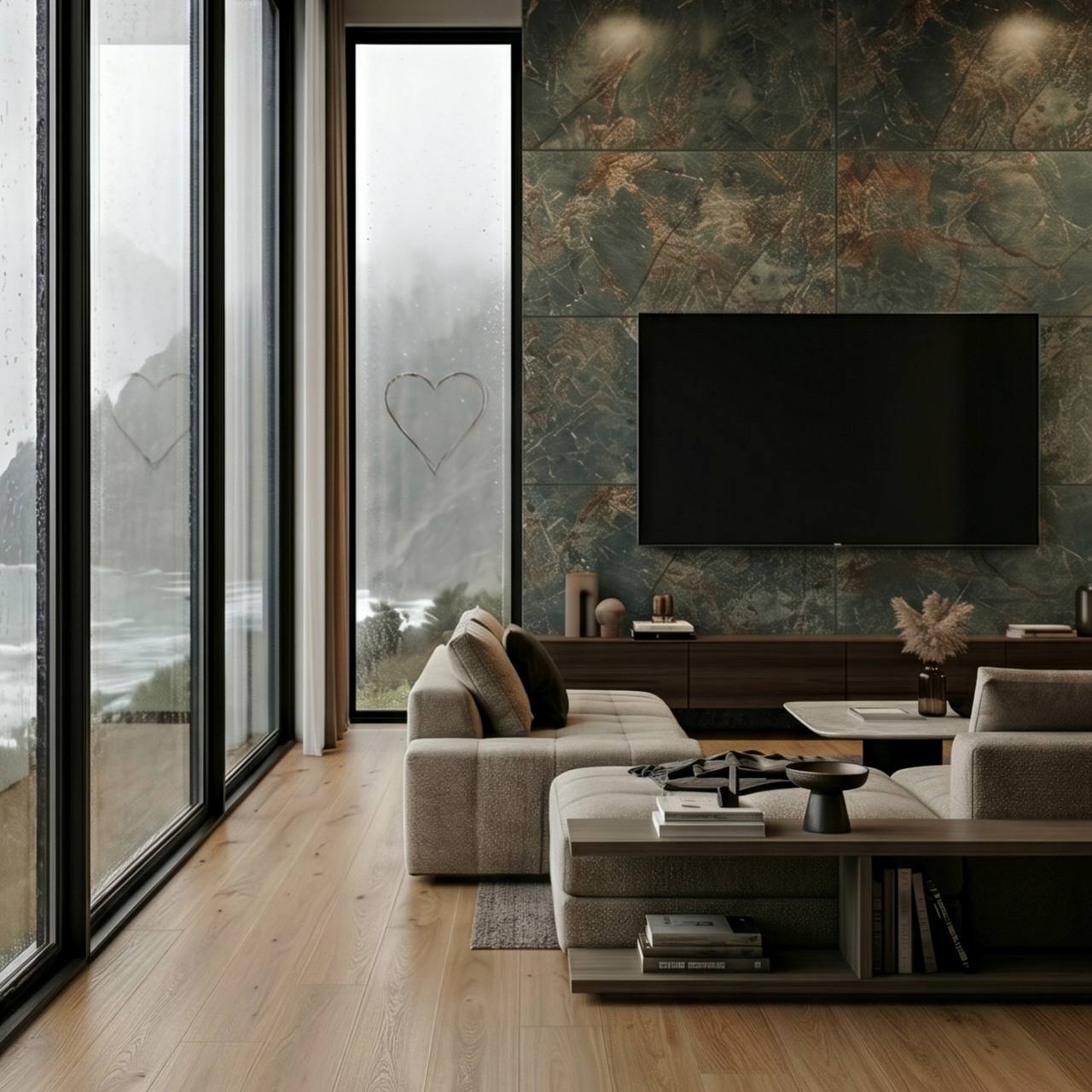
Amazzonite Matte Marble Look Porcelain Tile
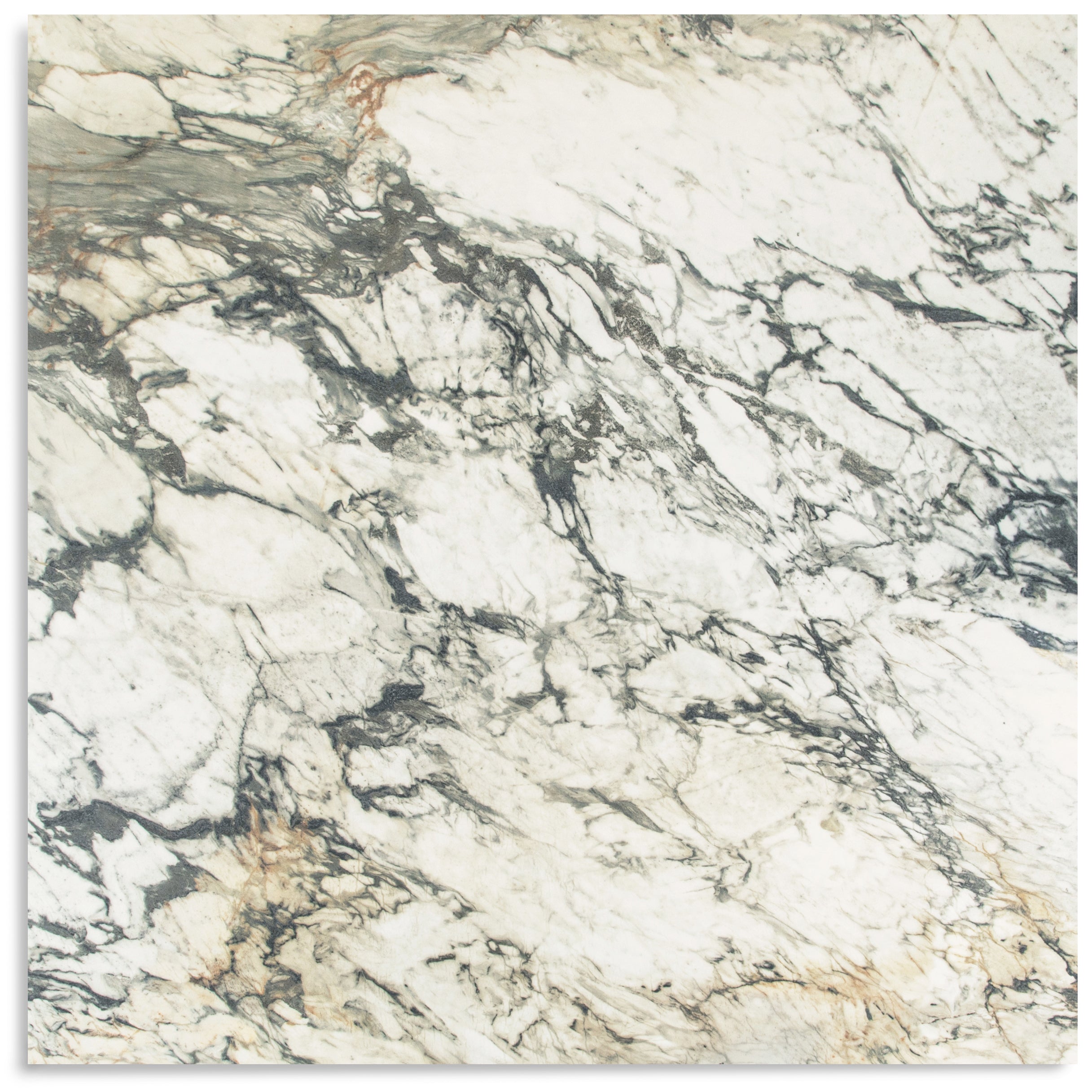
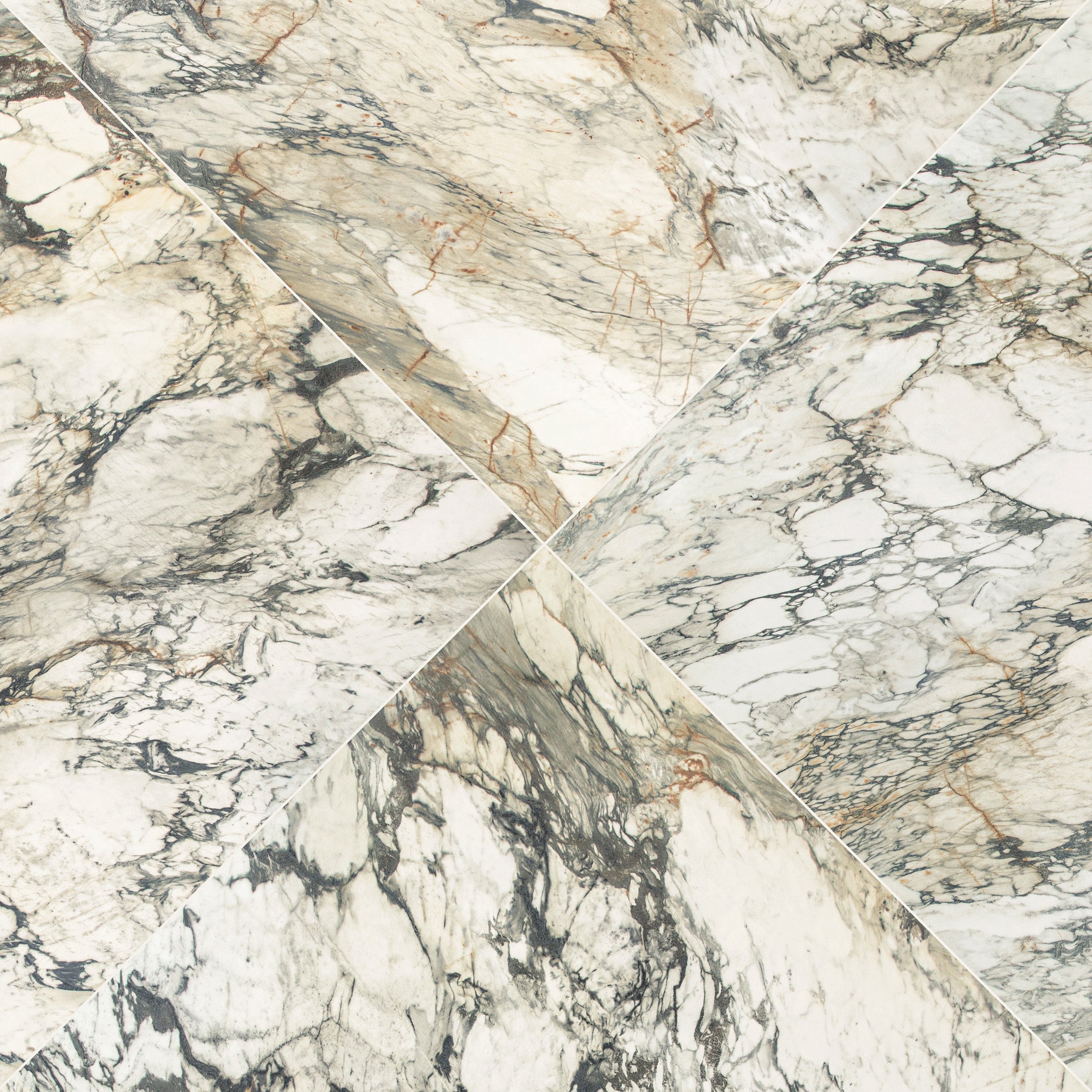
Breccia Capraia 3D Mable Look Porcelain Tile
Cream 2x2 Forma Porcelain Mosaic


Cotto Cream Pink Forma Butterfly Porcelain Mosaic
Chocolate 2" Hexagon Textured Terracotta Mosaic
Black Multi-Color Matte Porcelain Tile
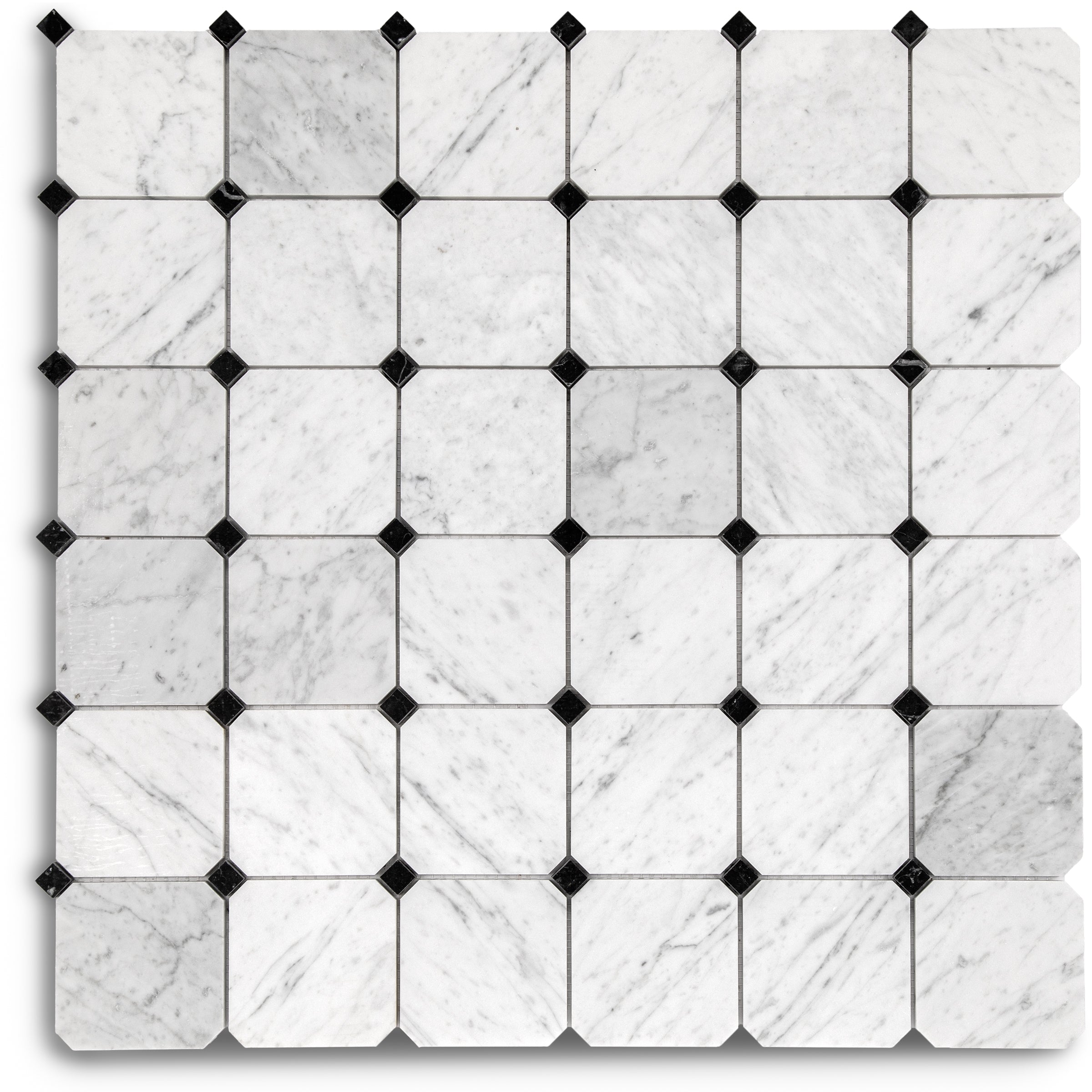
Bianco Carrara Octagon w/ Nero Marquina Dot Mosaic
Crema Terracotta Look Matte Porcelain Tile
White & Ecru Octagon Zellige Mosaic
Cotto Deco Terracotta Look Matte Porcelain Tile
Thassos, Carrara, Bardiglio Gingham Marble Mosaic
White & Ecru 2x2 Zellige Checkerboard Mosaic
Chiaro Deco Terracotta Look Matte Porcelain Tile
Unglazed & White Octagon Zellige Mosaic
Cream Limestone Look 3D Matte Porcelain Tile
White & Black Octagon Zellige Mosaic
Murano Honed Italian Terrazzo Tile
Carrara Bardiglio Tumbled Stone Checkerboard
Travertino Moka Stone Look Porcelain Tile
Apple 12x24 3D Glossy Porcelain Tile
Rosso Verona Tumbled Marble Tile
White & Oxblood 2x2 Zellige Checkerboard Mosaic
White Multi-Color Matte Porcelain Tile
Beige Limestone Look 3D Matte Porcelain Tile
Rosso Verona 1x1 Hand Chipped Marble Mosaic
Travertino 3D Matte Porcelain Tile
Natura Terracotta Look Matte Porcelain Tile
Cream 12x24 3D Gloss Porcelain Tile
Navy 12x24 3D Gloss Porcelain Tile
Cotto 2x2 Forma Porcelain Mosaic
Star & Cross Classic Terracotta Tile
Bianco Carrara Octagon w/ Nero Marquina Dot Mosaic
Amazzonite Matte Marble Look Porcelain Tile
Cream 2x2 Forma Porcelain Mosaic
White & Ecru Octagon Zellige Mosaic
Cotto Deco Terracotta Look Matte Porcelain Tile
Thassos, Carrara, Bardiglio Gingham Marble Mosaic
Chiaro Deco Terracotta Look Matte Porcelain Tile
White & Ecru 2x2 Zellige Checkerboard Mosaic
Unglazed & White Octagon Zellige Mosaic
Cream Limestone Look 3D Matte Porcelain Tile
Cotto Terracotta Look Matte Porcelain Tile
White & Black Octagon Zellige Mosaic
Murano Honed Italian Terrazzo Tile
Carrara Bardiglio Tumbled Stone Checkerboard
Travertino Moka Stone Look Porcelain Tile
Apple 12x24 3D Glossy Porcelain Tile
Rosso Verona Tumbled Marble Tile
White & Oxblood 2x2 Zellige Checkerboard Mosaic
White Multi-Color Matte Porcelain Tile
Beige Limestone Look 3D Matte Porcelain Tile
Rosso Verona 1x1 Hand Chipped Marble Mosaic
Bianco Carrara Honed Marble Tile
Natura Terracotta Look Matte Porcelain Tile
Travertino 3D Matte Porcelain Tile
Cream 12x24 3D Gloss Porcelain Tile
Navy 12x24 3D Gloss Porcelain Tile
Almond Cement Look Matte Porcelain Tile
Cotto 2x2 Forma Porcelain Mosaic
White & Ecru Octagon Zellige Mosaic
Cotto Deco Terracotta Look Matte Porcelain Tile
Thassos, Carrara, Bardiglio Gingham Marble Mosaic
Chiaro Deco Terracotta Look Matte Porcelain Tile
White & Ecru 2x2 Zellige Checkerboard Mosaic
Unglazed & White Octagon Zellige Mosaic
Cream Limestone Look 3D Matte Porcelain Tile
White & Black Octagon Zellige Mosaic
Murano Honed Italian Terrazzo Tile
Carrara Bardiglio Tumbled Stone Checkerboard
Travertino Moka Stone Look Porcelain Tile
Apple 12x24 3D Glossy Porcelain Tile
Rosso Verona Tumbled Marble Tile
White & Oxblood 2x2 Zellige Checkerboard Mosaic
White Multi-Color Matte Porcelain Tile
Beige Limestone Look 3D Matte Porcelain Tile
Bianco Carrara Honed Marble Tile
Travertino 3D Matte Porcelain Tile
Rosso Verona 1x1 Hand Chipped Marble Mosaic
Natura Terracotta Look Matte Porcelain Tile
Cream 12x24 3D Gloss Porcelain Tile
Navy 12x24 3D Gloss Porcelain Tile
Almond Cement Look Matte Porcelain Tile
Cotto 2x2 Forma Porcelain Mosaic
Breccia Capraia 3D Mable Look Porcelain Tile
White & Ecru Octagon Zellige Mosaic
Cotto Deco Terracotta Look Matte Porcelain Tile
Thassos, Carrara, Bardiglio Gingham Marble Mosaic
Chiaro Deco Terracotta Look Matte Porcelain Tile
White & Ecru 2x2 Zellige Checkerboard Mosaic
Unglazed & White Octagon Zellige Mosaic
Cream Limestone Look 3D Matte Porcelain Tile
Cotto Terracotta Look Matte Porcelain Tile
White & Black Octagon Zellige Mosaic
Murano Honed Italian Terrazzo Tile
Carrara Bardiglio Tumbled Stone Checkerboard
Travertino Moka Stone Look Porcelain Tile
Apple 12x24 3D Glossy Porcelain Tile
Rosso Verona Tumbled Marble Tile
White & Oxblood 2x2 Zellige Checkerboard Mosaic
White Multi-Color Matte Porcelain Tile
Beige Limestone Look 3D Matte Porcelain Tile
Rosso Verona 1x1 Hand Chipped Marble Mosaic
Bianco Carrara Honed Marble Tile
Natura Terracotta Look Matte Porcelain Tile
Travertino 3D Matte Porcelain Tile
Cream 12x24 3D Gloss Porcelain Tile
Navy 12x24 3D Gloss Porcelain Tile
Almond Cement Look Matte Porcelain Tile
Bianco Carrara Honed Marble Tile
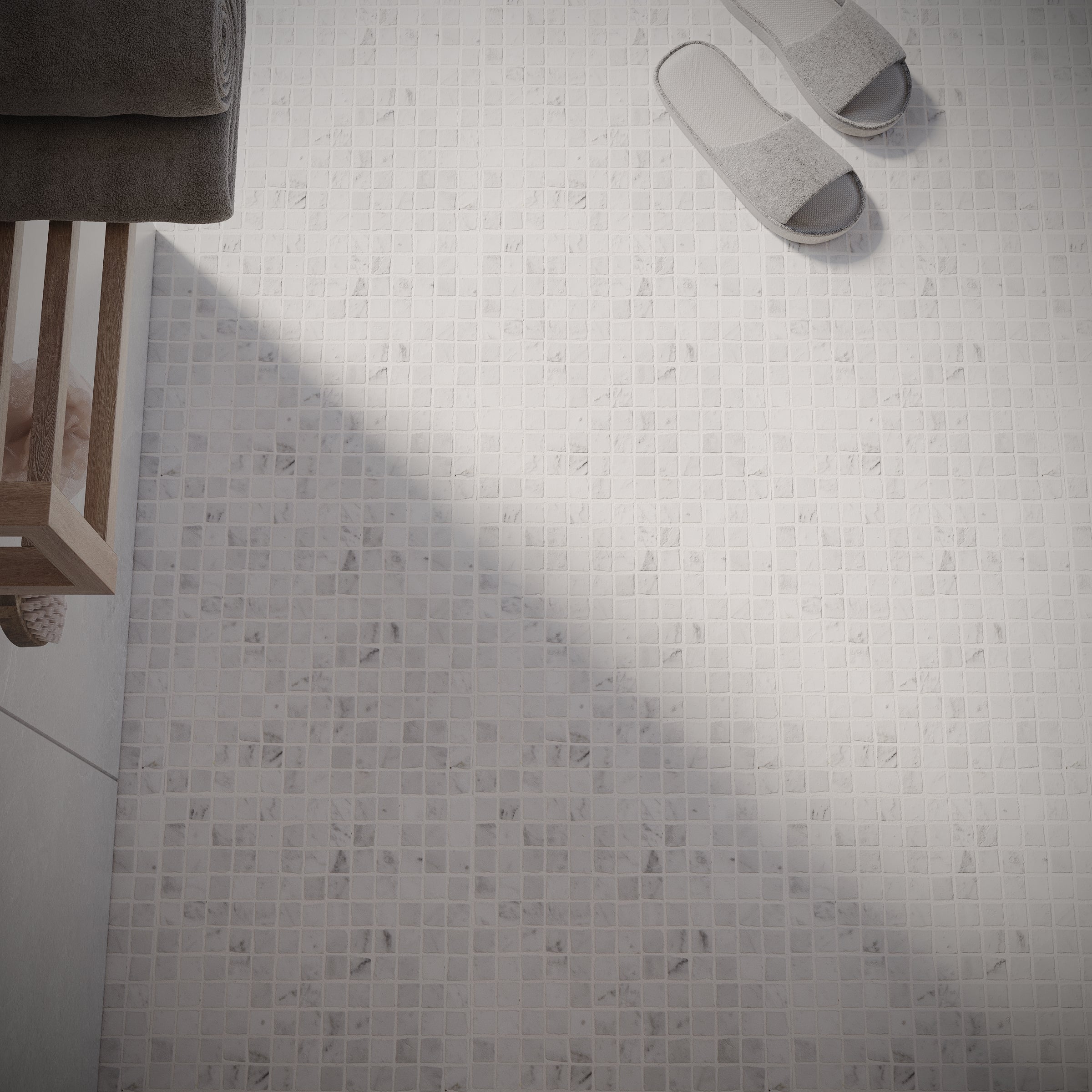
Carrara 1x1 Hand Chipped Marble Mosaic
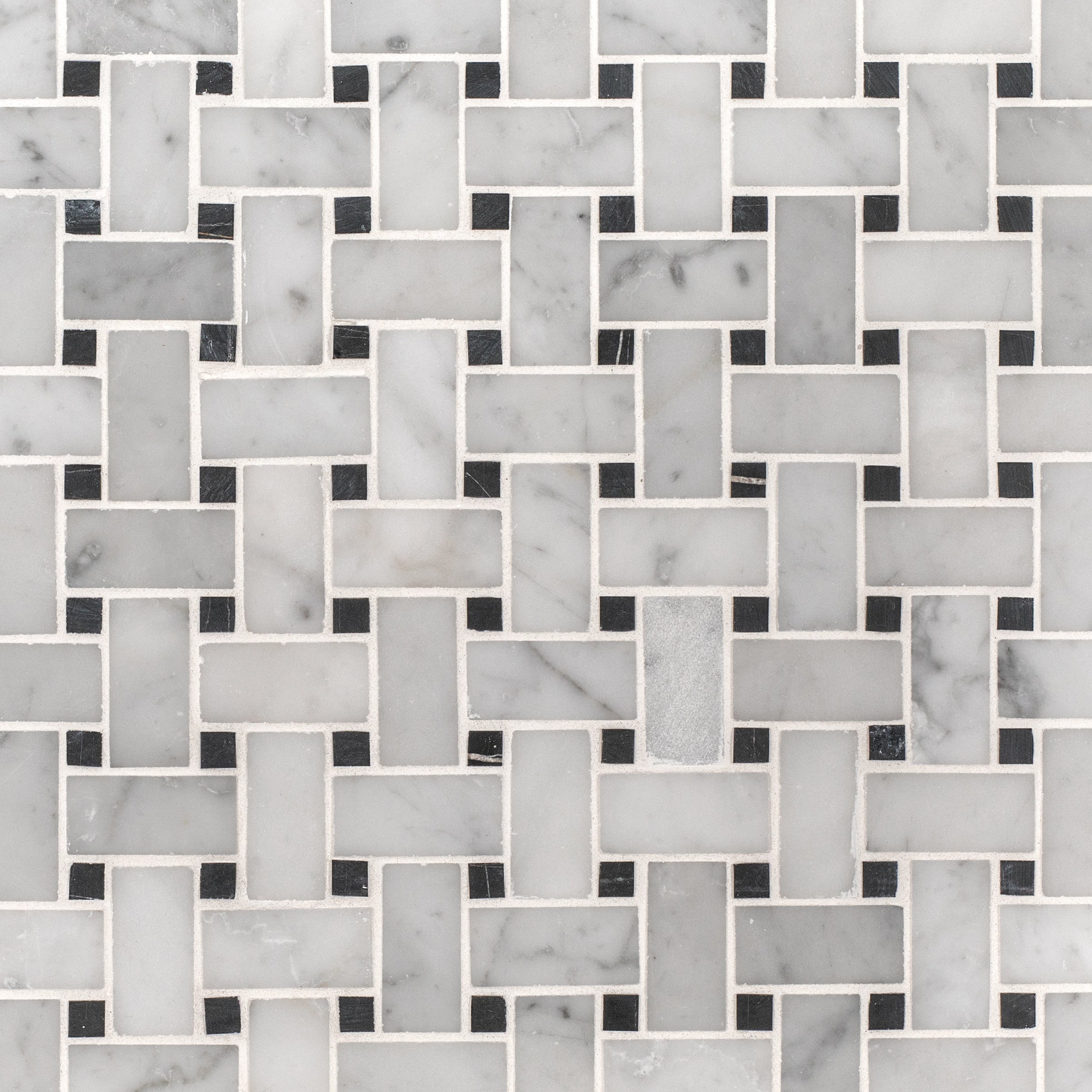
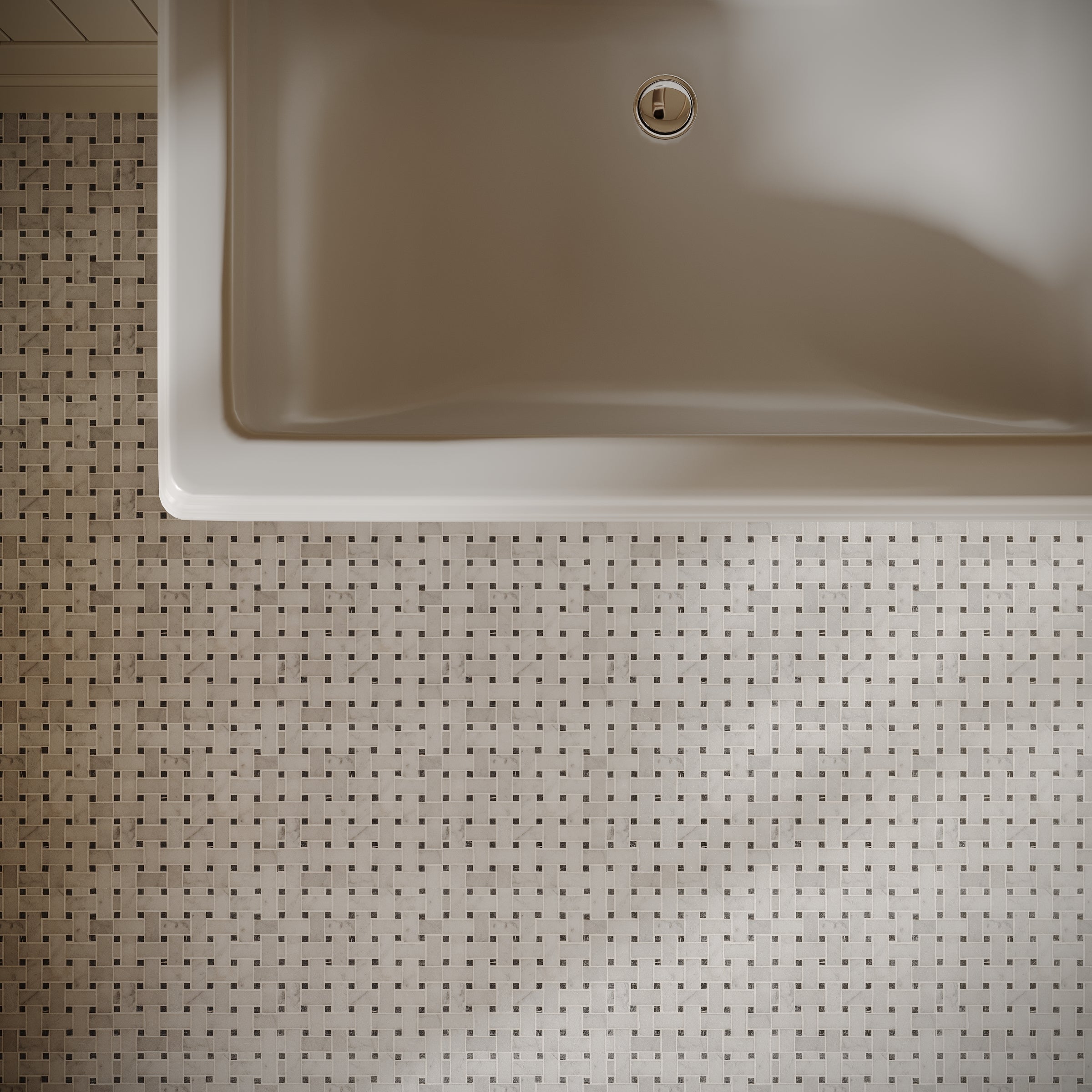
Carrara Honed Basketweave Marble Mosaic
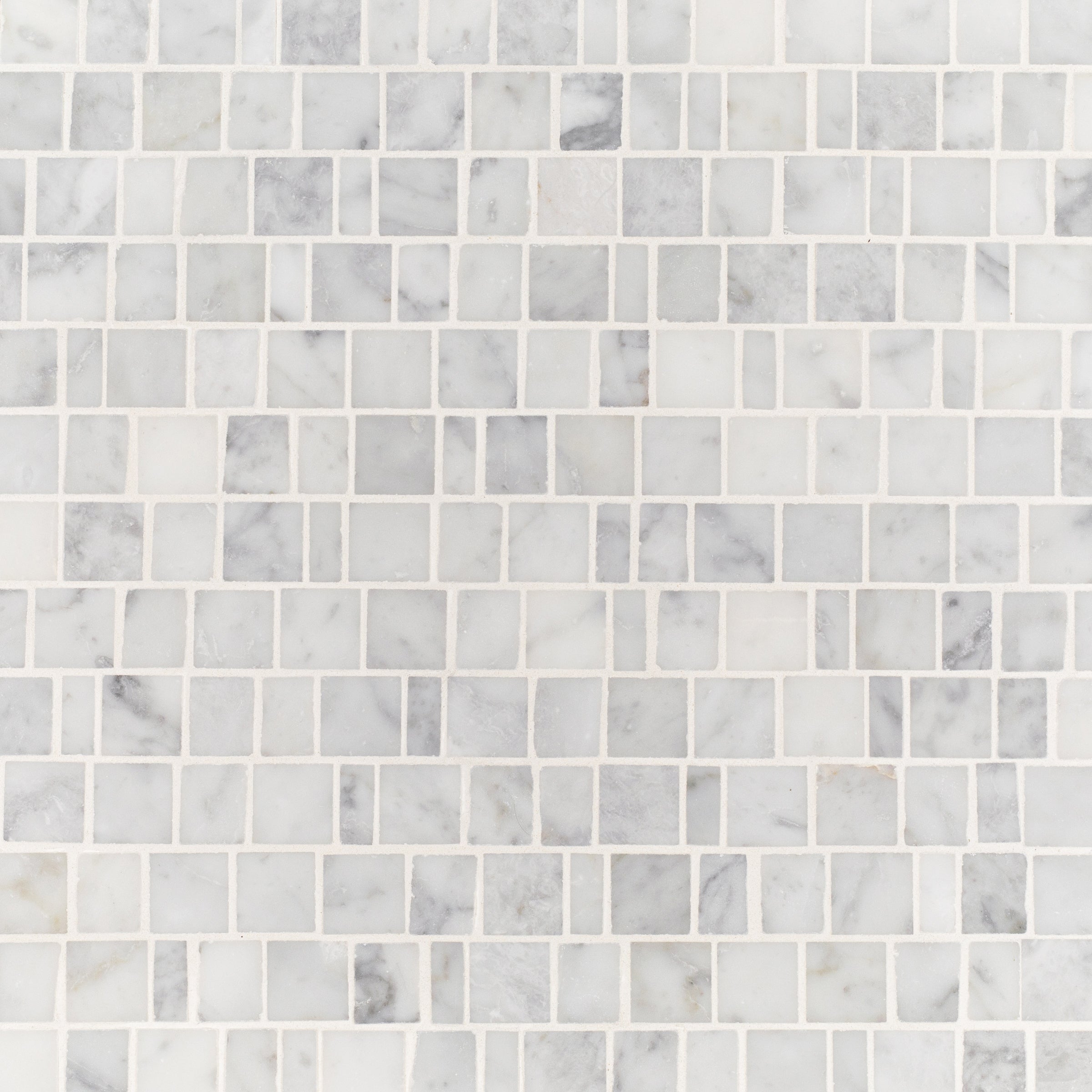
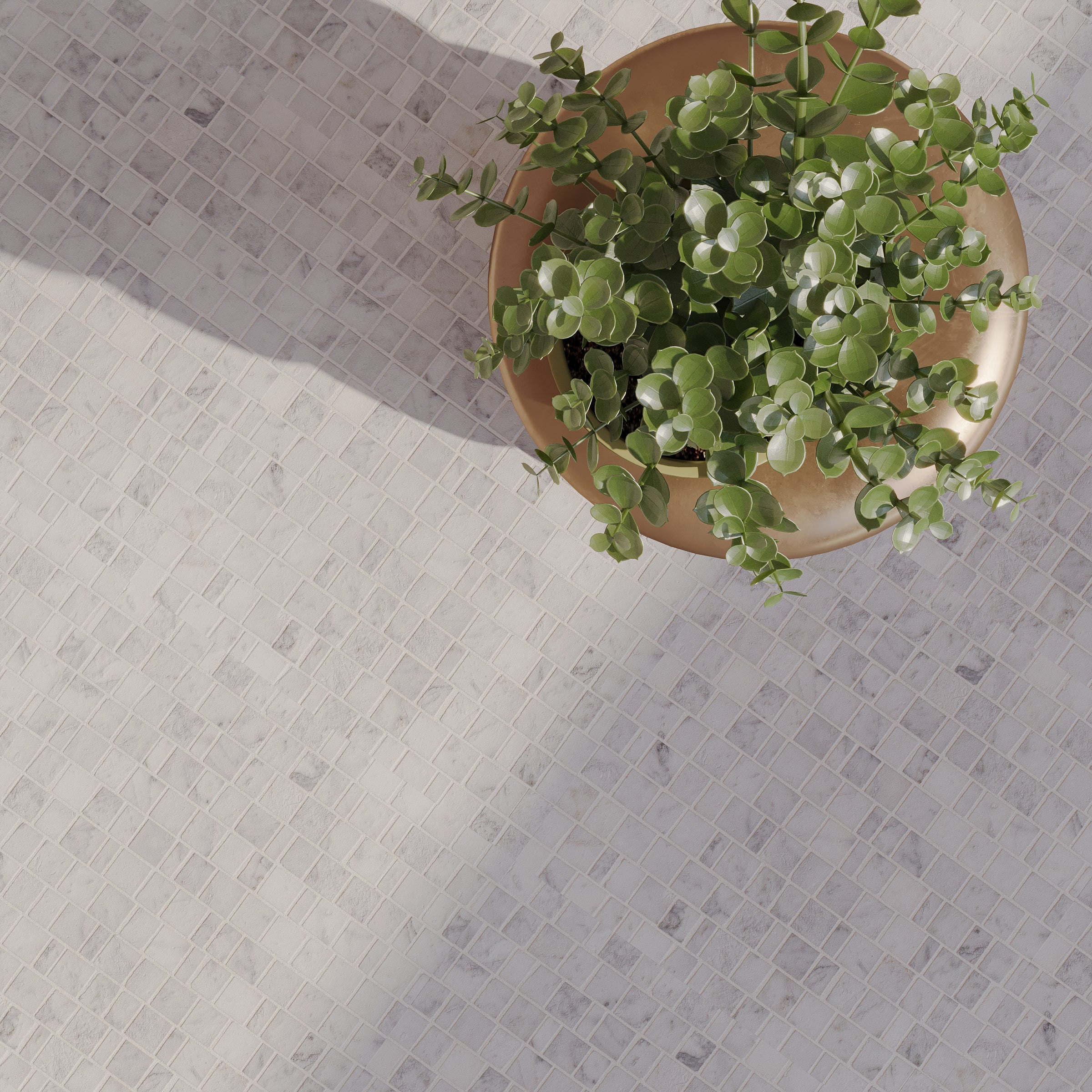
Carrara Running Bond Marble Mosaic
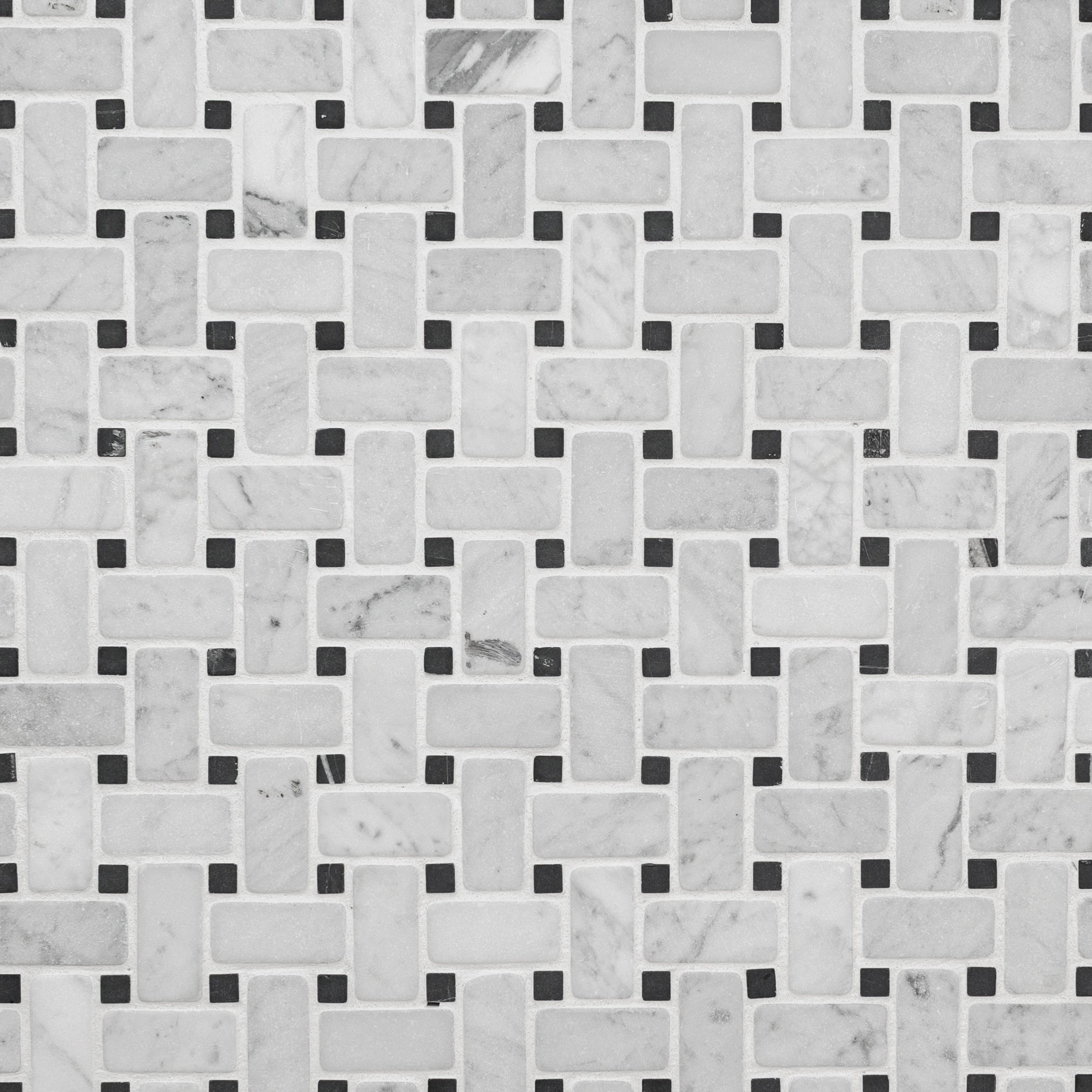
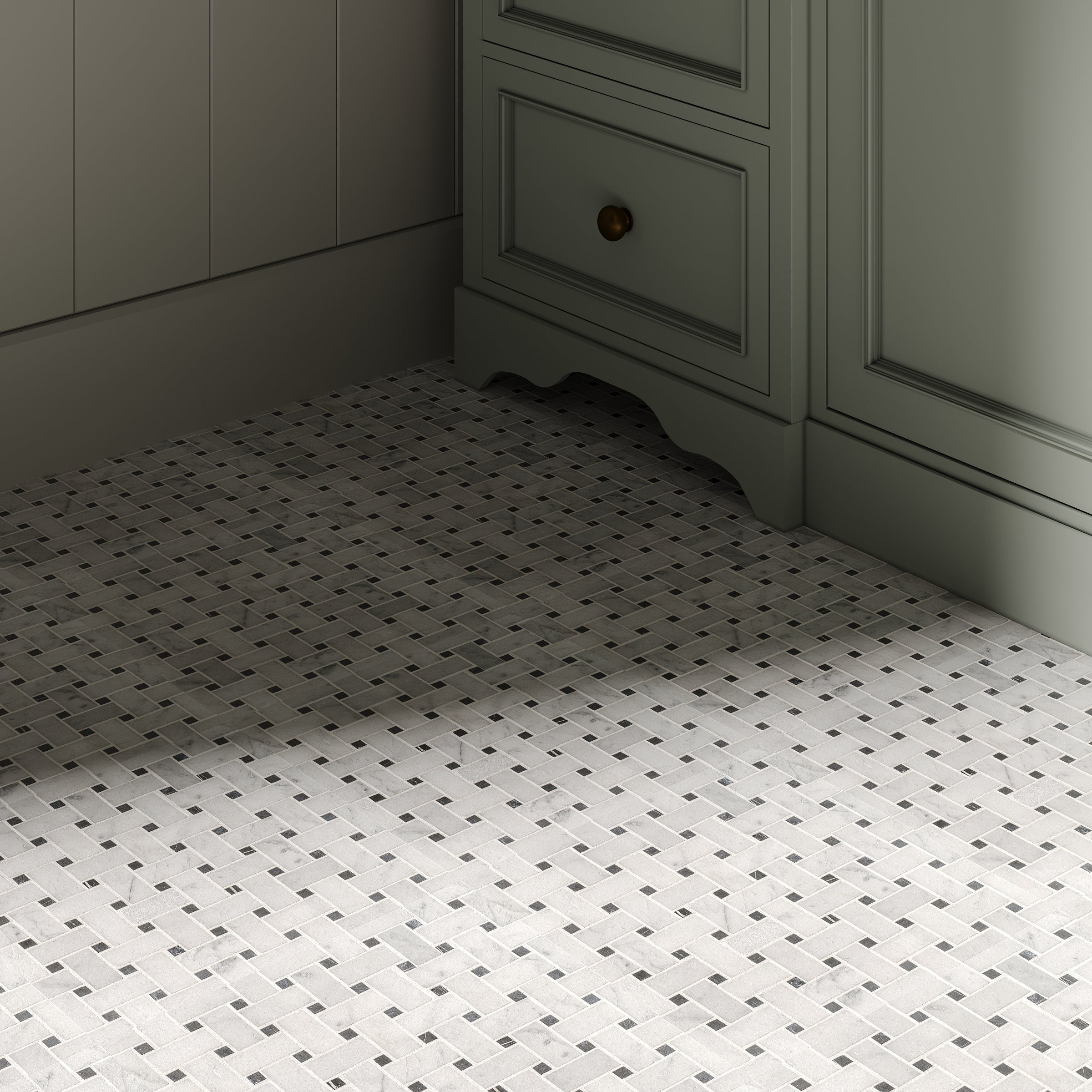
Carrara Tumbled Basketweave Marble Mosaic
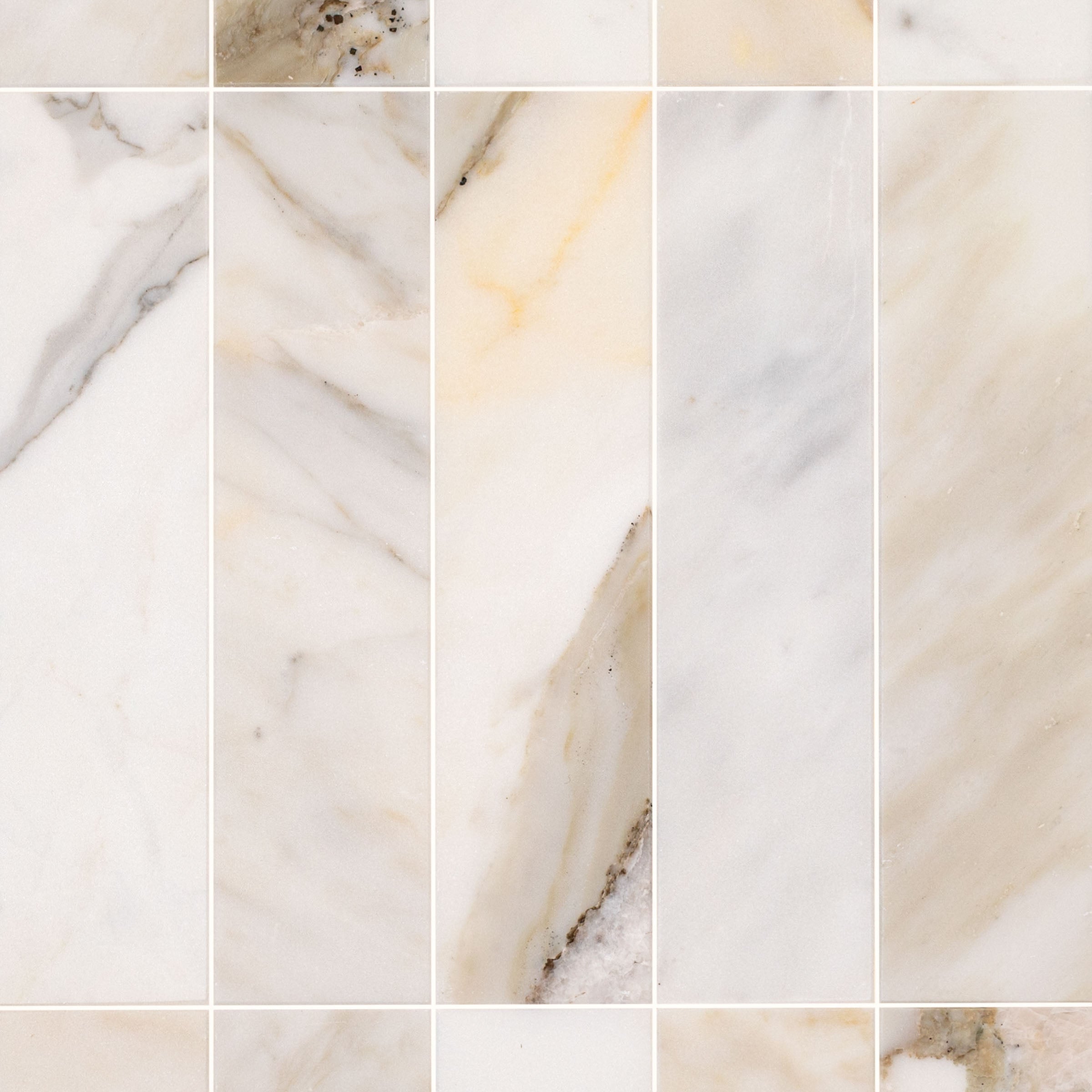
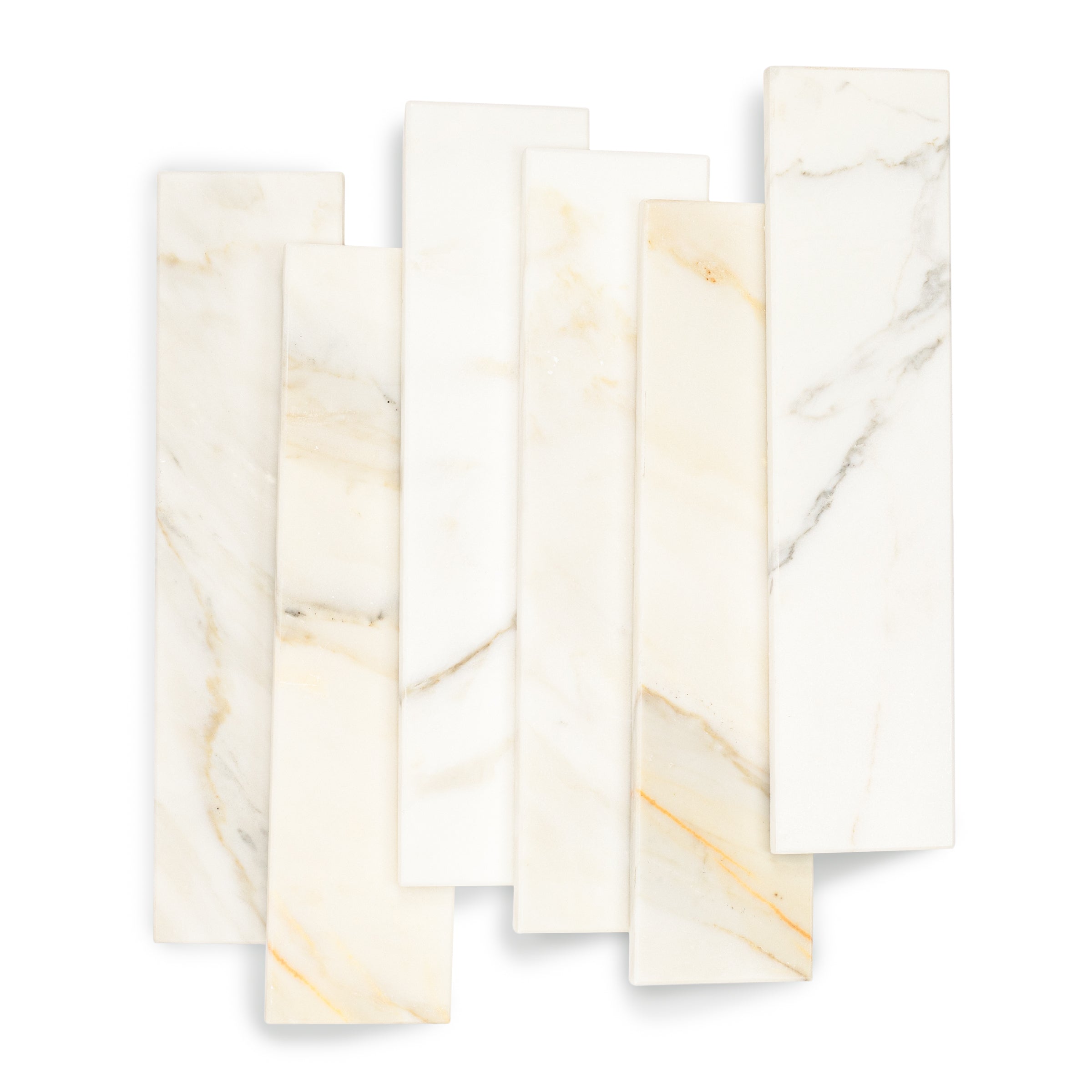
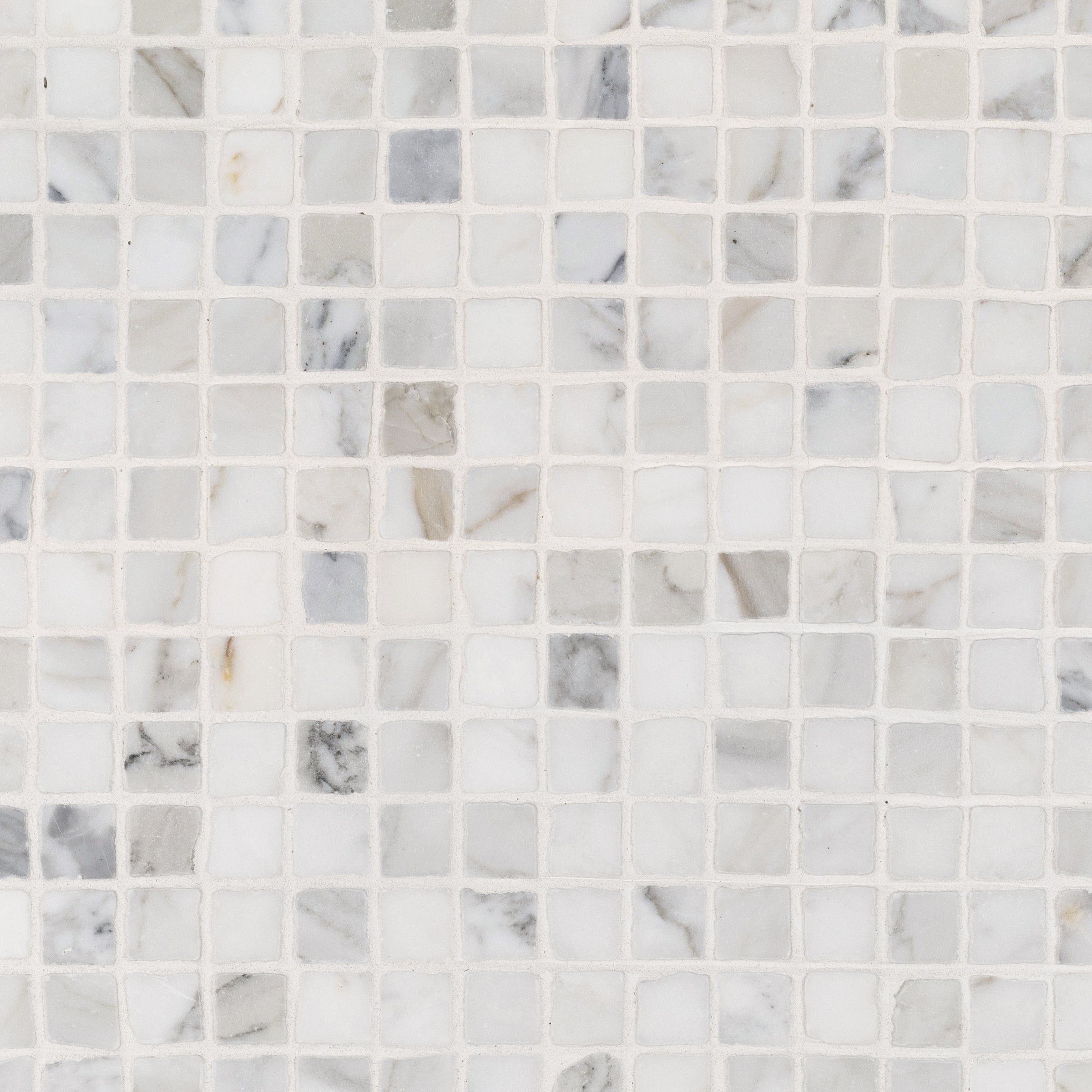
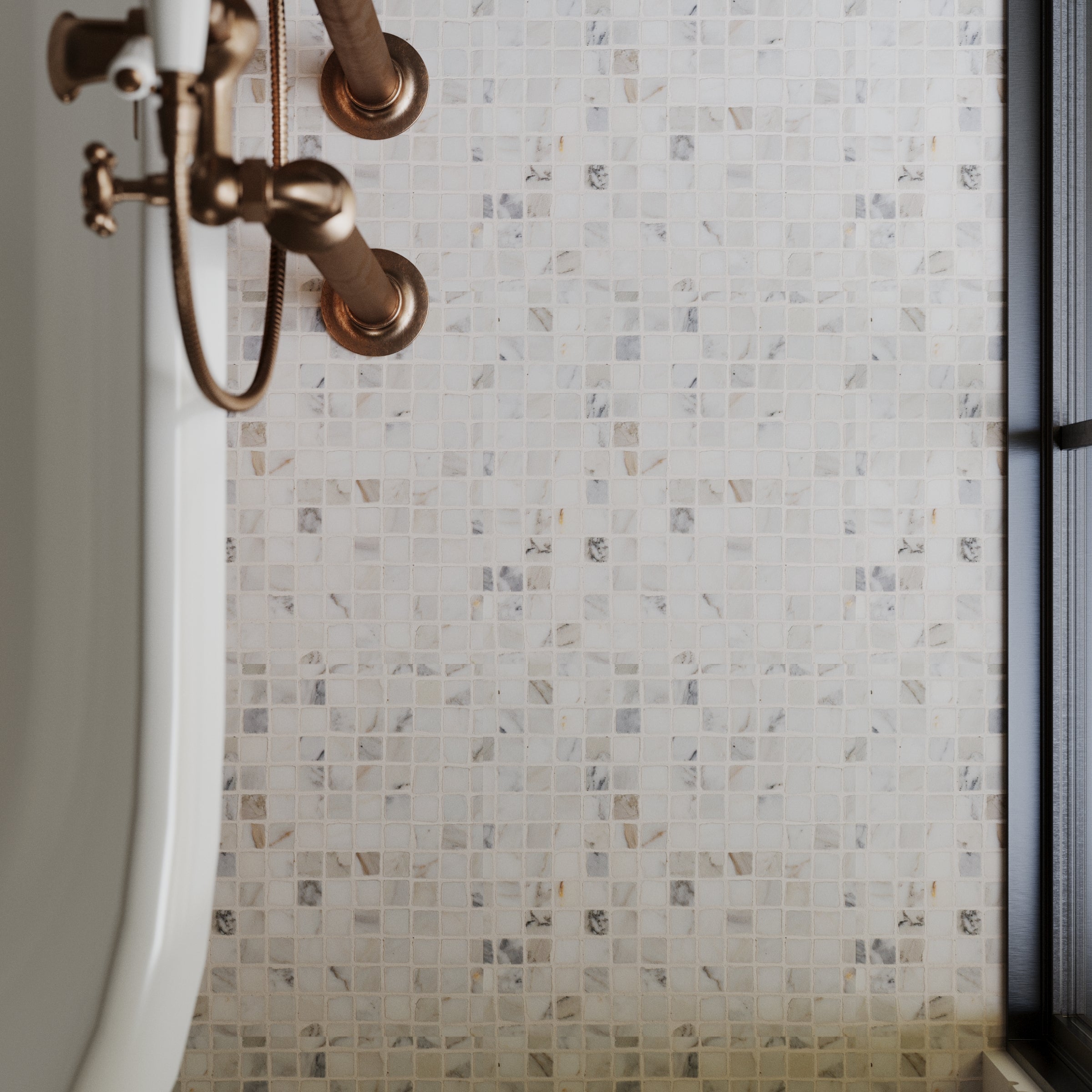
Calacatta 1x1 Hand Chipped Marble Mosaic
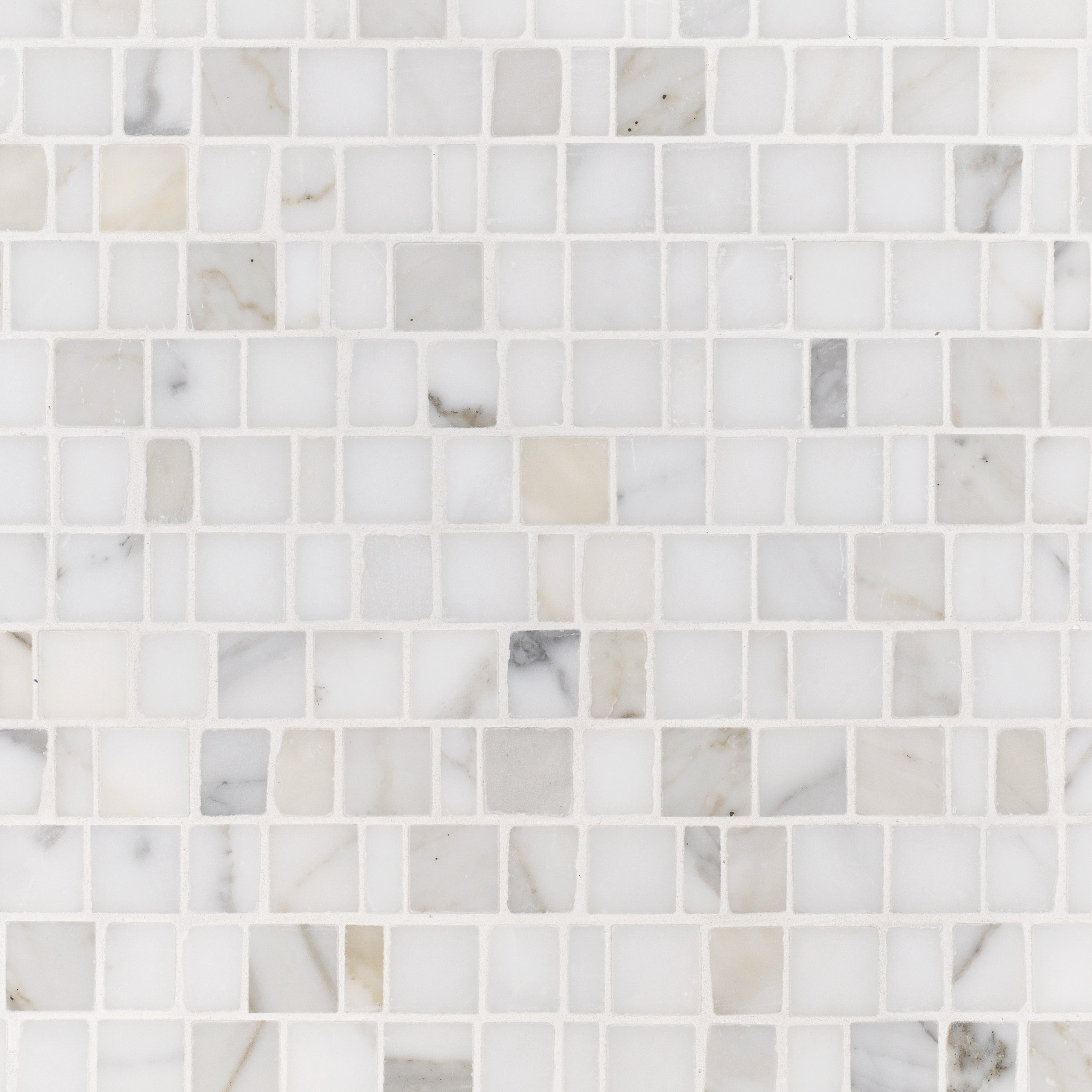
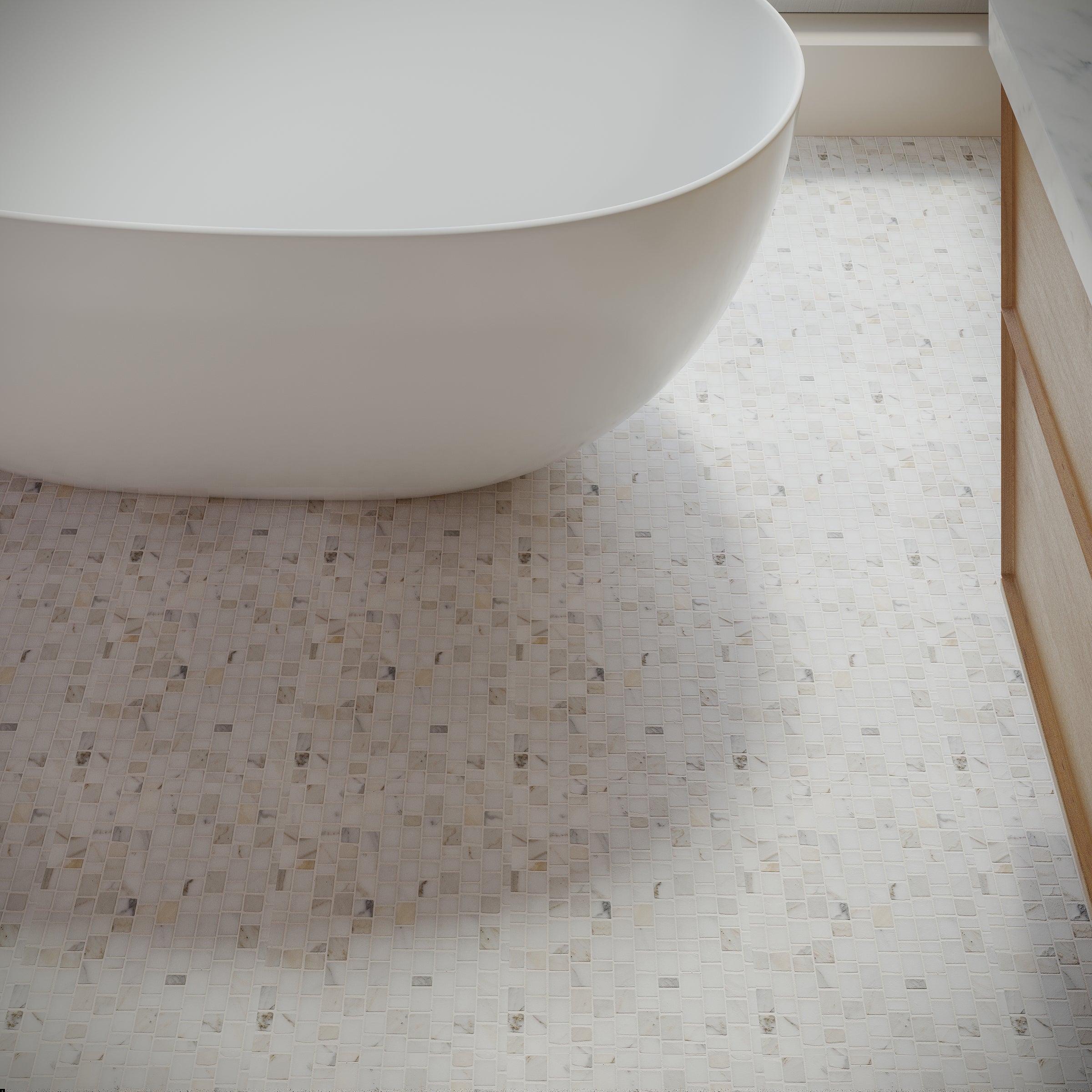
Calacatta Running Bond Marble Mosaic
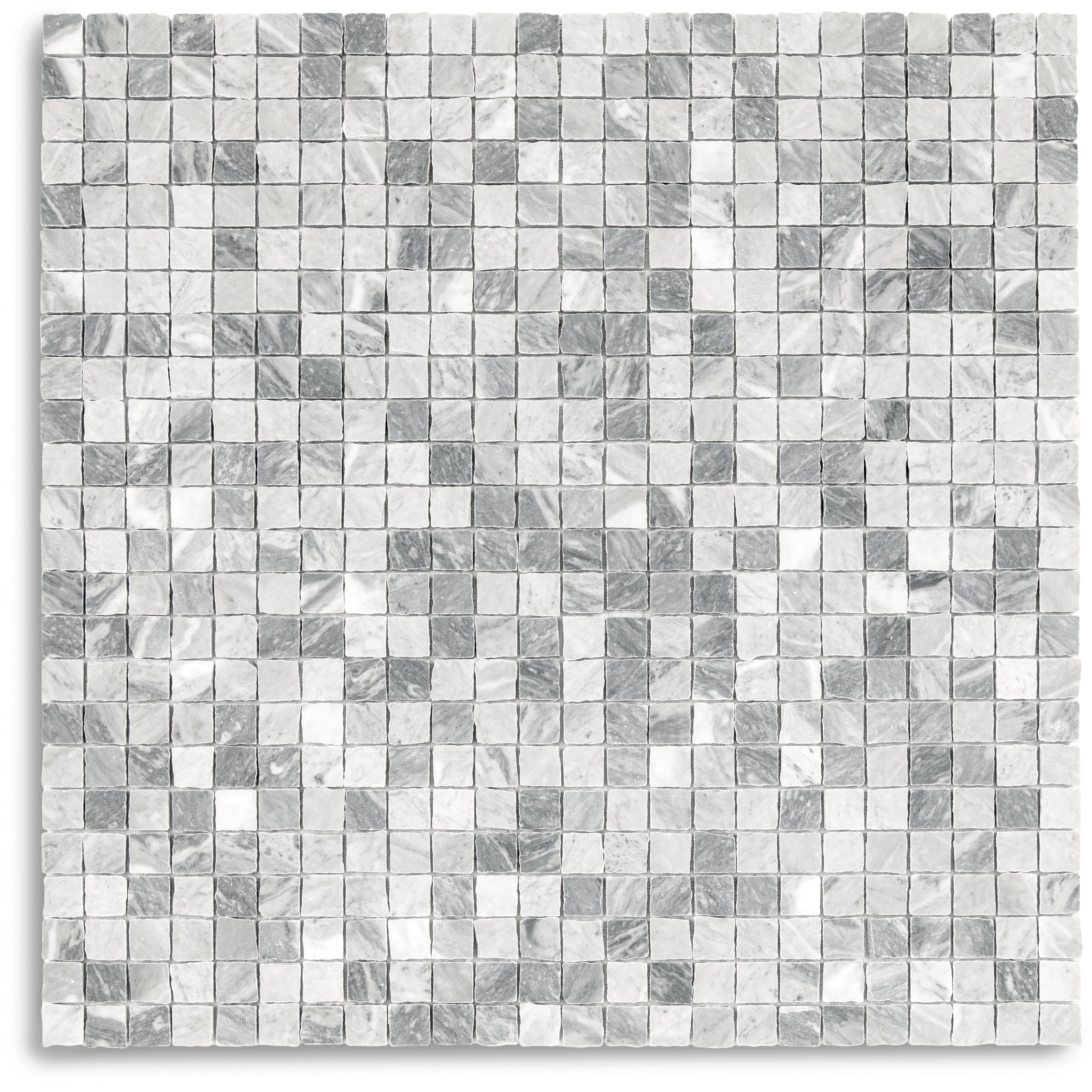
Grigio Pearla 1x1 Hand Chipped Marble Mosaic
Bianco Carrara Octagon w/ Nero Marquina Dot Mosaic
Thassos, Carrara, Bardiglio Gingham Marble Mosaic
Rosso Verona 1x1 Hand Chipped Marble Mosaic

Calacatta Honed Italian Terrazzo Tile

Torcello Honed Italian Terrazzo Tile
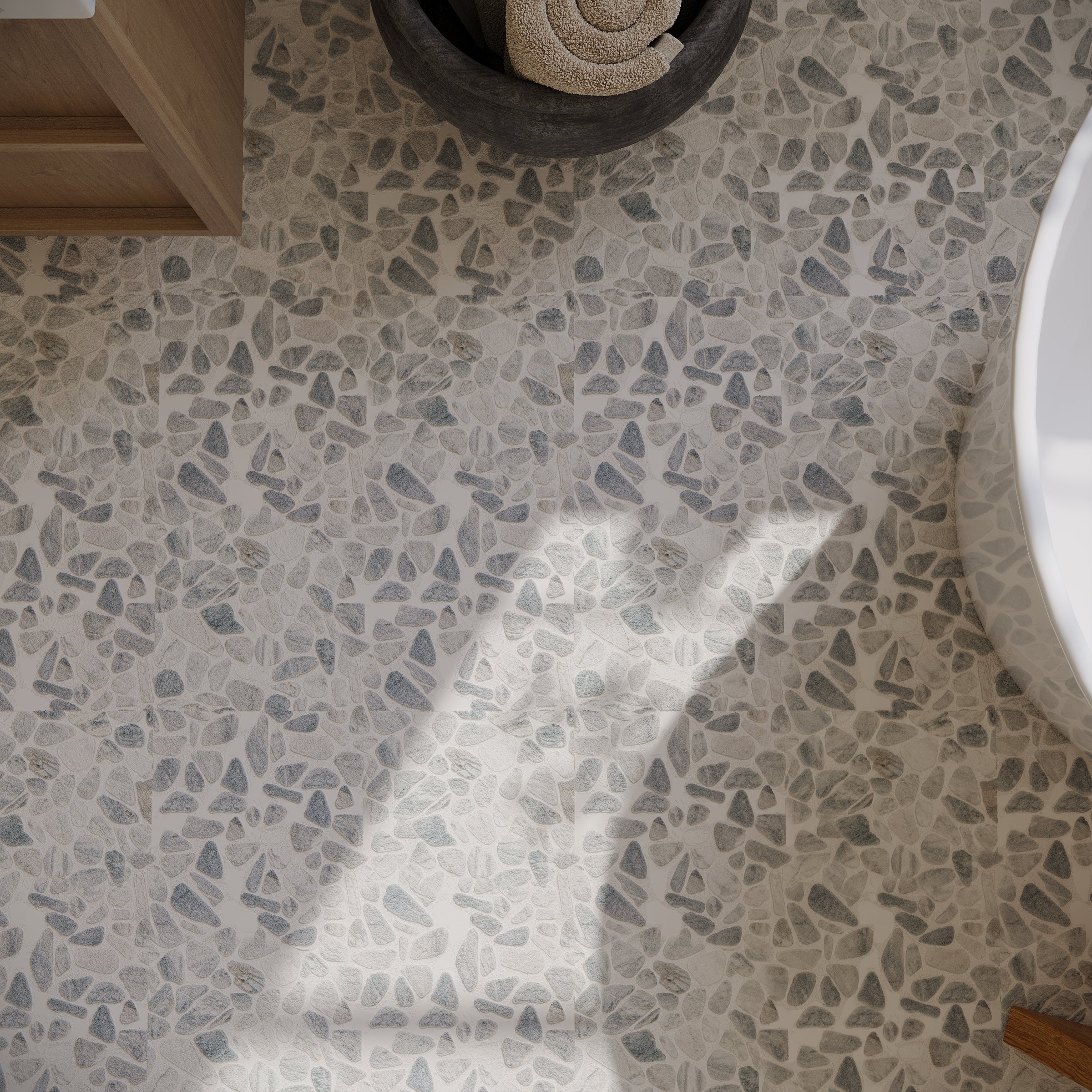
Bardiglio Tumbled Pebble Mosaic
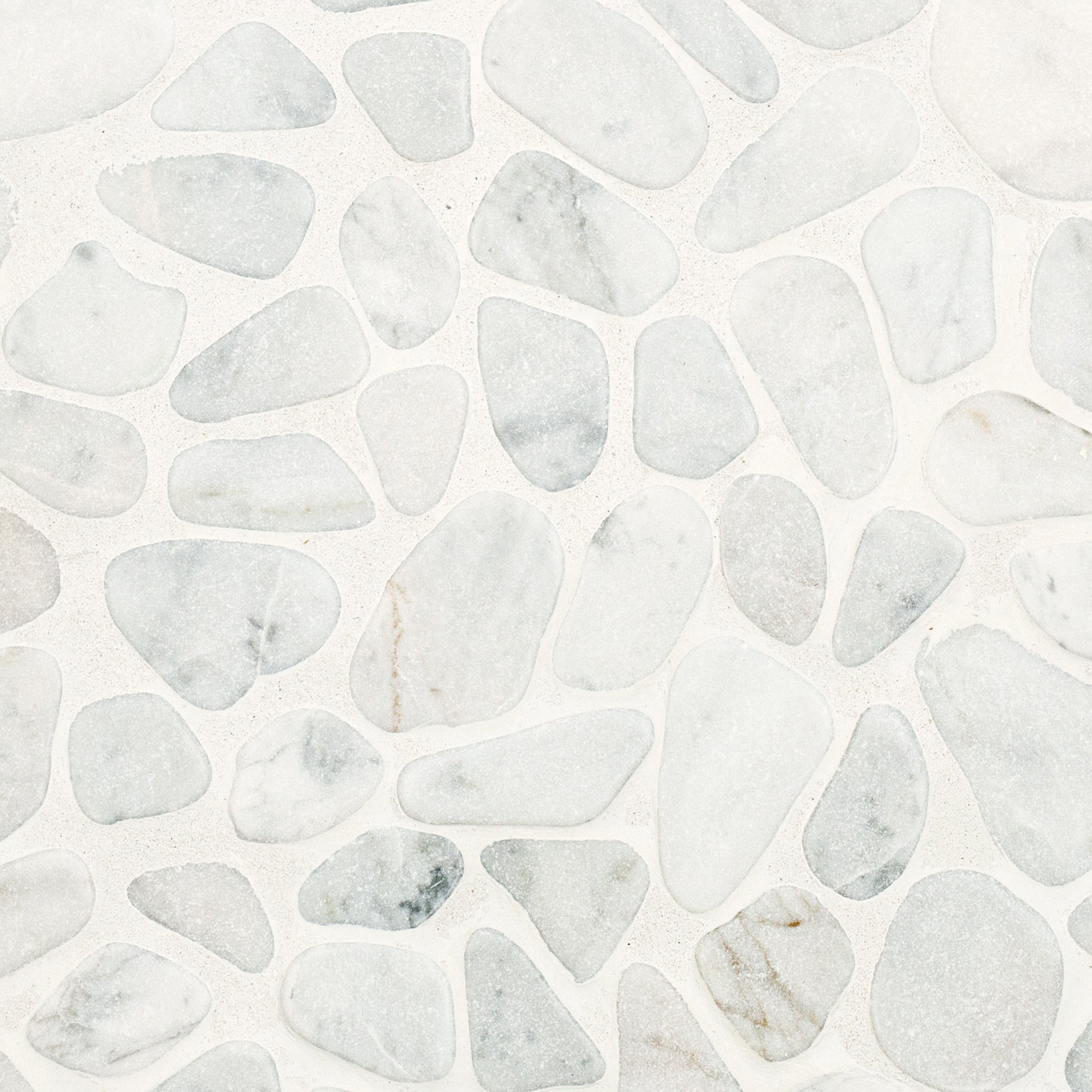
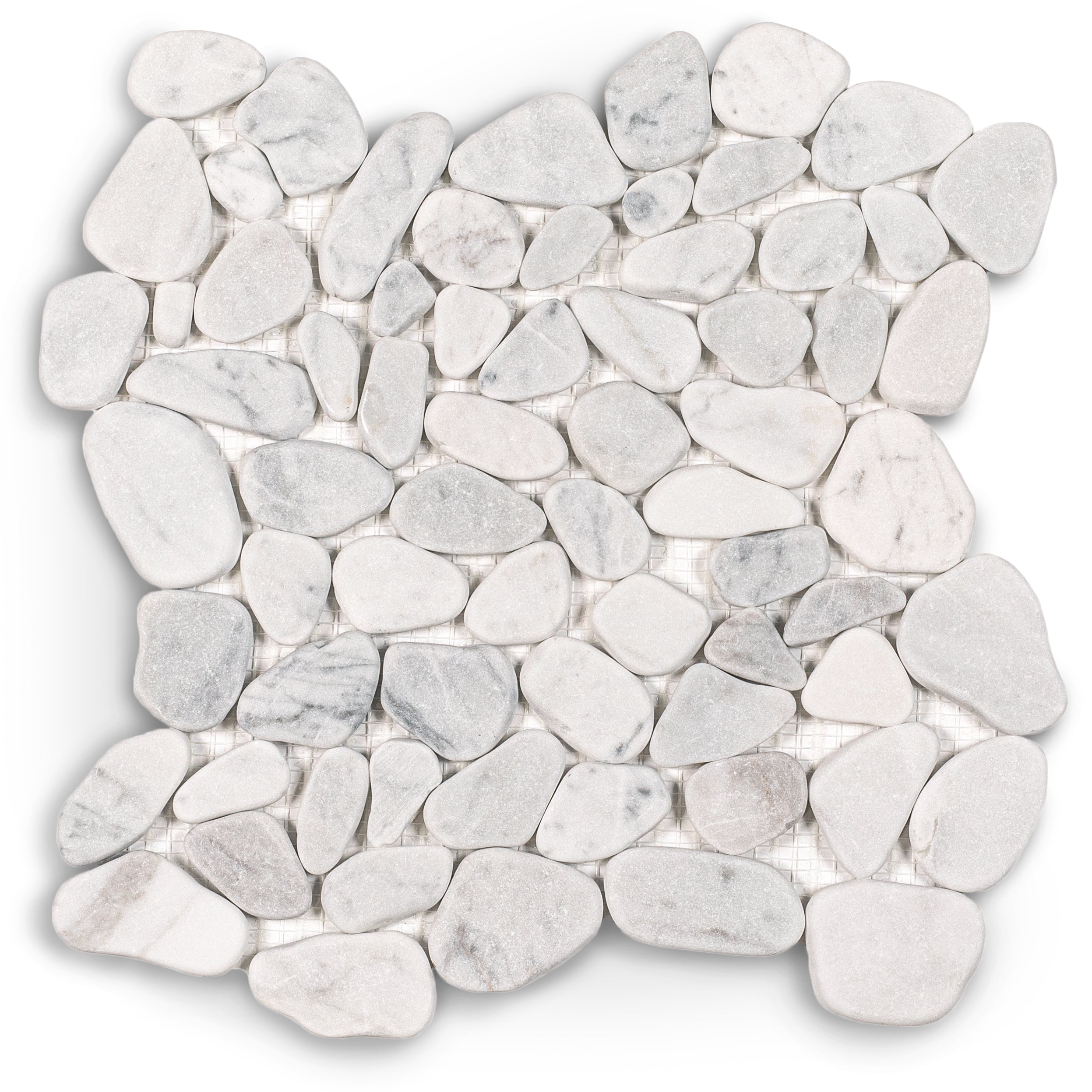
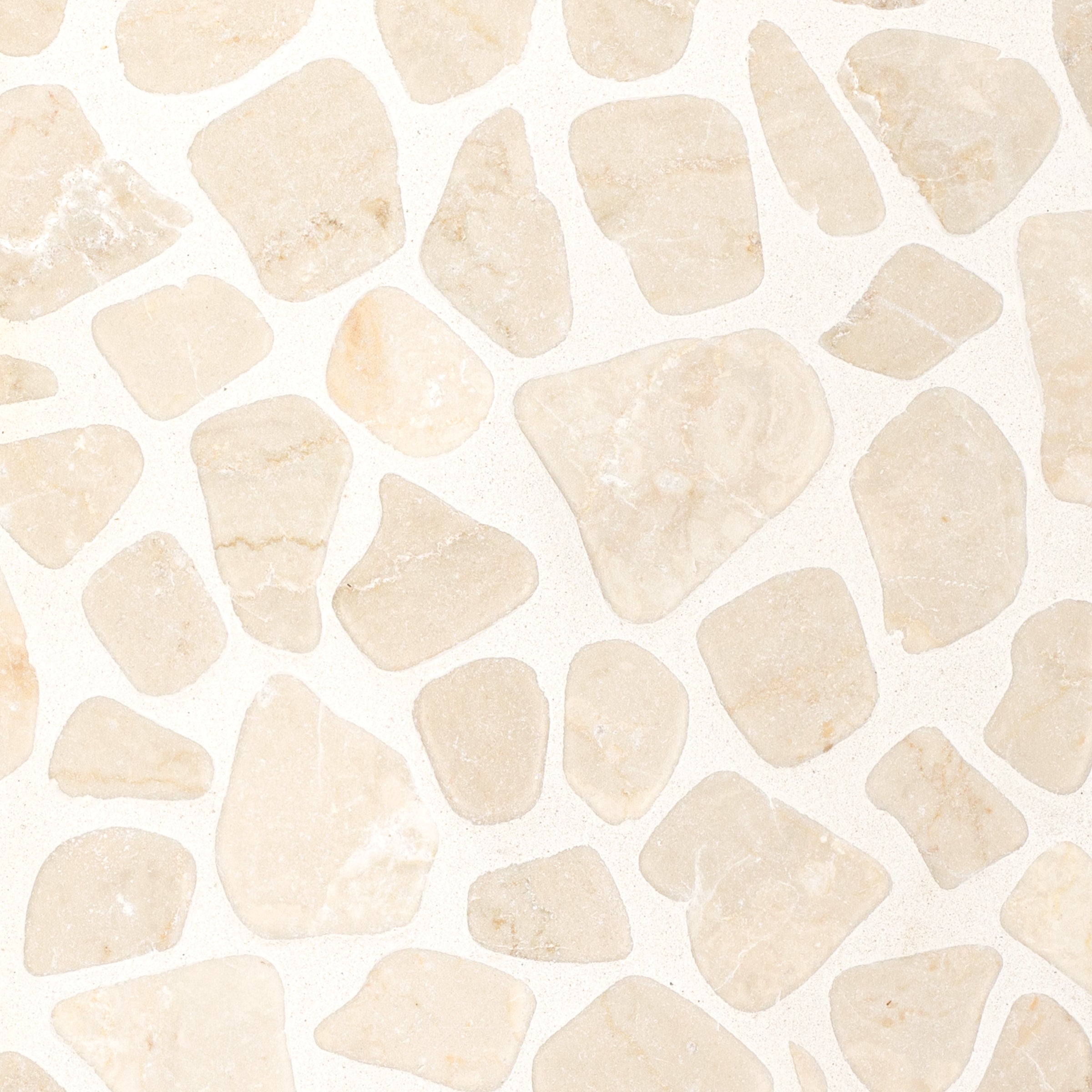
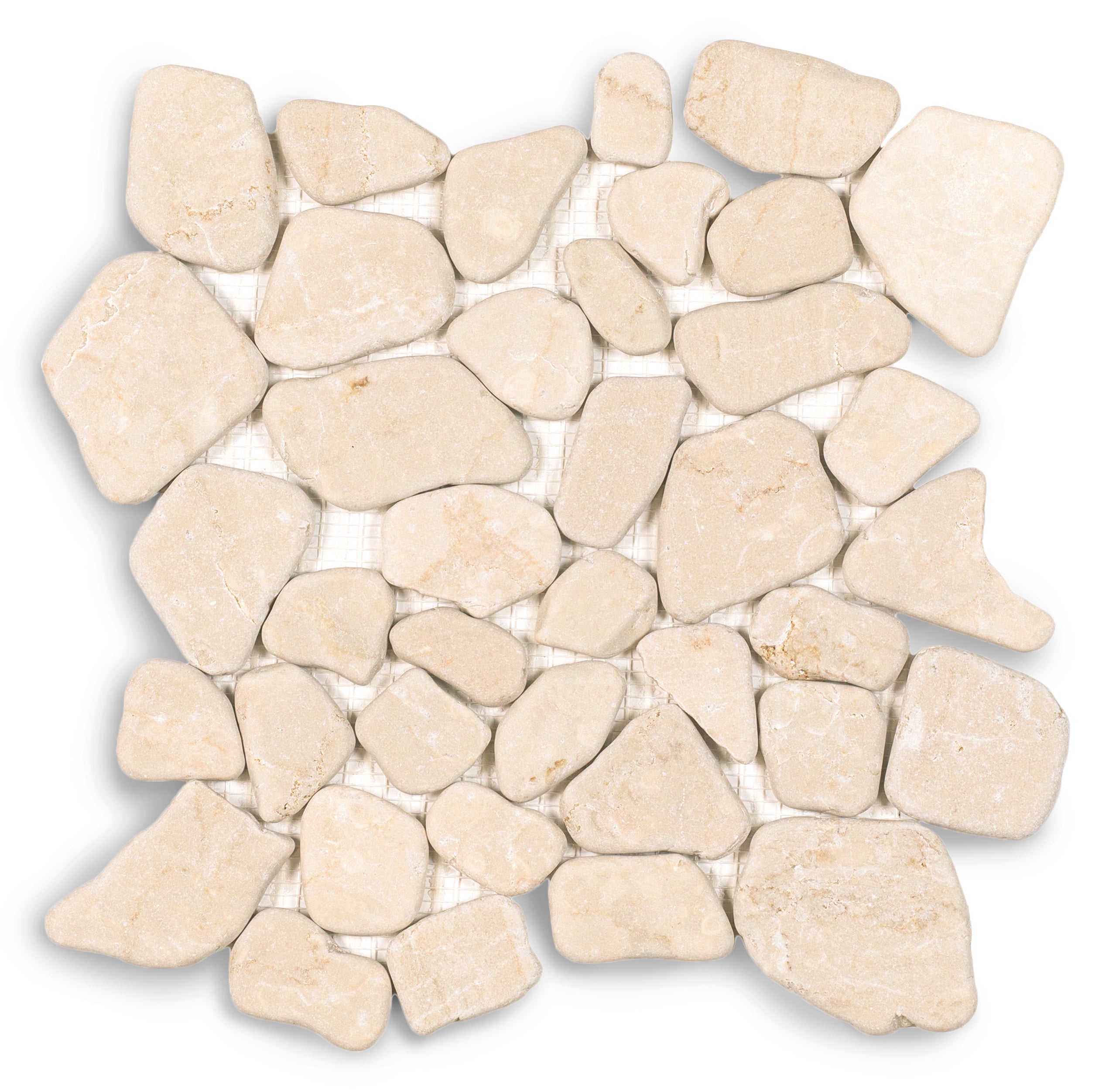
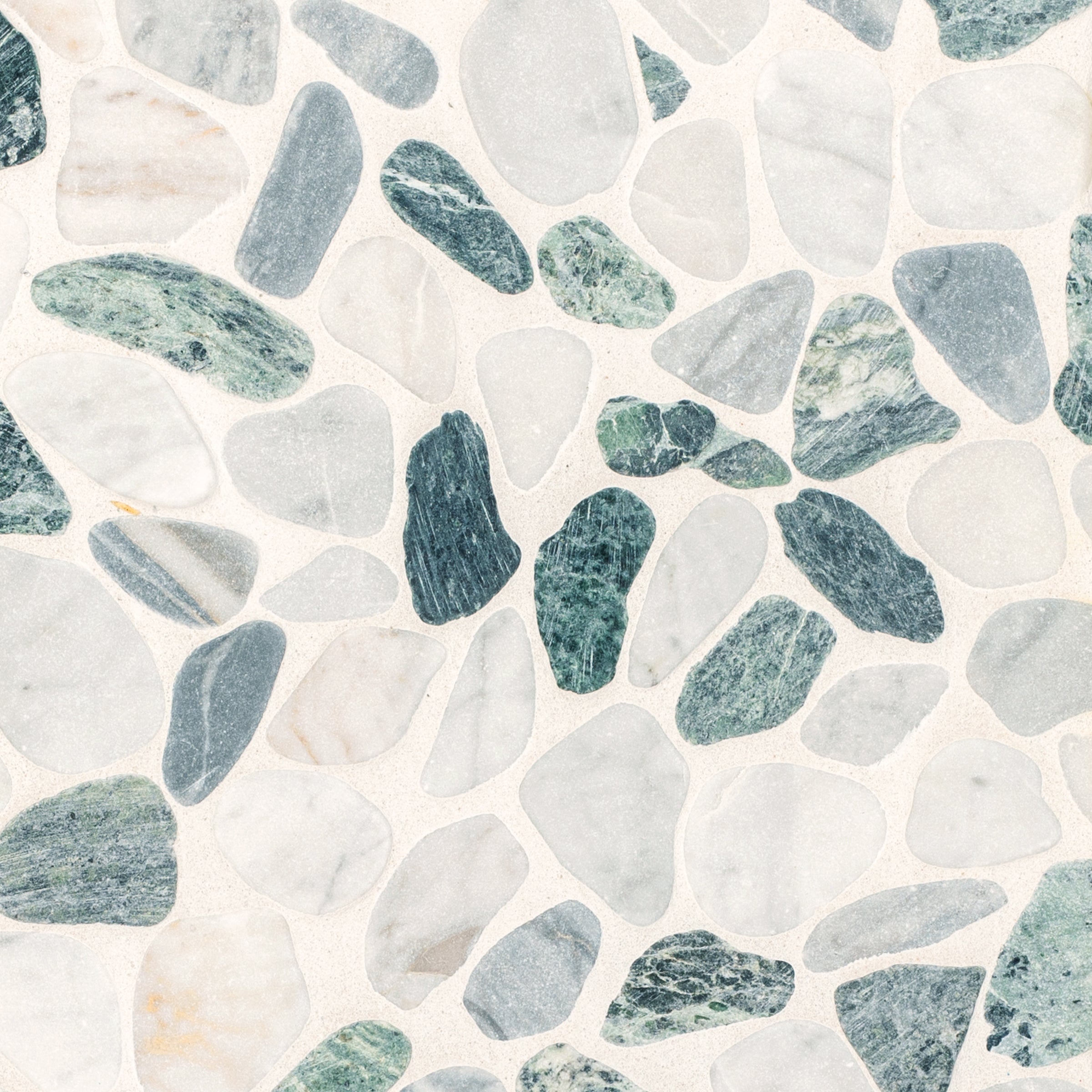
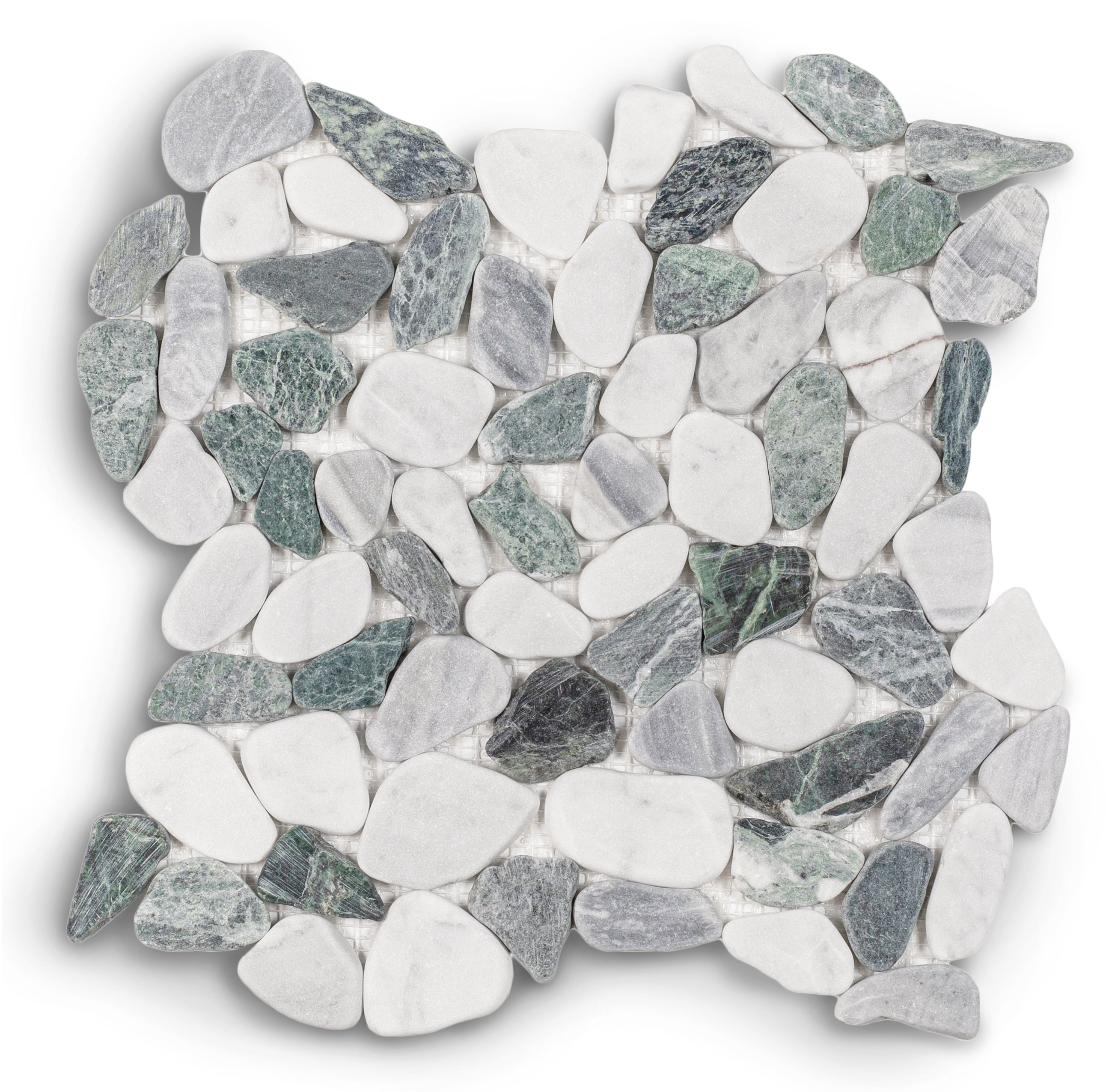
Carrara, Verde, Bardiglio Tumbled Pebble Mosaic
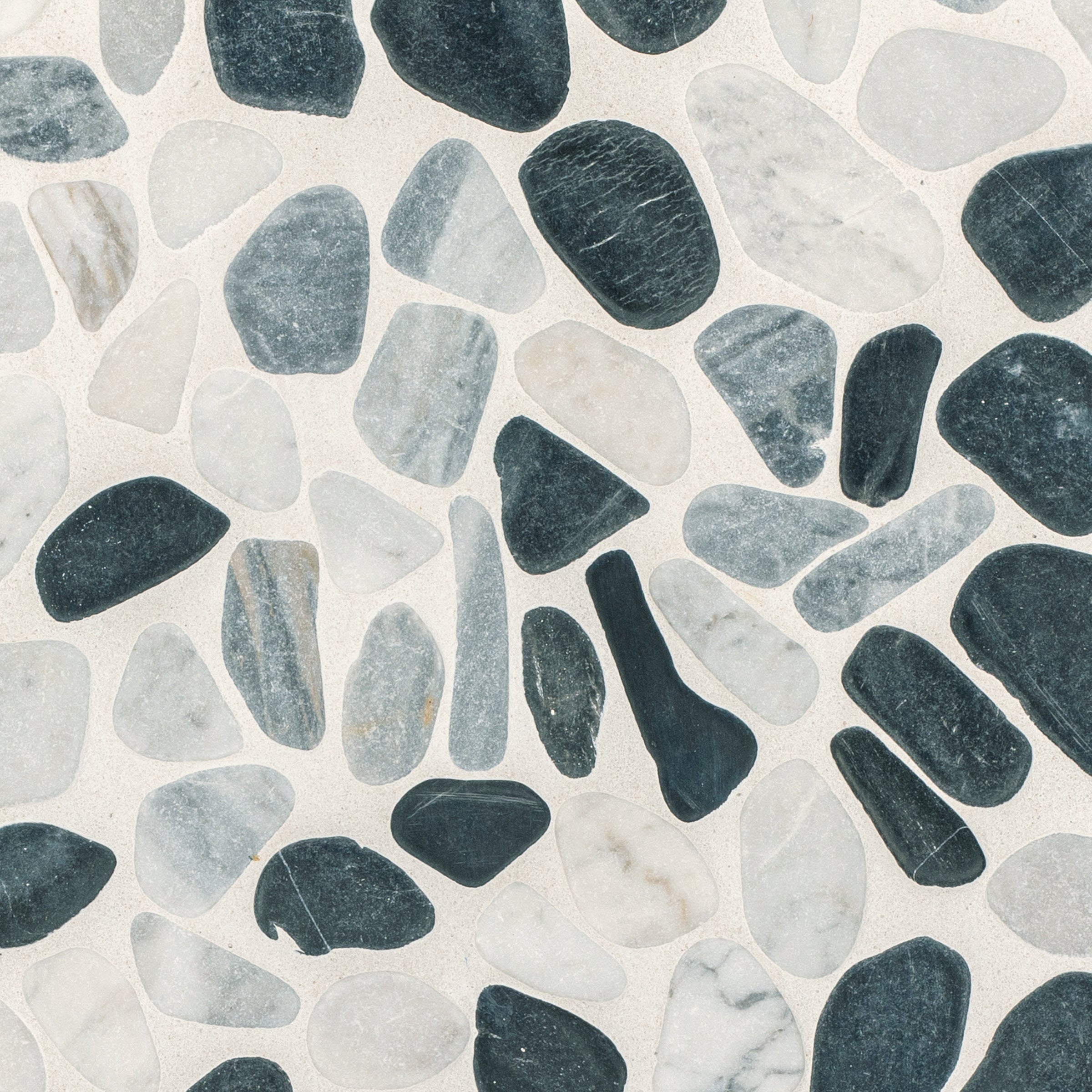
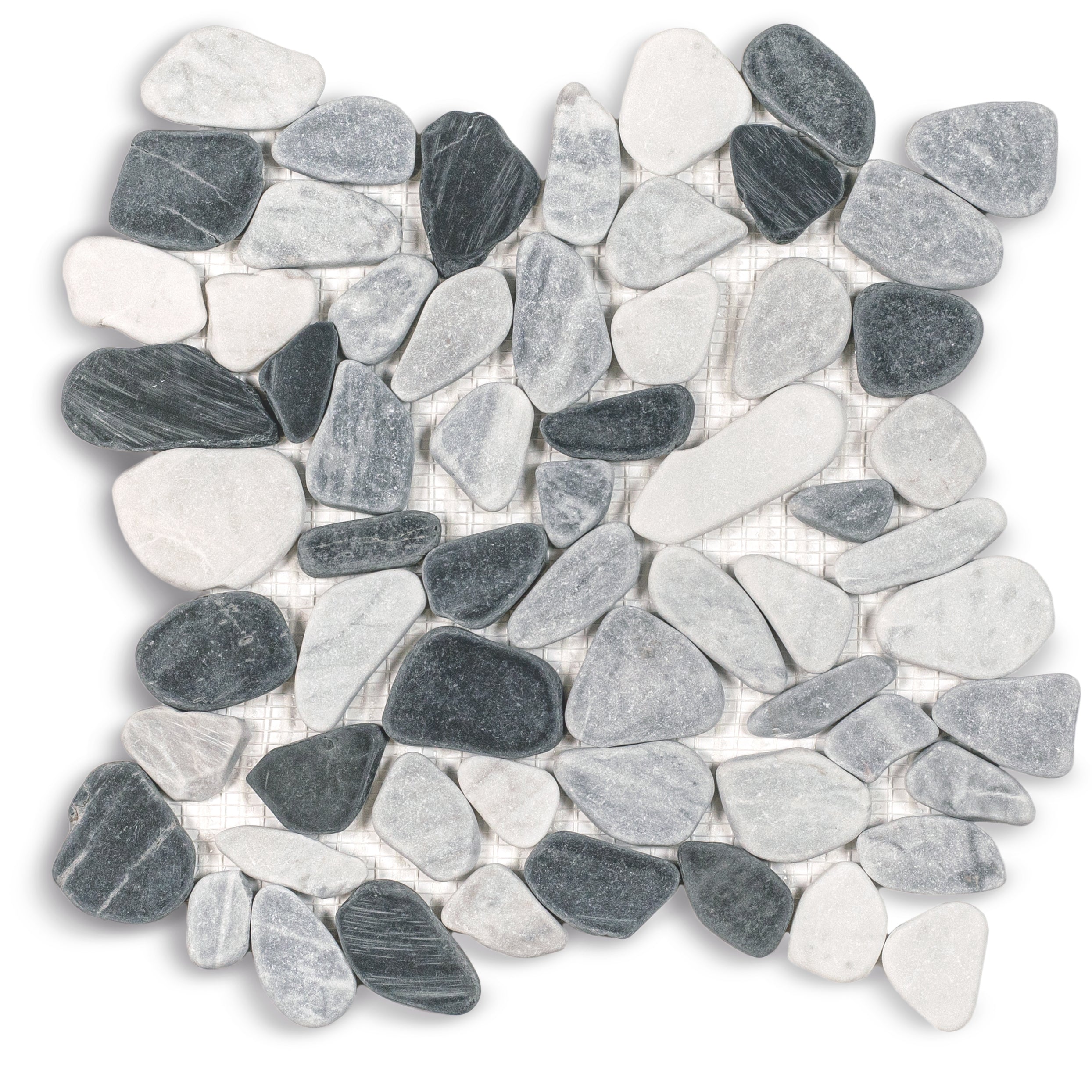
Carrara, Nero, Bardiglio Tumbled Pebble Mosaic
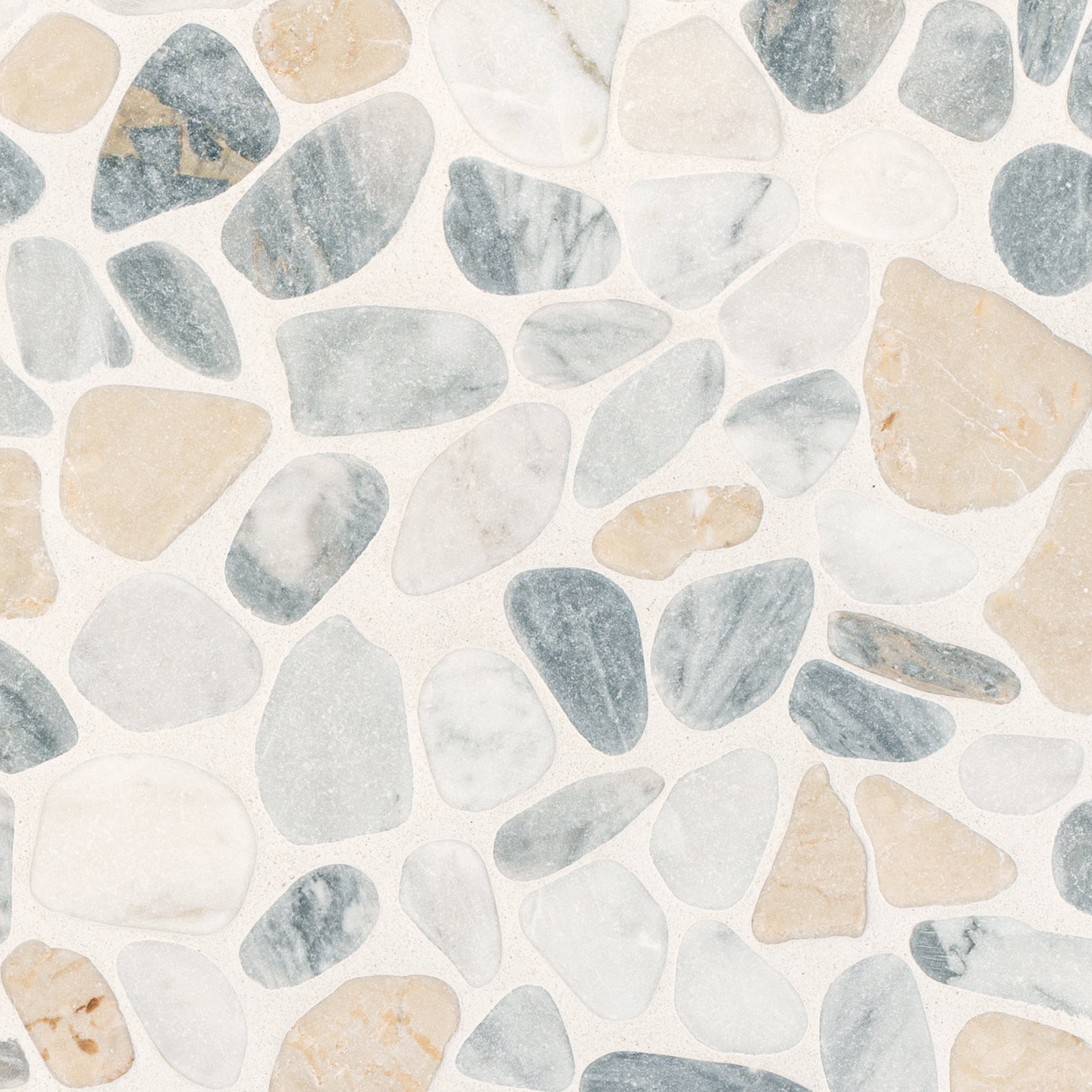
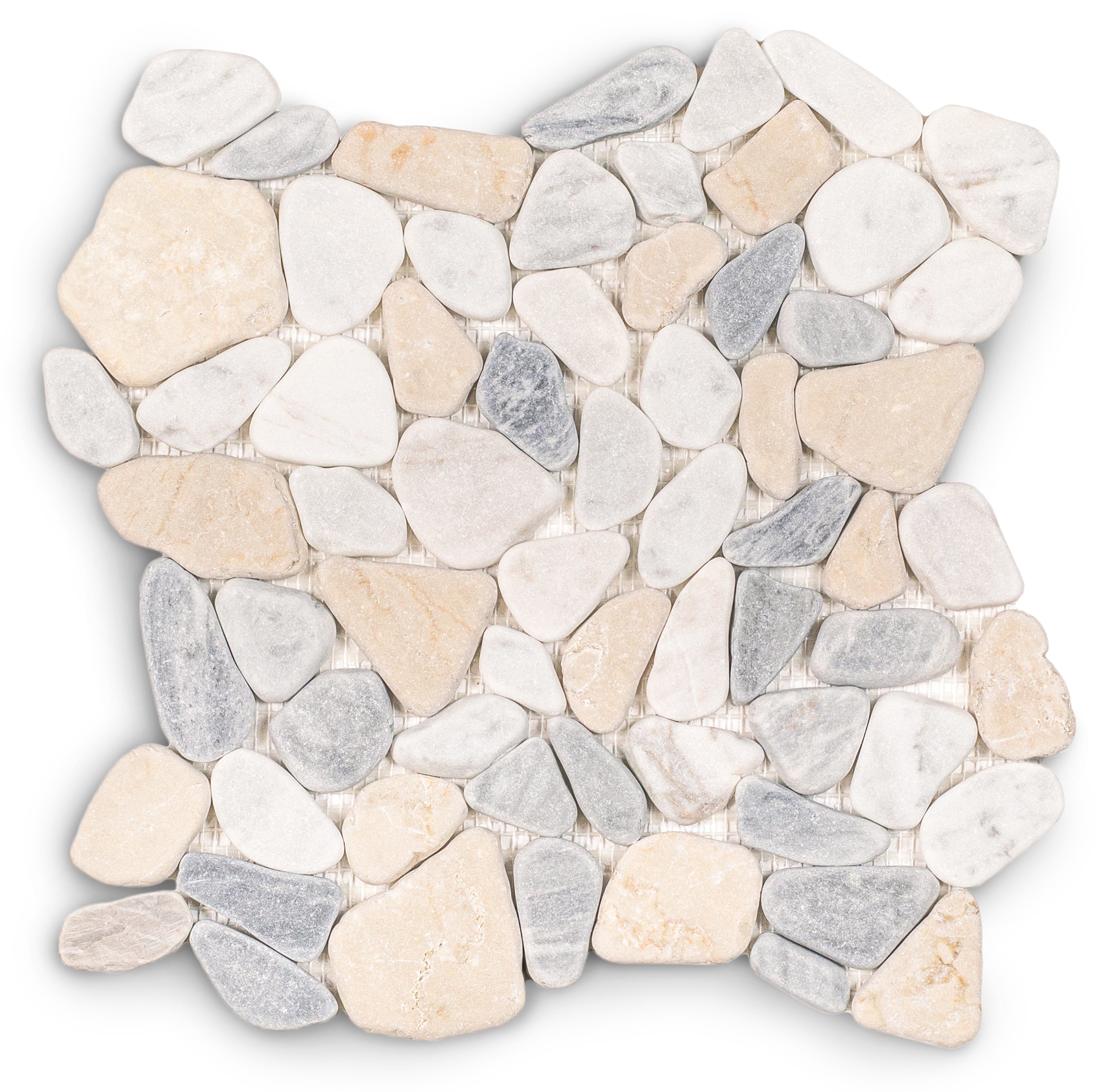
Carrara, Crema, Bardiglio Tumbled Pebble Mosaic
Rosso Verona Tumbled Marble Tile
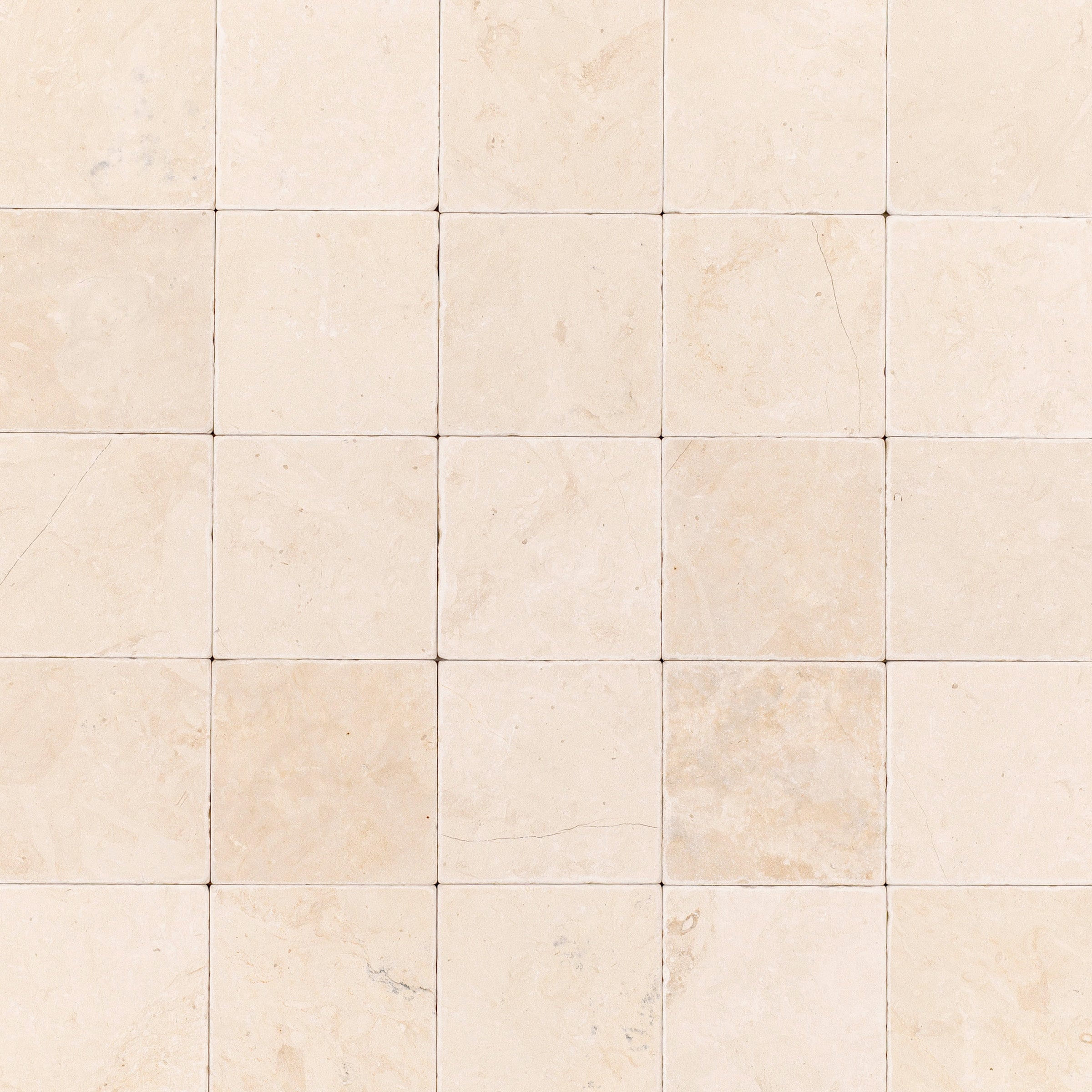
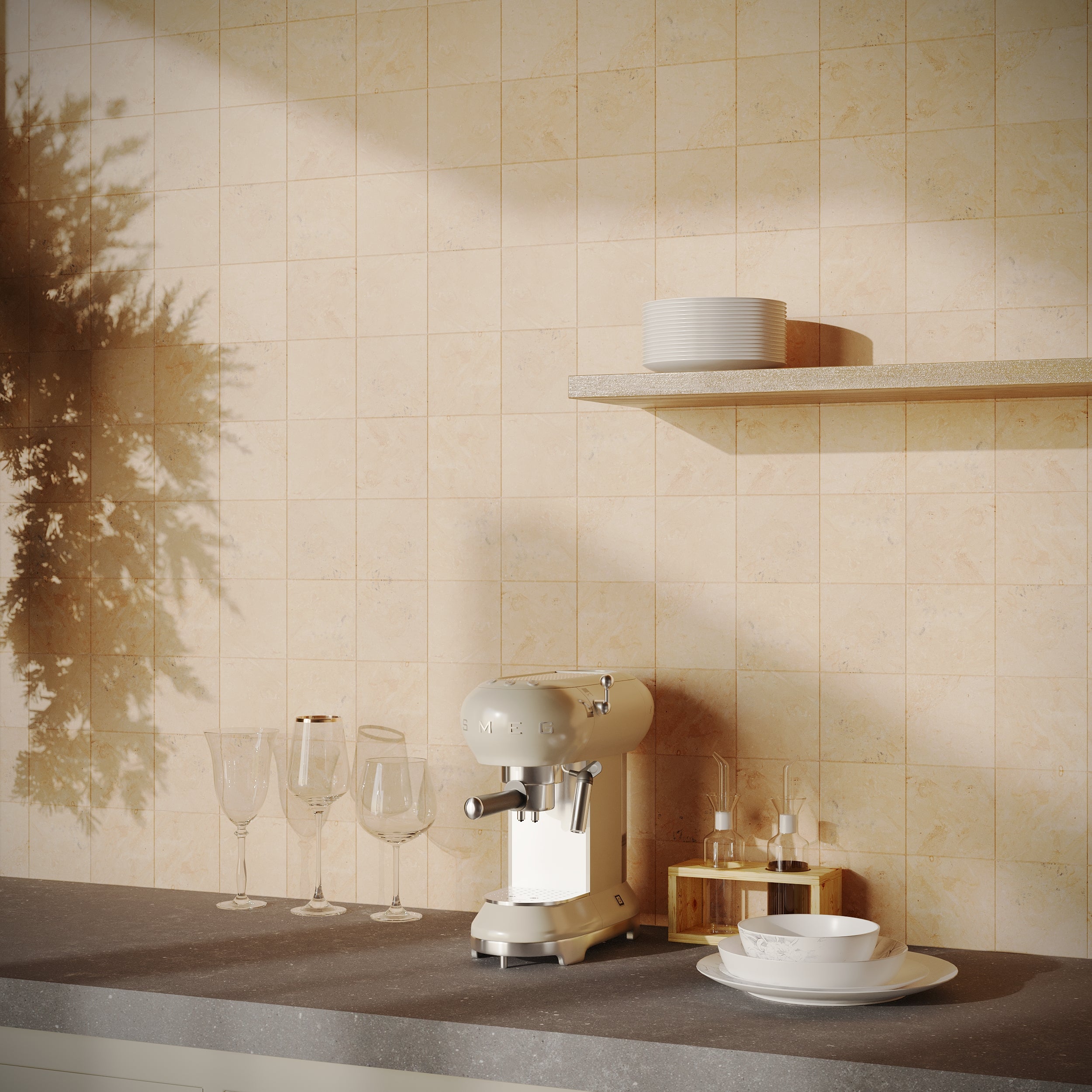
Desert Tea Tumbled Marble Tile
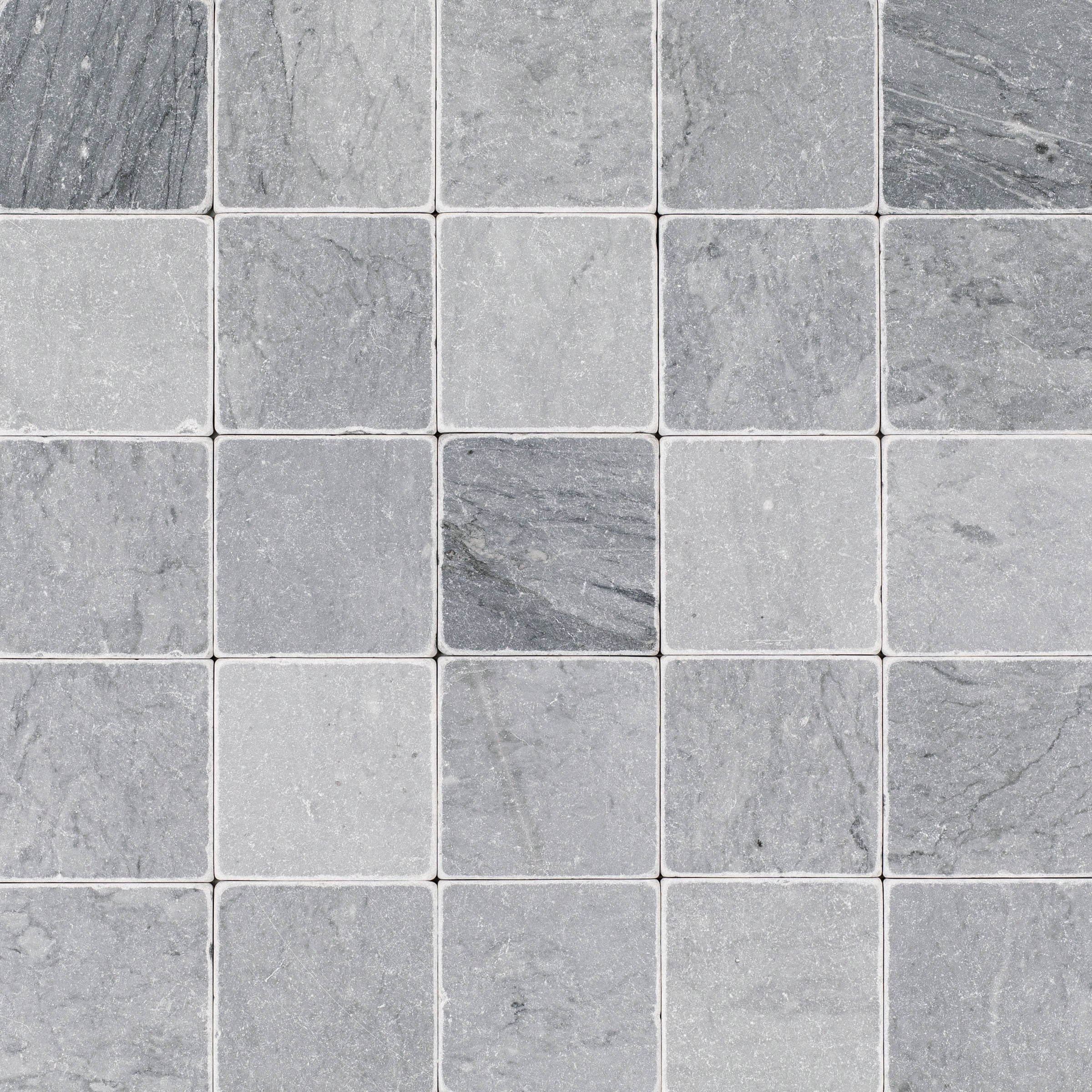
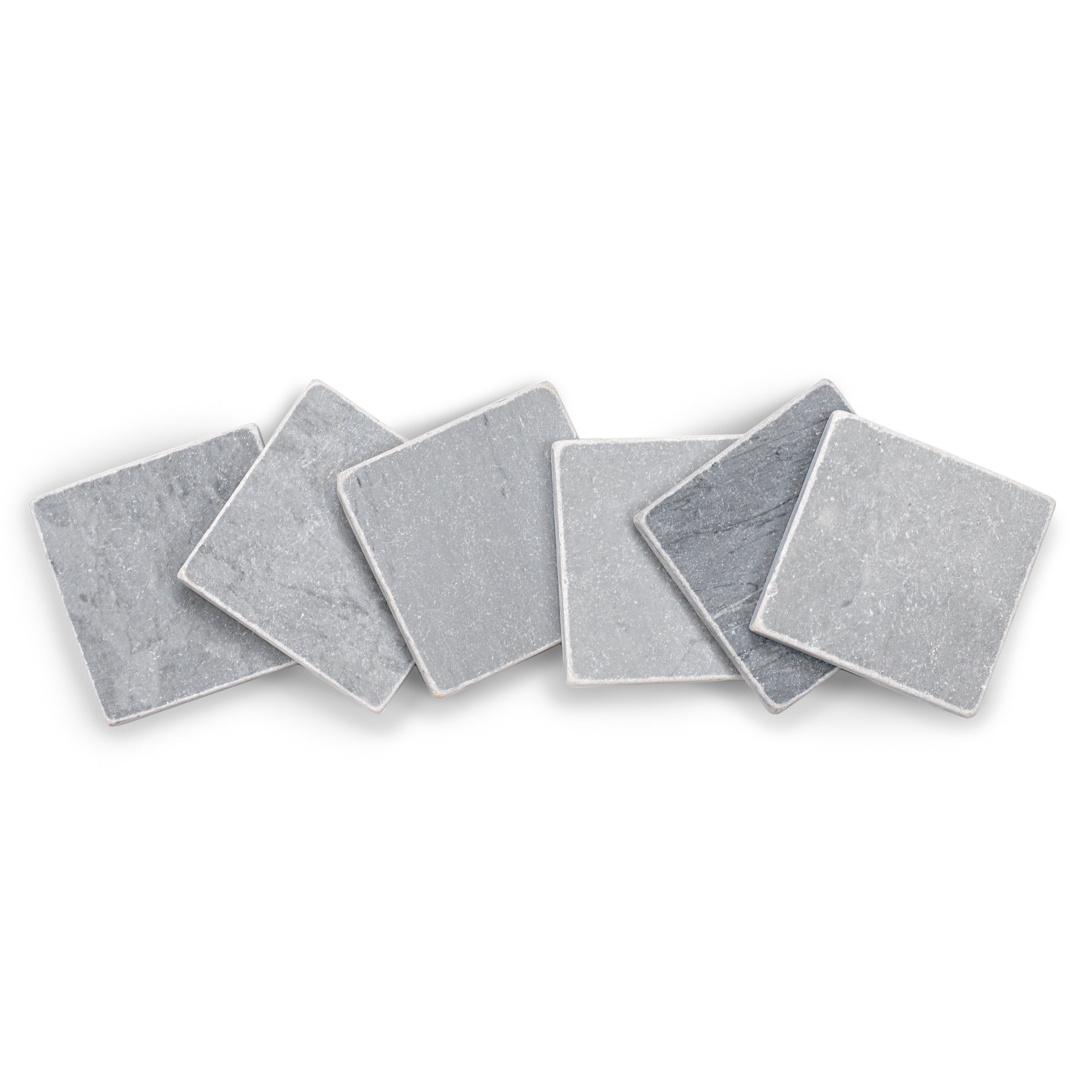
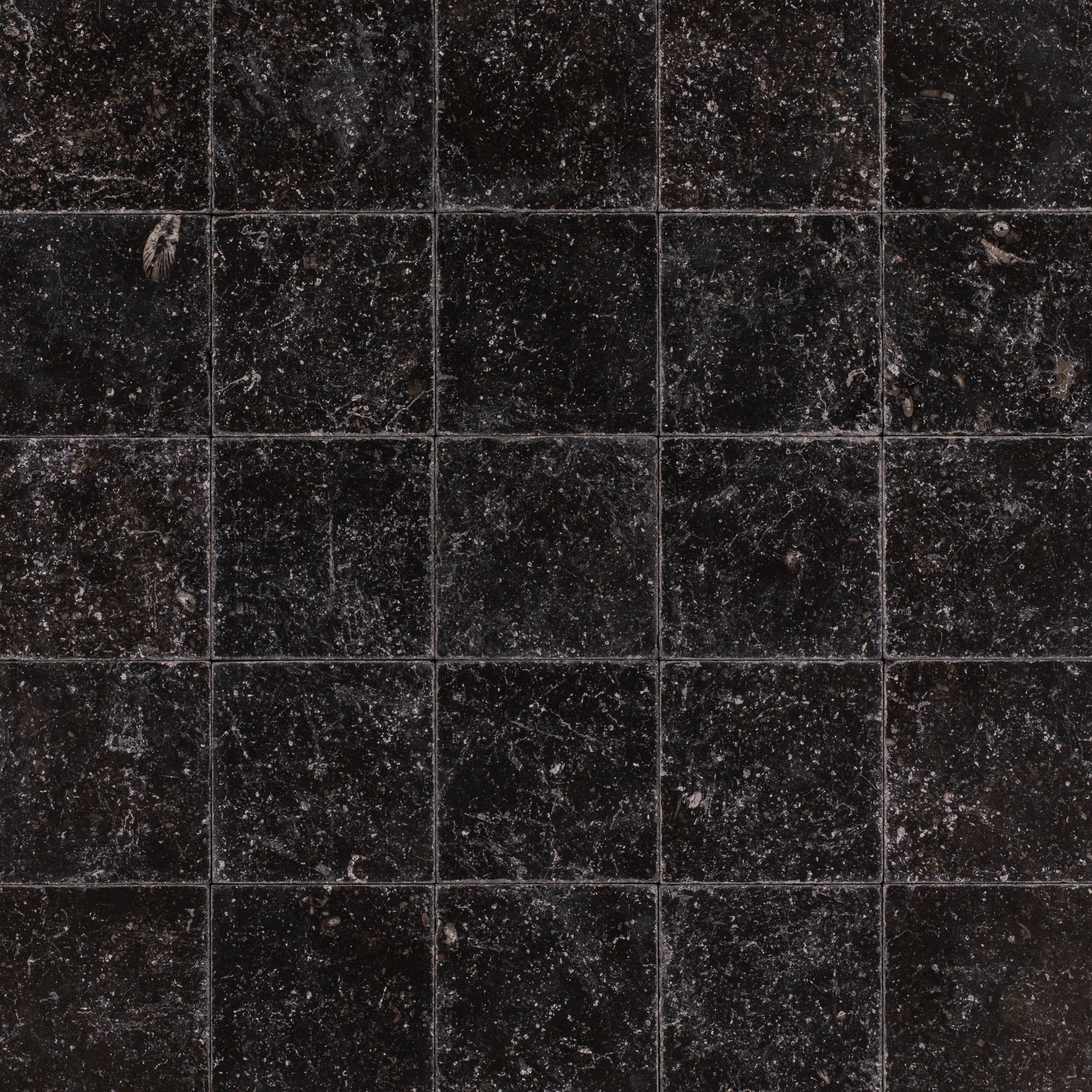
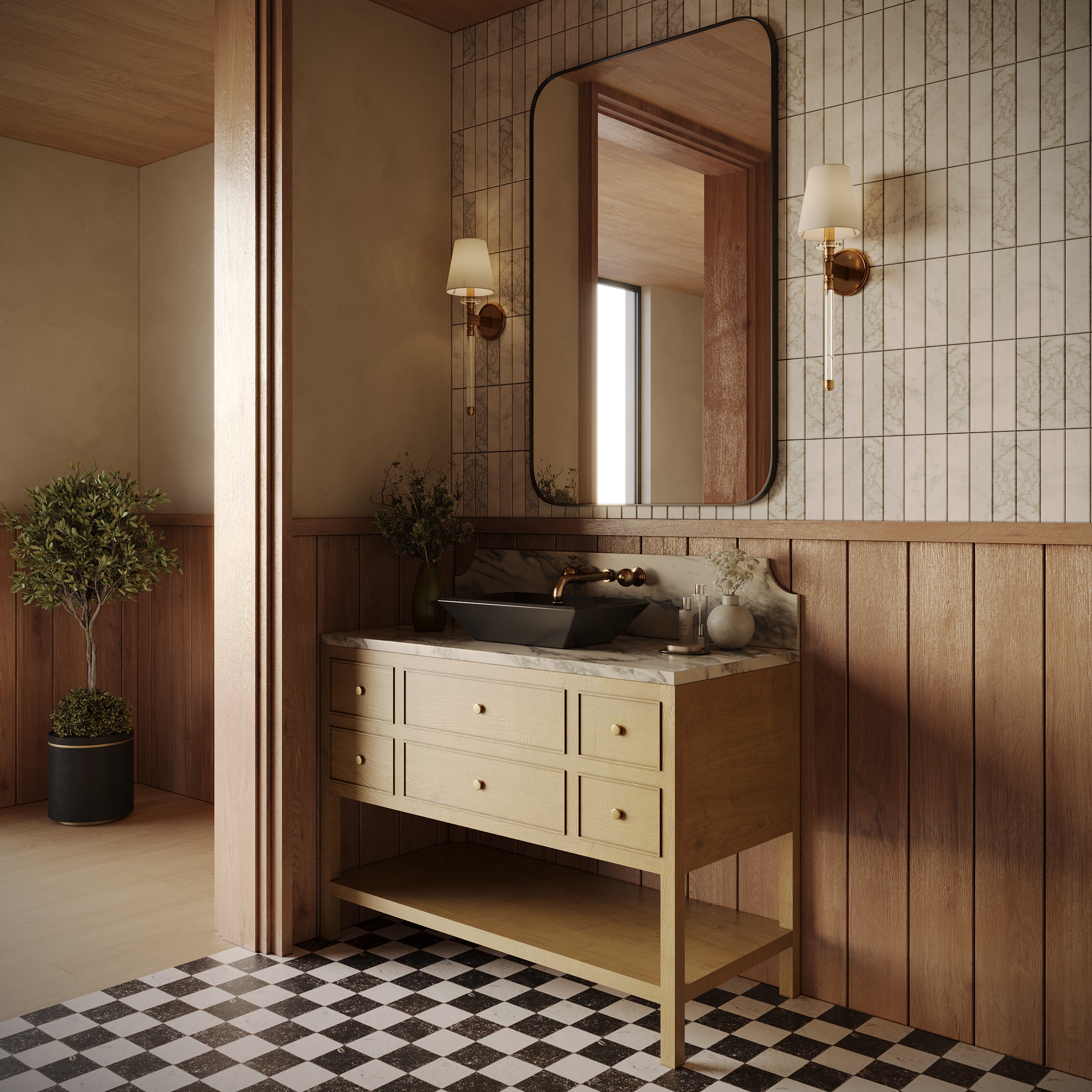
Belgian Blue Tumbled Marble Tile
Verde Guatemala Tumbled Marble Tile
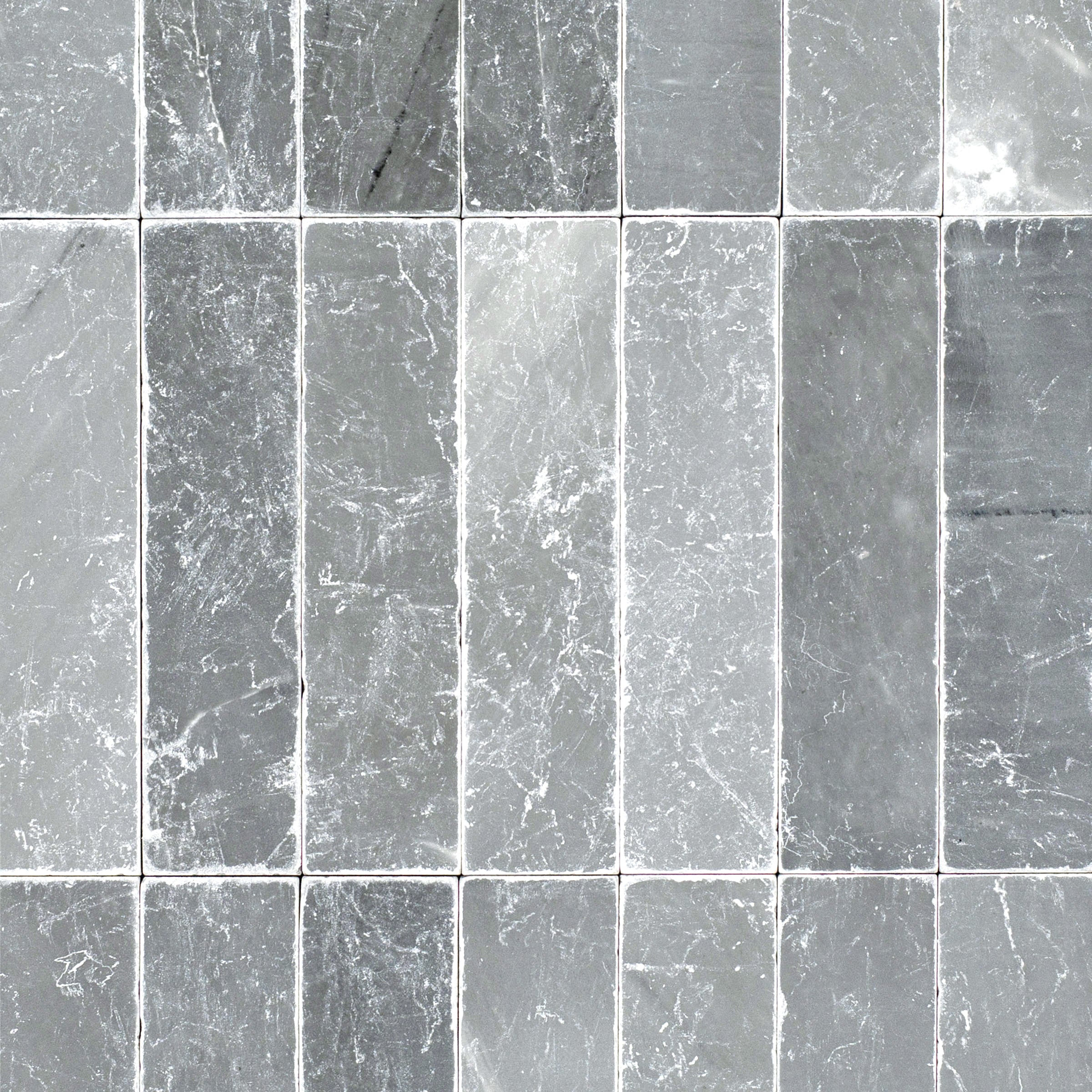
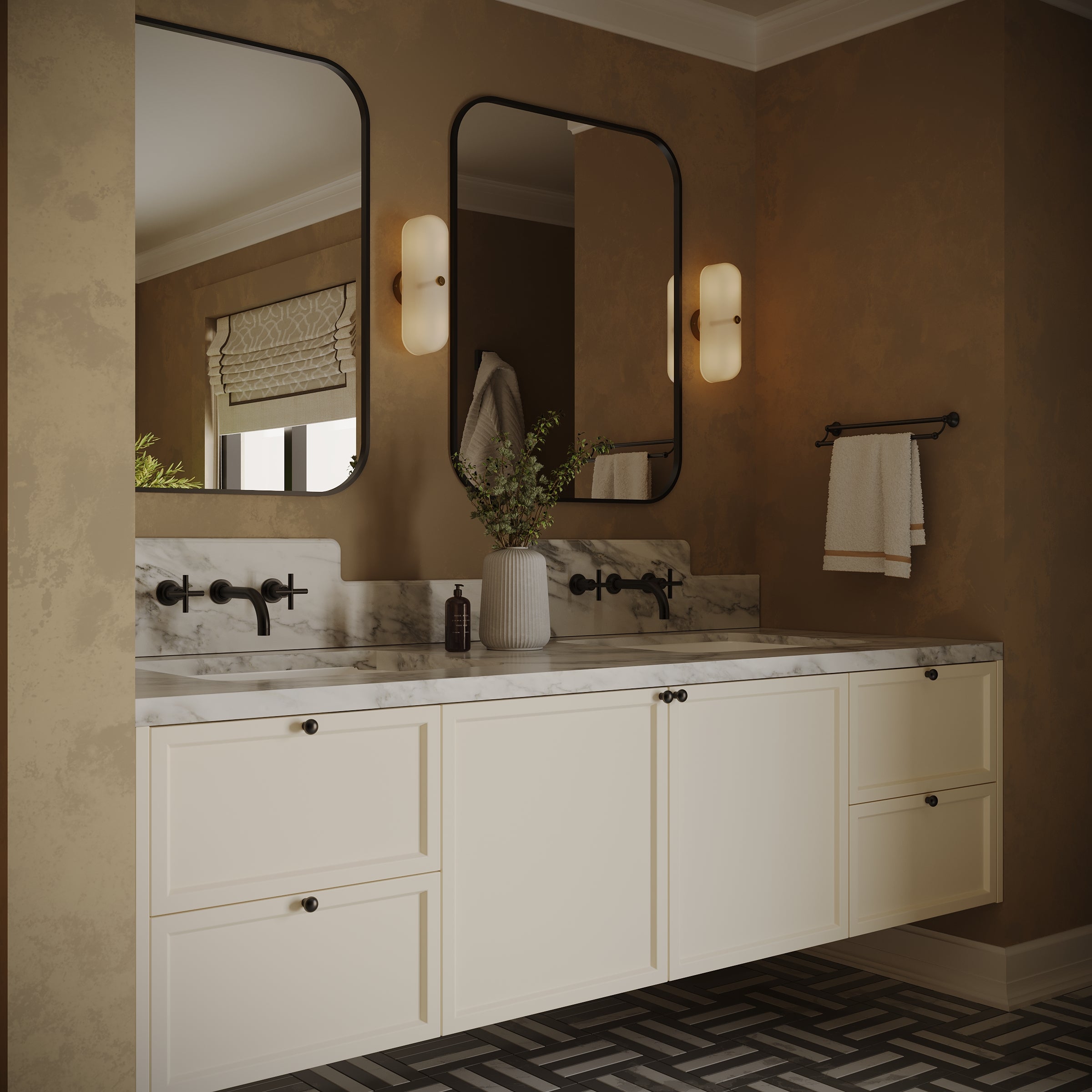
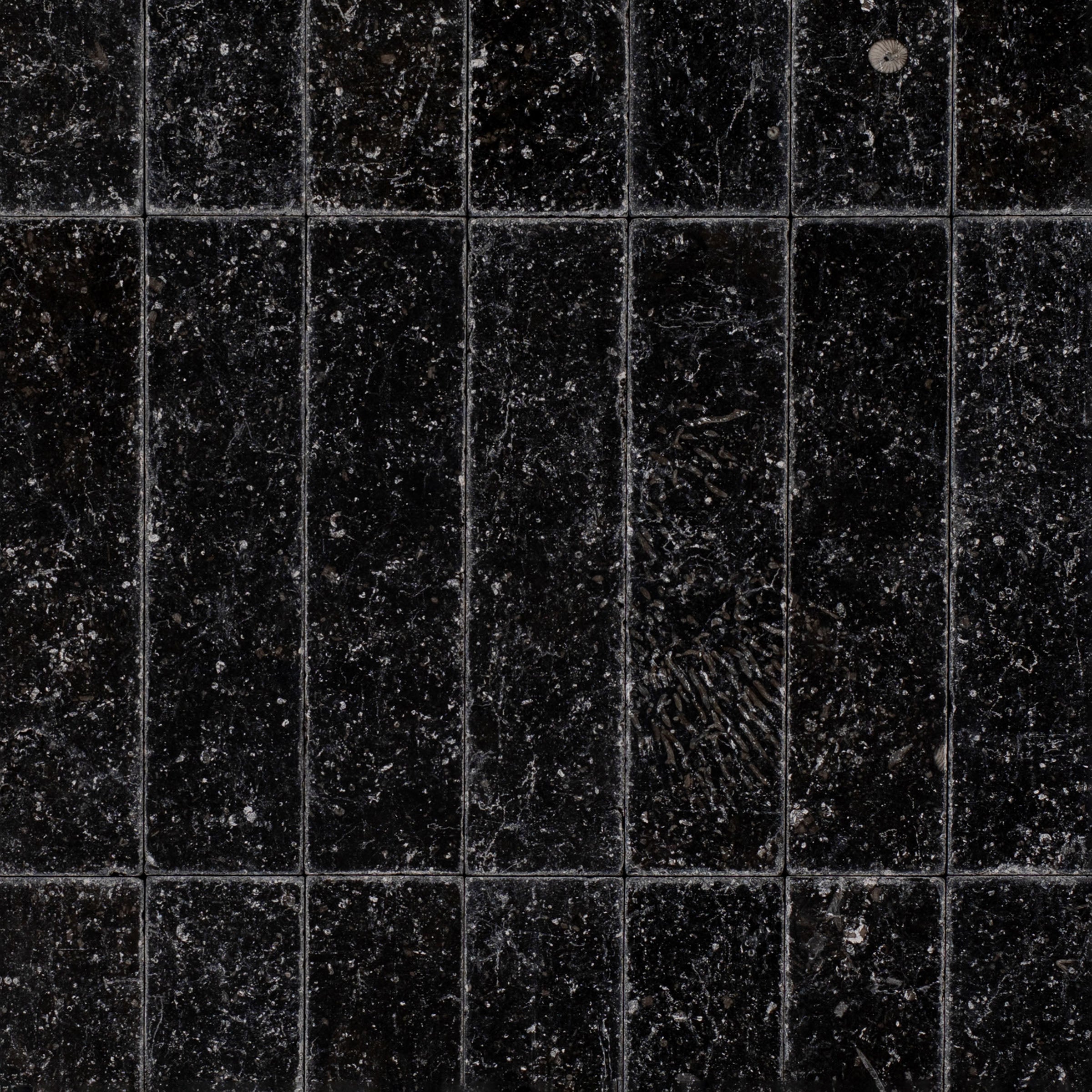
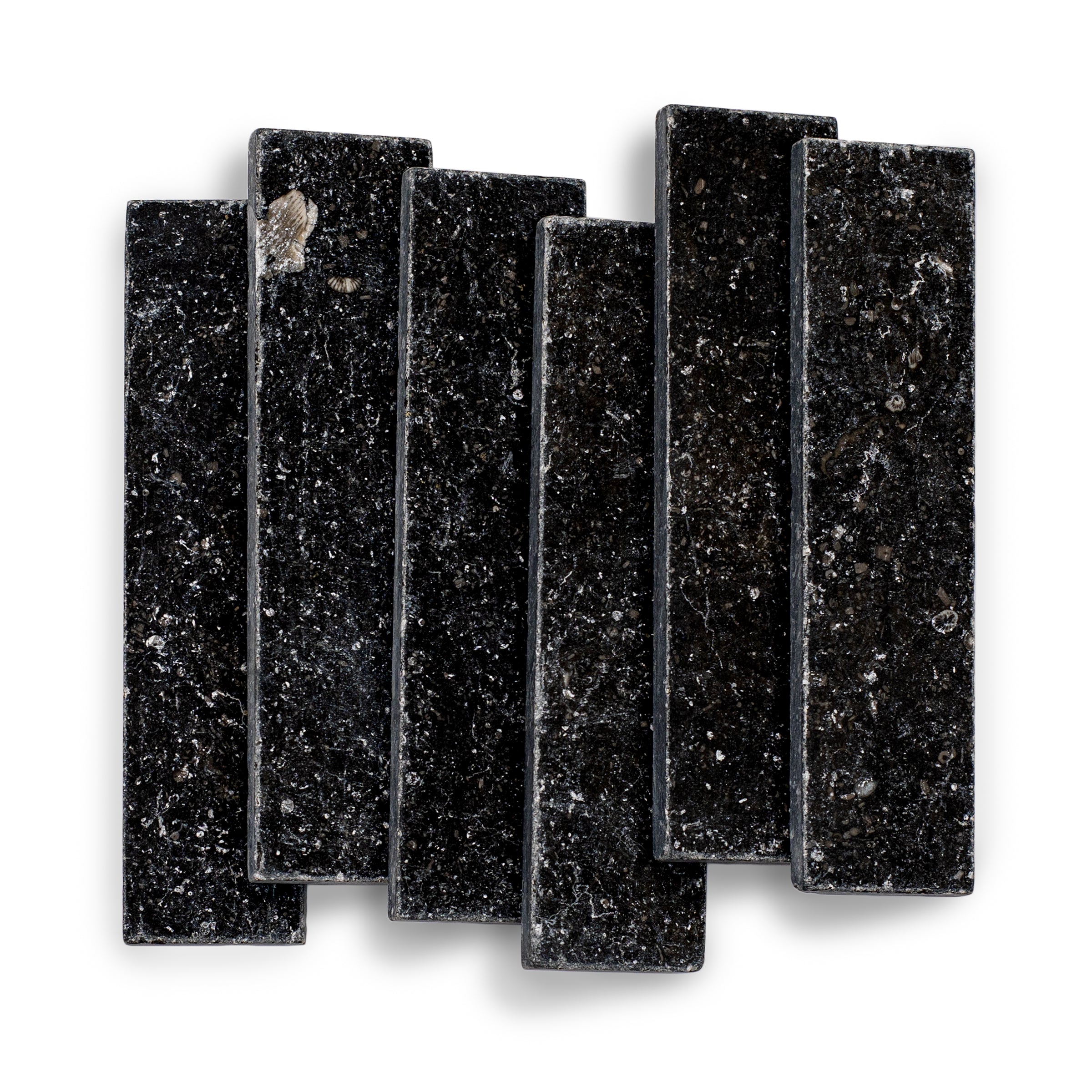
Belgian Blue Tumbled Marble Tile
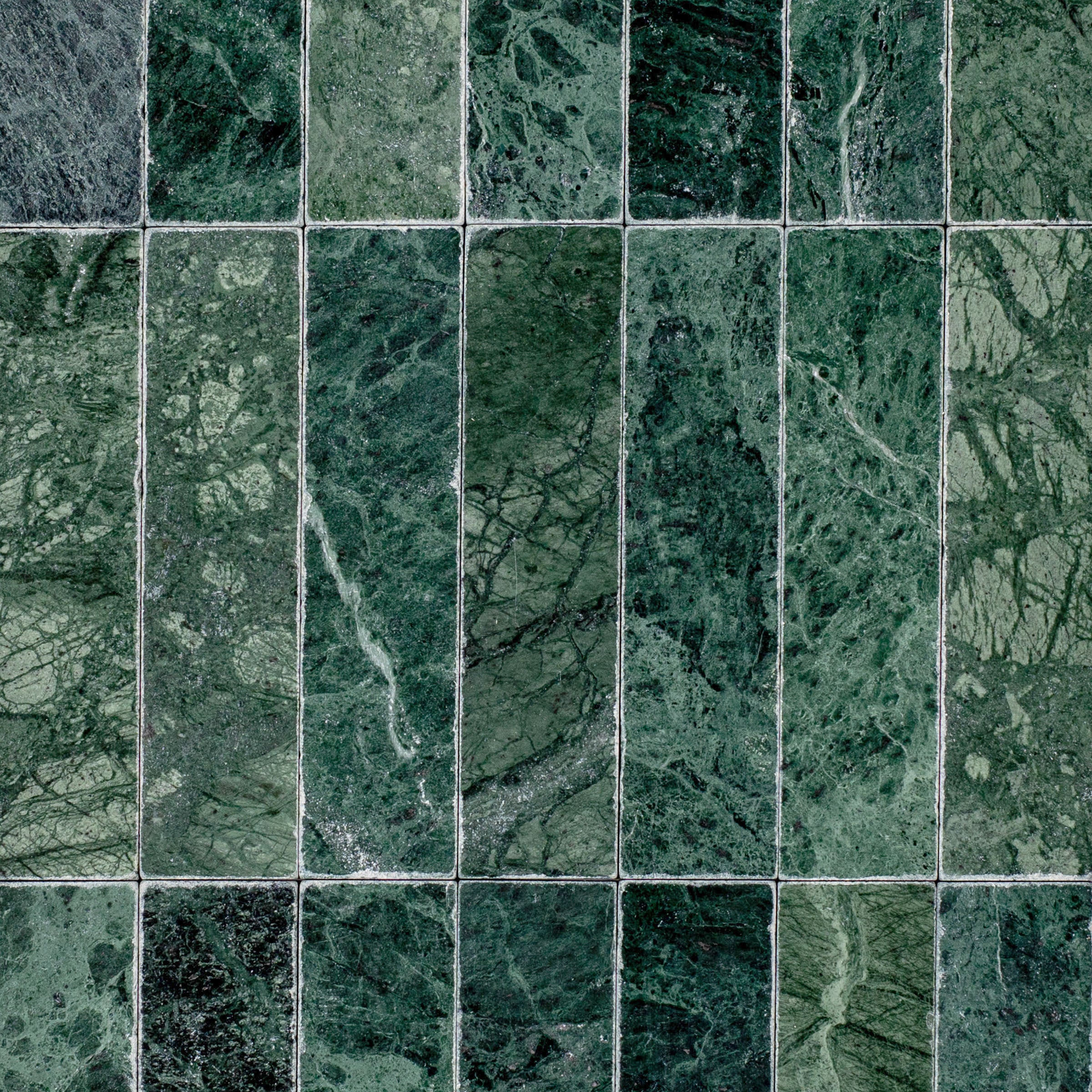
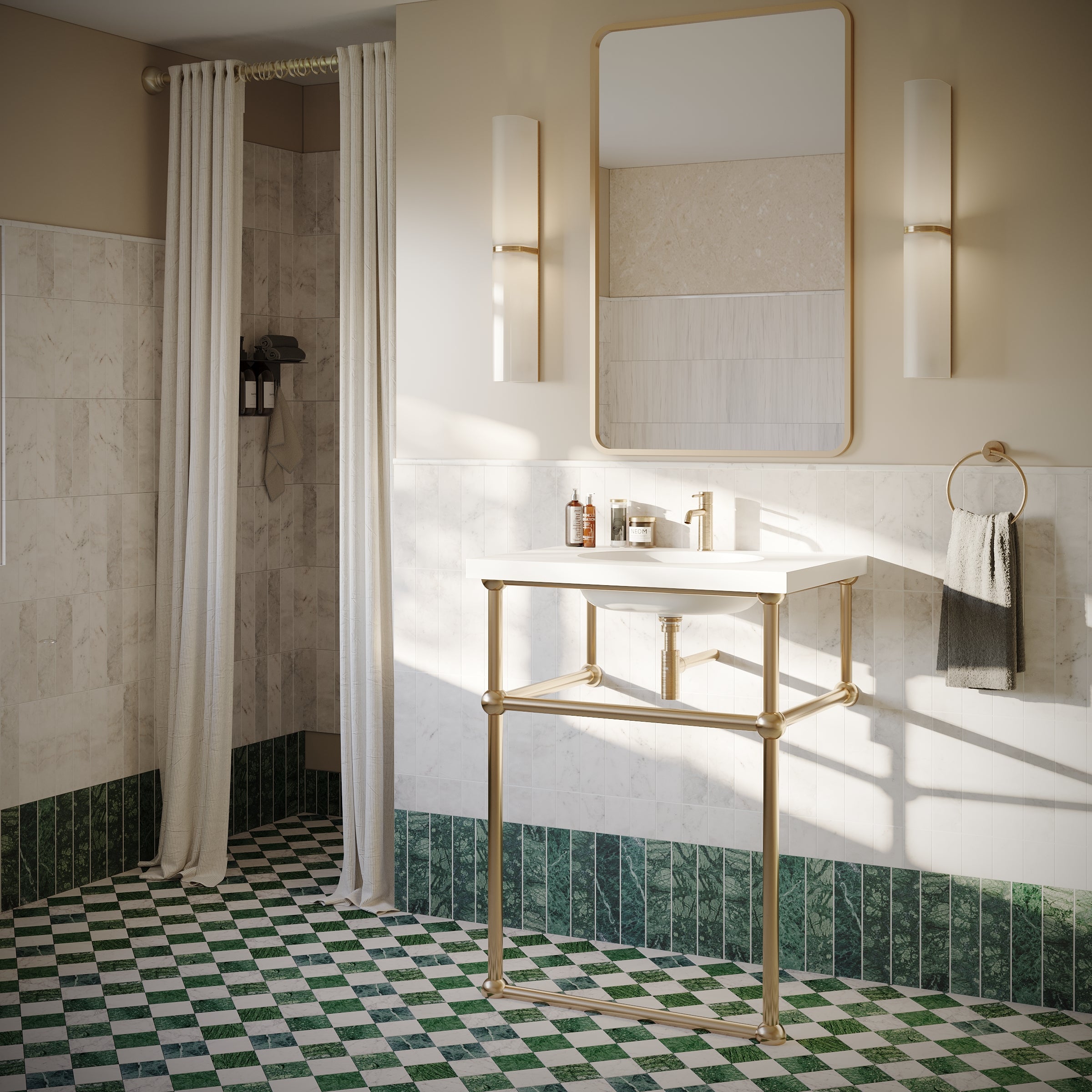
Verde Guatemala Tumbled Marble Tile
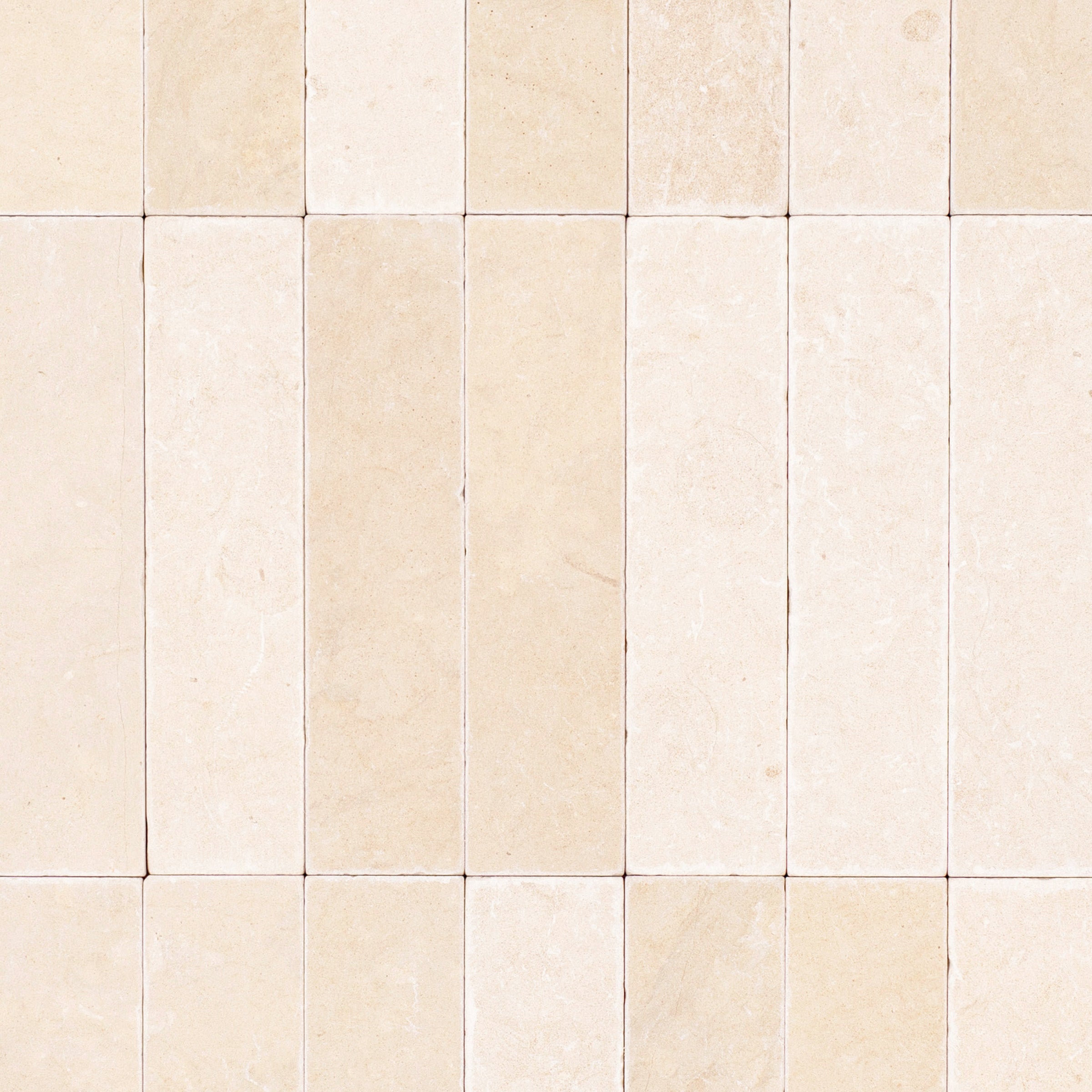
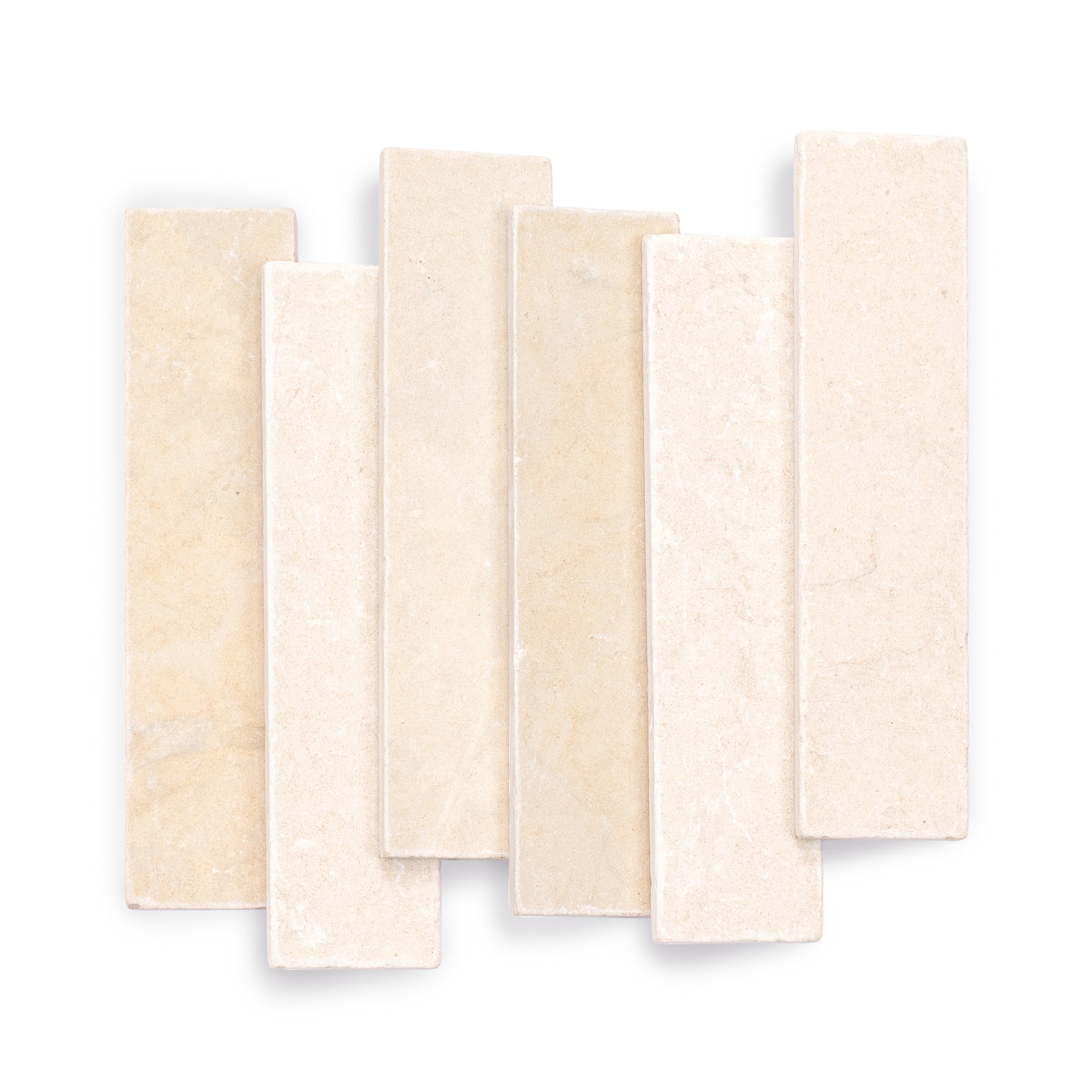
Desert Tea Tumbled Marble Tile
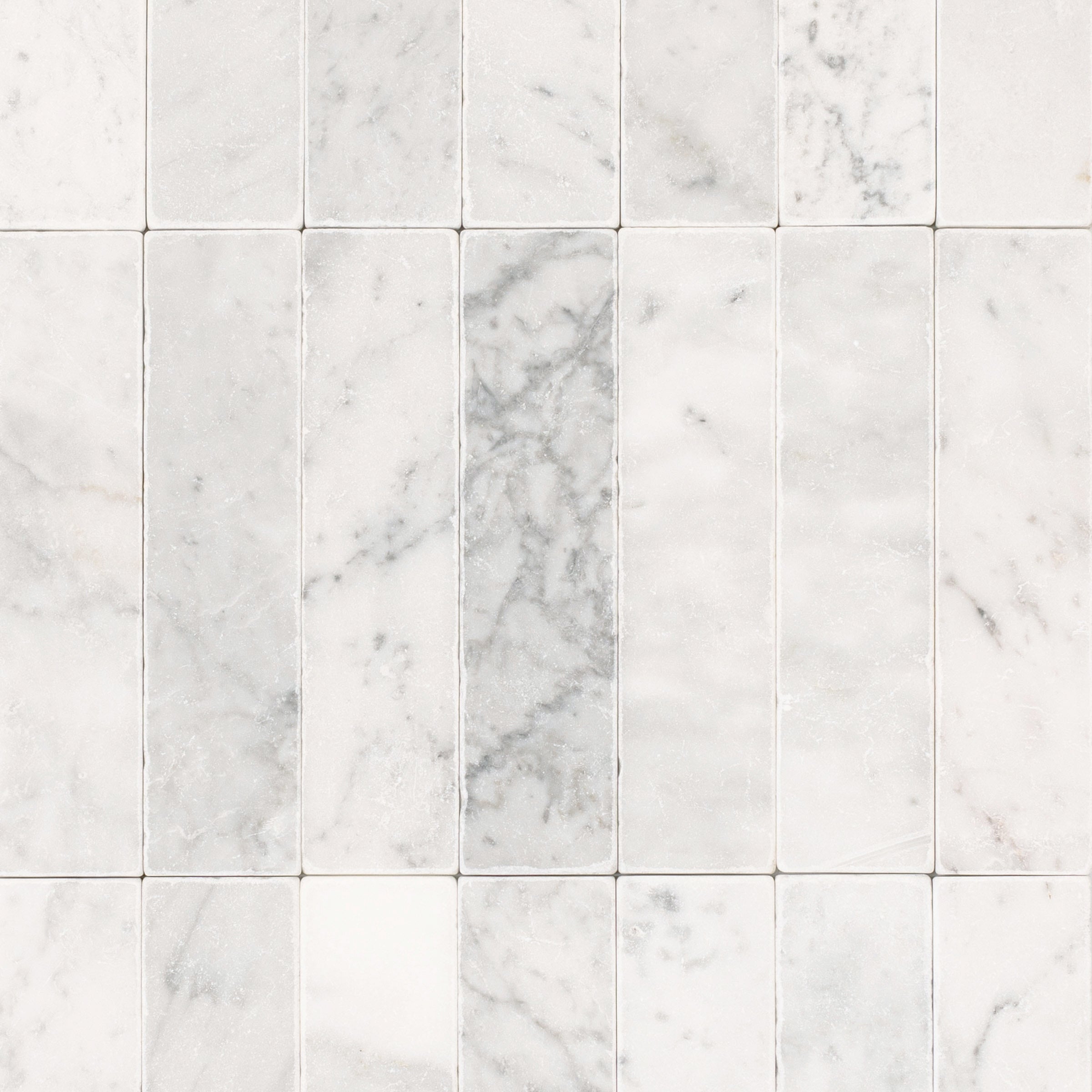
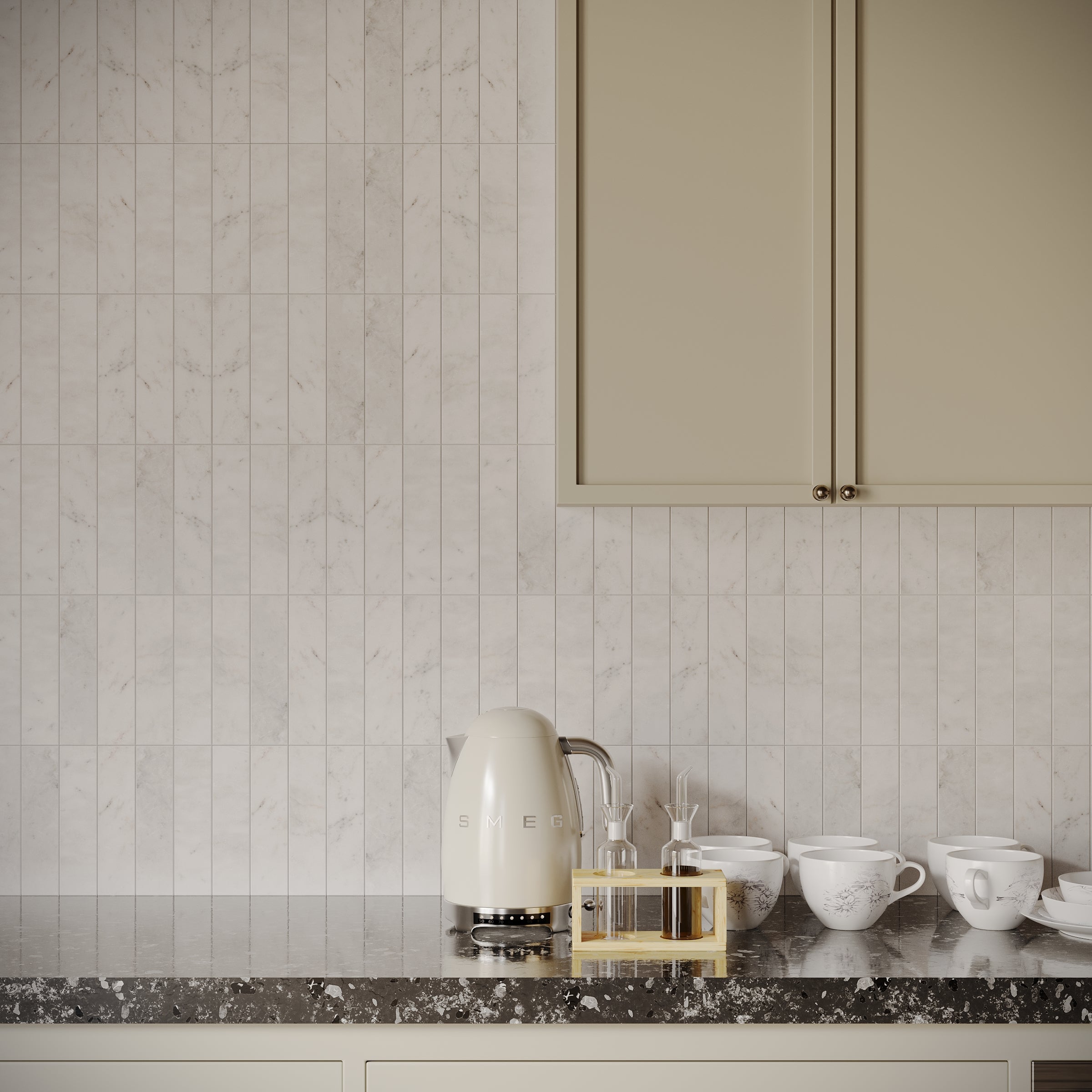
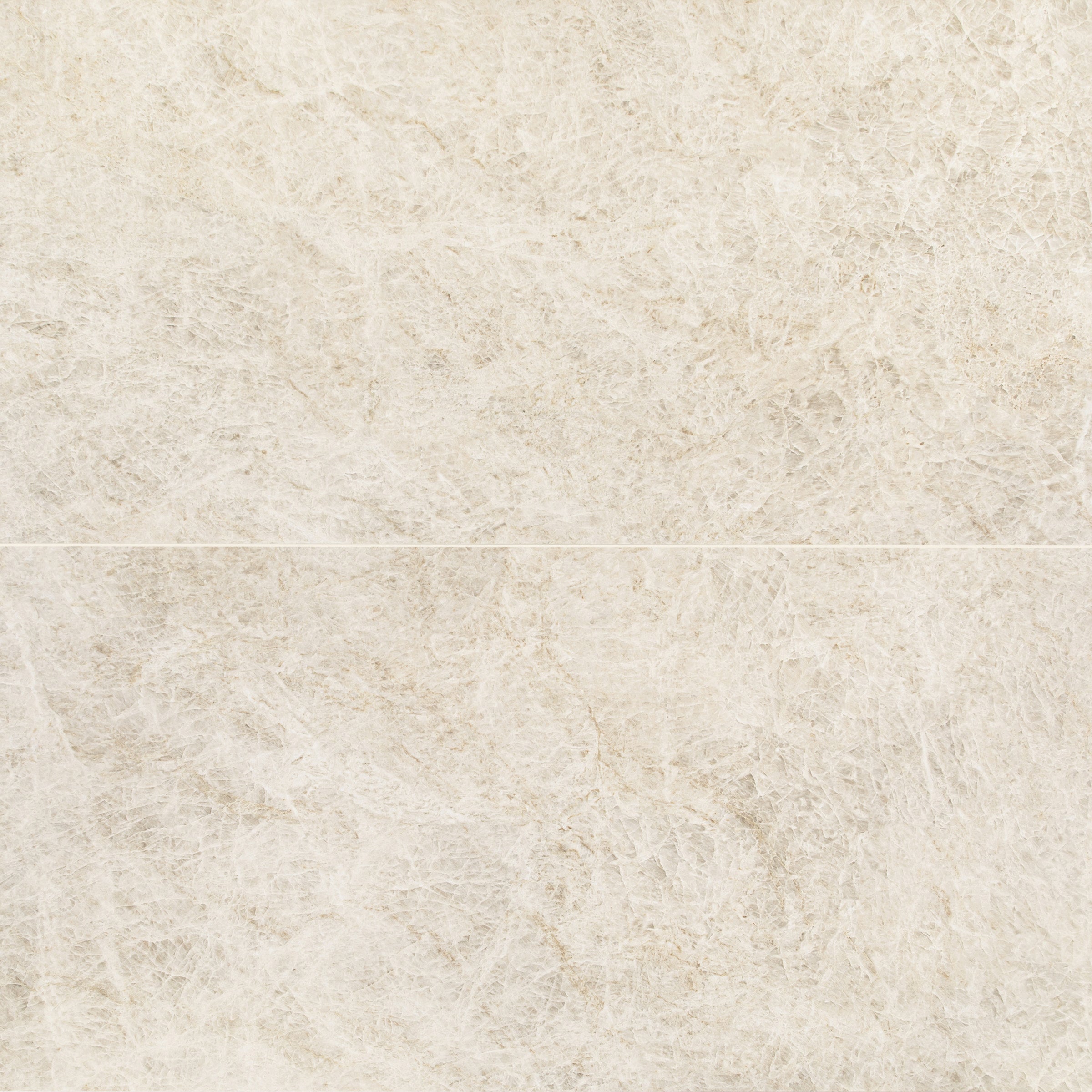
Taj Matte Marble Look Porcelain Tile
Breccia Capraia 3D Mable Look Porcelain Tile
Van Gogh 3D Marble Look Porcelain Tile
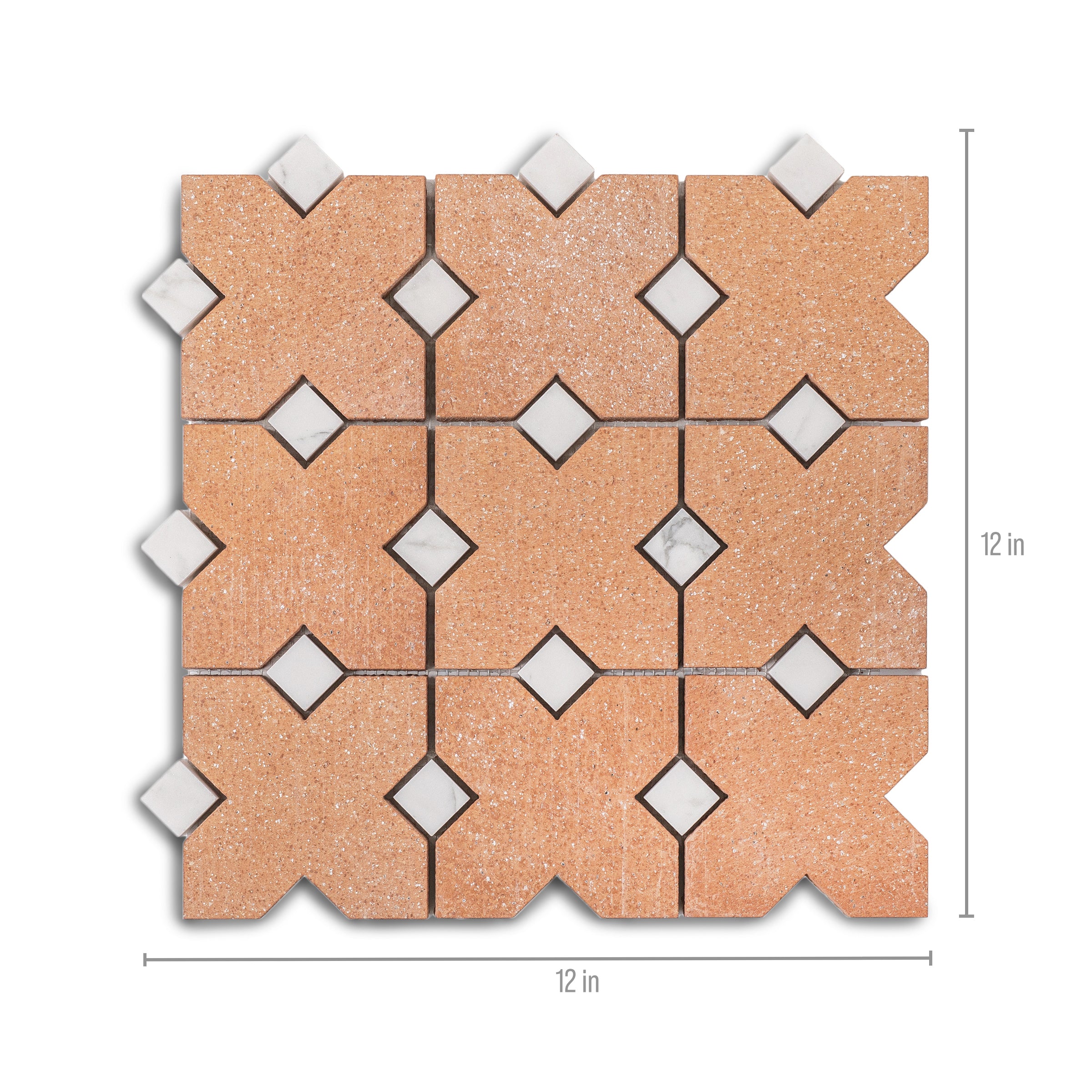
Terracotta Cross Statuario Inset Mosaic
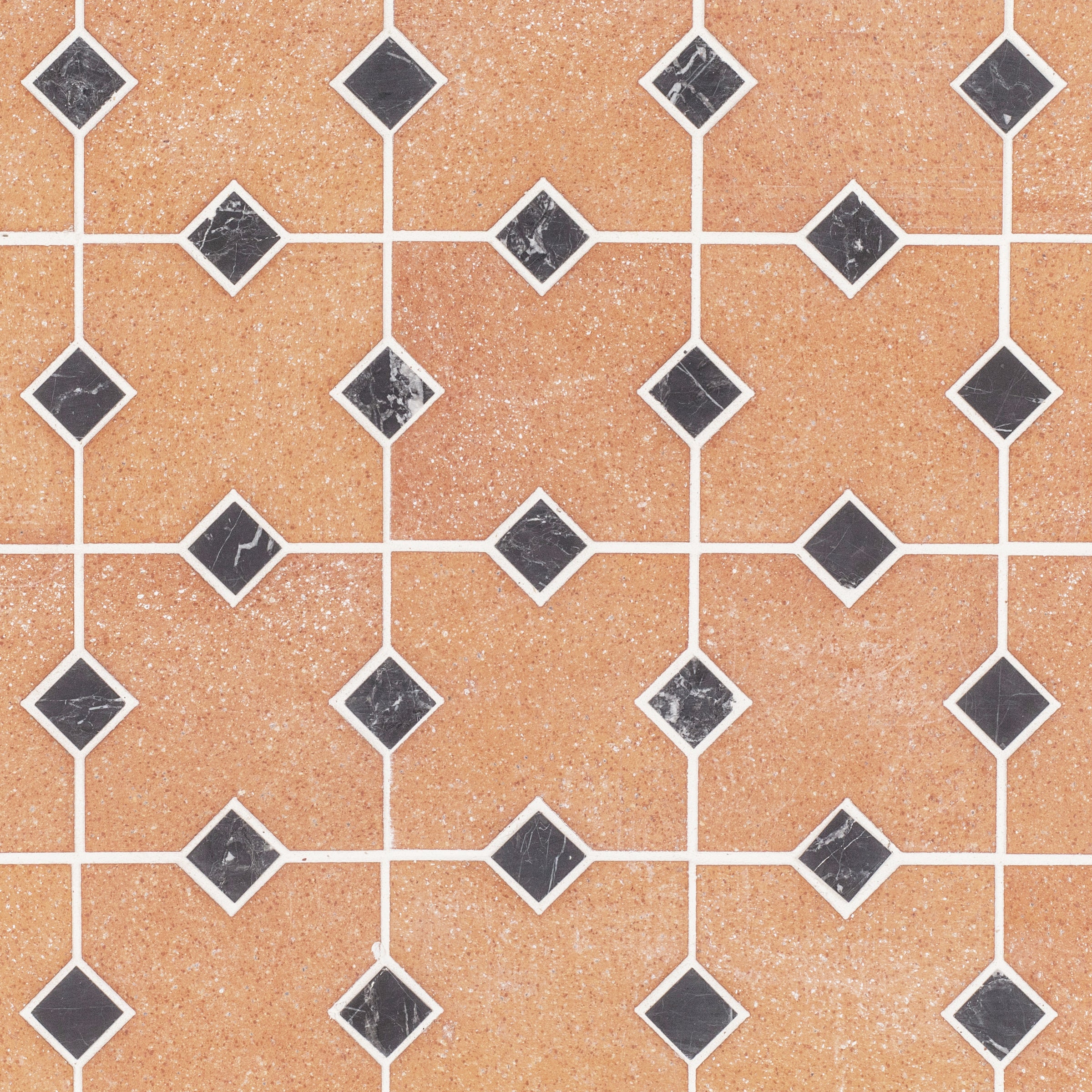
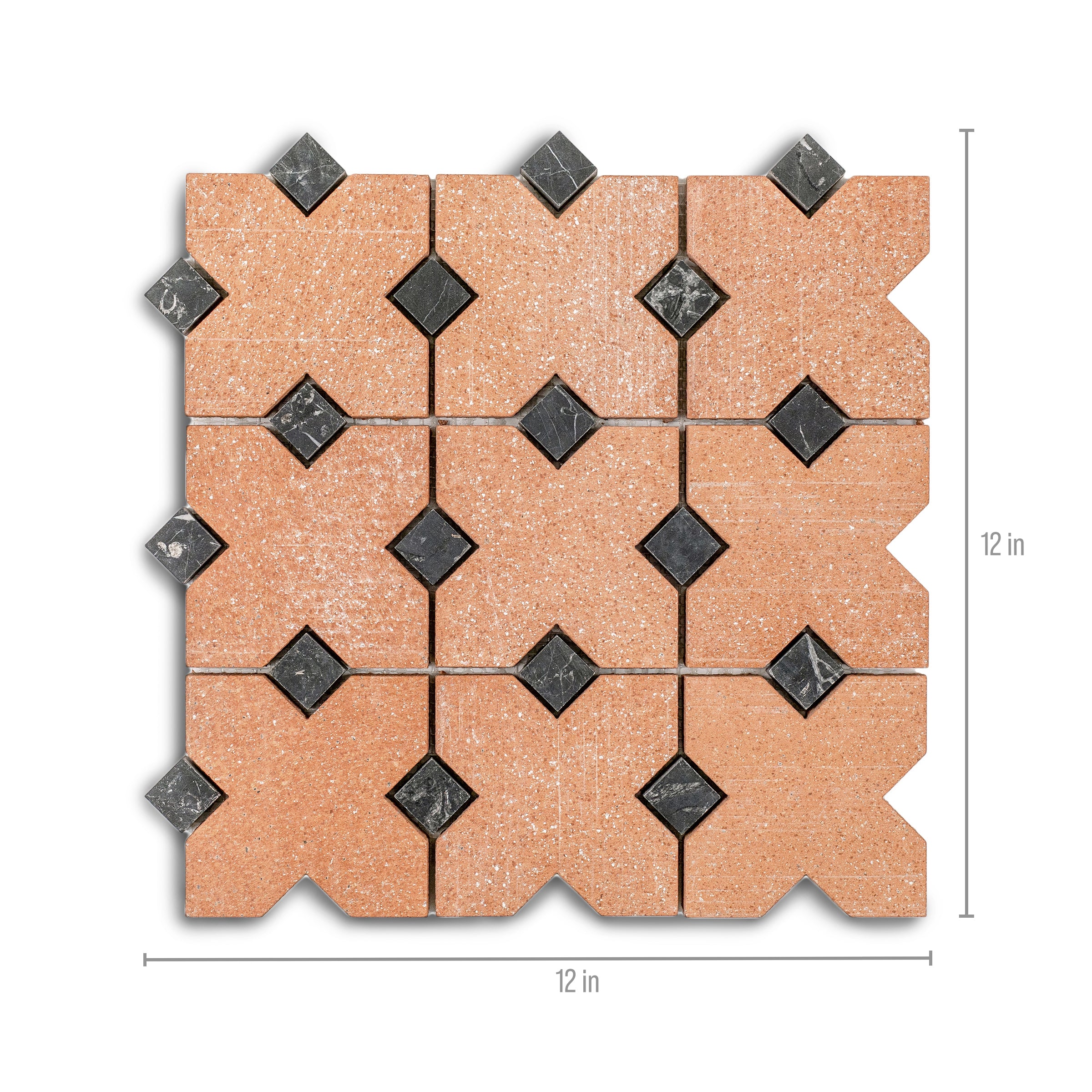
Terracotta Cross Nero Marquina Inset Mosaic
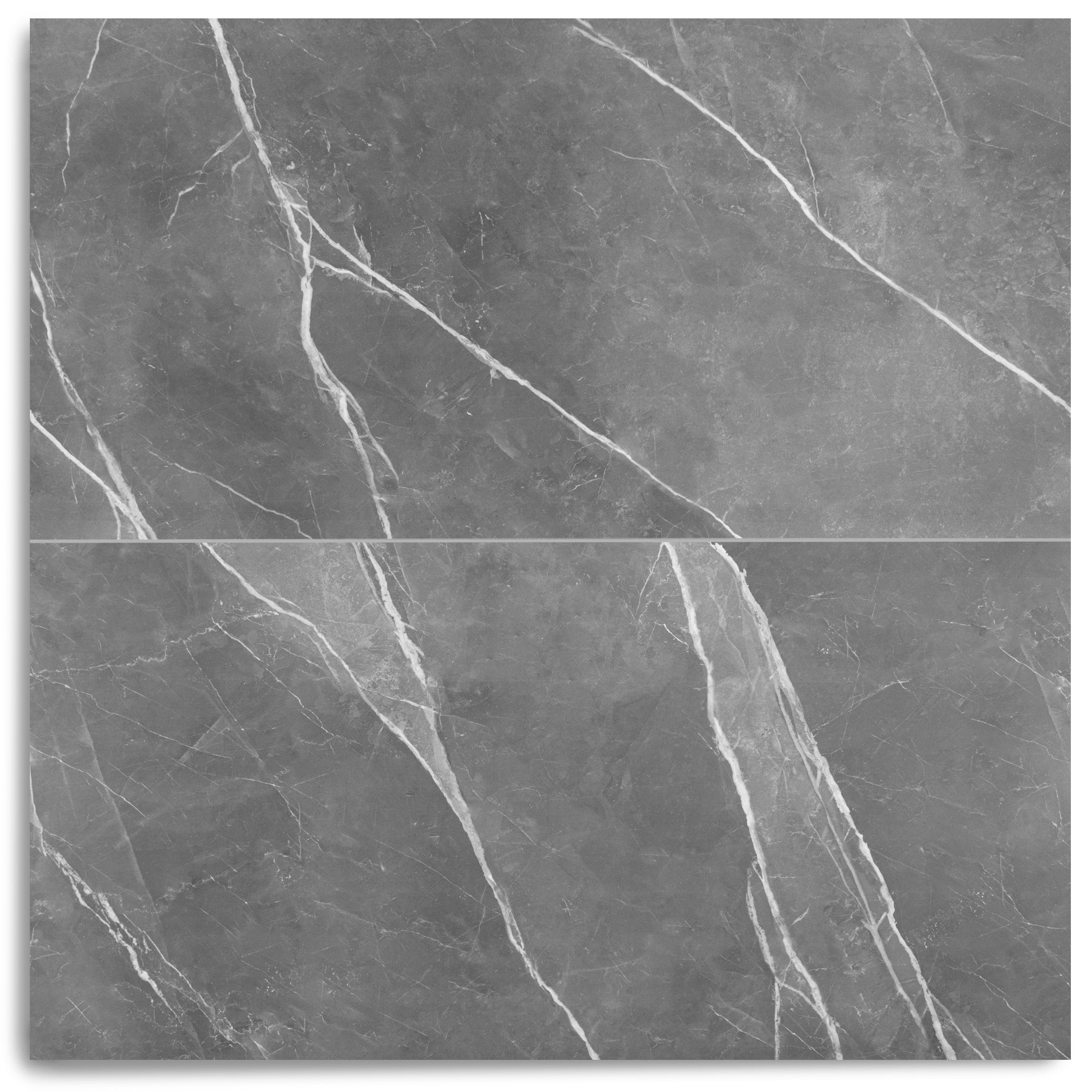
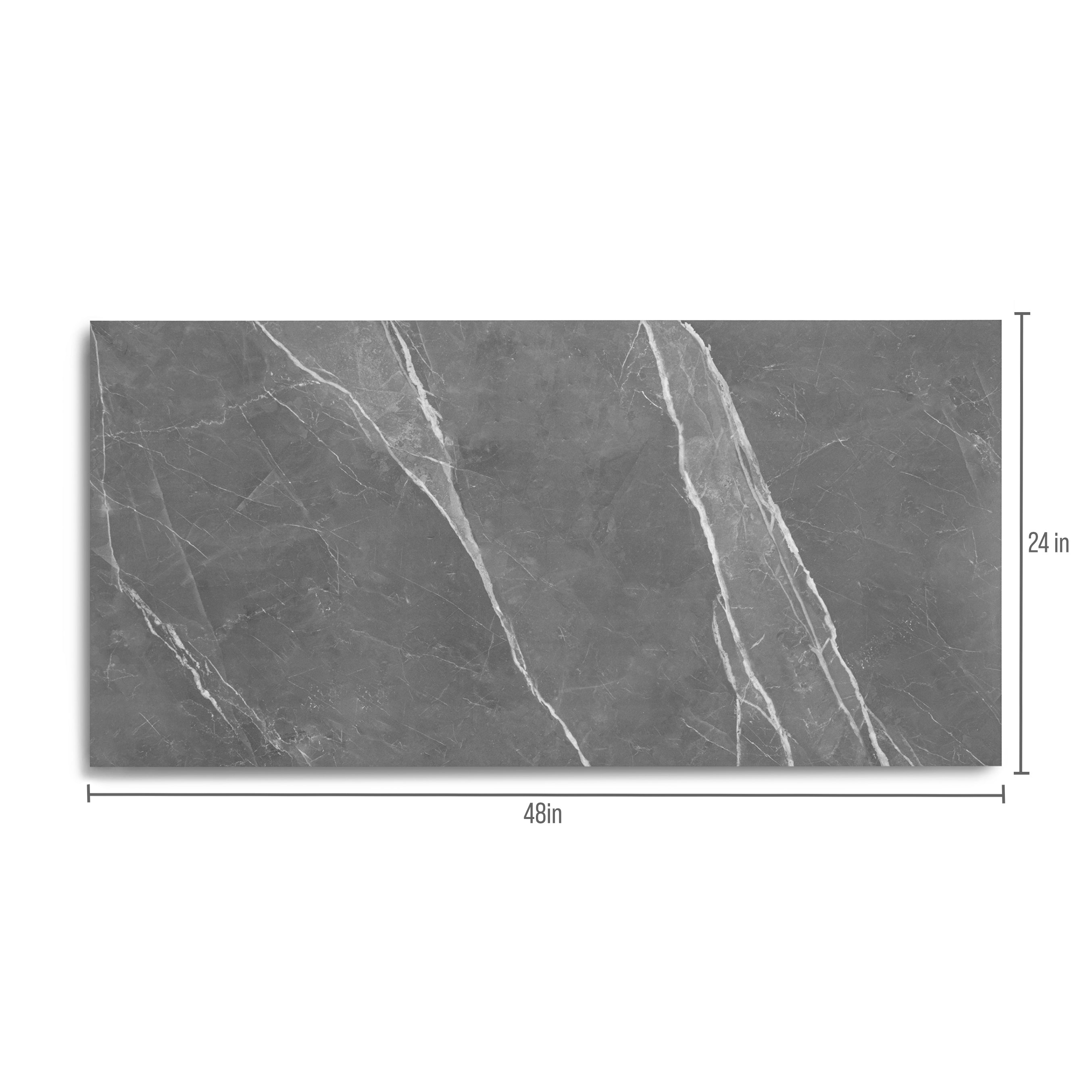
Royal Grey Satin Marble Look Porcelain Tile
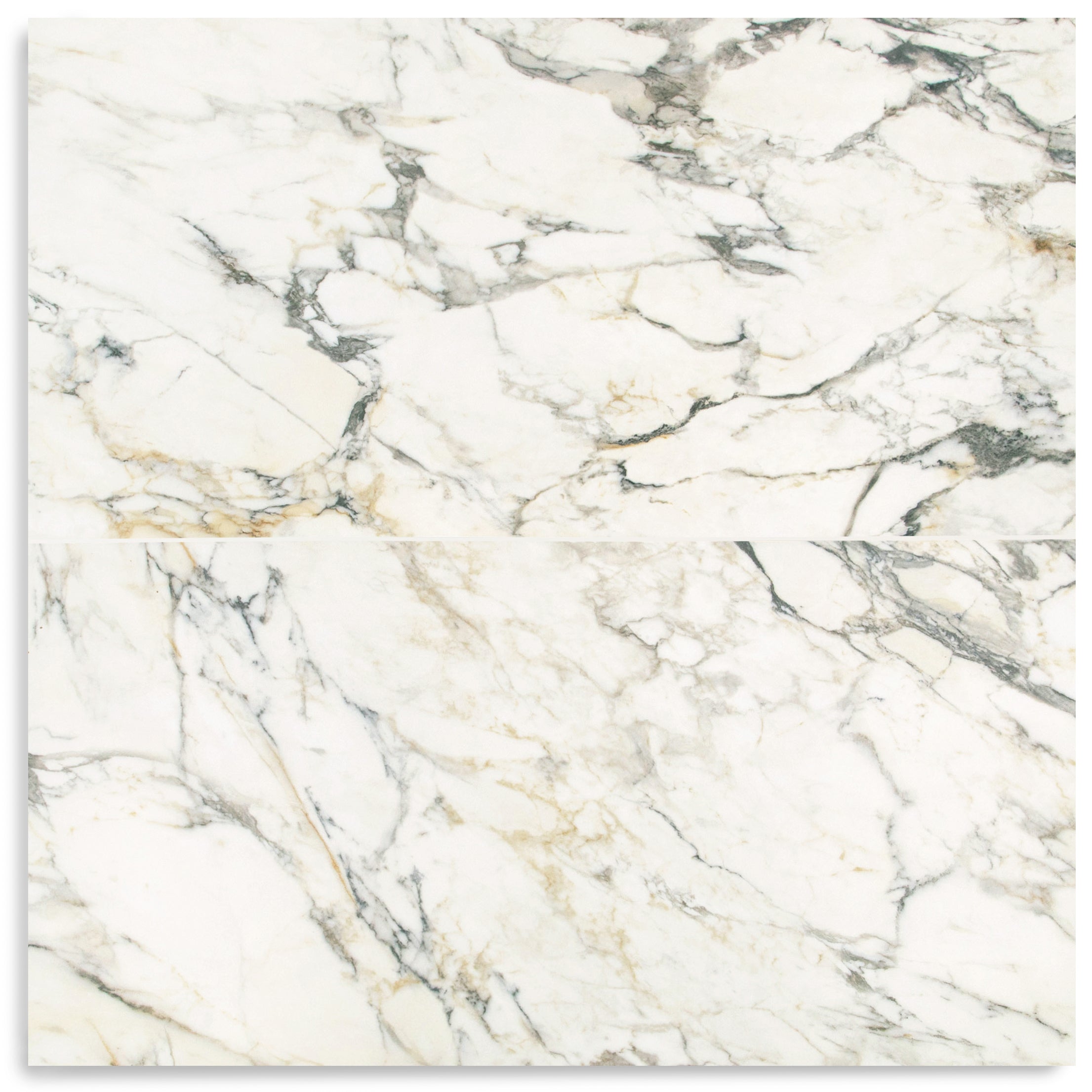
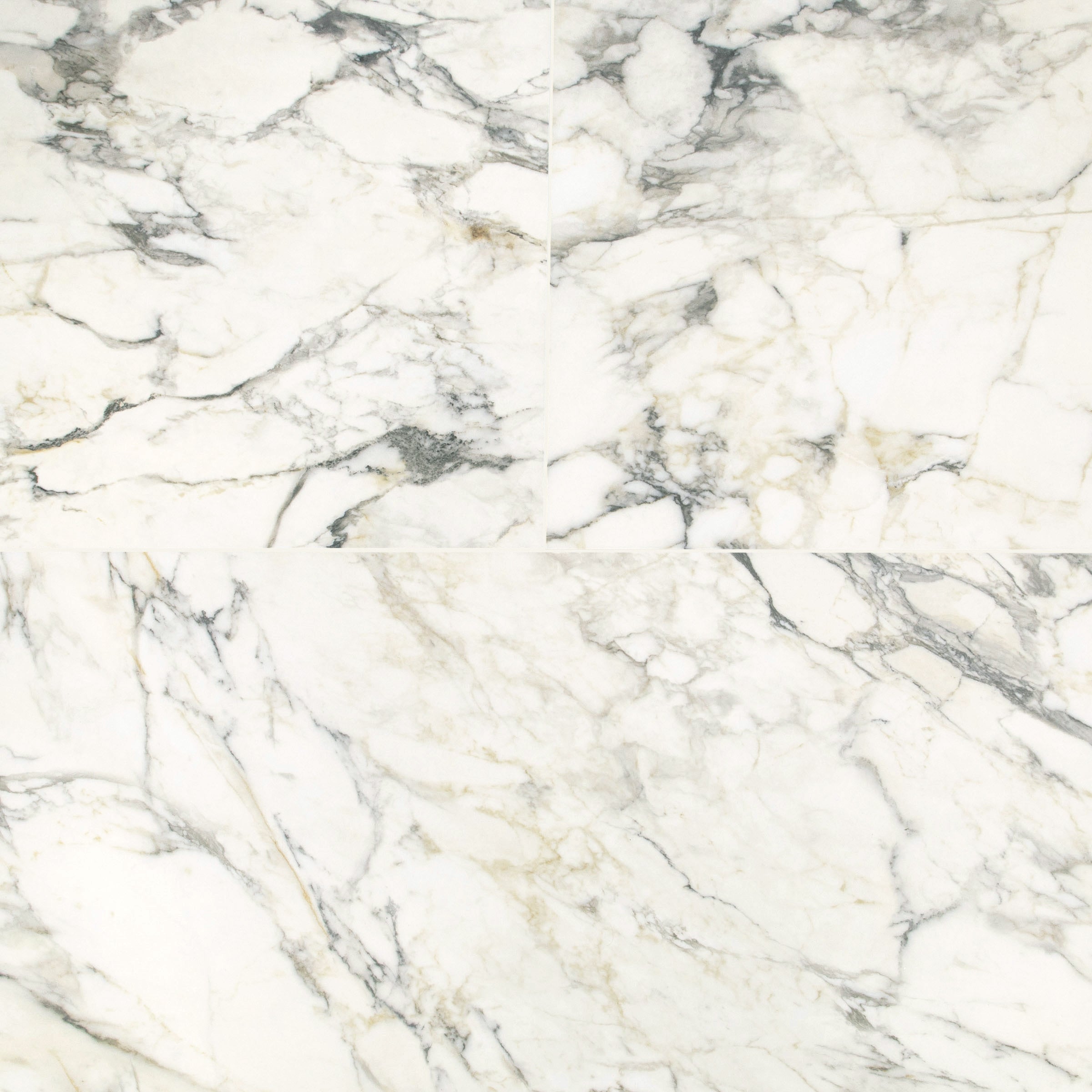
Paonazzo Matte Marble Look Porcelain Tile
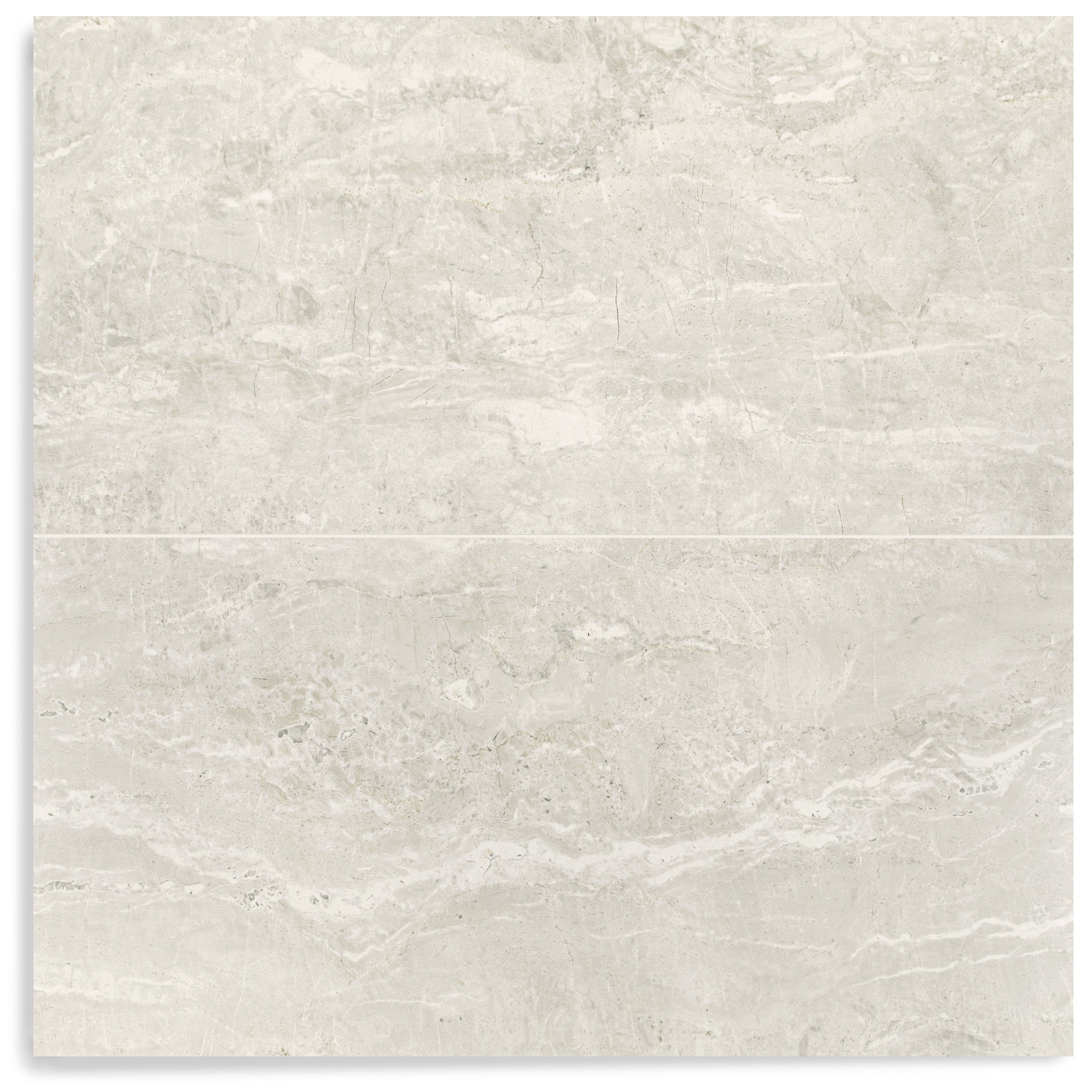
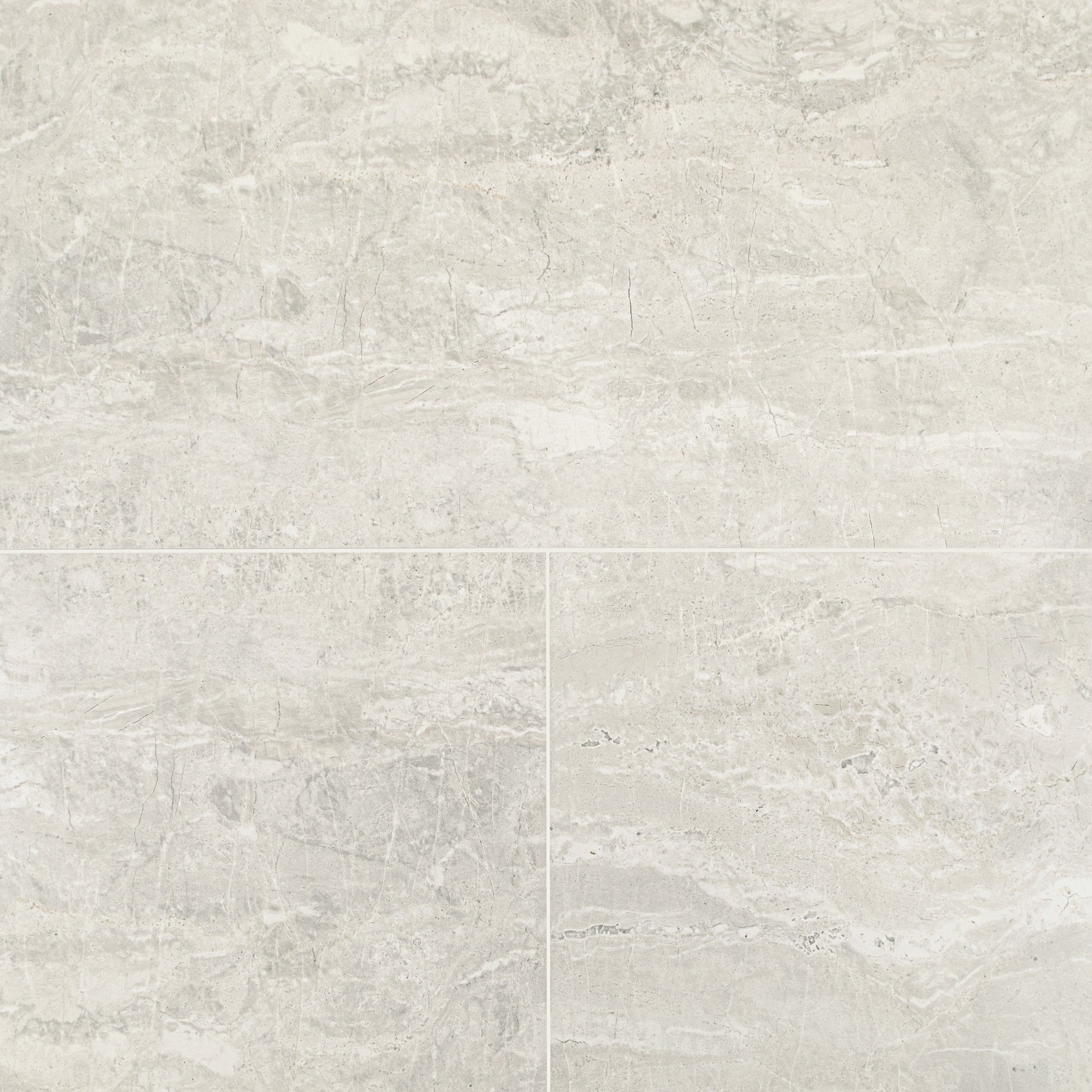
Ivory Marble Look Matte Porcelain Tile
Amazzonite Matte Marble Look Porcelain Tile
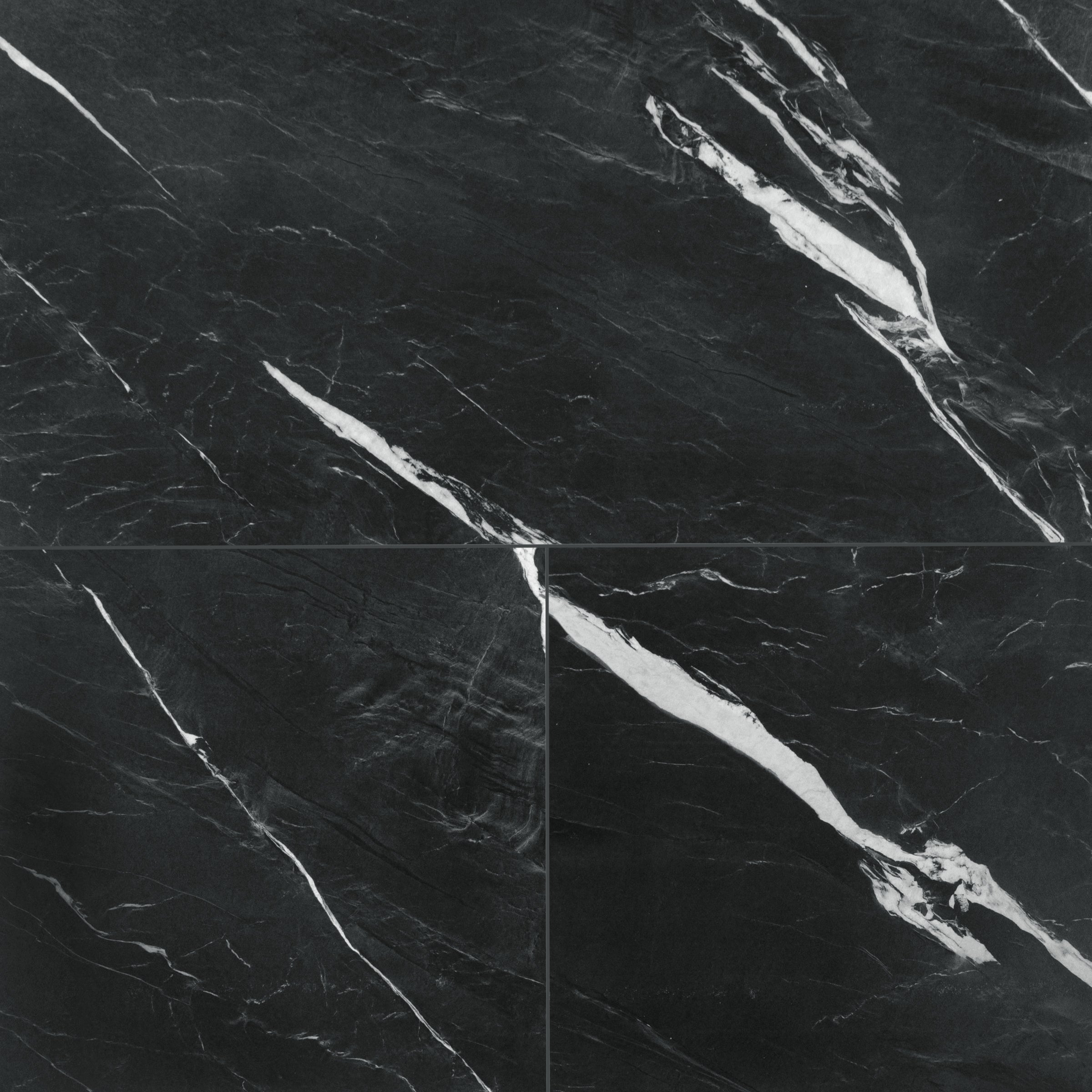
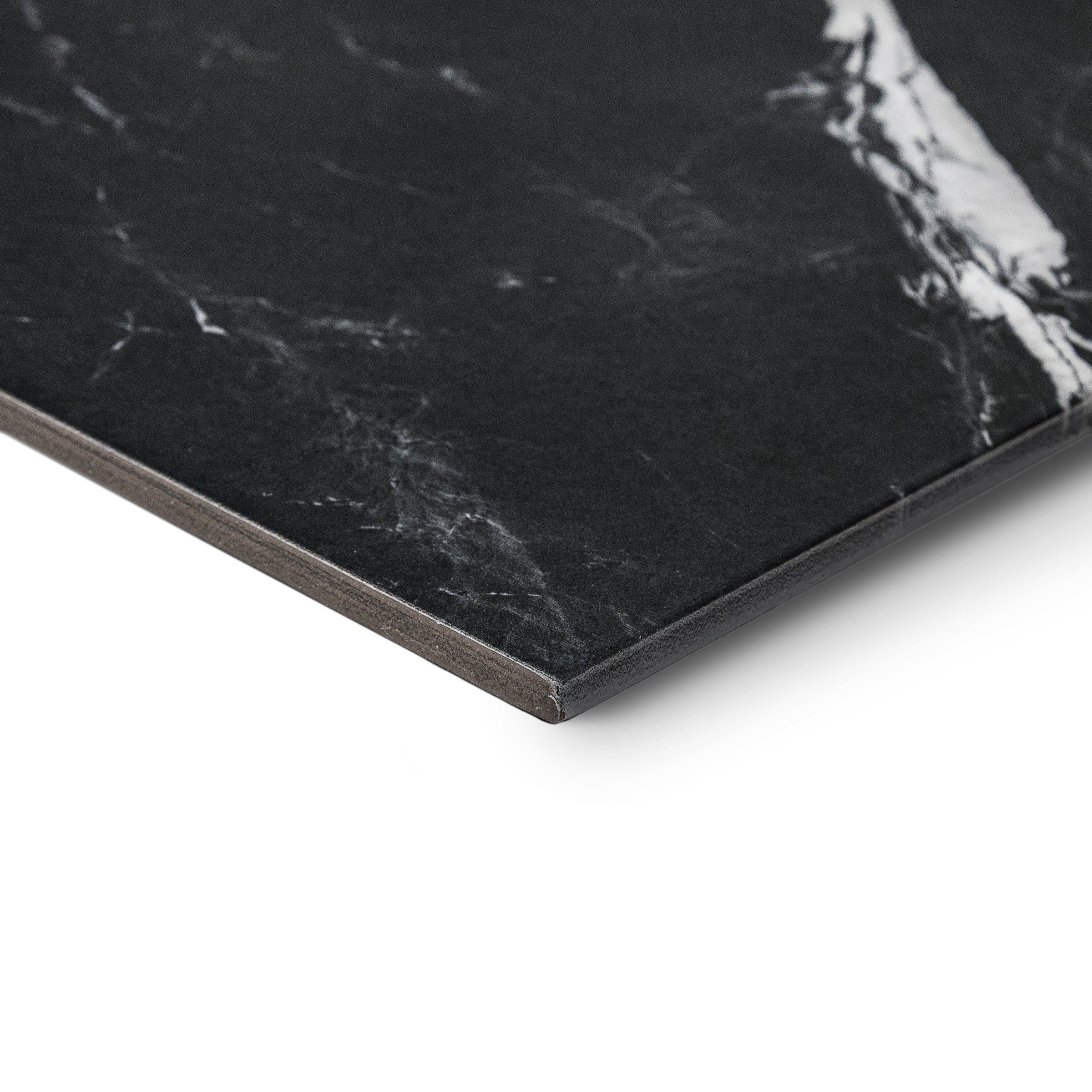
Montblack Matte Marble Look Porcelain Tile
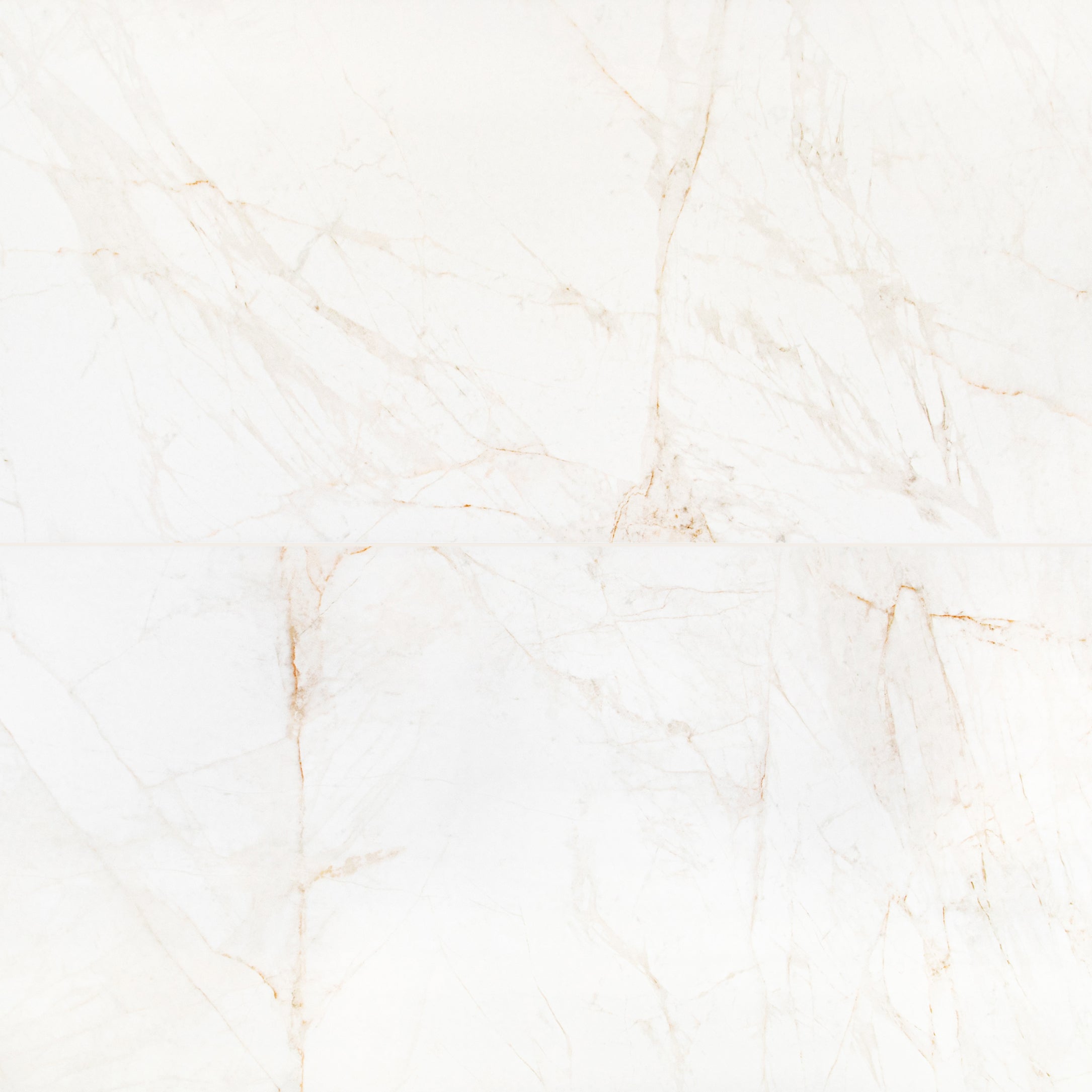
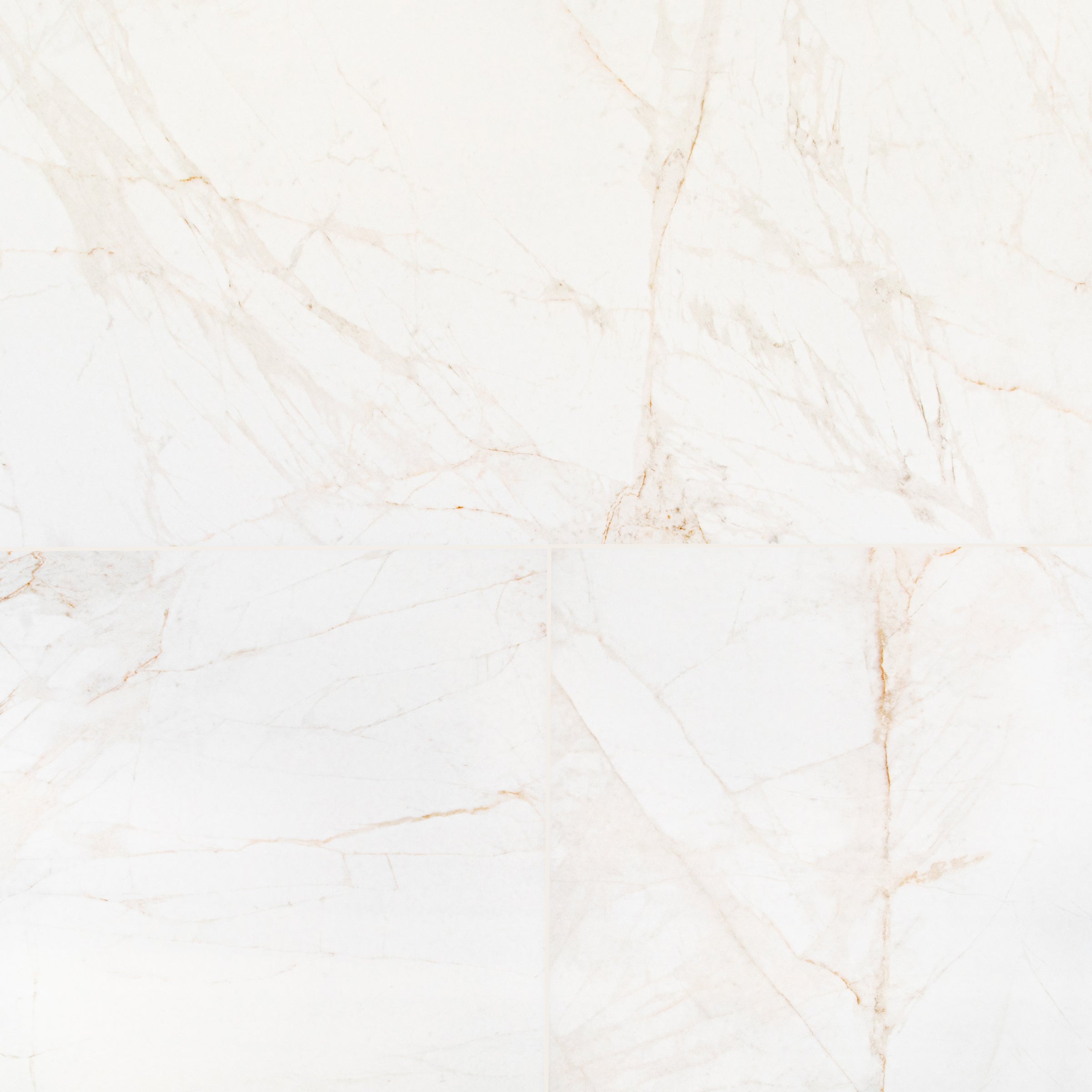
Spider Gold Matte Marble Look Porcelain Tile
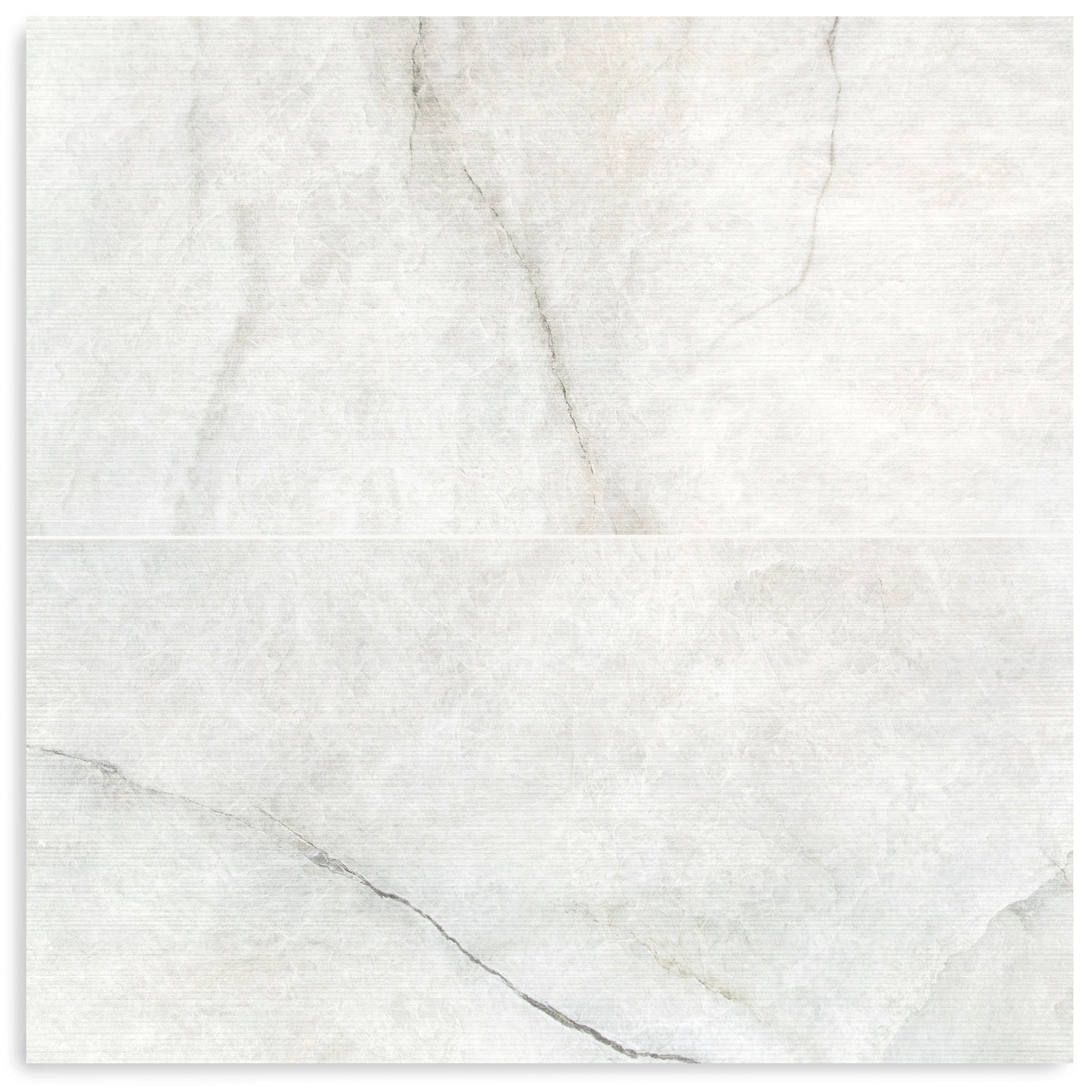
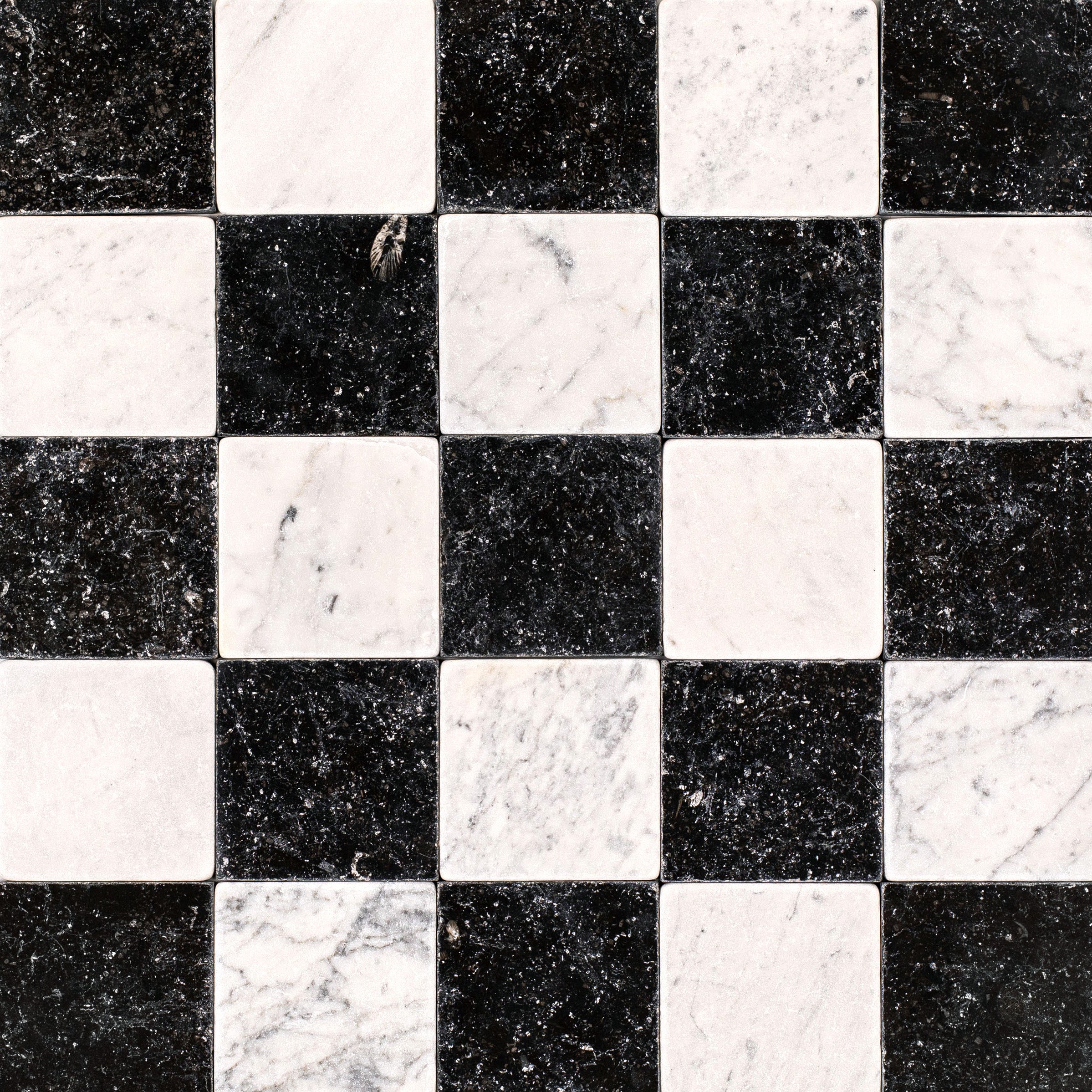
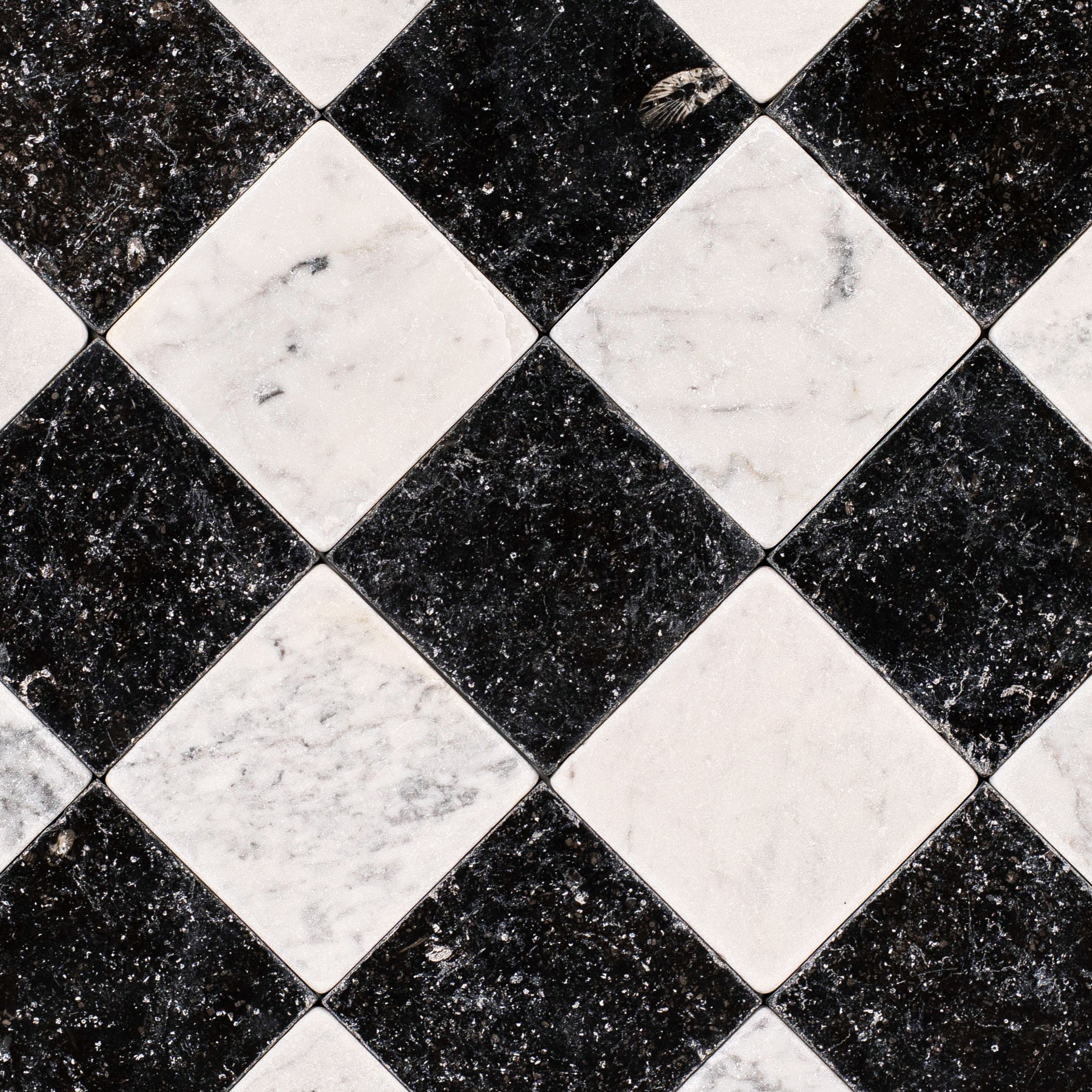
Carrara Belgian Blue Tumbled Stone Checkerboard
Carrara Bardiglio Tumbled Stone Checkerboard


Bardiglio Desert Tea Tumbled Stone Checkerboard
White & Ecru Octagon Zellige Mosaic
Thassos, Carrara, Bardiglio Gingham Marble Mosaic
White & Ecru 2x2 Zellige Checkerboard Mosaic
Unglazed & White Octagon Zellige Mosaic
White & Black Octagon Zellige Mosaic
White & Oxblood 2x2 Zellige Checkerboard Mosaic
Rosso Verona 1x1 Hand Chipped Marble Mosaic
Cotto 2x2 Forma Porcelain Mosaic
Bianco Carrara Octagon w/ Nero Marquina Dot Mosaic
Cream 2x2 Forma Porcelain Mosaic
Cotto Cream Pink Forma Butterfly Porcelain Mosaic
Chocolate 2" Hexagon Textured Terracotta Mosaic


Pink 2x2 Forma Porcelain Mosaic
Carrara Running Bond Marble Mosaic
Van Gogh 3D Marble Look Porcelain Tile

Almond 2x2 Cement Look Porcelain Tile Mosaic
Calacatta Running Bond Marble Mosaic


White 2x2 Forma Porcelain Mosaic


Blue 2x2 Forma Porcelain Mosaic


Rosso 2" Hexagon Textured Terracotta Mosaic

Natural Stripes Textured Terracotta Mosaic


Unglazed & Black Octagon Zellige Mosaic
Carrara 1x1 Hand Chipped Marble Mosaic


Green & Cream Forma Octagon Porcelain Mosaic


Pearl Hammered Limestone Look Matte Porcelain Mosaic
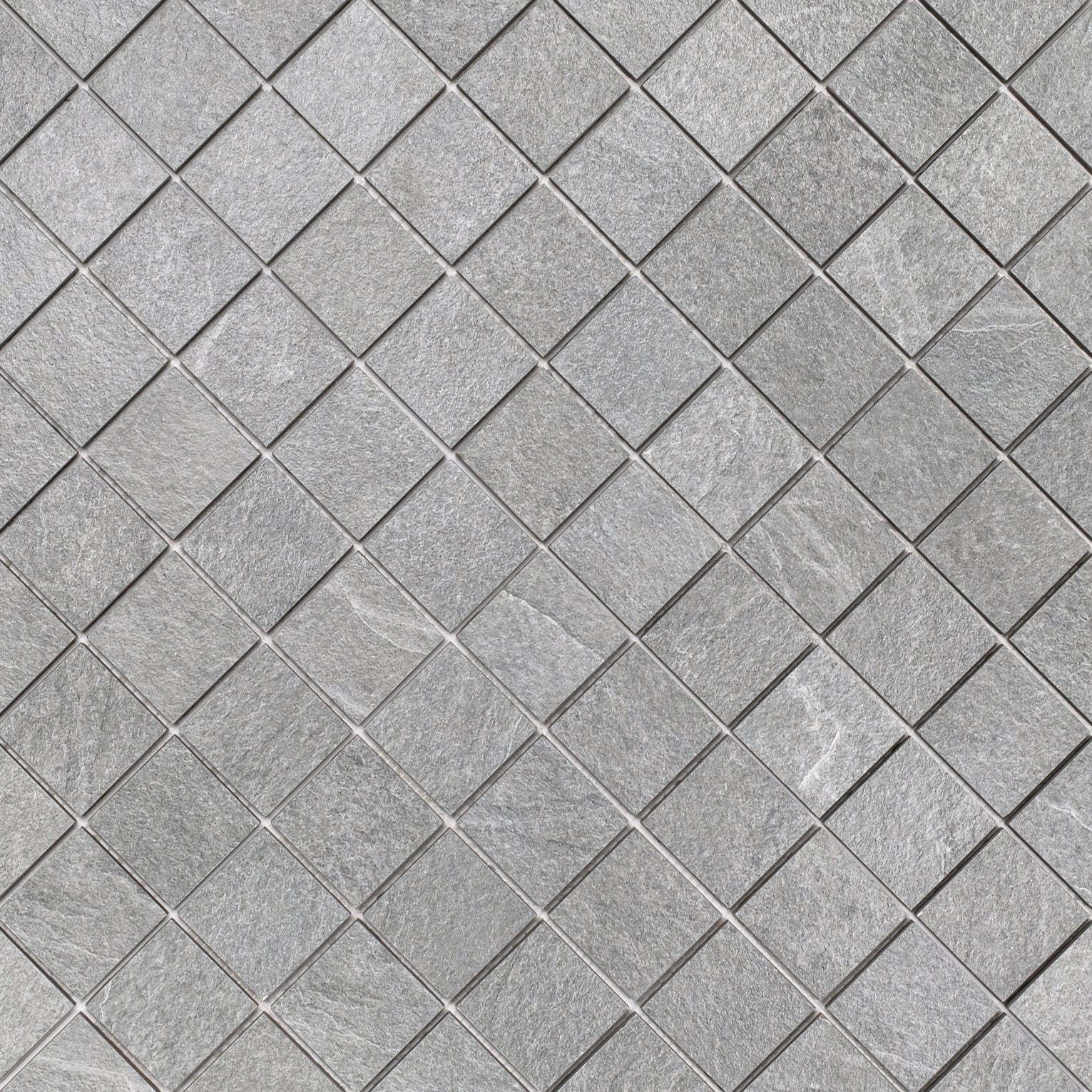
Grey Slate Look Porcelain Mosaic


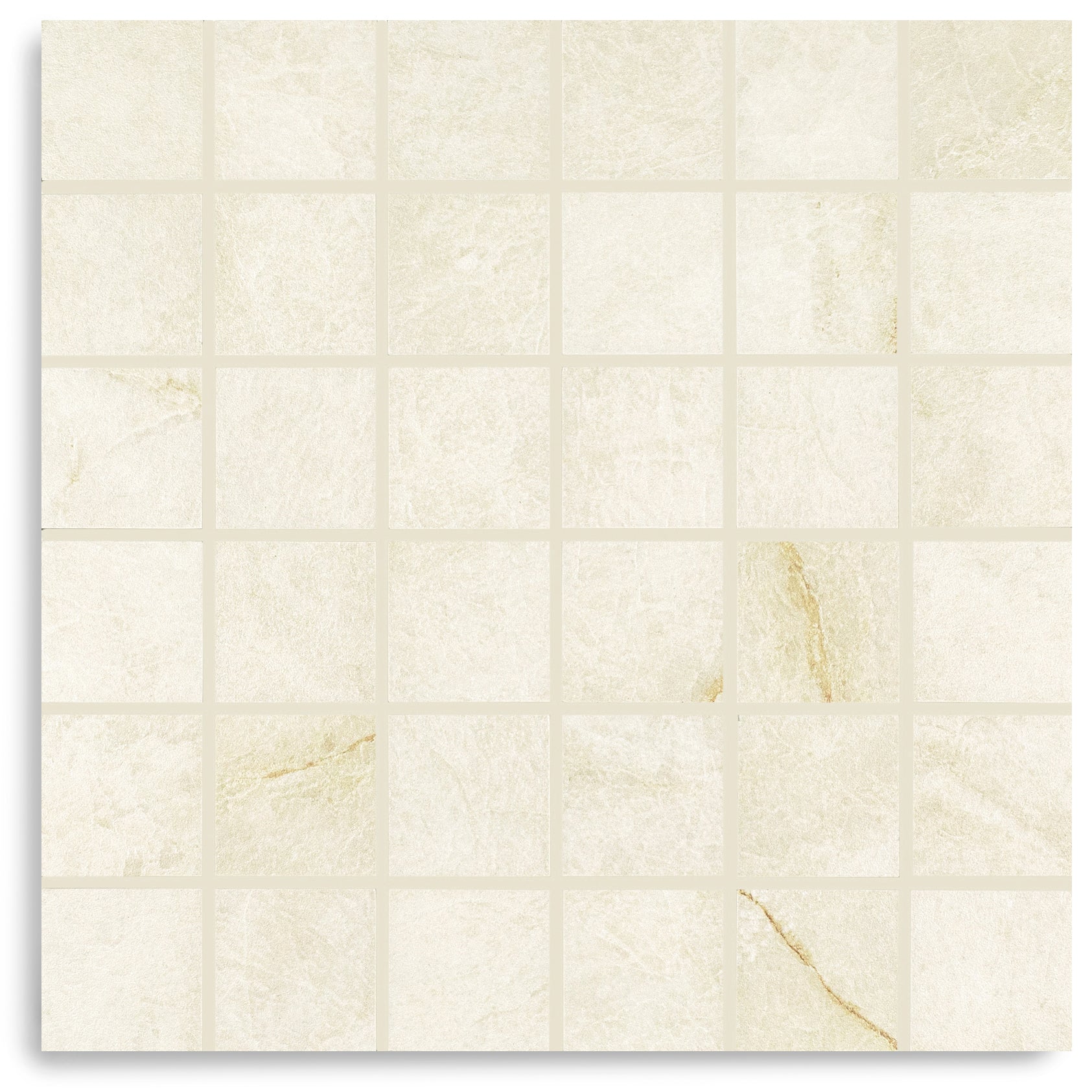
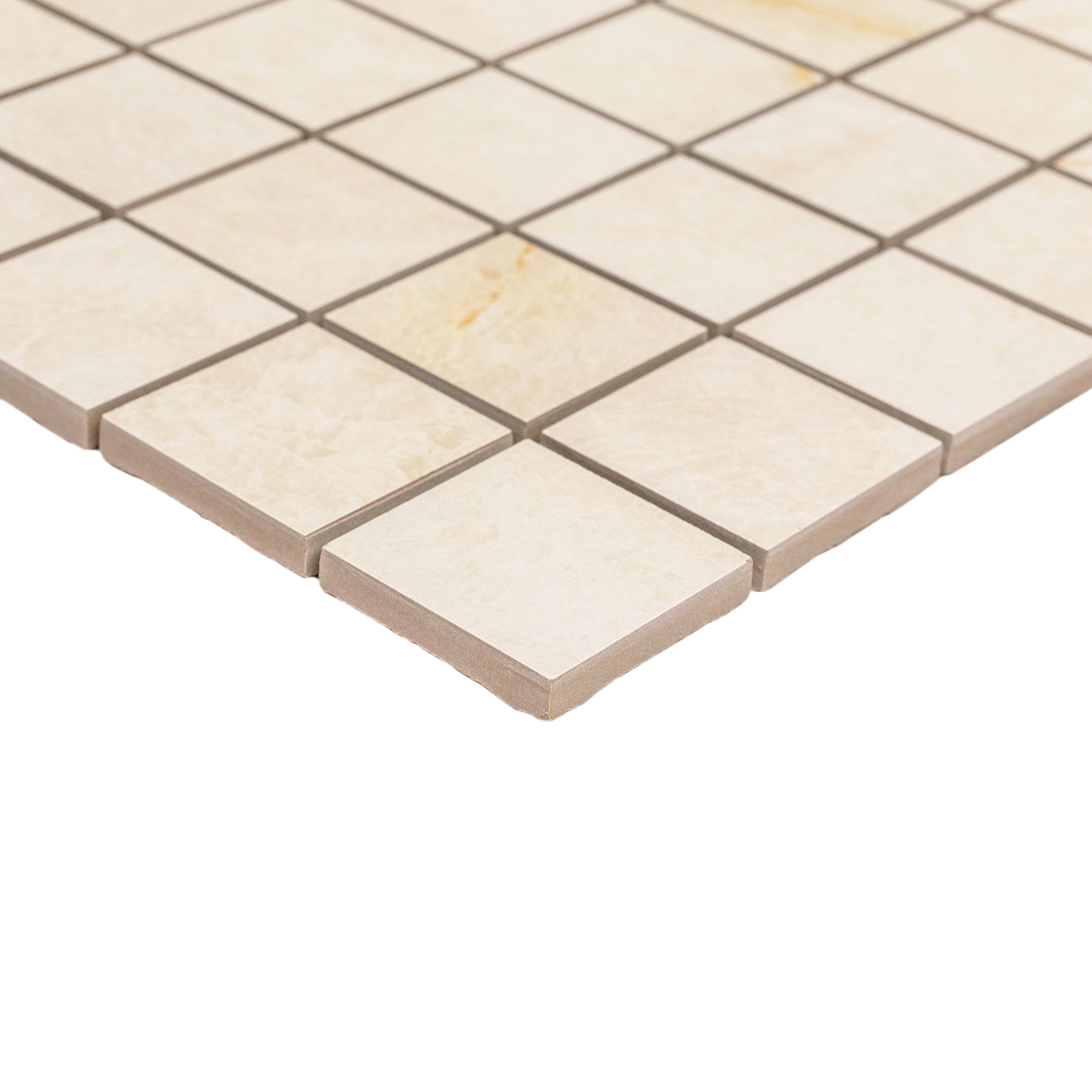
Nuvola Gold 12x12 Porcelain Mosaic

Ash 2x2 Cement Look Porcelain Mosaic
Carrara Honed Basketweave Marble Mosaic


White & Jade 2x2 Zellige Checkerboard Mosaic


Sky Cream Fog Forma Butterfly Porcelain Mosaic


Sky & Cream Forma Octagon Porcelain Mosaic


Pink & Cream Forma Octagon Porcelain Mosaic


Green Cream Fog Forma Butterfly Porcelain Mosaic


Green 2x2 Forma Porcelain Mosaic
Grigio Pearla 1x1 Hand Chipped Marble Mosaic
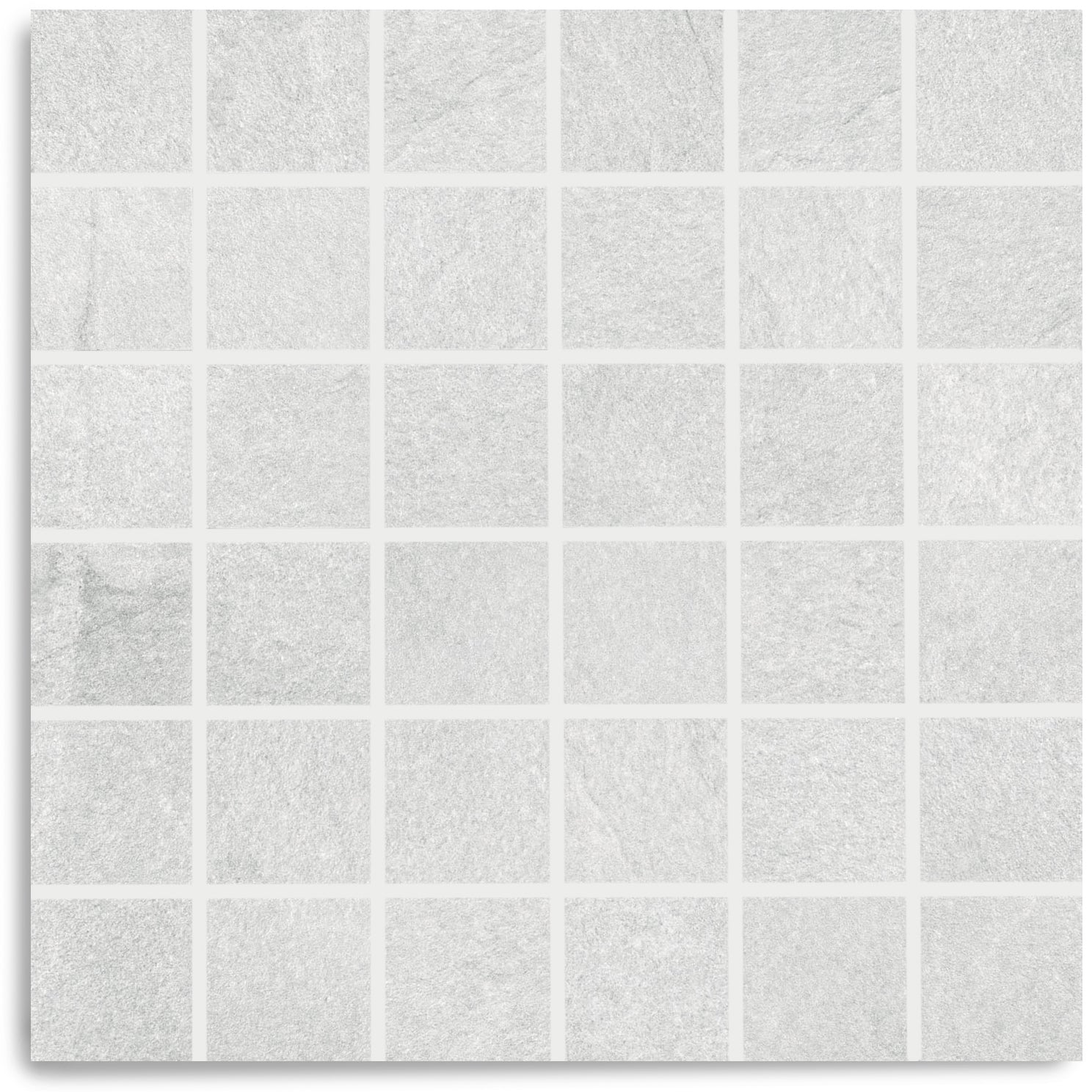
Pearl Slate Look Porcelain Mosaic
Nuvola Pearl 12x12 Porcelain Mosaic
Spider Gold 12x12 Matte Porcelain Mosaic
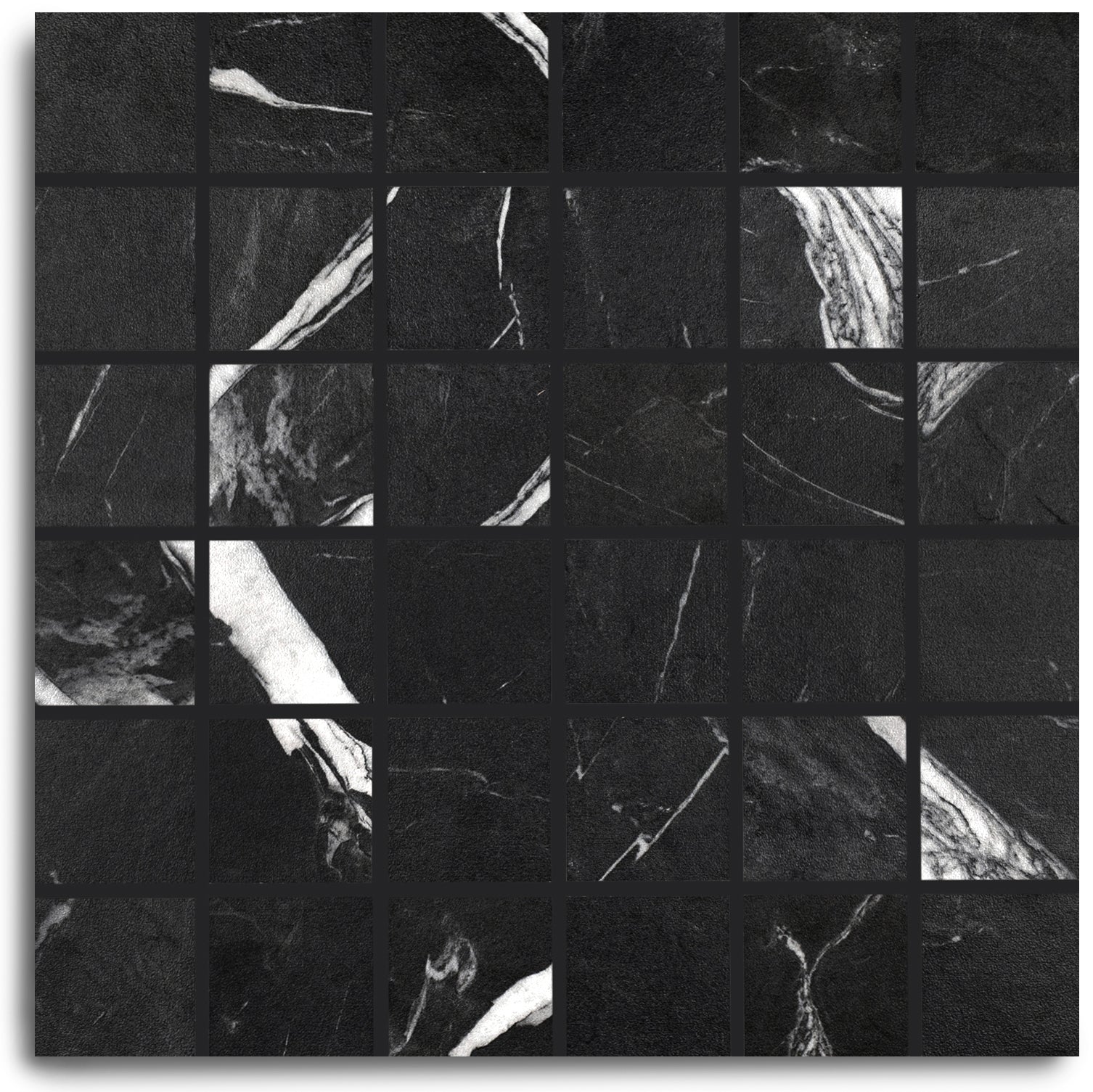
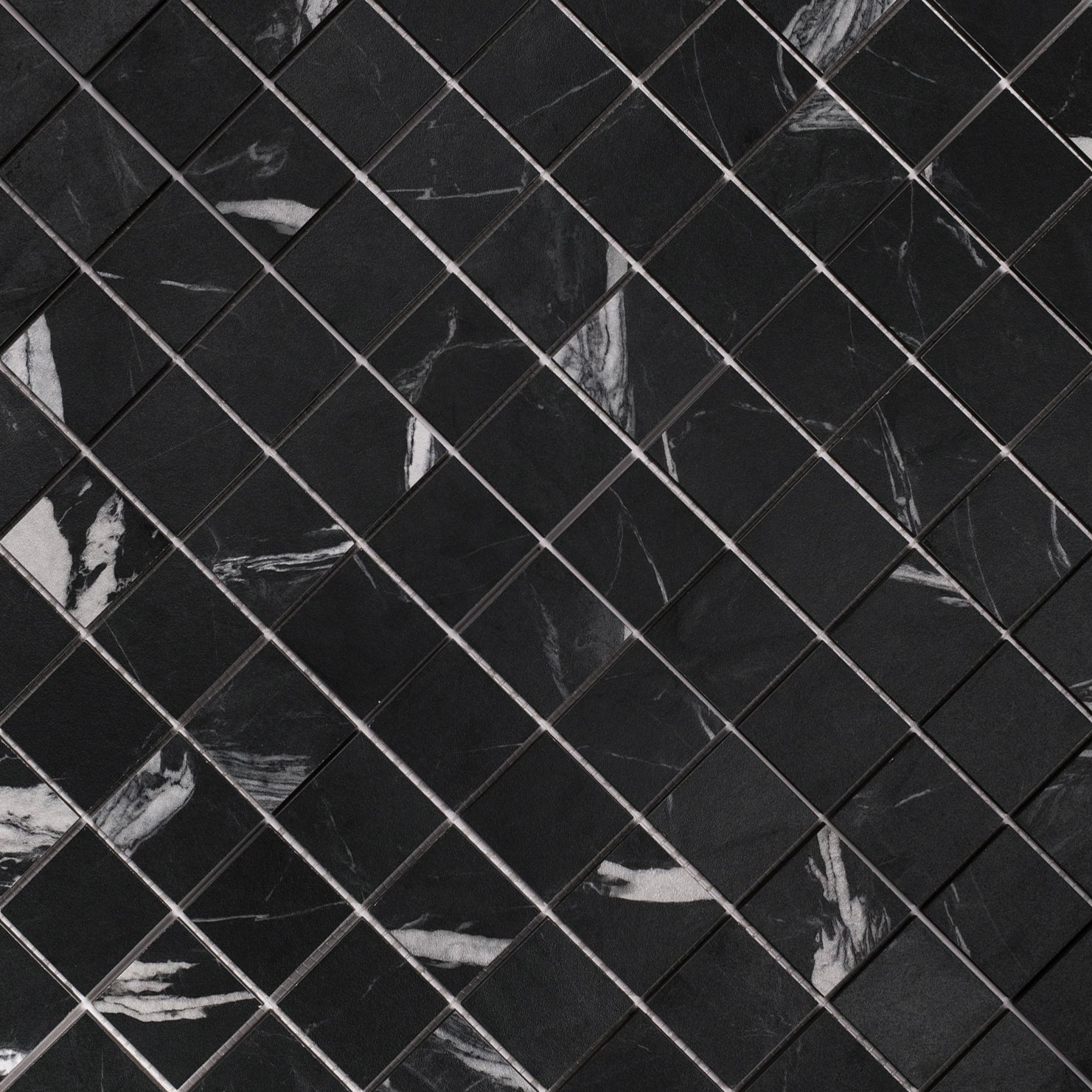
Montblack 12x12 Matte Porcelain Mosaic
Terracotta Cross Nero Marquina Inset Mosaic
Terracotta Cross Statuario Inset Mosaic
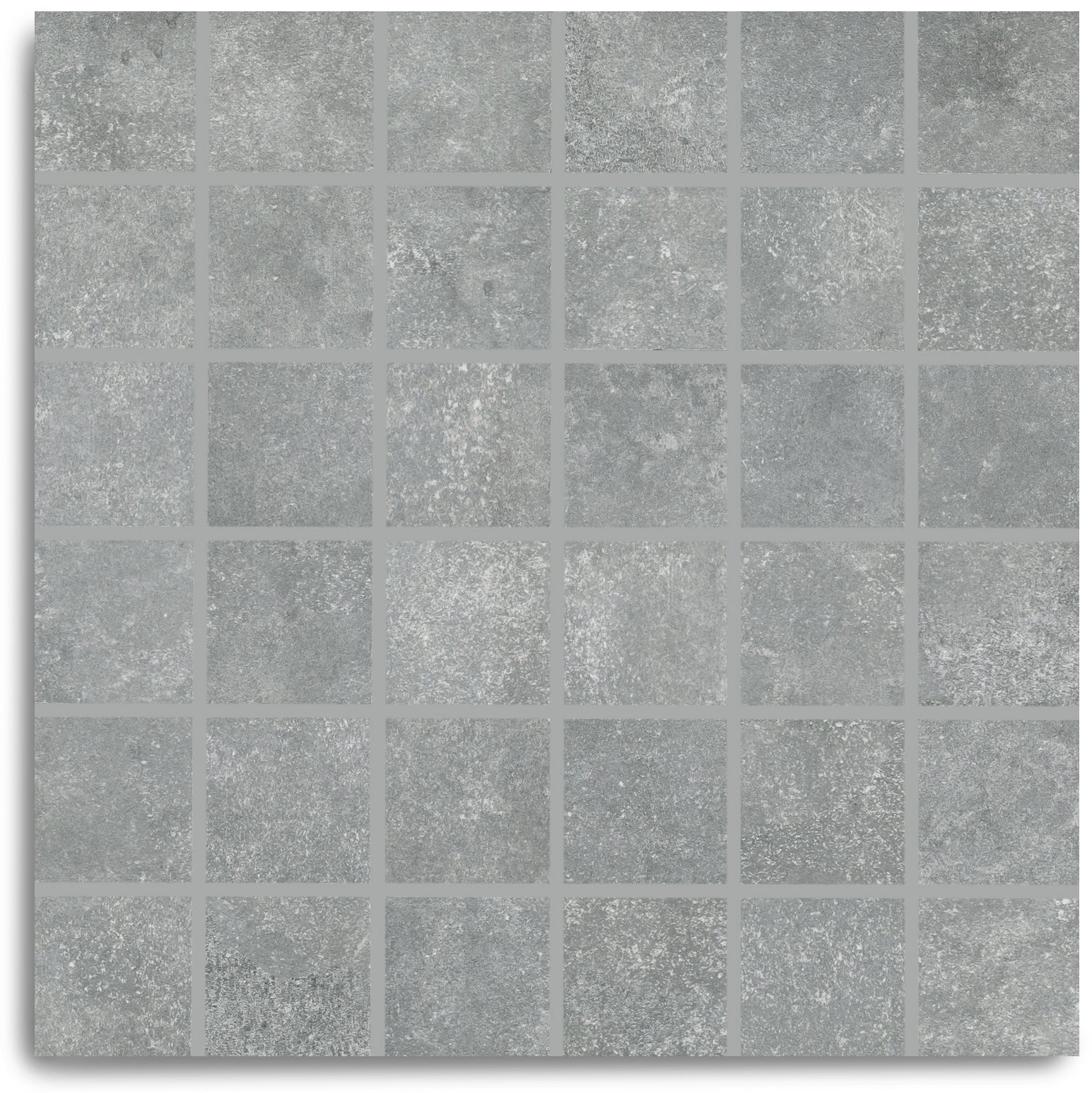
Grey 2x2 Cement Look Porcelain Mosaic
Calacatta 1x1 Hand Chipped Marble Mosaic
Carrara Tumbled Basketweave Marble Mosaic
Carrara, Crema, Bardiglio Tumbled Pebble Mosaic
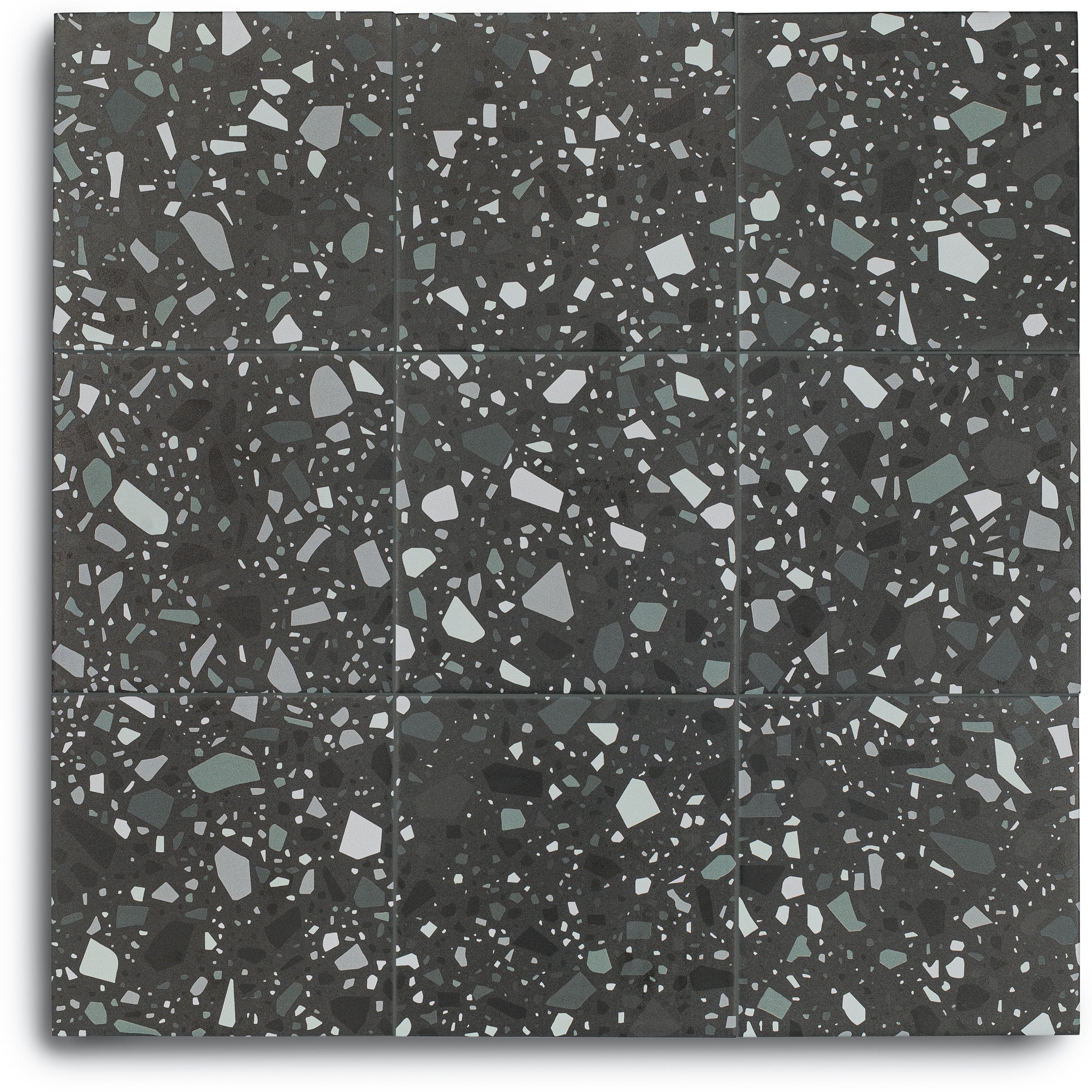
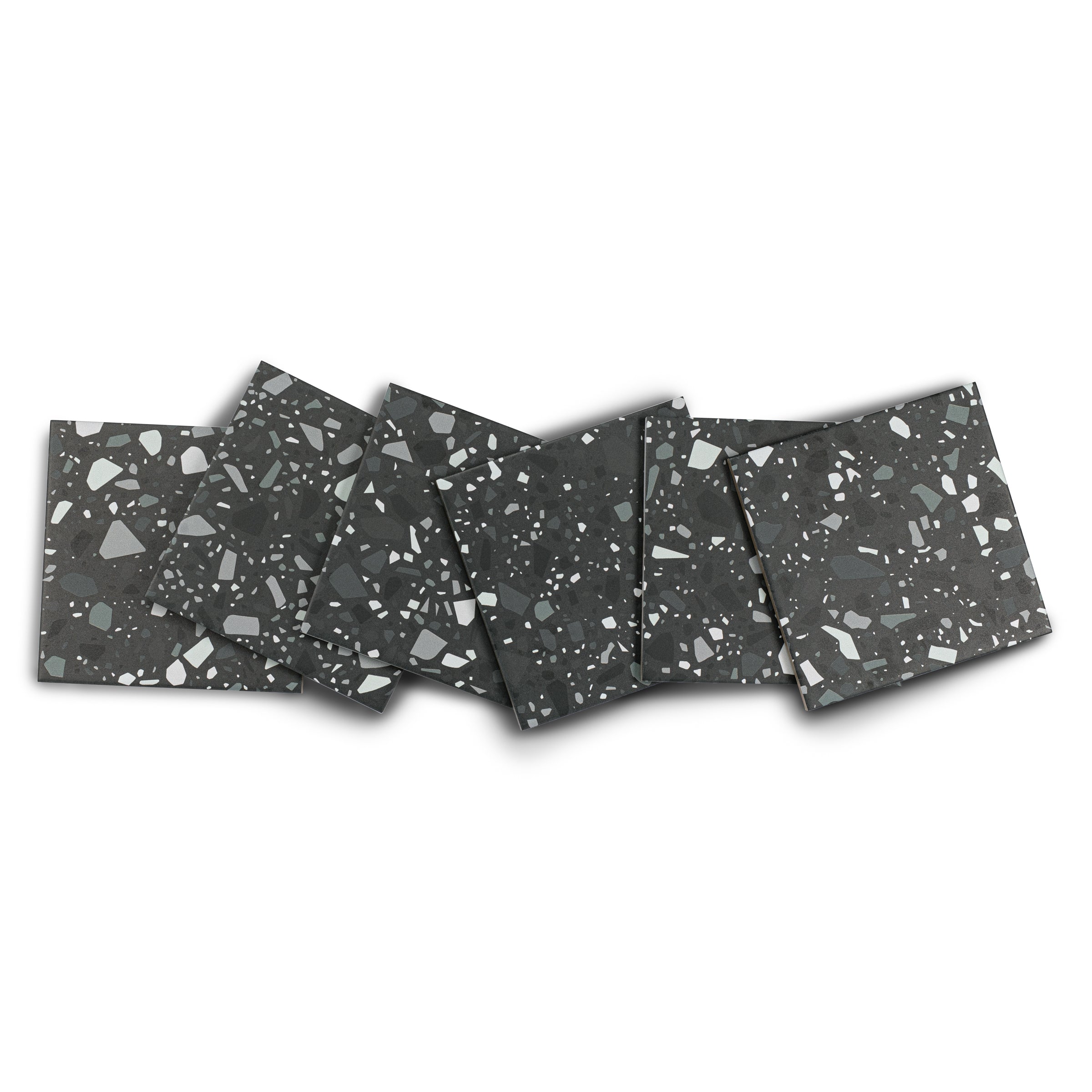
Pepper Confetti Porcelain Tile
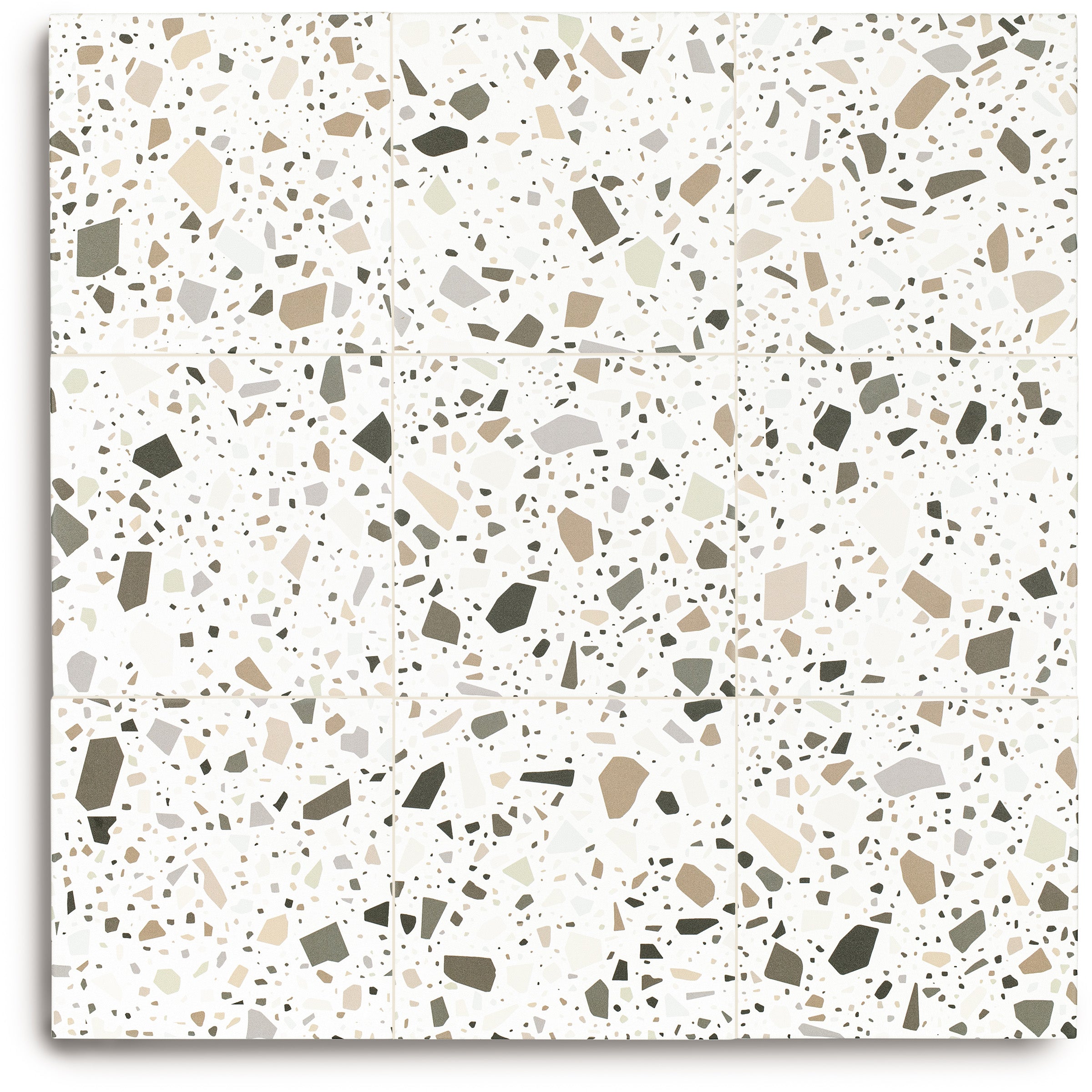
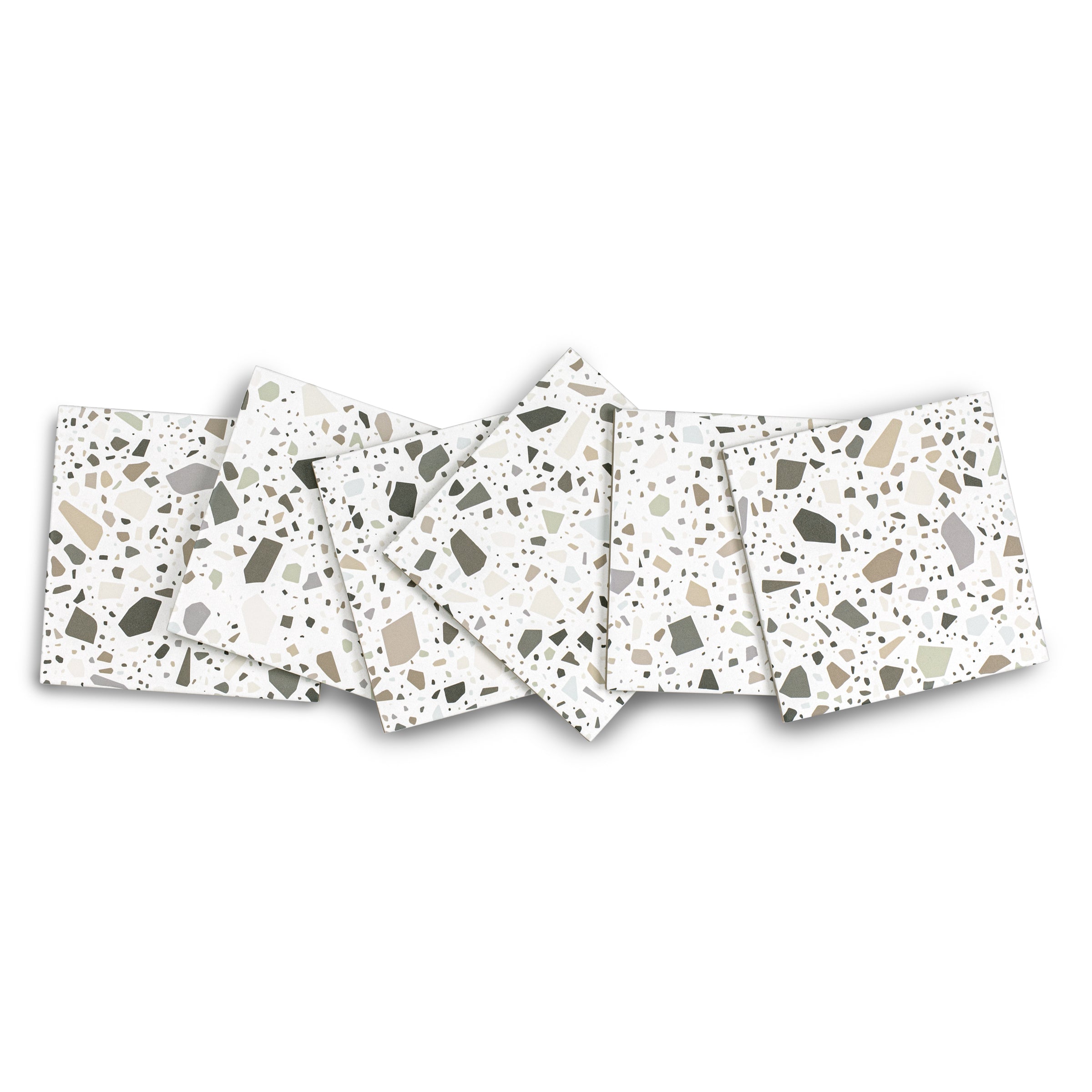
Beige Confetti Matte Porcelain Tile
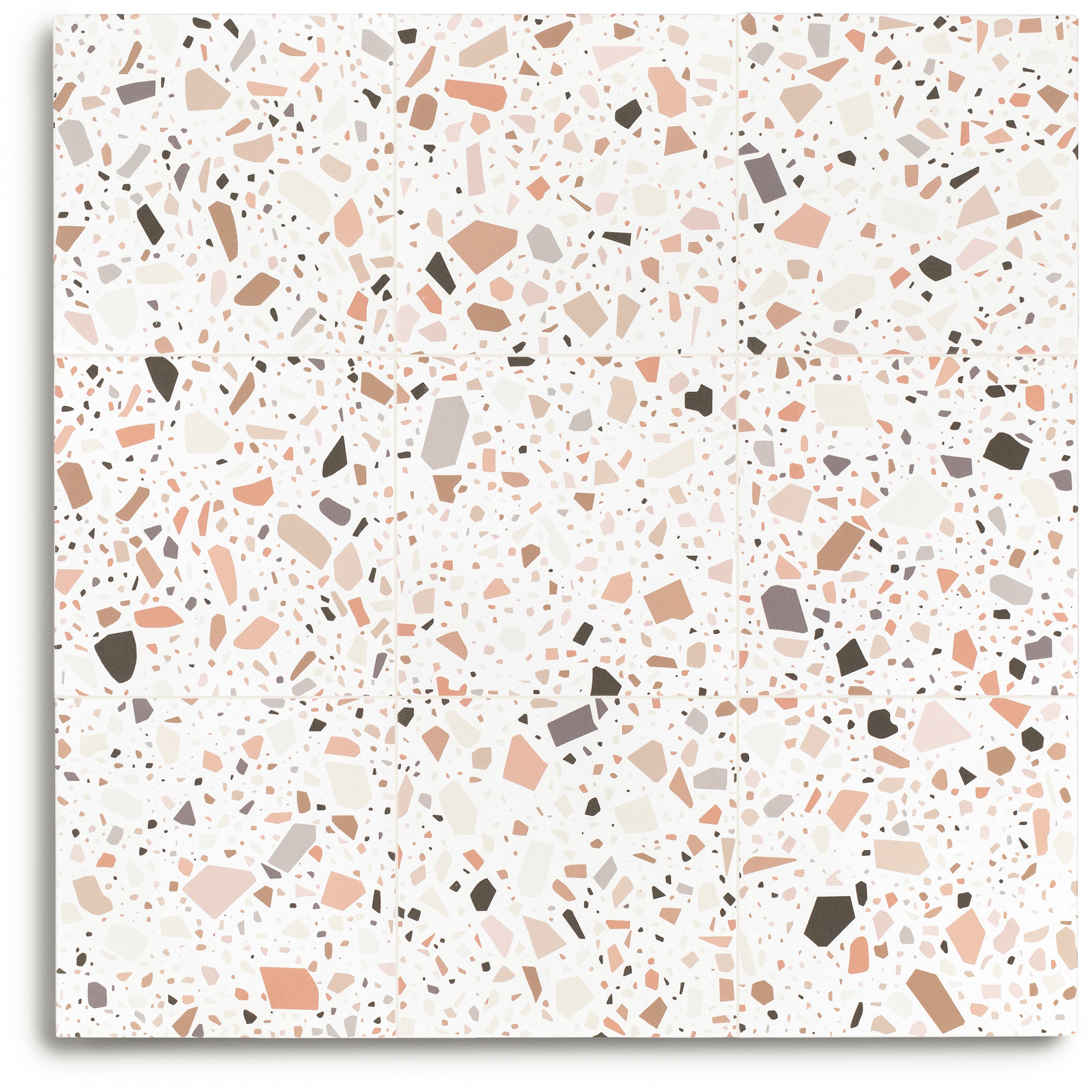
Cotto Confetti Matte Porcelain Tile
Star & Cross Classic Terracotta Tile




Thassos, Carrara, Bardiglio Gingham Marble Mosaic
Carrara Bardiglio Tumbled Stone Checkerboard
Rosso Verona Tumbled Marble Tile
Rosso Verona 1x1 Hand Chipped Marble Mosaic
Bianco Carrara Honed Marble Tile
Amazzonite Matte Marble Look Porcelain Tile
Breccia Capraia 3D Mable Look Porcelain Tile
Bianco Carrara Octagon w/ Nero Marquina Dot Mosaic
Spider Gold Matte Marble Look Porcelain Tile
Taj Matte Marble Look Porcelain Tile
Calacatta Honed Italian Terrazzo Tile
Verde Guatemala Tumbled Marble Tile
Bardiglio Desert Tea Tumbled Stone Checkerboard
White Paradise Marble Look Porcelain Tile
Travertino Chiaro Tumbled Stone Tile
Bardiglio Desert Tea Tumbled Stone Checker Stripe


Carrara Verde Guatemala Tumbled Stone Checkerboard
Desert Tea Tumbled Marble Tile
Carrara Running Bond Marble Mosaic
Verde Guatemala 1x1 Chipped Mosaic
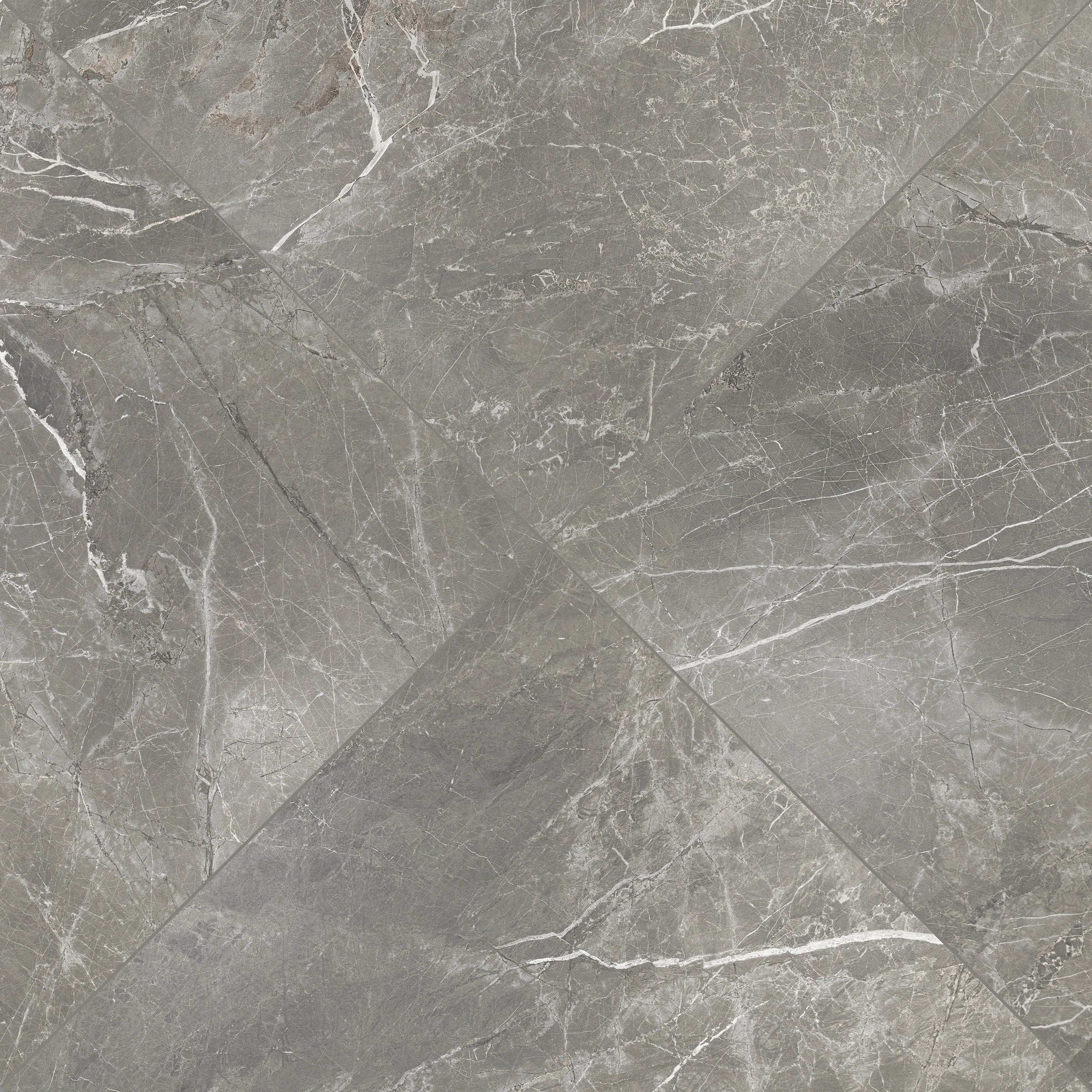
Fior de Bosco Marble Look Porcelain Tile
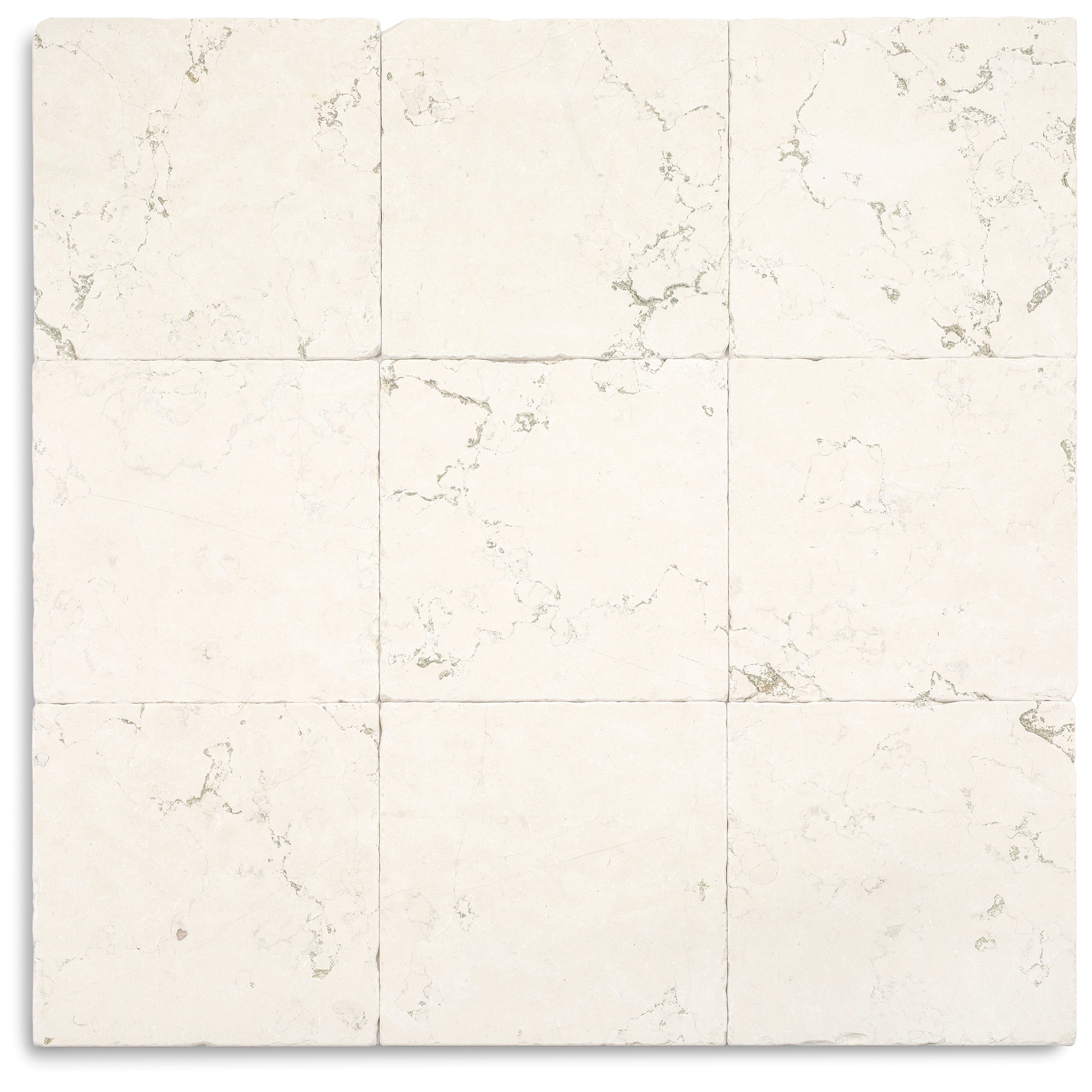
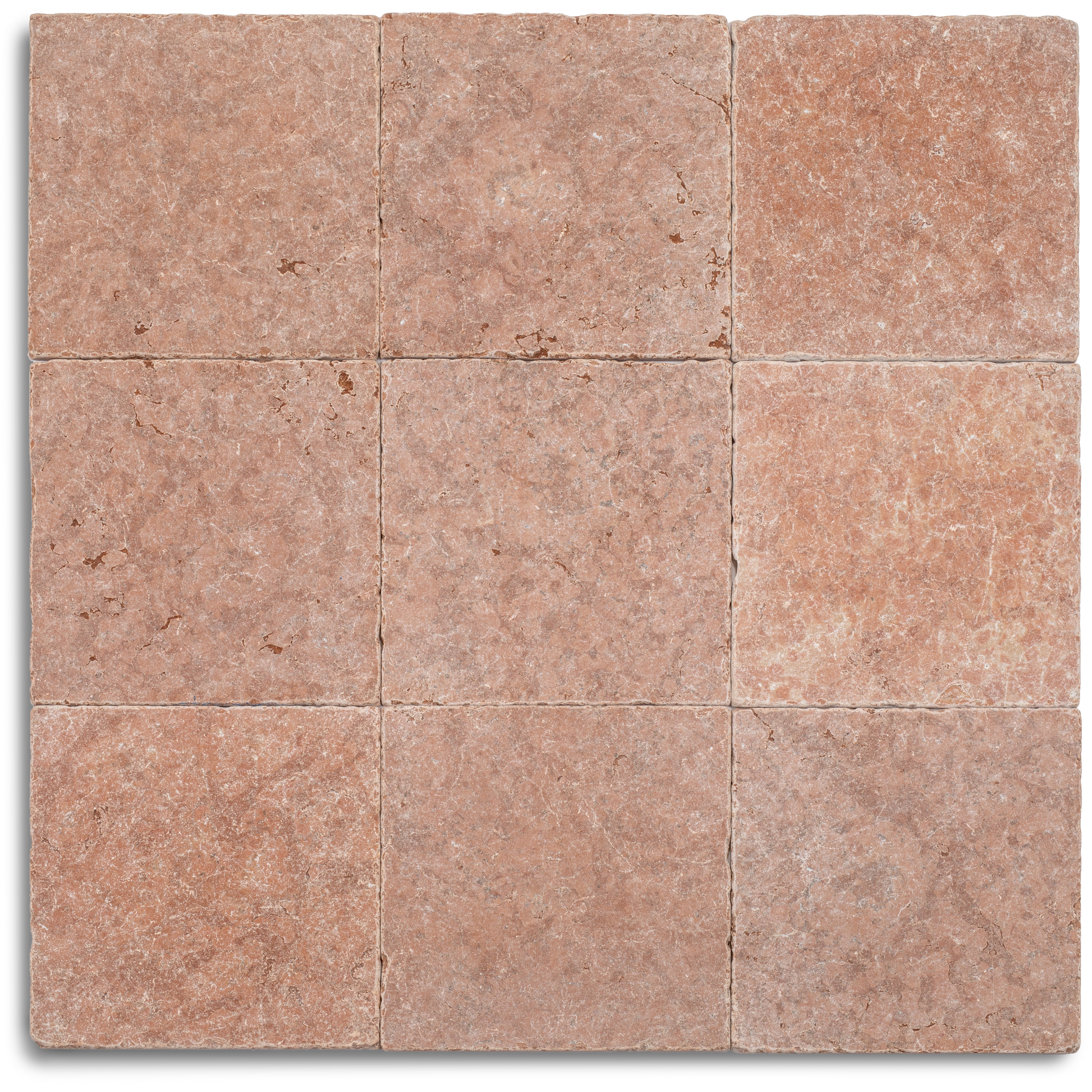
Van Gogh 3D Marble Look Porcelain Tile
Calacatta Running Bond Marble Mosaic
Desert Tea Tumbled Marble Tile


Belgian Blue Tumbled Marble Tile
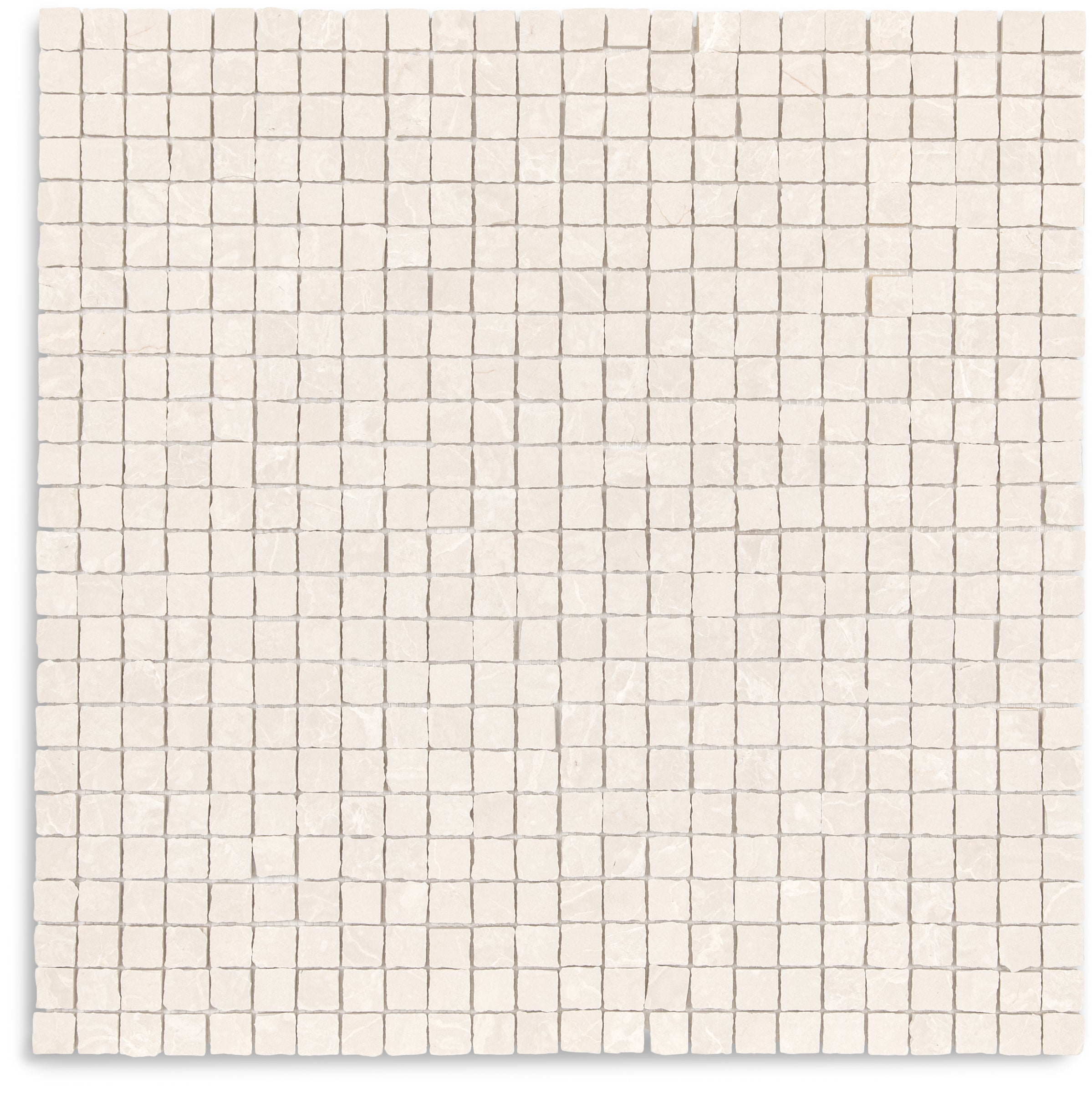
Rosa Perlino 1x1 Chipped Mosaic
Torcello Honed Italian Terrazzo Tile
Verde Guatemala Tumbled Marble Tile
Carrara 1x1 Hand Chipped Marble Mosaic
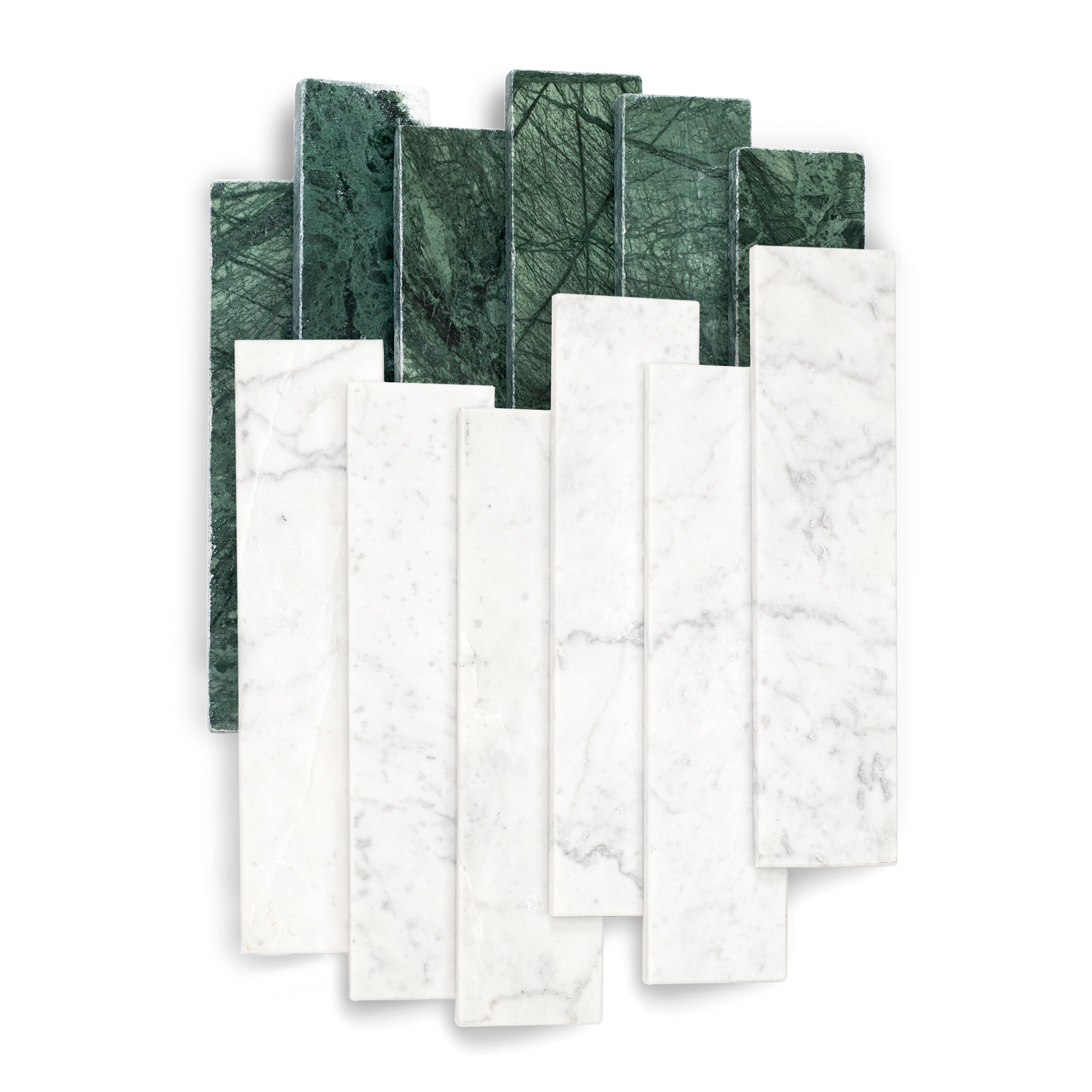
Carrara Verde Guatemala Tumbled Stone Checker Stripe
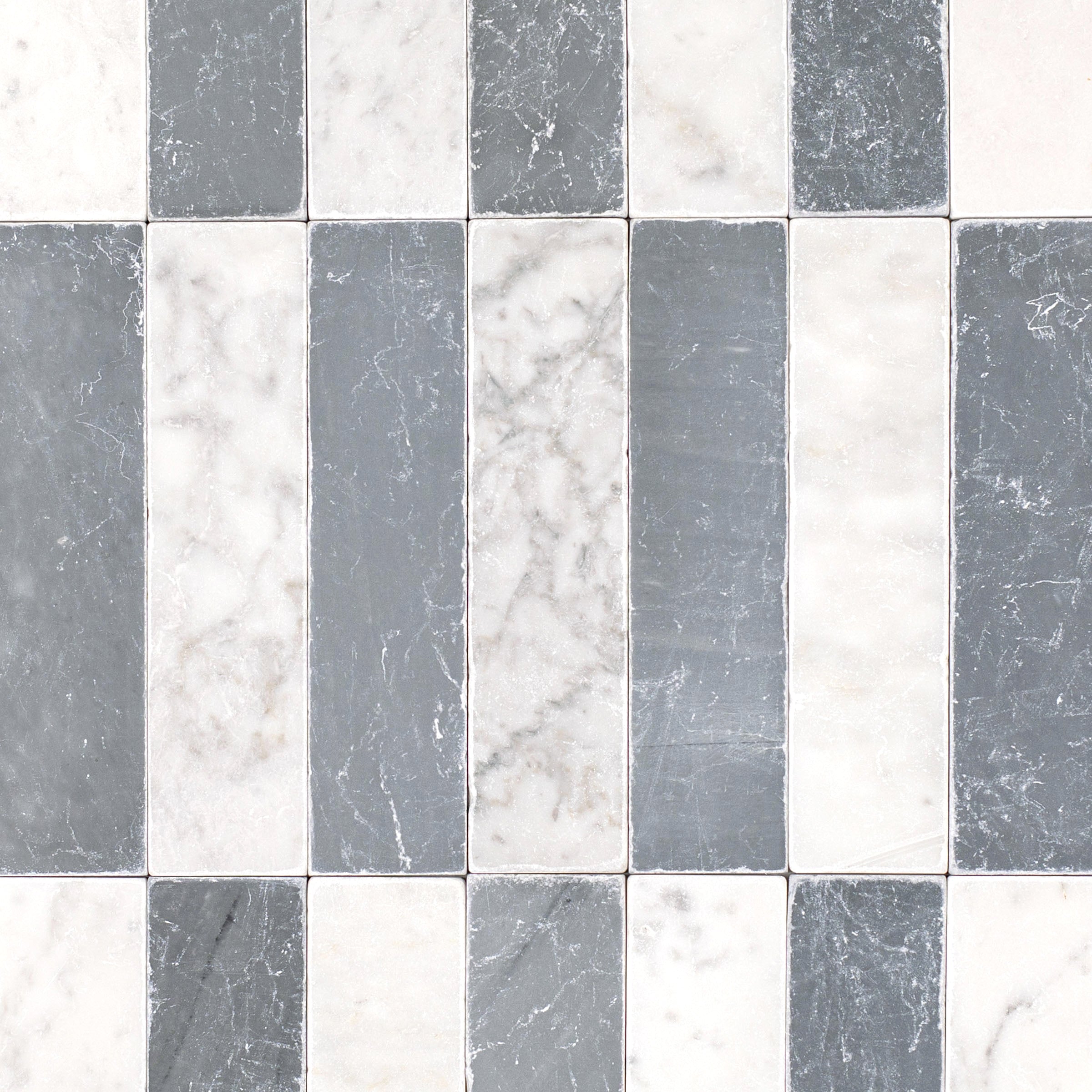
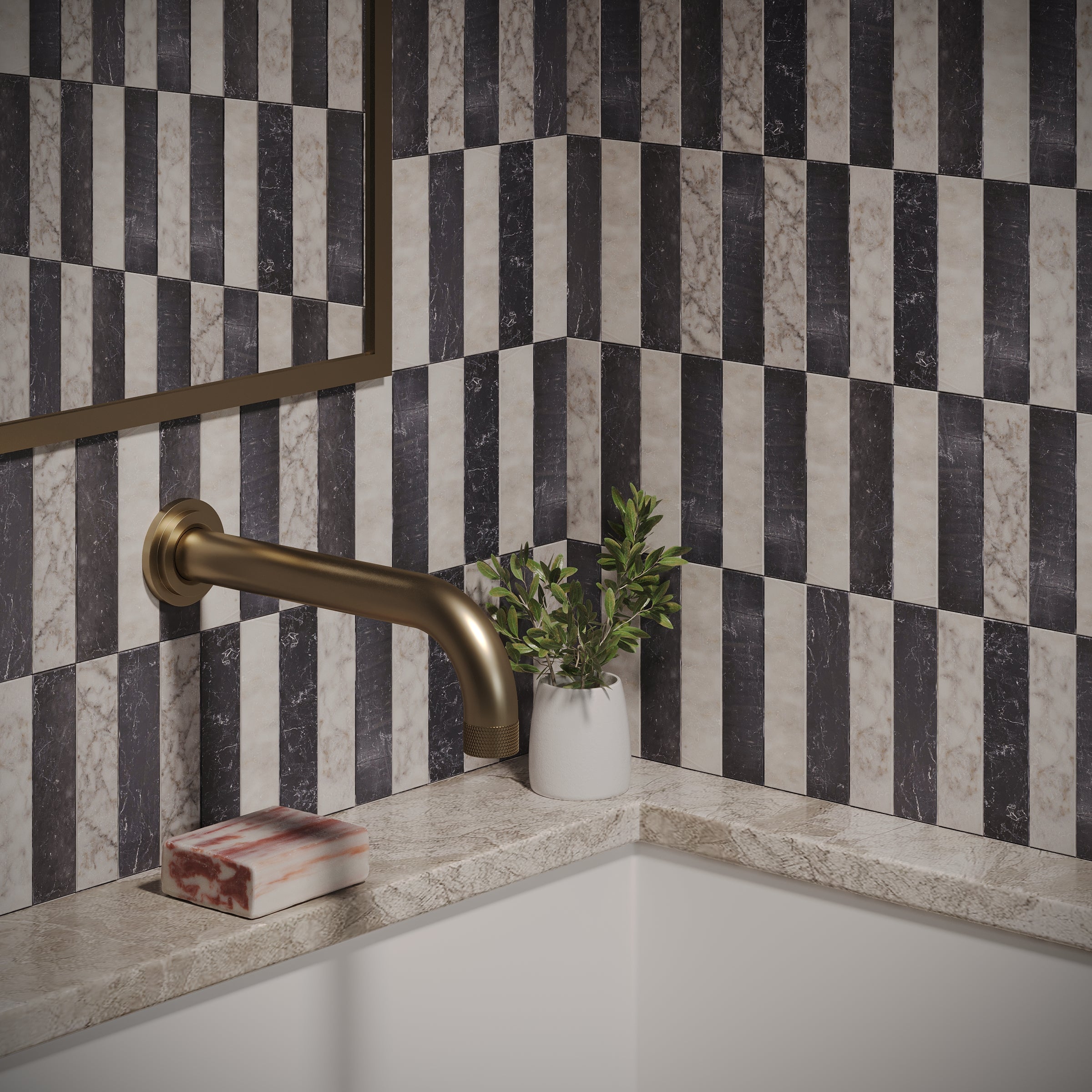
Carrara Bardiglio Tumbled Stone Checker Stripe
White & Ecru Octagon Zellige Mosaic
Cotto Deco Terracotta Look Matte Porcelain Tile
Thassos, Carrara, Bardiglio Gingham Marble Mosaic
Chiaro Deco Terracotta Look Matte Porcelain Tile
White & Ecru 2x2 Zellige Checkerboard Mosaic
Unglazed & White Octagon Zellige Mosaic
White & Black Octagon Zellige Mosaic
Cream Limestone Look 3D Matte Porcelain Tile
Murano Honed Italian Terrazzo Tile
Carrara Bardiglio Tumbled Stone Checkerboard
Apple 12x24 3D Glossy Porcelain Tile
Rosso Verona Tumbled Marble Tile
White & Oxblood 2x2 Zellige Checkerboard Mosaic
Travertino Moka Stone Look Porcelain Tile
White Multi-Color Matte Porcelain Tile
Beige Limestone Look 3D Matte Porcelain Tile
Rosso Verona 1x1 Hand Chipped Marble Mosaic
Natura Terracotta Look Matte Porcelain Tile
Bianco Carrara Honed Marble Tile
Travertino 3D Matte Porcelain Tile
Cream 12x24 3D Gloss Porcelain Tile
Navy 12x24 3D Gloss Porcelain Tile
Almond Cement Look Matte Porcelain Tile
Cotto 2x2 Forma Porcelain Mosaic
Star & Cross Classic Terracotta Tile
Amazzonite Matte Marble Look Porcelain Tile
Crema Terracotta Look Matte Porcelain Tile
Cream 2x2 Forma Porcelain Mosaic