


NOTIFY ME WHEN AVAILABLE
We'll notify you as soon as this product or sample is back in stock / available.
Pair It With
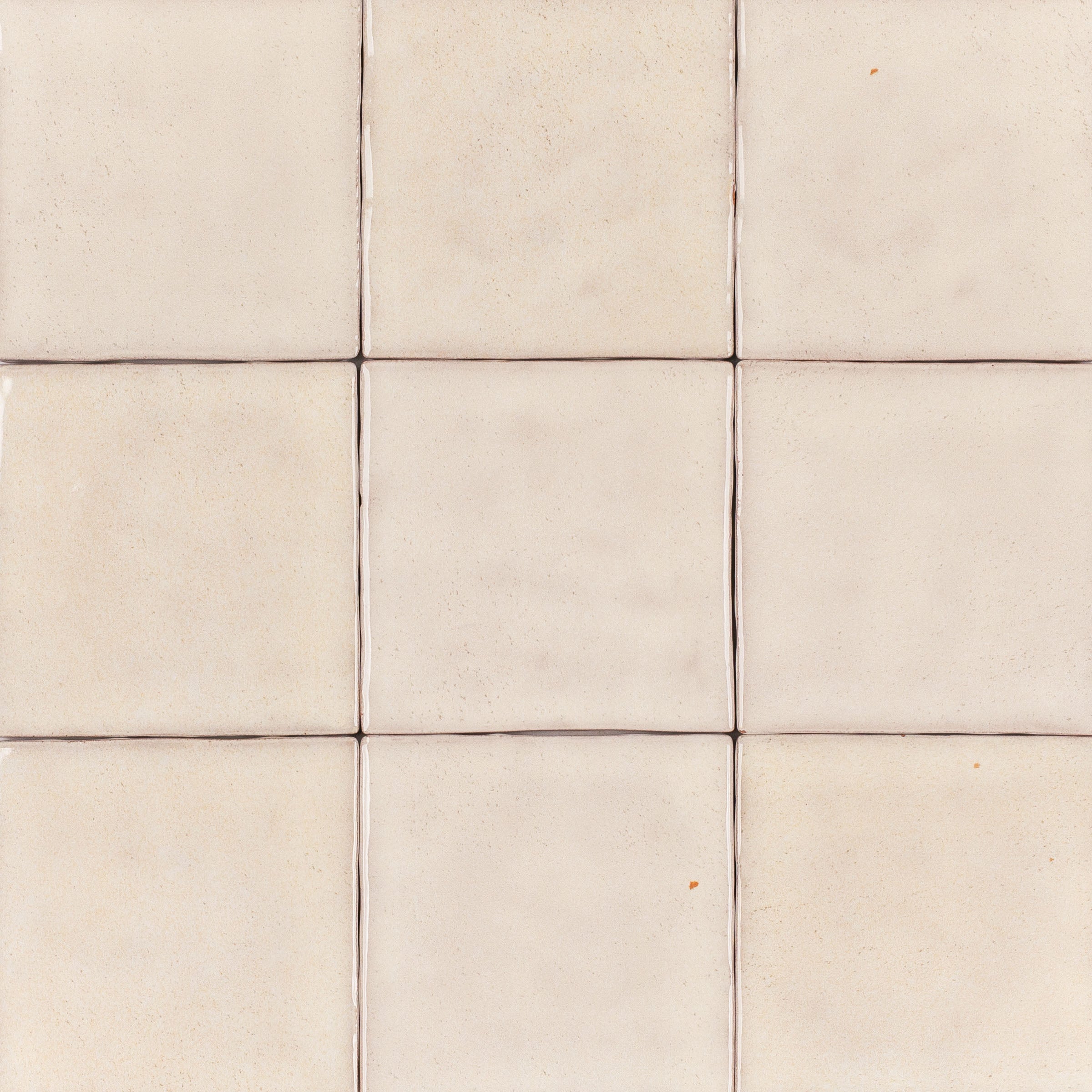

The Vibe
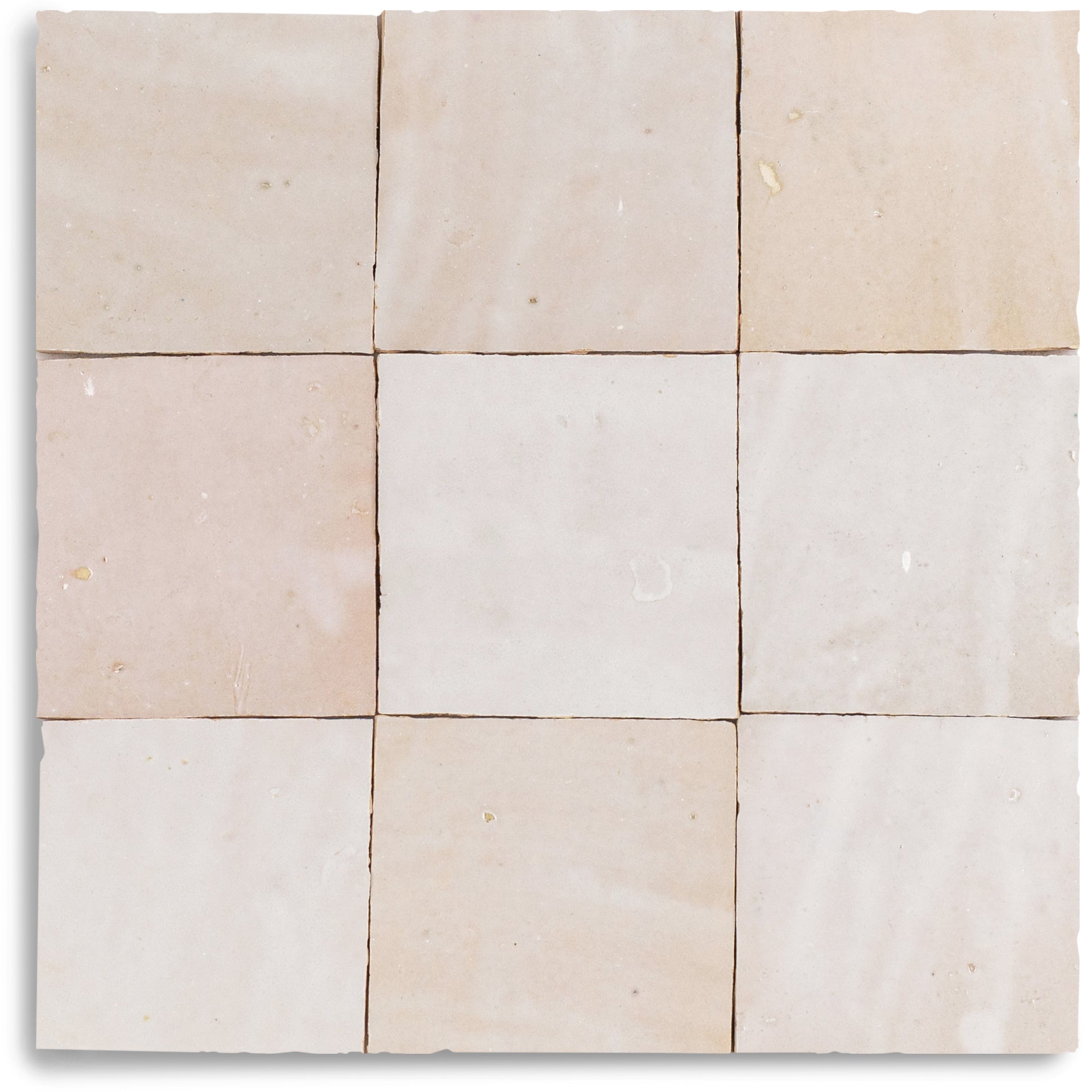
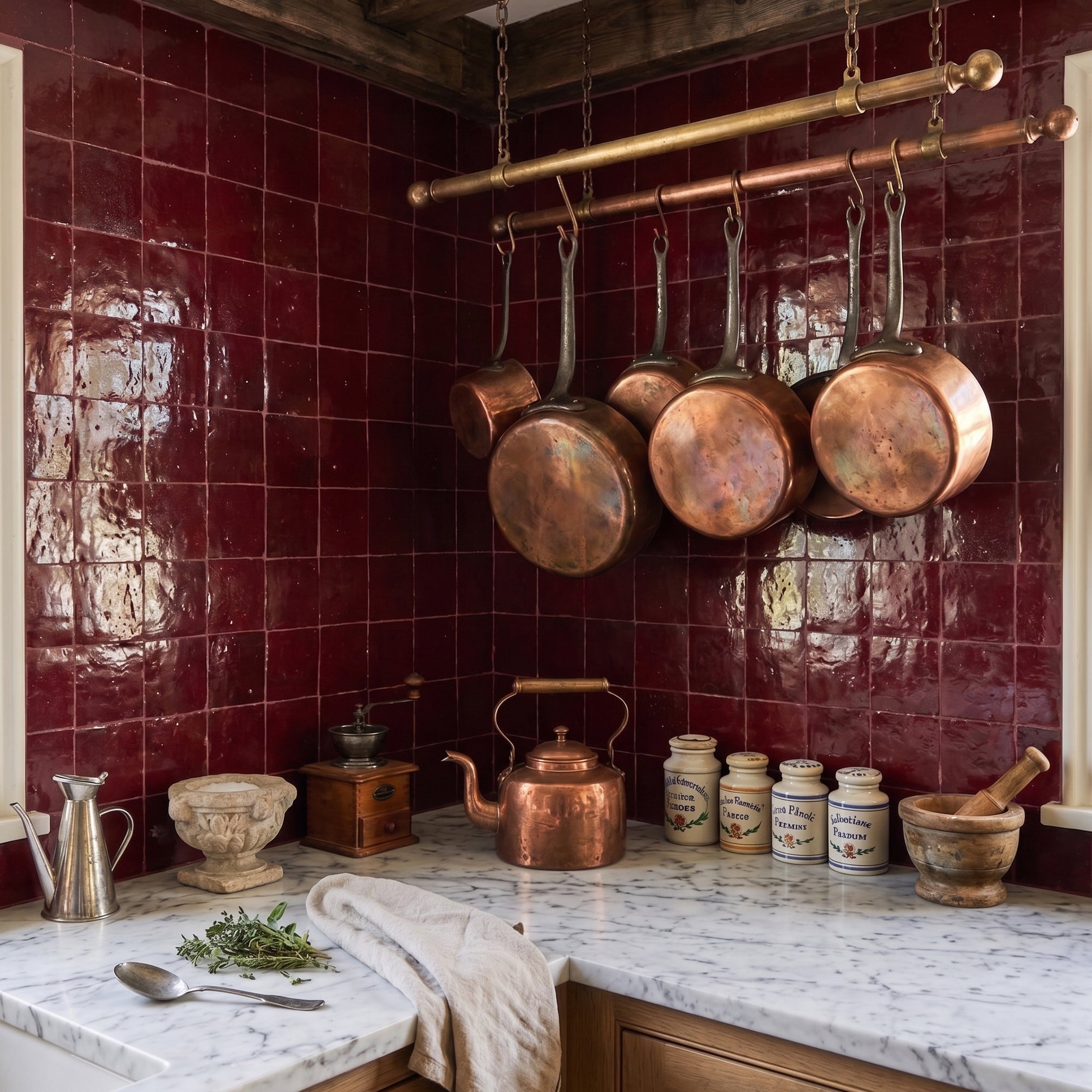
Warm without trying. Sand sits in that ideal middle ground between white and beige — earthy enough to feel grounded, light enough to keep a room open. The relief glaze catches the warmth in the tone and amplifies it, so depending on your lighting, it can read honeyed and golden or quiet and muted. It's the tile for people who want their space to feel like it evolved naturally rather than being designed all at once. Relaxed, lived-in, real.

The Details
Tapia Sand is a white body ceramic tile in a 2.5x10 format with a reactive relief glaze and medium shade variation (V3). The surface texture varies tile to tile, giving installed walls a natural, handcrafted quality. At 9.3mm thick, it has solid presence on the wall. Suitable for interior wall and backsplash applications.

Style It With
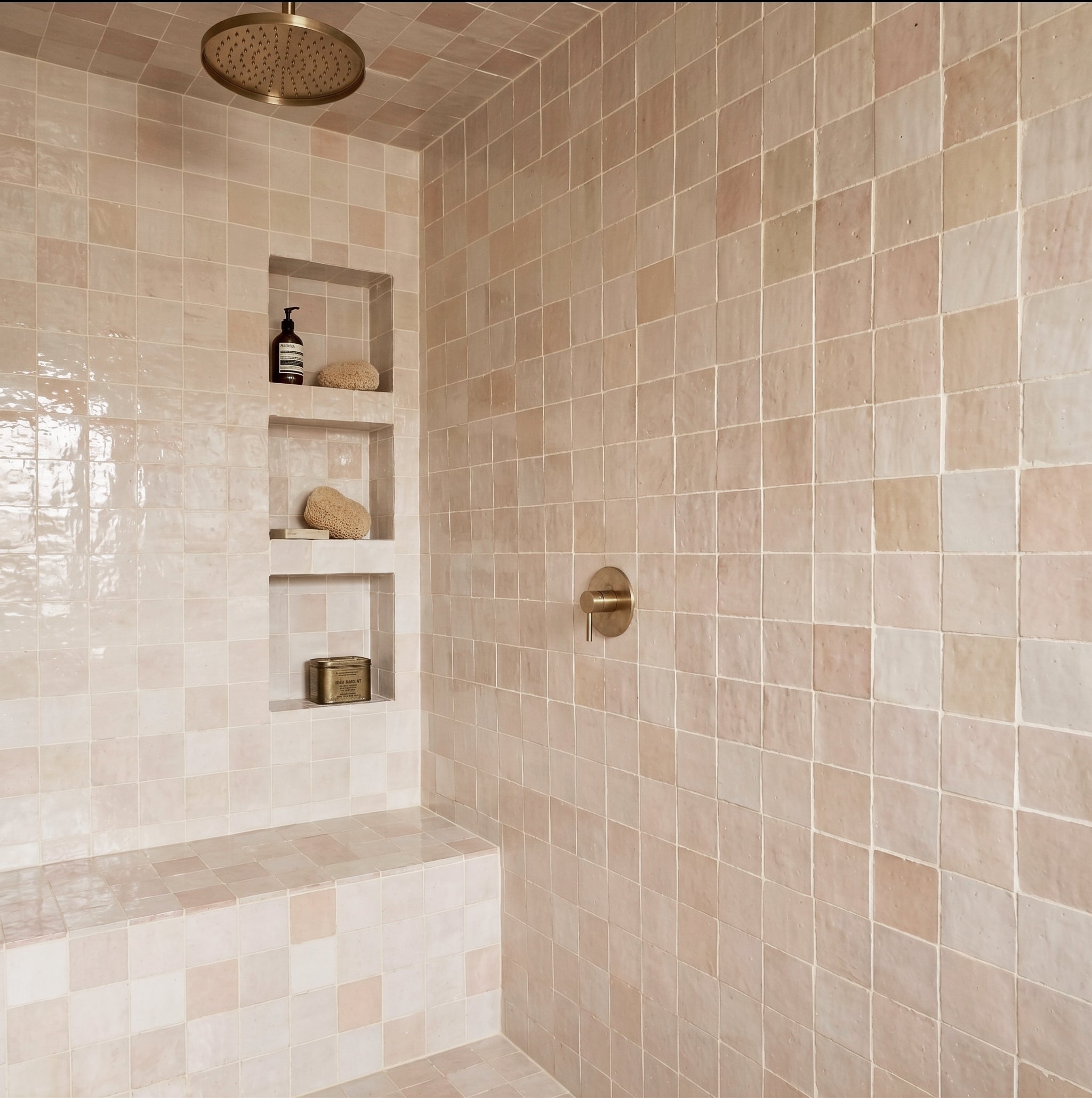
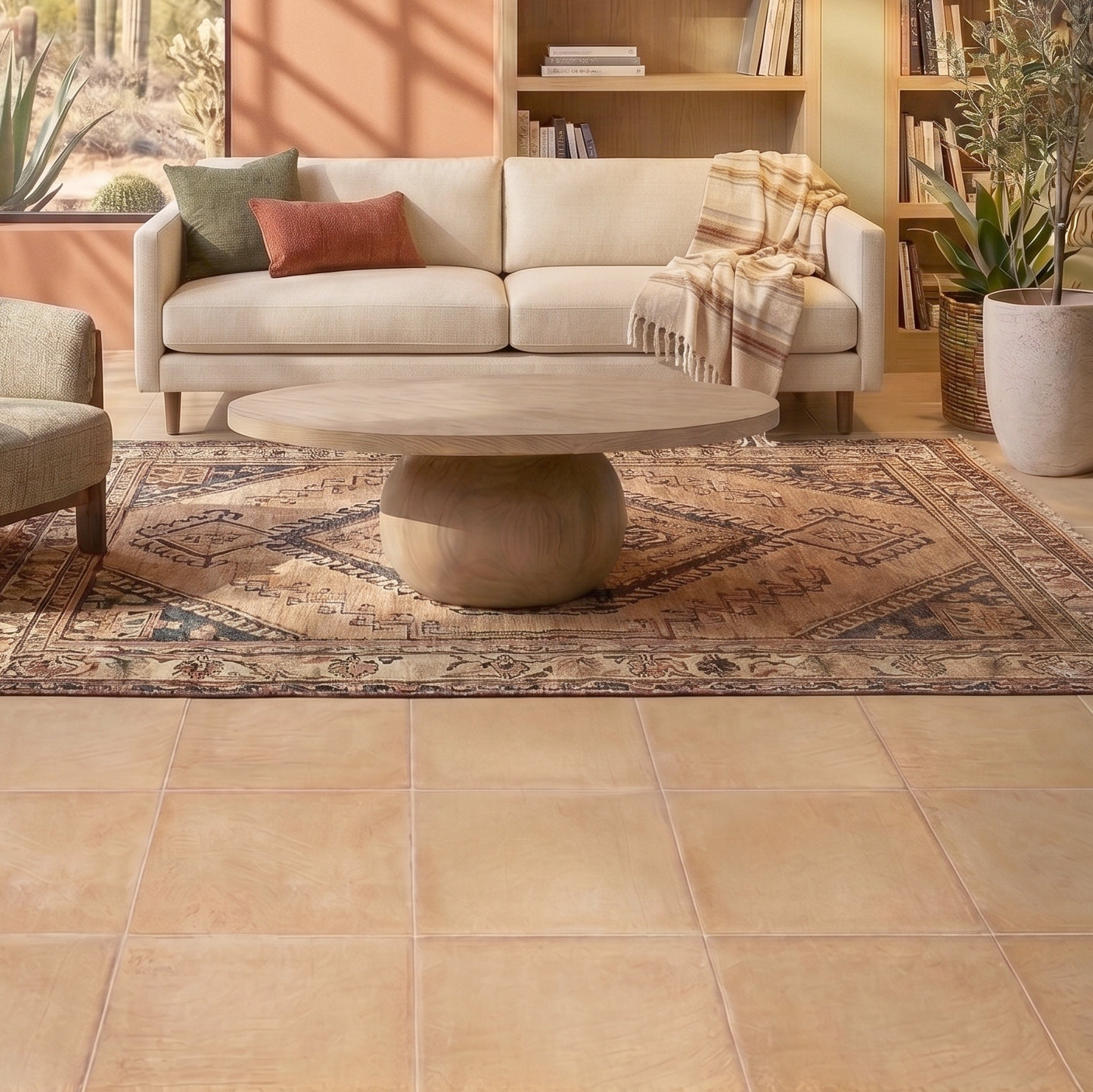
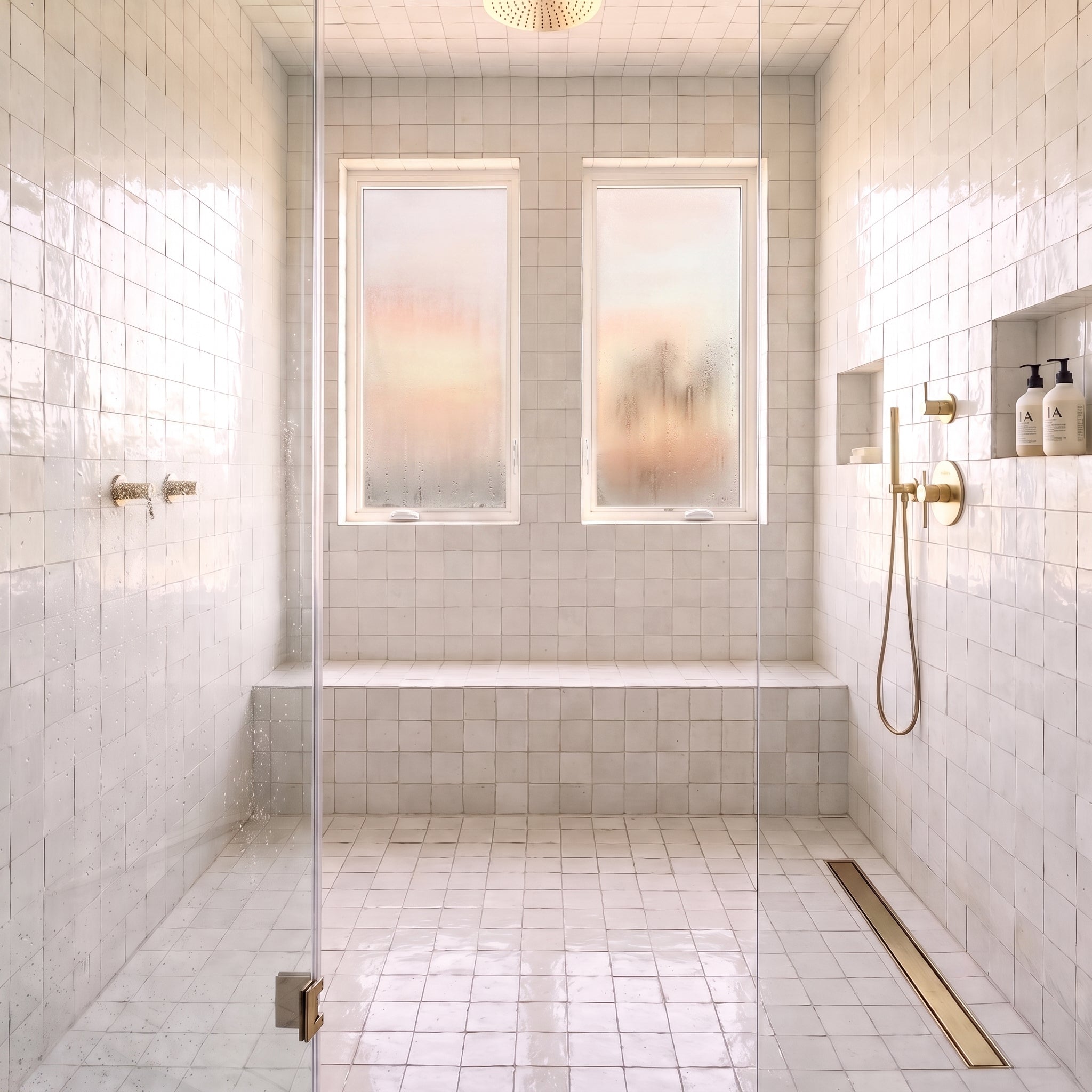
Sand is a natural partner for terracotta floors, plaster walls, and unlacquered brass. It belongs in kitchens with open shelving and aged wood, in bathrooms with linen and stone, in any room where the goal is warmth over perfection. For grout, a sandy beige or warm tan keeps everything cohesive — or go slightly darker for a grid that grounds the installation. Brick offset is the classic move here; vertical stack lets the elongated format stretch the room.
Where to Install
WALLS
SHOWER WALL
BACKSPLASH
The Tapia Collection captures the raw, sun baked character of traditional Spanish earthen walls. Each 2.5 x 10 inch tile is handcrafted with a dimensional relief that gives the surface real depth, the kind of texture you want to reach out and touch. The artisanal glaze produces natural tonal variation across every piece, so no two tiles look exactly alike. Available in Off White, Sand, Olive, and Bordeaux, four colors pulled straight from the Spanish countryside. Whether it's a kitchen backsplash, a shower niche, or a full accent wall, Tapia adds the kind of handmade character that big box tile can't fake.
Details
Material
Ceramic
Finish
Glossy
MOHS
5
Chemical Resistant
Resistant
Stain Resistant
Class 5
Collection
Tapia
Thickness
9.3mm
Country of Origin
Spain
Shade Variation
V3
Shape
Rectangle
Application
Walls Only
Edge
Irregular
Location
Shower Walls, Walls, Backsplash
Gradient bar
Ceramic Tile Installation Guide
CERAMIC TILE INSTALLATION GUIDE
CERAMIC TILE
INSTALLATION GUIDE
A Step-by-Step Guide for Professionals and DIY Enthusiasts
BEFORE YOU BEGIN
Please read this entire guide before starting your installation. This guide provides general
recommendations and should not replace professional advice for complex installations. Reno Source
provides quality ceramic tiles and this guidance as a resource, but responsibility for the installation
process rests with the installer and homeowner.
1. OVERVIEW
Ceramic tile is one of the most reliable and versatile finish materials available. It offers durability,
low maintenance, and a timeless aesthetic that works across kitchens, bathrooms, entryways, and
living spaces. With the right preparation, most experienced installers can complete a standard room
in one to two days.
This guide walks you through each stage of a ceramic tile installation, from surface preparation
through final sealing. Follow these steps carefully and you will achieve a professional-quality result
that stands the test of time.
2. TOOLS & MATERIALS
Essential Tools
• Notched trowel (size per adhesive manufacturer recommendation)
• Rubber grout float
• Tile cutter or wet saw
• Tile nippers for curved cuts
www.therenosource.com Page 1CERAMIC TILE INSTALLATION GUIDE
• Chalk line and tape measure
• Level (48″ recommended) and carpenter’s square
• Mixing bucket and drill with paddle attachment
• Sponges and clean cloths
• Knee pads, safety glasses, dust mask, and gloves
Materials
• Ceramic tiles (order 10–15% extra for cuts and future repairs)
• Thinset mortar or tile adhesive
• Grout (sanded for joints wider than 1/8″; unsanded for narrower joints)
• Tile spacers (1/8″ to 1/4″ depending on desired joint width)
• Cement backer board and fiberglass mesh tape (if required)
• Grout sealer
3. STEP-BY-STEP INSTALLATION
Step 1: Surface Preparation
Proper surface preparation is the foundation of every successful tile installation. Investing time here
prevents cracked tiles, failing grout, and costly rework.
Clear and Clean the Area
Remove all furniture, appliances, and existing flooring. Clean the subfloor thoroughly, removing
debris, dust, adhesive residue, and paint.
Inspect and Repair the Subfloor
The subfloor must be at least 1-1/8″ thick to prevent flexing. Use a long straightedge to check for
level—variations greater than 1/8″ over 10 feet should be corrected with self-leveling compound.
Repair any cracks, holes, or damaged areas before proceeding.
Install Backer Board (If Needed)
For plywood subfloors or moisture-prone areas, install cement backer board to create a rigid,
moisture-resistant base. Secure with appropriate screws and tape all seams with fiberglass mesh
tape.
Step 2: Planning and Layout
A well-planned layout produces symmetrical, professional-looking results and minimizes waste.
Never skip this step.
1. Measure and mark the midpoint of each wall. Snap chalk lines connecting opposite
midpoints. The intersection is your starting point.
2. Dry-fit tiles along the chalk lines from center to walls without adhesive. Include spacers
between tiles to preview the layout and identify where cuts will fall.
3. Adjust the layout so tiles at walls are at least half a tile width. Small slivers look
unprofessional and are difficult to cut. Shift your starting point as needed for balance.
www.therenosource.com Page 2CERAMIC TILE INSTALLATION GUIDE
4. Consider tile placement around doorways and focal points before committing to your layout.
Step 3: Applying Thinset Mortar
Proper adhesive application is critical for a lasting installation. Work methodically in small sections.
1. Mix thinset mortar per manufacturer instructions to a smooth, peanut butter-like
consistency. Let it slake (rest) for 10 minutes, then remix briefly.
2. Using the flat side of your notched trowel, spread a thin layer onto a 3′ × 3′ section. Do not
cover your layout lines.
3. Hold the trowel at a 45° angle and comb through the mortar to create uniform ridges. These
ridges ensure proper adhesion and allow air to escape.
4. Work quickly—most thinset remains workable for only 15–20 minutes. Only spread as much
as you can tile within this window.
Step 4: Setting the Tiles
With adhesive applied, set tiles carefully and methodically.
1. Begin at the center intersection. Press the first tile firmly into the thinset with a slight
twisting motion to ensure full contact.
2. Insert spacers at each corner to maintain consistent joint width. Most ceramic tiles use 1/8″
to 1/4″ spacers.
3. Continue setting tiles outward from the center, one section at a time. Never slide tiles into
position—this pushes adhesive into the joints.
4. Check frequently with a level to ensure tiles are flat and even. Adjust by pressing down or
adding thinset as needed.
5. Mix tiles from several boxes as you work to blend any color variation naturally across the
installation.
IMPORTANT
Maintain uniform spacing between all tiles. Proper grout joint width allows for expansion and
prevents cracking. Resist the urge to push tiles closer together.
Step 5: Cutting Tiles
Most installations require cut tiles at walls and around obstacles. Choose the right method for each
situation.
Straight Cuts
Use a manual snap cutter or wet tile saw. Score the surface with firm, even pressure and snap along
the scored line. Smooth rough edges with a rubbing stone.
Curved and Notched Cuts
For cuts around pipes or fixtures, use tile nippers to remove small pieces at a time. Work gradually
toward your marked line. A rod saw handles longer curved cuts.
www.therenosource.com Page 3CERAMIC TILE INSTALLATION GUIDE
SAFETY
Always wear safety glasses when cutting tiles. Cut edges can be sharp—handle carefully and smooth
as needed before installation.
Step 6: Grouting
Allow thinset to cure for at least 24 hours before grouting. Do not walk on the tiles during this time.
1. Remove all tile spacers. Mix grout per manufacturer directions to a smooth, thick
consistency.
2. Using a rubber grout float held at 45°, spread grout diagonally across the tile surface, forcing
it deep into the joints.
3. 4. Scrape excess grout by tilting the float to 90° and moving diagonally across the tiles.
Wait 15–20 minutes for the grout to begin setting, then wipe the surface with a damp sponge
in circular motions. Rinse the sponge frequently.
5. After the grout has fully cured (typically 24–72 hours), buff away remaining haze with a dry
cloth.
Step 7: Sealing and Finishing
Sealing protects your grout from moisture, stains, and mildew. This final step extends the life of your
installation.
1. Wait for grout to fully cure per manufacturer recommendations—typically 48 to 72 hours.
2. Apply grout sealer using a small brush applicator directly on the grout lines, or spray over the
entire surface if using a spray sealer.
3. Allow the sealer to penetrate for the time specified by the manufacturer, then wipe any excess
from the tile surface.
4. Reapply sealer annually or as recommended to maintain protection.
4. TIPS & WARNINGS
Pro Tips
• Never skip the dry-fit layout. It prevents costly mistakes and ensures professional results.
• Back-butter large tiles (apply thinset to both the floor and tile back) for complete coverage
and stronger adhesion.
• Clean grout residue promptly—dried grout haze is significantly harder to remove.
• Allow proper curing time at each stage. Rushing is the most common cause of installation
failure.
• Keep spare tiles from your installation for future repairs.
Safety Precautions
• Always wear appropriate PPE: safety glasses, gloves, knee pads, and a dust mask when
cutting tiles.
• Work in well-ventilated areas, especially when cutting.
www.therenosource.com Page 4CERAMIC TILE INSTALLATION GUIDE
• Keep tools and materials away from children.
• Follow all manufacturer safety guidelines for equipment and materials.
When to Call a Professional
For installations involving structural modifications, waterproofing (showers, wet rooms), radiant
floor heating systems, or subfloor repairs, we strongly recommend consulting a licensed contractor
or tile installation professional. Complex projects may require permits and inspections—check your
local building codes before beginning work.
5. CARE & MAINTENANCE
Ceramic tile is low-maintenance by nature, but a few simple habits will keep your installation looking
its best for years.
• Sweep or vacuum regularly to prevent grit buildup that can scratch the glaze over time.
• Mop with a pH-neutral tile cleaner and warm water. Avoid excessive water.
• Wipe up spills promptly, especially on grout lines.
• Reseal grout annually or as recommended by the sealer manufacturer.
• Use felt pads under furniture legs and place mats at entryways to reduce wear.
AVOID
Do not use acidic cleaners (vinegar, citrus-based products), bleach, ammonia, or abrasive scrubbers
on ceramic tile or grout. These products can damage the finish and degrade the grout over time.
6. PRODUCT & LIABILITY INFORMATION
Ceramic tiles vary by manufacturer, production batch, and composition. Always test adhesives,
grouts, and sealers on a sample area before full application. Results may differ based on
environmental conditions, substrate type, and installation technique. Refer to specific product
documentation for detailed instructions.
This guide is provided for informational purposes only. Reno Source and its authors assume no
responsibility for injuries, damages, or losses resulting from the use of this information. Users
assume all risks associated with tile installation. Always prioritize safety and consult qualified
professionals when in doubt.
Reno Source • Finish Materials • Based in the USA
www.therenosource.com | support@therenosource.com
www.therenosource.com
From the same collection




White & Ecru Octagon Zellige Mosaic


Cotto Deco Terracotta Look Matte Porcelain Tile


Chiaro Deco Terracotta Look Matte Porcelain Tile


White & Ecru 2x2 Zellige Checkerboard Mosaic


Unglazed & White Octagon Zellige Mosaic
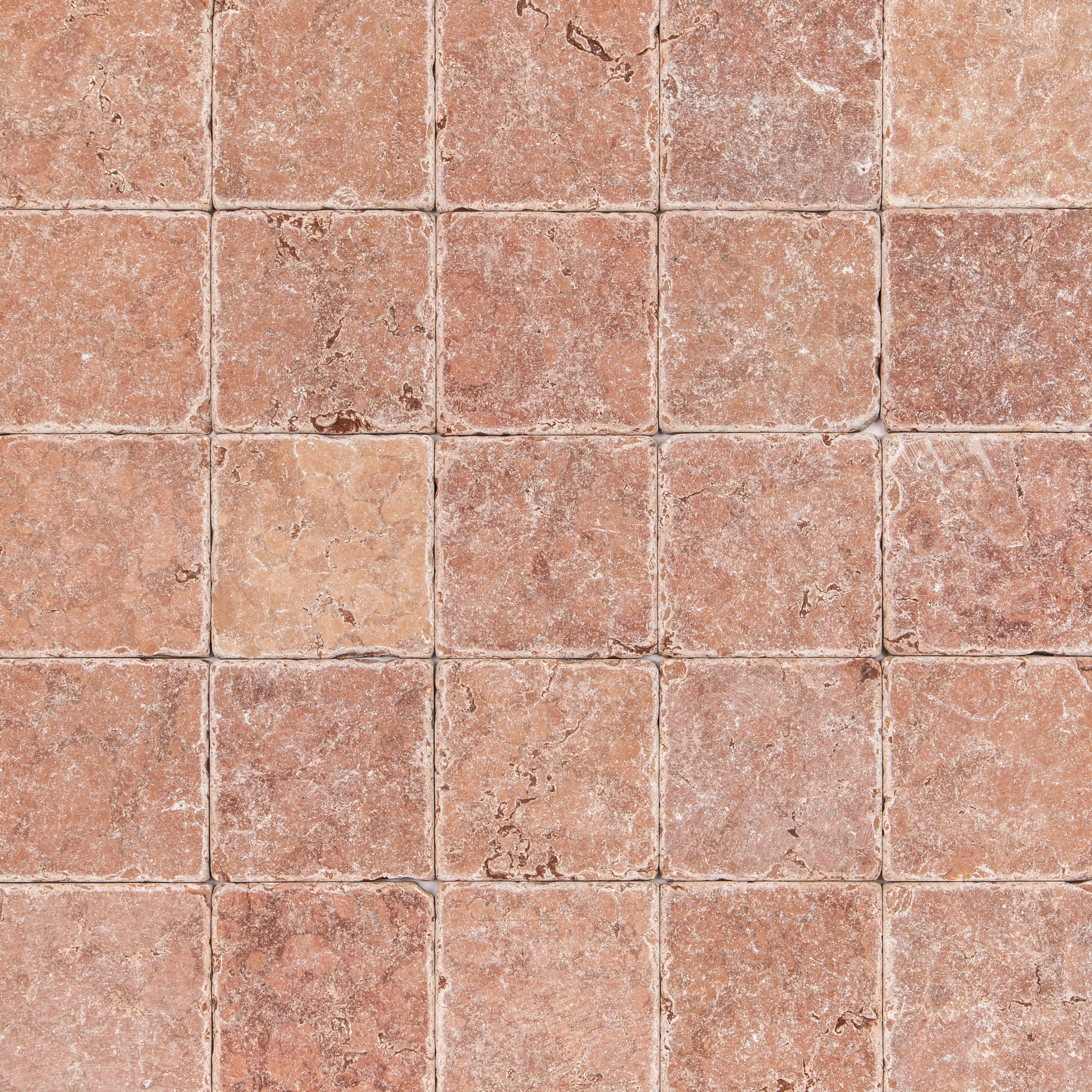
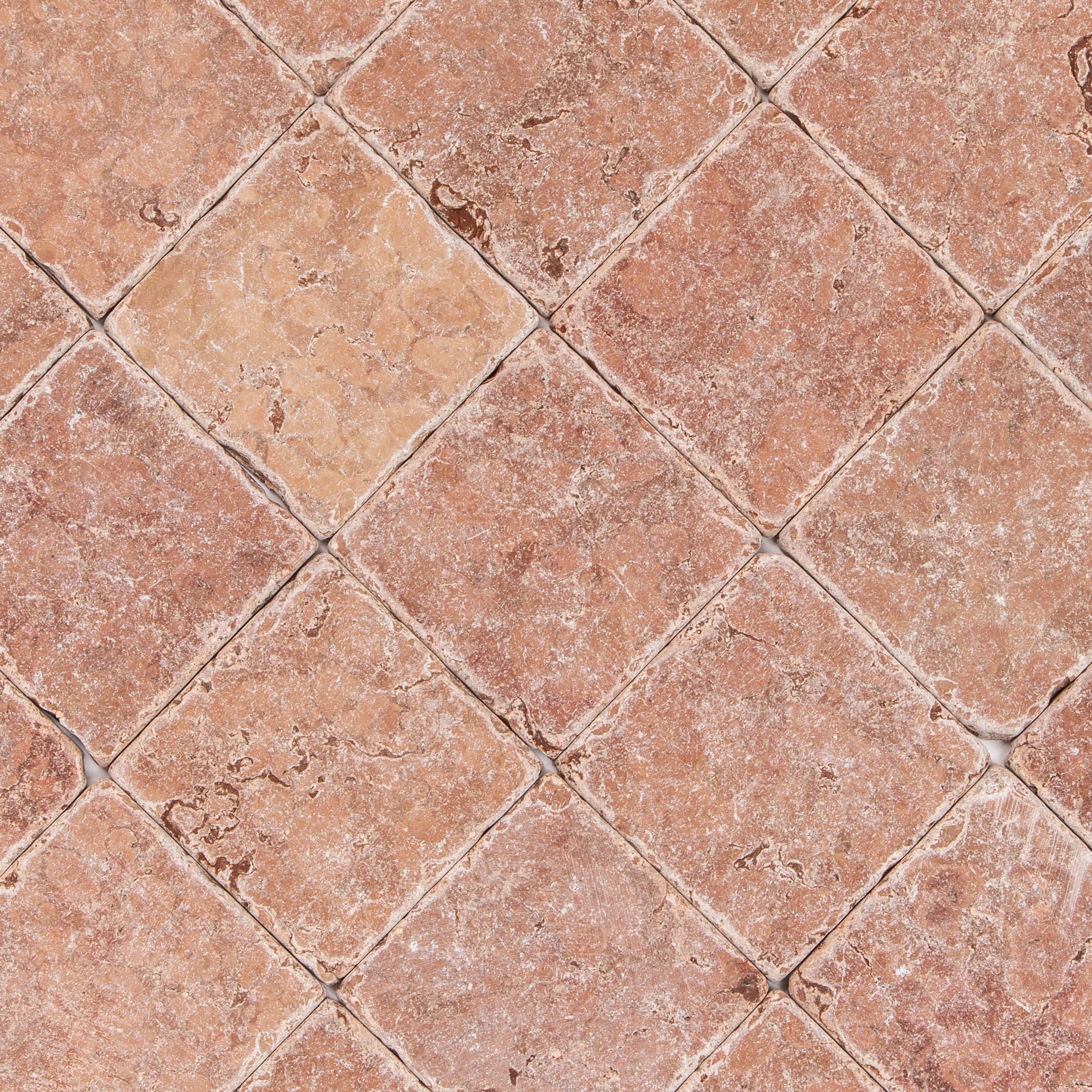
Rosso Verona Tumbled Marble Tile


White & Oxblood 2x2 Zellige Checkerboard Mosaic
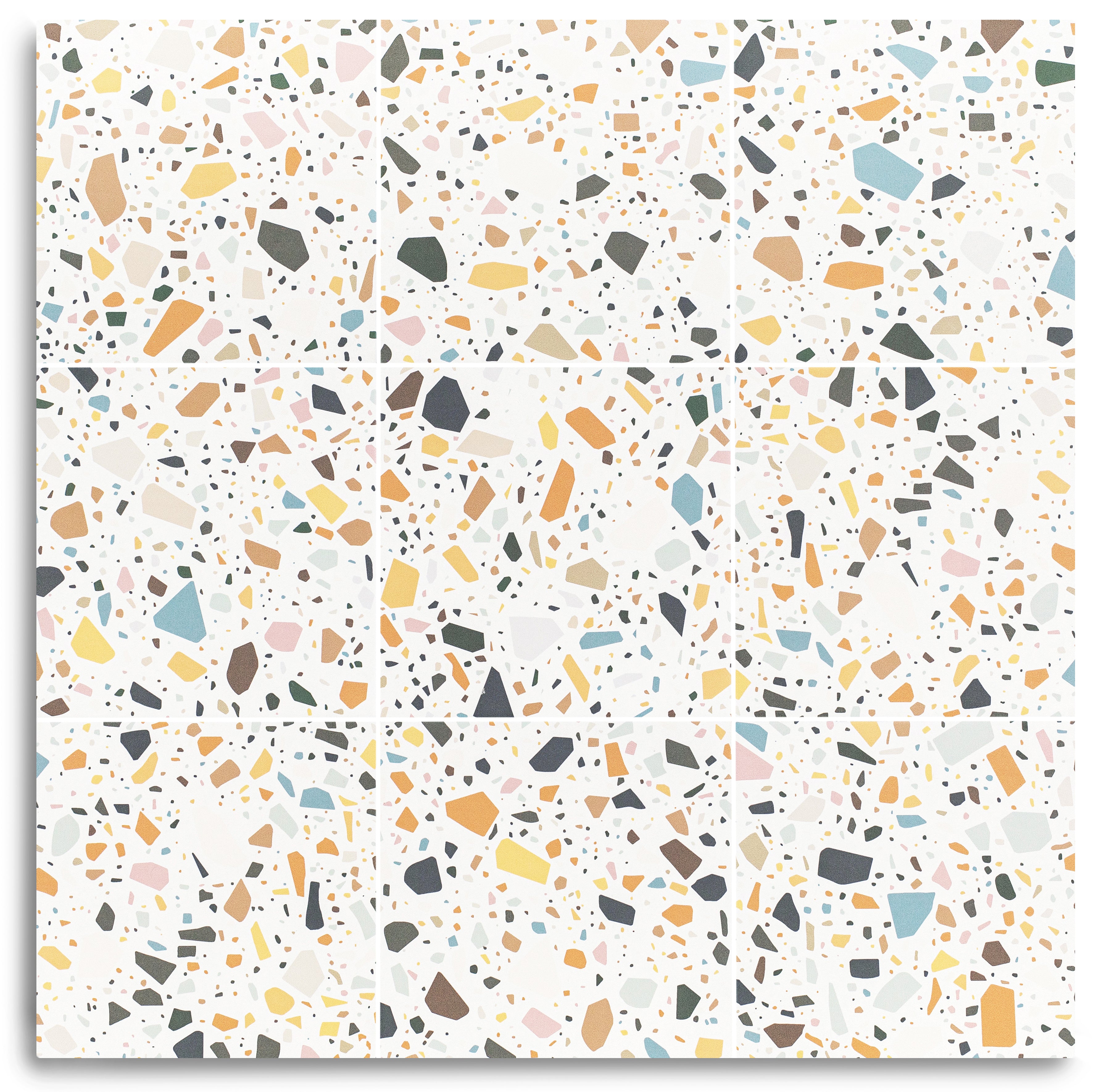

White Multi-Color Matte Porcelain Tile


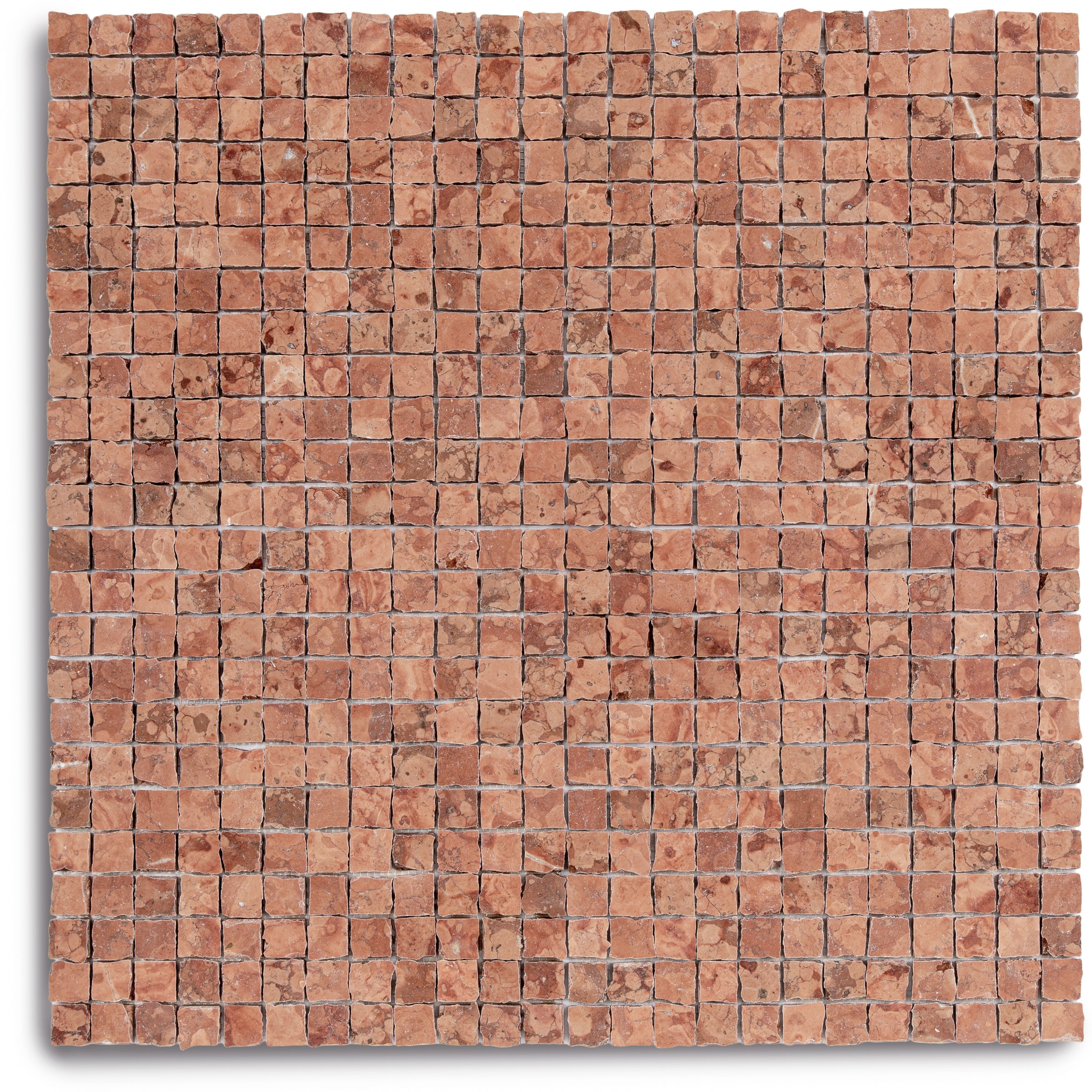
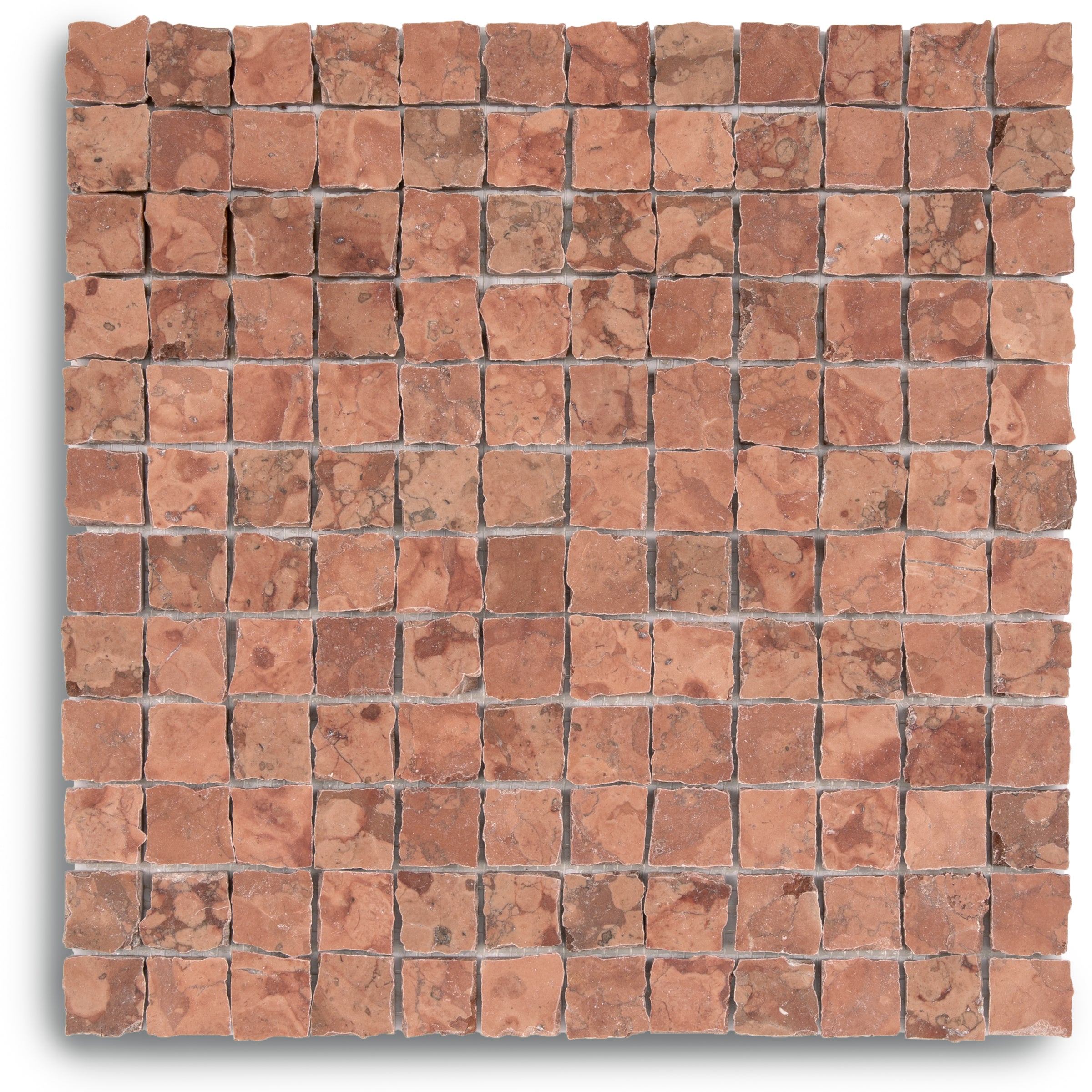
Rosso Verona 1x1 Hand Chipped Marble Mosaic
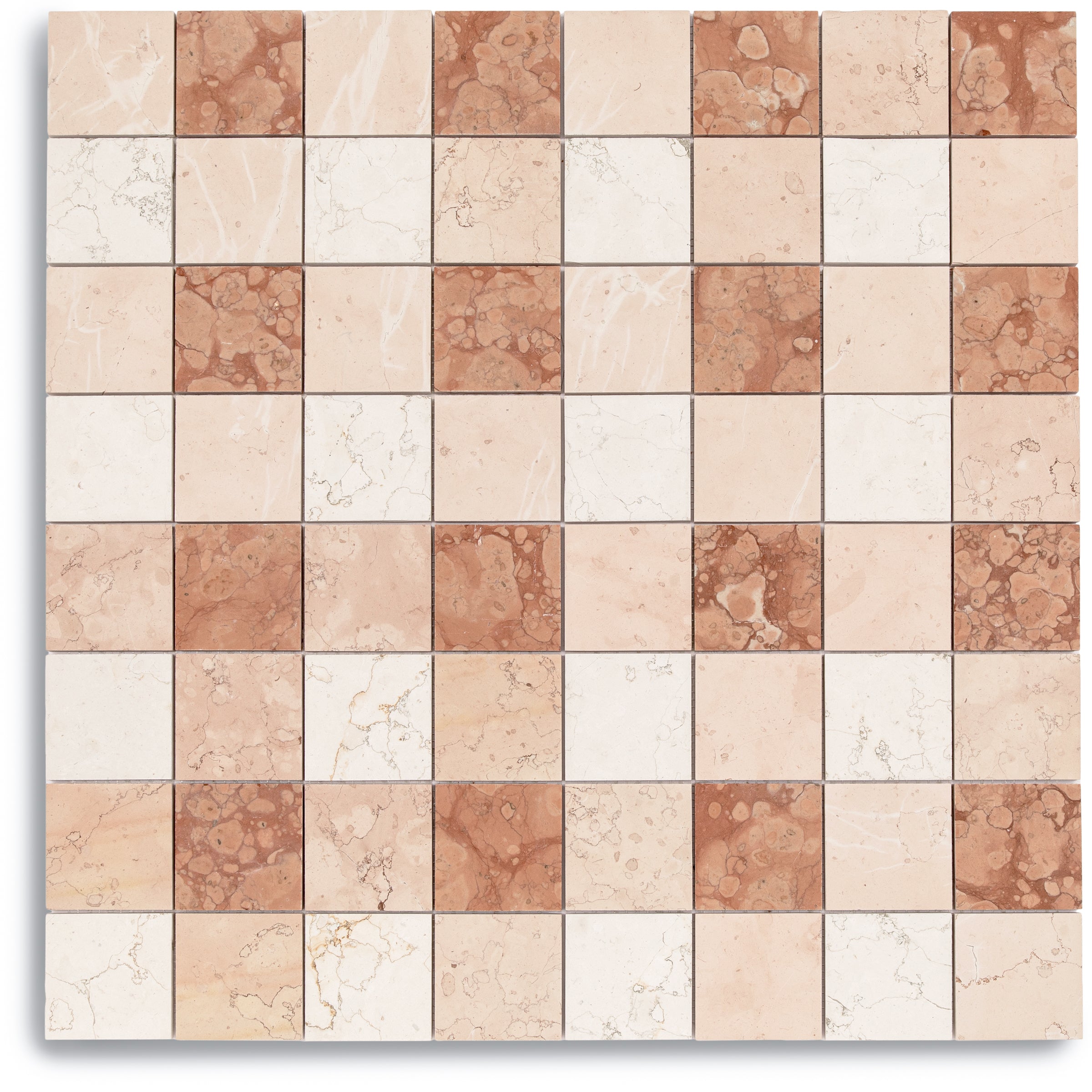

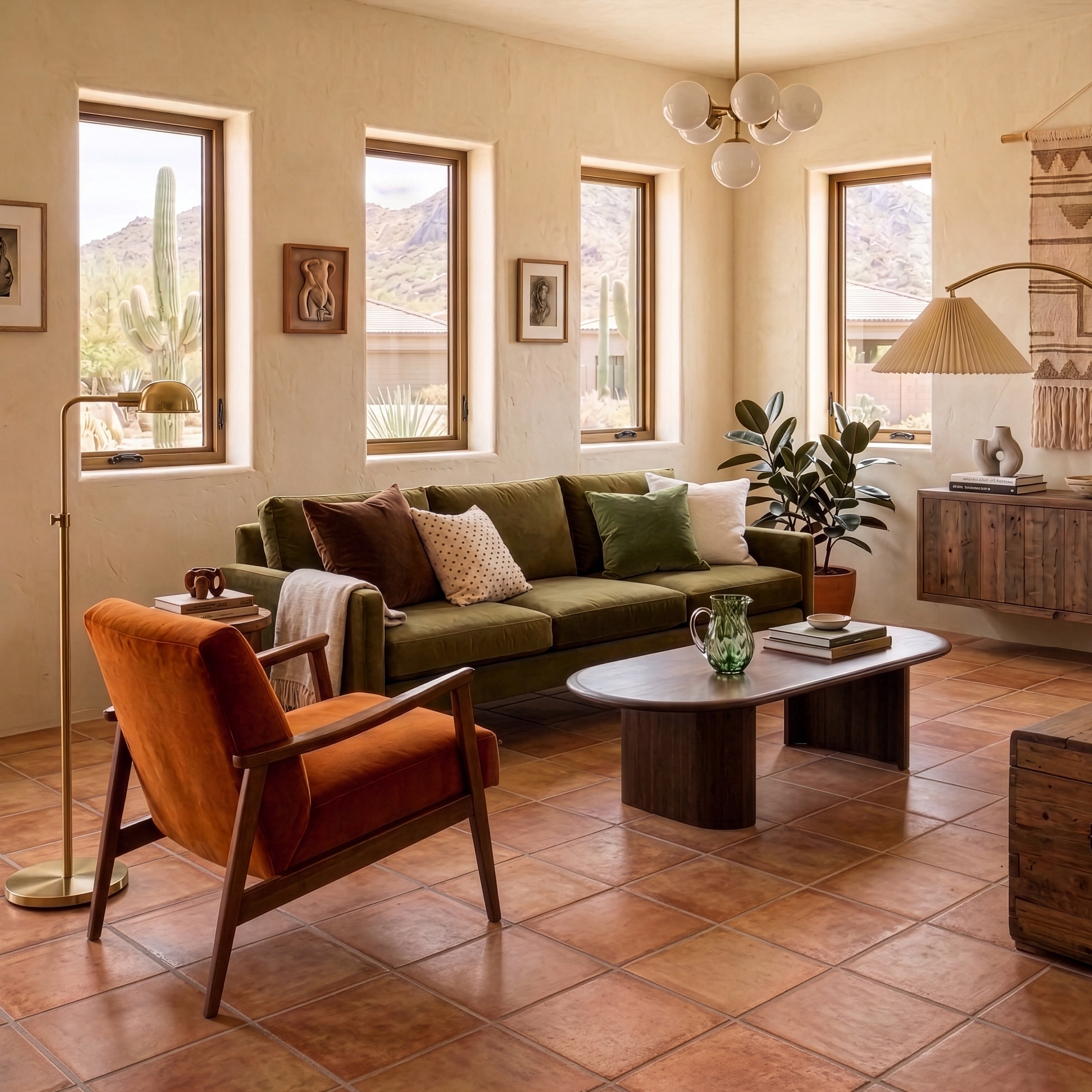
Natura Terracotta Look Matte Porcelain Tile

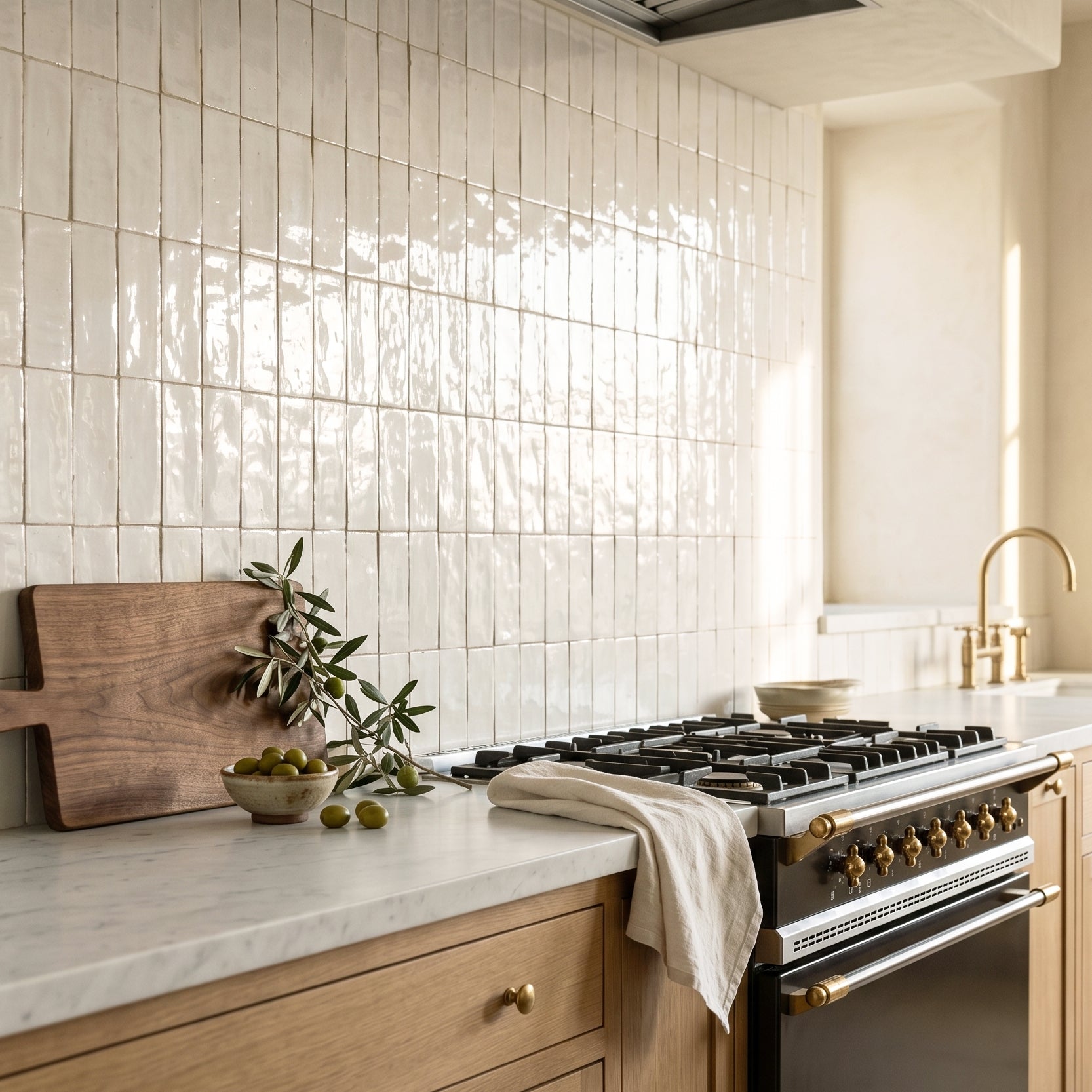




Cotto 2x2 Forma Porcelain Mosaic


Star & Cross Classic Terracotta Tile

Crema Terracotta Look Matte Porcelain Tile


Cream 2x2 Forma Porcelain Mosaic



Chocolate 2" Hexagon Textured Terracotta Mosaic
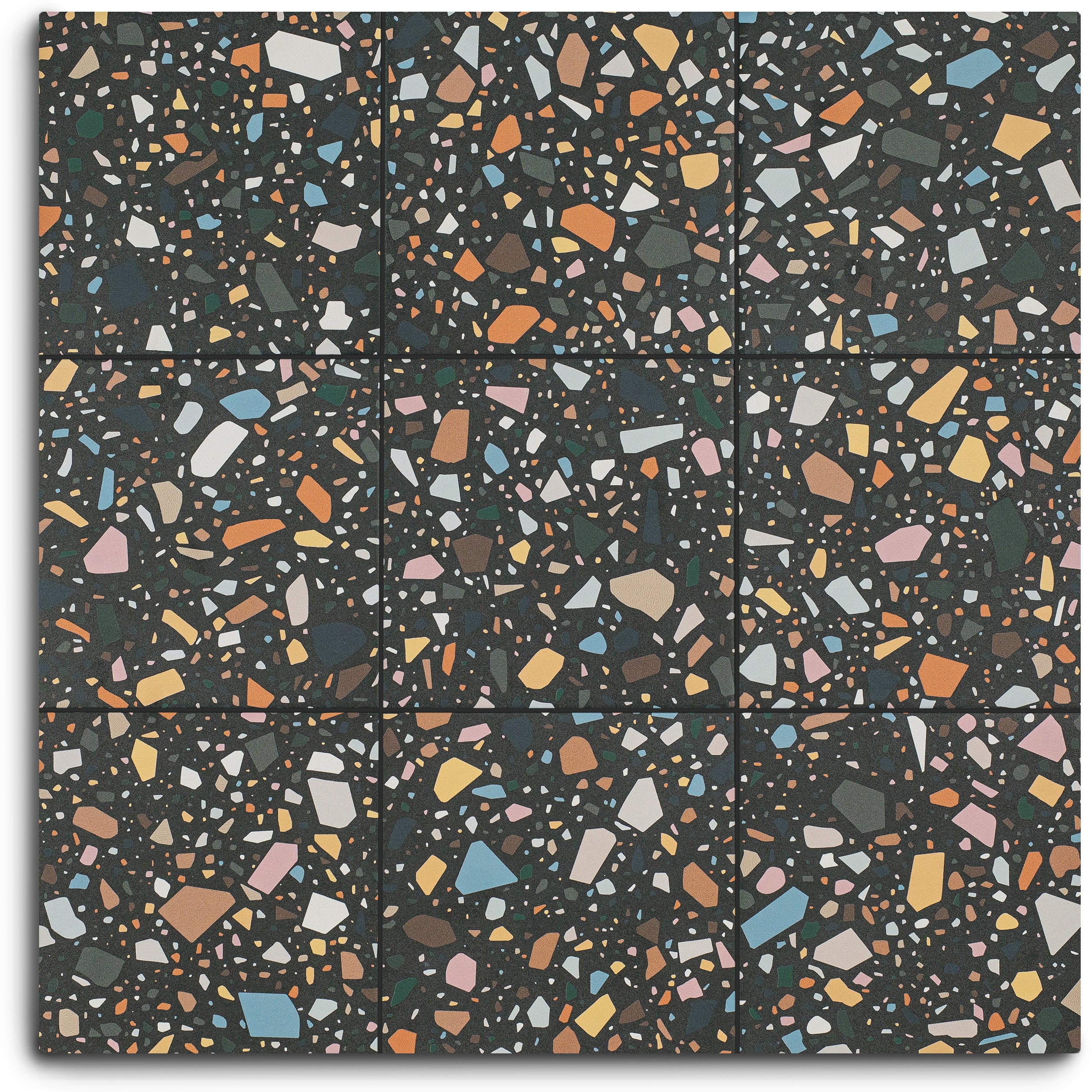

Black Multi-Color Matte Porcelain Tile
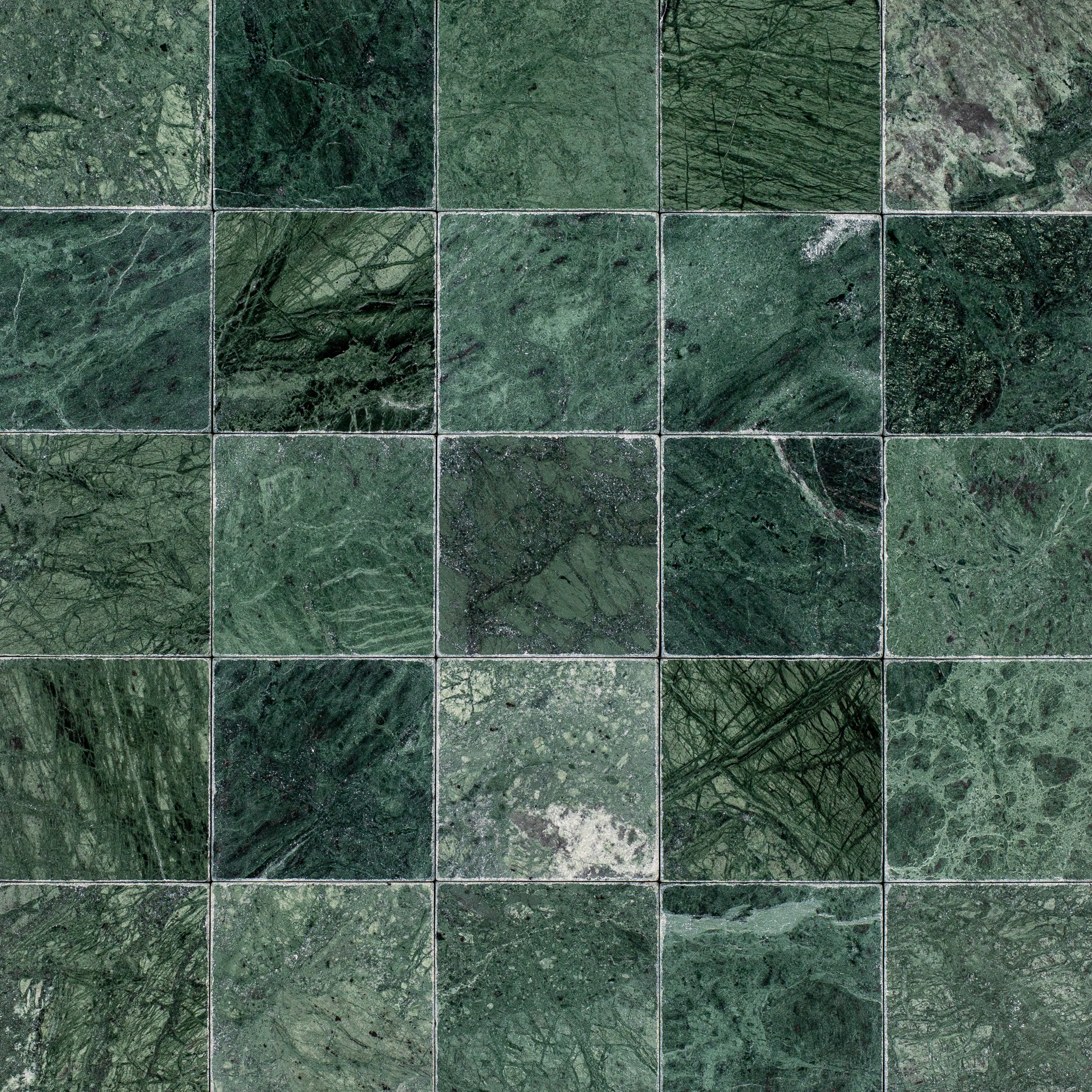
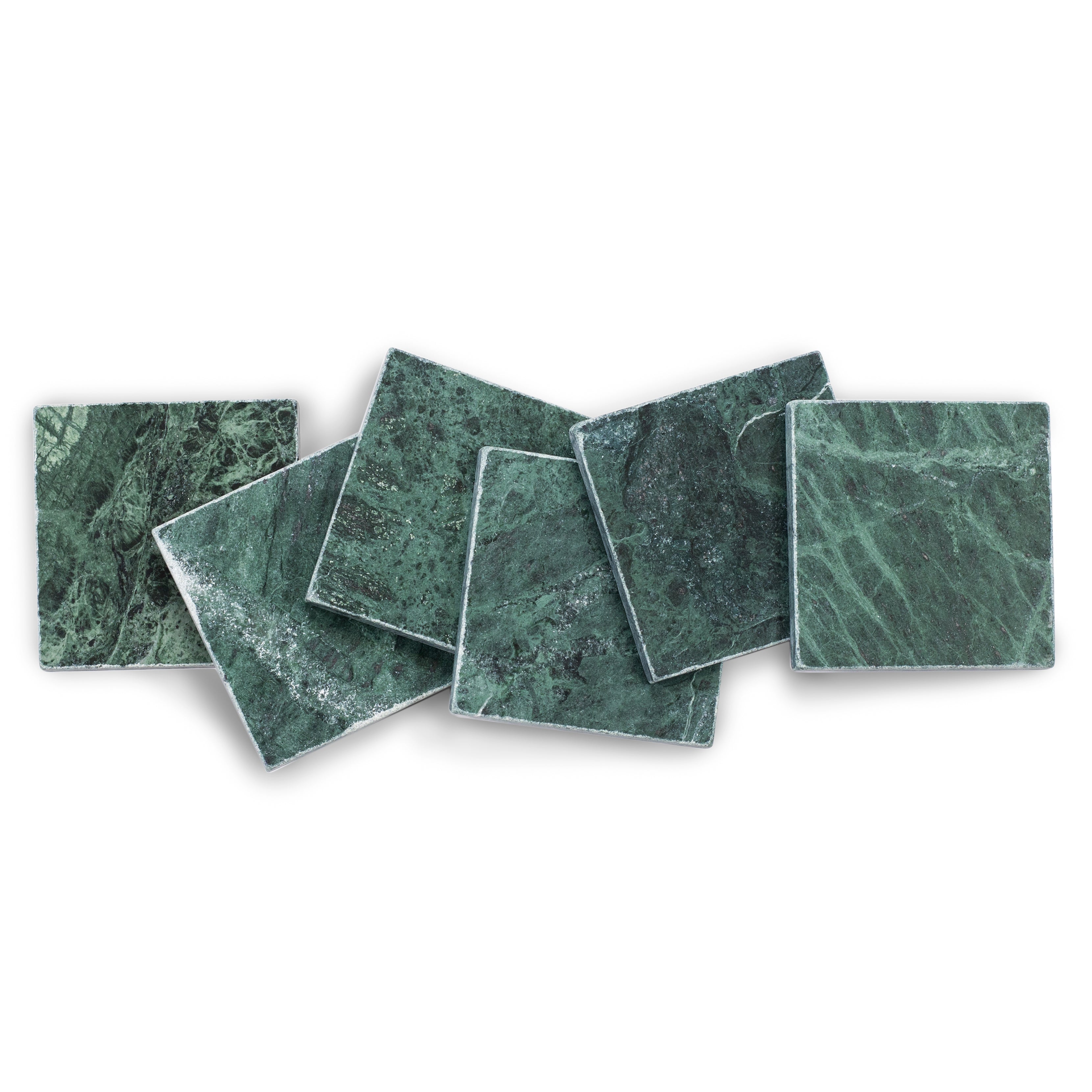
Verde Guatemala Tumbled Marble Tile




Travertino Chiaro Tumbled Stone Tile
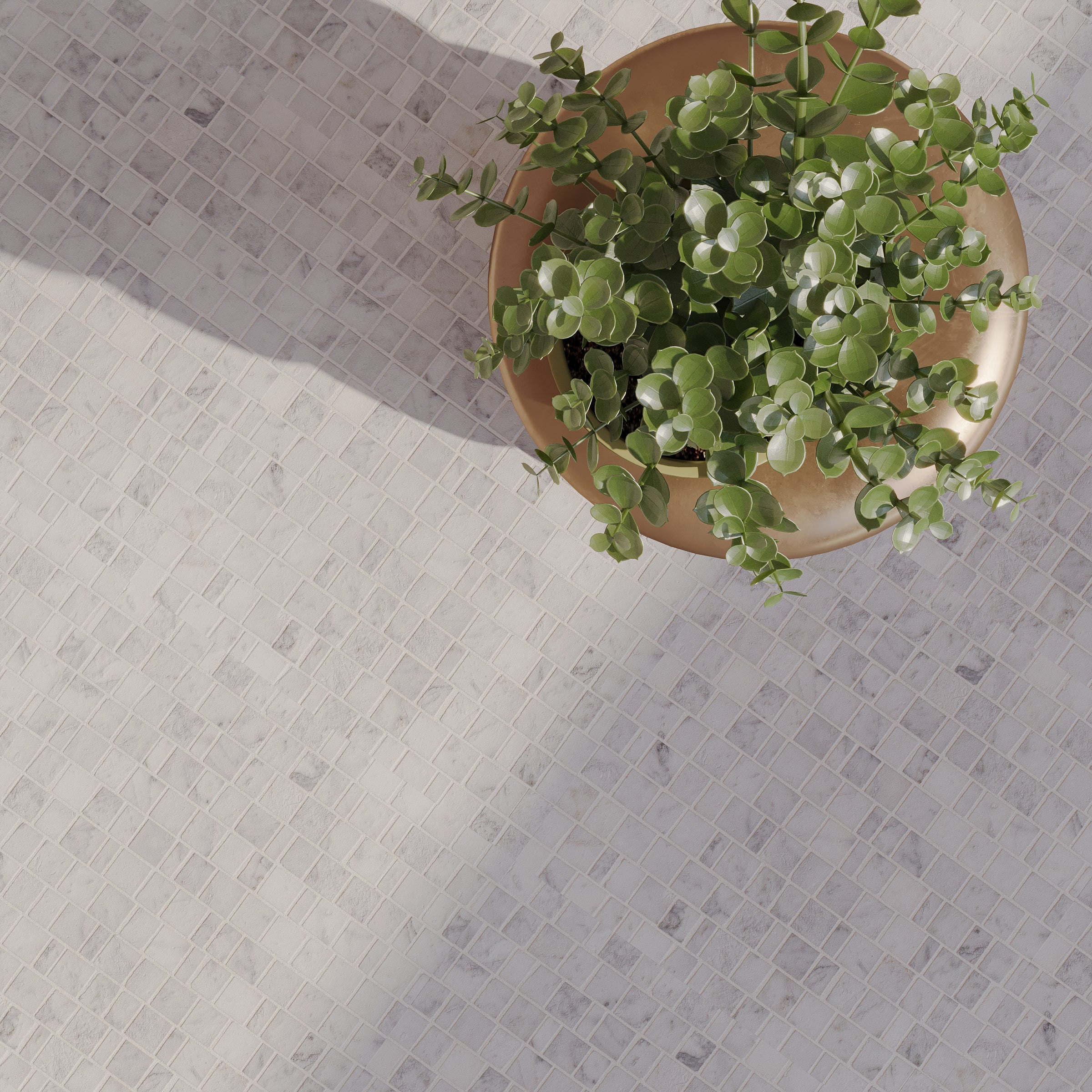
Carrara Running Bond Marble Mosaic


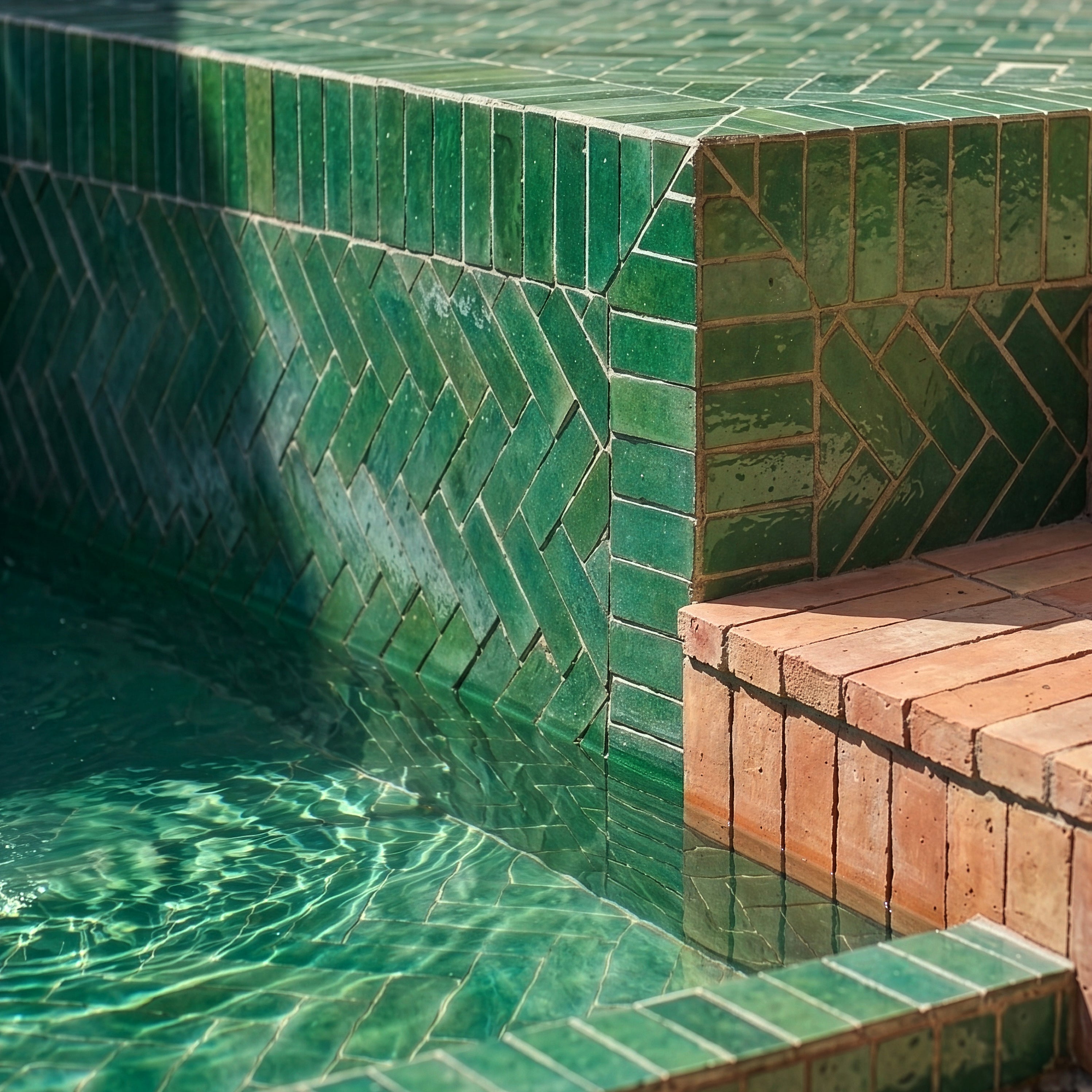
White & Ecru Octagon Zellige Mosaic
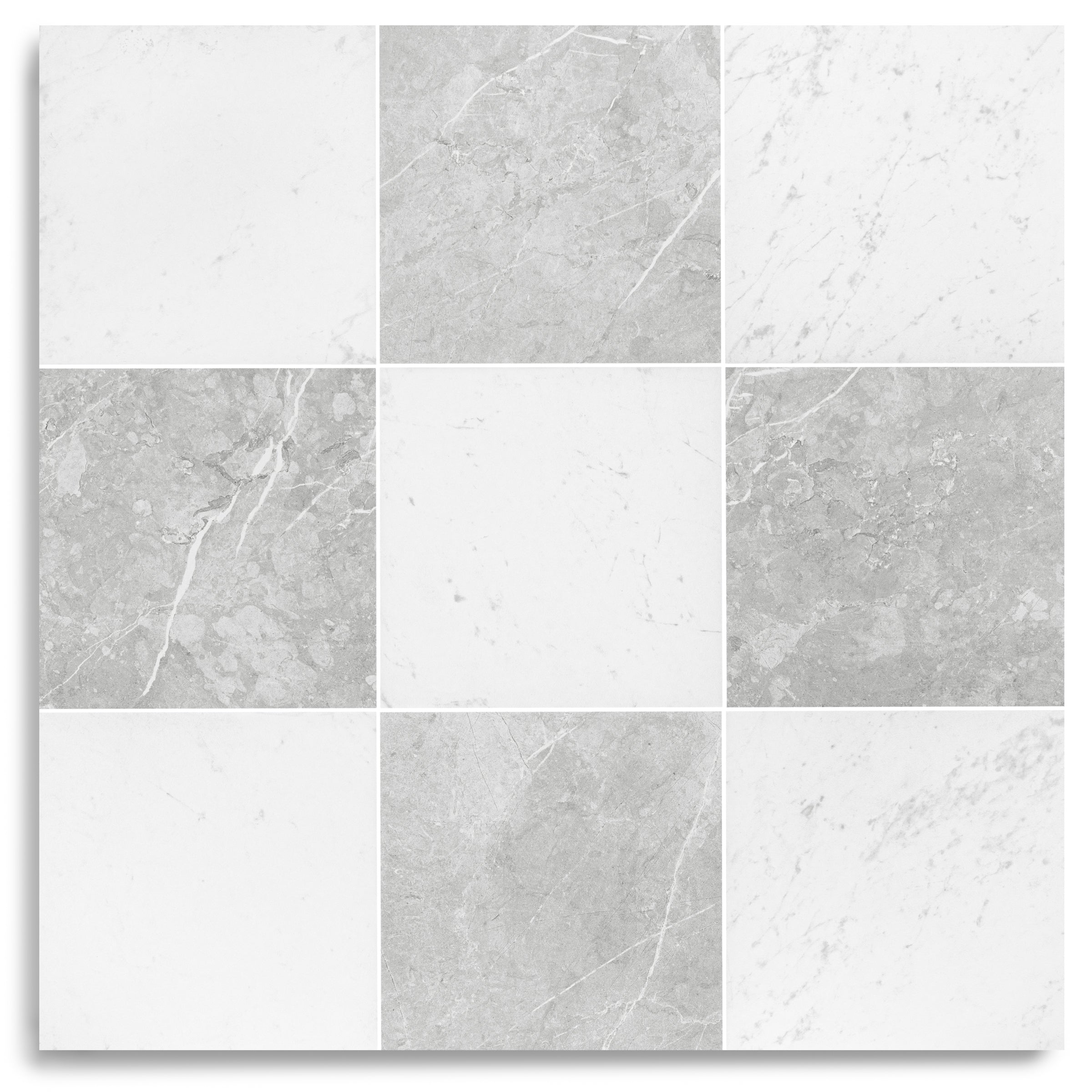
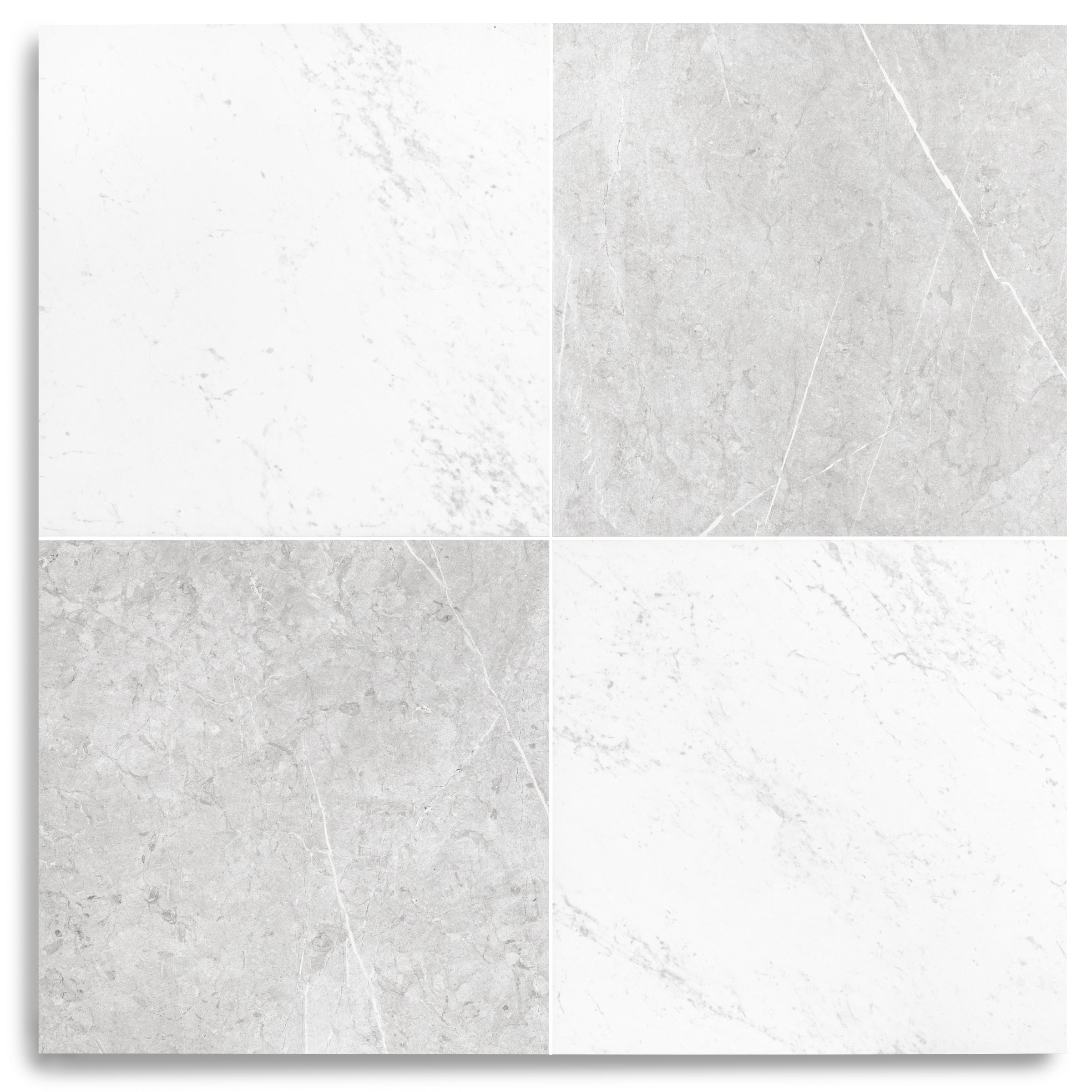


Cotto Deco Terracotta Look Matte Porcelain Tile
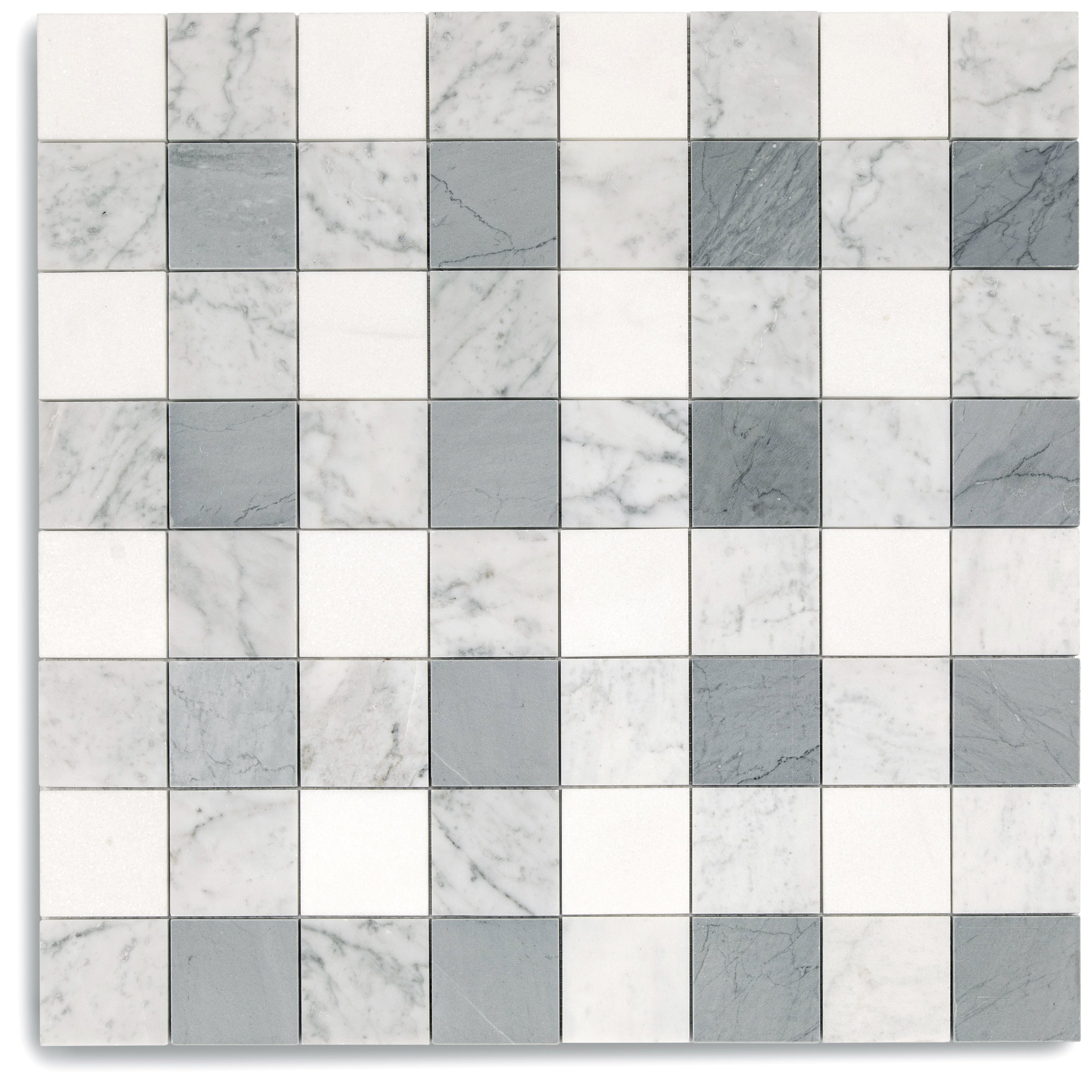
Thassos, Carrara, Bardiglio Gingham Marble Mosaic
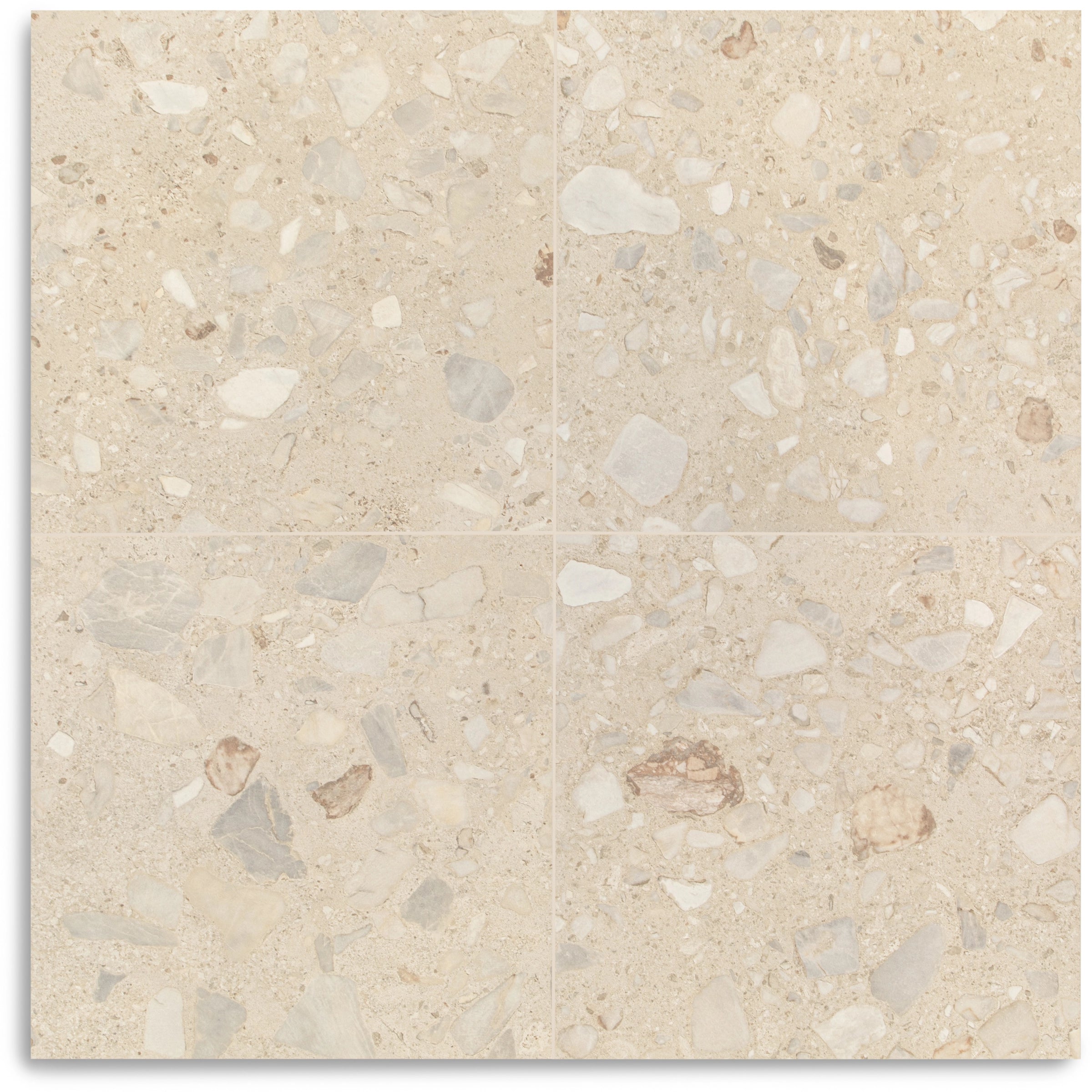
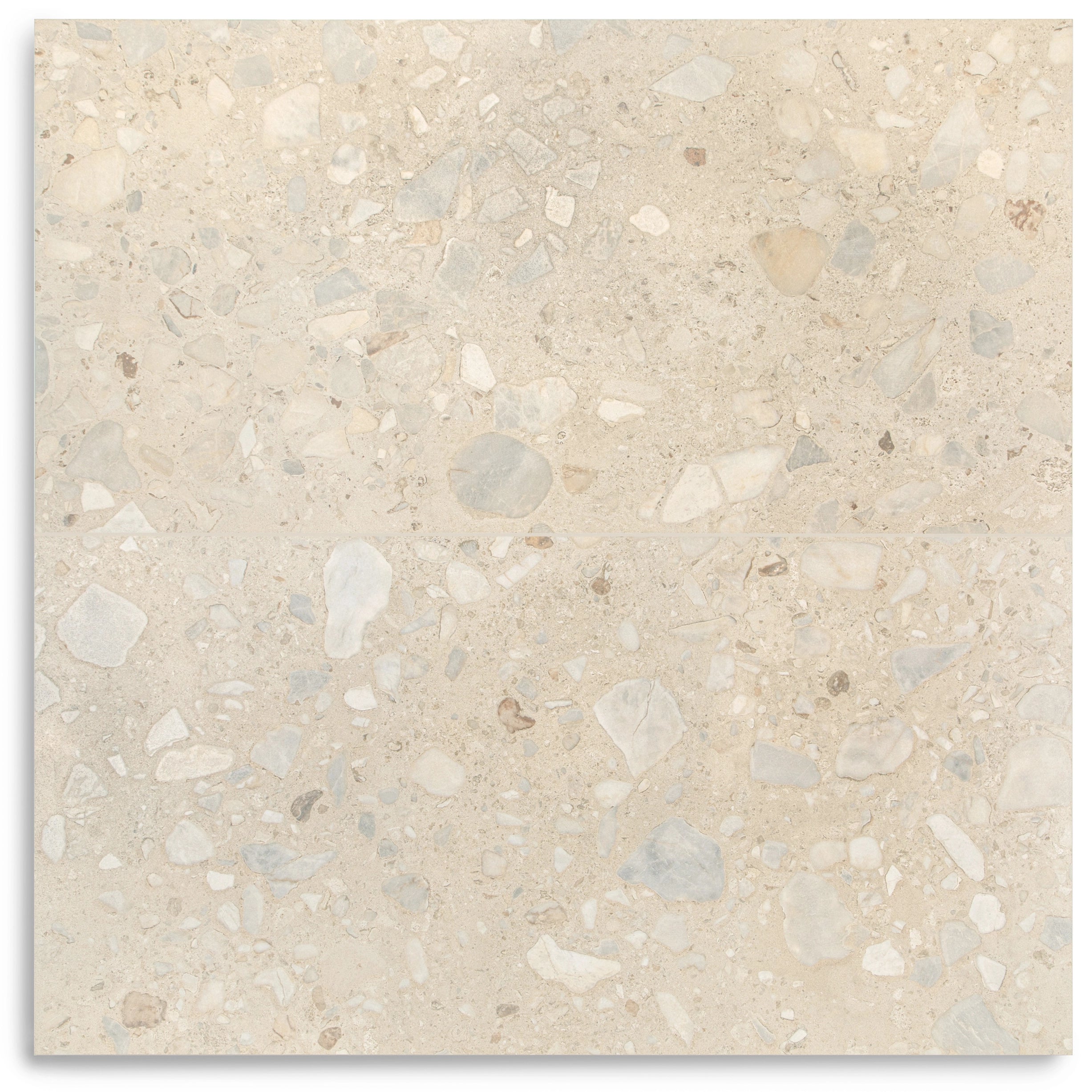


Chiaro Deco Terracotta Look Matte Porcelain Tile
White & Ecru 2x2 Zellige Checkerboard Mosaic
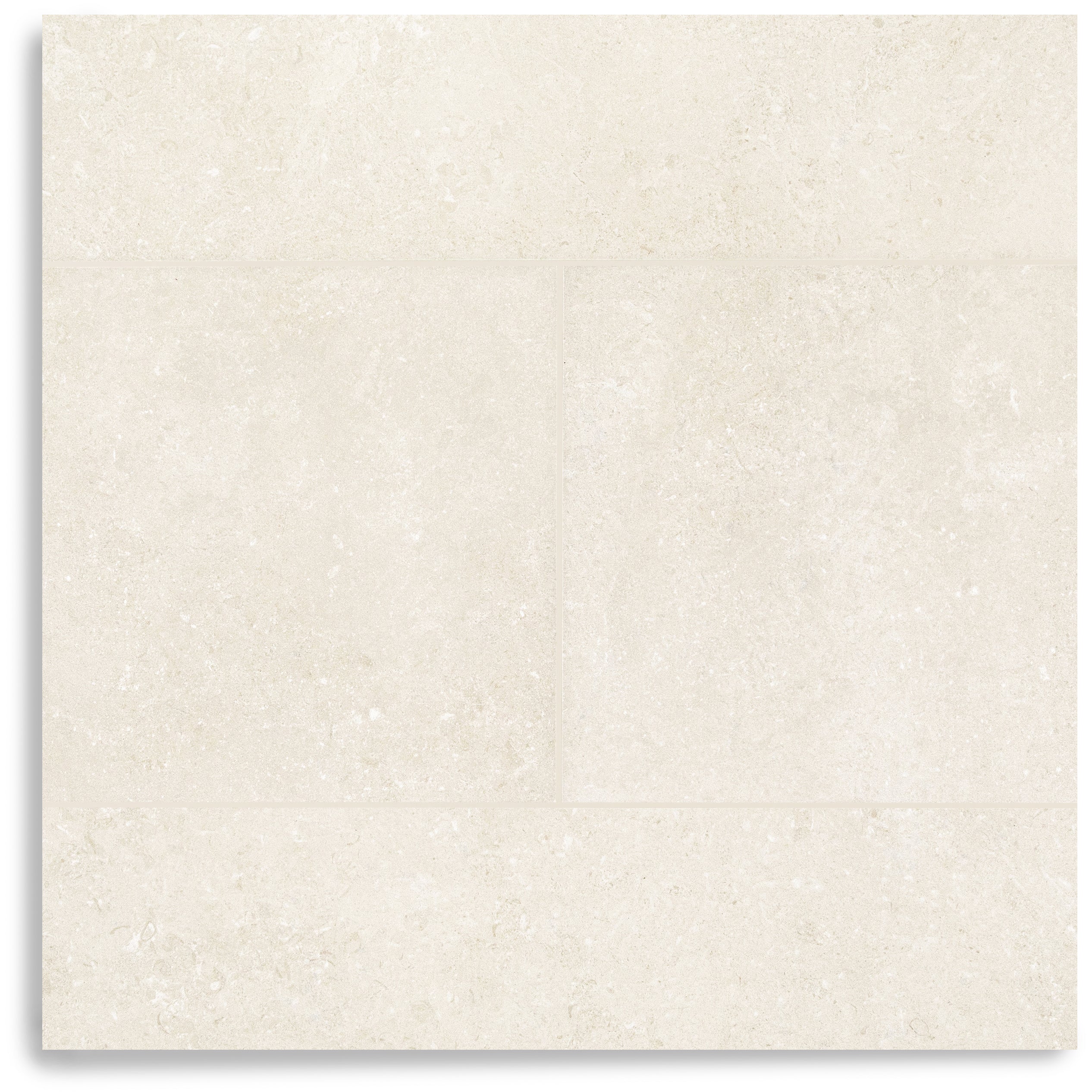
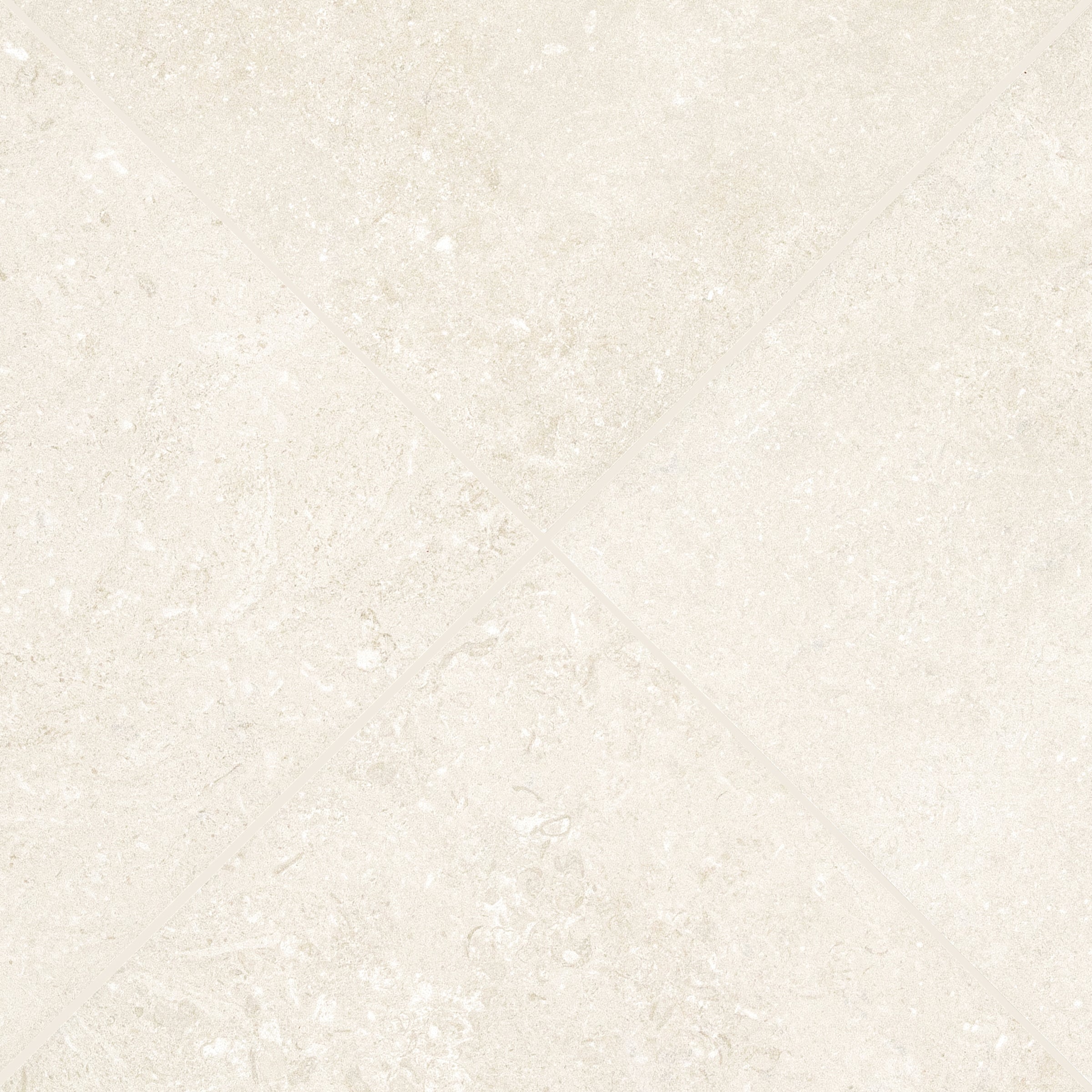
Cream Limestone Look 3D Matte Porcelain Tile

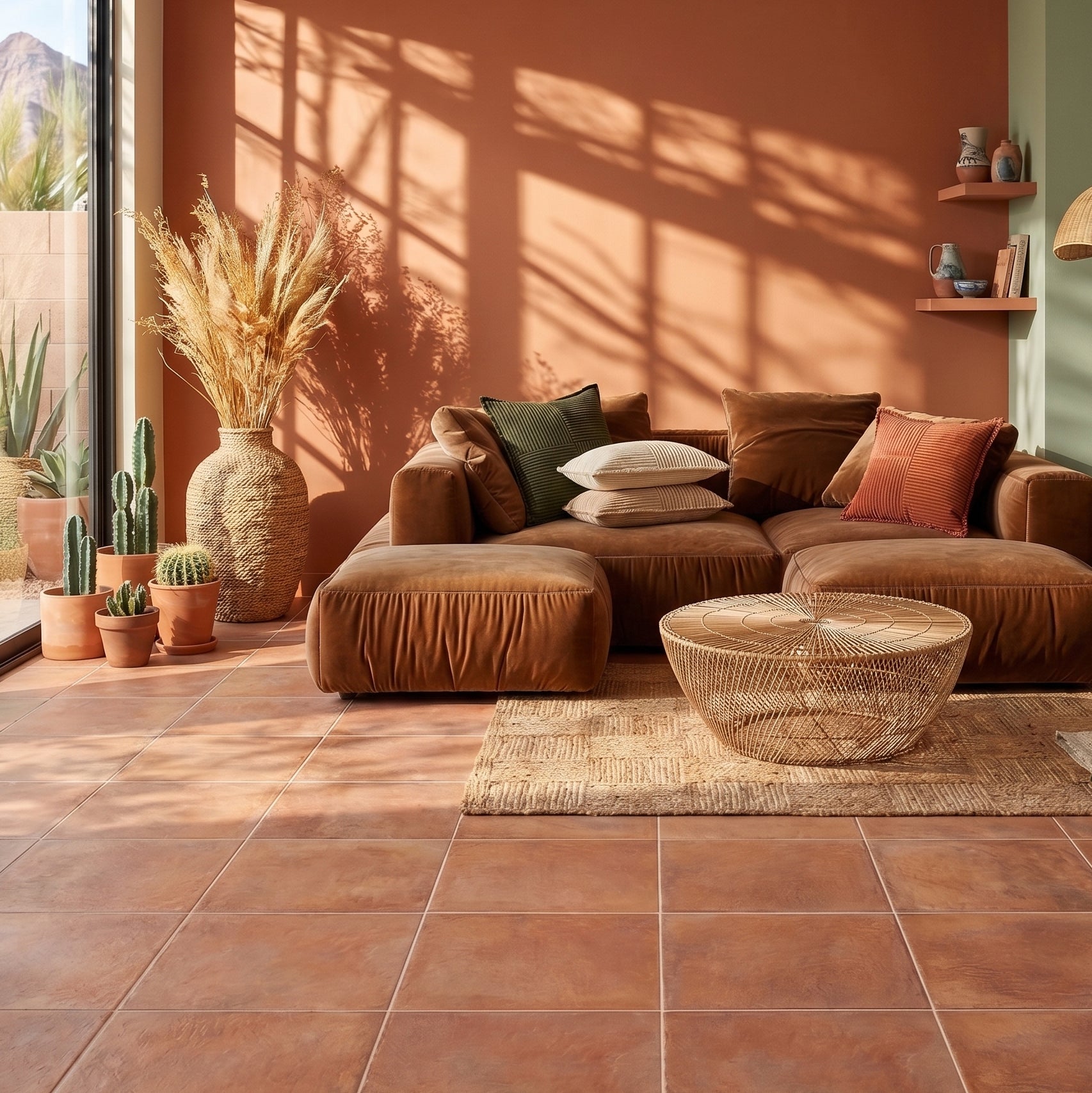
Cotto Terracotta Look Matte Porcelain Tile
Unglazed & White Octagon Zellige Mosaic


White & Black Octagon Zellige Mosaic


Murano Honed Italian Terrazzo Tile
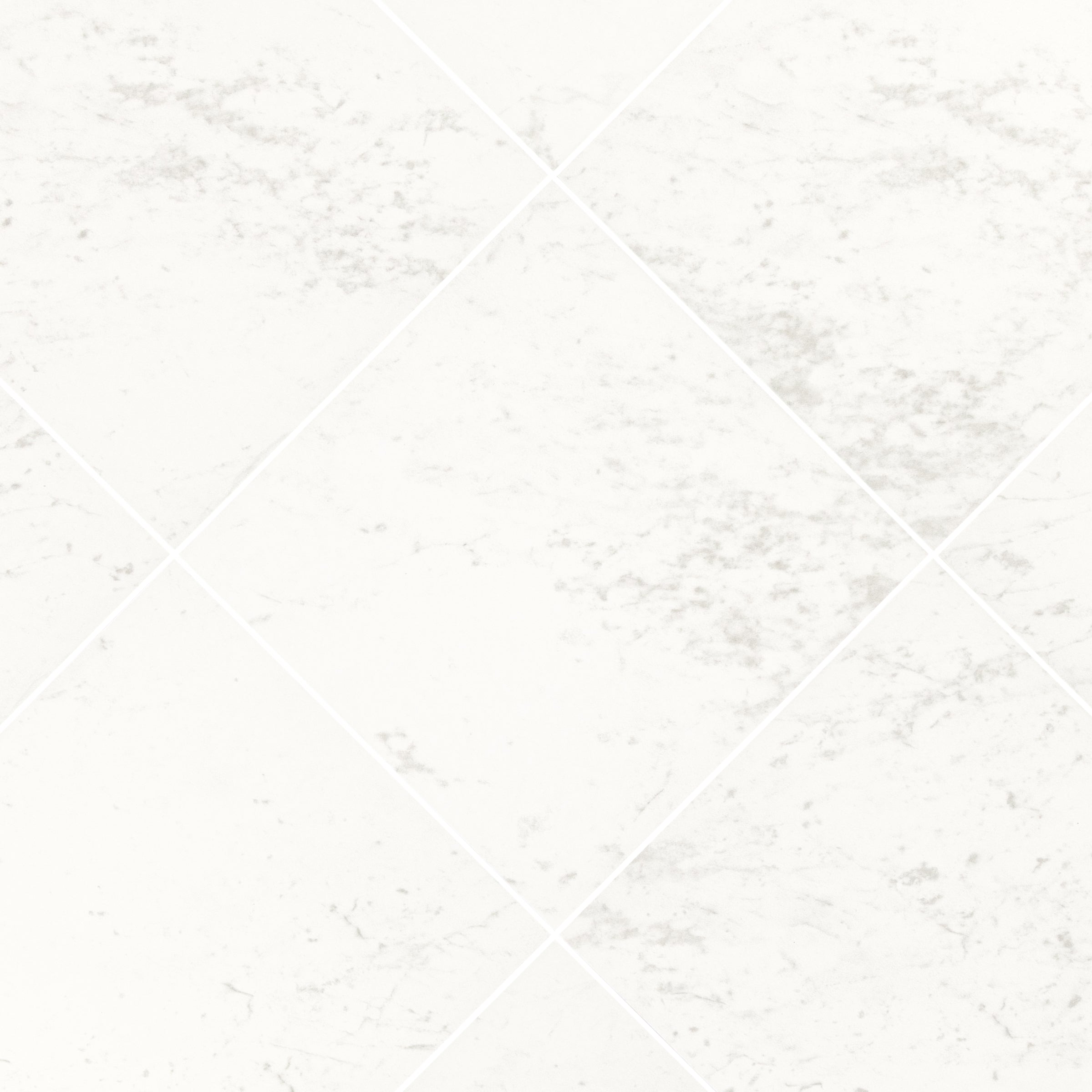
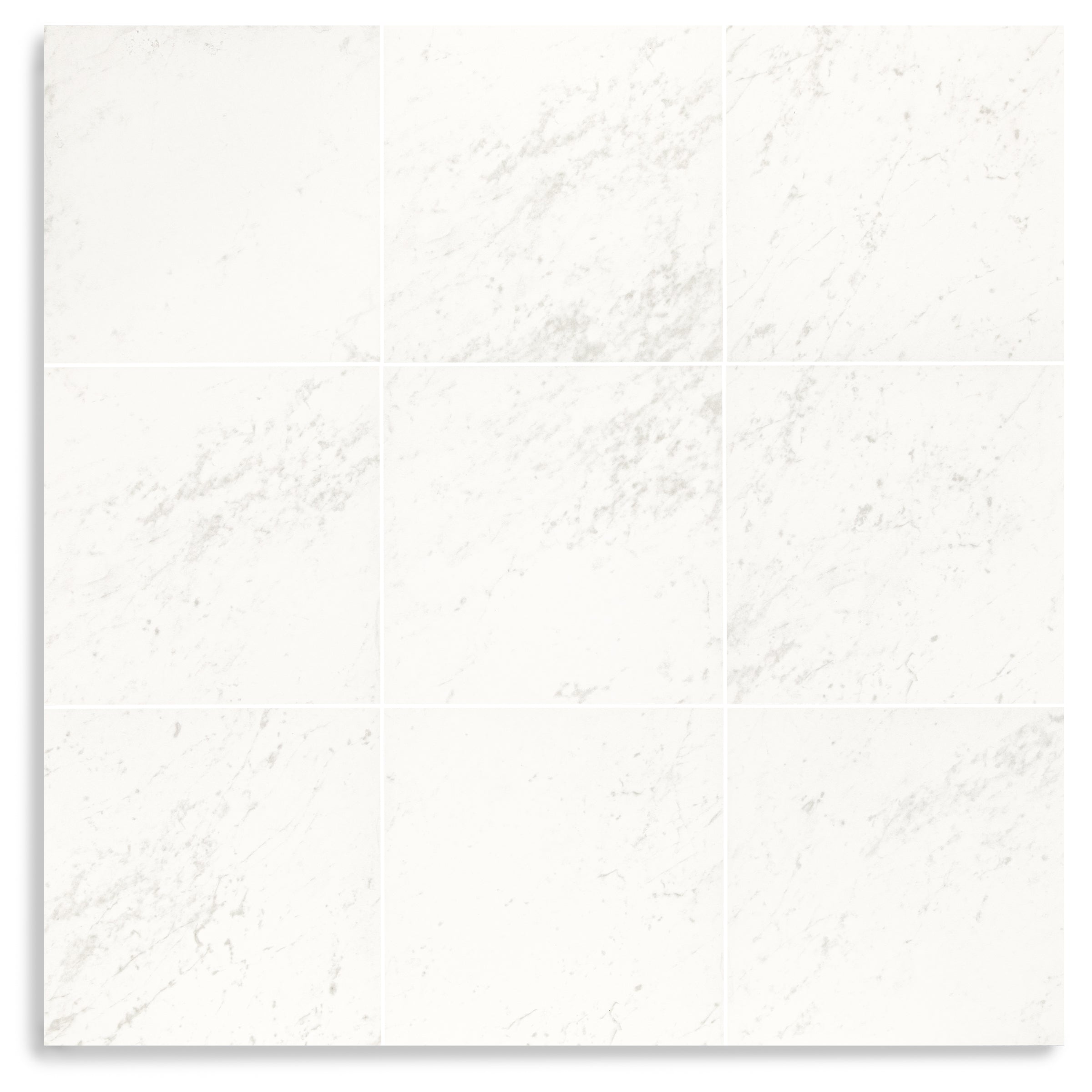


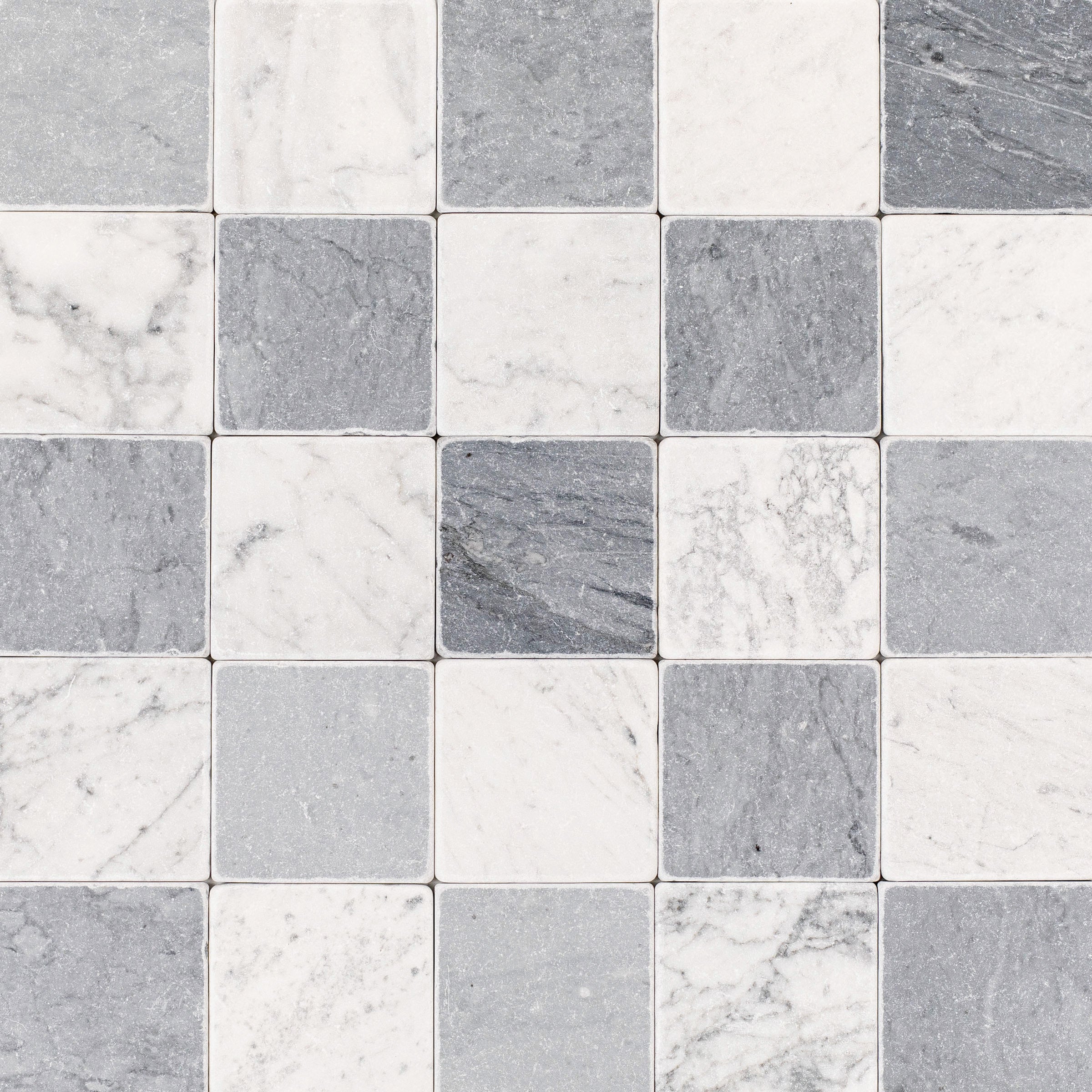
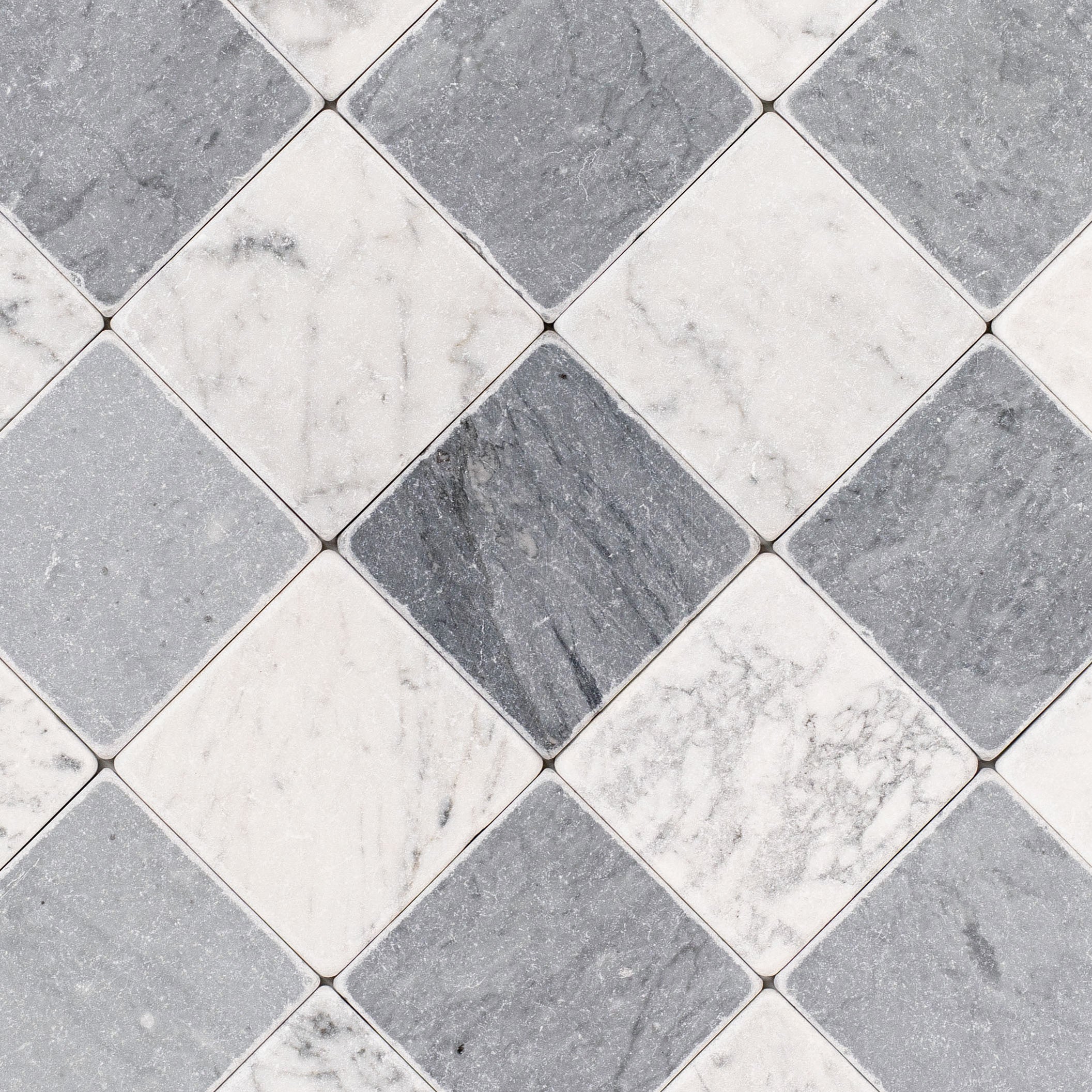
Carrara Bardiglio Tumbled Stone Checkerboard


Apple 12x24 3D Glossy Porcelain Tile
Rosso Verona Tumbled Marble Tile
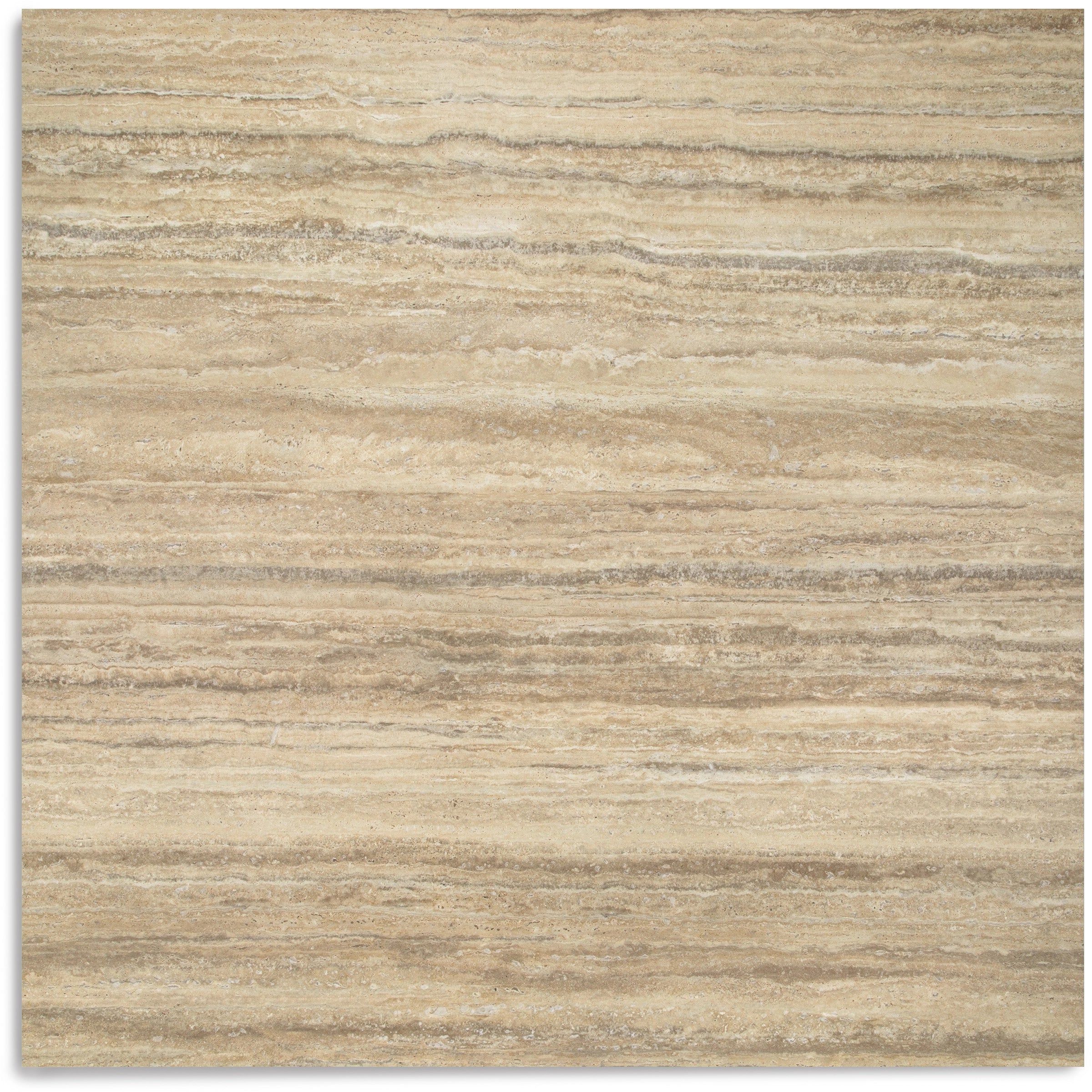
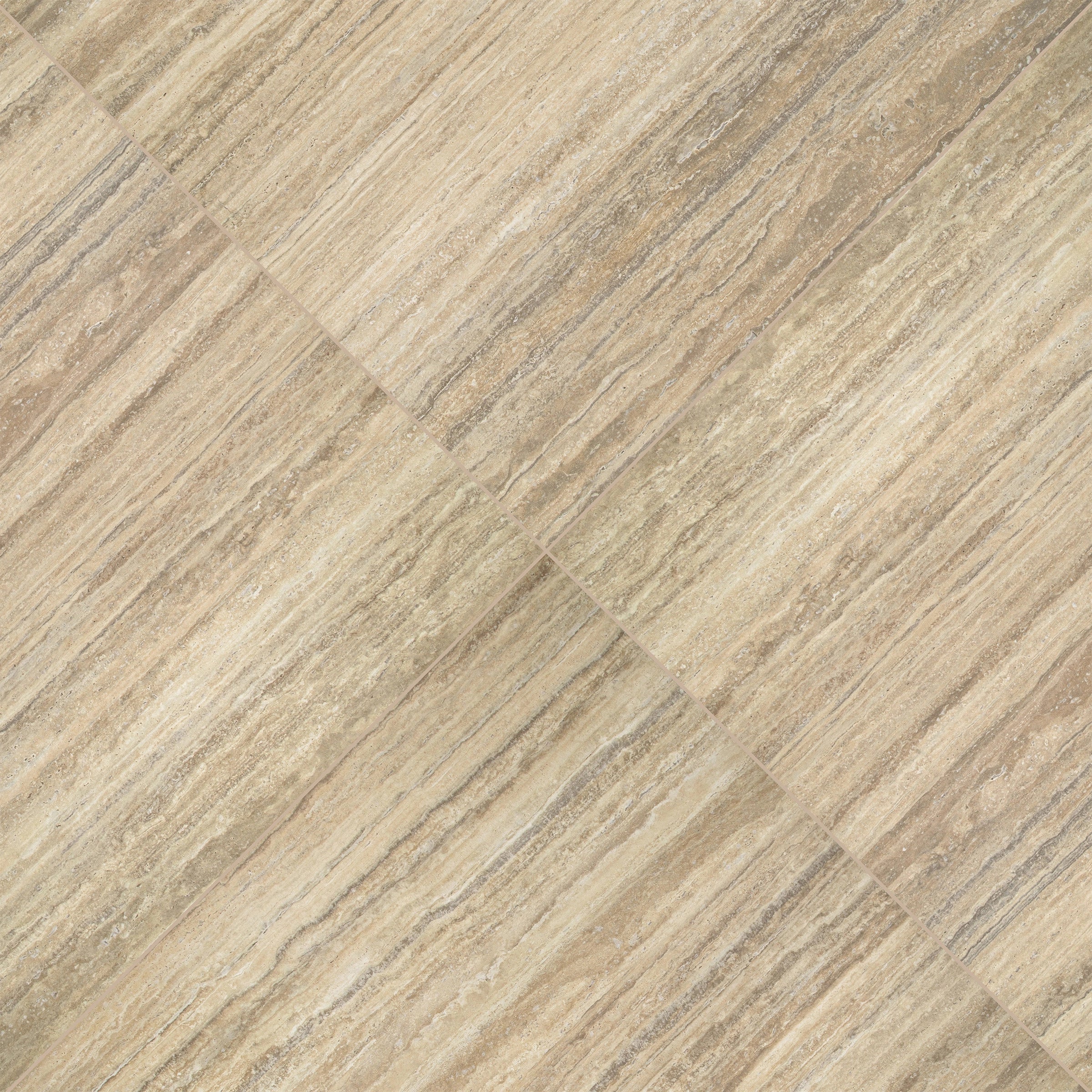
Travertino Moka Stone Look Porcelain Tile
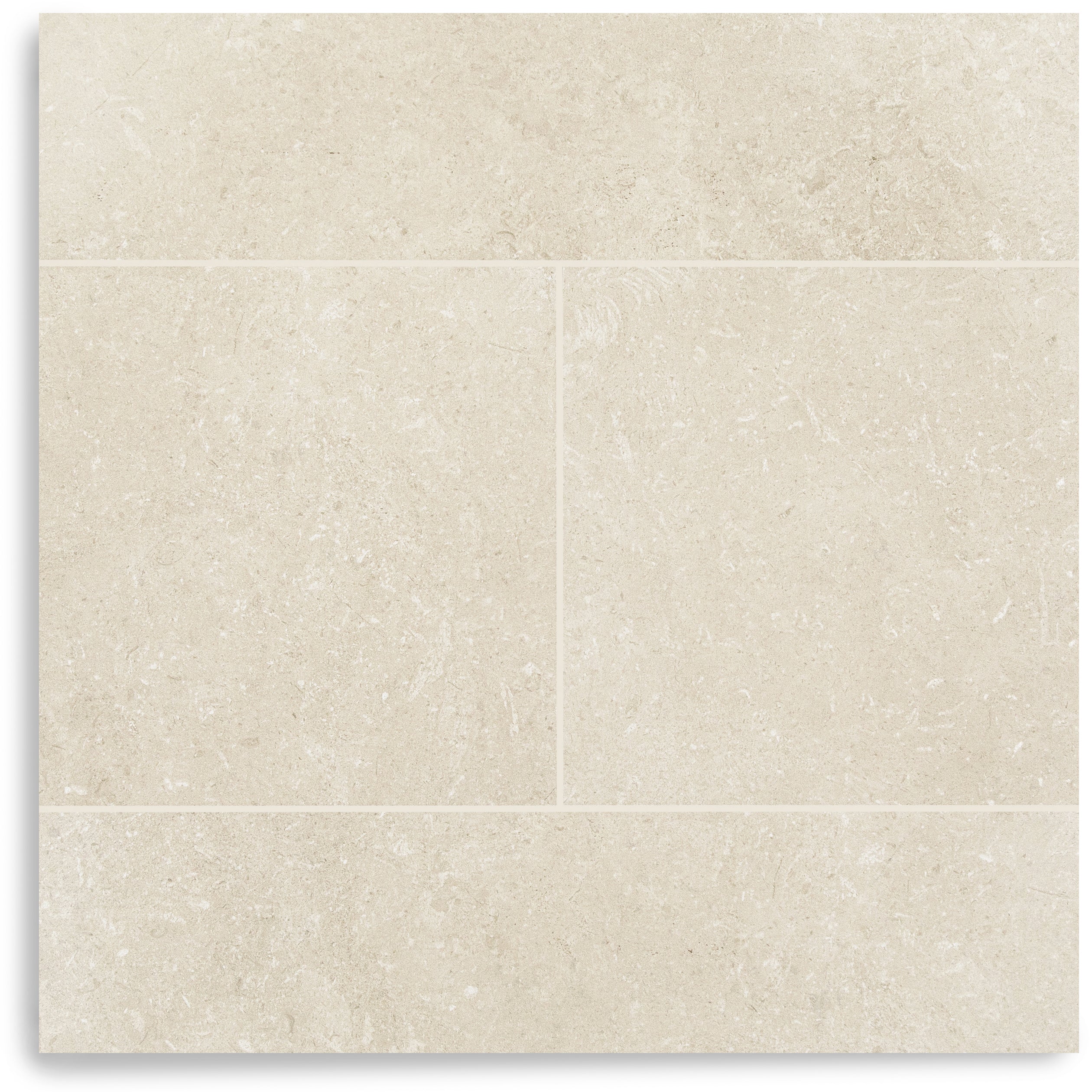
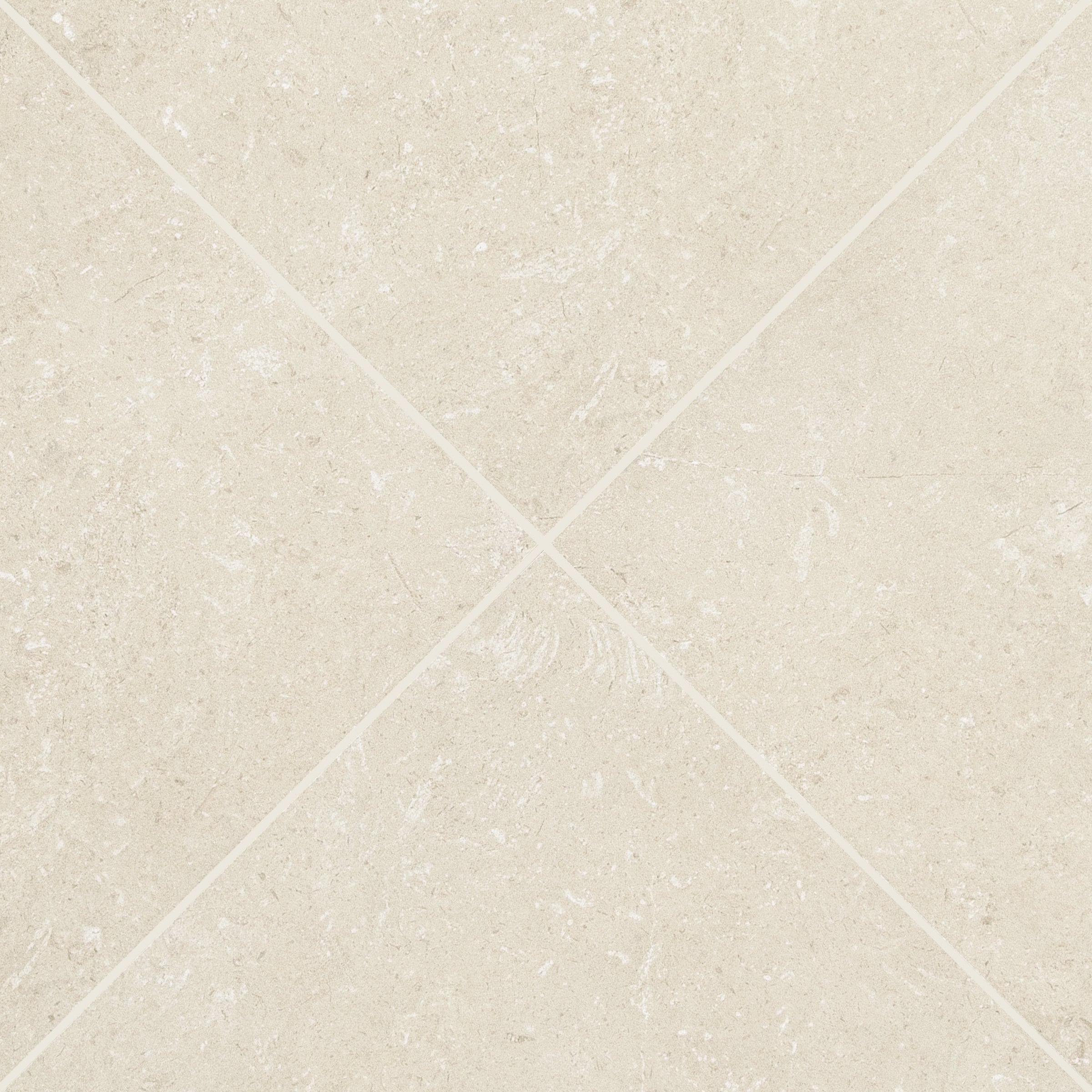
Beige Limestone Look 3D Matte Porcelain Tile
White & Oxblood 2x2 Zellige Checkerboard Mosaic
White Multi-Color Matte Porcelain Tile


Navy 12x24 3D Gloss Porcelain Tile
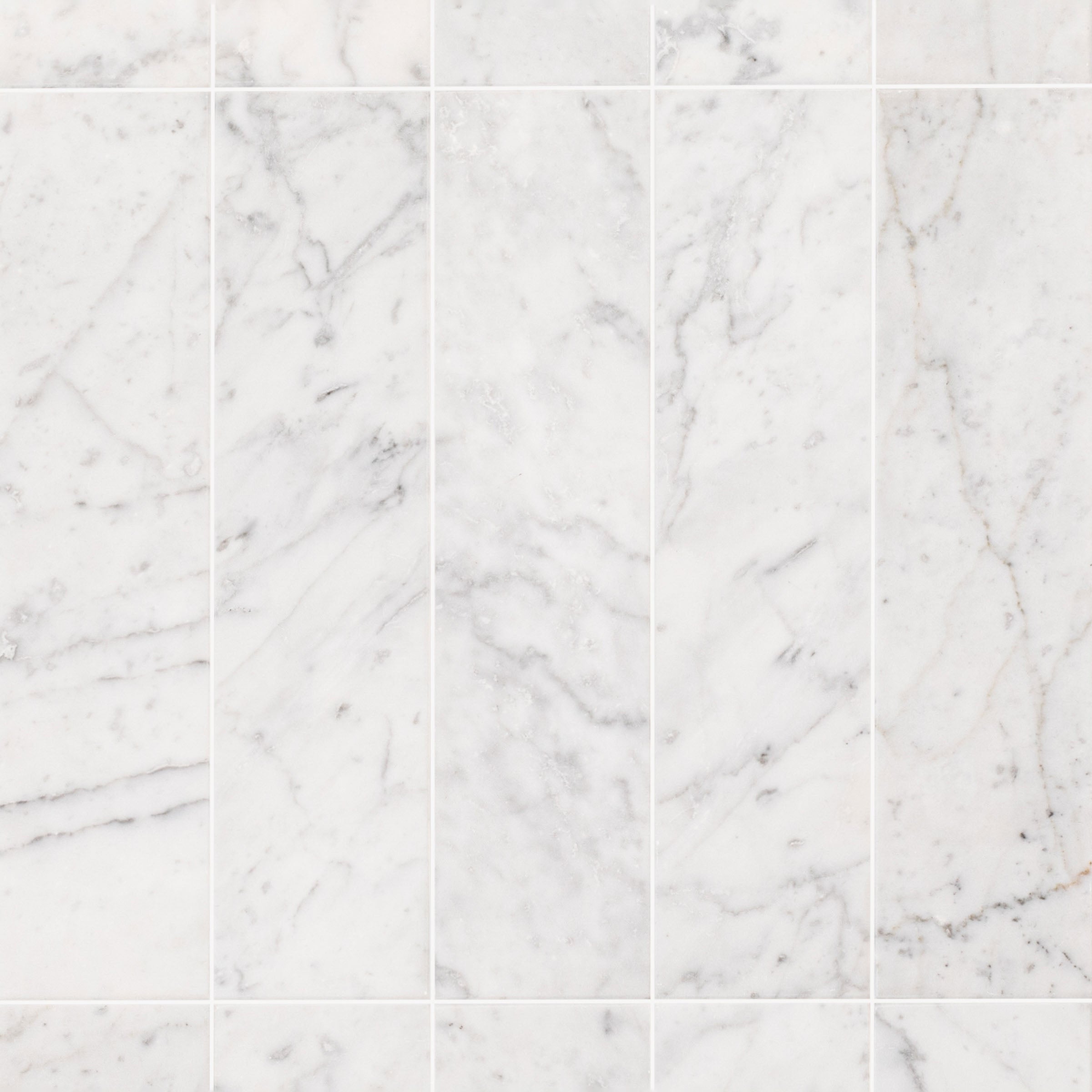
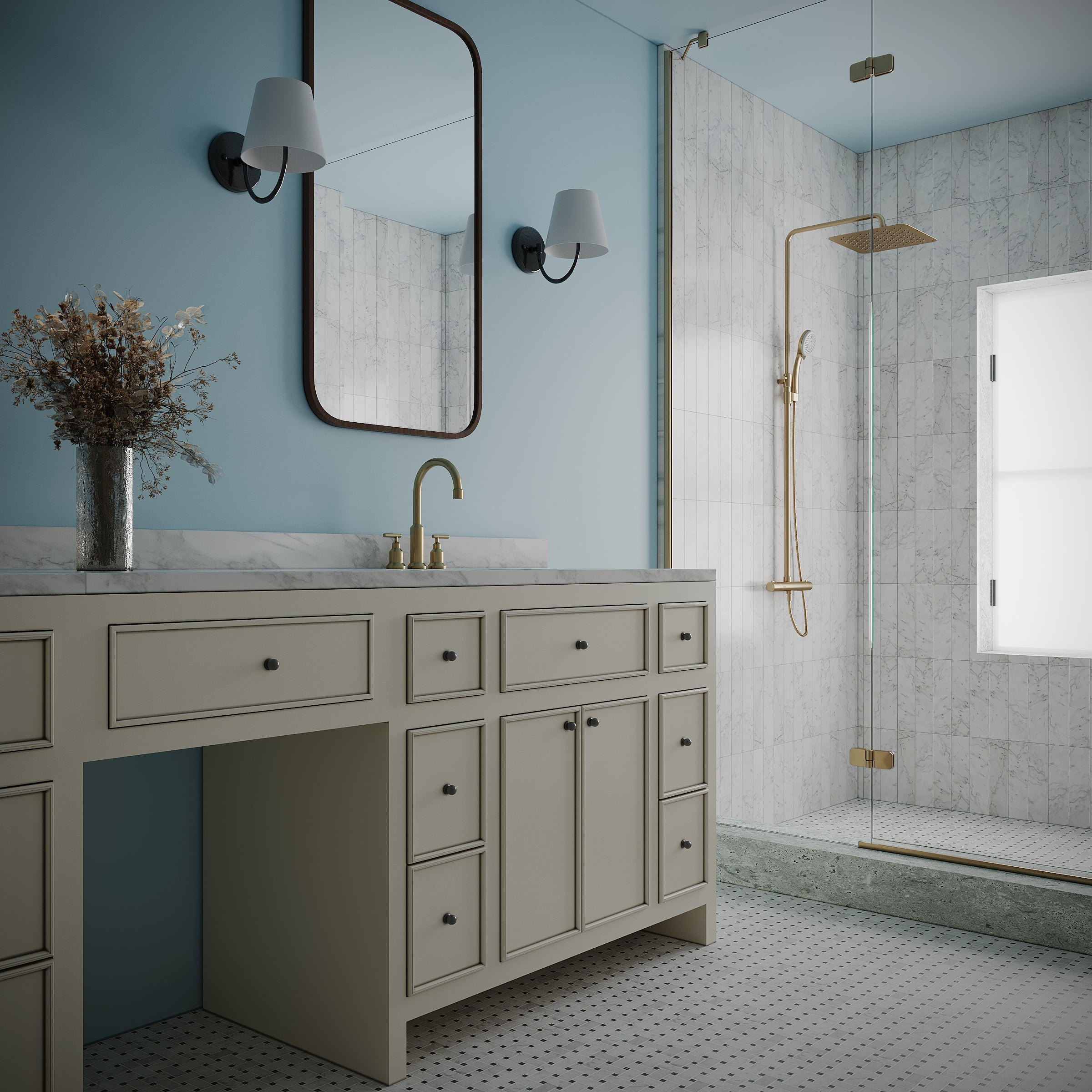
Bianco Carrara Honed Marble Tile
Natura Terracotta Look Matte Porcelain Tile
Travertino 3D Matte Porcelain Tile
Rosso Verona 1x1 Hand Chipped Marble Mosaic


Cream 12x24 3D Gloss Porcelain Tile
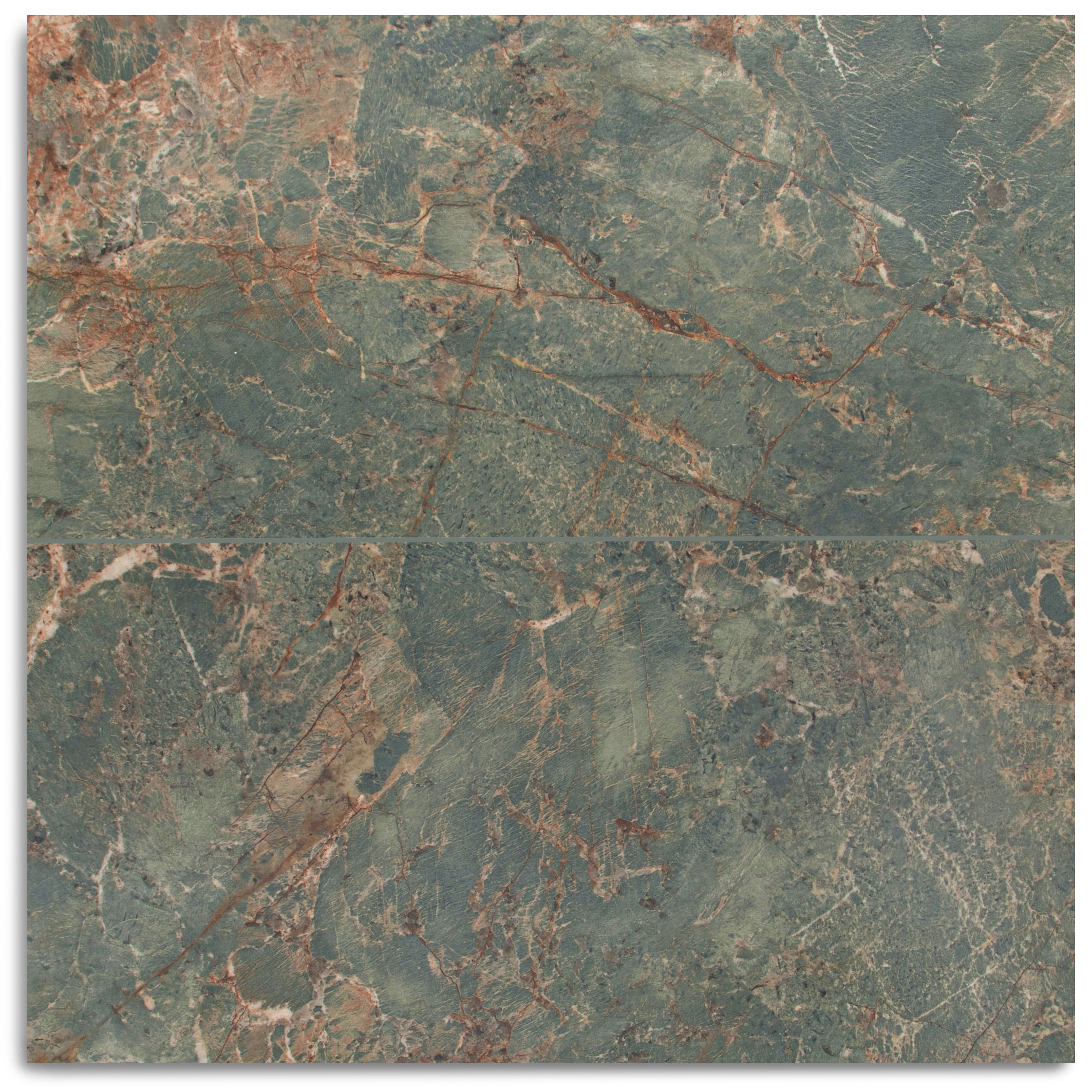

Amazzonite Matte Marble Look Porcelain Tile
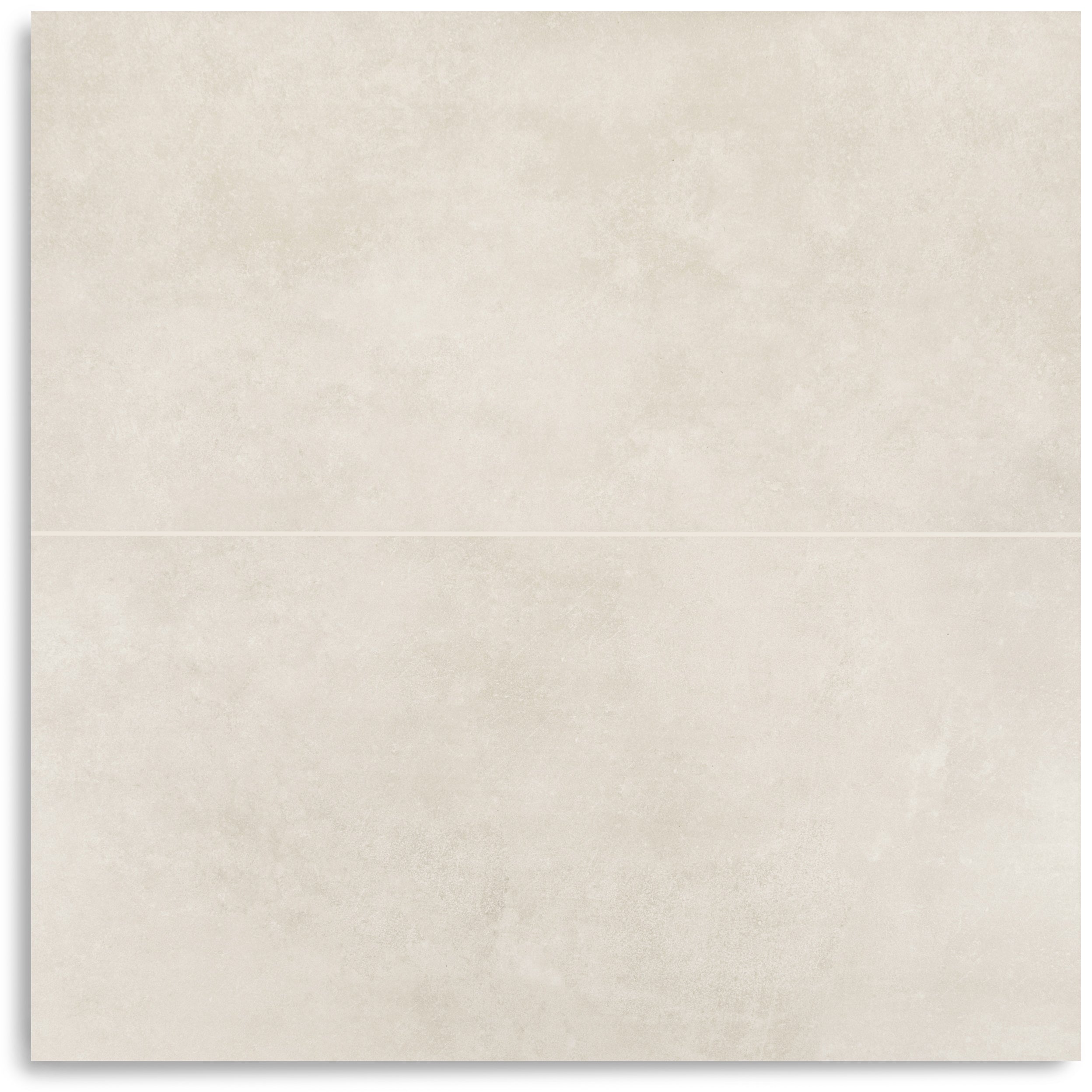
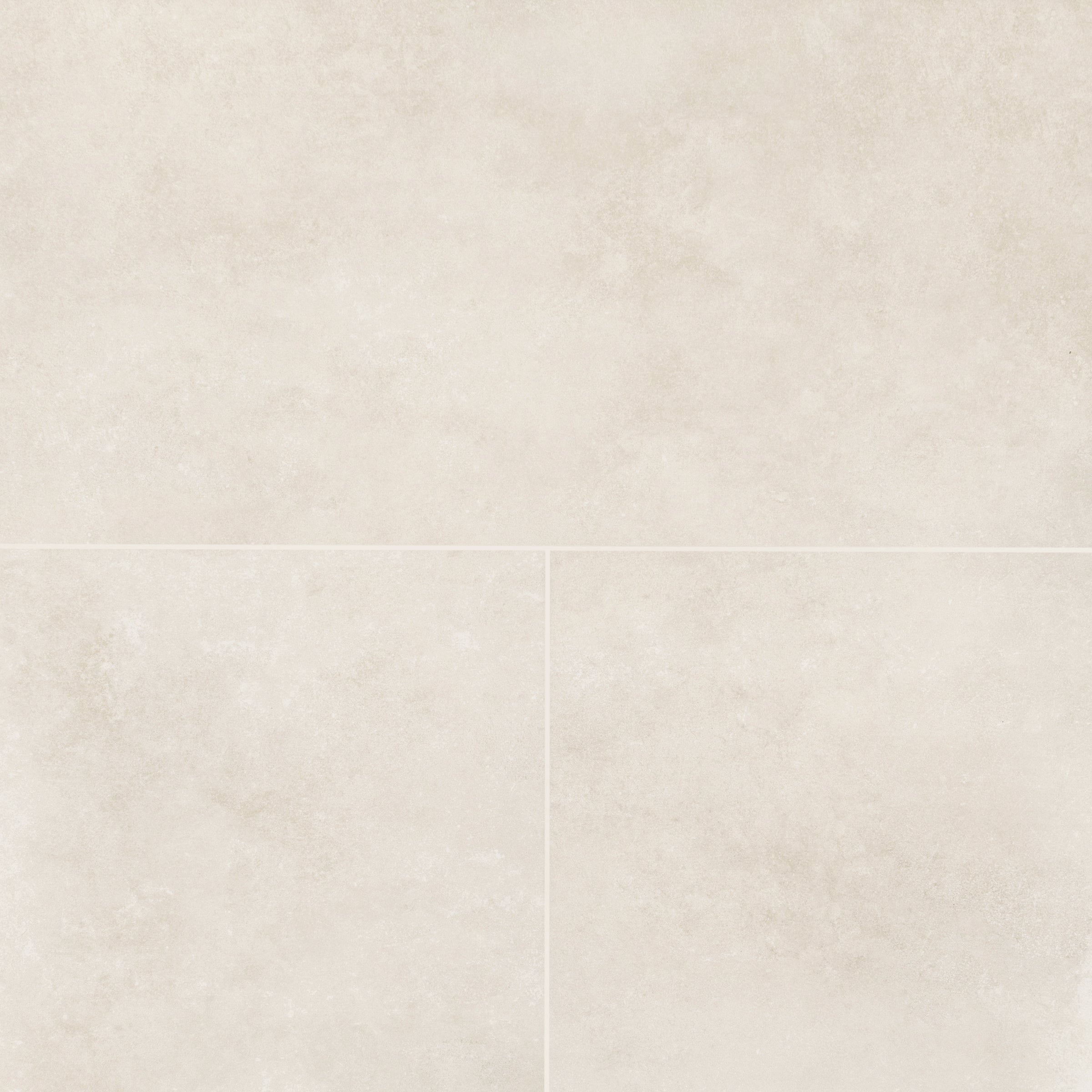
Almond Cement Look Matte Porcelain Tile


Dark White 3x12 Glossy Ceramic Tile


Marine 3x6 Glossy Ceramic Tile


White 3x12 Glossy Ceramic Tile


Terracotta 3x6 Glossy Ceramic Tile


Terracotta 3x12 Glossy Ceramic Tile


Marine 3x12 Glossy Ceramic Tile


Olive 3x12 Glossy Ceramic Tile


Dark White 3x6 Glossy Ceramic Tile


Crimson 3x6 Glossy Ceramic Tile
White & Ecru Octagon Zellige Mosaic
Cotto Deco Terracotta Look Matte Porcelain Tile
Thassos, Carrara, Bardiglio Gingham Marble Mosaic
Chiaro Deco Terracotta Look Matte Porcelain Tile
White & Ecru 2x2 Zellige Checkerboard Mosaic
Cotto Terracotta Look Matte Porcelain Tile
Cream Limestone Look 3D Matte Porcelain Tile
Unglazed & White Octagon Zellige Mosaic
White & Black Octagon Zellige Mosaic
Murano Honed Italian Terrazzo Tile
Apple 12x24 3D Glossy Porcelain Tile
Carrara Bardiglio Tumbled Stone Checkerboard
Rosso Verona Tumbled Marble Tile
Travertino Moka Stone Look Porcelain Tile
Beige Limestone Look 3D Matte Porcelain Tile
White & Oxblood 2x2 Zellige Checkerboard Mosaic
White Multi-Color Matte Porcelain Tile
Navy 12x24 3D Gloss Porcelain Tile
Bianco Carrara Honed Marble Tile
Natura Terracotta Look Matte Porcelain Tile
Rosso Verona 1x1 Hand Chipped Marble Mosaic
Travertino 3D Matte Porcelain Tile
Cream 12x24 3D Gloss Porcelain Tile
White & Ecru Octagon Zellige Mosaic
Cotto Deco Terracotta Look Matte Porcelain Tile
Thassos, Carrara, Bardiglio Gingham Marble Mosaic
White & Ecru 2x2 Zellige Checkerboard Mosaic
Chiaro Deco Terracotta Look Matte Porcelain Tile
Cream Limestone Look 3D Matte Porcelain Tile
Unglazed & White Octagon Zellige Mosaic
White & Black Octagon Zellige Mosaic
Murano Honed Italian Terrazzo Tile
Apple 12x24 3D Glossy Porcelain Tile
Rosso Verona Tumbled Marble Tile
Carrara Bardiglio Tumbled Stone Checkerboard
Travertino Moka Stone Look Porcelain Tile
Beige Limestone Look 3D Matte Porcelain Tile
White & Oxblood 2x2 Zellige Checkerboard Mosaic
White Multi-Color Matte Porcelain Tile
Navy 12x24 3D Gloss Porcelain Tile
Rosso Verona 1x1 Hand Chipped Marble Mosaic
Travertino 3D Matte Porcelain Tile
Natura Terracotta Look Matte Porcelain Tile
Cream 12x24 3D Gloss Porcelain Tile
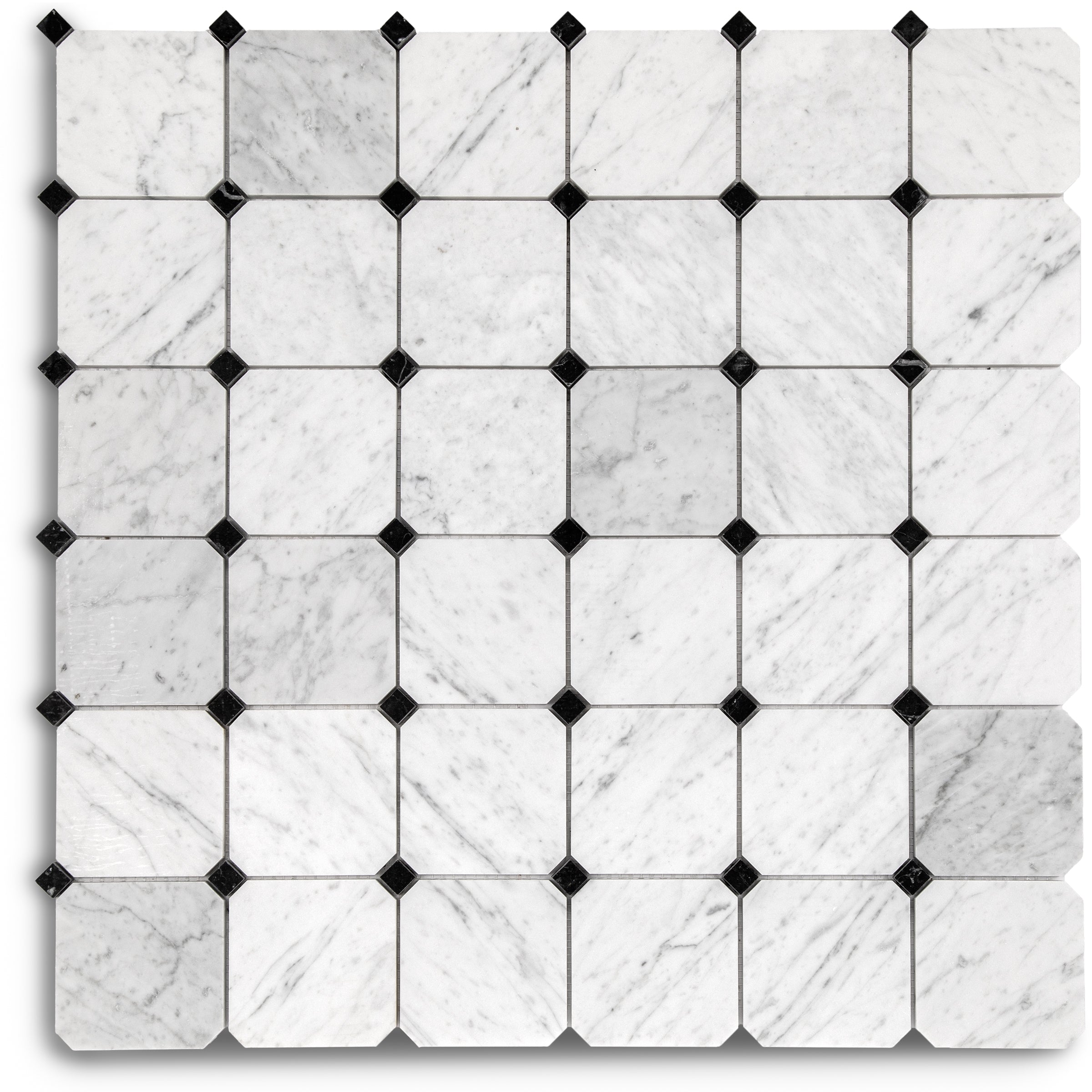
Bianco Carrara Octagon w/ Nero Marquina Dot Mosaic
Amazzonite Matte Marble Look Porcelain Tile
Cotto 2x2 Forma Porcelain Mosaic
Star & Cross Classic Terracotta Tile
White & Ecru Octagon Zellige Mosaic
Cotto Deco Terracotta Look Matte Porcelain Tile
Thassos, Carrara, Bardiglio Gingham Marble Mosaic
Chiaro Deco Terracotta Look Matte Porcelain Tile
White & Ecru 2x2 Zellige Checkerboard Mosaic
Cream Limestone Look 3D Matte Porcelain Tile
Cotto Terracotta Look Matte Porcelain Tile
Unglazed & White Octagon Zellige Mosaic
White & Black Octagon Zellige Mosaic
Murano Honed Italian Terrazzo Tile
Carrara Bardiglio Tumbled Stone Checkerboard
Apple 12x24 3D Glossy Porcelain Tile
Rosso Verona Tumbled Marble Tile
Travertino Moka Stone Look Porcelain Tile
Beige Limestone Look 3D Matte Porcelain Tile
White & Oxblood 2x2 Zellige Checkerboard Mosaic
White Multi-Color Matte Porcelain Tile
Navy 12x24 3D Gloss Porcelain Tile
Rosso Verona 1x1 Hand Chipped Marble Mosaic
Bianco Carrara Honed Marble Tile
Natura Terracotta Look Matte Porcelain Tile
Travertino 3D Matte Porcelain Tile
Cream 12x24 3D Gloss Porcelain Tile
Bianco Carrara Octagon w/ Nero Marquina Dot Mosaic
White & Ecru Octagon Zellige Mosaic
Cotto Deco Terracotta Look Matte Porcelain Tile
Thassos, Carrara, Bardiglio Gingham Marble Mosaic
Chiaro Deco Terracotta Look Matte Porcelain Tile
White & Ecru 2x2 Zellige Checkerboard Mosaic
Cream Limestone Look 3D Matte Porcelain Tile
Unglazed & White Octagon Zellige Mosaic
White & Black Octagon Zellige Mosaic
Murano Honed Italian Terrazzo Tile
Carrara Bardiglio Tumbled Stone Checkerboard
Apple 12x24 3D Glossy Porcelain Tile
Rosso Verona Tumbled Marble Tile
Beige Limestone Look 3D Matte Porcelain Tile
Travertino Moka Stone Look Porcelain Tile
White & Oxblood 2x2 Zellige Checkerboard Mosaic
White Multi-Color Matte Porcelain Tile
Navy 12x24 3D Gloss Porcelain Tile
Bianco Carrara Honed Marble Tile
Travertino 3D Matte Porcelain Tile
Rosso Verona 1x1 Hand Chipped Marble Mosaic
Natura Terracotta Look Matte Porcelain Tile
Cream 12x24 3D Gloss Porcelain Tile
Almond Cement Look Matte Porcelain Tile
Bianco Carrara Octagon w/ Nero Marquina Dot Mosaic
White & Ecru Octagon Zellige Mosaic
Cotto Deco Terracotta Look Matte Porcelain Tile
Thassos, Carrara, Bardiglio Gingham Marble Mosaic
Chiaro Deco Terracotta Look Matte Porcelain Tile
White & Ecru 2x2 Zellige Checkerboard Mosaic
Cream Limestone Look 3D Matte Porcelain Tile
Cotto Terracotta Look Matte Porcelain Tile
Unglazed & White Octagon Zellige Mosaic
White & Black Octagon Zellige Mosaic
Murano Honed Italian Terrazzo Tile
Apple 12x24 3D Glossy Porcelain Tile
Rosso Verona Tumbled Marble Tile
Carrara Bardiglio Tumbled Stone Checkerboard
Travertino Moka Stone Look Porcelain Tile
Beige Limestone Look 3D Matte Porcelain Tile
White & Oxblood 2x2 Zellige Checkerboard Mosaic
White Multi-Color Matte Porcelain Tile
Navy 12x24 3D Gloss Porcelain Tile
Rosso Verona 1x1 Hand Chipped Marble Mosaic
Bianco Carrara Honed Marble Tile
Natura Terracotta Look Matte Porcelain Tile
Travertino 3D Matte Porcelain Tile
Cream 12x24 3D Gloss Porcelain Tile
Bianco Carrara Octagon w/ Nero Marquina Dot Mosaic
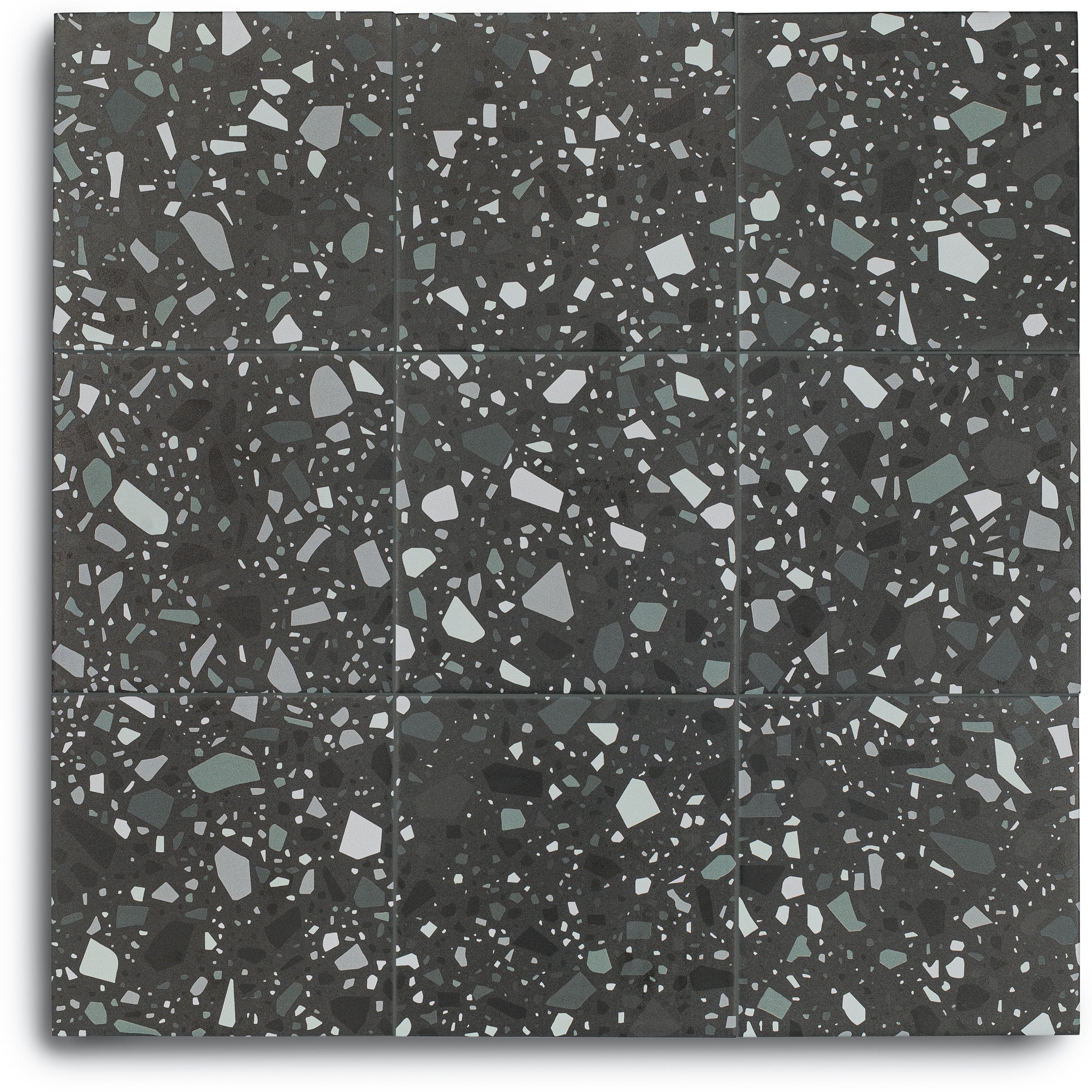
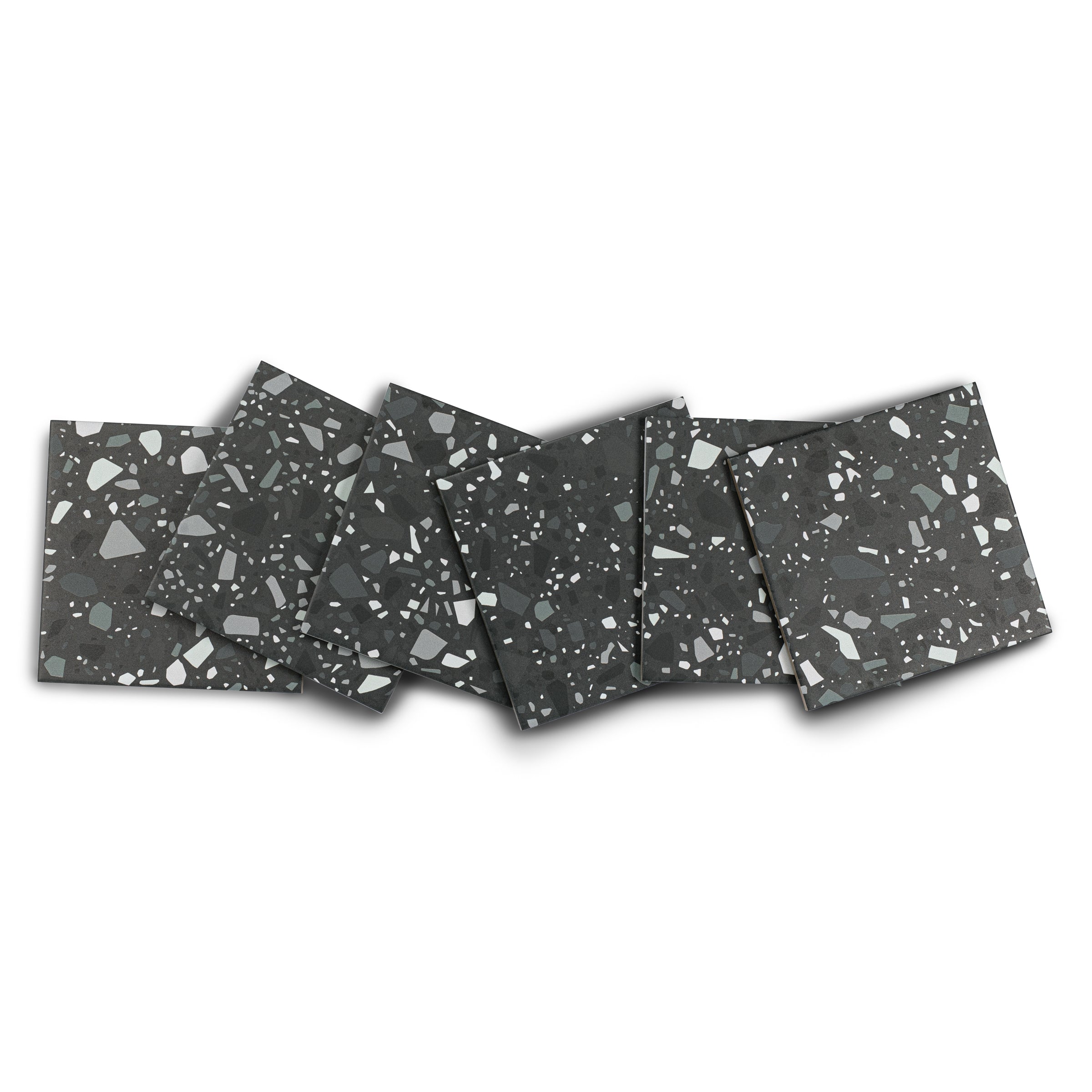
Pepper Confetti Porcelain Tile
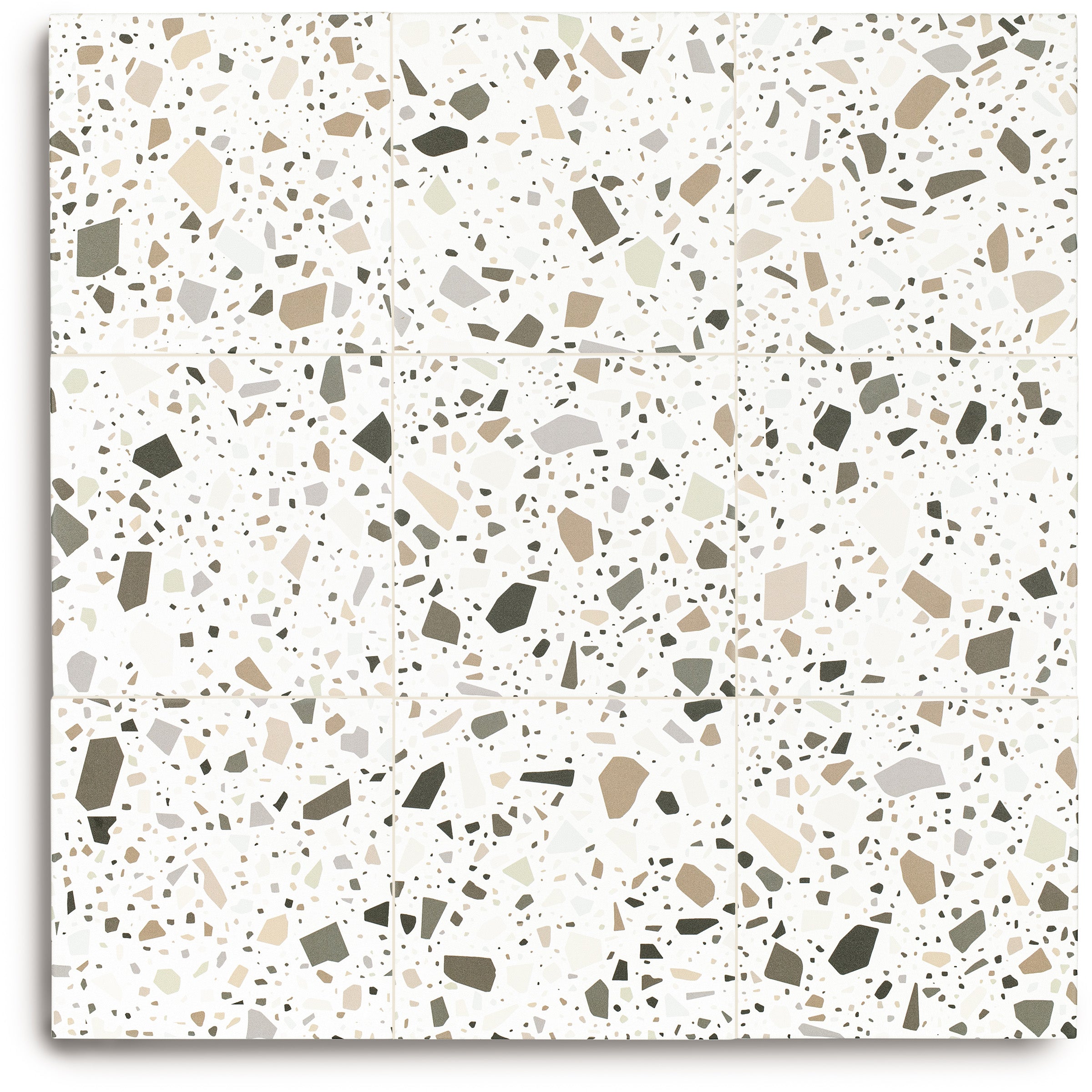
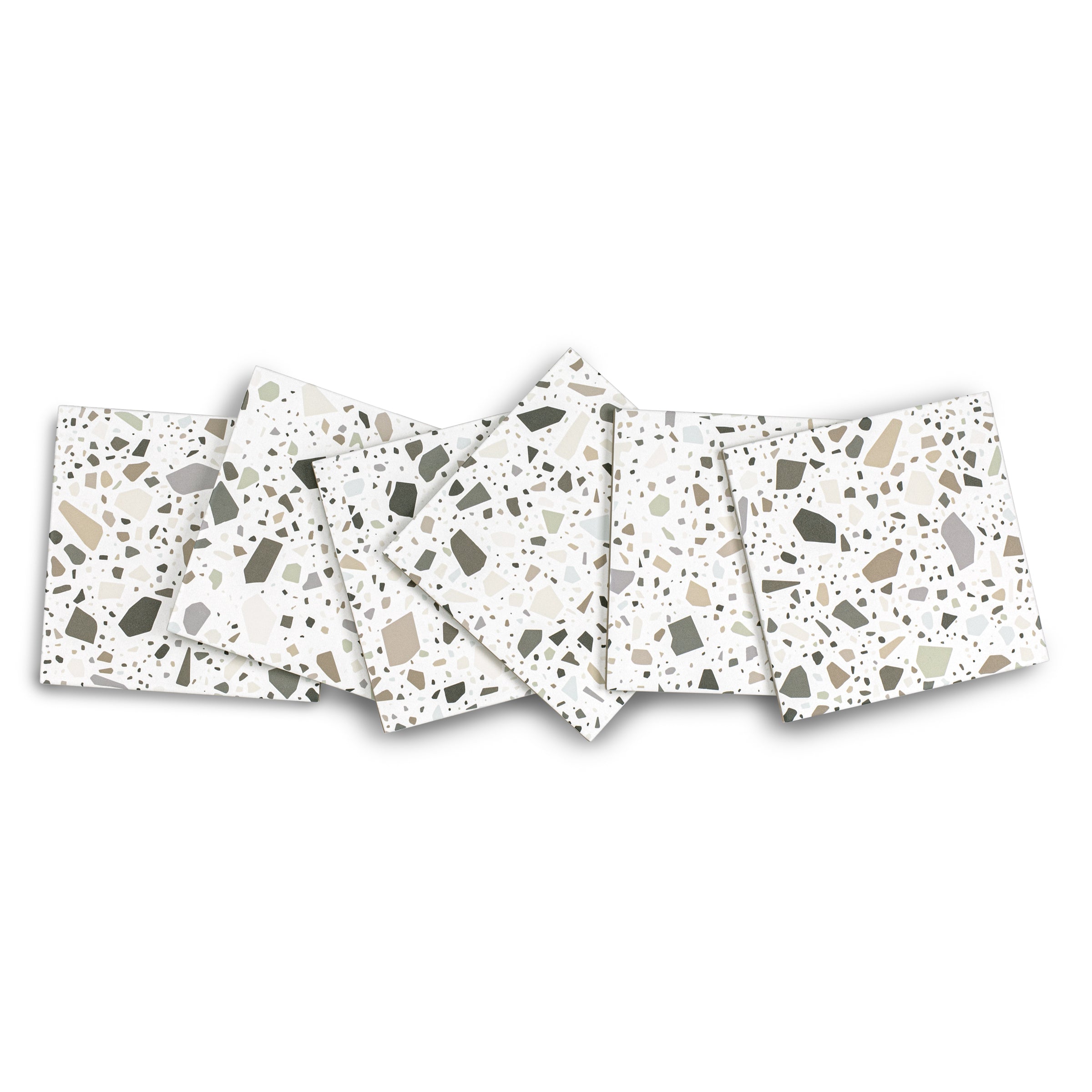
Beige Confetti Matte Porcelain Tile
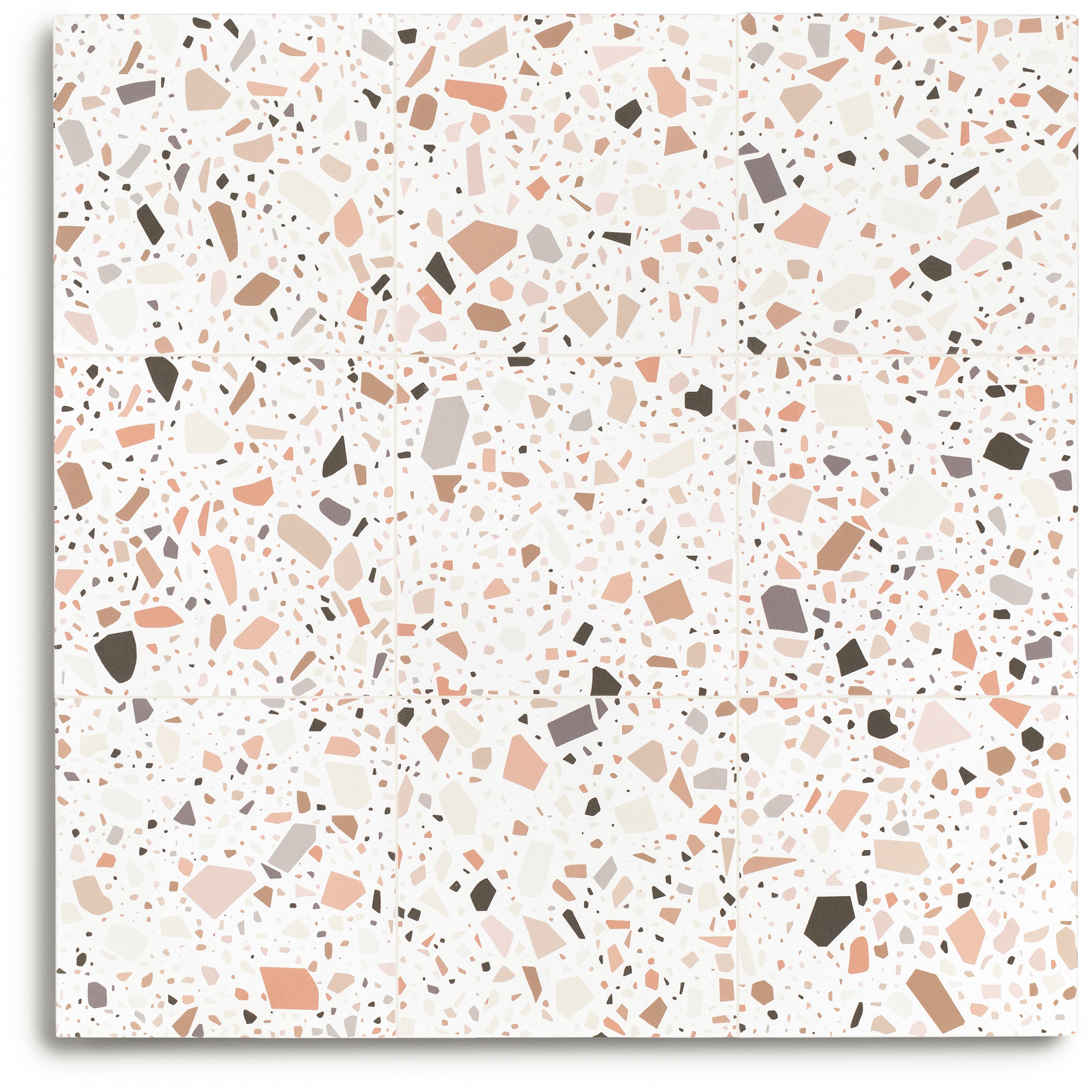
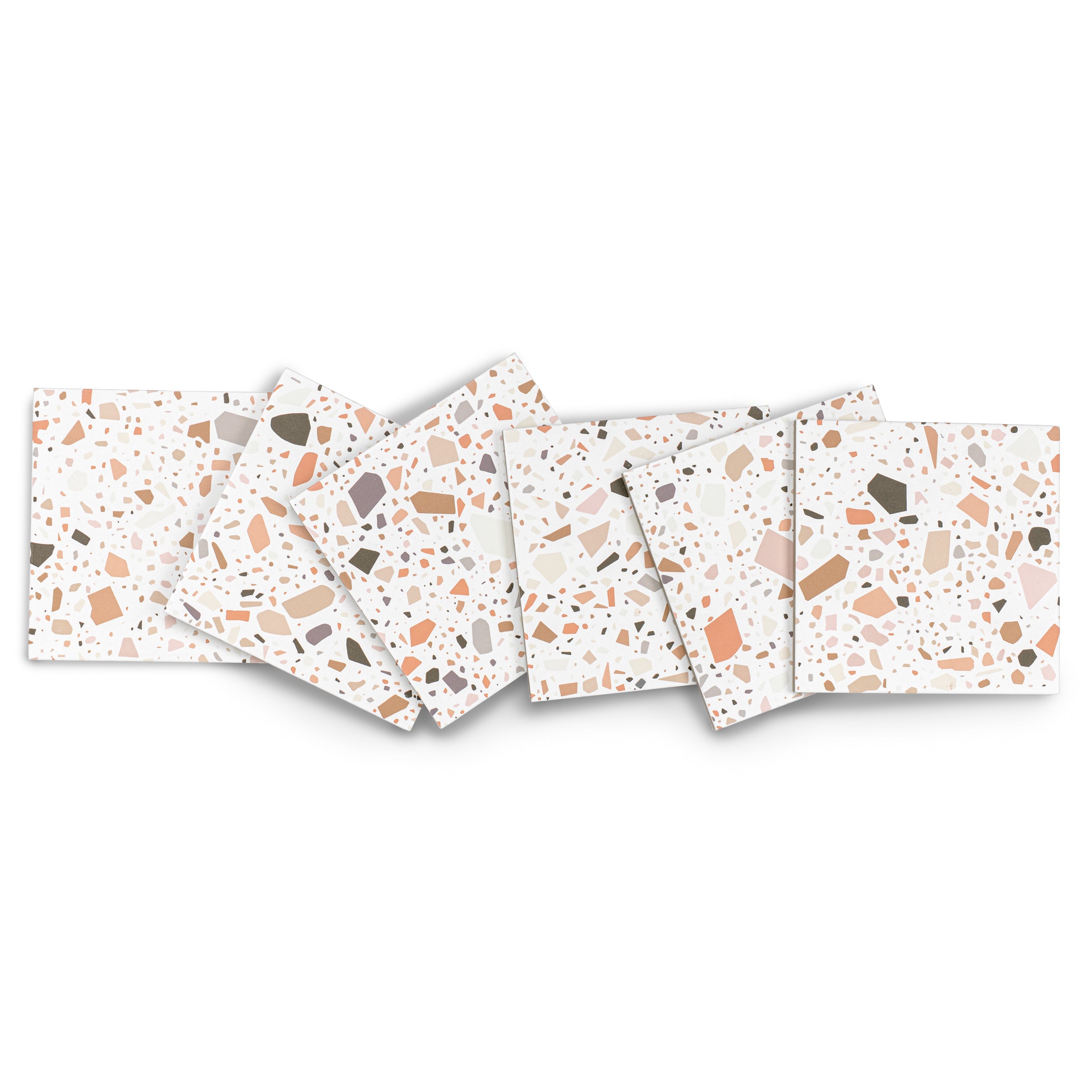
Cotto Confetti Matte Porcelain Tile
Star & Cross Classic Terracotta Tile
Olive 3x12 Glossy Ceramic Tile
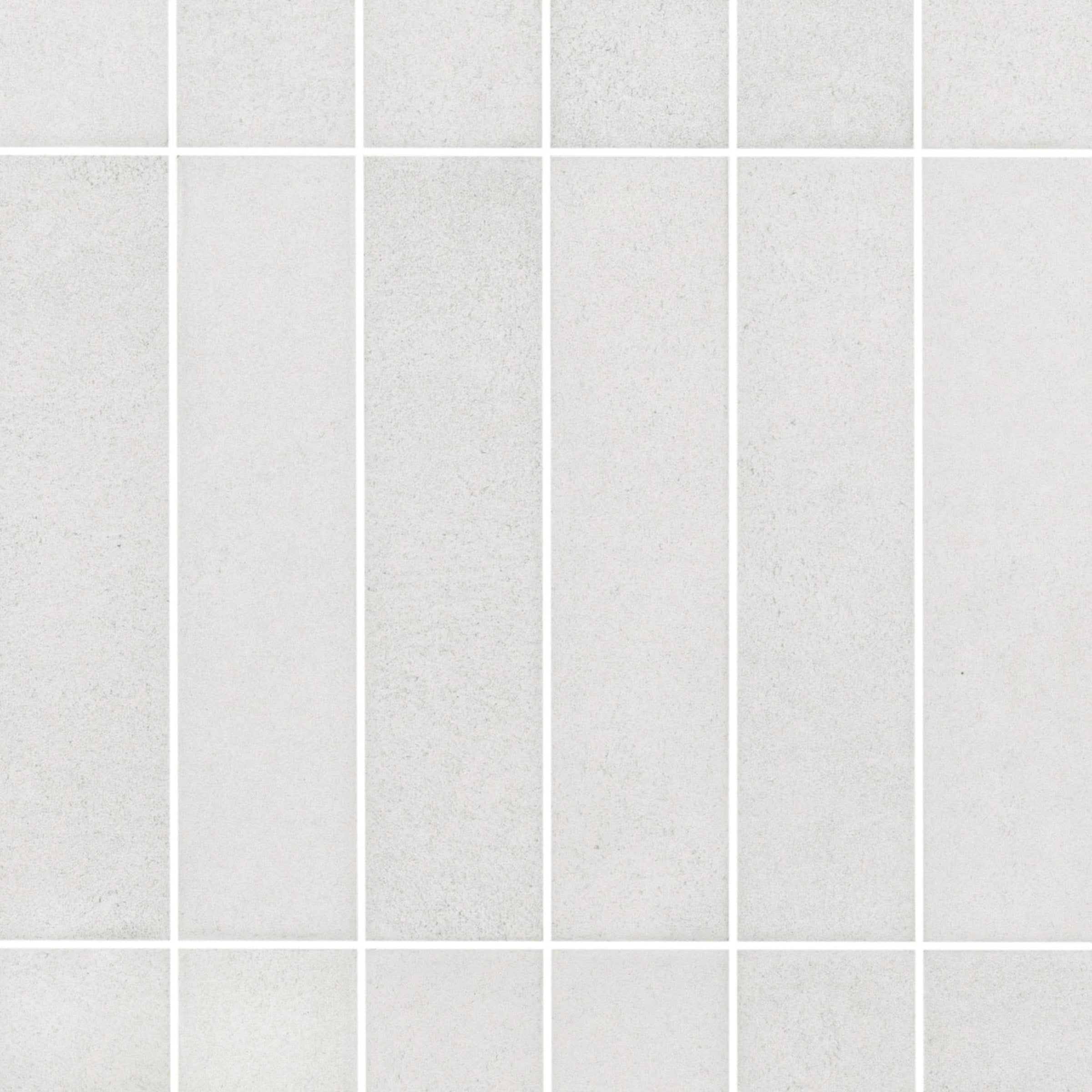


Dark White 3x6 Glossy Ceramic Tile
Marine 3x6 Glossy Ceramic Tile


Natural Smooth Terracotta Tile


Cream Textured Terracotta Tile
Marine 3x12 Glossy Ceramic Tile
Dark White 3x12 Glossy Ceramic Tile


Rosso Textured Terracotta Tiles


Red Cotto Antico Terracotta Tile

Grey Cotto Antico Terracotta Tile


Terracotta 3x12 Glossy Ceramic Tile
Terracotta 3x6 Glossy Ceramic Tile
White 3x12 Glossy Ceramic Tile


White Cotto Antico Terracotta Tile


Natural Textured Terracotta Tile


Natural Cotto Antico Terracotta Tile


Classic Textured Terracotta Tile


Black Cotto Antico Terracotta Tile
White & Ecru Octagon Zellige Mosaic
Cotto Deco Terracotta Look Matte Porcelain Tile
Thassos, Carrara, Bardiglio Gingham Marble Mosaic
Chiaro Deco Terracotta Look Matte Porcelain Tile
White & Ecru 2x2 Zellige Checkerboard Mosaic
Unglazed & White Octagon Zellige Mosaic
Cream Limestone Look 3D Matte Porcelain Tile
White & Black Octagon Zellige Mosaic
Murano Honed Italian Terrazzo Tile
Carrara Bardiglio Tumbled Stone Checkerboard
Apple 12x24 3D Glossy Porcelain Tile
Rosso Verona Tumbled Marble Tile
White & Oxblood 2x2 Zellige Checkerboard Mosaic
Travertino Moka Stone Look Porcelain Tile
Beige Limestone Look 3D Matte Porcelain Tile
White Multi-Color Matte Porcelain Tile
Navy 12x24 3D Gloss Porcelain Tile
Rosso Verona 1x1 Hand Chipped Marble Mosaic
Natura Terracotta Look Matte Porcelain Tile
Bianco Carrara Honed Marble Tile
Travertino 3D Matte Porcelain Tile
Cream 12x24 3D Gloss Porcelain Tile
Amazzonite Matte Marble Look Porcelain Tile
Bianco Carrara Octagon w/ Nero Marquina Dot Mosaic
Almond Cement Look Matte Porcelain Tile
Cotto 2x2 Forma Porcelain Mosaic